
7 African Content Creators Turning Social Media Influence into Real Businesses
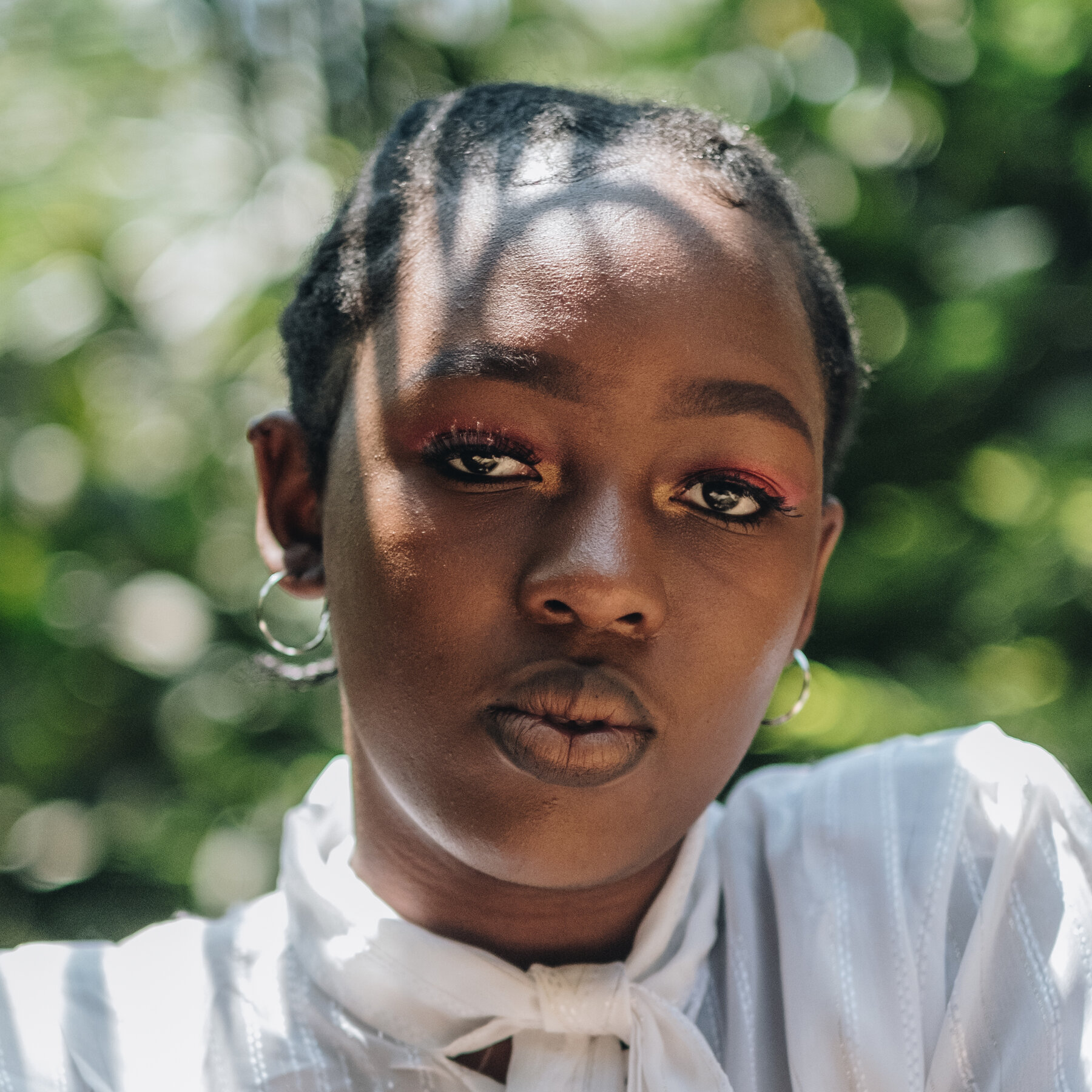
African content creators are turning audiences into lasting businesses through intellectual property, brand partnerships, media companies, and digital products. Discover how Taaooma, Layi Wasabi, Aproko Doctor, and four other creators are shaping Africa’s fast-growing creator economy.
African content creators are moving beyond viral posts, sponsored clips, and follower counts. Across Nigeria, Ghana, Kenya, South Africa, and other markets, digital personalities are building original intellectual property, launching products, signing smart brand partnerships, and creating lasting media companies.
Furthermore, Africa’s creator economy is becoming more professional. A 2025 market report estimated the continent’s creator economy at $5.10 billion, with strong growth expected through 2032.[2] Meanwhile, creators are spreading their work across TikTok, YouTube, Instagram, podcasts, newsletters, and private communities.[1]
This shift matters because influence alone can disappear with a platform change. However, a strong character, trusted audience, and clear business model can grow into a valuable African brand.
Why African Content Creators Are Building Businesses
Social media gives creators a direct route to audiences across Africa and the global diaspora. Yet the smartest creators do not depend on one income stream or one platform.
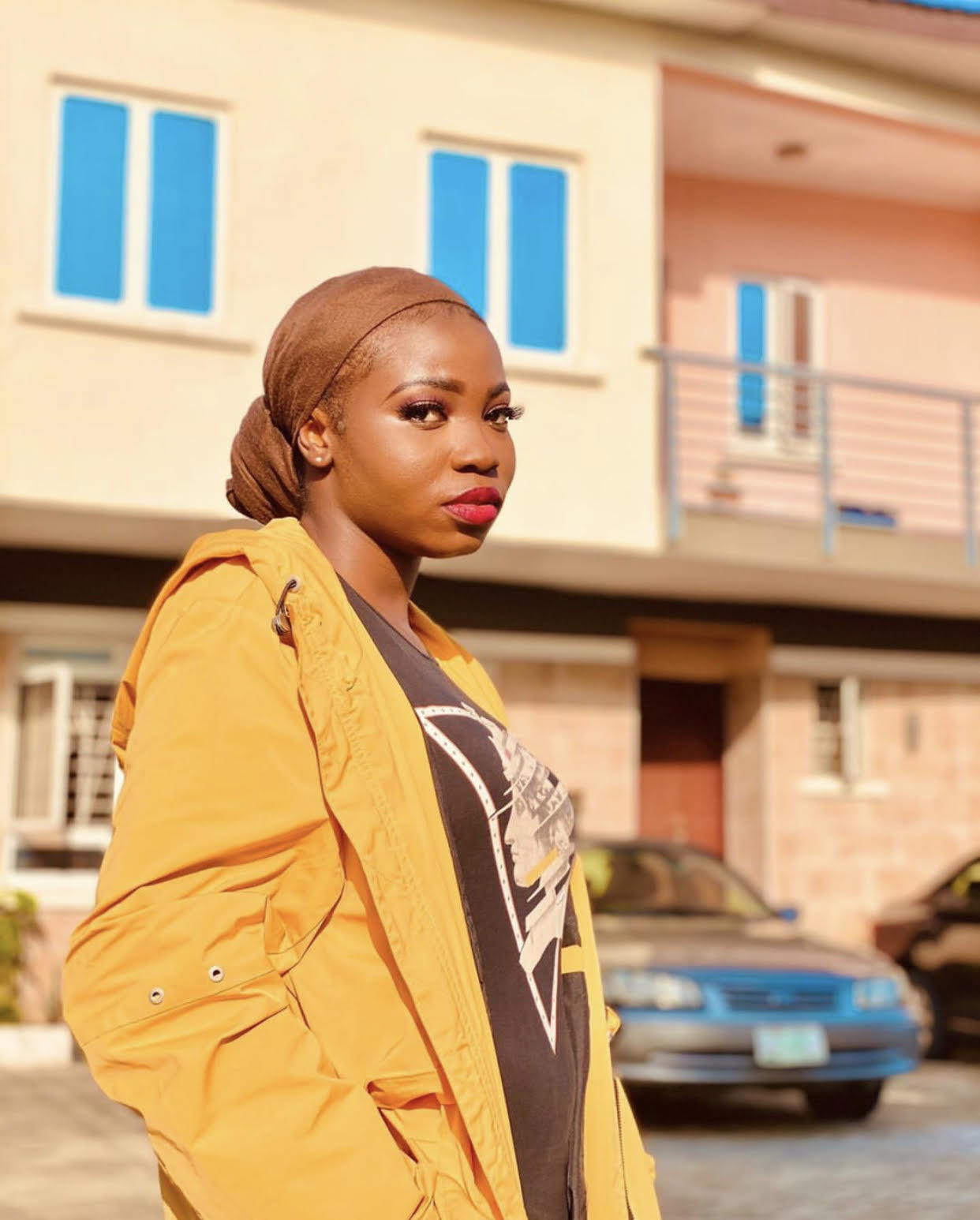
Instead, they combine brand partnerships, live shows, licensing, merchandise, media production, education, and digital products. As a result, their online presence becomes a business engine rather than a simple publicity tool.
For instance, African creators can earn from sponsored campaigns while also developing characters, formats, courses, events, and services. This approach creates more control and helps creators own part of the value they generate.
Moreover, the opportunity reaches beyond entertainment. B2B creators now serve professional audiences with business, finance, health, technology, and career content.[1] Explore more stories about this shift through Topping Africa’s Technology section.
7 African Content Creators Turning Influence into Real Businesses
1. Taaooma: Turning Comedy Characters into Intellectual Property
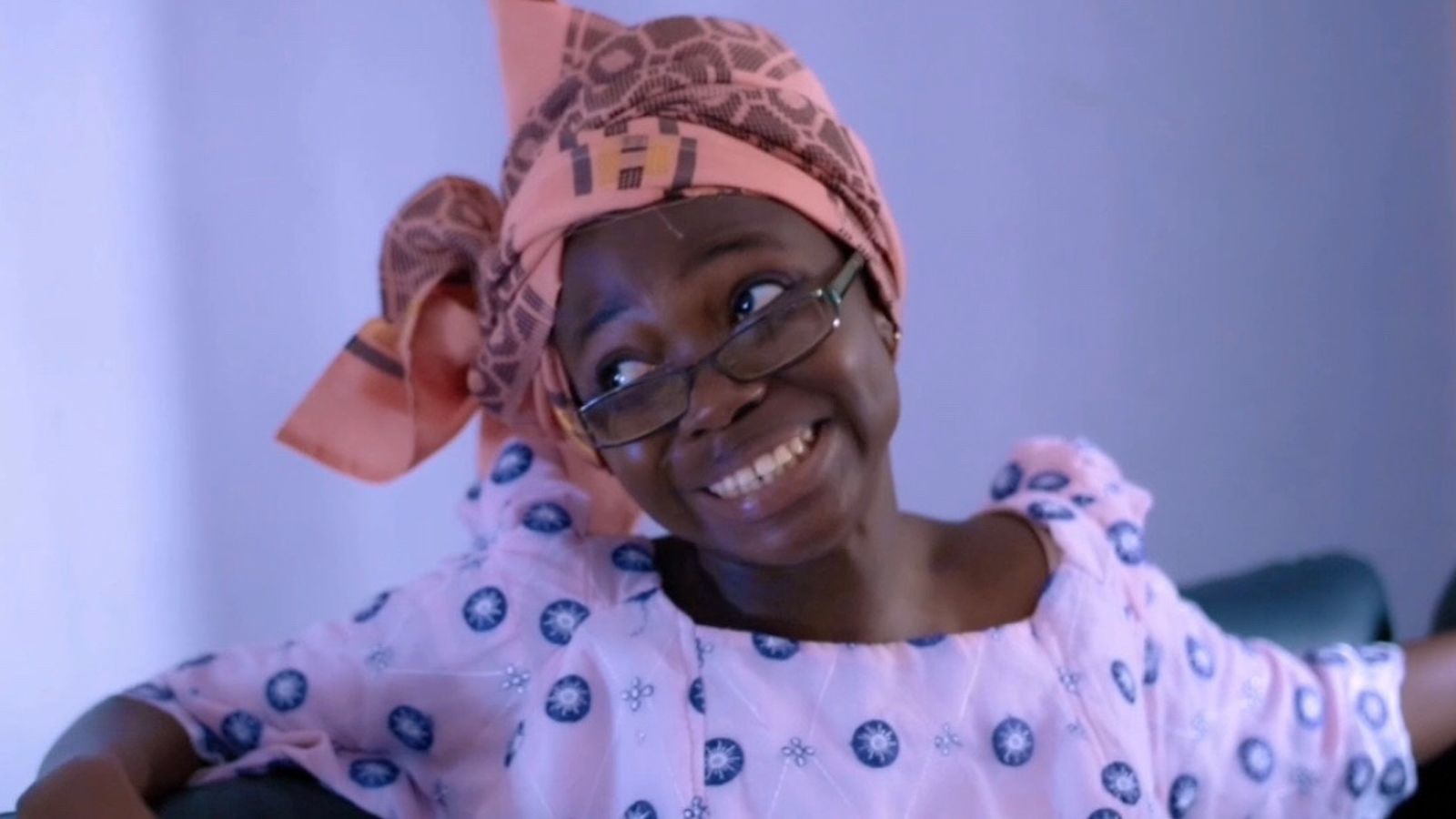
Taaooma, whose real name is Maryam Apaokagi, built a powerful audience through short comedy sketches. Her videos often use memorable characters and everyday Nigerian settings to explore family life, social habits, and communication gaps.
However, the real strength of her brand goes beyond individual jokes. Taaooma has created a recognisable creative world with repeat characters, visual patterns, and a clear storytelling style.
That consistency gives her intellectual property value. Her characters can support live performances, scripted productions, merchandise, licensing, and partnerships with brands seeking cultural relevance.
Furthermore, Taaooma’s rise shows why creators should document their creative assets. A character name, catchphrase, story format, or visual style can become a long-term business asset when managed carefully.
- Business lesson: Build repeatable characters and formats instead of chasing every trend.
- Growth opportunity: Expand from short videos into films, television, events, and licensed products.
- Creator takeaway: Protect original work and keep clear records of ownership.
For readers following Africa’s entertainment economy, discover more through Topping Africa’s Entertainment section.
2. Layi Wasabi: Building a Comedy Brand Around a Distinct Persona
Layi Wasabi became widely known for playing exaggerated legal characters in short-form comedy. His controlled delivery, formal language, and sharp observations make the content easy to recognise.
Similarly, his work shows how a strong persona can become a market position. Instead of presenting a different identity in every video, he developed a character that audiences and brands can quickly understand.
That clarity creates commercial value. A financial service, education platform, legal technology company, or youth-focused brand can work with a creator whose content already connects with a specific theme.
Moreover, Layi Wasabi demonstrates the value of production discipline. Short videos still need writing, performance, editing, timing, and audience insight. When creators treat these skills as a system, they can produce more reliable work.
- Define a clear character or point of view.
- Create content formats that viewers can recognise.
- Choose partnerships that fit the audience’s expectations.
- Develop longer productions without losing the original voice.
The goal is not to look like every other influencer. The goal is to become the creator audiences remember first for a particular style or subject.
3. Aproko Doctor: Turning Health Education into a Trusted Media Brand
Aproko Doctor, whose real name is Chinonso Egemba, has built a strong digital identity around simple health education. He explains medical topics in accessible language and uses social media to make public information easier to understand.
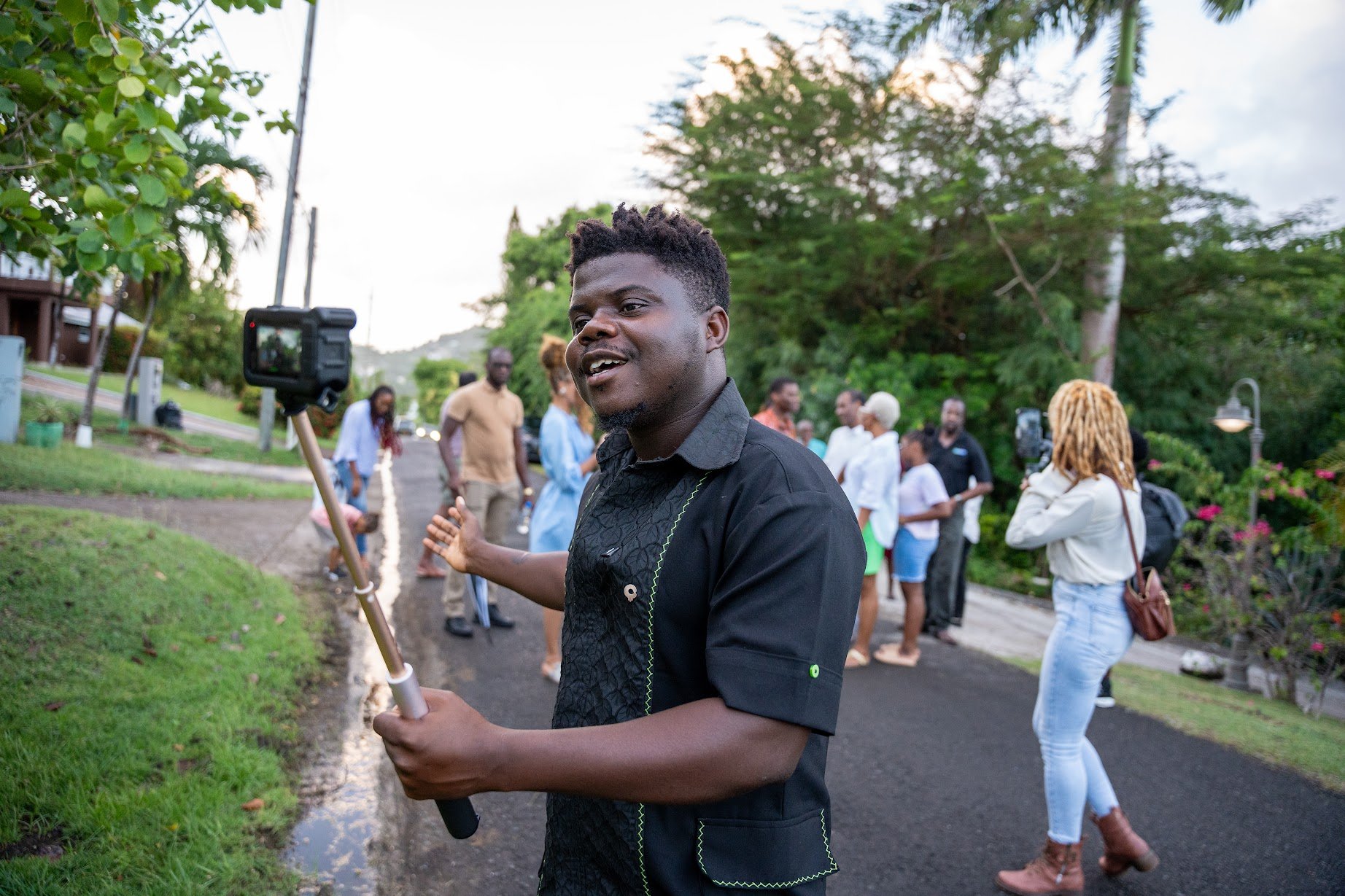
Importantly, this model shows that trust can become a business asset. Health content demands care, accuracy, and clear boundaries. When creators communicate responsibly, they can build long-term relationships with audiences, institutions, and health-focused brands.
Aproko Doctor’s platform also reflects a wider need across Africa. Many people search online for health guidance, but they need information that respects local realities, language, cost, and access.
However, health creators must avoid replacing qualified care with social media advice. They should cite credible sources, explain limits, and urge viewers to seek professional help when needed.
Creators in this space can develop revenue through educational campaigns, speaking engagements, courses, wellness partnerships, books, and carefully reviewed products. Read more about public wellbeing in Topping Africa’s Health and Wellness section.
4. Kwadwo Sheldon: Expanding Commentary into a Digital Media Company
Ghanaian creator Kwadwo Sheldon built attention through commentary on entertainment, internet culture, music, and youth conversations. His work reflects the demand for African voices that interpret global trends through local experience.
Furthermore, commentary creators can build businesses by developing teams rather than working alone. Research, scripting, filming, editing, publishing, and community management can become separate roles within a small media operation.
That structure makes it easier to produce consistently across YouTube, TikTok, Instagram, podcasts, and live events. It also creates opportunities for junior writers, editors, designers, and presenters.
According to industry coverage, African creators are increasingly becoming brands, businesses, and venture builders.[2] Kwadwo Sheldon’s model fits this wider movement from personal page to structured media platform.
- Build a newsroom mindset around research and accuracy.
- Use audience feedback to guide content choices.
- Develop multiple shows instead of relying on one format.
- Train a team that can support growth.
Explore more African business and media stories through Topping Africa’s Business and Economy section.
5. Mihlali Ndamase: Showing How Influence Can Support Beauty and Fashion Commerce
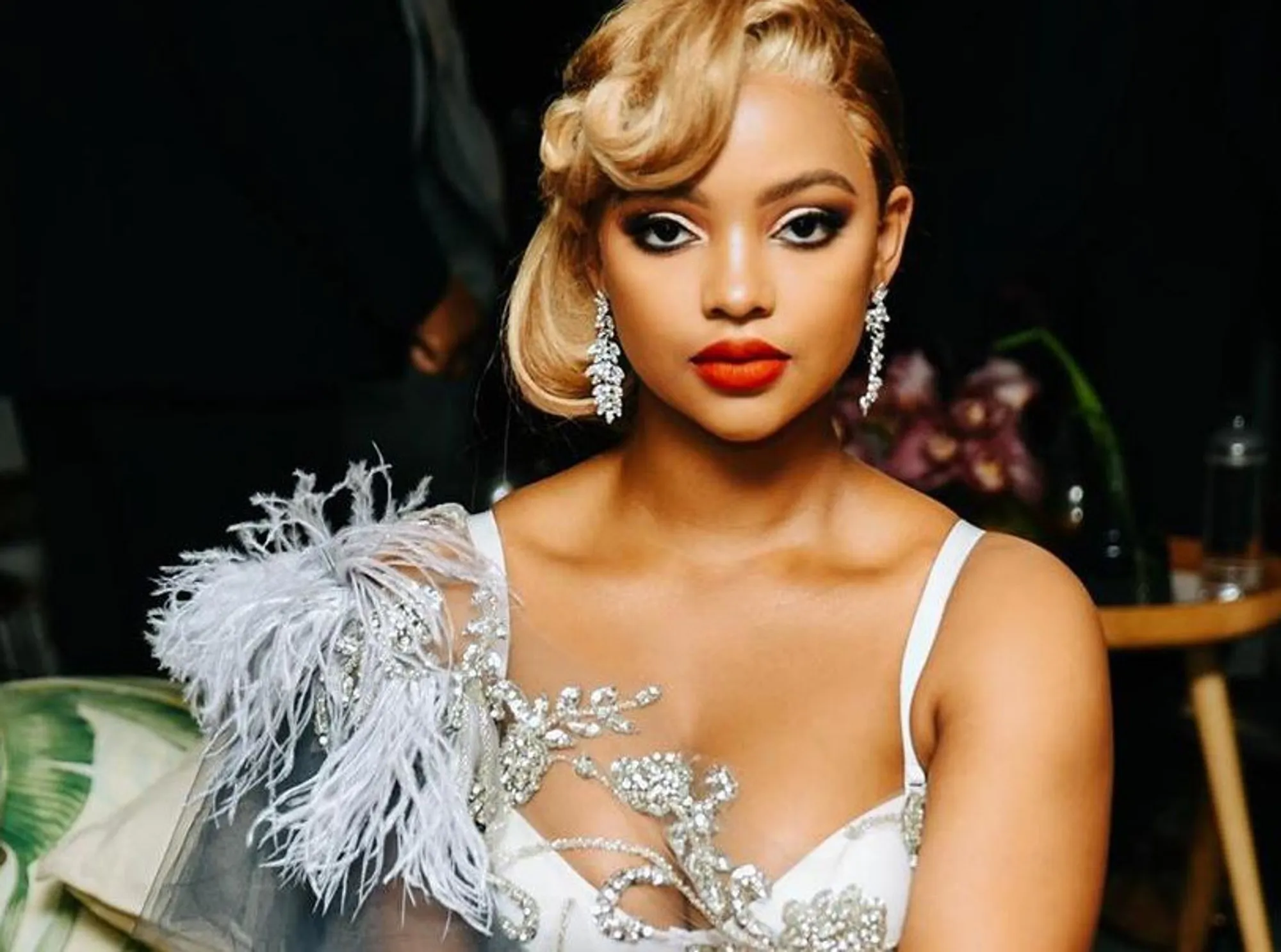
South African creator Mihlali Ndamase has become a recognised name in beauty, fashion, and lifestyle content. Her platform highlights how visual storytelling can shape product discovery and purchasing decisions.
Meanwhile, beauty and fashion creators occupy an important position between media and commerce. Their audiences often want practical demonstrations, honest reviews, styling ideas, and product inspiration.
This creates several routes to revenue. These include brand campaigns, affiliate sales, event appearances, product collaborations, creative direction, and personal product lines.
However, sustainable influence requires more than attractive images. Creators must understand their audience, disclose paid work, protect trust, and select products that match their values.
For African creators, local knowledge offers a major advantage. Skin tones, climate, price points, cultural tastes, and regional fashion traditions can guide content that global brands cannot easily produce themselves.
Discover more style and identity stories in Topping Africa’s Culture and Lifestyle section.
6. Elsa Majimbo: Turning a Distinct Voice into a Global Brand
Kenyan comedian and creator Elsa Majimbo gained global attention through direct-to-camera videos, dry humour, and a highly recognisable delivery. Her rise shows how a simple format can travel when the voice feels original.
In addition, global reach can open opportunities in fashion, entertainment, partnerships, appearances, and international media. Yet global attention also brings pressure to maintain a clear identity.
The strongest creator brands do not abandon their roots when they gain international audiences. Instead, they make local perspective part of the appeal.
For emerging creators, Elsa Majimbo’s path offers a useful lesson: you do not need expensive production to make an impact. You need a clear point of view, repeatable content, and the discipline to keep publishing.
As a result, creators from smaller markets can compete globally without copying larger entertainment industries. Their language, humour, setting, and personal perspective can become their competitive edge.
7. Mark Angel: Building a Scalable Comedy Production Model
Nigerian comedian and filmmaker Mark Angel built a major audience through short comedy videos featuring recurring performers and familiar everyday situations. His work helped show how African digital comedy could reach viewers around the world.

More importantly, the model depends on production systems. A successful comedy channel needs ideas, actors, scripts, filming, editing, publishing, audience support, and brand sales.
This creates a path from individual creator to production company. It can also provide opportunities for new performers and crew members who want to enter Africa’s growing digital media sector.
Similarly, recurring formats make content easier to package for advertisers and platforms. Brands can understand the audience, the tone, and the likely delivery style before signing a campaign.
Creators who follow this path should track costs closely. High views do not always mean strong profits. A simple budget can reveal which formats, platforms, and partnerships actually support growth.
What These African Content Creators Do Differently
These creators work in different fields, but their businesses share several useful habits. They build recognisable brands, serve clear audiences, and create content that people can identify quickly.

Additionally, they treat trust as a business resource. Followers may discover a creator through humour or fashion, but they remain because the creator offers a reliable point of view.
They also understand the value of original intellectual property. Characters, shows, formats, names, visual styles, and educational systems can all support income beyond a single sponsored post.
Finally, many creators are becoming more platform-diverse. One report found that African creators increasingly maintain active presences across YouTube, TikTok, Instagram, podcasting, newsletters, and community platforms.[1]
How Emerging African Creators Can Build Sustainable Businesses
If you want to turn social media influence into a real business, start with a clear offer. Your audience should know what you make, who it serves, and why your work deserves attention.
- Choose a clear niche: Focus on comedy, music, beauty, health, finance, technology, food, sport, or another area you understand.
- Create a repeatable format: A series makes production easier and gives audiences a reason to return.
- Own your audience: Build an email list, website, community, or customer database alongside social accounts.
- Track business numbers: Measure income, production costs, campaign results, audience growth, and repeat customers.
- Build a small team: Hire support for editing, sales, design, research, or administration as demand grows.
- Protect your work: Register business details, clarify contracts, and keep evidence of original content.
- Choose partners carefully: Work with brands that fit your audience and support long-term trust.
Furthermore, creators should plan for uneven platform income. Algorithm changes, policy updates, and payment limits can affect visibility and revenue without warning.
Therefore, a stronger business model combines brand work with direct income. Courses, events, memberships, merchandise, consulting, licensing, and product sales can reduce platform risk.
The Role of Brands in Africa’s Creator Economy
Brands should stop treating creators as simple advertising spaces. The best partnerships involve creators early, allowing them to shape ideas that feel natural to their audiences.

For instance, a fintech company could work with a trusted business creator to explain saving. A health company could support clear public education. A fashion label could collaborate with a creator who understands local style and buying habits.
However, brands must judge more than follower totals. Engagement quality, audience fit, content skill, trust, and business results often matter more than raw reach.
Similarly, creators should negotiate clear contracts. Agreements should cover payment, deadlines, content ownership, exclusivity, usage rights, revisions, disclosure, and payment dates.
The DataReportal digital report has helped track Africa’s expanding online audience, while YouTube’s creator resources explain platform tools and monetisation guidance. These sources can help brands and creators make better plans.
Why This Matters for Africa’s Future
A strong creator economy can support more than individual fame. It can create jobs for writers, editors, photographers, stylists, developers, producers, managers, and event teams.
Moreover, creators can help African businesses reach new customers. Their content can make technology, fashion, food, finance, health, and tourism more understandable and appealing.
Positive African innovation often grows through familiar voices. When creators explain new products in everyday language, audiences may trust and use them faster.
Meanwhile, local stories can reach global audiences without losing their cultural detail. This gives African creators a chance to shape how the continent’s people, products, and ideas appear internationally.
Explore More on Topping Africa
- Technology — Follow African startups, digital tools, and innovation shaping new careers.
- Entertainment — Discover creators, celebrities, music, film, and culture across the continent.
- Business and Economy — Read practical stories about brands, markets, founders, and African enterprise.
Share your thoughts: Which African creator has built the strongest business beyond social media? Leave a comment below and tell us why.
Conclusion: Influence Is Only the Beginning
African content creators are proving that social media influence can become a serious business. Taaooma, Layi Wasabi, Aproko Doctor, Kwadwo Sheldon, Mihlali Ndamase, Elsa Majimbo, and Mark Angel each show a different route from audience attention to lasting value.
Ultimately, the winning formula combines originality, consistency, trust, ownership, and smart income planning. A large following may open the door, but a strong product or service keeps the business moving.
As Africa’s creator economy expands, the next generation will build more studios, brands, platforms, and creative companies. Explore, learn, and start building with intention.

Staff
Contributing writer at Topping Africa.
0 Comments
No comments yet. Be the first to share your thoughts!