
10 African Content Creators Turning Local Stories into Global Culture
Meet 10 African content creators turning local humour, culture, music, food and everyday experiences into global digital influence. Discover what their success means for creators, brands and audiences across Africa.
African content creators are changing how the world sees the continent. From Nigerian comedy and Kenyan satire to South African lifestyle videos, these storytellers turn daily experiences into global conversations.
Furthermore, platforms such as TikTok, YouTube, Instagram, podcasts and streaming services now help local voices travel across borders. Africa’s creator economy is growing around video, brand partnerships, music, events and digital products.[1][8]
However, the biggest opportunity is not simply chasing views. It is building trust, protecting cultural detail and showing audiences why African stories matter.
Why African Content Creators Matter Today
African content creators connect global audiences with the continent’s humour, style, languages and ambitions. They also give young people new ways to earn from skills in filming, editing, design, writing and performance.
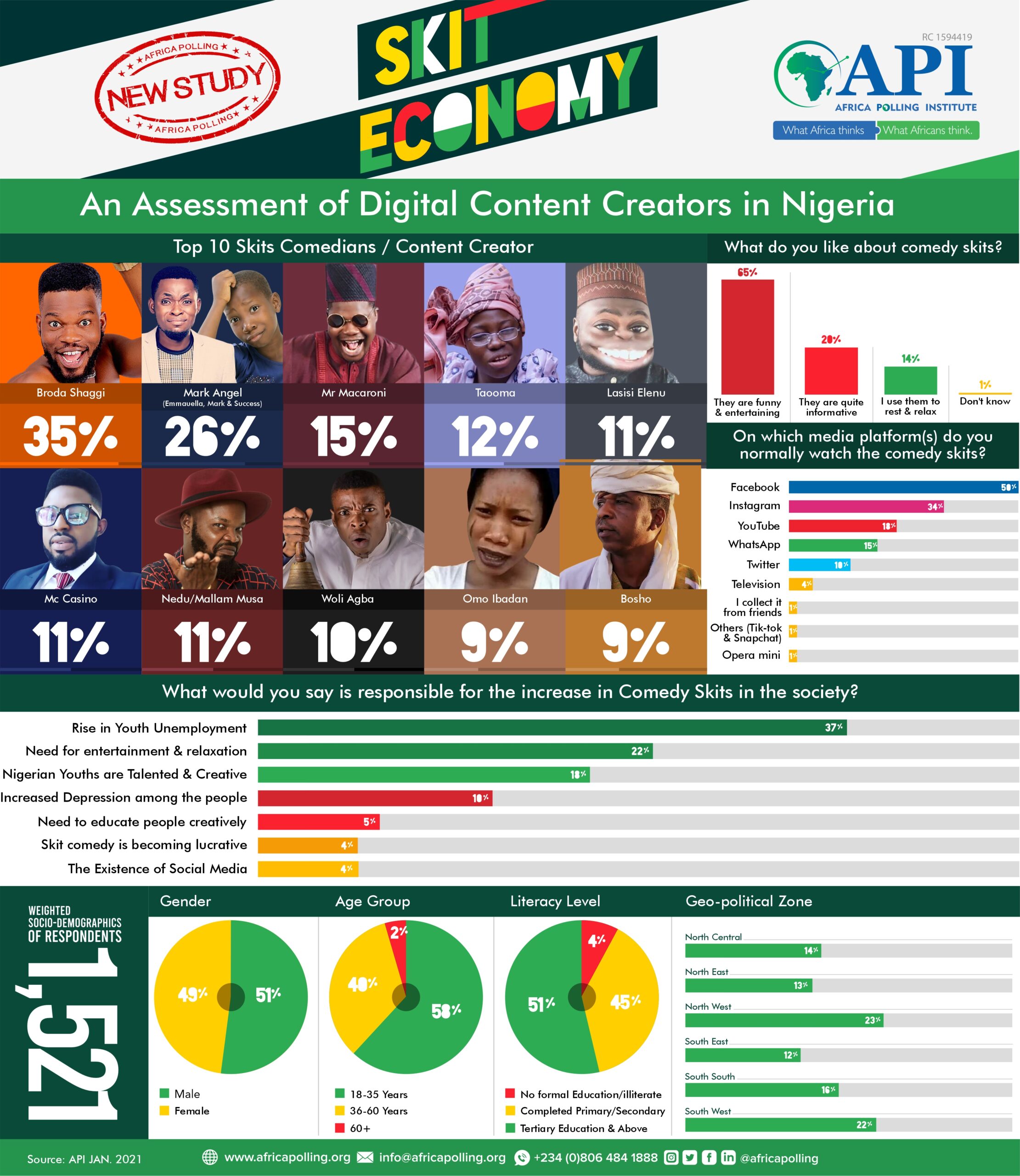
Moreover, creator-led media often feels more direct than traditional advertising. A short video can introduce a local food, fashion label, travel route or tech product to viewers thousands of kilometres away.
Recent industry reporting places Africa’s creator economy among the continent’s fastest-growing digital sectors. YouTube, TikTok, Instagram, Spotify and other platforms compete for attention from African creators and their audiences.[1]
For brands, this shift creates a clear lesson: authentic local knowledge can become global value. For viewers, it offers a richer way to discover African talent beyond familiar celebrity names.
10 African Content Creators Turning Local Stories into Global Culture
1. Mark Angel — Nigeria’s Comedy Storyteller
Mark Angel built one of Africa’s best-known comedy channels by turning everyday Nigerian situations into short, easy-to-follow stories. His work often features family life, friendship, school experiences and neighbourhood humour.
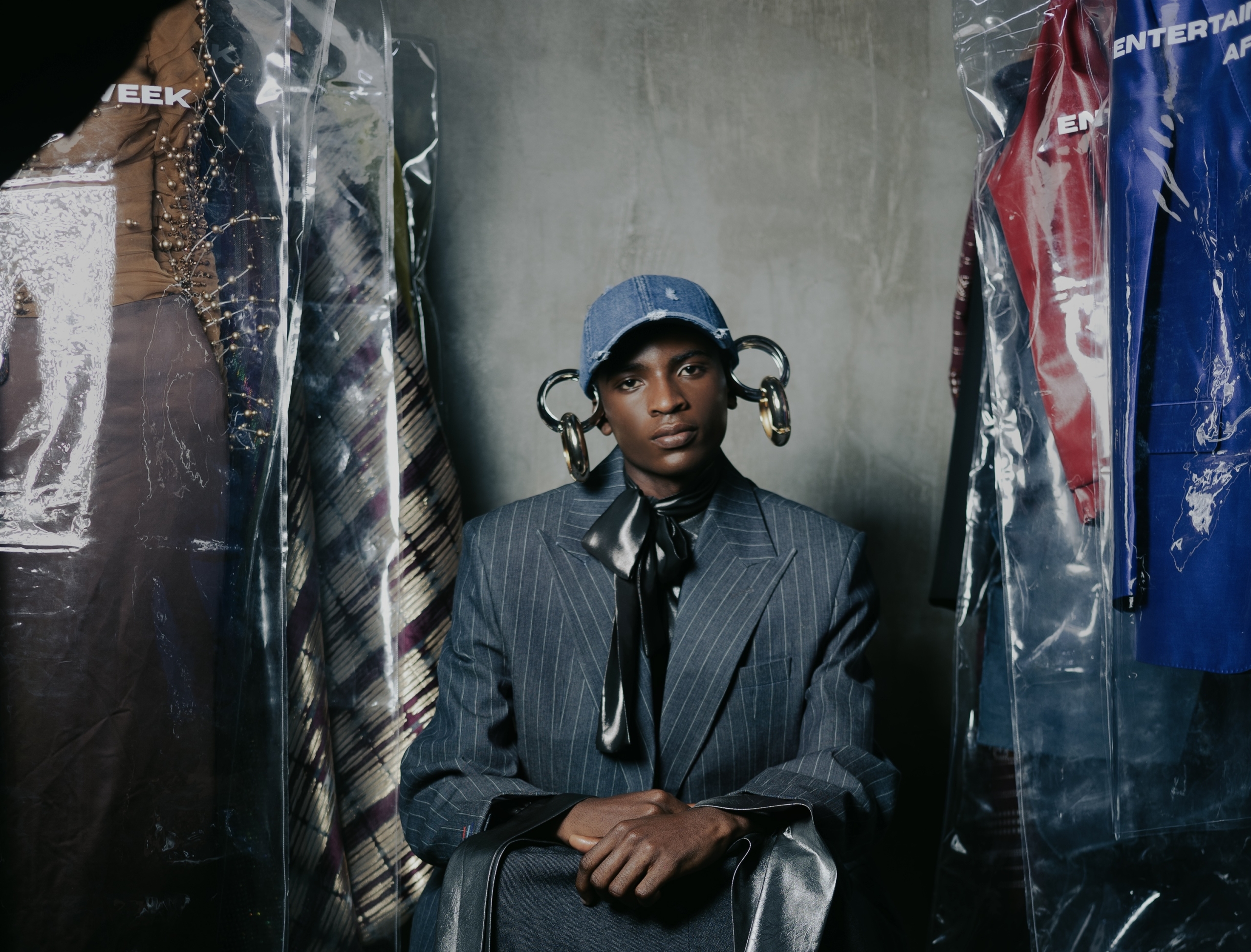
Consequently, the channel reaches viewers who may not share the same background but understand the emotions behind each scene. Its success also shows how simple production can support a large global audience when the characters feel real.
Mark Angel’s model offers a useful lesson for new creators: create repeatable formats, develop memorable characters and publish consistently. Explore more African entertainment coverage through Entertainment.
2. Lasizwe Dambuza — South African Lifestyle and Comedy
Lasizwe Dambuza blends comedy, lifestyle content and social commentary across digital platforms. His videos draw from South African language, family life and modern youth culture.
Additionally, he shows how a creator can grow beyond short videos. Brand campaigns, television work, podcasts, events and merchandise can all form part of a wider media business.
For aspiring creators, his path highlights the value of a clear personality. Audiences return because they recognise the voice, humour and point of view behind each post.
3. Elsa Majimbo — Kenyan Satire with Global Reach
Elsa Majimbo became known for sharp, low-cost comedy clips that turned ordinary observations into memorable jokes. Her relaxed delivery and distinct style helped her connect with viewers far beyond Kenya.
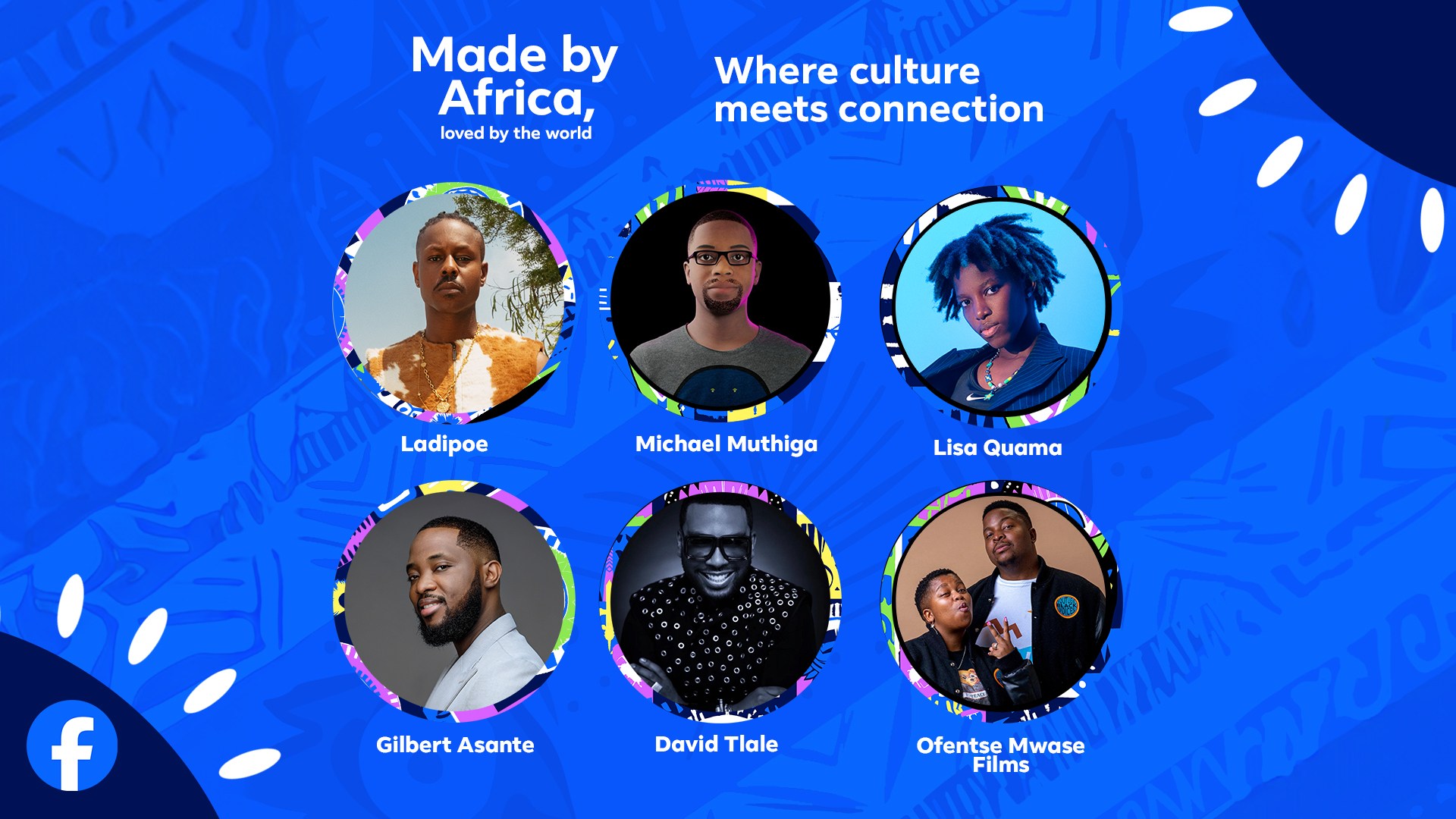
Meanwhile, her rise shows why creators should not hide their local identity. Kenyan humour became the starting point, while the themes of confidence, pressure and ambition reached a wider audience.
Her story also reflects the power of short-form video for young African women seeking space in global entertainment. Discover more creator-led culture in Topping Africa’s Culture and Lifestyle section.
4. Tayo Aina — Nigeria Through Film and Travel
Tayo Aina uses YouTube to explore Nigerian cities, communities, businesses and travel experiences. His visual storytelling gives viewers a closer look at places that often receive little attention in global media.
Furthermore, his work links travel content with entrepreneurship. A well-made city guide can support local tourism, highlight property development and introduce small businesses to new audiences.
Creators covering African destinations should focus on useful detail. Show transport options, local costs, food, people and the small moments that make a place memorable.
5. Khaby Lame — Silent Comedy Across Borders
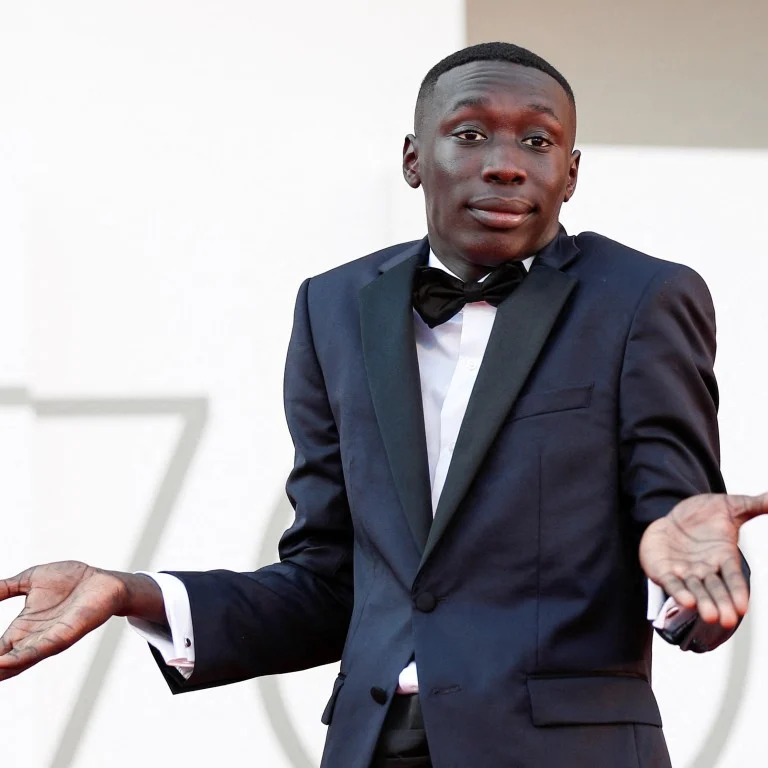
Khaby Lame, who was born in Senegal and built his career in Italy, became a global TikTok star through silent reactions to overcomplicated online videos. His simple gestures cross language barriers with ease.

However, his success does not mean every creator should remove language from their content. Instead, it proves that strong visual ideas can travel widely when audiences understand the joke quickly.
His career also shows how African-born talent can influence global internet culture. For brands, the lesson is clear: visual clarity and a recognisable format can support international growth.
6. Gogo Eswatini — Culture and Spiritual Storytelling
Gogo Eswatini brings cultural knowledge, spiritual themes and community storytelling to social media. Her content creates space for viewers to engage with Eswatini’s traditions in a modern digital setting.
In addition, her work reminds audiences that African culture includes more than music, fashion and food. Belief, memory, language and family wisdom also shape the continent’s creative identity.
Creators working with cultural material should lead with respect. Explain context, avoid reducing traditions to trends and allow community voices to guide the story.
7. Valerie Keter — Kenyan Travel and Lifestyle
Valerie Keter uses digital storytelling to showcase travel, lifestyle and experiences connected to Kenya. Her content helps audiences see the country through the eyes of a local creator.
As a result, her work supports a form of tourism marketing built on personal trust. Viewers can discover destinations through practical tips, visual detail and an approachable voice.
Kenyan creators can build on this model by covering smaller towns, local guides, creative spaces and community-run experiences. Read more about African travel and culture through Topping Africa’s Lifestyle and Culture coverage.
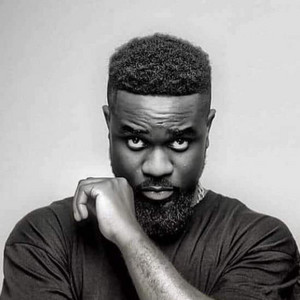
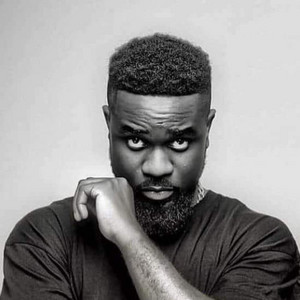
8. Sarkodie — Music, Digital Culture and Ghanaian Identity
Sarkodie represents the growing link between music, celebrity influence and digital storytelling. His work carries Ghanaian identity into global hip-hop and African pop culture conversations.
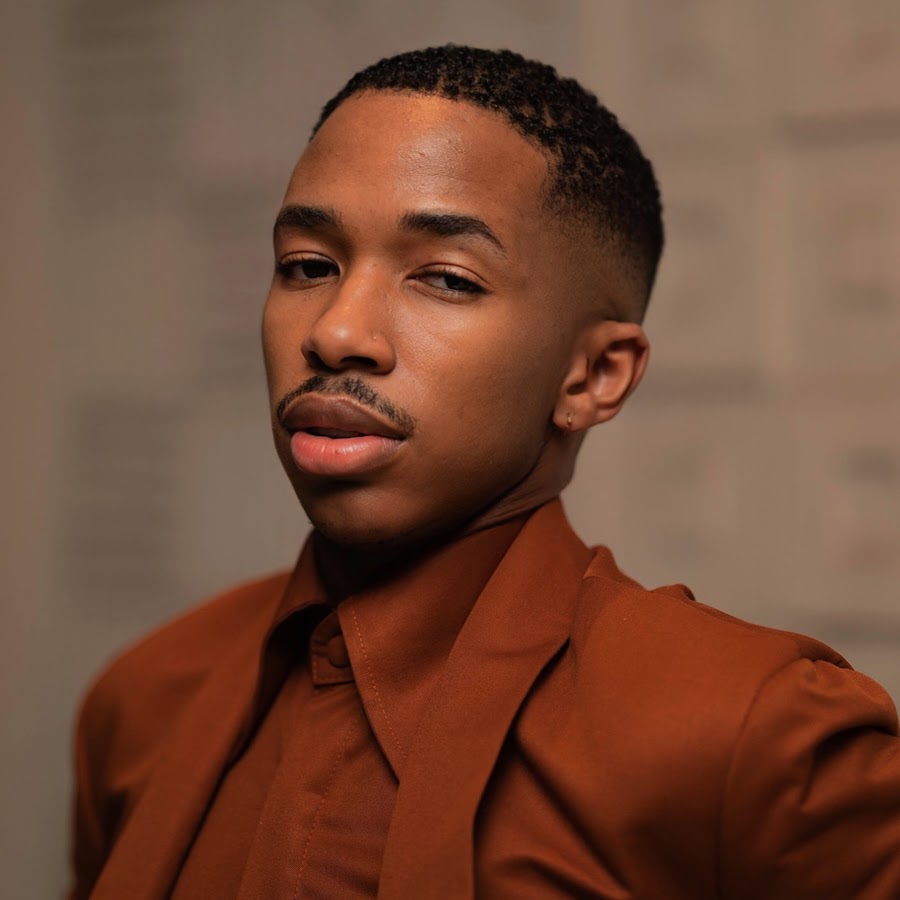
Moreover, musicians now operate as full media brands. They use music videos, interviews, live streams, social posts, fashion and technology to keep fans engaged between releases.
For emerging artists, a strong digital plan matters as much as a strong song. Build a story around the music, share the creative process and give audiences reasons to return.
Explore more African music coverage at Topping Africa Entertainment.
9. Boity Thulo — South African Celebrity and Digital Mogul
Boity Thulo shows how a public figure can extend influence across entertainment, fashion, business and social media. Her work connects celebrity culture with personal branding and commercial partnerships.
Additionally, her career reflects a wider trend across Africa. Audiences increasingly follow people who combine talent, lifestyle, business interests and direct communication.
Creators can learn from this approach by treating their platforms as owned media. A clear identity, reliable content and smart partnerships can create value beyond a single campaign.
10. Diary of a Kitchen Lover — African Food Through Digital Storytelling
Diary of a Kitchen Lover uses recipes, cooking tutorials and food stories to celebrate African cuisine. The content turns familiar meals into inviting entry points for international audiences.
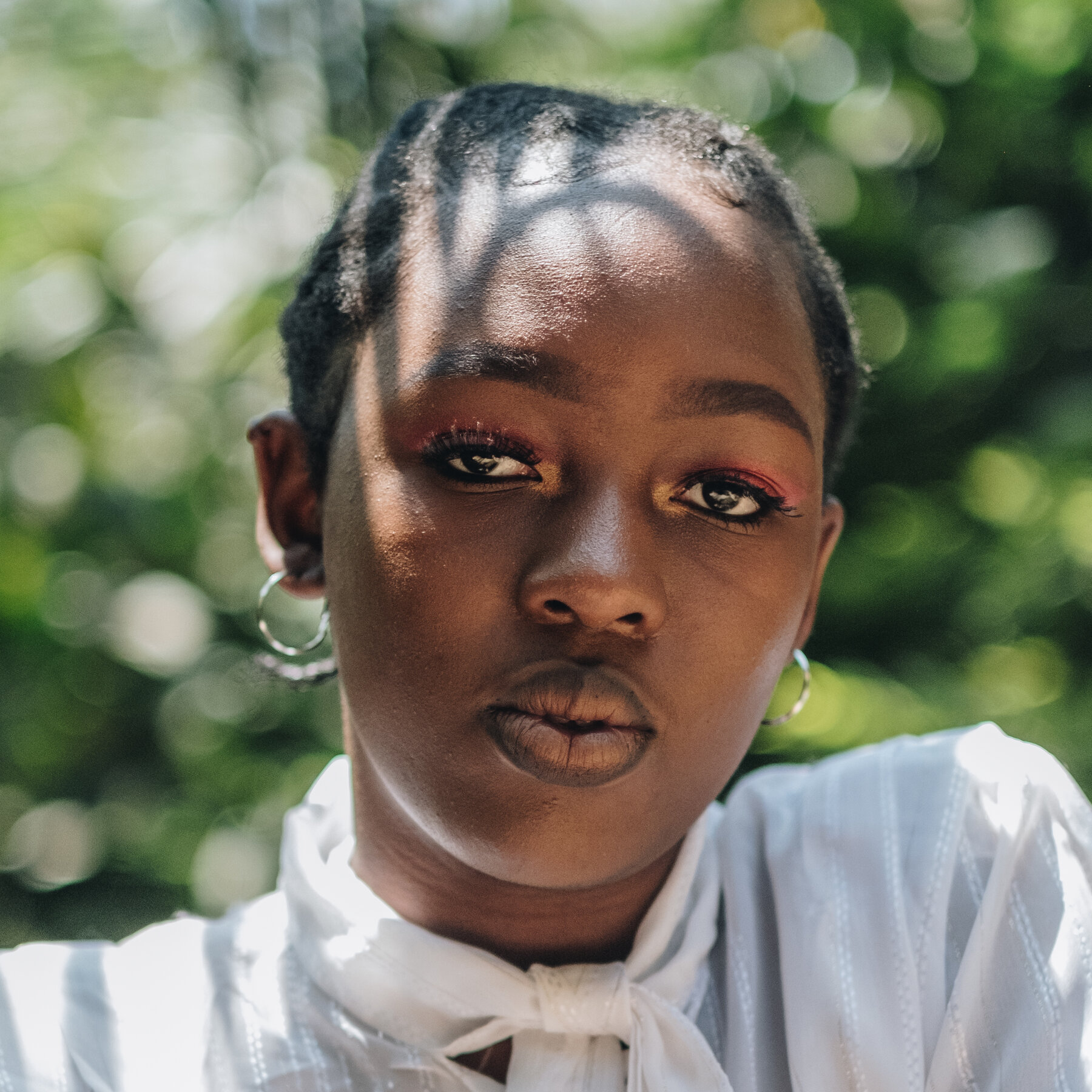
Food creators hold strong cultural power because recipes carry memory, family history and regional identity. A well-shot dish can also support farmers, restaurants, kitchen brands and tourism.
For new creators, food offers many content paths. Share recipes, explain ingredients, interview cooks, compare regional methods and show how meals fit into everyday life.
What These African Content Creators Teach Brands
First, local detail creates distinction. Generic posts compete with millions of similar videos. A clear Nigerian, Kenyan, Ghanaian, South African or Eswatini point of view gives content a stronger identity.
Secondly, creators need more than one income stream. Brand deals remain important, but memberships, events, merchandise, courses, affiliate sales and licensing can strengthen financial stability.
Furthermore, brands should measure more than follower counts. Watch time, comments, repeat viewers, audience location and real sales often reveal greater value.
- Choose creators whose audience matches the campaign goal.
- Give creators room to use their natural voice and language.
- Set clear goals before agreeing on content.
- Track engagement quality instead of chasing vanity metrics.
- Build long-term partnerships instead of one-off posts.
Recent reporting also points to a difficult reality: many African creators still earn modest incomes despite strong reach.[5] Therefore, fair contracts and timely payments matter to the future of the sector.
How New African Creators Can Grow
Start with one clear promise. Tell viewers what they will gain from following you, whether that means comedy, travel advice, fashion ideas, business lessons or cultural stories.
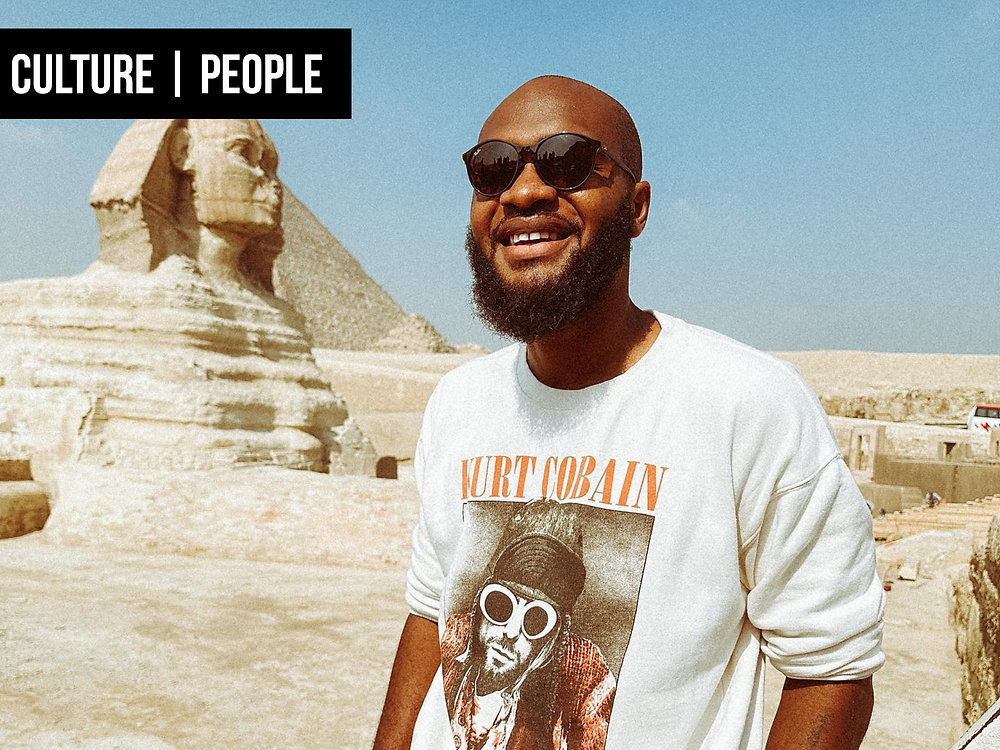
Next, choose formats you can sustain. A weekly YouTube video, daily short clip or monthly podcast can work when the schedule matches your resources.
- Define your audience and the problem your content solves.
- Create three repeatable content formats.
- Use local language, slang or visual cues with care.
- Publish consistently on one main platform.
- Repurpose strong ideas for other platforms.
- Review audience data every month and improve weak formats.
In addition, build skills beyond performance. Learn basic editing, copyright rules, pricing, analytics and contract terms.
Creators can also use digital tools to reach wider audiences without losing their roots. Add subtitles, explain local references and use strong thumbnails while keeping the original voice intact.
Why Local Language and Humour Travel
Local language gives content emotional texture. Even when viewers do not understand every word, tone, rhythm and facial expression can communicate the story.
Similarly, humour creates a fast connection. A joke about family expectations, city traffic, food or dating may begin in one country but find meaning across the African diaspora.
However, global reach should not require cultural flattening. The strongest creators keep the detail that makes their work personal while adding enough context for new viewers.
That balance can help African creators shape global culture rather than simply follow it. Their stories bring new sounds, styles, phrases and ideas into everyday digital life.
Explore More on Topping Africa
- Technology and Innovation — Discover African startups, digital tools and ideas shaping the creator economy.
- Business and Economy — Read analysis on brands, entrepreneurship and new ways Africans build income.
- Entertainment — Follow music, celebrities, film and the creators driving pop culture.
Explore more Topping Africa stories to find the next voices shaping the continent. Share your thoughts in the comments and tell us which African content creator deserves a wider audience.
Conclusion
African content creators are turning local stories into global culture through humour, music, fashion, food, travel and everyday life. Their influence reaches beyond social media because they help audiences understand the people and ideas behind the headlines.
Ultimately, the next major African creator may come from any city, language group or creative field. Follow closely, support original work and subscribe for more stories about Africa’s rising digital talent.
Sources: Techpoint Africa, YouTube for Creators, and TikTok Creator Portal.

Staff
Contributing writer at Topping Africa.
0 Comments
No comments yet. Be the first to share your thoughts!