
Top 10 African Content Creators Dominating TikTok, Instagram and YouTube in 2026
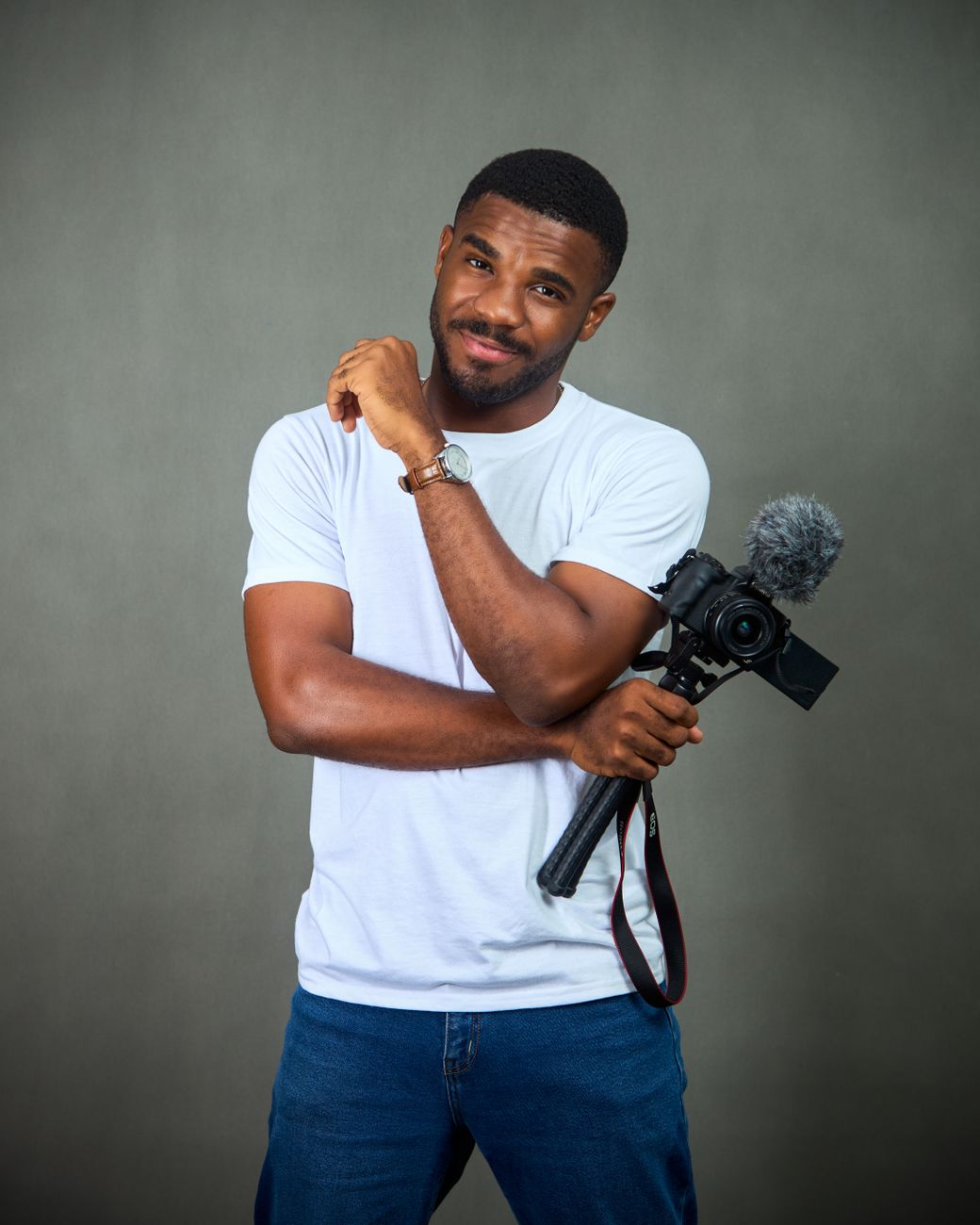
The top content creators in Africa are commanding global audiences and building multi-million-dollar media businesses across TikTok, Instagram, and YouTube in 2026. This cross-platform power list breaks down who is winning, what niches they own, and the exact growth and monetization tactics behind their success. Learn from the blueprint, not just the highlight reel.
The top content creators in Africa are no longer a regional curiosity — they are a global force reshaping how culture, commerce, and conversation flow across the internet. In 2026, African creators collectively command hundreds of millions of followers across TikTok, Instagram, and YouTube, pulling brand deals worth millions of dollars and building media empires that rival traditional broadcasters. This list is not a passive directory. It is a cross-platform power ranking built around one question: who is actually winning, and how are they doing it? Each entry breaks down niche, growth tactics, and monetization so you can learn from the blueprint, not just admire it.
For context on the financial mechanics behind these careers, read our deep-dive on how African content creators make money on Facebook, TikTok and X in 2026. The numbers are bigger than most people expect.
How We Ranked These Creators
Follower count alone is a lazy metric. This ranking weighs cross-platform reach, engagement rate, revenue diversification, cultural influence, and consistency of output. A creator with 2 million highly engaged subscribers on YouTube and a thriving merchandise line outranks someone with 8 million ghost followers and a single brand deal. Growth trajectory in 2025–2026 also matters — stagnant accounts, regardless of size, did not make this list.
The creator economy across Africa is projected to surpass $20 billion in total value by 2027, according to Statista's creator economy research. That context matters when reading each entry below.
The Top 10 African Content Creators Dominating in 2026
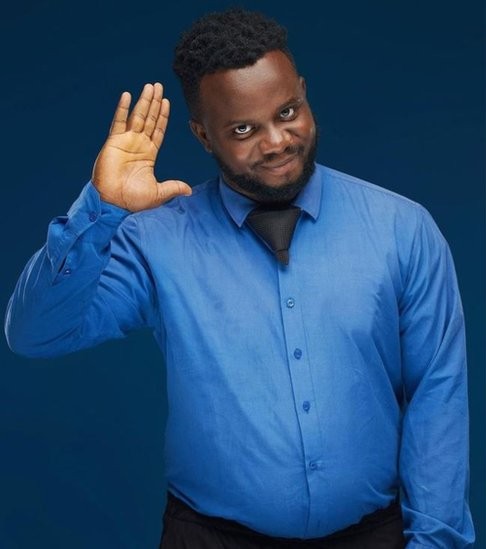
1. Mark Angel (Nigeria) — YouTube Comedy King
Mark Angel Comedy remains the most-subscribed African YouTube channel with over 9.5 million subscribers and consistent monthly uploads that clock 50–80 million views. The Port Harcourt-based producer built his empire on short, relatable skits starring child actor Emmanuella, whose deadpan delivery became a global meme format. His growth tactic is deceptively simple: volume plus virality. He posts multiple videos per week, each under five minutes, optimized for mobile-first viewers.
Monetization runs on YouTube AdSense (estimated $15,000–$25,000 per month at his view volume), merchandise, live shows across Africa and the UK, and brand integrations with telecoms and FMCG companies. The common mistake other comedy creators make? Chasing longer formats too early. Mark Angel stayed short until the audience demanded more.
2. Lasizwe Dambuza (South Africa) — TikTok and YouTube Lifestyle Powerhouse
Lasizwe is one of South Africa's most versatile creators, straddling comedy, lifestyle, and social commentary across TikTok (4.2M+), YouTube (1.8M+), and Instagram (2.1M+). His growth tactic is authenticity as strategy — he speaks openly about mental health, identity, and family dynamics in a way that feels raw rather than performed. That emotional honesty drives shares, not just likes.
His monetization mix is sophisticated: brand deals with Netflix South Africa and Vodacom, a reality show, a podcast, and a growing merchandise line. He also leverages cross-platform funneling — TikTok hooks drive viewers to longer YouTube content where CPM rates are higher. Creators who ignore this funnel leave significant money on the table.
3. Wode Maya (Ghana) — Africa's Travel Ambassador on YouTube
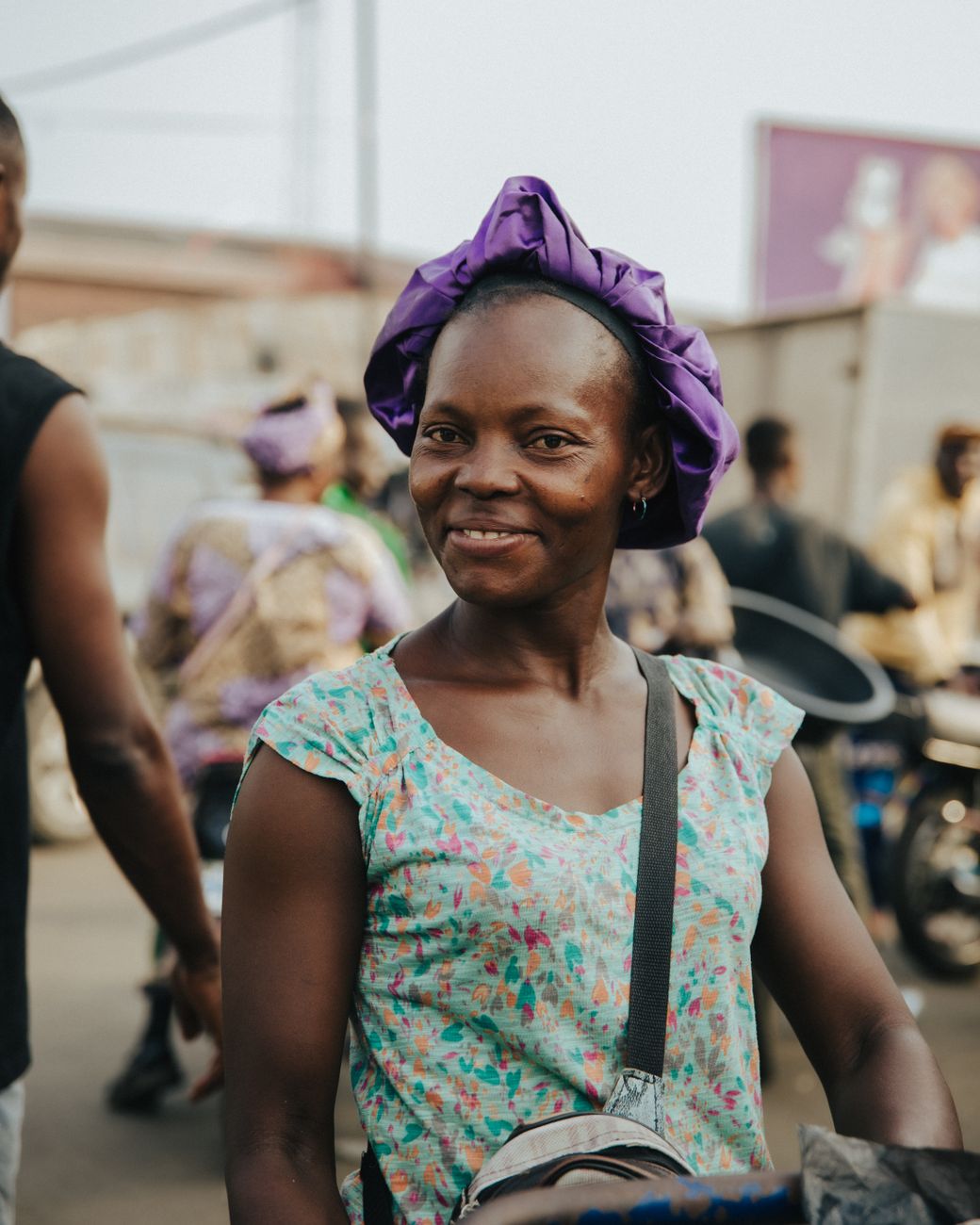
Wode Maya — real name Berthold Kobby Winkler Ohene — has built a 2.4 million-subscriber YouTube channel by doing something most travel creators avoid: documenting life inside Africa for the world, not just documenting Africa for outsiders. Born in Ghana, based across the continent, he films in countries like Ethiopia, Rwanda, Senegal, and DR Congo, showing economic growth, local innovation, and everyday life with genuine curiosity.
His SEO tactic is worth studying. Titles like "I Visited Africa's Most Dangerous City" or "Living in Africa's Richest Country" are engineered for search intent, not just social sharing. Revenue streams include YouTube ads, Patreon (an estimated 2,000+ patrons), brand deals with African tourism boards, and speaking engagements. He is proof that niche specificity beats broad appeal every time.
4. Sho Madjozi (South Africa) — Instagram and Music Creator Crossover
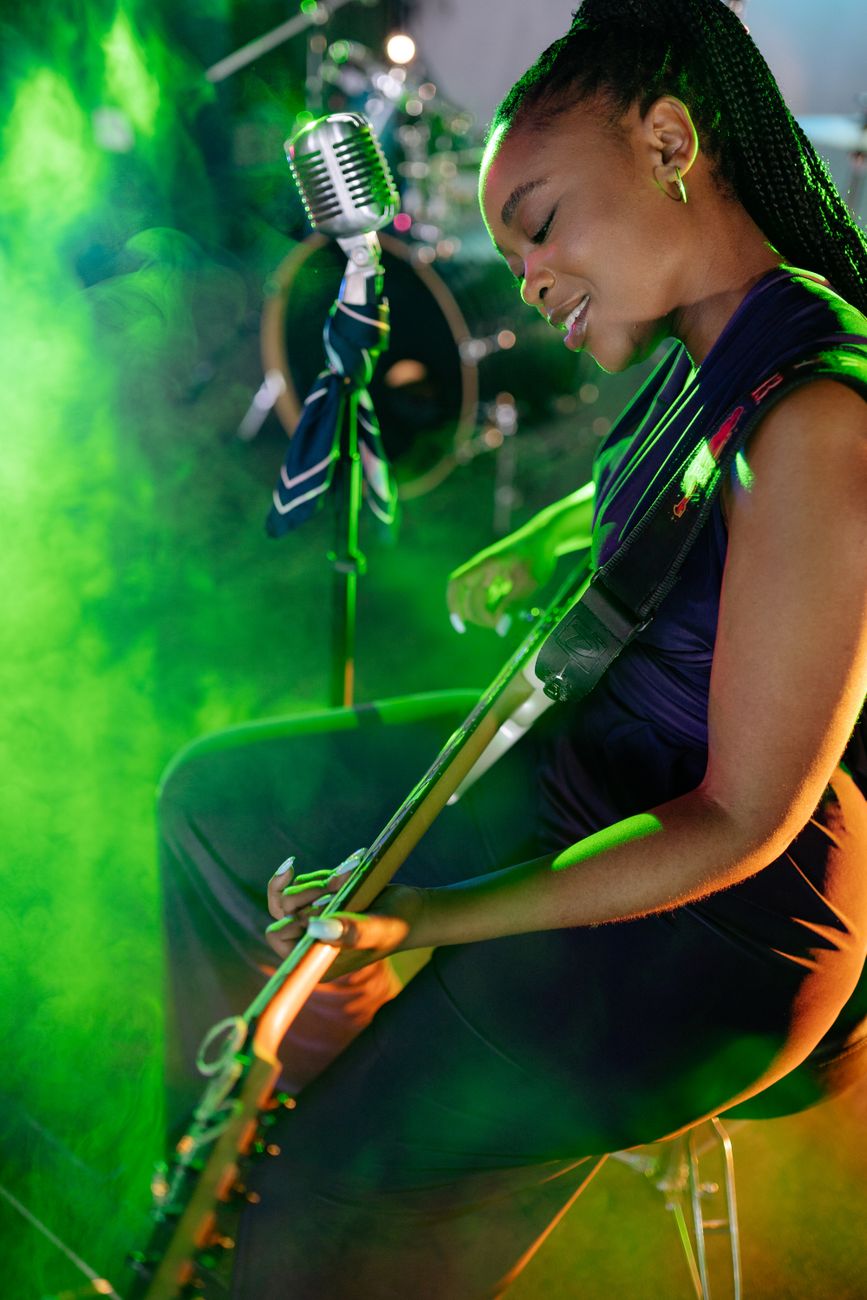
Sho Madjozi sits at the intersection of music, fashion, and content creation — a lane that very few African creators have fully monetized. With 2.3 million Instagram followers and growing TikTok presence, she uses social platforms as a direct-to-fan distribution engine rather than a marketing afterthought. Her John Cena challenge in 2019 went globally viral, but she has since built on that moment with consistent cultural content rooted in Tsonga identity.
Her monetization includes music streaming royalties, fashion collaborations (notably with Adidas), brand ambassadorships, and live performance fees. The trade-off: music-first creators often struggle with algorithm consistency because they post less frequently than pure content creators. Sho Madjozi navigates this by using Instagram Stories and Reels to stay present between major releases.
5. Tayo Aina (Nigeria) — YouTube's Pan-African Storyteller
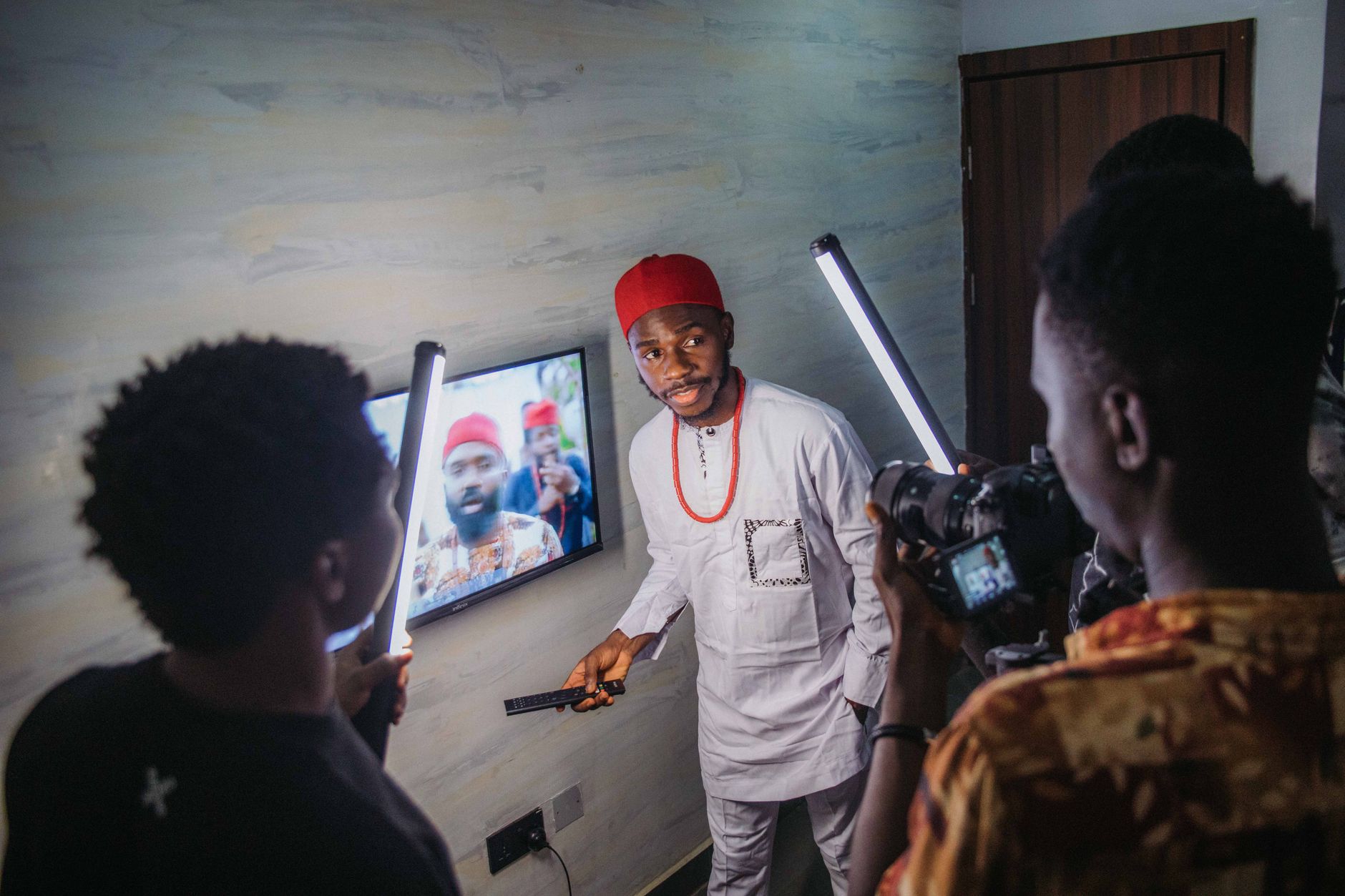
Tayo Aina has built 1.6 million YouTube subscribers with a documentary-style approach to African stories — covering entrepreneurship, expat life, and economic development across the continent. His videos average 20–40 minutes, which is a deliberate bet on depth over breadth. Longer watch times push his content up in YouTube's recommendation engine, and his audience skews toward 25–45-year-olds with high purchasing power.
That audience profile attracts premium brand deals — he has worked with Airbnb, Standard Chartered, and several African fintech brands. He also runs a YouTube course for African creators, adding a product revenue stream that is entirely independent of platform algorithm changes. This is exactly the kind of income diversification that separates sustainable creator businesses from one-hit channels.
6. Elsa Majimbo (Kenya) — Instagram Comedy's Global Breakout Star
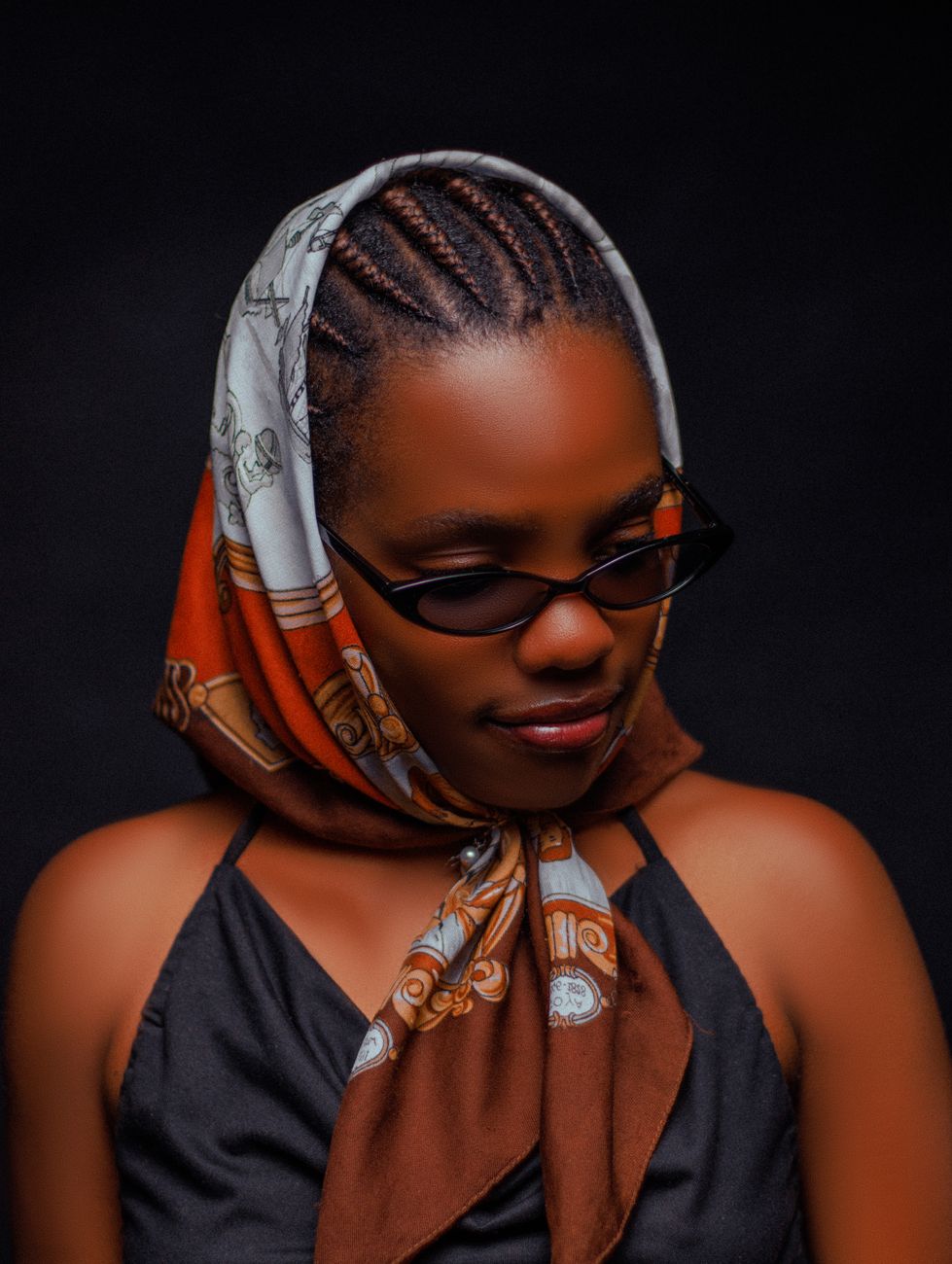
Elsa Majimbo became a global phenomenon in 2020 when her lockdown comedy videos — filmed in her bedroom, eating chips, wearing sunglasses — went viral on Instagram. By 2026, she has 1.9 million Instagram followers, a Valentino ambassadorship, and a footprint in American media that no African creator had previously achieved at her speed. Her growth tactic was radical simplicity: no crew, no budget, no filter — just timing and a character that felt genuinely original.
She is a case study in the power of platform-native content. Her videos were built for Instagram's vertical format before most creators had adapted. The trade-off is platform dependency — Instagram algorithm shifts have affected her reach, which is why she has since expanded to TikTok and is developing longer-form content. The lesson: viral moments open doors, but diversification keeps them open.
7. Maraji (Nigeria) — Multi-Character Comedy Creator
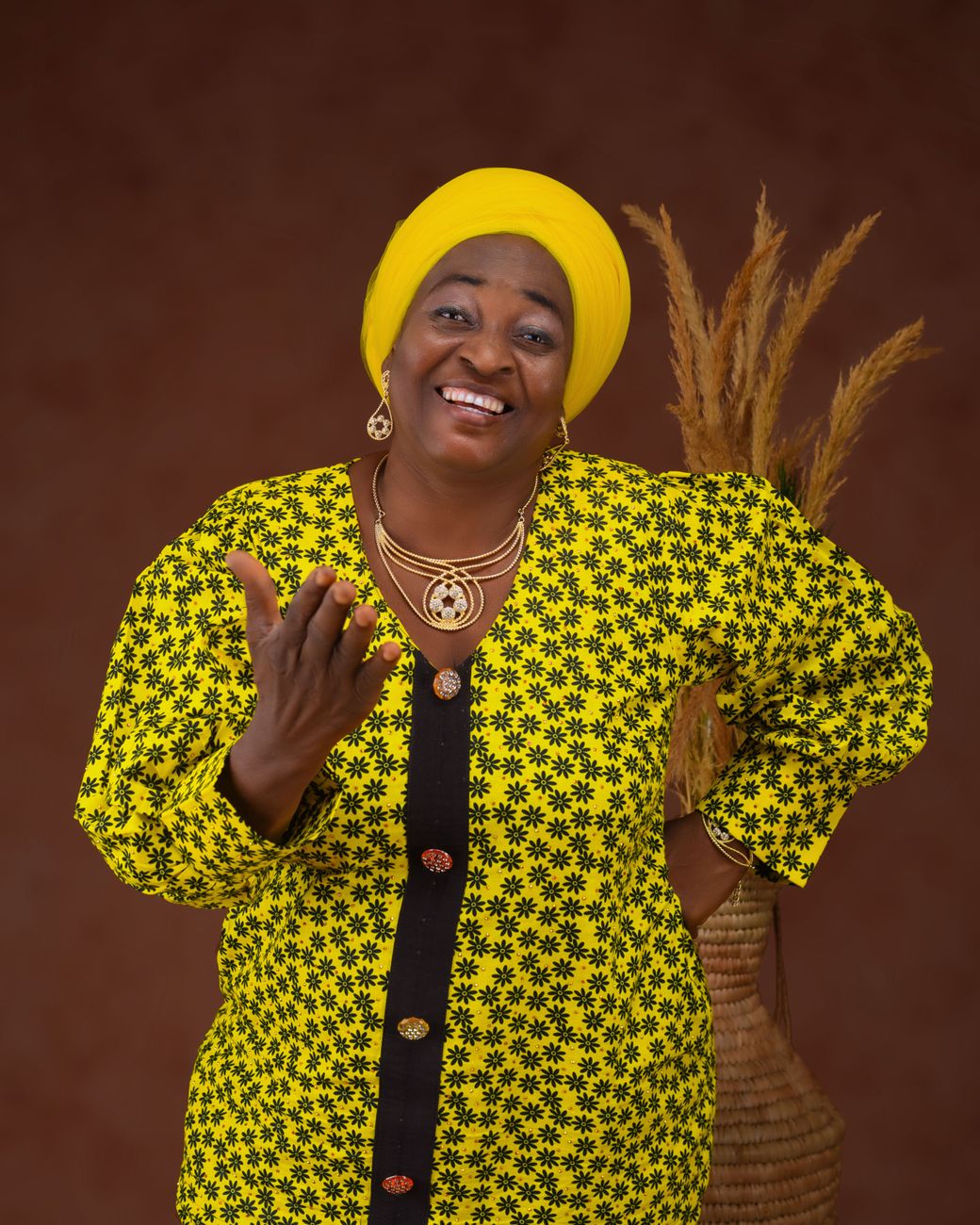
Gloria Oloruntobi, known as Maraji, is one of Nigeria's most technically skilled creators. She writes, directs, shoots, and edits multi-character comedy skits entirely by herself — playing every role in each video. With 2.8 million Instagram followers and a growing YouTube presence, her content spans Pidgin English, Yoruba, and standard English, making her accessible across West Africa and the diaspora.
Her growth tactic is cultural specificity: she mines everyday Nigerian social dynamics — church culture, family drama, office politics — for material that feels hyper-local but travels globally because the human truths are universal. Brand deals with MTN, Pepsi, and several fintech apps form her revenue backbone. She has also begun licensing her characters for branded content series, a monetization model that few African creators have explored.
8. Kabi WaJesus (Kenya) — Family and Faith Creator on YouTube
Kabi WaJesus and his wife Milly run one of East Africa's most-watched family channels, with over 1.4 million YouTube subscribers and strong Instagram cross-promotion. Their content covers marriage, parenting, faith, and lifestyle — a combination that resonates deeply with East Africa's large Christian middle class. They have navigated public controversy (including a paternity scandal in 2021) by addressing it directly on camera, which paradoxically strengthened audience trust.
Their monetization includes YouTube ads, brand deals with family-friendly brands, a merchandise line, and ticketed live events. The trade-off with family content: your personal life becomes your product, which creates boundaries that are hard to enforce. Creators considering this lane need to define those limits before the audience does it for them. For more on East African creators making waves, see our feature on rising East African content creators transforming lifestyle and culture online.
9. Mpho Popps (South Africa) — Stand-Up to Social Media Pipeline
Mpho Popps is the clearest example of a traditional performer who successfully migrated to digital-first content. With a stand-up career spanning over a decade, he brought his audience to TikTok and YouTube by adapting his material for short-form video — keeping the punchline density of stand-up but cutting the setup time to match platform attention spans. His TikTok account has grown to 1.1 million followers with videos regularly hitting 500K–2M views.
Monetization comes from multiple directions: live show ticket sales (amplified by social reach), YouTube AdSense, TikTok Creator Fund, and brand deals. He is also developing a comedy special for a streaming platform — a move that reflects the broader trend of African creators using social media as a proof-of-concept engine for traditional media deals. This is a playbook worth watching closely.
10. Nasboi (Nigeria) — Music, Comedy and Cross-Platform Mastery
Nasboi — Emmanuel Nosakhare Ogheneruona — started as an impressionist comedian and has evolved into a full music artist with real chart presence. His ability to move between comedy and music without losing audience loyalty is rare. With 1.3 million Instagram followers, a growing TikTok base, and YouTube music videos crossing millions of streams, he represents the creator-to-artist pipeline that is becoming one of the defining career paths in African entertainment.
His growth tactic: use comedy to build audience trust, then convert that trust into music consumption. It works because his fans feel like they know him before they hear his songs. Revenue streams include music streaming, brand deals, comedy bookings, and social media monetization. You can see his visual storytelling in action in our coverage of Nasboi's "Could This Be Love" visuals.
What Every Creator on This List Gets Right
Across all ten creators, a clear pattern emerges. None of them rely on a single platform or a single revenue stream. All of them have a defined cultural identity that makes their content instantly recognizable. And every one of them treats consistency as a non-negotiable — not posting when inspired, but building systems that produce content on a schedule.
- Cross-platform presence: Each creator maintains at least two active platforms, funneling audiences between them strategically.
- Revenue diversification: Brand deals, merchandise, live events, digital products, and platform monetization all appear across this list.
- Cultural specificity: None of these creators try to sound or look like their Western counterparts. Their African identity is their competitive advantage.
- Audience trust: Engagement rates matter more than raw follower counts. Every creator here has built genuine community, not just an audience.
- Long-term thinking: The ones who have lasted five or more years all made decisions that sacrificed short-term virality for long-term brand equity.
The World Economic Forum has highlighted Africa's creator economy as one of the fastest-growing digital sectors globally — and the creators on this list are the proof point. Their success is not accidental. It is the result of strategic decisions made consistently over years.
The Gaps in the Current African Creator Landscape
This list is dominated by Nigeria and South Africa, which reflects real platform infrastructure, internet penetration, and brand spend realities. But creators from Ethiopia, Tanzania, Senegal, Côte d'Ivoire, and Uganda are closing the gap fast. The next wave of top content creators in Africa will be more geographically diverse — and the platforms know it. TikTok has been aggressively expanding its creator monetization programs in East and Francophone West Africa throughout 2025–2026.
There is also a significant gap in B2B and tech content creation across the continent. The demand for African voices in fintech, health tech, and climate innovation is enormous, but very few creators have built audiences in those niches. That is a wide-open lane for the next generation. Explore more about the broader creator economy shift in our analysis of Africa's creator economy boom on Instagram, TikTok and social commerce in 2026.
Ready to discover more creators shaping the continent? Explore the full creator directory at Topping Africa's creator hub and find the voices that matter to your niche. Whether you are a brand looking for the right partnership or a creator benchmarking your own growth, the data and profiles are there. Discover who is building the future of African content — and what you can learn from them.
Staff
Contributing writer at Topping Africa.
0 Comments
No comments yet. Be the first to share your thoughts!