From Followers to Revenue: How African Content Creators Make Money on Facebook, TikTok and X in 2026
African creators in Kenya and Nigeria are turning followers into revenue through brand deals, platform payouts and events. This guide breaks down how African content creators make money on Facebook, TikTok and X in 2026, with practical strategies tailored to regional realities.
From Followers to Revenue: Why Understanding How African Content Creators Make Money Matters Now
Today, you can no longer ignore how African content creators make money on platforms like Facebook, TikTok and X. Moreover, Kenyan and Nigerian creators are turning viral moments into real income, not just clout. Additionally, new payout programs, brand deals, and live events now give East and West African influencers more ways to earn than ever before. Importantly, if you understand these tools and trends, you can turn your own audience into a serious business.

According to recent creator economy research, Africa’s digital creator market is already worth billions of dollars and is growing fast[1][5]. Furthermore, brand sponsorships, digital product sales, and local event monetization now drive most creator income, while pure ad revenue remains small[1]. Consequently, if you rely only on viral reach, you stay stuck. However, with the right strategy, you can build a clear path from your next video to your next paycheck.
In this guide, you will see how Kenyan and Nigerian creators monetize Facebook, TikTok and X in 2026. Moreover, you will learn step-by-step revenue strategies, platform-specific rules, and practical examples tailored to African audiences. Ultimately, you get a playbook to shift from “posting for likes” to “creating for revenue” while staying authentic to African culture, music, fashion and tech innovation.
2026 Snapshot: The African Creator Economy and Why Most Creators Still Earn Little
Before you dive in, you need a clear picture of the African creator economy in 2026. According to the latest reports, the market for digital creators in Africa is valued at around $3–3.4 billion and is projected to grow sharply by 2030[1][5]. Furthermore, this expansion is driven by rising smartphone adoption, cheaper data in some markets, and global interest in African music, comedy and lifestyle content. Additionally, African tech startups are building creator tools, while global platforms keep adding payout programs for new countries.
However, behind the big numbers sits a tough reality. Recent data shows that about six in ten African creators earn less than $100 per month from their content[1][2]. Moreover, ad revenue accounts for under 6% of income, while brand sponsorships, digital products and merchandise make up most earnings[1]. Consequently, many talented Kenyan and Nigerian creators struggle with low local ad rates, limited payment options, and inconsistent brand deals.
Therefore, you cannot rely on generic “make money online” advice built for US or European influencers. Instead, you need strategies tuned to African spending power, local brands, mobile-first audiences and regional regulations. Importantly, this is where understanding how African content creators make money differently in 2026 becomes your advantage.
How African Content Creators Make Money: Core Revenue Streams in 2026
To build a serious creator business, you must combine several income streams. Furthermore, when one stream dips, another can carry you. Below are the main ways Kenyan and Nigerian creators monetize on Facebook, TikTok, X and beyond in 2026, based on recent industry insights and creator surveys[1][4][5].
1. Brand Partnerships and Sponsored Content
Brand deals remain the biggest revenue source for many African creators, including those in Kenya and Nigeria[1]. Moreover, both local and international brands now see creators as key partners for launching products, driving app downloads, or boosting event attendance. Additionally, user-generated content (UGC) creators who produce ads for brands, especially in Nigeria and South Africa, increasingly earn in foreign currency by serving global companies[3].
Typically, you can earn from brand deals in several ways. Firstly, you create sponsored posts or videos that feature a product or service, often tagged as paid partnership. Secondly, you deliver performance-based UGC where brands pay for content that converts viewers into buyers. Thirdly, you sign longer-term ambassadorships, which provide monthly retainers instead of one-off campaign fees. Consequently, your income becomes more predictable when you build these ongoing relationships.
To attract strong brand partnerships in 2026, you need clear positioning. Additionally, brands now look for creators with defined niches: tech reviews, skits, beauty, fashion, finance education, music commentary or sports storytelling. Therefore, if you focus your content, maintain clean analytics, and show proof of conversions, you can move from small influencer gifts to five-figure contracts.
2. Platform Payouts: Facebook, TikTok and X
Platform payouts are finally becoming meaningful for some African creators, especially in markets added to monetization programs in recent years. Moreover, they offer a way to earn directly from your views, engagement and loyal watch time. However, you must understand each platform’s rules, eligibility thresholds and regional coverage.
On Facebook and Instagram, Meta offers monetization through in-stream ads, Reels bonuses, Stars and subscriptions in selected countries. Furthermore, creators in Nigeria already tap into these tools, while Kenyan creators have followed closely as Meta expands its monetization footprint across Africa[1][5]. Additionally, Facebook Pages that hit minimum follower and view thresholds can enable ads in longer videos, while short-form Reels monetization depends on engagement and program invites.
On TikTok, African creators can earn through the Creator Rewards Program, live gifting, brand collaborations and affiliate links. Moreover, TikTok’s focus on short, viral clips makes it perfect for comedy, dance, Afrobeat songs, and quick-language skits that travel across borders. Consequently, top Kenyan and Nigerian TikTokers now blend platform payouts with brand deals and music promotions.
On X (formerly Twitter), monetization in 2026 includes ad revenue sharing for eligible accounts, paid subscriptions and ticketed Spaces. Additionally, Nigerian creators use X for real-time commentary around Afrobeat releases, football games and tech trends, while Kenyan creators lean into political-free discussions, lifestyle threads and comedy spaces. However, to benefit from X’s payouts, you need consistent posting, community building and subscription-worthy threads or audio sessions.
3. Direct-to-Fan Sales: Digital Products, Courses and Memberships
Because ad revenue in Africa remains low, many creators now sell directly to their most engaged fans. Furthermore, this strategy aligns with local spending patterns where small but frequent payments make more sense than high monthly subscriptions[1]. Additionally, creators use educational and practical content to justify these purchases.
In practice, you can sell several types of digital products. For instance, Kenyan fashion influencers offer style guides, lookbooks or pre-order access to limited collections. Similarly, Nigerian music producers sell beat packs, sample libraries or mixing tutorials to rising artists. Moreover, comedy creators and media personalities package masterclasses on scripting and viral storytelling, while tech creators sell mini-courses on mobile video editing or fintech apps.
Memberships can also play a role. Additionally, you can use Patreon-like platforms, WhatsApp communities, Telegram channels or exclusive Facebook Groups to offer premium content, Q&A sessions and behind-the-scenes updates. Consequently, instead of chasing millions of followers, you focus on a smaller core audience that pays consistently.
4. Events, Live Shows and Offline Monetization
Offline monetization remains underrated but powerful in East and West Africa. Moreover, when you convert your digital influence into physical events, you tap into sponsorships, ticket sales and merchandise. Additionally, this approach aligns well with African music, comedy and lifestyle culture where live experiences carry strong value.
For example, Kenyan comedians and skit creators often turn their online fame into sold-out stand-up shows and tours. Similarly, Nigerian music influencers host listening parties, artist showcases or DJ events powered by their social media audiences. Furthermore, creators build business around hosting brand activations, moderating panels at tech conferences, or speaking at creator economy workshops[4]. Consequently, you broaden your income beyond platform algorithms.
To grow in this direction, you need event partners. Additionally, working with African tech startups, media houses, fashion brands and entertainment companies can help you secure venues, sponsors and production support. Ultimately, events position you as a cultural leader, not just a content maker, which attracts bigger collaborations.
Platform Playbooks: Monetizing Facebook, TikTok and X in Kenya and Nigeria
Now that you understand how African content creators make money across revenue streams, you need practical playbooks for each platform. Furthermore, while you should diversify, it helps to pick one primary platform and build a structured strategy around it.
Facebook and Instagram: Turning Reels and Communities into Cash
On Meta platforms, your path to revenue starts with building strong communities rather than chasing only viral Reels. Moreover, Facebook remains huge in Kenya and Nigeria, especially for groups, Pages and local video content. Additionally, Instagram drives fashion, beauty, lifestyle and music culture, making it key for visual-first influencers.
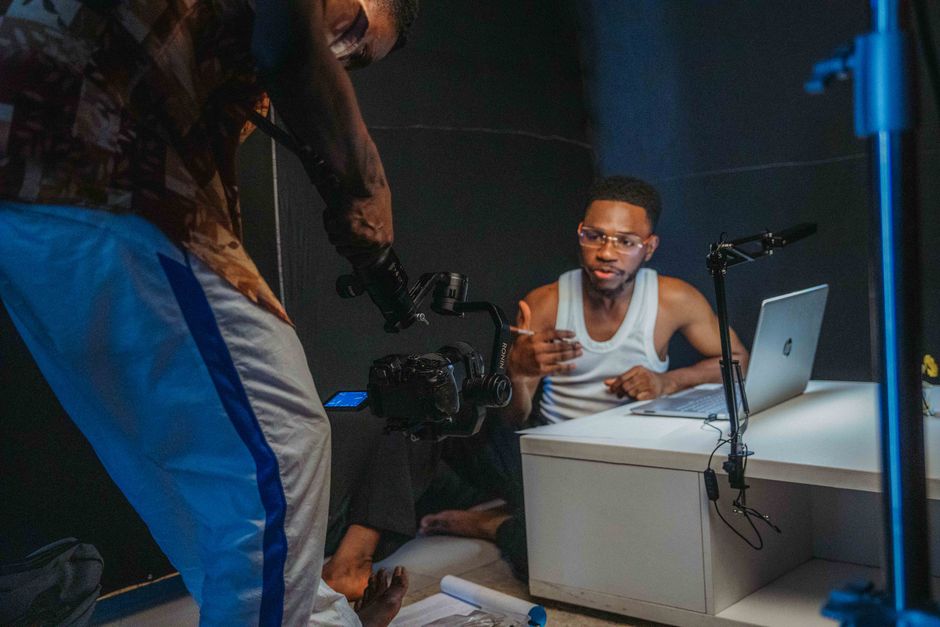
- Focus on high-retention video content that keeps viewers watching for longer.
- Additionally, use Reels to attract new followers, then move them to longer form video and stories.
- Moreover, build niche Facebook Groups where you offer value, discussions and exclusive insights.
- Therefore, once you reach the required thresholds, enable in-stream ads, Reels monetization and Stars.
- Ultimately, pitch brands using your group engagement and Page statistics, not only follower counts.
Furthermore, Meta continues to test new monetization products in emerging markets, including African countries[5]. Therefore, staying updated on eligibility changes, community standards and payout methods is critical. Additionally, you should take advantage of Meta’s creator education resources, many of which highlight best practices for Reels and brand safety[5]. As a result, you position yourself as a trusted partner for advertisers and platforms alike.
TikTok: Short-Form Power for Comedy, Music and Fashion
TikTok remains the easiest place for new Kenyan and Nigerian creators to go viral quickly. Moreover, its algorithm favors fresh, engaging content over long-established followings, which levels the playing field. Additionally, TikTok’s culture fits perfectly with African comedy skits, dance challenges, styling transitions and Afrobeat edits.
However, to turn views into revenue, you must combine TikTok payouts with off-platform monetization. Furthermore, you can use the Creator Rewards Program where eligible creators earn based on video performance. Additionally, live streaming with gifts and coins offers direct-to-fan revenue, especially during music performances, Q&A sessions or styling tutorials. Consequently, you can convert TikTok attention into followers on other platforms, newsletter subscribers or paying community members.
For fashion creators in Lagos or Nairobi, TikTok serves as both billboard and shop window. Moreover, you can showcase outfits, then drive viewers to Instagram or e-commerce links for purchase. Similarly, music creators tease songs on TikTok and then guide fans to streaming platforms, gigs or merchandise. Therefore, TikTok becomes your top-of-funnel platform for discovery, while you close sales elsewhere.
X (Twitter): Monetizing Conversation, Commentary and Community
On X, many African creators earn through influence rather than pure video views. Furthermore, the platform remains the home for real-time commentary on music releases, football matches, tech news and pop culture debates. Additionally, in 2026, X offers ad revenue sharing for qualifying creators, paid subscriptions and ticketed Spaces.
To make money on X, you should treat threads, Spaces and lists as products. Moreover, you can create premium analysis threads on African tech startup trends, Afrobeat chart breakdowns or creator economy insights. Additionally, you can host ticketed Spaces where fans hear unfiltered conversations with artists, designers or founders. Consequently, these sessions can attract sponsorship from fintech startups, streaming platforms or telecom companies seeking engaged digital audiences.
Importantly, X has become a launchpad for newsletter writers, podcast hosts and community builders. Furthermore, many Nigerian and Kenyan creators funnel their X audience into paid newsletters, private communities and course launches. Therefore, if you share consistent value around your niche, you can convert free followers into paying students or consulting clients.
Case Studies: Kenyan and Nigerian Creators Leading the Way
To truly understand how African content creators make money, you need to see real examples. Moreover, while earning numbers vary widely, recent public conversations and interviews reveal useful patterns for monetization in Kenya and Nigeria[1][6][7]. Additionally, these case studies highlight how creators combine several revenue streams instead of relying on one platform.
Kenyan Digital Storytellers and Comedians
Kenyan creators in comedy and storytelling often start with simple skits shared on Facebook and TikTok. Moreover, once a character or format gains traction, they turn their audience into buyers for stand-up shows, branded sketches and merchandise. Additionally, some creators have shared how they earn more from local brand deals and domestic event tickets than from ad revenue alone[6].
Furthermore, Kenyan lifestyle and fashion influencers leverage Instagram and TikTok to showcase outfits, partner with local designers and promote regional fashion weeks. Moreover, by mixing entertaining reels with educational styling tips, they attract brand ambassadorships and affiliate commissions. Consequently, they show that you can keep content playful while running a serious business behind the scenes.
Nigerian Influencers, Afrobeat Promoters and Tech Creators
Nigeria’s creator scene spans music, comedy, beauty and tech, with many influencers now earning from multiple channels. Moreover, Afrobeat promoters use TikTok and X to push dance challenges, build hype around releases and drive traffic to streaming platforms. Additionally, these creators often get paid by artists, labels and event organizers to amplify campaigns.
Meanwhile, Nigerian tech and finance educators share short explainers on fintech apps, crypto basics and mobile business tools. Furthermore, they monetize through affiliate deals with digital banks, sponsored threads on X, and premium courses for deeper education. Additionally, UGC creators in Nigeria build performance-focused content for global brands, leveraging strong English skills and high production quality to win contracts in dollars[3]. Consequently, their income is less exposed to local currency swings.
Importantly, many Nigerian creators highlight that consistent niche value beats pure entertainment for monetization. Therefore, when you teach, guide or simplify complex topics for your audience, you become easier to sell around. Moreover, your content turns into a marketing asset for brands that want trust, not just reach.
Step-by-Step Monetization Strategy for Kenyan and Nigerian Creators
If you are serious about turning your following into revenue in 2026, you need a clear plan. Furthermore, the steps below focus on practical actions that match African realities and platform rules. Additionally, you can adapt them whether you create music, fashion, comedy, tech explainers or lifestyle vlogs.
Step 1: Define Your Niche and Audience
Firstly, decide who you serve and what problem you solve. Moreover, your niche can be Afrobeat reviews, Nairobi street fashion, Lagos tech tips, gaming commentary or wellness for young professionals. Additionally, be specific enough that brands and fans know why they should follow you.
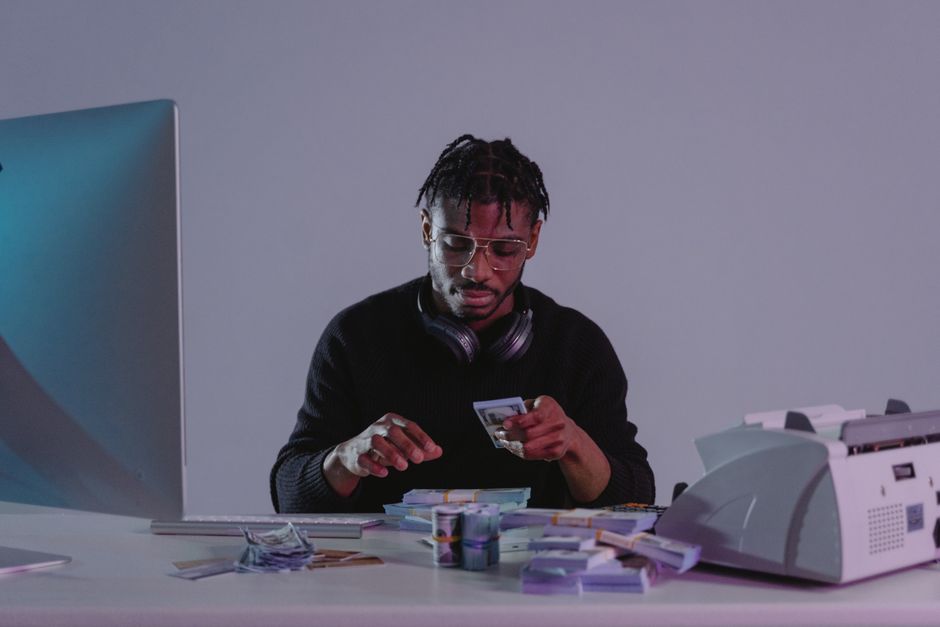
Furthermore, study your audience’s age, location, language and spending habits. Consequently, you can choose monetization tools that match how they already pay for services, whether mobile money, cards or cash at events. Ultimately, the more clearly you understand your audience, the easier it becomes to design offers they will buy.
Step 2: Pick a Primary Platform and Build Consistency
Secondly, choose one core platform – Facebook, TikTok, Instagram or X – where you will show up every week. Moreover, this does not mean you ignore other platforms, but it ensures your energy stays focused. Additionally, each platform rewards consistency with better reach and improved community trust.
For instance, you can post three short videos per week on TikTok and cross-post to Reels. Similarly, you can share one long video on Facebook and two supporting posts, or run a weekly Spaces session on X. Furthermore, build a simple content calendar that blends entertainment, education and soft promotion. Consequently, followers learn to expect and engage with your work.
Step 3: Build Engagement, Then Layer Monetization
Thirdly, focus on engagement rather than raw follower counts. Moreover, comments, shares, duets and saves show that your content truly connects. Additionally, strong engagement helps when pitching brands and applying for platform monetization programs.
Once your community responds consistently, start with light monetization: affiliate links, small brand collaborations or paid shoutouts. Furthermore, you can test what your audience prefers – discounted products, exclusive content or event invites. Additionally, track what converts best and double down on those streams. Therefore, monetization becomes a natural extension of your content, not a disruption.
Step 4: Create Direct-to-Fan Products
Fourthly, design at least one product or service you own fully. Moreover, this could be a digital course, a group coaching program, a style guide, beat pack, or ticketed live show. Additionally, owning your product protects you from algorithm changes and fluctuating brand budgets.
Furthermore, use simple payment flows that work in Kenya and Nigeria – mobile money, local payment gateways or trusted fintech apps. Consequently, you reduce friction and increase conversions. Ultimately, your fans should feel that paying you is easy and safe.
Step 5: Track Numbers and Build a Media Kit
Finally, treat your creator work like a business. Moreover, track views, watch time, click-throughs, sales and event attendance. Additionally, keep basic financial records, separating brand deal income, product revenue and platform payouts.
Furthermore, turn these numbers into a clear media kit that showcases your niche, audience demographics and case studies. Consequently, when you pitch brands or partners, you present yourself like a professional media company. As a result, you can justify higher rates and long-term contracts.
Key Trends Shaping African Creator Monetization in 2026
As you build your strategy, you must pay attention to wider trends. Moreover, these shifts affect how African creators make money and where new opportunities will appear. Additionally, they shape platform policies, brand budgets and audience expectations.
- Edutainment and practical content perform better for monetization than pure entertainment[1].
- Furthermore, micro-payments, smaller bundles and one-off purchases suit local spending power[1].
- Additionally, creators who mix local languages with English gain cross-border reach.
- Moreover, African tech startups are building creator tools for payments, analytics and collaboration[5].
- Consequently, brands now judge creators by trust and conversions, not only follower size.
Importantly, industry reports highlight that creators who sell premium, exclusive content tailored to local needs tend to earn more than those chasing generic viral trends[1][5]. Therefore, if you understand your audience’s daily challenges – from fashion choices to money management – you can design content and products they gladly pay for.
Explore More on Topping Africa
Additionally, if you want to deepen your understanding of African creator culture and innovation, you can explore related sections on Topping Africa. Moreover, each category offers fresh stories about influencers, startups, celebrities and creative trends shaping the continent.
- Technology – Discover African tech startups building tools for creators, payments and content distribution.
- Business & Economy – Read more about how creators turn influence into sustainable businesses and side hustles.
- Culture & Lifestyle – Explore fashion, music and lifestyle trends driven by African influencers and celebrities.
Furthermore, you can broaden your view through Africa-focused and global insights on the creator economy. For deeper research, explore reports from Techpoint Africa, opportunities highlighted by Coachli, and global monetization trends explained by Jacaranda FM.
How You Can Start Monetizing Today
Ultimately, turning followers into revenue in Kenya and Nigeria in 2026 is possible, but it requires intention. Moreover, you must move from hoping for random brand DMs to designing a clear, multi-stream income plan. Additionally, you need to understand how African content creators make money across Facebook, TikTok, X and offline spaces.
Therefore, start by choosing your niche, claiming your primary platform and committing to consistent content. Furthermore, layer on brand deals, platform payouts and direct-to-fan products step by step. Additionally, stay plugged into creator economy reports and stories about rising African influencers through sections like Africa News and Entertainment. As a result, you will spot new monetization options early.
Importantly, remember that your influence carries real value in the African digital economy. Moreover, when you treat your creative work like a business, you not only earn more, you also help shape positive African innovation and culture. Now, explore these strategies, apply them to your own brand, and share your thoughts or leave a comment with other creators. Additionally, subscribe to updates from Topping Africa to stay ahead of the next wave of African creator success stories.

Staff
Contributing writer at Topping Africa.
0 Comments
No comments yet. Be the first to share your thoughts!