
How African Tech Startups 2026 Are Powering the Next Wave of AI, Fintech and Frontier Innovation

African tech startups 2026 are driving a new wave of AI, fintech and frontier innovation built for real African lives. Discover the funding trends, accelerators, and creators shaping this moment, and explore where the next big African breakthroughs are emerging.
How African Tech Startups 2026 Are Rewriting the Innovation Playbook
Across the continent, African tech startups 2026 are no longer playing catch-up. They are setting the pace for the next wave of AI, fintech, and frontier innovation built for real African lives.[1][4] Moreover, you are watching a generation of founders turn bold ideas into resilient companies, backed by fresh capital and global accelerator support.[3][4] Consequently, sectors like AI infrastructure, inclusive finance, healthtech, and climate solutions are moving from promise to scale, creating new jobs and inspiring a new era of African content creators and tech influencers.[1][4] In addition, this guide helps you spot where momentum is strongest, which startups to watch, and how this energy is reshaping culture, business, and opportunity across Africa.
Furthermore, African innovation today is as much about storytelling and influencer culture as it is about code and capital. Notably, when a Lagos fintech founder trends on TikTok or a Nairobi AI engineer shares a viral breakdown of their product roadmap, you see how tech and entertainment now move together. As a result, the stories of African celebrities, digital creators, and startup teams increasingly overlap, driving global attention and investment into local ecosystems. Ultimately, if you care about where Africa is heading next, understanding this tech-startup wave is your best starting point.
The Funding Landscape: Why African Tech Startups 2026 Are Having a Breakout Moment
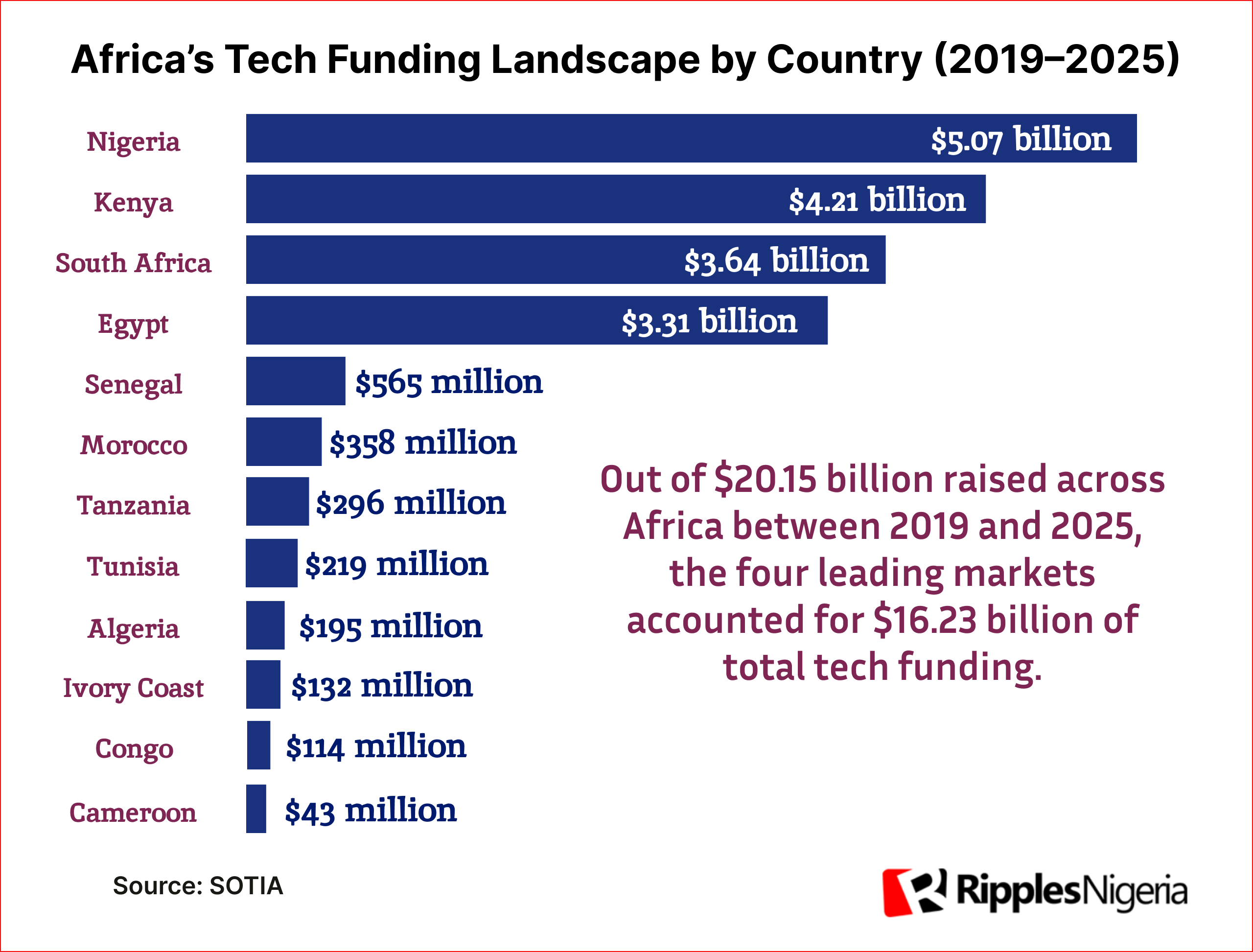
Importantly, the funding story behind African tech startups 2026 is more nuanced than simple boom-or-bust headlines. According to regional data, African AI startups raised more than $1.25 billion between 2019 and 2025, with funding accelerating sharply in the last three years.[1] Additionally, the so-called Big Four hubs — Nigeria, South Africa, Kenya, and Egypt — continue to attract the lion’s share of capital, especially for AI and fintech plays.[1][4] However, new ecosystems from Francophone West Africa to North Africa and East Africa are quickly closing the gap, powered by angel networks, local funds, and ambitious accelerator programs.[3][4]
Moreover, in 2025 and early 2026, investors began shifting from pure consumer fintech towards deeper infrastructure, compliance, and AI-powered tools.[2][3] For instance, new platforms now focus on cross-border payments for African importers, AI workflow automation for busy teams, and compliance rails that make it easier for startups to scale across borders.[3][4] Consequently, you see a more mature pipeline: early-stage capital backs problem-solvers, later-stage funding supports proven models, and corporate partners step in where scale and data are critical.[4] In addition, this funding evolution means the next wave of high-impact exits may come from companies tackling complex infrastructure challenges, not just digital wallets or online lending.
Ultimately, you benefit from this landscape whether you are a founder, investor, or fan of African innovation. Therefore, if you follow Business & Economy trends on Topping Africa, you can track how these funding shifts drive new career paths, creative collaborations, and cross-border growth for African talent.
AI Infrastructure: The Hidden Engine Behind Africa’s Next Digital Leap
Crucially, AI infrastructure startups now underpin much of Africa’s emerging tech story. According to regional reports, AI-focused companies across the continent are building tools for data labeling, model training, workflow automation, and sector-specific machine learning solutions.[1][3] Furthermore, many founders are no longer simply adopting global AI tools; they are building tailored systems that understand local languages, payment habits, and risk patterns.[1][4] As a result, African teams help shape how AI works for the Global South, not just how it is consumed.
For instance, Tavestack, co-founded by Hafsah Garbati and Ahmad Sagir Koki, is an AI-powered productivity and workflow automation platform designed for African businesses that juggle fragmented tools and meetings.[3] Additionally, Tavestack centralises scheduling, task tracking, and collaboration under one intelligent layer, helping teams save time and gain better visibility into work.[3] Similarly, other emerging AI startups focus on credit scoring, fraud detection, remote diagnostics, and agritech forecasting, using machine learning to process local data in real time.[1][4] Consequently, the AI wave in Africa increasingly looks like infrastructure and B2B services, not just chatbots or consumer apps.
Moreover, AI infrastructure now supports the rise of African content creators and celebrities who experiment with generative tools for video edits, music production, and audience insights. For instance, creators across Lagos, Nairobi, and Johannesburg use AI dashboards to understand engagement trends, monetise content, and refine brand deals with fintech partners. In addition, this fluid mix of AI and influencer culture ties tech ecosystems to the broader entertainment scene, strengthening both in the process.
Key AI Infrastructure Trends to Watch
- Localized language models trained on African languages and dialects for search, customer support, and creative tools.[1][4]
- Sector-specific AI platforms for agriculture, health, and logistics with data collected in-field.[4]
- Workflow automation tools like Tavestack that reduce admin overhead and enable remote work at scale.[3]
- Compliance and risk analytics that support fintechs, micro-lenders, and cross-border trade across multiple markets.[3][4]
Therefore, if you want to stay ahead of Africa’s AI curve, explore more features in our Technology section. You will discover deep dives into cloud infrastructure, data centres, and the engineers shaping Africa’s AI backbone.
Fintech for Underserved Markets: From Wallets to Financial Operating Systems
Across the continent, fintech remains the beating heart of many African tech startups 2026 portfolios.[2][4][5] Importantly, the focus has shifted from simple mobile wallets to full-stack platforms that offer savings, credit, insurance, cross-border payments, and merchant tools for small businesses.[4][5] According to recent analysis, AI-powered fintech is now central to how millions of Africans access loans, manage cash flow, and build credit histories.[5] Furthermore, startups are using machine learning to analyse transaction patterns, predict risk, and approve loans in minutes for users who were once invisible to traditional banks.[5]
For instance, Tunisian startup Flouci offers a financial super-app designed for unbanked and underbanked communities across Francophone Africa, helping users manage payments, savings, and identity verification from a single interface.[4] Additionally, Egyptian fintech Klivvr delivers an all-in-one financial management app, combining spending controls, smart budgeting, and card services tailored to young professionals and students.[4] Similarly, platforms like eShandi use AI and machine learning to deliver inclusive financial services to individuals and small businesses that have long been excluded from formal banking.[4][5] Consequently, these solutions build new rails for everyday commerce, content creation, and cross-border trade.
Moreover, cross-border payments platforms such as Clea help African importers pay overseas suppliers with fewer delays and lower friction.[3] In addition, Clea’s focus on compliance and supplier relationships shows how fintech now stretches far beyond local transfers into global supply chains.[3] Ultimately, this kind of infrastructure supports creators who sell merchandise internationally, fashion brands exporting to new markets, and streaming platforms paying African artists in multiple currencies.
How AI-Powered Fintech Is Transforming Daily Life
- Instant micro-loans for market traders, gig workers, and creators based on alternative data like mobile money flows.[5]
- Smart budgeting tools embedded in super-apps that help young users track spending and plan savings goals.[4]
- Embedded finance within social platforms, enabling tips, subscriptions, and brand payments for influencers and musicians.[5]
- Cross-border payment rails that support trade, remote work, and diaspora remittances across Africa and beyond.[3][4]
Therefore, if you love tracking how fintech reshapes business and entertainment, read more about it in our Africa News and Business & Economy sections. You will find stories that connect spreadsheets and street culture, showing how money apps drive new creative careers.
Frontier Innovation: Health, Climate, and Deep Tech Built for Africa
Beyond AI and fintech, frontier innovation now defines many of the most exciting African tech startups 2026 on investor watchlists.[4] Specifically, founders are tackling health access, climate resilience, food security, and sustainable energy with products built for African realities. According to startup trackers, companies such as NoorNation blend hardware, software, and finance to address energy poverty, water scarcity, and agricultural productivity.[4] Furthermore, others focus on telemedicine platforms, AI-assisted diagnostics, remote monitoring tools, and climate-risk dashboards for farmers and cities.[1][4]
For instance, platforms like BookMolly help health and wellness professionals manage appointments, bookings, and schedules more efficiently, making it easier for patients to access care when they need it.[3] Additionally, frontier agritech solutions combine IoT sensors, satellite data, and predictive models to help farmers decide when to plant, irrigate, and harvest.[4] As a result, frontier startups sit at the intersection of science, environment, and everyday livelihoods, rather than on the edges of tech hype.[4]
Moreover, frontier innovation also shapes how African celebrities and influencers talk about sustainability, wellness, and climate action. For instance, when music stars partner with clean-energy startups or healthtech organisations, they help mainstream new products and behaviours for millions of fans. In addition, these collaborations give frontier founders strong visibility and strong trust, which can be harder to earn with traditional marketing alone.
Frontier Sectors Gaining Momentum
- Healthtech platforms offering telemedicine, appointment management, and wellness support for urban and rural users.[3][4]
- Climate and energy startups like NoorNation working on off-grid power, water systems, and climate-smart agriculture.[4]
- Agritech solutions combining AI, sensors, and remote data to help farmers boost yields and reduce risk.[4]
- Deep tech initiatives in robotics, biotech, and advanced materials emerging from African research labs and universities.[1][4]
Consequently, frontier innovation gives you a clearer picture of how tech can protect livelihoods, not just digitise lifestyles. Therefore, stay tuned to our Science & Environment and Culture & Lifestyle coverage to discover which startups are quietly reshaping health, food, and climate futures.
Accelerators and Venture Labs: Open Startup International, Renew Venture Lab and Beyond
Crucially, accelerator programs and venture labs now form the backbone of support for many early-stage African tech startups 2026. According to ecosystem reports, initiatives such as Open Startup International connect North African founders to global mentors, investors, and training, helping them polish business models and expand beyond local markets.[4] Furthermore, Renew Venture Lab and similar programs across East and West Africa give founders structured coaching, access to networks, and funding opportunities tailored to local realities.[4] As a result, accelerators help de-risk early bets for investors and give founders a clearer roadmap to growth.
Additionally, these programs increasingly integrate storytelling, influencer partnerships, and media visibility into their curriculum. For instance, demo days now feature live streams, social media takeovers, and collaborations with digital creators who translate complex pitches into engaging narratives. Moreover, this shift acknowledges that investors and customers often discover startups through short videos, podcasts, and social-first content long before they read a full pitch deck. In addition, accelerator-backed founders learn to speak directly to their audiences, blending technical expertise with strong personal brands.
Ultimately, this blend of structured mentorship and public storytelling gives accelerators outsized influence in shaping Africa’s next generation of tech leaders. Therefore, if you are thinking about building your own startup, explore programs like Open Startup International and Renew Venture Lab through trusted sources such as TechCabal and Bloomberg Africa. You will find timelines, application tips, and alumni stories that clarify how to plug into these networks.
Influencer Culture, African Content Creators and the New Tech Celebrity
Across social platforms, the line between startup founder, influencer, and celebrity grows thinner every month. Importantly, African content creators now sit at the centre of how new apps, fintech tools, and AI products gain traction. For instance, tech commentators on YouTube and TikTok break down the latest funding rounds, review new fintech apps, and explain AI tools in simple language for millions of followers. Furthermore, fashion and lifestyle influencers increasingly partner with payment platforms, e-commerce startups, and creator-economy tools to monetise their reach.
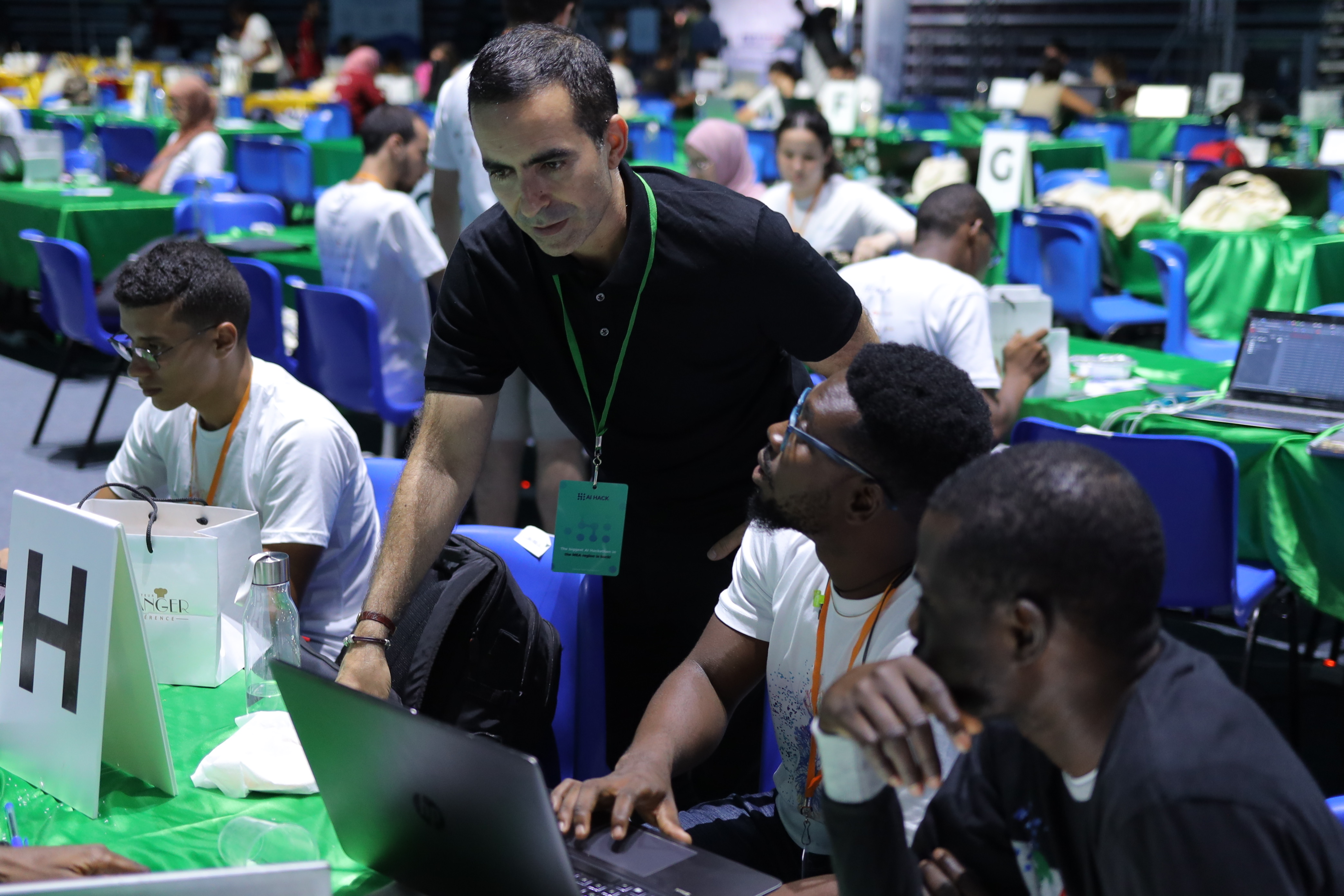
Moreover, high-profile African celebrities often invest in or endorse tech startups, turning product launches into cultural events. For example, Kenyan content creator Elsa Majimbo has used her global visibility to highlight African brands and digital-first projects, showing how a strong online persona can move attention and capital toward local innovation. Additionally, influencers across Nigeria, Ghana, and South Africa live-stream hackathons, feature founder interviews, and share behind-the-scenes footage of accelerator demo days, bringing you closer to the continent’s tech pulse.
Consequently, if you care about positive African innovation, following these creators is just as important as tracking venture capital reports. In addition, their content bridges the gap between technical jargon and everyday impact, making it easier for young viewers to imagine themselves as future founders, engineers, or creative partners. Therefore, explore more of this intersection in our Entertainment and Music sections, where you can discover rising digital stars shaping Africa’s tech and culture conversations.
How You Can Plug Into Africa’s Next Wave of AI, Fintech and Frontier Innovation
Importantly, you do not need to be a full-time founder to take part in this moment. If you are a student or early-career professional, you can join local communities that focus on AI, fintech, and startup building, often hosted at universities, innovation hubs, or coworking spaces.[1][4] Additionally, many accelerators and labs offer open workshops or online courses that help you learn how to pitch, build prototypes, and understand product-market fit. Furthermore, creators who love tech can carve out a niche explaining new tools, reviewing apps, or documenting founder journeys on platforms like Instagram, TikTok, and YouTube.
Moreover, investors, corporate leaders, and diaspora professionals can support African tech startups 2026 through angel investments, partnerships, and mentorship programs.[4] For instance, diaspora-backed syndicates increasingly co-invest in seed rounds alongside local funds, blending international expertise with on-the-ground context.[4] In addition, corporate innovation teams across banking, telecom, and retail sectors now scout startups for strategic partnerships, proof-of-concept pilots, and joint go-to-market plans.[5] Consequently, the ecosystem offers multiple ways to contribute, regardless of your starting point.
Therefore, if you want to dive deeper into African innovation, subscribe to Topping Africa and share your thoughts in the comments on our latest startup stories. You will discover new founders, creators, and trends every week across Africa News, Technology, and Business & Economy.
Explore More on Topping Africa
Ultimately, understanding African tech startups 2026 is only one piece of the puzzle. If you want the full picture of how innovation, entertainment, and culture intersect across the continent, explore more of our curated sections below.
- Technology – Discover in-depth features on AI, fintech, and startup ecosystems from Lagos to Nairobi.
- Entertainment – Read more about African celebrities, content creators, and influencer culture driving digital trends.
- Business & Economy – Explore analysis on funding rounds, corporate partnerships, and economic impact of new ventures.
Additionally, share your thoughts on which startups and creators we should spotlight next, and invite friends to discover these stories. In addition, if you enjoy this kind of deep dive, subscribe to Topping Africa and read more about the founders, artists, and innovators shaping Africa’s future.
Looking Ahead: The Next Chapter for African Tech Startups 2026
Importantly, as you look beyond 2026, one theme stands out: African tech is becoming more confident, more collaborative, and more visible on the global stage. According to ecosystem experts, the combination of AI infrastructure, inclusive fintech, and frontier innovation gives Africa a strong foundation to leapfrog in key sectors.[1][4][5] Furthermore, the rise of accelerators, venture labs, and content-savvy founders ensures that great ideas do not stay hidden for long.[3][4] As a result, you can expect more cross-border teams, more regionally-focused products, and more African-led conversations about the future of technology.
Moreover, the cultural layer — influencer culture, music, fashion, and digital storytelling — will continue to amplify this momentum. For instance, when a breakout musician partners with a fintech app or an AI startup powers tools for new fashion brands, you see how innovation spreads far beyond offices and labs. In addition, young fans will keep discovering tech through the lenses of their favourite creators and celebrities, making the ecosystem broader and more diverse. Therefore, stay curious, stay engaged, and keep exploring the evolving world of African tech startups, because this wave is only getting started.

Staff
Contributing writer at Topping Africa.
0 Comments
No comments yet. Be the first to share your thoughts!