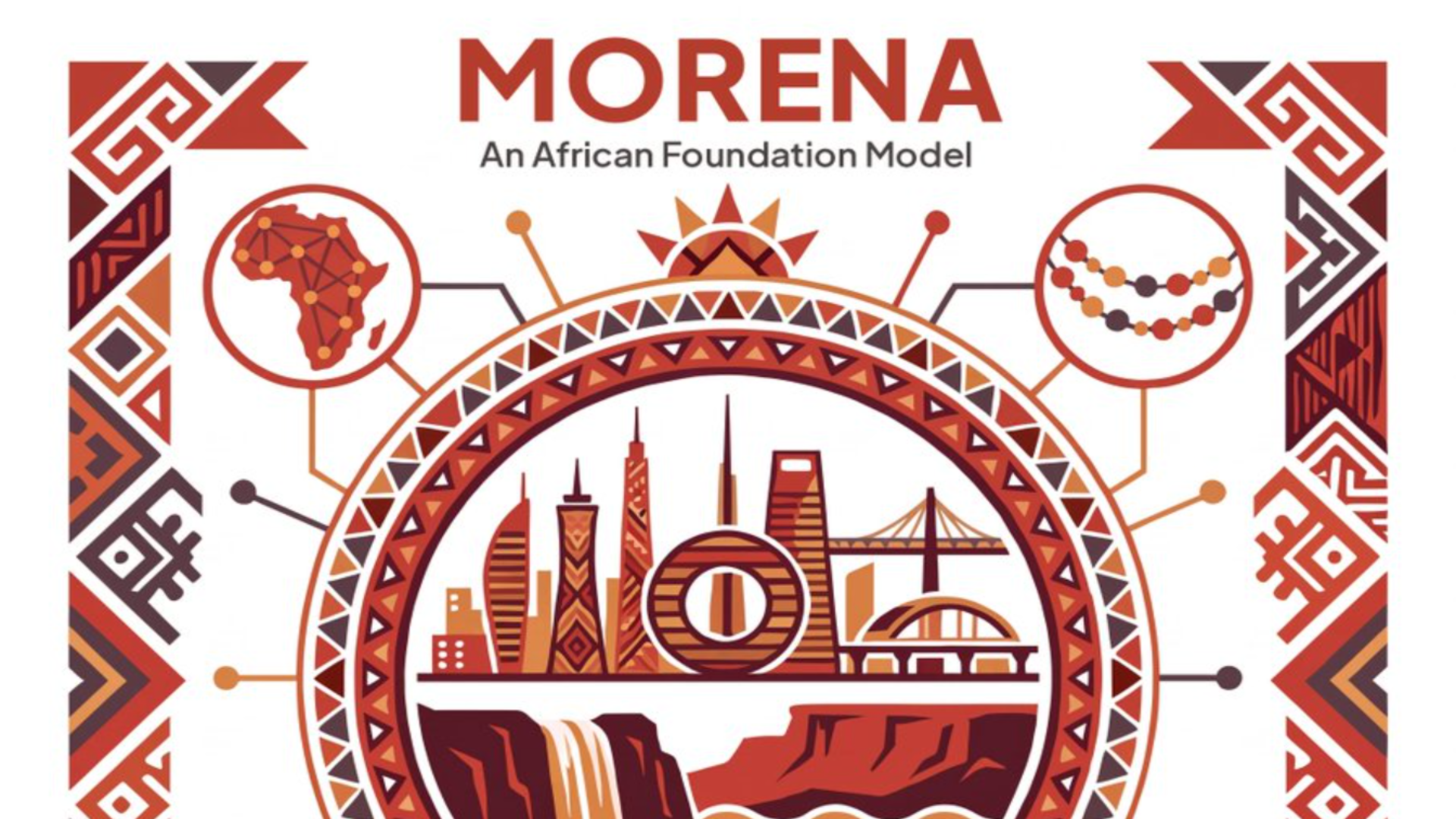
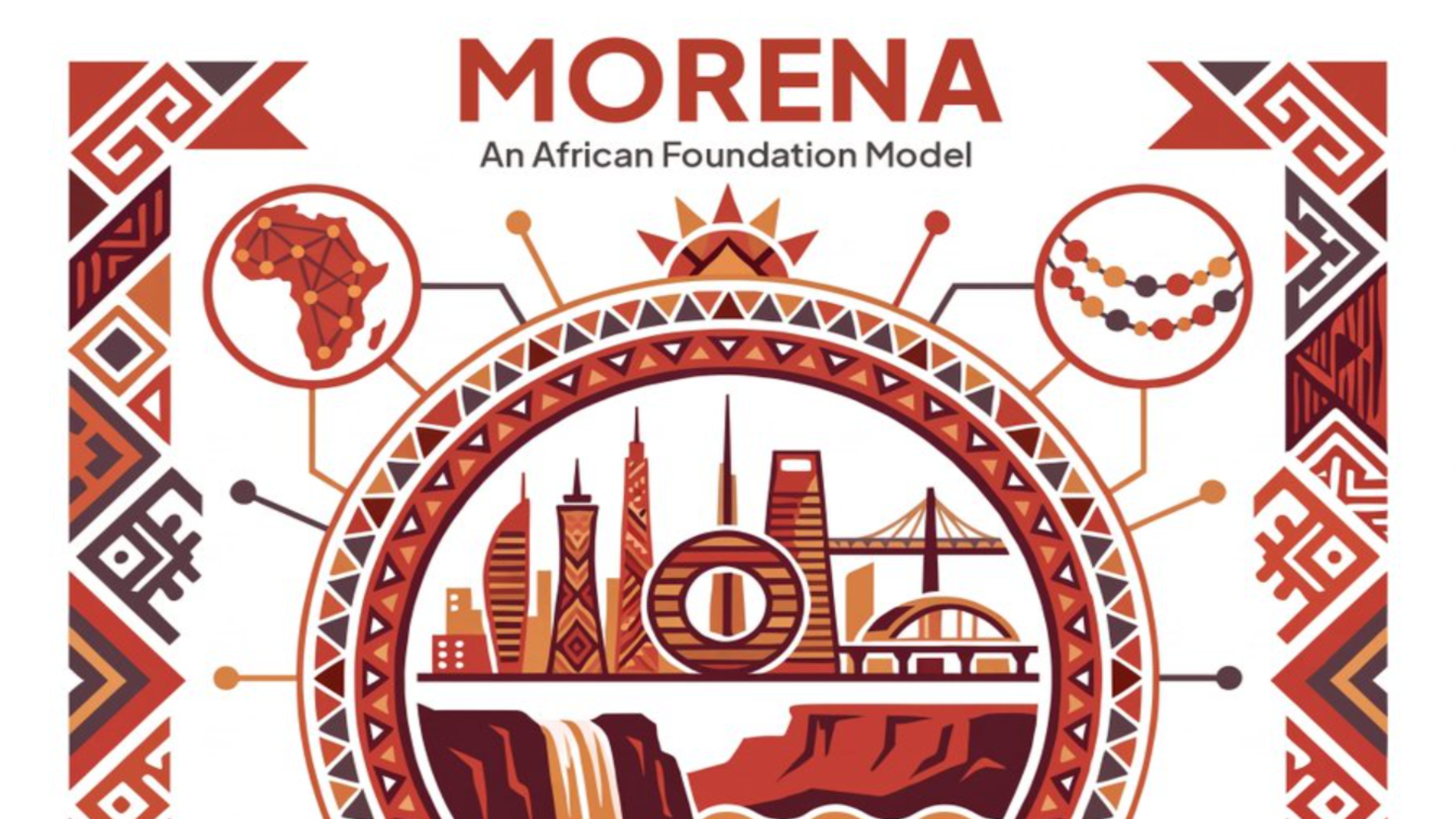
MORENA AI Explained: The South African Model Supporting 12 African Languages

MORENA is Vambo AI’s open-weight South African language model supporting 12 African languages, plus English, French, and code. Learn how it could expand access to education, public services, and locally relevant digital tools across Africa.
MORENA AI African languages coverage marks a major step in Africa’s effort to build technology around the continent’s own voices. Developed by South African startup Vambo AI, MORENA is an open-weight language model trained from scratch for 12 African languages, alongside English, French, and code.
More than a technical release, MORENA could help people search, learn, translate, and use digital services in languages they speak every day. For African users, language access can shape whether technology feels useful or out of reach.
In this guide, you will learn how MORENA works, which languages it supports, and why its development matters for education, public services, businesses, and African innovation.
What Is MORENA AI?
MORENA is a 1.5-billion-parameter language model created by Vambo AI in South Africa. The startup trained the model from scratch instead of simply adapting a general model built mainly for English and other widely supported languages.
Furthermore, MORENA uses its own tokenizer and data mix. A tokenizer breaks text into smaller pieces that an AI system can process, while the training data helps the model learn patterns, meaning, and language use.
Vambo AI describes MORENA as an open-weight model. This means developers and researchers can access its trained parameters and adapt the system for new tools, products, and research projects.
That approach could support a stronger local technology ecosystem. Instead of relying only on overseas platforms, African developers can build services that reflect local languages, speech patterns, names, and daily needs.
MORENA AI African Languages: Which Ones Does It Support?
MORENA supports 12 African languages across several regions. The model also supports English, French, and code, which can help developers create tools that move between African and global languages.
- ChiShona
- Kiswahili
- Hausa
- Yorùbá
- Igbo
- isiZulu
- isiXhosa
- Kinyarwanda
- Setswana
- Afrikaans
- isiNdebele
- Nigerian Pidgin
Notably, this language set spans Southern, West, East, and Central African communities. It includes widely used languages such as Kiswahili, Hausa, Yorùbá, and Igbo, as well as languages that often receive less support in mainstream digital tools.
However, language support does not mean perfect performance in every task. Users and developers still need to test translation quality, spelling, cultural meaning, regional variations, and performance across formal and informal speech.
How MORENA Was Built
According to Vambo AI’s research information, MORENA contains 1.5 billion parameters and trained on 251.7 billion tokens. Of that total, 65.6 billion tokens came from African-language data.
Additionally, reporting on the project says the model used synthetic text because large amounts of high-quality African-language data remain difficult to find. Synthetic data can help fill gaps, but it also requires careful checks to reduce errors and repeated patterns.
In particular, African languages often have fewer online books, news archives, public documents, and labelled datasets than English. Some also use different spelling standards or include many regional forms.
Therefore, building a useful African-language model requires more than adding vocabulary. It demands local data, skilled language experts, community feedback, and strong testing in real settings.
Why Training From Scratch Matters
Many language tools start with a large general model and then add support for other languages. Vambo AI chose to train MORENA from scratch, which gives the team more control over its tokenizer, data, and language priorities.
Moreover, a model trained with African-language data from the start may handle local words and sentence patterns more naturally. It may also avoid some weaknesses that appear when a model treats African languages as a small addition to an English-first system.
Still, training from scratch does not guarantee better results in every situation. Independent testing will remain important as researchers compare MORENA with other models across translation, writing, question answering, and speech-related tasks.
What MORENA Could Mean for Education
Education is one of the clearest areas where MORENA could create value. Students often understand lessons faster when teachers explain difficult ideas in familiar languages.
For instance, developers could use MORENA to build study assistants that explain science, maths, health, and business topics in Kiswahili, isiZulu, Hausa, or Nigerian Pidgin. Such tools could support learners who use English or French at school but speak another language at home.
Furthermore, local-language AI could help teachers prepare lesson notes, translate learning materials, and create practice questions. It could also help students search for information without first translating every question into English.
- Schools could test bilingual learning assistants for homework support.
- Teachers could use language tools to create short reading exercises.
- Education groups could translate public learning resources into local languages.
- Universities could research language quality and build better African datasets.
- Parents could access simple learning guidance in languages they use daily.
However, schools should treat AI as a support tool rather than a replacement for teachers. Educators must review outputs, especially when lessons involve local history, culture, health, or sensitive topics.
Explore more stories about digital learning through Topping Africa’s Technology and Education and Youth coverage.
MORENA and Better Public Services
Public services often lose reach when citizens must use a language they do not fully understand. MORENA could help agencies create clearer information in local languages, from application guides to service updates.
For example, a public health team could use an AI assistant to draft plain-language information about clinics, vaccinations, or maternal care. A local government office could provide answers in more than one language through a website, messaging service, or call centre.
Similarly, public service platforms could use MORENA for translation, document search, and question answering. These tools could make digital forms easier to understand and help citizens find the right service faster.
Nevertheless, public agencies must apply strict safeguards. They should protect personal data, publish correction channels, and ensure that AI-generated answers do not replace trained officials in high-risk cases.
Practical Uses for African Communities
- Local-language chat assistants for service information.
- Translation of public notices and community announcements.
- Search tools for government documents and education resources.
- Support for small businesses creating customer-service applications.
- Language interfaces for farming, health, and financial tools.
- Text tools for journalists, educators, and community organisations.
As a result, the biggest value may come from many focused applications rather than one giant chatbot. A small tool that answers clinic questions accurately can matter more than a general system with broad but uneven knowledge.
Why MORENA Matters for African Startups
MORENA gives African startups a base for building products around local users. Developers can explore applications in banking, agriculture, education, media, tourism, retail, and customer support.
Additionally, open weights can reduce some barriers for teams that cannot afford to train a large model from the beginning. Startups can adapt the model, test it for a specific market, and combine it with local data or business software.
For small companies, language support can become a real advantage. A fintech app that explains fees in a customer’s preferred language may build more trust than one designed only for English-speaking users.
Meanwhile, African content creators could use language tools to develop captions, scripts, translations, and audience replies. Discover more startup and digital product news in Topping Africa’s Business and Economy section.
Opportunities for Developers
Developers can begin by identifying a clear language problem rather than adding AI without a purpose. The strongest products will likely combine MORENA with local experts, trusted data, and simple user experiences.
- Choose one audience, such as teachers, farmers, clinics, or small retailers.
- Test the model with real phrases from that audience.
- Check spelling, names, dialects, and culturally sensitive language.
- Build a review process for incorrect or unsafe answers.
- Measure results using user feedback, not only technical scores.
Moreover, teams should consider access costs and device limits. Lightweight tools that work on affordable phones may reach more people than complex platforms designed for high-speed internet.
The Data Challenge Behind African-Language AI
Developing MORENA also highlights a wider challenge: Africa needs more quality language data. AI systems learn from text, but many African languages have limited digital archives compared with English, French, and other major languages.
That gap affects more than chatbots. It can limit translation tools, speech recognition, search engines, spellcheckers, and digital learning platforms.
Furthermore, data must represent real communities. A dataset should include different ages, regions, writing styles, and everyday uses. It should also respect consent, copyright, privacy, and community ownership.
Vambo AI’s use of synthetic data shows both the promise and the limits of current resources. Synthetic text can increase the amount of training material, but human review remains vital for accuracy and natural language quality.
Importantly, universities, publishers, cultural groups, governments, and technology companies can help close this gap. They can support language datasets, digitise public materials, and create open resources under fair rules.
Limits and Questions to Watch
MORENA represents progress, but readers should view it with realistic expectations. A 1.5-billion-parameter model may be more efficient than much larger systems, yet performance can vary across languages and tasks.
For instance, translation between closely related languages may produce different results from translation between distant language families. Informal speech, mixed-language sentences, slang, and regional spelling can also challenge the model.
In addition, developers need clear information about the model’s licence, training data, evaluation methods, and safety testing. These details matter when organisations use AI for public information, education, or financial services.
On the other hand, open development can improve the model over time. Researchers and users can report errors, compare results, and build better tools for communities that mainstream AI has often overlooked.
Read more about Africa’s positive innovation through Topping Africa’s Africa News and Opinion and Editorial sections.
How Readers and Organisations Can Prepare
Whether you work in education, business, media, or public service, you can start planning for African-language AI now. Begin with a clear use case and involve the people who will use the product.
- Map the languages your audience uses most.
- Collect feedback from native speakers and language teachers.
- Test AI output against trusted human translations.
- Keep a record of errors and update the system often.
- Explain when users are interacting with AI.
- Protect private information during testing and deployment.
Similarly, creators and media teams can use MORENA for early drafts while keeping human control over final work. This approach supports speed without sacrificing voice, context, or accuracy.
Share your thoughts below: which African-language digital service would you use first? You can also subscribe for more reporting on African technology and startup innovation.
Explore More on Topping Africa
- Technology — Discover African startups, AI tools, and digital trends shaping everyday life.
- Business and Economy — Follow founders, investment, and new opportunities across African markets.
- Culture and Lifestyle — Explore language, identity, creativity, and the people influencing African culture.
The Bigger Picture
MORENA AI African languages development shows why local technology matters. When AI understands more African languages, digital services can reach more people with greater respect and relevance.
Ultimately, the model’s success will depend on what developers, educators, businesses, and communities build with it. The technology provides a foundation, but local knowledge will shape its real impact.
For Africa’s growing startup scene, MORENA offers a positive signal. The continent is not only adopting AI; it is also creating tools that reflect African languages, markets, and ambitions.
Explore more Topping Africa coverage for practical stories about technology, creators, business, and culture across the continent.
Sources for further reading: Vambo AI Research, TechCabal, and Disrupt Africa.

Staff
Contributing writer at Topping Africa.
0 Comments
No comments yet. Be the first to share your thoughts!