
How African AI Startups Are Turning the Continent Into the Next Global AI Hub
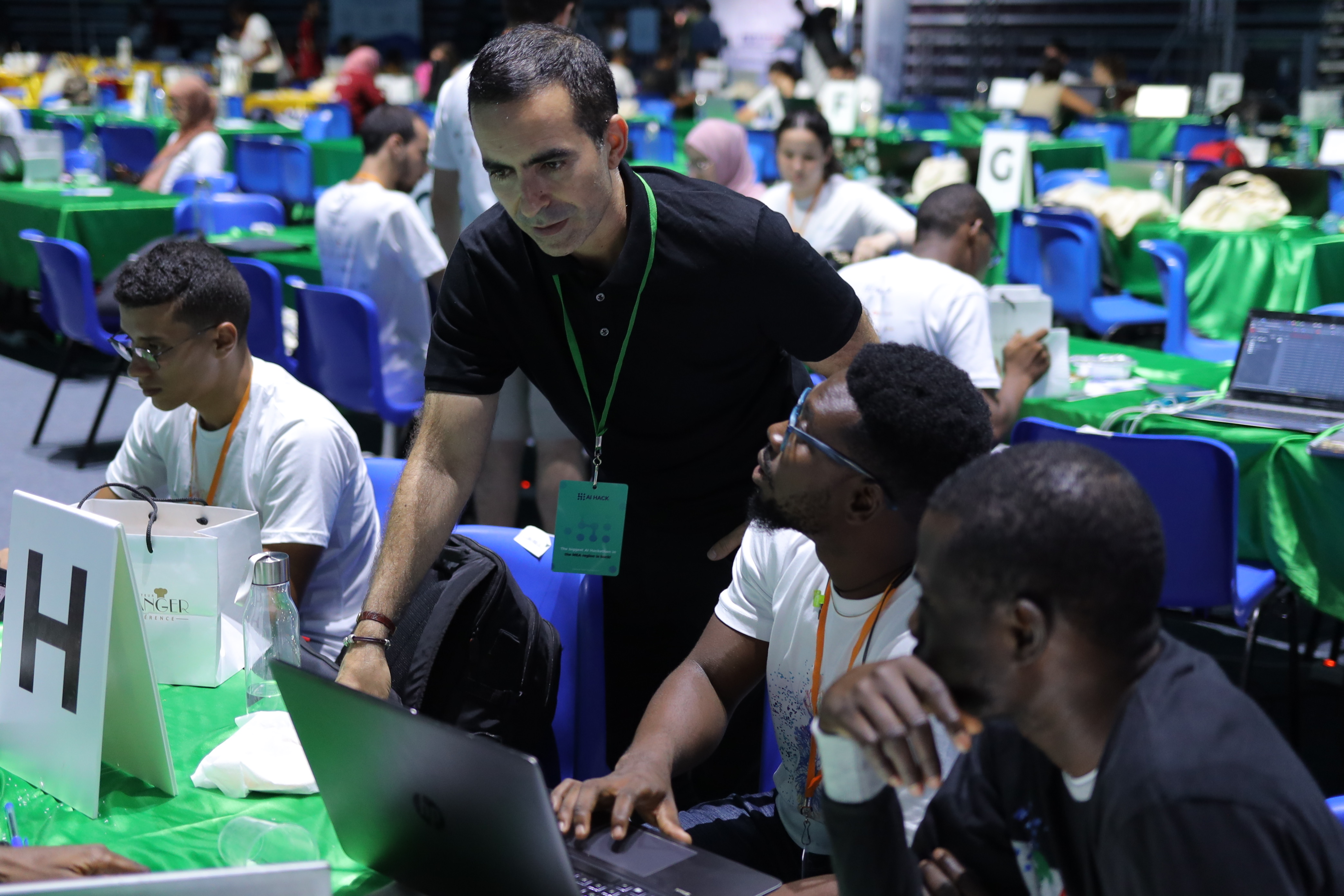
African AI startups in Nigeria, Kenya, South Africa, Ghana, and Rwanda are turning real-world challenges into cutting-edge solutions. With rising funding, strong hubs, and local talent, the continent is rapidly emerging as the world’s next major AI powerhouse.
How african ai startups are quietly building the next global AI hub
You keep hearing about Silicon Valley and China, but african ai startups are quietly rewriting the script. Across Lagos, Nairobi, Cape Town, Accra, and Kigali, founders are training models on African data, solving real problems, and pulling in serious capital. Consequently, the next wave of AI innovation is not just coming to Africa – it is being built from Africa for the world.
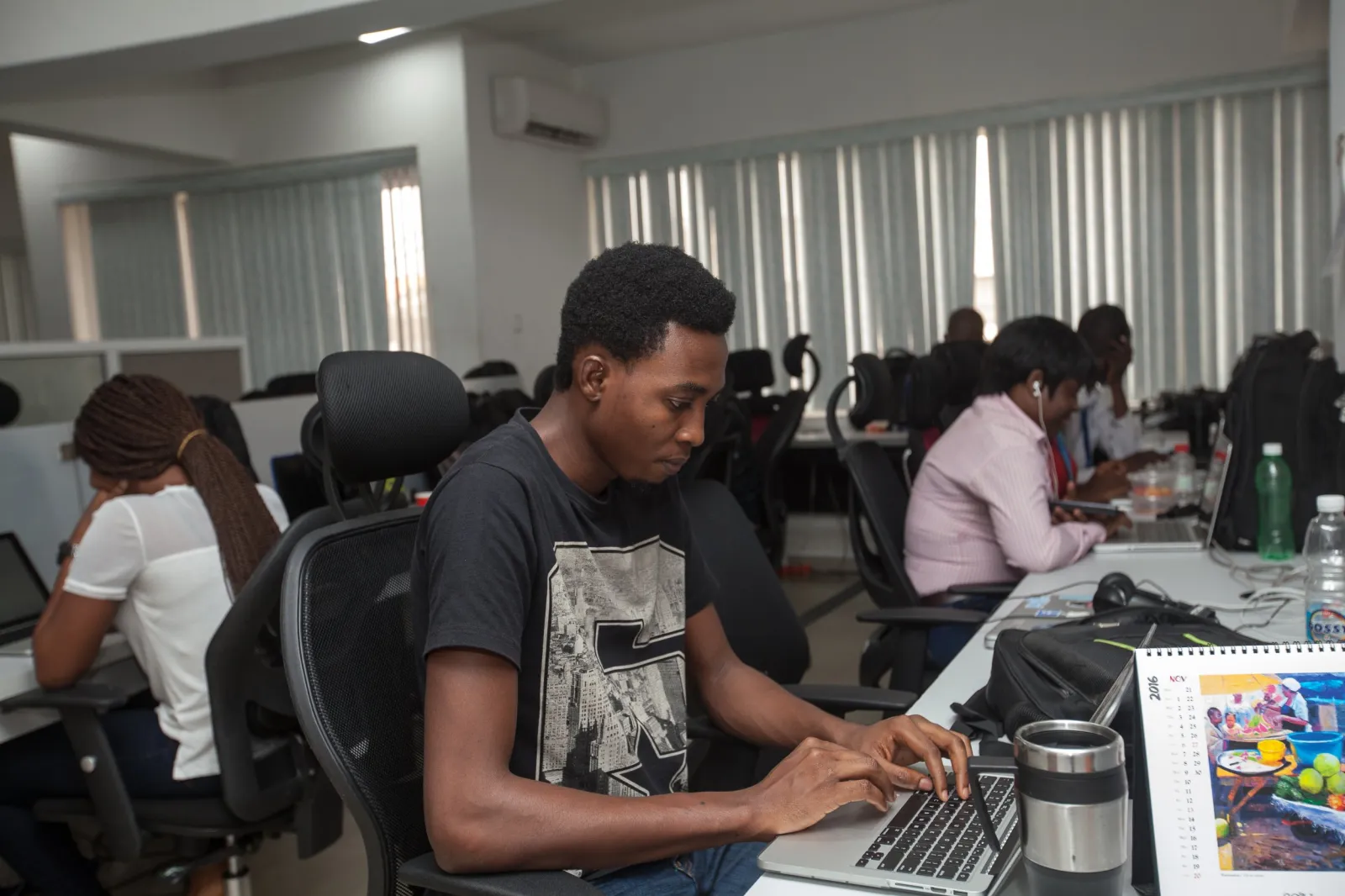
Moreover, the momentum is real and measurable. A 2025 dataset reviewed by TechCabal shows 207 dedicated African AI startups, almost double the 104 tracked in 2022[1]. Furthermore, Nigeria, South Africa, and Kenya alone now host more than 60% of these companies, while Ghana and Rwanda emerge as fast-rising challengers[1][6]. If you care about the future of technology, you need to watch this ecosystem closely.
The rise of african ai startups: why the world is paying attention
Today, Africa’s AI ecosystem is no longer a side note in global tech reports – it is a headline. According to recent mapping, thousands of African startups now build with AI or on AI infrastructure, with over 2,400 leveraging or creating AI infrastructure by 2024[3]. Additionally, specialist analyses show more than 350 AI-related startup deals across the continent in just 14 months, with Egypt, South Africa, Nigeria, Morocco, and Tunisia leading on disclosed funding[2].
However, what makes african ai startups stand out is not just the number of deals. Instead, it is the focus on vertical, practical solutions. Most African AI ventures embed AI into specific sectors like finance, agriculture, health, and education, rather than chasing generic, hype-driven tools[2][6]. As a result, you see products that improve harvest yields, unlock credit for informal workers, or diagnose disease faster in under-resourced clinics.
Notably, Sub-Saharan powerhouses such as Kenya, South Africa, Mauritius, Nigeria, and Rwanda now form a strong cluster of AI performers, backed by growing policies and infrastructure[10]. Therefore, when investors and global tech giants look for the next AI breakout markets, they increasingly scan African cities instead of only Silicon Valley or Shenzhen.
Key AI hubs: from Lagos to Kigali
Across the continent, a few cities anchor this acceleration. Lagos in Nigeria, Nairobi in Kenya, Cape Town and Johannesburg in South Africa, Accra in Ghana, and Kigali in Rwanda now act as core AI and deep-tech corridors[6][10]. Consequently, each city brings a different flavor of innovation and talent.
- Lagos: Fintech, payments, and credit scoring built on massive mobile data and youthful engineering talent.
- Nairobi (Silicon Savannah): AI layered on mobile money, logistics, and digital agriculture.
- Cape Town and Johannesburg: Deep data science, enterprise AI, and strong venture capital networks.
- Accra: Emerging hub for AI research in agriculture and healthcare, powered by Google’s AI work in Ghana[6][9].
- Kigali: Smart city vision, digital-first policies, and regional AI collaboration platforms[6][4].
In addition, pan-African networks like AfriLabs now unite more than 500 innovation hubs across 53 countries, providing training, funding, and mentorship to thousands of entrepreneurs every year[5][8]. If you are a founder or creator, this means you no longer need to leave the continent to access world-class AI communities.
Fintech: where african ai startups are rewriting financial rules
Finance is where many african ai startups first gain traction. With millions of unbanked and underbanked people, AI-powered tools can score risk, detect fraud, and personalize products far better than traditional systems[6]. Consequently, Lagos, Cape Town, and Nairobi have become magnets for AI-driven fintech innovation and global funding[10][6].
Nigeria’s fintech scene shows this shift clearly. Reports highlight Lagos as Africa’s largest tech investment hub, with over 120 AI-focused startups, and fintech leaders such as Flutterwave and Paystack using AI to secure payments and streamline compliance[10]. Moreover, many newer players now use machine learning to assess informal income, analyze mobile money flows, and reduce default rates for microloans.
Similarly, Kenyan fintech startups are building on the M-Pesa mobile money backbone. For instance, several emerging ventures apply predictive models to transaction histories to generate dynamic credit scores for small businesses[6]. As a result, informal traders gain access to working capital without lengthy paperwork or traditional collateral.
AI and financial inclusion: impact for everyday Africans
Importantly, AI in African fintech is not only a story about venture capital and unicorn valuations. It is also a story about how you, your family, or your customers access money safely and affordably. Furthermore, AI-powered fraud detection helps mobile money users avoid scams, while smart chatbots allow first-time digital banking users to get quick, local-language support.
Consequently, financial inclusion becomes more than a slogan. AI models trained on local data can understand seasonal income patterns, community savings groups, and even climate-linked risks for rural borrowers. Therefore, African AI founders are not simply copying Western fintech products – they are inventing new playbooks that global players will likely replicate later.
Agri-tech: intelligent farms and climate-smart food systems
Agriculture still employs a large share of Africa’s workforce, and climate shocks hit farmers first. Therefore, agri-tech is a natural space where african ai startups shine. Across Kenya, Nigeria, Ghana, and Rwanda, teams now build tools to predict weather, detect crop disease, and connect farmers to finance and markets[6].
For instance, several startups use satellite imagery and computer vision to monitor crop health and provide early warnings for pests or drought. Additionally, machine learning models can recommend the best planting dates, fertilizer doses, or irrigation schedules, tailored to micro-climates and soil data. As a result, even smallholder farmers gain access to a kind of AI-powered agronomist in their pocket.
Moreover, Ghana and Rwanda’s emerging AI hubs focus strongly on agriculture and food security. Accra hosts AI research programs that target crop yield optimization and disease surveillance[6]. Meanwhile, Kigali’s smart city agenda includes data platforms that help policy-makers and entrepreneurs design climate-smart food systems[6][4]. If you care about food security or agribusiness, this is where you should look for the next big African agri-tech success story.
How AI is changing the farmer’s daily routine
On the ground, AI does not feel like an abstract buzzword – it feels like a better harvest. Consequently, many farmers now receive hyperlocal weather alerts by SMS, generated from AI models that combine satellite data and on-the-ground sensors. In addition, smartphone apps can analyze photos of leaves to diagnose diseases and suggest treatments instantly.

Furthermore, AI-backed platforms connect farmers to buyers, optimizing routes and prices. Therefore, post-harvest losses drop, and incomes increase. When you multiply these changes across millions of farmers, you start to understand why African AI in agriculture could rival any global agtech story.
Healthtech: african ai startups saving lives with data
Healthcare may be the most emotionally powerful arena where African AI innovation is visible. Across Nigeria, Kenya, Rwanda, and South Africa, AI-driven healthtech startups now support diagnostics, logistics, and health education[6][8]. Consequently, they help close gaps created by limited specialists and overburdened hospitals.
One standout example is LifeBank, the Nigerian startup that uses data and AI to optimize blood and oxygen supply chains across African cities[8]. Additionally, CcHub’s health-focused programs have supported AI ventures that match blood demand with inventories, reducing delays and saving lives[8]. Another example, Ubenwa, originally incubated in Nigeria, applies AI to analyze a newborn’s cry to detect potential breathing problems early and attracted significant seed funding in 2024[8].
Moreover, diagnostic startups across South Africa and Kenya deploy machine learning models to assist with radiology, tuberculosis screening, and even eye disease detection[6]. Therefore, a nurse in a rural clinic can access tools that amplify their capacity in ways that previously required urban specialists.
Telemedicine, language, and local context
Importantly, many African health AI tools work in local languages and low-bandwidth settings. Consequently, chatbots and virtual assistants now answer health questions in Swahili, Yoruba, or Kinyarwanda, reducing misinformation and panic. In addition, AI models help triage patients in telemedicine apps, guiding them to the right level of care.
As a result, AI in African healthtech is deeply rooted in context. The founders building these products often grew up seeing the very gaps they now address. Therefore, if you are a health professional or digital health creator, collaborating with African AI teams can unlock new, locally grounded insights for the global health community.
Edtech and talent: training the continent’s next AI builders
Every AI hub needs talent, and Africa is investing heavily in the next generation of builders. From formal degrees to bootcamps and online courses, a dense web of talent pipelines now fuels african ai startups[6]. Notably, universities and innovation hubs collaborate with global tech companies to accelerate this growth.
For example, Carnegie Mellon University Africa in Kigali runs an Innovation Hub that supports tech startups through a 12-month incubation program and deep technical mentorship[4]. Additionally, the hub helps teams commercialize AI-enabled products that solve African market needs at scale[4]. Meanwhile, AfriLabs trains more than 10,000 entrepreneurs annually through its network of innovation centers, many of whom join or start AI-focused ventures[5][8].
Furthermore, global players are betting on African AI talent. Google’s Africa initiatives include an AI research center in Accra and the Google Africa Applied AI Lab, a commercialization program for founders building on Google AI in Ghana[9]. As a result, young African engineers can access cutting-edge tools, mentorship, and cloud credits without leaving the continent.
Rwanda, Ghana, and the new AI education corridor
Ghana and Rwanda illustrate how policy, education, and startup culture can reinforce each other. Accra is gaining recognition as an emerging center for AI in West Africa, with research focused on agriculture and healthcare[6]. Additionally, Google’s AI work in Ghana draws regional talent and investors interested in responsible AI for African languages and sectors[9].
Meanwhile, Rwanda positions Kigali as a digital-era launchpad, backed by government-supported innovation programs and partners like CMU-Africa[4][6]. Consequently, students trained in Kigali’s labs spin out startups or join leading AI companies across the continent. If you are a young African creator deciding where to build your AI career, these cities should be near the top of your list.
Incubators, accelerators, and AI infrastructure: the quiet engines of growth
Behind every headline-grabbing funding round, a support system of incubators, accelerators, and infrastructure providers keeps african ai startups moving. Programs such as CcHub in Lagos, iHub in Nairobi, and kLab in Kigali give founders the trifecta they need: capital, mentorship, and networks[8]. Consequently, more early-stage teams survive, iterate, and scale beyond their home markets.
Across Africa, these hubs increasingly design tracks dedicated to AI. For instance, CcHub has backed AI-driven healthtech and edtech ventures since the early 2010s[8]. Similarly, iHub’s AI Lab supports startups that apply machine learning to agriculture, logistics, and public health[8]. Moreover, continental networks like AfriLabs link these nodes so knowledge and investor interest can flow faster[5][8].
In parallel, global and regional initiatives provide the heavy compute and cloud resources that AI teams need. NVIDIA’s AI Innovation Hubs, European–African AI collaborations, and cloud credits from major providers all lower the barrier to entry for deep-tech experiments[7][11]. Therefore, an African founder with a strong idea no longer needs a Silicon Valley data center to train a competitive model.
Why infrastructure matters for African AI
AI models need data, compute, and distribution. Historically, African founders lacked all three at scale. However, that story is changing. Today, local data collection in agriculture, health, and finance feeds models that understand African realities better than imported systems[6][1].
Additionally, cloud credits and GPU-sharing initiatives reduce upfront costs. As a result, more teams can prototype, fail fast, and pivot without burning through their limited runway. Importantly, these infrastructure gains position the continent as a serious AI production center rather than a simple consumer market.
Influencer culture and African AI: when founders become creators
In Africa, founders are not just building products – they are also becoming influential creators in their own right. On X, LinkedIn, TikTok, and YouTube, African AI founders share build-in-public journeys, technical breakdowns, and career advice. Consequently, the line between tech entrepreneur and content creator keeps fading.

Furthermore, African influencers who built audiences around lifestyle, comedy, or music now collaborate with AI startups for campaigns and product launches. For instance, fintech and edtech products often lean on creator partnerships to explain complex AI features in simple language. Therefore, if you are an African content creator, AI startups represent a powerful new lane for partnerships and sponsored storytelling.
Moreover, this fusion helps young audiences see AI as accessible rather than distant. When you watch a favorite creator break down how an AI health app works, you are more likely to try it and trust it. Ultimately, influencer culture accelerates adoption, feedback loops, and brand loyalty for African AI ventures.
Local data, local languages: Africa’s unique AI advantage
The world’s biggest AI models often struggle with African languages and contexts. However, this gap creates a strategic opportunity for african ai startups. By training models on local data sets, languages, and cultural norms, African teams can build tools global players simply cannot match right now[6][1].
For example, startups focus on natural language processing for Swahili, Amharic, Hausa, Yoruba, and dozens of other African languages. Additionally, they design chatbots and voice interfaces that understand code-switching and local slang. As a result, millions of new users can interact with AI systems comfortably, in their own words.
In particular, voice AI and speech recognition for African accents is a fast-growing niche. Consequently, call centers, health hotlines, and fintech support lines can automate routine requests while keeping a human, local feel. When you layer this on top of sector-specific data – from rural clinics or market stalls – the competitive moat becomes even stronger.
Funding momentum: where the capital is flowing
Money follows impact and potential, and investors are finally catching up with the promise of African AI. Recent funding analysis shows Egypt leading by AI deal count, with South Africa, Nigeria, Morocco, and Tunisia close behind[2]. Additionally, Lagos remains the continent’s largest tech investment hub, home to over 120 AI-focused startups and fintech leaders[10].
Moreover, specialized AI programs and funds now target African deep-tech ventures. International accelerators, development finance institutions, and corporate venture arms are all active in scouting AI deals from Nairobi to Kigali. Consequently, founders who once struggled to explain AI to investors now find themselves in oversubscribed rounds.
However, funding gaps remain, especially for early-stage teams outside the top five markets. Therefore, incubator-backed angels, local syndicates, and alternative financing models will play a crucial role in spreading AI capital more evenly across the continent[8][5]. If you are an investor, this is the moment to build a long-term thesis instead of chasing late-stage hype.
How you can plug into Africa’s AI wave
If you are reading this from Lagos, Kigali, London, or Los Angeles, there are clear ways to get involved. Furthermore, you do not need to be a machine learning engineer to add value. African AI needs storytellers, product designers, policy thinkers, and community builders just as much as it needs coders.
- Founders: Join hubs like CcHub, iHub, or AfriLabs labs and apply to AI-focused accelerators[5][8].
- Creators: Partner with AI startups to explain products, create tutorials, and host live Q&A sessions.
- Investors: Explore local funds, syndicates, and co-investment vehicles focused on AI and deep-tech.
- Students: Enroll in AI programs and bootcamps linked to hubs such as CMU-Africa or Google’s AI initiatives[4][9].
Additionally, you can track ecosystem updates and stories through dedicated African tech and culture platforms. To stay ahead of the curve, explore sections like Technology, Business & Economy, and Culture & Lifestyle on Topping Africa. Ultimately, the more you learn, the easier it becomes to spot the next breakout African AI unicorn.
Explore more on Topping Africa
If you want to go deeper into this world of innovation, you do not need to look far. On Topping Africa, you can move from AI funding stories to music, celebrity culture, and lifestyle in just a few clicks. Consequently, you get a full picture of how technology, creativity, and culture shape modern African life.
- Technology: Discover in-depth features on African startups, AI breakthroughs, and digital trends reshaping every sector.
- Business & Economy: Read more about funding rounds, market shifts, and the entrepreneurs driving Africa’s growth.
- Entertainment: Explore how music, film, and influencer culture intersect with tech and AI on and off the continent.
Additionally, you can explore more interviews, opinion pieces, and spotlight profiles in Opinion & Editorial and Africa News. If a particular startup, creator, or city inspires you, share your thoughts and leave a comment below. Ultimately, your voice helps shape the next chapter of Africa’s AI story.
What comes next for African AI?
The journey from emerging ecosystem to true global AI hub will not happen overnight. However, the foundations are now firmly in place. With growing talent pools, stronger infrastructure, and a wave of african ai startups solving real problems, the continent is moving from potential to performance[1][6][10].
Furthermore, Africa’s mix of young demographics, mobile-first behavior, and rich cultural diversity makes it the ideal laboratory for inclusive AI. As local founders and creators continue to collaborate, experiment, and share their stories, they will not only transform African industries. They will also redefine how the world imagines AI itself.
If you want to follow, invest in, or join this movement, now is the time. Explore more stories on Topping Africa, discover the builders shaping tomorrow, and subscribe for updates on the next wave of African innovation.

Staff
Contributing writer at Topping Africa.
0 Comments
No comments yet. Be the first to share your thoughts!