
7 African Anime Creators Building the Future of Animation and Gaming
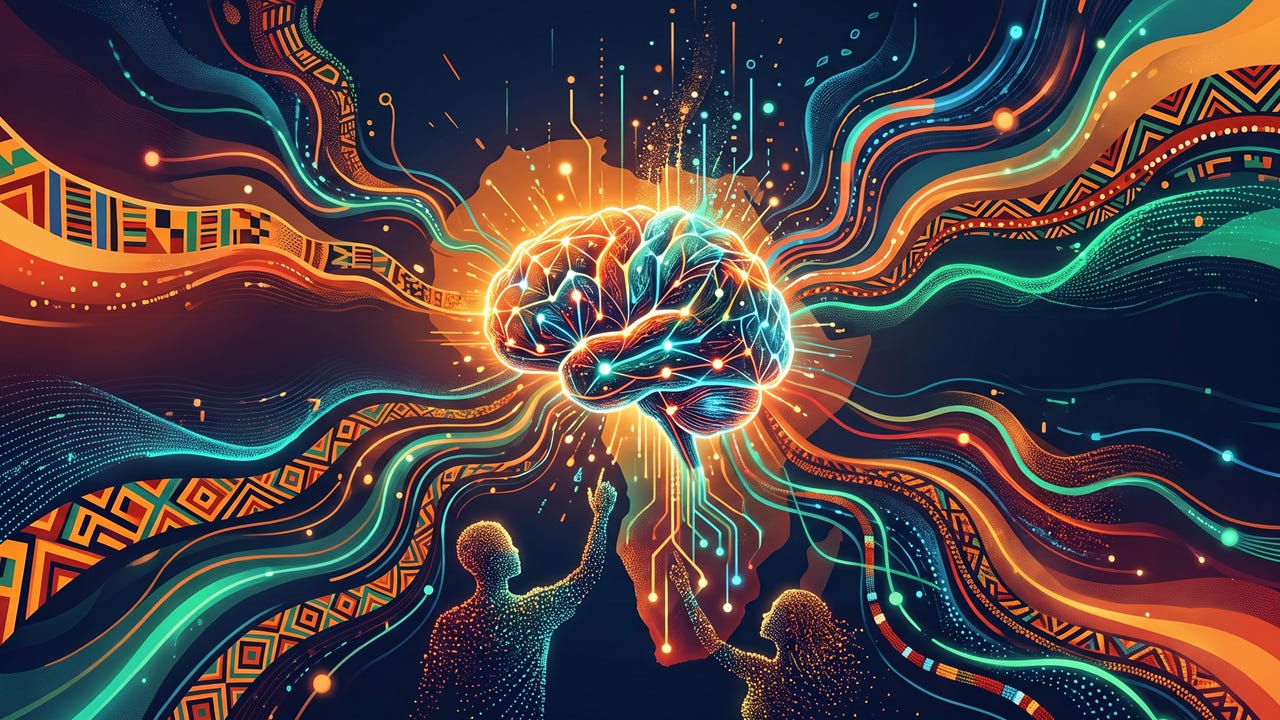
Meet seven African anime creators, animators, and game developers shaping a bold new era of African storytelling. From Lagos to Johannesburg and Bangui, these innovators blend mythology, gaming, design, and technology for global audiences.
A new creative wave is changing how the world sees African stories. These African anime creators, animators, game developers, and digital storytellers blend local myths, modern design, gaming culture, and bold technology into work with global appeal.
Meanwhile, interest in African anime, mobile games, and animation training continues to grow. From Lagos and Accra to Johannesburg and Bangui, creators are proving that African-inspired worlds can lead global entertainment trends.
This list spotlights seven people and creative teams worth watching. The future of African animation will not copy one culture or one market. Instead, it will draw from many languages, histories, styles, and lived experiences.
Why African anime creators are gaining attention
For years, African artists worked within global studios while receiving limited attention for their own ideas. However, new studios now build original characters, games, comics, and animated worlds rooted in African identity.

Streaming platforms, affordable digital tools, online communities, and mobile gaming have widened access. In addition, creators can now share short films, concept art, game demos, and behind-the-scenes content directly with audiences.
Projects such as Iwájú have also helped show the commercial power of African settings. The Disney collaboration with Kugali Media placed a futuristic Lagos story before a worldwide audience.
At the same time, African game developers are creating experiences based on traditional board games, folklore, city life, and local heroes. The result is a creative market that feels more personal and more diverse.
1. Lukhanya Pooe: anime culture with a South African voice
Lukhanya Pooe, the creator behind TimonsDreams, brings together anime culture, gaming references, drawing, humour, and storytelling. His work reflects how social media creators can turn personal interests into a wider creative brand.
Notably, Pooe does not treat African identity as a fixed style. Instead, his work connects South African experiences with the visual language of anime and gaming. That mix gives younger audiences a familiar but distinct way to see themselves on screen.
Furthermore, his rise highlights the role of short-form content in creator careers. A simple sketch, character idea, or funny animation can build a loyal audience before a creator launches a larger project.
For brands and young artists, the lesson is clear: specific stories often travel further than generic content. Explore more African creative voices through Entertainment and Culture & Lifestyle.
2. Olivier Madiba: building African role-playing games
Olivier Madiba founded Kiro’o Games in Cameroon, a studio known for Aurion: Legacy of the Kori-Odan. The role-playing game draws on African-inspired characters, history, and world-building.
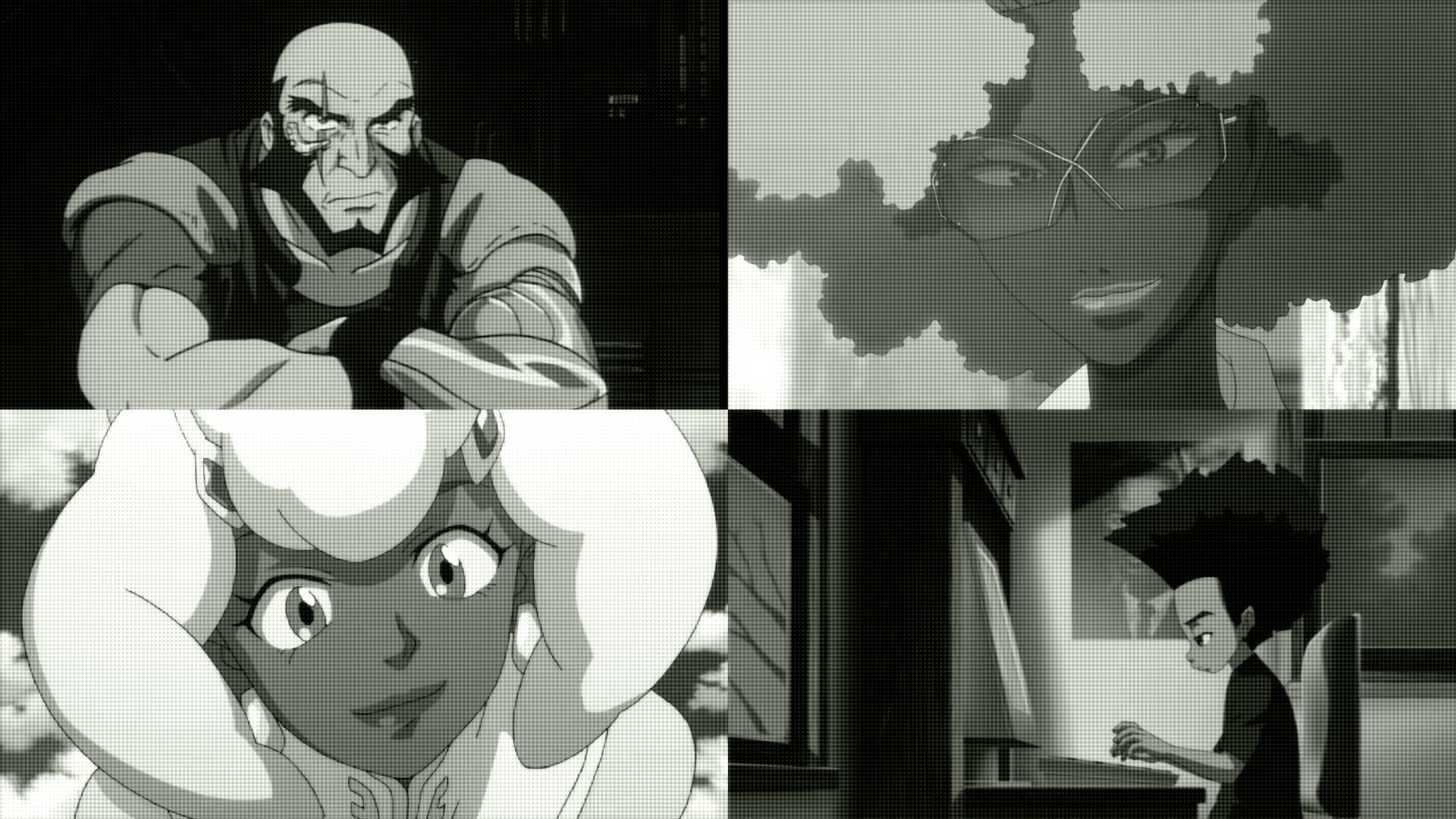
However, the project offers more than a visual theme. It shows how African creators can develop complex game worlds with their own heroes, conflicts, music, and moral choices.
Madiba’s work also matters because role-playing games demand long-term investment. Developers must create a strong story, memorable characters, engaging combat, and a world that encourages players to return.
Consequently, Kiro’o Games provides a useful model for African startups. A locally rooted idea can become a global product when creators pair cultural confidence with strong design and business planning.
3. Teddy Kossoko: turning Central African heritage into games
Teddy Kossoko founded Masseka Game Studio in the Central African Republic. His company creates games that celebrate African culture, including Kissoro Tribal Game, which draws inspiration from a traditional Central African board game.
In addition, Kossoko shows how game developers can preserve cultural knowledge through play. A digital game can introduce younger audiences to a traditional activity while adding challenges, tutorials, quests, and new ways to compete.
That approach creates value on two levels. First, it gives players an entertaining experience. Second, it turns cultural heritage into an active part of modern digital life.
For African founders, the opportunity is wide. Traditional games, oral stories, clothing, architecture, and music can all inspire new products without losing their local meaning.
4. Eyram Tawia: connecting games, comics, and African legends
Eyram Tawia is a Ghanaian game developer and the founder of Leti Arts. The studio has worked across games and comics, including the Africa’s Legends universe.
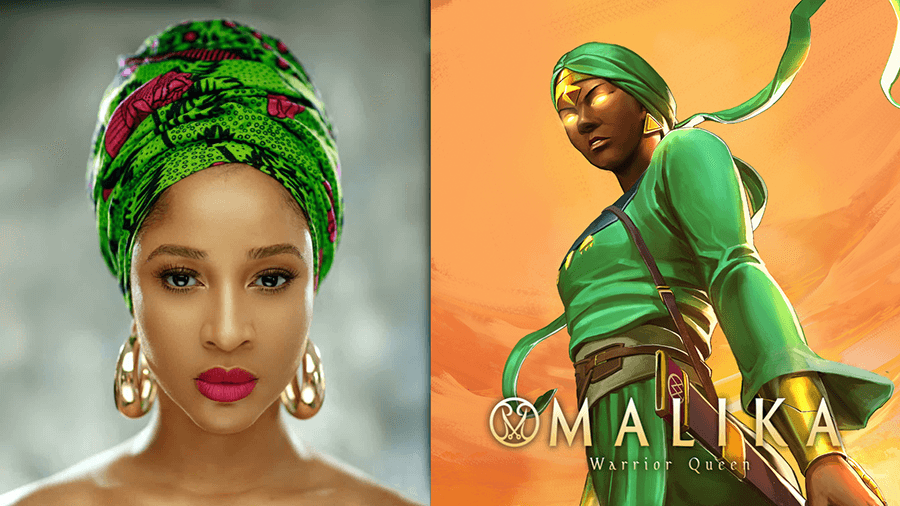
Meanwhile, Leti Arts demonstrates the strength of a connected intellectual property strategy. A character can appear in a game, comic, animation, classroom activity, or short video.
This approach helps creators reach different audiences. Some people discover a story through mobile gaming, while others find it through social media art or a comic panel.
Additionally, connected stories can create new income paths for African creators. Licensing, merchandise, partnerships, subscriptions, and educational products can support a studio beyond one release.
Discover more positive African innovation in Technology and Business & Economy.
5. Francis Y. Brown: sharpening Ghana’s animation voice
Francis Y. Brown leads AnimaxFYB Studios in Ghana. The studio has built a reputation for stylish animation shorts and commercial work, helping place Ghanaian animation on wider festival and industry stages.
For instance, animation studios like AnimaxFYB show that creators can serve both artistic and commercial goals. Short films may build recognition, while branded animation can fund new original projects.
Moreover, commercial work gives young artists valuable production experience. They learn how to meet deadlines, follow a brief, work with clients, and deliver polished visuals.
That training matters because Africa’s animation industry needs more than talented illustrators. It needs directors, storyboard artists, editors, producers, sound designers, technical artists, and business leaders.
6. Ferdinand Adimefe: growing original animation in Nigeria
Ferdinand Adimefe leads an animation studio in Lagos that develops original African intellectual property and supports the next generation of local animators.
Nigeria already has a strong entertainment ecosystem through film, music, comedy, and influencer culture. Therefore, animation creators can build on an audience that understands character-led stories and follows new talent online.
Adimefe’s work reflects a wider shift from outsourced production toward African-owned ideas. Local teams can now develop their own worlds instead of only animating concepts created elsewhere.
Furthermore, training and mentorship can help turn Nigeria’s large youth population into a creative advantage. With access to software, reliable devices, and paid project work, young artists can move from hobby projects into careers.
7. Malcolm Wope: taking African animation talent to Japan
Malcolm Wope represents the growing link between African animators and Japan’s anime industry. The South African animator received credit as a key animator on Lazarus, an anime project associated with MAPPA.
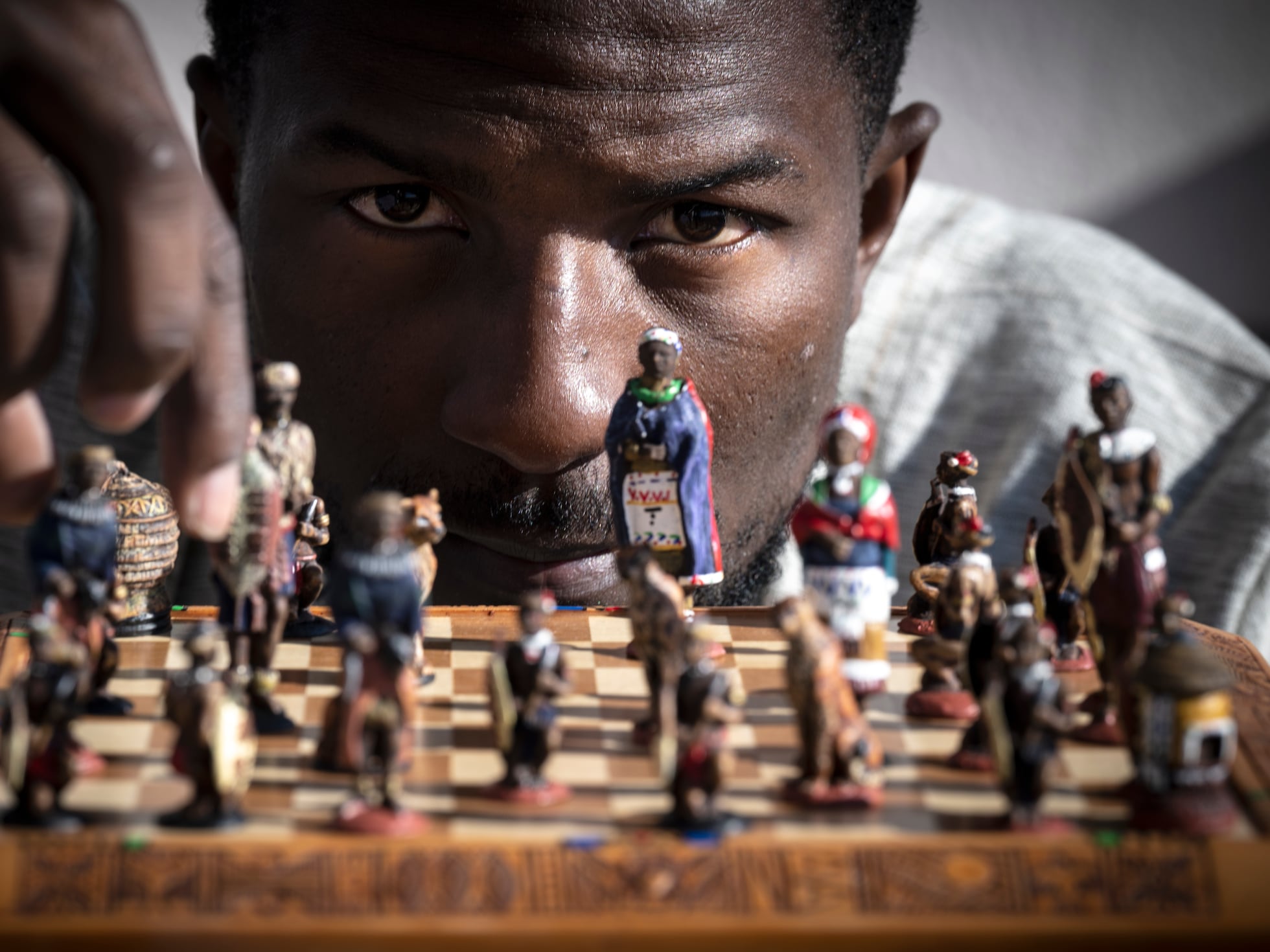
This achievement matters because key animation requires strong drawing, timing, movement, and visual storytelling skills. It also shows that African artists can contribute directly to major international productions.
Meanwhile, new training programmes are helping more African animators prepare for work in Japan. One reported online course aims to train 100 African animators in key animation skills.
However, global opportunities should not mean leaving local stories behind. African artists can gain international experience while building original projects that reflect their own communities.
What this movement means for African creators
These creators reveal several trends that will shape Africa’s digital entertainment market. First, audiences want stories that feel fresh, local, and visually ambitious.
Second, games and animation now overlap more than ever. A creator may begin with a comic, develop a short animation, and later launch a mobile game based on the same characters.
Third, artificial intelligence is entering creative workflows. Some studios are exploring AI-assisted production, while others prefer handmade art and clear limits on generative tools.
Importantly, technology should support human creativity rather than erase it. African creators still need strong writing, original design, cultural research, and careful editing.
Four practical lessons for emerging African anime creators
- Start with a clear world. Define the setting, characters, rules, and cultural influences before expanding the project.
- Publish consistently. Share sketches, short animations, game tests, and progress updates to build an audience.
- Learn business skills. Understand licensing, contracts, budgeting, fundraising, and intellectual property protection.
- Build with others. Partner with writers, musicians, developers, voice actors, and producers across African markets.
In addition, creators should study the audiences they want to reach. A mobile game for Africa may need small file sizes, affordable pricing, local payment options, and offline features.
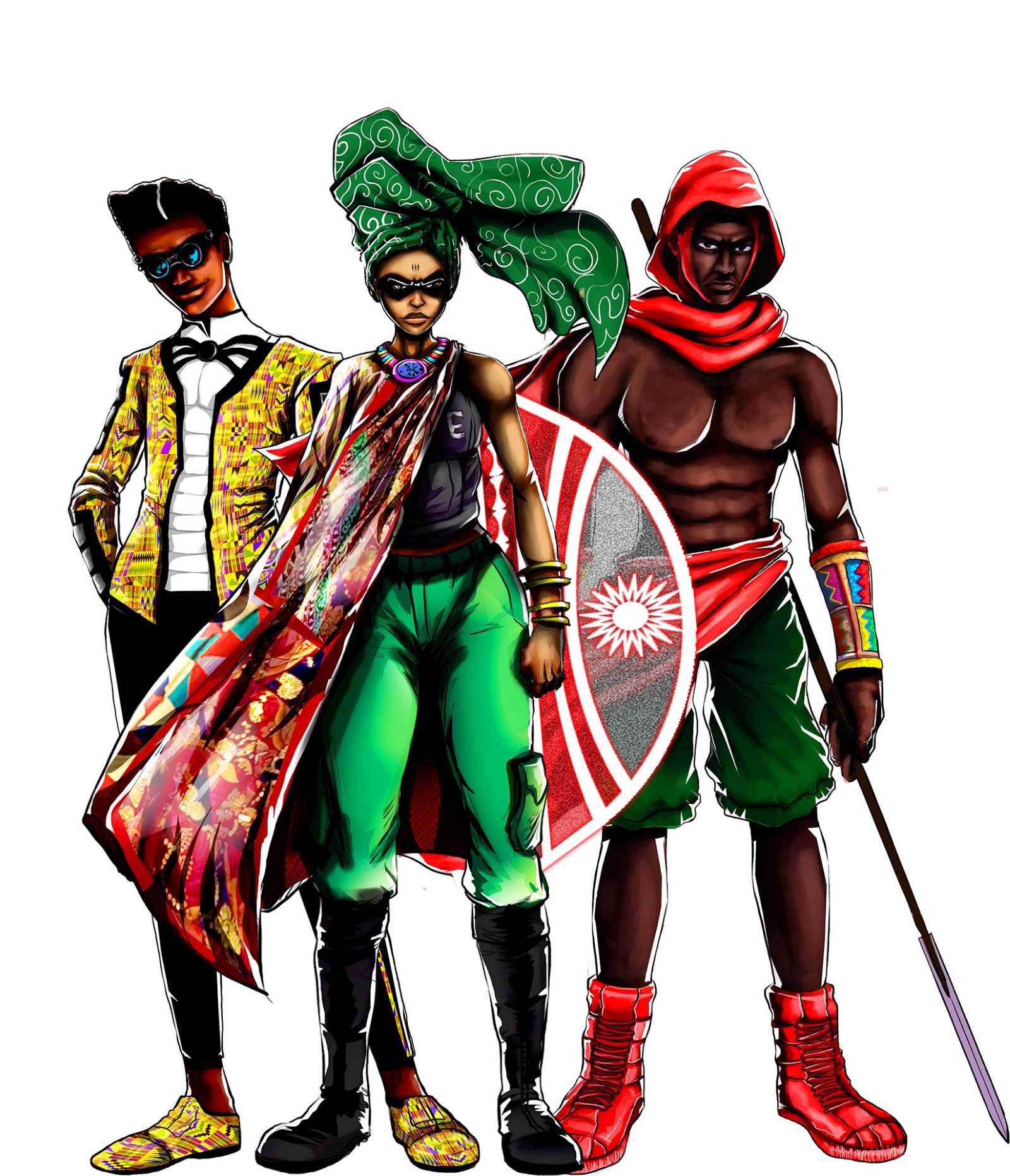
Similarly, animation teams should consider mobile viewing habits. Short episodes, strong hooks, subtitles, and social clips can help new projects find viewers quickly.
How technology is changing African animation and gaming
Digital tools have lowered the cost of testing creative ideas. Blender, Godot, digital drawing tablets, cloud collaboration, and low-cost editing tools help small teams build professional demos.
Furthermore, training centres are adding AI-driven animation, 3D modelling, motion graphics, and game development to their programmes. These courses can help young people move from interest to paid work.
Yet access remains uneven. Creators still need better internet, modern computers, reliable electricity, funding, and spaces where teams can work together.
For investors and partners, the message is direct: supporting tools and training can unlock a large creative workforce. Read more about Africa’s technology growth through Technology & Innovation.
Why local mythology and pop culture matter
African mythology gives creators a deep source of characters, symbols, creatures, and moral questions. However, creators should treat these traditions with care and avoid reducing them to surface-level decoration.
For instance, a strong story may explore family duty, community, leadership, migration, friendship, or the relationship between people and nature. These themes can feel local while remaining universal.
Pop culture also plays a major role. Music, football, street fashion, comedy, and online trends can shape character design and dialogue.
As a result, African anime does not need to imitate Japan or the United States. It can borrow useful visual tools while developing its own rhythm, humour, sound, and emotional language.
Explore More on Topping Africa
- Technology & Innovation — Discover African startups, digital tools, and creators changing the future.
- Entertainment — Follow new voices in film, animation, music, and influencer culture.
- Culture & Lifestyle — Explore African design, heritage, identity, and modern creative trends.
Share your thoughts: Which African animator, game developer, or digital storyteller should receive the next spotlight? Leave a comment below and subscribe for more stories about Africa’s creative economy.
The future belongs to original African stories
African anime creators are building more than attractive visuals. They are developing characters, studios, training networks, and business models that can support a lasting creative industry.
Ultimately, the strongest projects will combine great storytelling with smart production. They will respect local culture, use technology with care, and reach audiences through games, animation, comics, music, and social media.
For viewers, this is the right time to pay attention. For young creators, it is the right time to start building. Africa’s next global creative movement is already taking shape.
Sources and further reading include the Africa Games Industry Report, Animation Magazine, and Cineuropa.

Staff
Contributing writer at Topping Africa.
0 Comments
No comments yet. Be the first to share your thoughts!