
7 African Content Creators Turning Online Audiences Into Media Businesses
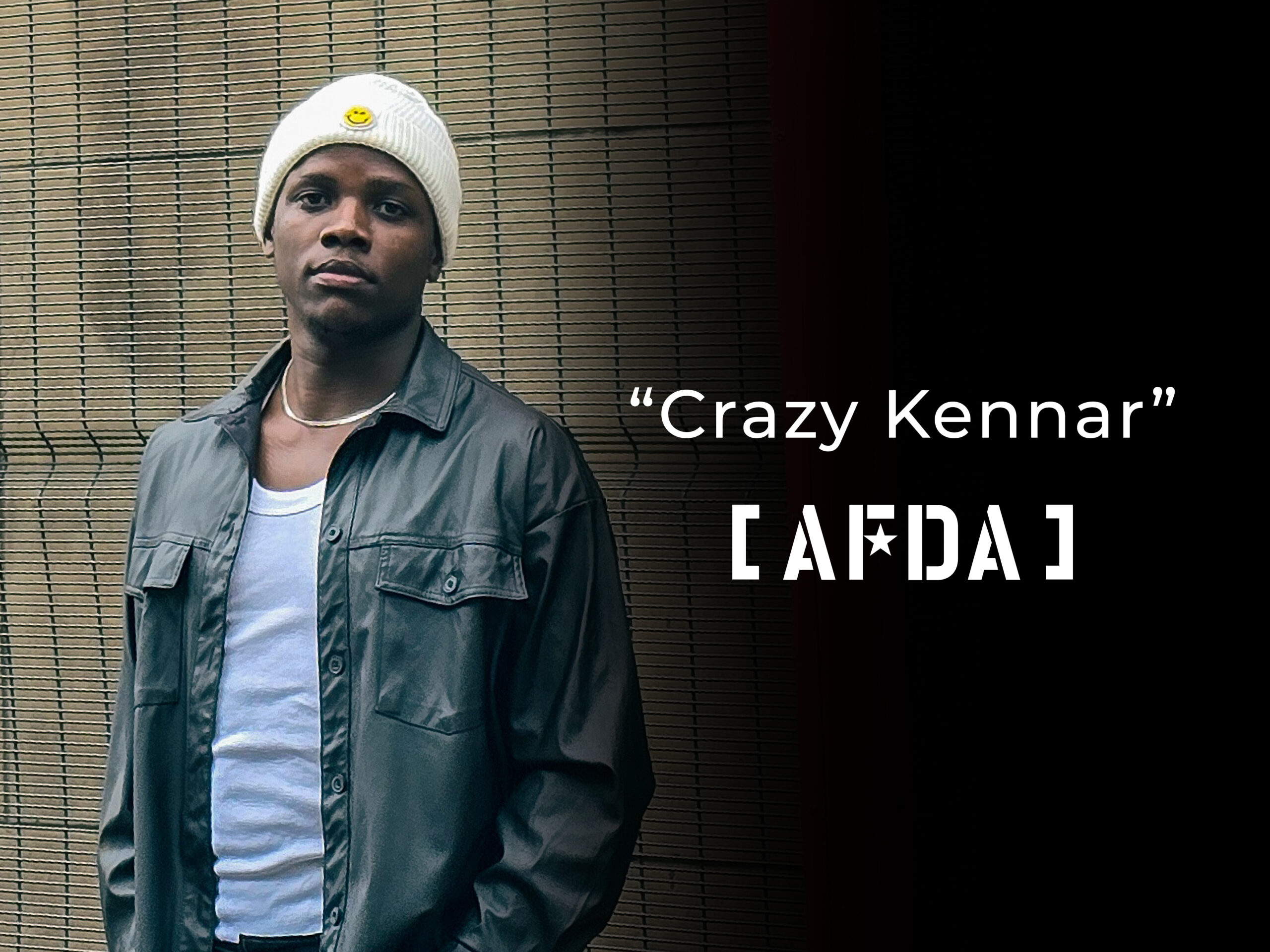
African content creators are turning loyal audiences into real media businesses through sponsorships, memberships, events, merchandise and startups. Discover seven creators and the practical strategies shaping Africa’s next creator-economy wave.
African content creators are moving beyond likes, views and viral moments. Across the continent, leading digital personalities now build media businesses through sponsorships, memberships, live events, merchandise and independent production.
That shift reflects a wider creator-economy boom. One 2025 industry estimate valued Africa’s creator market at about $5.1 billion, with projections pointing to nearly $30 billion by 2032.[1] However, the path to stable income remains uneven, so creators must turn attention into owned products and loyal communities.
From Nigerian health education to Kenyan comedy and South African automotive content, these creators show how digital influence can become a serious business. Furthermore, their work offers practical lessons for anyone building a sustainable career in Africa’s fast-changing media space.
Why African Content Creators Are Building Media Companies
For years, creators depended mainly on platform ads and occasional brand deals. Today, that model looks too fragile. Algorithm changes, changing payout rules and limited local ad rates can quickly affect a creator’s income.

Consequently, successful creators are creating several income streams. They sell products, host ticketed experiences, launch production studios, offer paid communities and work with brands on longer campaigns.
Research reported by Techpoint Africa found that many creators still earn modest monthly incomes, while sponsored content and advertising remain uneven sources of revenue.[2] Therefore, the strongest creators treat their audience as a business asset rather than a vanity metric.
The key lesson is simple: reach opens the door, but trust creates the business.
- Sponsorships: Brands pay for trusted access to focused audiences.
- Memberships: Fans support exclusive content, chats and community benefits.
- Live events: Creators turn online attention into ticket sales and experiences.
- Merchandise: Products help audiences display their identity and loyalty.
- Independent production: Studios allow creators to own more of the content value chain.
1. Crazy Kennar: Comedy Into Production and Training
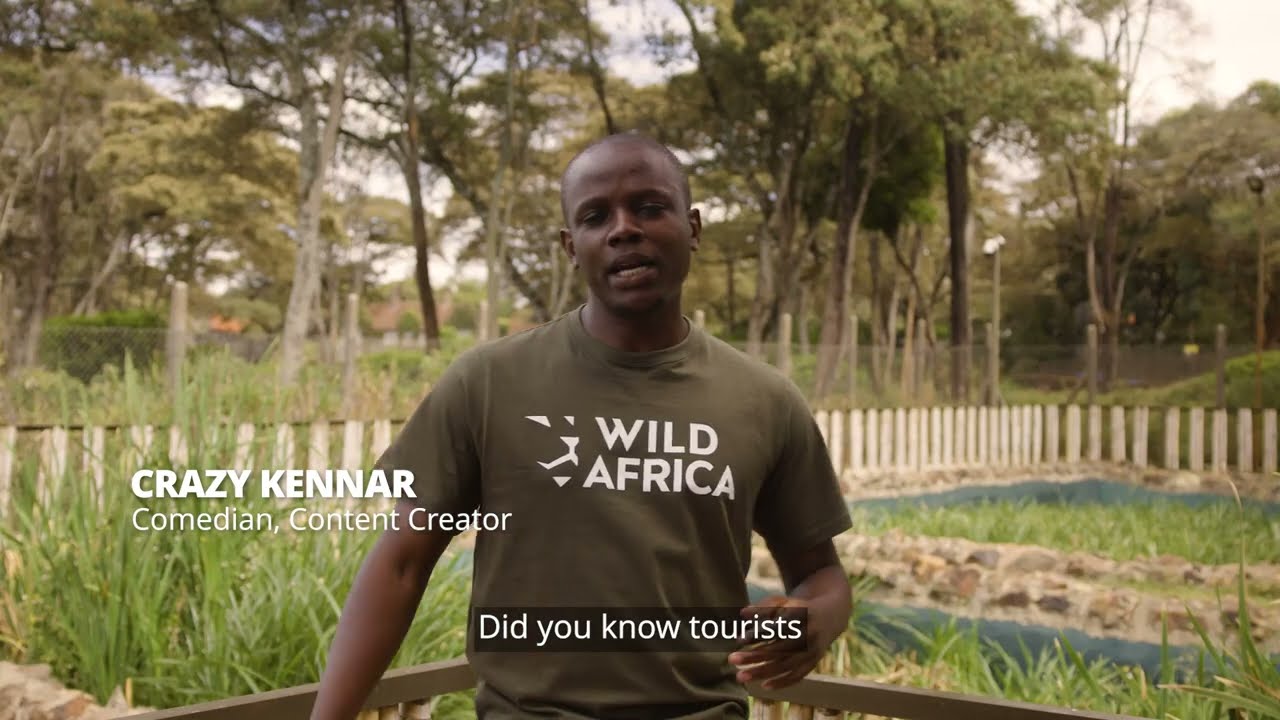
Kenyan comedian and creator Crazy Kennar built a large audience through relatable skits and everyday humour. His work reflects the power of short-form video to reach viewers across East Africa.
However, his ambition extends beyond posting individual sketches. He has developed a wider media brand, including a production company and a digital academy, according to reporting on Africa’s creator economy.[2]
This move matters because production creates control. Instead of relying only on platform discovery, a creator can develop formats, hire talent and produce content for brands, broadcasters or owned channels.
What creators can learn from Crazy Kennar
- Build repeatable content formats instead of chasing one viral post.
- Document your production process and turn it into a team system.
- Use training, workshops or mentorship to create another revenue line.
- Protect your brand by setting clear standards for partnerships.
Additionally, creators in Kenya and other African markets can study how comedy travels across language groups. Local stories often feel personal, while strong visual humour can attract international viewers.
2. Aproko Doctor: Health Education Into Health Technology
Nigerian doctor and digital educator Aproko Doctor became known for making health information easier to understand online. His clear explanations helped him build trust in a crowded social media space.

That trust later supported a move into technology. Techpoint Africa reported that Aproko Doctor launched Awadoc, a health technology startup designed to improve access to health contact for Africans.[2]
Furthermore, this example shows how creators can identify problems inside their own audience. A creator who listens carefully can find gaps in services, then build a product that solves a real need.
How expertise can become a product
First, choose a clear area where your knowledge helps people make better decisions. Next, study the repeated questions your audience asks. Finally, test a simple service before investing in a large platform.
For health, finance and education creators, trust remains the most valuable asset. Therefore, accuracy, clear disclaimers and strong professional standards matter as much as reach.
Explore more reporting on positive African innovation in the Technology section. You can also read practical stories in Health & Wellness.
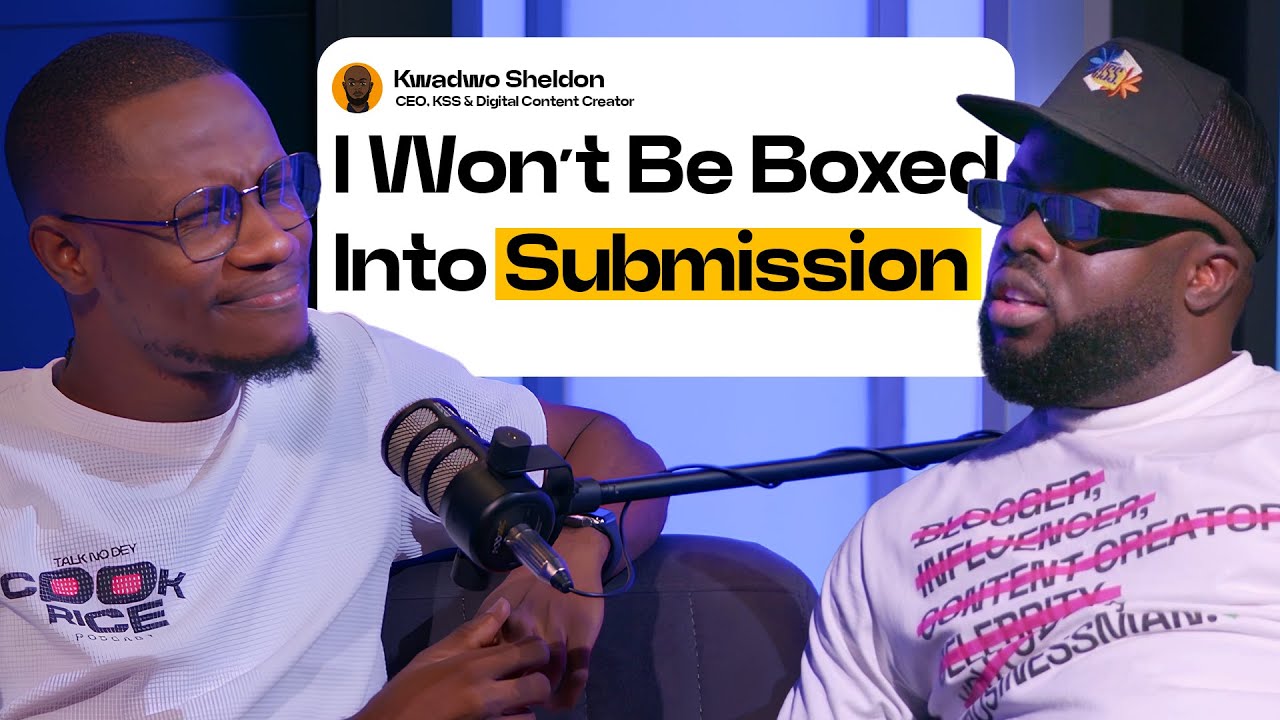
3. Kwadwo Sheldon: YouTube Commentary Into a Scalable Media Brand
Ghanaian YouTuber Kwadwo Sheldon built his profile through commentary, pop culture discussion and online reactions. His format shows how a strong point of view can create a loyal audience.
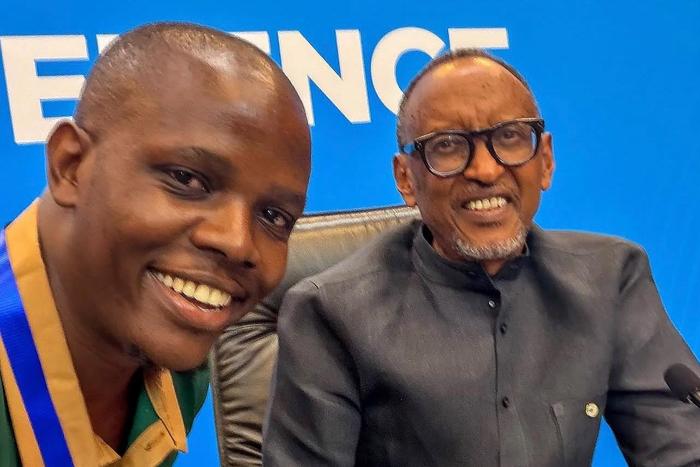
According to Techpoint Africa, Kwadwo Sheldon has discussed earning substantial monthly income from YouTube.[2] The figure matters less than the strategy behind it: consistent publishing, recognizable personality and a clear understanding of audience interest.
Meanwhile, commentary creators can expand through sponsorships, podcasts, branded formats and live conversations. They can also use research and production teams to publish more often without losing their voice.
Build a business around your perspective
- Define the subjects you can discuss with authority and energy.
- Create a reliable publishing schedule across video and audio platforms.
- Separate personal opinion from paid brand messaging.
- Offer advertisers a clear audience profile and content package.
- Use live shows to deepen relationships with your most engaged viewers.
Importantly, commentary works best when it adds value. A creator should bring context, humour, analysis or a fresh local angle rather than repeat public information.
4. Jessica OS: YouTube Reach Into Commercial Opportunity
Ghanaian YouTuber Jessica OS demonstrates how African creators can use long-form video to attract large audiences. Her content has shown the commercial value of strong storytelling and consistent production.
Techpoint Africa reported that she shared earning $6,000 after one video reached one million views.[2] However, creators should not treat one result as a guaranteed rate. Platform income varies by audience location, topic, watch time and advertiser demand.
Instead, use high-performing videos as proof of concept. A strong video can help you approach brands, sell a digital product or invite viewers to a ticketed experience.
Turn video performance into a sales story
Start by tracking more than views. Measure watch time, comments, returning viewers, email sign-ups and product clicks. These numbers show whether your audience pays attention and takes action.
Moreover, create a simple media kit. Include your audience location, age range, content themes, average views, engagement rate and examples of successful campaigns.
Discover more African entertainment and digital culture stories through the Entertainment section. For business lessons from creators and startups, explore Business & Economy.
5. Digital Creator Chic: Helping Creators Sell Their Expertise
Nigerian strategist Lucky Elohor, known as Digital Creator Chic, focuses on brand monetisation and sales funnels. Her work highlights a vital part of the creator economy: creators can earn by teaching other people how to build online businesses.
Selar included Lucky Elohor in its 2025 list of leading African creators and described her work with creators, coaches and businesses.[6] Her model moves beyond entertainment. It turns practical knowledge into courses, consulting and digital products.
Consequently, the creator economy is not only about personalities with huge audiences. Niche experts can build profitable businesses when they solve a specific problem for a well-defined group.
How to package knowledge online
- Choose one problem your audience wants to solve.
- Create a short guide, workshop or course around that problem.
- Use free content to demonstrate your method.
- Collect testimonials and improve the product with customer feedback.
- Build an email list so you can reach people without relying on one platform.
Additionally, digital products can travel across borders. A Nigerian creator can serve customers in Ghana, Kenya, South Africa or the global African diaspora.
6. Samuel Da Fonseca: Automotive Content Into Brand Partnerships
South African automotive creator Samuel Da Fonseca shows how a focused niche can attract commercial partners. Automotive content gives brands a natural place to promote vehicles, tools, technology and lifestyle products.

Innovation Village reported that he built audiences across several platforms while stressing the importance of brand partnerships.[8] This reflects a wider reality: platform monetisation alone may not provide a reliable income for every creator.
Therefore, niche creators should understand the buying power of their audience. A smaller community of serious car fans may offer more value to a relevant brand than a broad audience with little purchase intent.
Make niche influence valuable
- Choose a topic with clear products and services around it.
- Show real use cases instead of repeating brand claims.
- Disclose paid partnerships openly.
- Offer brands several formats, including reviews, events and short videos.
- Build a trusted archive that continues attracting search traffic.
Furthermore, creators can host test-drive events, publish buying guides and sell branded accessories. These extensions create income beyond a single sponsored post.
7. African Streamers and Live Creators: From Broadcasts to Communities
African gaming, lifestyle and music streamers are building businesses around live interaction. South African gaming creators, Kenyan comedians and Ghanaian DJs increasingly combine live content with sponsorships, fan support and events.[3]
Live content creates a stronger relationship than a short clip. Viewers return for the personality, community and shared experience. As a result, creators can develop memberships, live gifts, paid chats and fan clubs.
However, a stream should offer more than constant broadcasting. Successful live creators plan themes, invite guests, reward loyal viewers and give audiences a reason to return each week.
Build a stronger live-content model
- Set fixed broadcast times that suit your main audience.
- Use local payment options where possible.
- Create member-only discussions, badges or behind-the-scenes content.
- Record highlights for YouTube, TikTok and Instagram.
- Partner with telecom, gaming, music or consumer brands that fit your community.
In addition, live creators should protect their energy. A clear schedule, moderation team and content calendar can reduce burnout as the audience grows.
What These African Content Creators Have in Common
These seven examples work in different fields, yet their business lessons overlap. They build around a clear identity, serve a specific audience and develop more than one income stream.
Moreover, they treat content as the front end of a wider system. The audience may discover a creator through TikTok, but the relationship can continue through YouTube, newsletters, events, products or memberships.
Recent industry coverage also shows that video accounts for more than 40% of Africa’s creator-economy value, with YouTube, TikTok and Instagram leading distribution.[4] Therefore, creators should publish across platforms while guiding fans toward channels they control.
A practical revenue mix
- Free content: Builds reach and introduces your voice.
- Brand partnerships: Fund campaigns that fit your audience.
- Fan support: Includes memberships, tips and paid communities.
- Products: Includes courses, merchandise, books and tools.
- Experiences: Includes live shows, meet-ups and workshops.
- Production: Includes content services for brands and other creators.
Nevertheless, diversification should happen in stages. First, prove audience demand. Next, test one paid offer. Then, improve what works before adding another business line.
How African Creators Can Build More Sustainable Careers
The biggest opportunity lies in ownership. Platforms can deliver discovery, but creators should own customer relationships, products and production assets wherever possible.
Start with an audience map. Identify where your followers live, what languages they use, what they buy and which problems they want solved. This insight helps you choose better partners and create offers that fit local needs.
Additionally, use mobile-first tools. Mobile money, local bank transfers and affordable data plans can make the difference between audience interest and actual payment.
Creators should also keep clean business records. Track income, production costs, taxes, contractor payments and campaign results. A creator who understands cash flow can make better decisions and negotiate with confidence.
Five steps to turn attention into ownership
- Choose a clear niche: Make it easy for people to understand what you offer.
- Build a content engine: Create repeatable formats for regular publishing.
- Capture audience data: Use newsletters, communities or customer lists.
- Test a paid offer: Start with a workshop, event, product or membership.
- Build a small team: Add editors, managers or producers when demand supports it.
Importantly, your business should reflect your audience’s real context. Local humour, local payment systems and local stories can become competitive advantages rather than limitations.

Explore More on Topping Africa
Explore more stories about the people and ideas shaping Africa’s digital future.
- Technology — Discover African startups, platforms and tools changing everyday life.
- Business & Economy — Read analysis on entrepreneurship, brands and new income opportunities.
- Culture & Lifestyle — Follow the creators, trends and stories shaping modern African identity.
Share your thoughts in the comments: which African creator should build the next major media company? Subscribe for more reporting on African innovation, entertainment and business.
Conclusion
African content creators are no longer only competing for attention. They are building audiences, products, studios and communities that can support long-term careers.
From Crazy Kennar’s production ambitions to Aproko Doctor’s health technology venture, the message is clear. A creator can begin with a phone, but sustainable growth requires ownership, planning and service.
Ultimately, the next wave will belong to creators who combine culture with business discipline. They will tell local stories, solve real problems and create media companies that serve audiences across Africa and beyond.

Staff
Contributing writer at Topping Africa.
0 Comments
No comments yet. Be the first to share your thoughts!