
Africa’s Creator Economy Boom: Instagram, TikTok and Social Commerce in 2026

Africa’s creator economy is exploding, and by 2026 Instagram and TikTok will power a new wave of social commerce. This in-depth guide shows African creators and small businesses how to turn followers into customers, build sustainable income streams, and plug into the African creator economy 2026 boom.
Africa’s Creator Economy Boom: Why The African Creator Economy 2026 Moment Matters
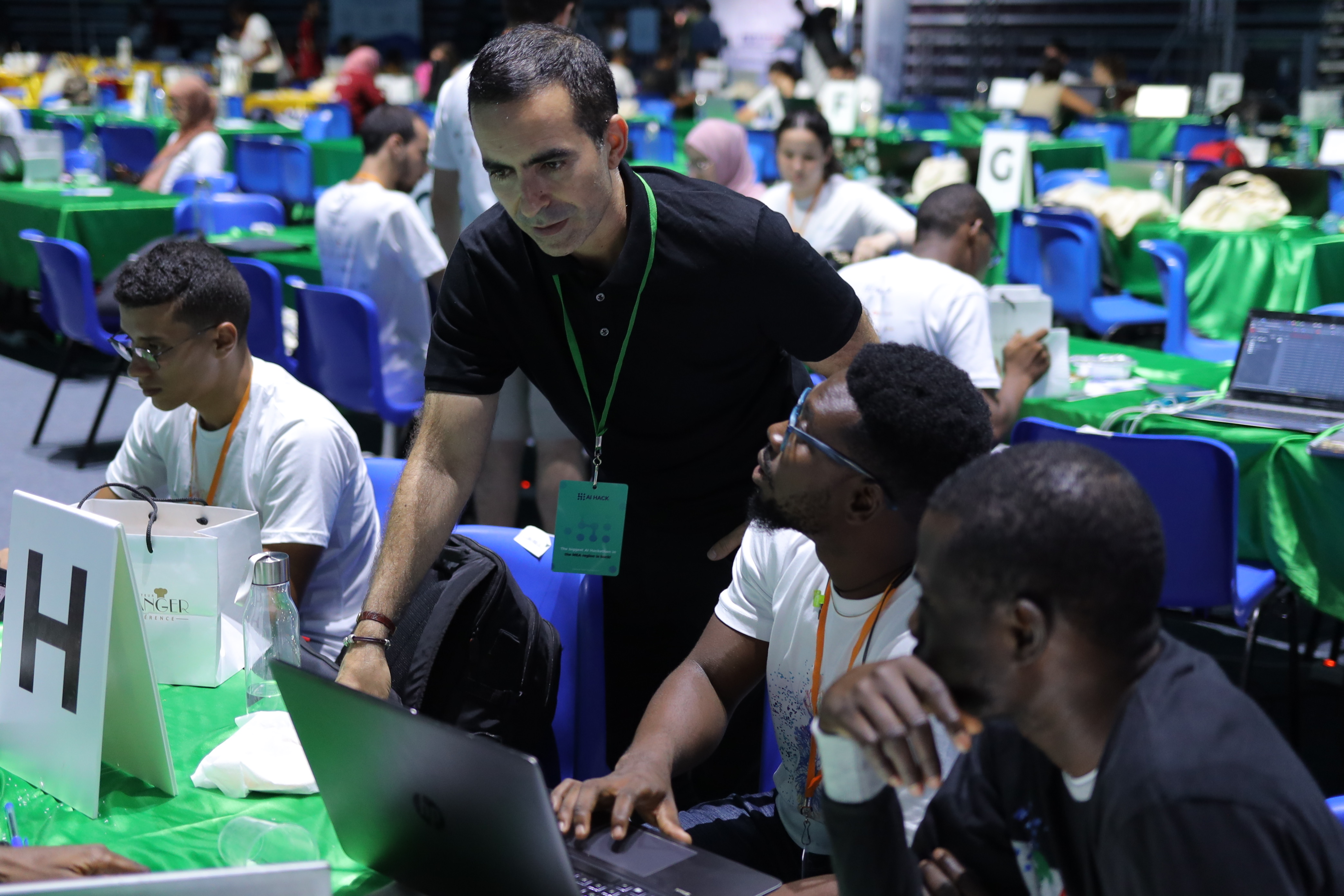
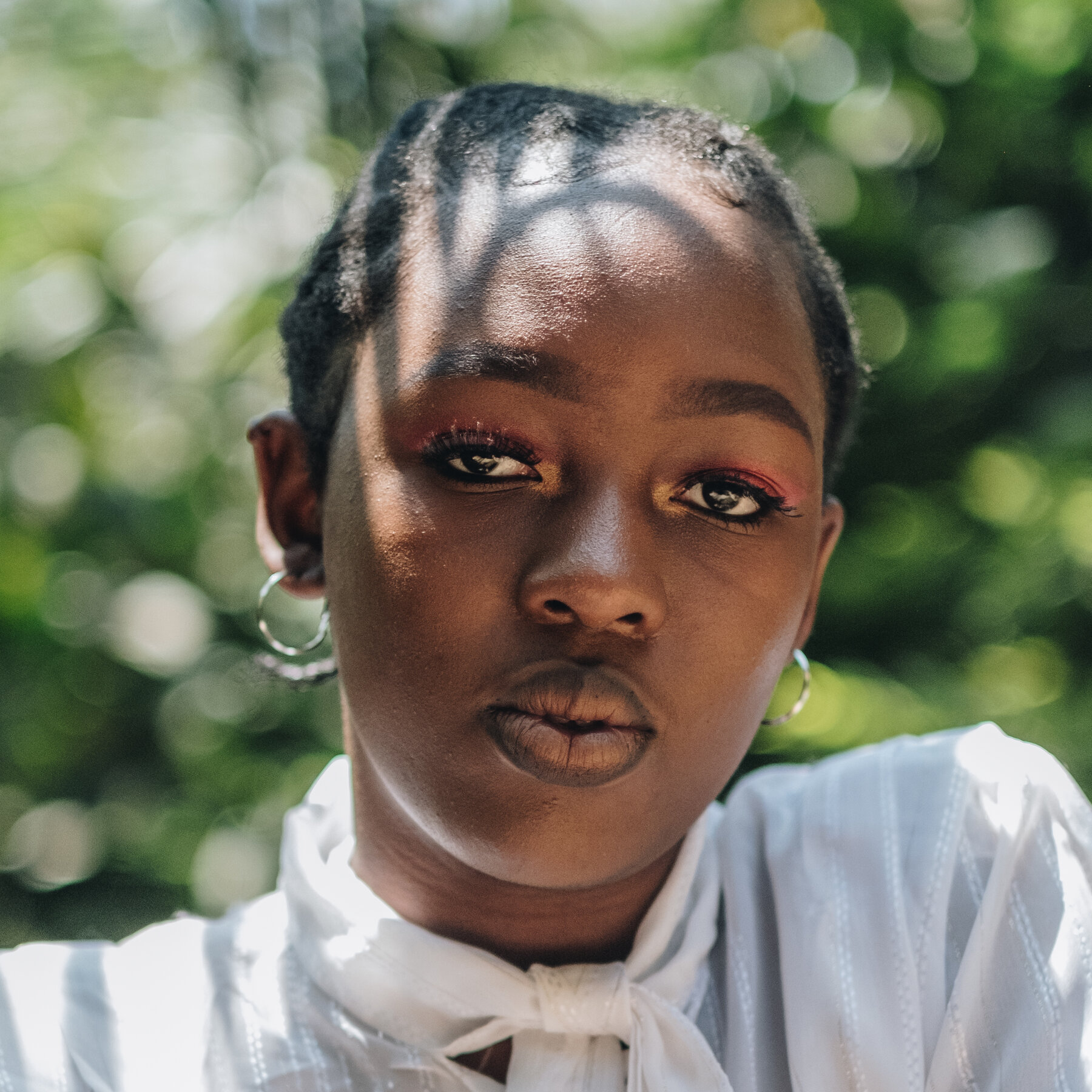
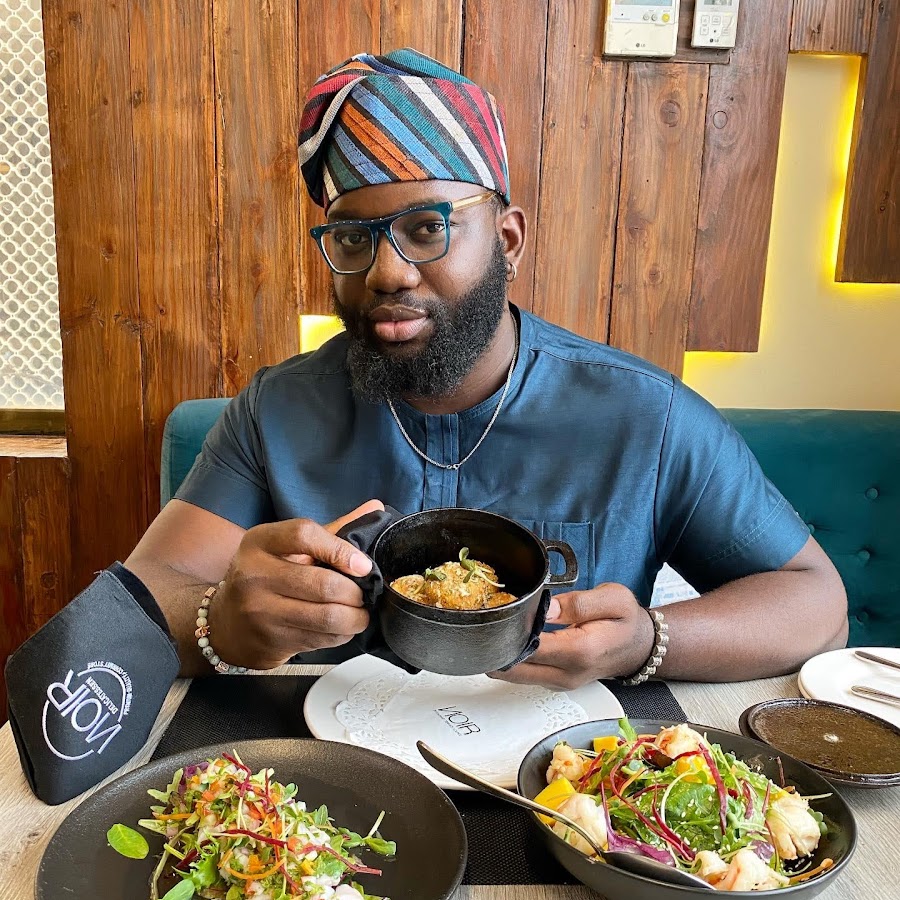
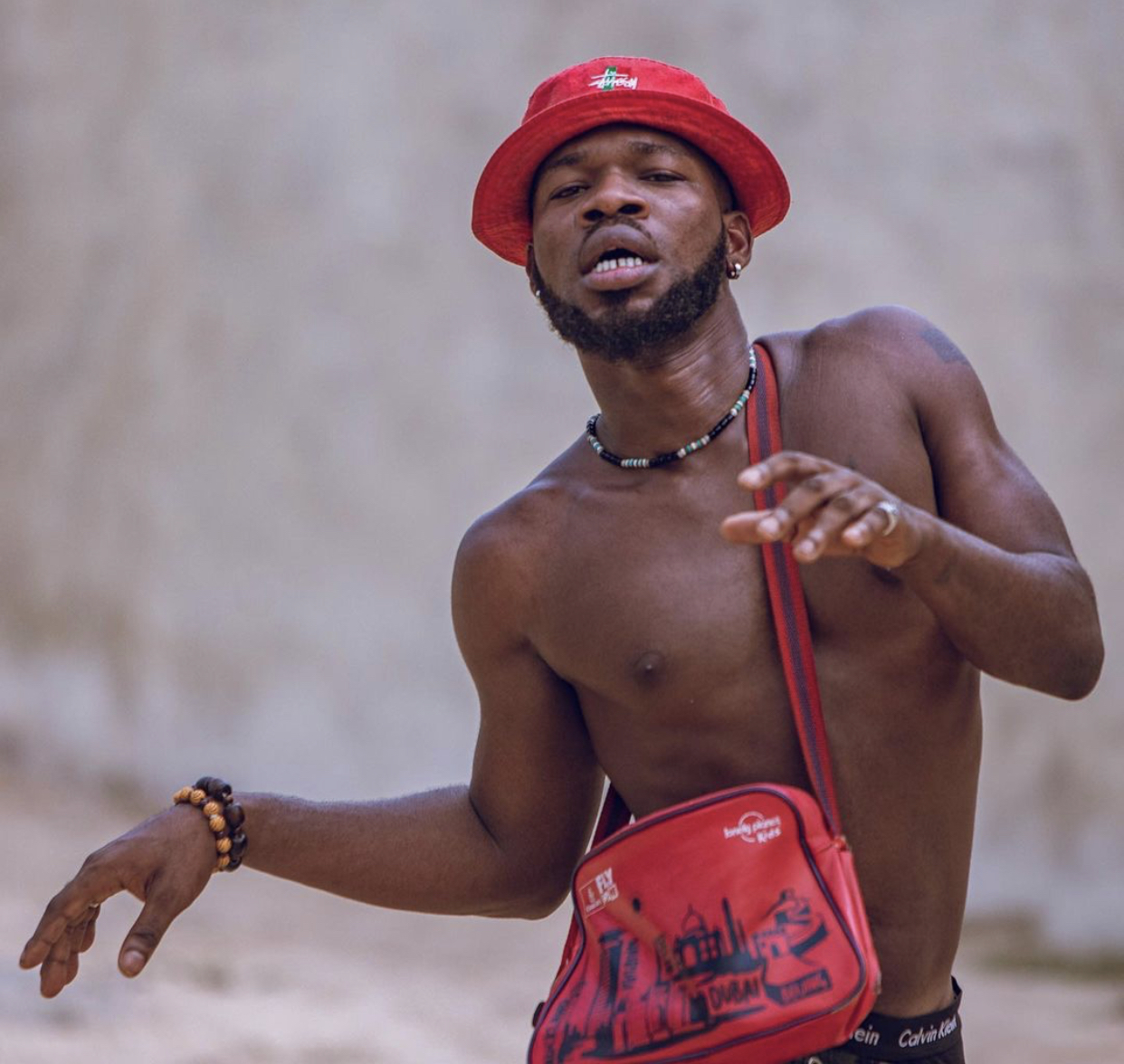
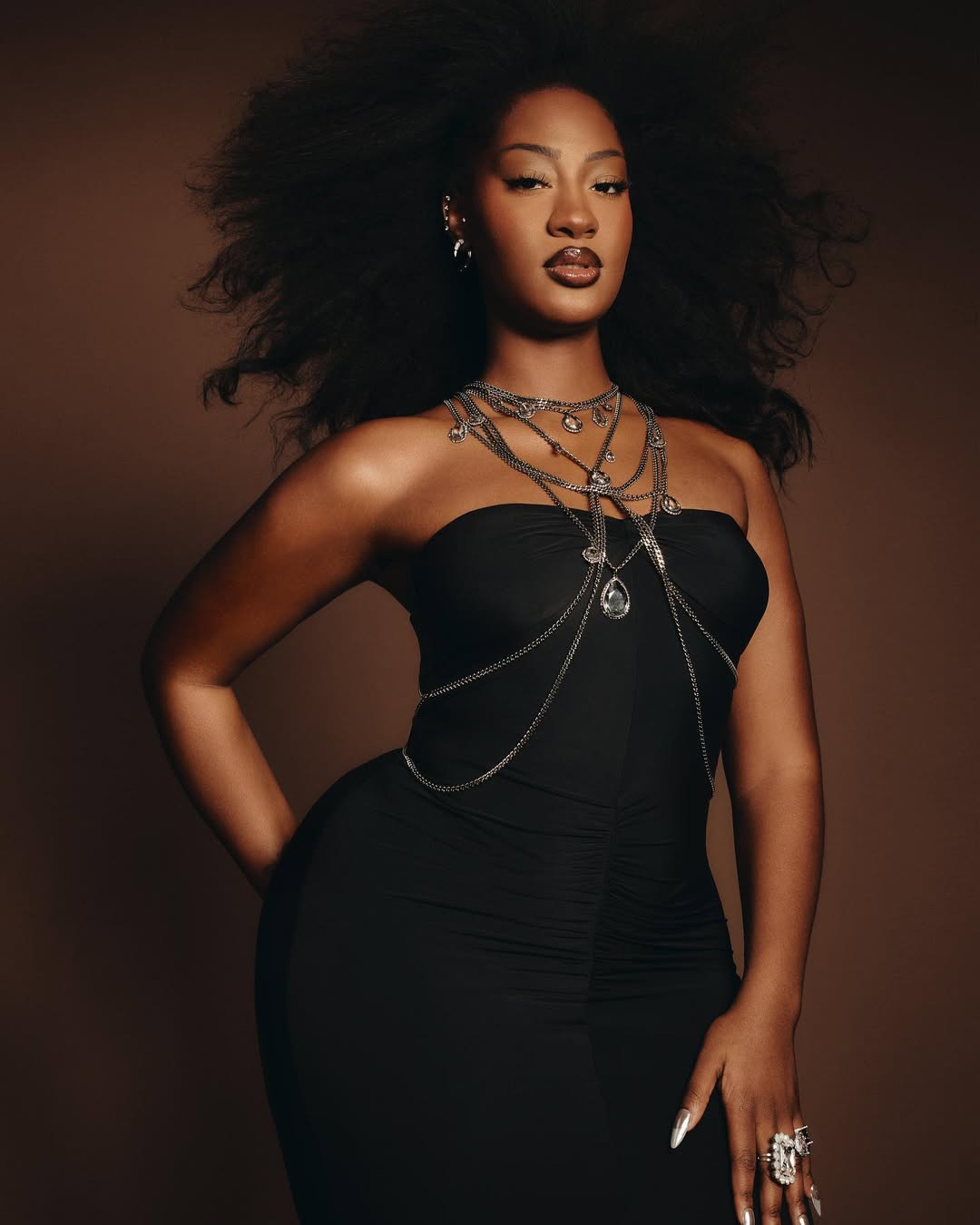
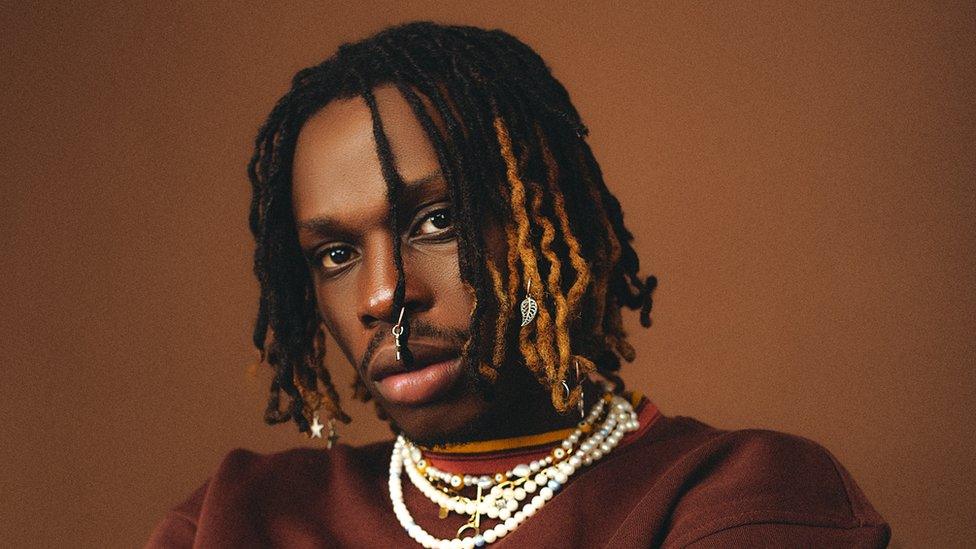
Across the continent, the African creator economy 2026 story is no longer a prediction. It is your reality right now. From Lagos streetwear drops on Instagram to Nairobi beauty hauls on TikTok, creators are turning attention into income and followers into customers.[1][5] Moreover, social commerce tools across Meta and ByteDance’s ecosystems are finally catching up with how Africans already buy: through DMs, voice notes, and trusted recommendations. Consequently, if you are a rising African content creator, this is the moment to build a serious business, not just chase viral views.
TechCabal and other ecosystem reports estimate Africa’s creator economy at around $3.4 billion in 2024, with projections of over $7.2 billion by 2026 as digital adoption accelerates.[1][3][4] Additionally, broader creative industries across music, film, fashion, gaming, and digital content could reach $200 billion by 2030, even though Africa still captures a small share of global revenues.[4] Therefore, platforms like Instagram and TikTok are more than entertainment apps; they are infrastructure for new African brands, new jobs, and new middle-class stories. Ultimately, your camera, your community, and your creativity sit at the center of this shift.
How Instagram Is Supercharging Social Commerce in the African Creator Economy 2026
Instagram has quietly become one of Africa’s most powerful retail platforms, especially in Sub-Saharan cities where formal e-commerce still lags. Moreover, as mobile-first consumers scroll, they discover fashion lines, beauty products, food brands, and even tech gadgets directly from creators’ feeds and Reels.[1][5] Consequently, instead of browsing static websites, many African shoppers simply screenshot, DM, and pay using mobile money or bank transfers. In particular, Instagram’s mix of visual storytelling and chat-based communication fits perfectly with Africa’s relationship-driven buying culture.[5]
Recent industry analyses highlight that video content drives roughly 78% of creator economy revenue across Africa, with educational and product-focused content leading monetization.[1][5] Additionally, Sub-Saharan Africa continues to post some of the fastest Instagram user growth rates globally, driven by cheaper data bundles, youth demographics, and budget smartphones.[5] As a result, if you build high-impact Reels and Stories tailored to local tastes and languages, you can turn organic reach into steady DM-driven sales and collaborations. Importantly, brands from fintech to fashion increasingly prefer working with creators who already convert viewers into buyers, not just impressions.
To make Instagram work as your core social commerce engine, you should focus on three practical pillars. Firstly, treat your profile like a storefront: clear niche, strong bio, and highlights that act like product shelves. Secondly, prioritize Reels and carousels that demonstrate value, not only aesthetics, such as styling tips, product comparisons, and honest reviews. Thirdly, design frictionless DM flows with saved replies, payment instructions, and delivery FAQs so buyers move from interest to purchase in minutes. Therefore, you shift from random posting to a repeatable, trackable sales system.
Key Instagram Social Commerce Plays for African Creators
Similarly, successful African creators on Instagram combine content, community, and commerce in simple but smart ways.[1][5] Additionally, they build multi-platform brands while using Instagram as the trust engine that closes deals. Here are some high-impact plays you can adapt to your niche:
- DM-first product drops: In addition, tease new collections through Reels and Stories, then open limited DM pre-orders with countdowns.
- Shoppable content series: Moreover, run weekly styling, skincare, or tech review series where every item is available via DM or WhatsApp.
- Collabs with African tech startups: Consequently, partner with fintech, logistics, or BNPL platforms to offer smoother payments and deliveries.
- Micro-learning plus products: Specifically, share bite-sized education around fashion care, digital skills, or wellness, then sell related products or ebooks.
- Local language storytelling: Furthermore, use Pidgin, Sheng, isiZulu, or Amharic in captions and Reels to deepen loyalty and differentiate your brand.[2][4]
Importantly, each of these plays ties attention to action. As a result, you avoid becoming another creator with strong metrics but weak cash flow. Ultimately, Instagram becomes your showroom, your CRM, and your sales assistant rolled into one app on your phone.
How TikTok Is Turning African Creators into Social Commerce Powerhouses
Meanwhile, TikTok has unlocked a new wave of African creators, especially in music, comedy, beauty, and food. The app’s short-form, sound-led format fits perfectly with Afrobeats, Amapiano, and local dance cultures, giving creators instant global exposure.[8][9] Moreover, TikTok’s discovery engine rewards creativity and consistency more than follower count, which allows small African creators to land big brand deals and viral campaigns. Consequently, your first breakout video can attract thousands of new customers overnight.
Industry observers note that TikTok is increasingly central to the African creator economy 2026, particularly for social commerce.[5][7] Additionally, emerging live commerce features, shop tabs, and affiliate tools are rolling out across markets, even if availability varies by country.[5] Therefore, African creators are using layered strategies: TikTok to spark demand, Instagram to close DM sales, and WhatsApp to manage repeat customers and VIP communities. In particular, live shopping events and creator-led challenges are driving real revenue for fashion labels, hair brands, and snack companies.
For instance, South African Amapiano DJs and dancers use TikTok to premiere new routines, then promote merch, dance classes, and event tickets through links and DMs.[8] Similarly, Nigerian beauty creators run TikTok tutorials showcasing local brands, then redirect viewers to Instagram shops and Jumia or Takealot listings. As a result, TikTok becomes the attention accelerator that feeds multi-channel commerce funnels. Importantly, this reduces reliance on one platform’s monetization policies and algorithm shifts.
TikTok Strategies for African Social Commerce Success
On the other hand, not every viral TikTok turns into sales. You need clear, simple pathways from entertainment to purchase. Additionally, your content should feel native to the platform, not forced advertising. Consider these practical strategies that many African creators use or adapt:
- Story-led product demos: Moreover, frame your product around a relatable problem and show the solution in under 30 seconds.
- Challenge-based launches: Consequently, create branded dance, transition, or glow-up challenges tied to your product or service.
- Live shopping sessions: In addition, host weekly lives where you answer questions, offer discounts, and close real-time orders via comments and DMs.[5]
- Affiliate and UGC collabs: Furthermore, invite smaller creators to produce user-generated content for your brand, offering commission per sale.
- Cross-posting Reels and Shorts: Ultimately, repurpose your best-performing TikToks for Instagram Reels and YouTube Shorts to compound reach.[7]
Therefore, TikTok becomes a testing lab for hooks, formats, and offers. Once a concept proves it can attract views and engagement, you can integrate it into your broader social commerce stack, including Instagram, YouTube, and even email funnels.
Data Trends: Where the African Creator Economy 2026 Is Headed
Recent reports like TechCabal’s Africa Creator Economy Report and independent analyses show clear momentum and clear gaps.[1][4][5] Additionally, they highlight both the explosive growth of the ecosystem and the reality that many creators still earn less than $100 a month.[6] Consequently, understanding the data matters if you want to position yourself for sustainable income, not short-lived hype.
According to TechCabal and Coachli’s synthesis, Africa’s creator economy stood at around $3.4 billion in 2024 and could reach $7.2 billion by 2026, growing roughly 35% annually.[1][3] Moreover, Nigeria leads with about 40% of the continent’s creator economy value, followed by South Africa at 22% and Kenya at 15%, while markets like Ghana, Egypt, and Morocco add another significant share.[1] Therefore, West, Southern, and East Africa form the core hubs driving regional influence, brand deals, and infrastructure. In particular, these hubs host growing numbers of tech startups, creator agencies, and monetization platforms.
Furthermore, Digitas and Africa Creator Economy research suggest broader creative industries could reach $17–18 billion or more by 2030, depending on methodology and scope.[2][4][6] Additionally, social commerce is expected to be one of the main drivers of new revenue, as more Africans skip formal retail altogether and buy directly from their favorite creators.[5] Notably, video content already drives nearly four out of five dollars in creator income across the continent.[1] As a result, creators who master video, live formats, and interactive storytelling stand to benefit most.
Four Structural Shifts Defining the Landscape
Specifically, analysts highlight several structural shifts that will shape the African creator economy 2026 and beyond.[4][5][7] Additionally, these shifts are good news if you are ready to treat content creation as a real business. Here are four key ones:
- Capital and professionalization: Moreover, more brands, agencies, and investors are treating creators as businesses, not hobbies.[4]
- Policy and infrastructure: Consequently, investments in fiber, data centers, and digital payments are lowering friction for online trade across major economies.[4]
- Talent globalisation: In addition, Afrobeats, Nollywood, and Amapiano have proven that African cultural products can dominate global charts and streams.[8]
- Technology and AI integration: Furthermore, AI tools for editing, scripting, analytics, and translation are helping creators work faster and reach cross-border audiences.[7]
Importantly, these shifts mean your success will depend less on luck and more on strategy, skills, and systems. Ultimately, creators who build diversified income streams, own their audience data, and align with positive African innovation will lead the next wave.
From Views to Revenue: Building Sustainable Social Commerce Income Streams
However, the biggest gap in the African creator economy is still sustainable monetization.[6] Many creators know how to grow followers but struggle to turn that attention into predictable income. Consequently, you need a clear monetization stack that goes beyond brand deals and platform payouts. Additionally, social commerce gives you a direct line from content to cash, controlled by you.
Reports from Africa-focused creator platforms show that digital products and online courses generate some of the highest per-creator revenue, averaging over $4,000 annually for active course creators.[1] Moreover, coaching and consulting follow closely, at around $3,800 per year on average.[1] Therefore, combining product sales, knowledge monetization, and services is often more effective than relying solely on ad revenue or occasional sponsored posts. In particular, educational content—not just entertainment—turns your expertise into high-margin offerings.
Additionally, creators who blend physical and digital products tend to build more resilient businesses.[1][5] You might sell fashion capsules or beauty bundles while also offering style guides, skincare ebooks, or members-only Telegram communities. As a result, your income does not disappear when one campaign ends or one platform changes its algorithm. Ultimately, you move from creator to creator-entrepreneur, running a lean media and commerce company from your phone.
Actionable Social Commerce Monetization Blueprint
To help you turn this into practice, here is a simple, actionable blueprint. Moreover, you can adapt it whether you are in fashion, music, beauty, tech, or wellness.
- Define your niche and transformation: Additionally, clarify who you serve and what change you help them achieve, such as glow-up, skill-up, or level-up.
- Choose a primary platform: Consequently, pick Instagram or TikTok as your main discovery engine, then add at least one owned channel like email or a community.[1][7]
- Map your product ladder: Moreover, design a path from low-ticket products to higher-value experiences, such as ebooks, merch, courses, and coaching.
- Build clear purchase flows: In addition, standardize how customers move from content to DM, from DM to payment, and from payment to delivery.
- Track and tweak: Furthermore, monitor which content drives the most sales and double down on formats, topics, and hooks that convert best.
Importantly, this blueprint pushes you to think in systems, not one-off posts. Therefore, you create repeatable funnels that work even when you are not online. Ultimately, social commerce becomes your engine for long-term financial independence and creative freedom.
Spotlight: African Content Creators Leading Social Commerce Innovation
Across Africa, many creators already demonstrate what is possible when content, culture, and commerce align. Moreover, they show that you can build global brands from Lagos, Johannesburg, Nairobi, or Accra without relocating. Additionally, they prove that influencer culture can be about value, representation, and innovation, not just vanity metrics.
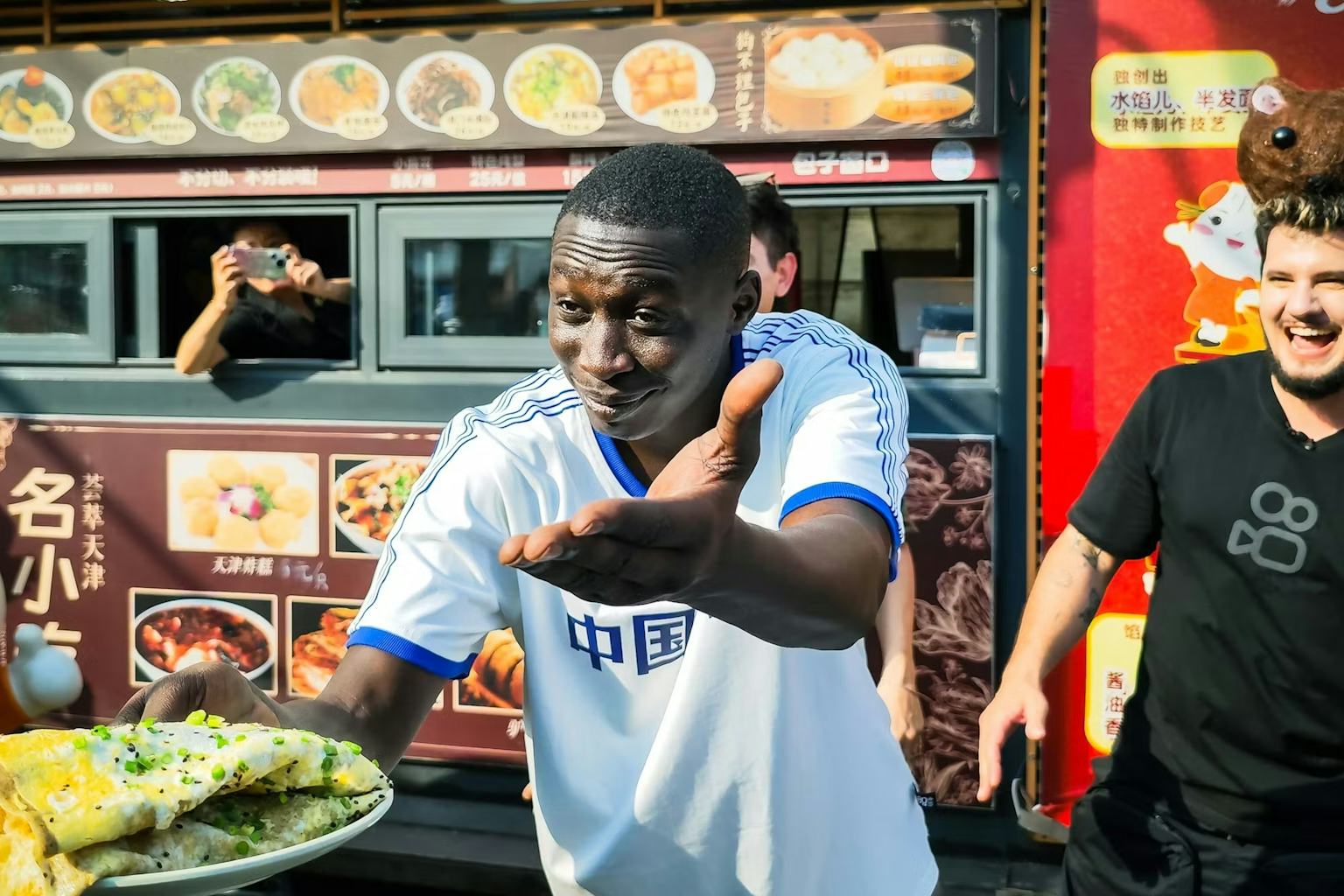
For example, Khaby Lame, born in Senegal and raised in Italy, built one of the world’s largest TikTok audiences by reacting to overcomplicated “life hack” videos with simple, silent humor.[9] Moreover, his success highlights how African-born creators can set global trends, land major brand partnerships, and still maintain authentic storytelling. Similarly, Nigerian Afrobeats stars like Burna Boy use Instagram and TikTok to drive streams, sell out tours, and launch merch drops that blur the line between music marketing and social commerce.[8]
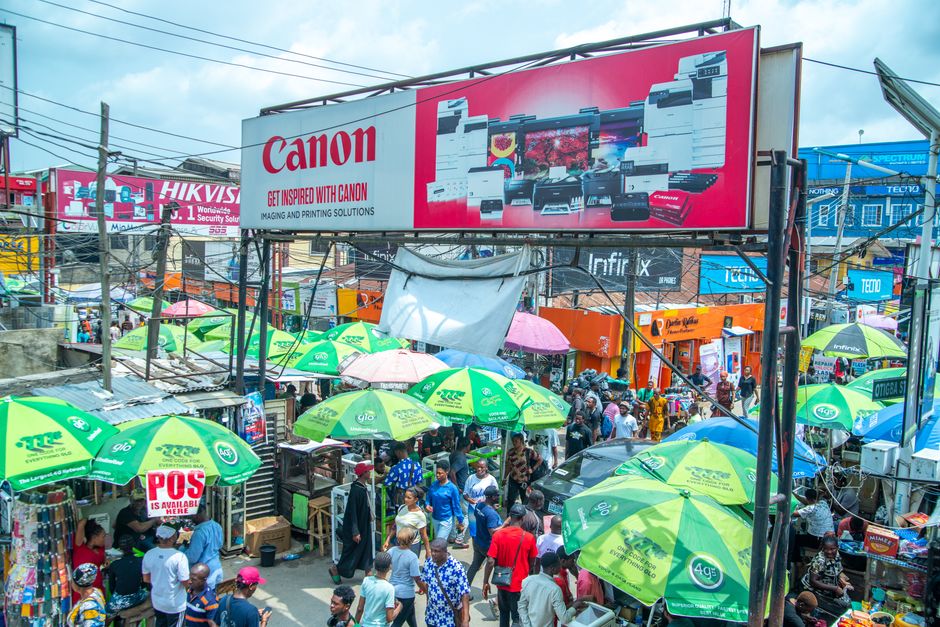
Additionally, countless fashion, beauty, and lifestyle creators across Nigeria, Kenya, South Africa, and Ghana use Instagram and TikTok to launch homegrown brands. In particular, they lean on mobile money, last-mile logistics startups, and community-focused marketing to serve customers in both major cities and secondary towns.[1][5] Consequently, African tech startups in payments, logistics, and fintech increasingly design tools specifically for creator-led commerce. Ultimately, this synergy between creators and startups drives positive African innovation and jobs.
How You Can Join the Next Wave of African Influencer Culture
Similarly, you do not need millions of followers to participate in the creator economy boom. Moreover, micro and nano creators often drive higher conversion rates because their communities trust them deeply. Additionally, brands now understand that small, engaged audiences can outperform broad, shallow reach.
- Start with your story: Furthermore, share your journey, challenges, and wins as an African creator or small business owner.
- Serve a specific community: Consequently, focus on groups like young professionals, new parents, students, or diaspora audiences who share concrete needs.
- Partner with local brands: In addition, collaborate with African fashion labels, beauty brands, and tech startups that align with your values.
- Invest in quality over quantity: Moreover, improve lighting, sound, and editing gradually so your content feels premium, even on a budget.[7]
- Share your expertise: Ultimately, package your knowledge into workshops, digital guides, or live Q&A sessions that your audience can pay for.[1]
As a result, you build a reputation as both a creator and a trusted guide. Therefore, your influence translates into tangible impact for your followers and tangible revenue for you. Importantly, this is how African influencer culture matures into a sustainable creative economy.
Practical Playbook: Instagram and TikTok Tactics for African Creators in 2026
However, even with strong vision, you still need daily tactics to win on Instagram and TikTok. Additionally, algorithms and trends shift quickly, so your playbook must be simple and flexible. Moreover, these platforms reward experimentation, so treat every post as data, not just art.
For Instagram, consider batching Reels content around themes like weekly outfit diaries, behind-the-scenes studio sessions, or day-in-the-life vlogs showing your creative process. In addition, use captions to tell short, clear stories and invite action: DM for prices, save for later, or share with friends. Furthermore, leverage Stories for drops, polls, and limited-time offers, creating urgency and interaction. Consequently, your audience sees you as present, responsive, and reliable.
For TikTok, focus on strong hooks in the first few seconds, using music, motion, and text overlays to capture attention. Additionally, post consistently around your core niche while sprinkling in trend-led experiments. Moreover, reply to comments with video responses, turning viewer questions into fresh content that deepens community. In particular, test live sessions at regular times so your audience knows when to show up for deals, updates, and real talk. Ultimately, you learn what your audience loves by watching what they watch, share, and buy.
Tools and Resources to Support Your Growth
Additionally, you do not have to build everything alone. African ecosystems now offer tools, reports, and communities designed for creators. Furthermore, using these resources can save you time and help you avoid common mistakes.
- Creator economy reports: Moreover, explore research by platforms like Africa Creator Economy and media like TechCabal for market insights.[4][9]
- Education and coaching: Consequently, look for African-led creator bootcamps and online programs that focus on monetization, not just content aesthetics.[1]
- Tech startup solutions: In addition, leverage fintech apps, logistics startups, and marketplace tools that simplify payments and delivery for your customers.[4][5]
- Global best practices: Furthermore, follow broader trend analysis from platforms like Stan Store and leading creator SaaS tools to adapt proven strategies.[7]
As a result, you build with context, not guesswork. Therefore, your decisions reflect both global trends and African realities. Importantly, this combination helps you stay ahead of the curve without losing local relevance.
Explore More on Topping Africa: Deepen Your Creator Journey
Moreover, if you want to stay on top of Africa’s fast-moving creator and startup scenes, you should plug into ongoing coverage. Additionally, Topping Africa tracks everything from Afrobeats milestones to fintech breakthroughs and fashion trends.
- Technology: Furthermore, follow African tech startups building payment, logistics, and creator tools.
- Entertainment: Additionally, discover music, film, and celebrity stories shaping influencer culture.
- Culture & Lifestyle: Moreover, read more about fashion, lifestyle, and everyday creators redefining African cool.
Explore more features on the African creator economy, social commerce, and positive innovation across the continent. In addition, subscribe to updates, share your thoughts, and leave a comment below on the creator playbooks you want us to unpack next.
Conclusion: Your Role in the African Creator Economy 2026
Ultimately, the African creator economy 2026 boom is not just about big numbers and headline creators. It is about you, your story, and your community. Moreover, Instagram and TikTok offer the tools, reach, and formats you need to turn your creativity into commerce. Additionally, African tech startups, payment rails, and logistics networks now exist to support your growth.
Therefore, the question is no longer whether Africa’s creator economy will drive social commerce. The question is how you will claim your space within it. In particular, will you stay a consumer of content or step fully into becoming a creator-entrepreneur with owned products, systems, and community? Furthermore, if you choose the latter, this is your decade.
Discover the stories, tactics, and collaborations that can unlock your next level. Additionally, read more on Topping Africa about African tech, music, fashion, and influencers leading this shift, and start building the social commerce engine that your future self will thank you for.

Staff
Contributing writer at Topping Africa.
0 Comments
No comments yet. Be the first to share your thoughts!