
Intron Voice AI Nigeria: Building Speech Tech for African Accents
Intron Voice AI Nigeria is building speech technology that understands African accents, local languages, and natural code-switching. Discover how its Sahara platform could transform healthcare, banking, telecoms, and digital access across the continent.
Intron Voice AI Nigeria is building the kind of speech technology Africa has needed for years. Instead of forcing African users to speak like overseas datasets, the Nigerian startup trains its systems on local accents, languages, and everyday code-switching.
That focus matters because many Africans move between English and local languages in one conversation. Furthermore, voice tools often lose meaning when speakers mix languages, use informal phrases, or speak with strong regional accents. Intron is turning that gap into a major opportunity for African technology.
The company began with a practical problem in healthcare. Today, its Sahara platform targets hospitals, banks, telecom firms, legal services, contact centres, and other organisations that need reliable African voice AI.
Why Intron Voice AI Nigeria Stands Out
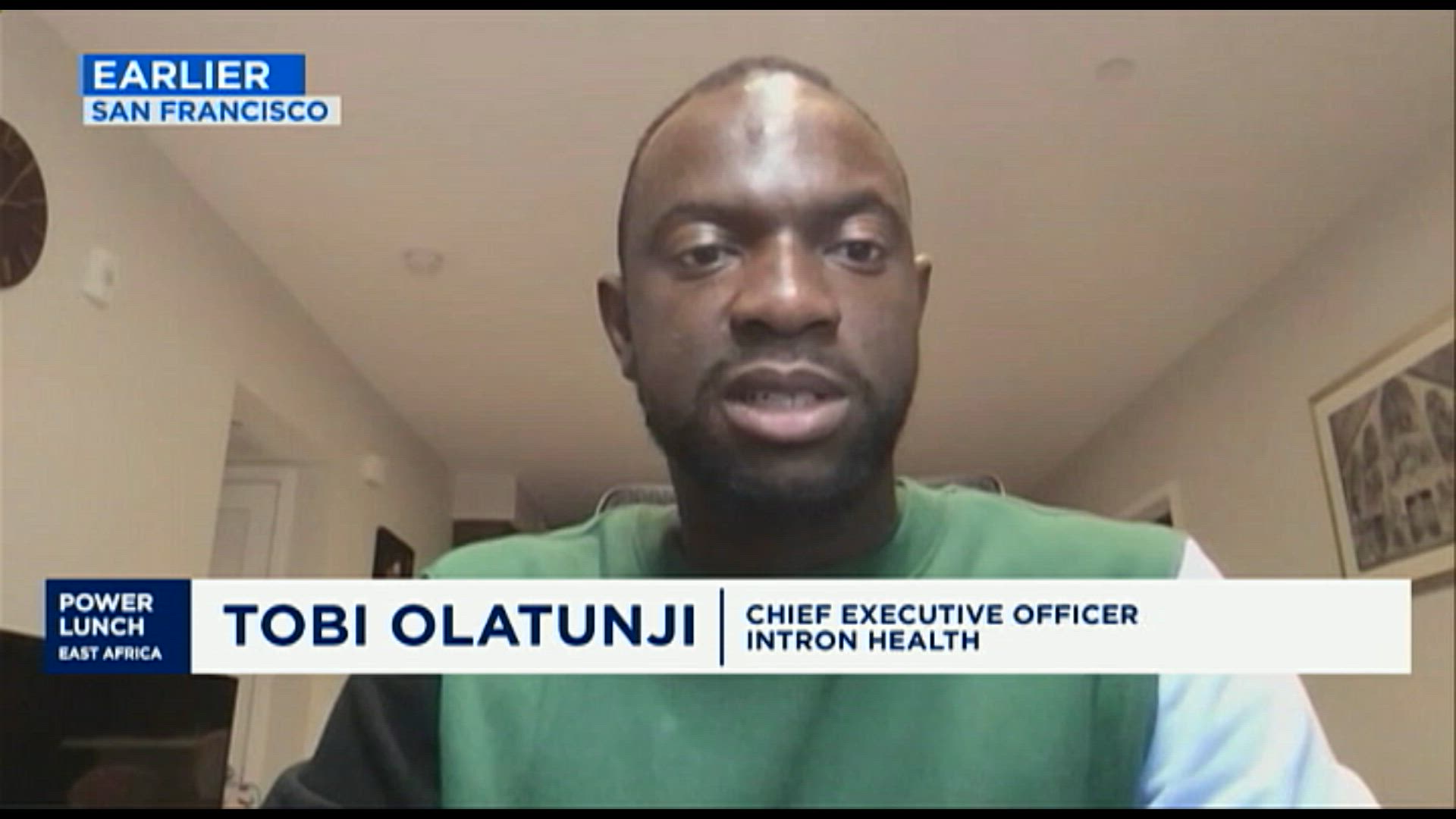
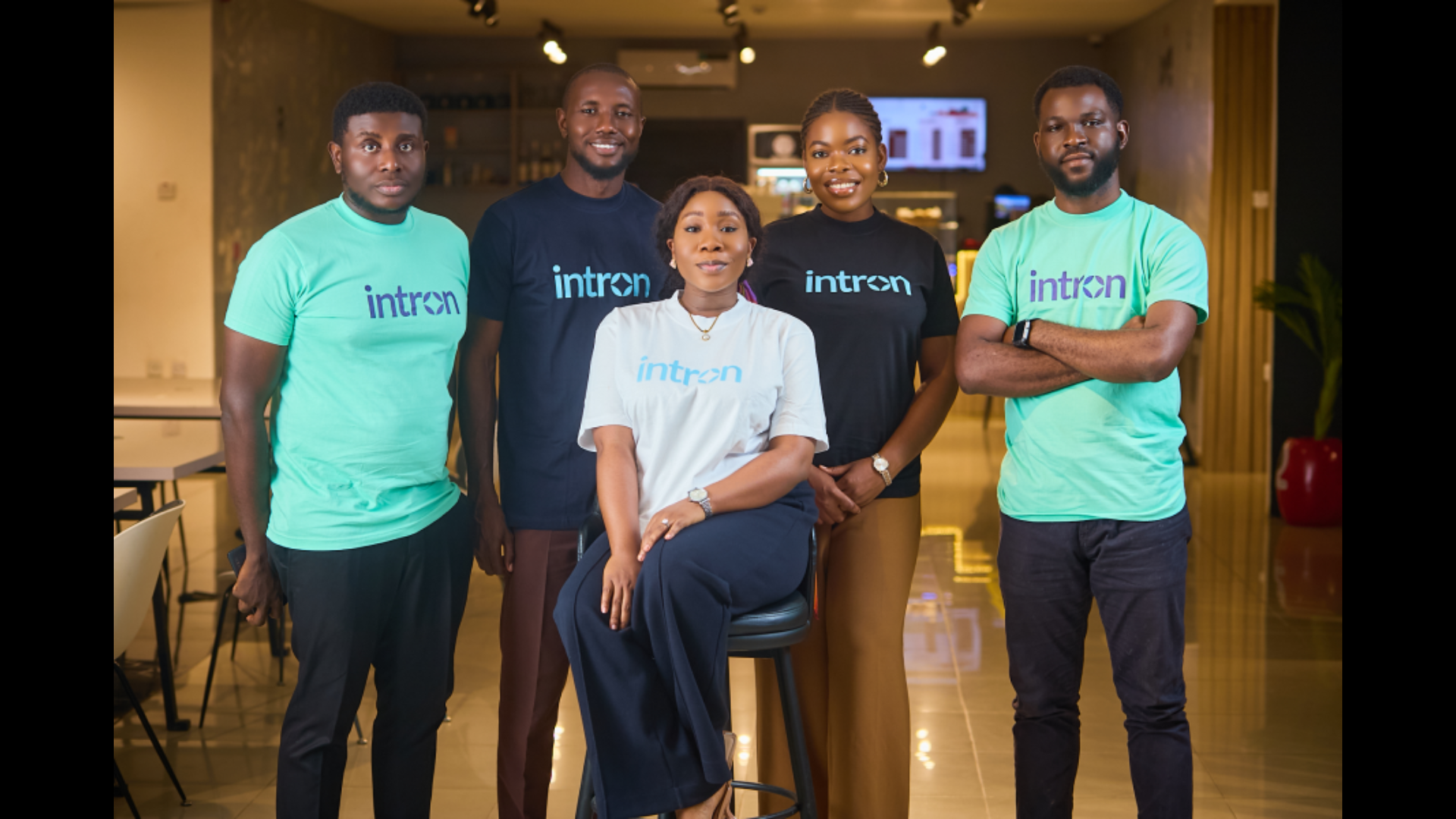
Intron was founded in 2020 by Dr. Tobi Olatunji and Olakunle Asekun. The team first developed speech-to-text tools for doctors who needed faster clinical documentation.
However, the early healthcare focus revealed a wider issue. Global speech systems often struggle with African accents, minority languages, background noise, and the way people naturally switch languages. Consequently, Intron expanded its work into a broader voice technology platform.
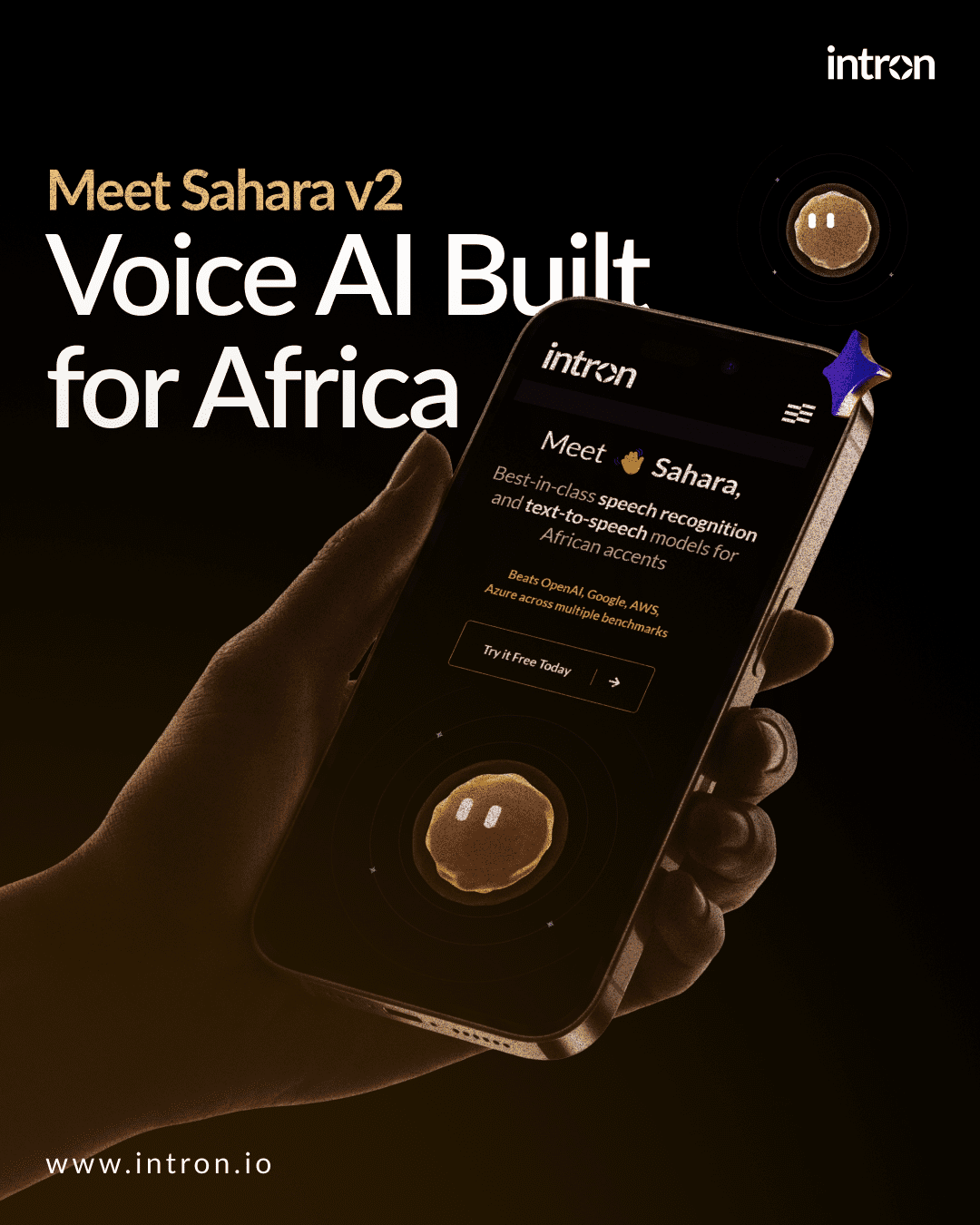
According to TechCabal, Sahara now supports 57 languages, including 23 African languages. The platform also covers more than 500 African accents, showing the scale of the company’s language ambition.
The central idea is simple: African users should not need to change their voices before technology can understand them. Intron builds for the way people actually speak, not an idealised version of formal English.
A Founder-Led Response to a Real Market Gap
Dr. Tobi Olatunji brings medical experience to the company’s product direction. That background helped Intron focus on accuracy, privacy, and workflow needs from the start.
Meanwhile, Olakunle Asekun helped build the technical and business foundation behind the platform. Together, the founders positioned Intron as an African voice infrastructure company rather than a single-purpose transcription app.
In July 2024, Intron raised $1.6 million in pre-seed funding to deepen research and expand distribution. The funding reflects growing interest in startups that build AI around African data and local user needs.
Explore more stories about founders creating useful products for the continent in Topping Africa’s Technology section.
How Sahara Understands Accents and Mixed Languages
Sahara uses locally sourced voice data to improve speech recognition across Africa’s varied accents and speech patterns. This approach helps the system handle differences that broad global models may overlook.
For instance, a Nigerian speaker may move between English, Pidgin, Yoruba, Hausa, or Igbo during one conversation. Similarly, a Kenyan user may mix English and Swahili while speaking quickly. In these moments, a system trained only on formal single-language speech can lose key words.
Intron’s technology focuses on three connected problems:
- Accent diversity: The system aims to recognise regional pronunciation patterns across hundreds of African accents.
- Code-switching: Sahara supports conversations where speakers shift between English and African languages.
- Informal speech: The platform is designed for natural speech, including pauses, local expressions, and everyday phrasing.
Furthermore, Intron has reported building large African speech datasets. Earlier company reports cited millions of audio clips from thousands of contributors across many countries. More recent reporting also describes datasets covering dozens of languages and hundreds of accents.
These figures show why local data matters. Nevertheless, dataset size alone does not guarantee quality. Intron must also protect speaker consent, reduce bias, and ensure that underrepresented communities benefit from the systems trained on their voices.
Code-Switching Is Normal African Communication
Code-switching is not a problem that users need to solve. It is often a natural part of African communication, especially in cities, workplaces, schools, and online communities.
Moreover, people switch languages to add humour, explain an idea, show emotion, or reach a particular listener. A voice system that understands this pattern can capture more meaning than one that expects clean, separate language blocks.
Intron’s Sahara platform has introduced bilingual recognition across several African language pairs. Reports on Sahara v2.5 also describe support for 12 African language pairs and trilingual recognition involving Kinyarwanda, English, and French.
For African businesses, this is more than a technical feature. It can improve customer service, call records, medical notes, legal transcripts, and access to digital services.
Where Intron’s Voice AI Can Make a Difference
Intron’s strongest opportunity lies in sectors where people speak more often than they type. Across Africa, many users prefer voice notes, phone calls, and spoken support, especially when keyboards or formal written language create barriers.
Healthcare Documentation
Healthcare remains central to Intron’s story. Doctors and nurses spend valuable time recording notes, preparing reports, and updating patient files.
With accurate speech-to-text tools, clinicians could capture notes faster and reduce manual typing. However, hospitals must still review transcripts carefully because medical errors can harm patients.
Intron’s healthcare roots give it a clear use case. The company has also worked on clinical speech datasets and medical language tools, including research linked to African healthcare settings.
Financial Services and Banking
Financial institutions can use voice AI for customer support, onboarding, and call analysis. Furthermore, local-language voice systems may help more customers understand services such as savings, insurance, and mobile money.
A voice assistant that handles accents and mixed languages could reduce the need for customers to repeat themselves. It could also help banks serve people who feel less comfortable with written forms.
Still, financial firms must explain how they store recordings and protect personal data. Clear consent and secure systems should sit alongside every AI deployment.
Telecoms and Contact Centres
Telecom companies manage millions of customer interactions across many languages. Consequently, voice recognition can help route calls, summarise conversations, and identify repeated service issues.
Contact centres could use Sahara to support agents during live calls. For instance, the system might transcribe a customer’s words while preserving the meaning of a language switch.
On the other hand, firms should not use automation to remove human support completely. The best results will come from combining AI speed with trained human agents.
Media, Education, and Public Services
Media companies can use speech tools to create transcripts, subtitles, and searchable audio archives. Additionally, schools and education platforms can use voice interfaces to support learners who struggle with typing.
Local-language speech technology may also improve access to digital services. People could ask questions, complete simple tasks, or receive information without relying on formal English.
For more reporting on African innovation, visit Business & Economy and Technology & Innovation on Topping Africa.
Why Local Data Matters for African AI
African AI needs more than imported models with a small regional update. It needs datasets that reflect local names, places, accents, languages, sound patterns, and communication styles.
For example, a system trained mainly on American or British English may misread African names. It may also struggle with background sounds common in busy markets, roadside offices, shared homes, and public transport.
Therefore, African startups can create value by collecting and organising data responsibly. Intron’s work highlights how local datasets can become a core product advantage.
However, data collection carries serious duties. Startups should seek informed consent, explain how recordings will be used, remove sensitive details where possible, and share value with communities.
According to Tobi Olatunji’s public research profile, his work includes African speech datasets and benchmarks for clinical and general speech recognition. These resources can help researchers test whether models perform well beyond major global languages.
The Business Case for African-Language AI
The market opportunity extends beyond language pride. Better voice tools can help African companies serve more customers, cut support costs, and build products for users who remain underserved by text-first technology.
Furthermore, local language support can strengthen trust. Customers may share more information when a service understands their natural speech and responds clearly.
For founders, the lesson is practical: solve a specific workflow before chasing a huge market. Intron started with clinical documentation, then used that experience to expand into a wider voice platform.
For investors, the company shows why African AI startups need patient capital. Building reliable speech models requires data collection, research, testing, infrastructure, and long sales cycles.
Challenges Intron Must Solve Next
Intron has made strong progress, but African voice AI still faces hard questions. Language coverage must grow without sacrificing accuracy for the languages already supported.

Moreover, speech varies by age, gender, location, education, device quality, and setting. A system that works in a quiet office may perform differently in a noisy market.
Key challenges include:
- Accuracy: Transcripts must remain reliable across accents, dialects, and noisy environments.
- Privacy: Voice recordings can reveal identity and sensitive information, especially in healthcare and finance.
- Affordability: Small businesses need pricing that fits African budgets and network conditions.
- Language depth: Support should include useful vocabulary, not only basic words and greetings.
- Trust: Customers and institutions need clear proof that the technology works fairly.
Nevertheless, these challenges also create room for partnerships. Universities, hospitals, telecom firms, governments, and language communities can help test systems in real settings.
Startups should also publish clear performance results. Users need to know where a model performs well and where human review remains necessary.
What Intron Means for Africa’s Startup Ecosystem
Intron represents a wider shift in African technology. Instead of adapting products built elsewhere, African founders are creating core infrastructure for local markets.
Similarly, the company shows that African startups can compete through specialised knowledge. Its advantage does not depend only on funding or scale. It comes from understanding how African people speak and how local organisations work.
That model could inspire more startups in speech, translation, education, health, agriculture, and entertainment. African creators and businesses need tools that recognise local context from the beginning.
Meanwhile, global technology companies may look for partnerships with African firms that already understand the continent’s data and users. This could bring more capital, but African founders should protect local ownership and user rights.
A Practical Opportunity for African Businesses
If you run an African business, start with one clear voice workflow. You could test call transcription, customer support summaries, voice search, or internal dictation.
Next, measure time saved, transcript accuracy, customer satisfaction, and human correction rates. Additionally, test the system with speakers from different regions and language backgrounds.
Then, create a review process for sensitive content. Healthcare, finance, law, and public services should never rely on automated transcripts without trained oversight.
Discover more positive stories about African builders through Topping Africa’s Africa News coverage.
Explore More on Topping Africa
- Technology — Discover African startups, digital products, and new tools shaping the continent.
- Business & Economy — Read more about founders, funding, markets, and African enterprise.
- Science & Environment — Explore research, climate solutions, and practical innovation from Africa.
Share your thoughts: would you use a voice assistant that understands your accent and local language mix? Leave a comment below and tell us which African languages technology should support next.
The Road Ahead for Intron Voice AI Nigeria
Intron Voice AI Nigeria is building an important layer of African digital infrastructure. Its focus on accents, code-switching, and local speech gives the company a clear place in the continent’s fast-growing AI market.
Ultimately, the biggest test will be everyday performance. If Sahara helps doctors work faster, banks serve more customers, and contact centres communicate better, its impact will reach far beyond technology circles.
Furthermore, Intron’s journey offers a useful message for African founders: local problems can support globally relevant products. By building around real voices, the company is helping shape an AI future that sounds more like Africa.
Subscribe to Topping Africa for more stories on African technology, creators, business, and positive innovation.

Staff
Contributing writer at Topping Africa.
0 Comments
No comments yet. Be the first to share your thoughts!