
10 African AI Startups to Watch After Google’s First Africa Applied AI Lab
Google’s first Africa Applied AI Lab selected 10 African AI startups building practical solutions for finance, farming, healthcare, education, commerce and space technology. Discover the local problems they solve and why their products could shape Africa’s next digital growth wave.
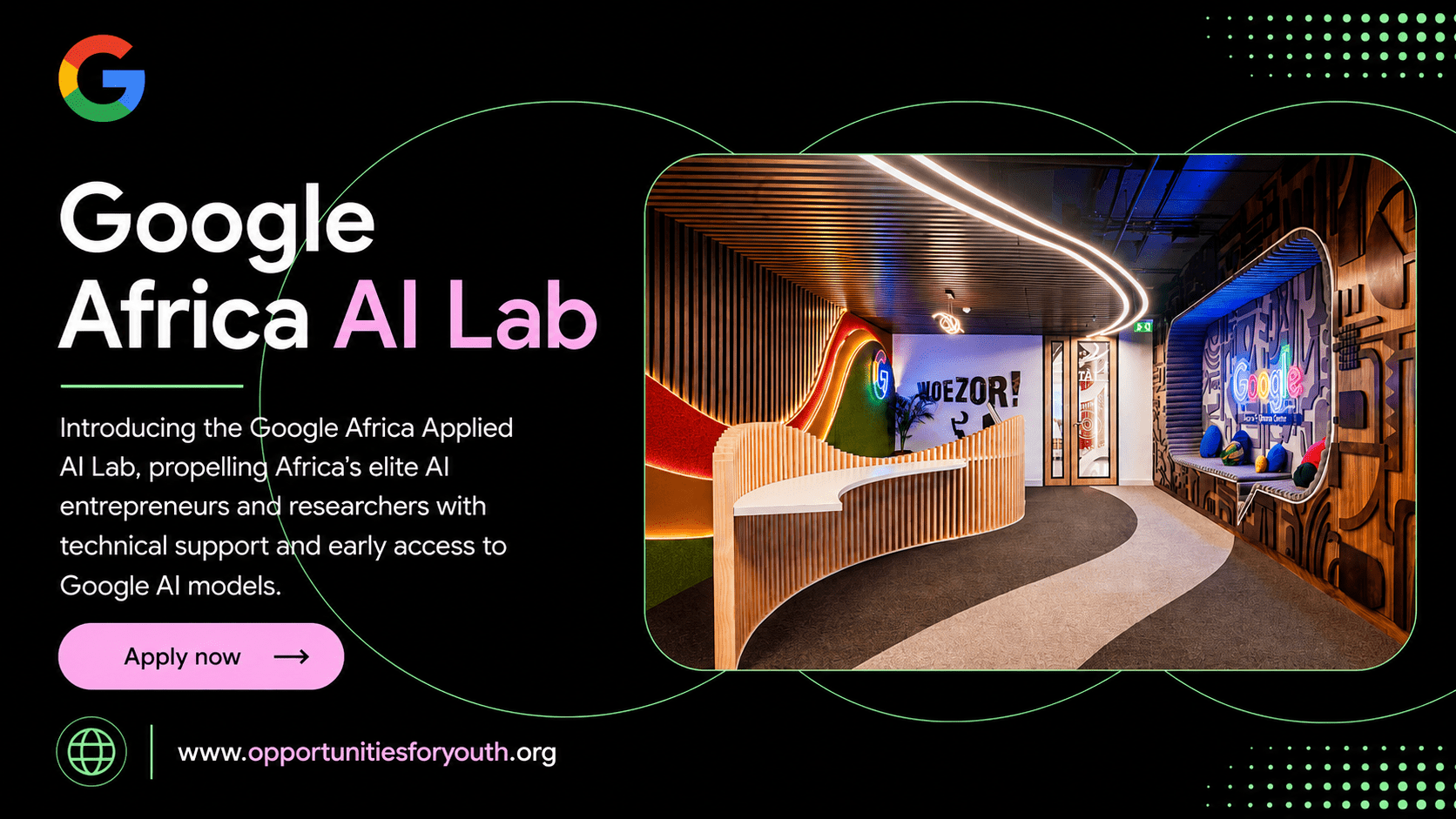
African AI startups are moving from bold ideas to practical tools for finance, farming, healthcare, education, commerce and space technology. Google’s first Africa Applied AI Lab has now selected 10 companies building solutions around the realities of African markets, including limited connectivity, language diversity and large informal economies.
Furthermore, the cohort shows why Africa’s AI story deserves closer attention. These startups are not simply copying products built elsewhere. Instead, they are designing systems for local voices, local businesses, basic phones, affordable devices and smallholder farmers. That focus could make their work useful far beyond the continent.
Google selected the companies after receiving thousands of applications from startups across more than 45 African countries. The cohort includes three Nigerian startups, one company each from Uganda, Kenya and Senegal, plus four pan-African businesses.[1][2]
Why African AI startups matter now
Africa faces a mix of fast growth and practical limits. Millions of people use mobile phones, yet many still lack smartphones, reliable data, formal identification or stable access to financial services.
However, these limits also create space for new ideas. African founders can build AI products that work through voice calls, WhatsApp, low-cost phones and local languages. As a result, their products can reach users that many global platforms overlook.
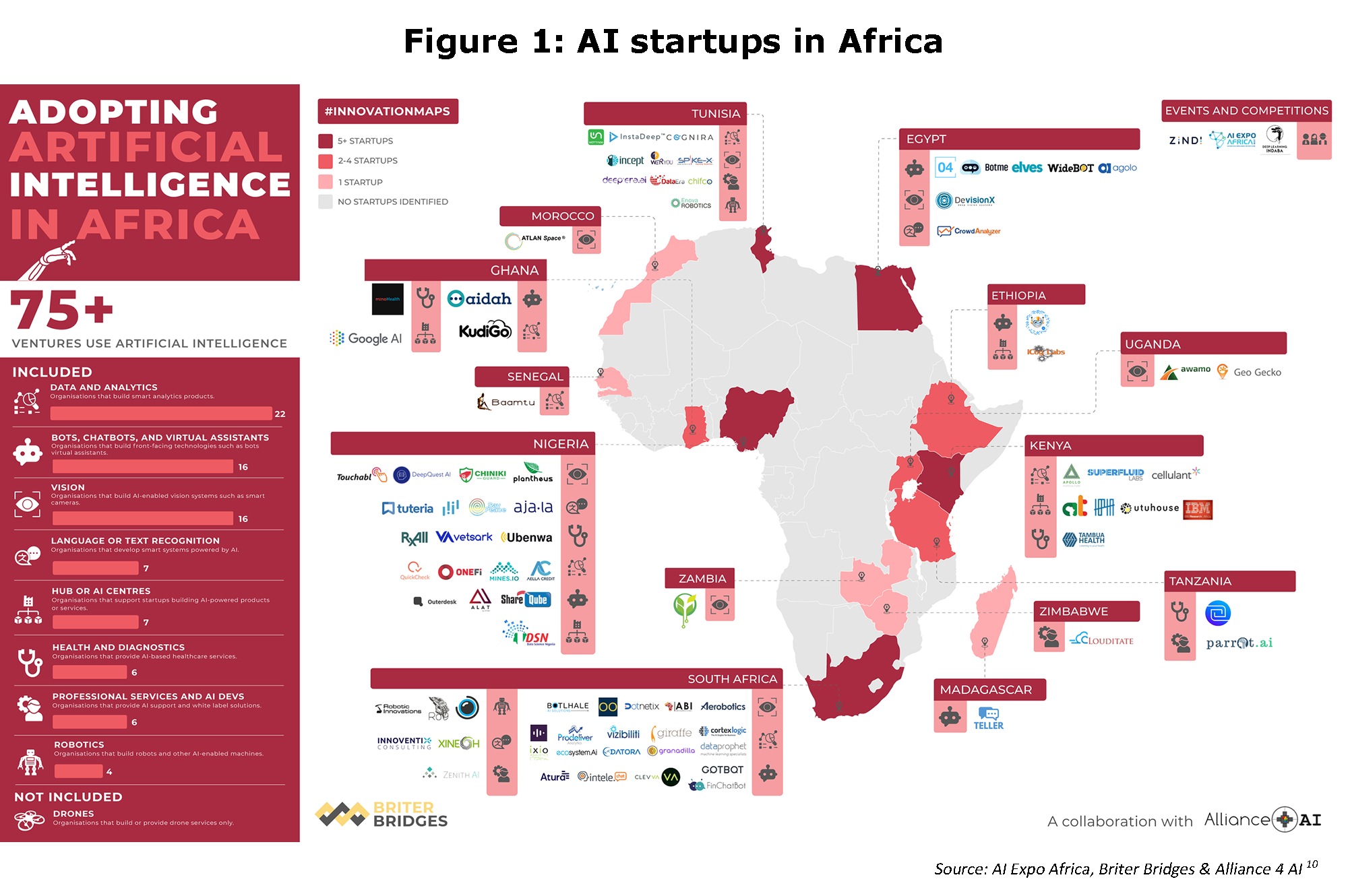
Additionally, the AI market can support sectors that affect daily life. These include food production, customer service, digital payments, identity checks, education and health delivery. Explore more coverage in Topping Africa’s Technology section.
10 African AI startups selected for Google’s lab
The selected companies cover a wide range of use cases. Together, they offer a clear view of where African AI is heading: practical, mobile-first and closely linked to local needs.
- AethexAI — AI voice agents for banks, telecoms providers and customer support centres.
- Agrails — AI-powered insurance infrastructure for farmers, gig workers and small borrowers.
- Crane AI Labs — Offline AI tools for health workers and schools using affordable phones.
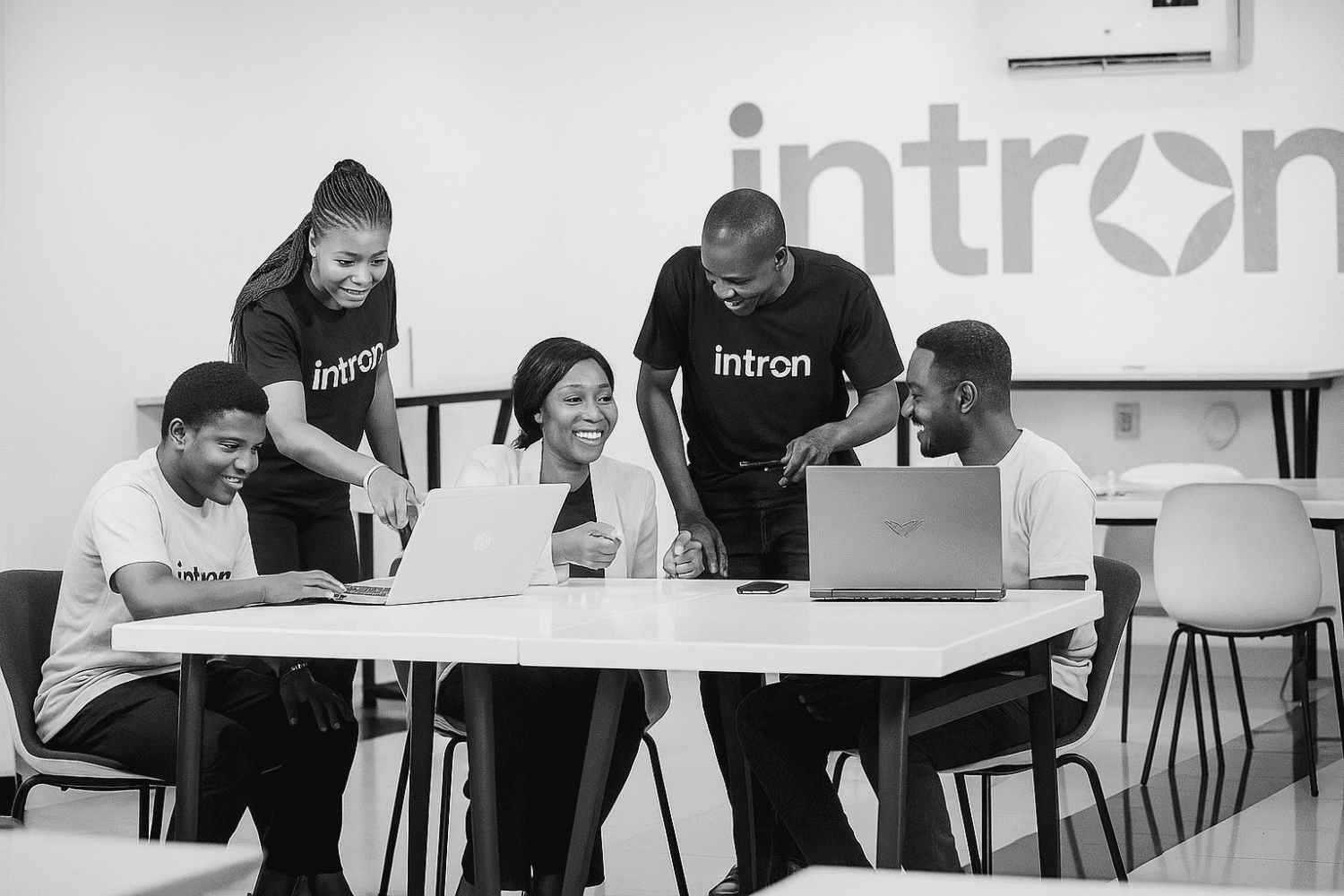
- Intron — Speech recognition for African accents and code-switched speech.
- Satlyt — Satellite software that processes data in orbit.
- Smile ID — Computer vision for identity checks and financial onboarding.
- Termii — Verification, messaging and alerts for financial services.
- Tolbi — Satellite imagery and voice advice for smallholder farmers.
- Vendy — WhatsApp storefronts and payments for businesses.
- Viamo — Generative AI through basic phone calls in local languages.
Meanwhile, Google’s official announcement describes the cohort as a test of how advanced AI can solve region-specific problems.[1] Discover more positive innovation through Topping Africa’s Business & Economy coverage.
1. AethexAI: bringing voice agents to customer service
AethexAI builds fast, responsive AI voice agents for banks, telecoms providers and customer support centres. These tools can answer routine questions, guide customers and support high-volume service teams.
For African companies, voice support remains important because many customers prefer speaking with an agent. Furthermore, call centres often face long queues and high operating costs. AI voice agents could help businesses respond faster while allowing human staff to focus on complex cases.
The main opportunity lies in local adaptation. A successful system must handle different accents, customer habits and service needs. Therefore, AethexAI could become especially valuable across multilingual markets.
2. Agrails: making insurance more useful
Agrails is building AI-powered insurance infrastructure for farmers, gig workers and small borrowers. These groups often face income shocks but may struggle to access affordable cover.
However, traditional insurance can depend on paperwork, formal records and lengthy claims checks. AI may help providers assess risk, design flexible policies and reach customers through digital channels.
For farmers, better insurance can reduce the impact of poor harvests or weather events. For gig workers and small borrowers, it could offer a stronger safety net when income changes. Read more about Africa’s economic transformation in Topping Africa’s Technology and Business & Economy sections.
3. Crane AI Labs: AI that works offline
Uganda’s Crane AI Labs develops offline, on-device AI tools for health workers and schools. The products are designed to run on affordable phones rather than depend on constant internet access.
This approach matters because connectivity remains uneven across many African communities. Furthermore, health workers and teachers may operate far from reliable networks. Offline tools can offer support when cloud-based services cannot respond.
In healthcare, such tools could help workers access guidance and manage information. In education, they could support lessons and learning tasks. Nevertheless, strong testing and human oversight will remain essential in both fields.
4. Intron: speech recognition for African voices
Nigerian startup Intron builds clinical and enterprise speech recognition that understands African accents and code-switched speech. Code-switching happens when speakers move between languages during the same conversation.
Many speech systems perform best with dominant global accents and languages. Consequently, users can feel excluded when software misunderstands their words. Intron’s local focus could improve voice notes, medical records, customer service and business workflows.
For African companies, accurate transcription can save time and create better records. Additionally, speech tools can help people interact with digital services without typing. The startup’s work highlights the need for African data in global AI systems.
5. Satlyt: processing satellite data in orbit
Kenya’s Satlyt is developing software that turns satellites into connected computing nodes. Its model allows data to receive processing in orbit before reaching the ground.

That shift could reduce the amount of raw data satellites must send back to Earth. Therefore, it may improve speed, lower transmission costs and support faster decisions from space-based information.
Potential uses include climate monitoring, farming, mapping and disaster planning. Moreover, African researchers and businesses could gain better access to timely satellite insights. Satlyt represents a growing link between African AI startups and the space economy.
6. Smile ID: safer digital identity checks
Smile ID uses computer vision to verify identity and help financial services onboard customers securely. Its tools can support banks, fintech companies and other services that need reliable checks.
Digital identity remains a key part of financial inclusion. However, customer onboarding can become difficult when people lack standard documents or live across different markets. Automated checks may help firms serve more customers while managing fraud risks.
Trust will remain central to this work. Companies must protect personal data, explain how systems make decisions and provide help when verification fails. Ultimately, responsible identity technology can support wider access to digital finance.
7. Termii: improving customer messages
Nigerian company Termii provides customer verification, messaging and operational alerts for financial services. Its tools help businesses send timely information through digital communication channels.

For banks and fintech companies, a clear message can confirm a transaction, warn about an account event or guide a customer through verification. Furthermore, reliable alerts can strengthen trust in digital payments.
Termii’s work shows that AI does not always need to look dramatic. Sometimes, the biggest value comes from making everyday business systems faster, clearer and more dependable.
8. Tolbi: helping farmers make better decisions
Senegal’s Tolbi combines satellite imagery with voice guidance to help smallholder farmers improve yields. The company’s approach connects advanced data with advice that farmers can use in the field.
Smallholder farmers often need timely information about crops, soil and weather. Yet many cannot access complex dashboards or expensive services. Voice guidance can make digital advice easier to understand and use.
Additionally, satellite imagery can help identify changes across large areas. When paired with local knowledge, it may support better planning and stronger food systems. Explore related stories in Topping Africa’s Science & Environment coverage.
9. Vendy: turning WhatsApp into a shop
Vendy lets businesses run storefronts and accept payments directly inside WhatsApp. The model targets merchants who may not have websites, formal shops or large technology budgets.
Across Africa, many small businesses already use messaging apps to speak with customers. Therefore, adding product listings and payments to that familiar space could reduce the barriers to online selling.
For entrepreneurs, the value is simple: reach customers where they already spend time. However, merchants still need clear fees, safe payments and tools to manage stock and delivery. Vendy could help more informal businesses join the digital economy.
10. Viamo: making generative AI available by phone
Viamo brings generative AI to people without smartphones through basic phone calls in local languages. This approach focuses on users who may lack mobile data, apps or advanced devices.
Meanwhile, ordinary phone calls remain widely available across Africa. Voice access could help people seek information, learn new skills or connect with services without buying a smartphone.
Local language support makes the idea even more relevant. Still, voice AI must provide clear answers and protect users from harmful or misleading advice. Viamo’s model shows how inclusion can shape the next wave of African AI startups.
What this cohort says about Africa’s AI future
The 10 companies reveal several clear trends. First, African founders are building around access rather than assuming every user has fast internet and a powerful device.
Second, voice is becoming a major interface. AethexAI, Intron and Viamo all show how spoken language can connect people with digital services. In addition, Tolbi uses voice guidance to make complex farm data more useful.
Third, AI is moving deeper into essential industries. Finance, healthcare, education, agriculture and commerce all appear in the cohort. As a result, the next generation of AI products may affect ordinary routines more than flashy consumer apps.
Finally, the cohort highlights the value of African data and context. Systems trained for local accents, languages, farming patterns and business habits can deliver better results. That is a competitive advantage, not a limitation.
What investors, founders and users should watch
For investors, the companies offer exposure to large markets with urgent needs. However, strong technology alone will not guarantee success. Startups must also show sustainable revenue, trusted partnerships and the ability to operate across different regulations.
For founders, the cohort offers a useful lesson: solve a specific problem before adding unnecessary features. Products that save time, reduce costs or expand access can gain loyal users. Furthermore, partnerships with banks, schools, farmers’ groups and mobile operators may speed up adoption.
For users, privacy and transparency deserve close attention. Ask what data a product collects, how it stores information and what happens when the system makes a mistake. Additionally, look for human support when automated tools cannot solve a problem.
Google’s official cohort announcement provides the clearest list of selected companies and their product focus.[1] You can also follow wider startup developments through Disrupt Africa’s coverage.[9]
Explore More on Topping Africa
- Technology — Follow African startups, digital tools and emerging technology trends.
- Business & Economy — Discover companies, markets and ideas shaping African growth.
- Science & Environment — Read about climate, research and practical innovation across the continent.
Explore more African innovation on Topping Africa, and share this article with anyone tracking the continent’s technology future. Leave a comment below with the startup you believe could make the biggest impact.
Conclusion: African AI startups are building for real life
Google’s first Africa Applied AI Lab puts a spotlight on 10 companies tackling practical challenges. Their products address voice access, farming, identity, finance, health, education, commerce and space data.
Ultimately, the cohort matters because it reflects how AI can grow in Africa: through useful tools, local insight and broad access. These African AI startups still face major tests around funding, trust, regulation and scale. Nevertheless, their ideas offer a hopeful signal for the continent’s technology ecosystem.
As adoption grows, watch the companies that turn strong technical work into measurable results for customers. The most important AI story may not be the loudest one. It may be the tool that helps a farmer, merchant, patient, student or small business move forward.

Staff
Contributing writer at Topping Africa.
0 Comments
No comments yet. Be the first to share your thoughts!