
How African Content Creators Are Becoming Culture’s New Gatekeepers
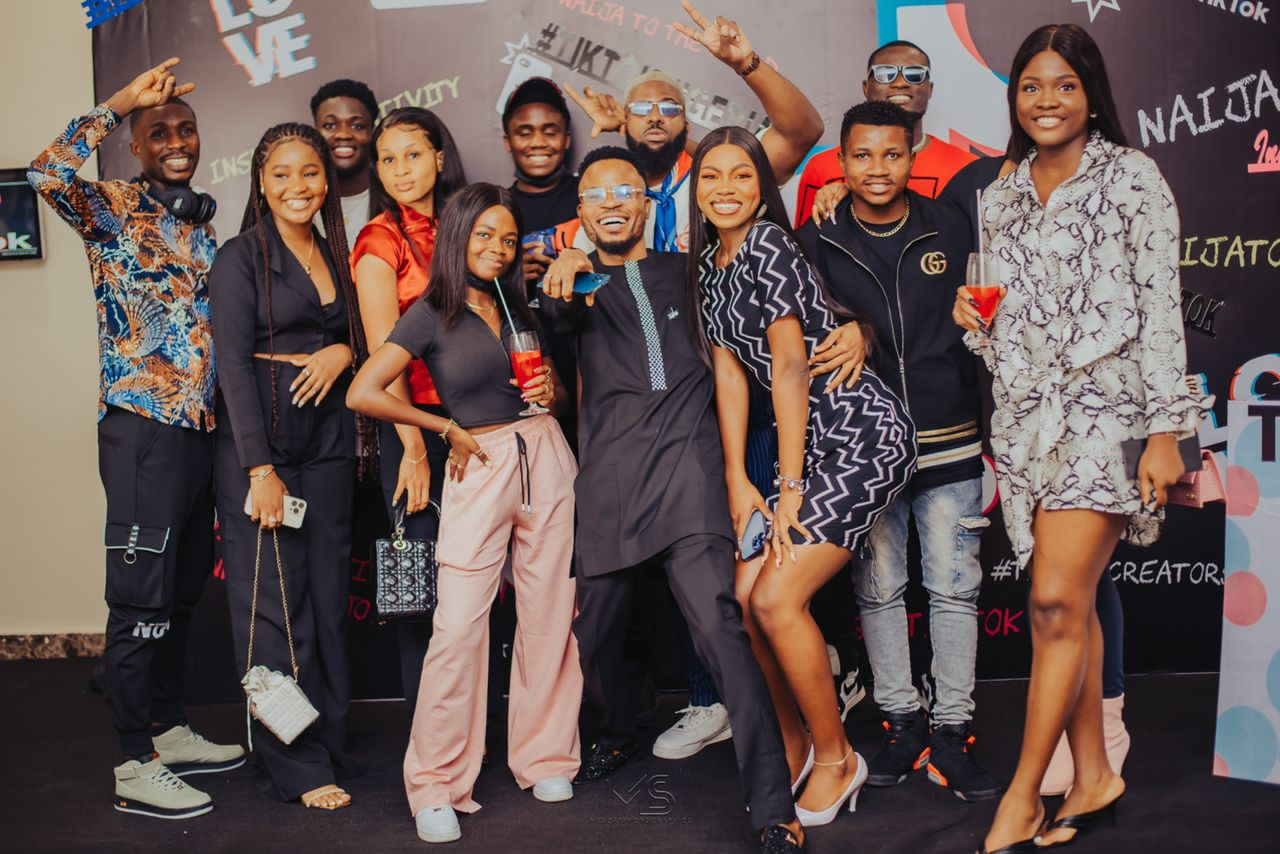
African content creators are reshaping culture, commerce and public conversation across the continent. Discover how TikTokers, YouTubers, podcasters and Instagram creators can grow sustainable careers while protecting verification, copyright and audience trust.
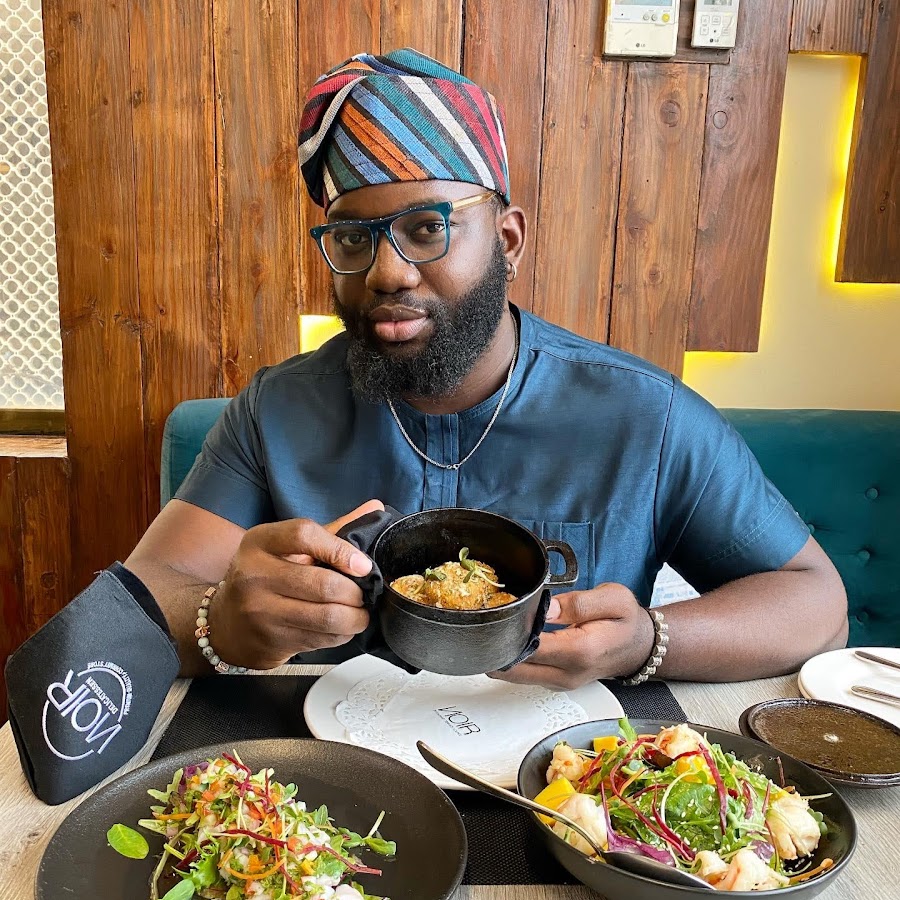
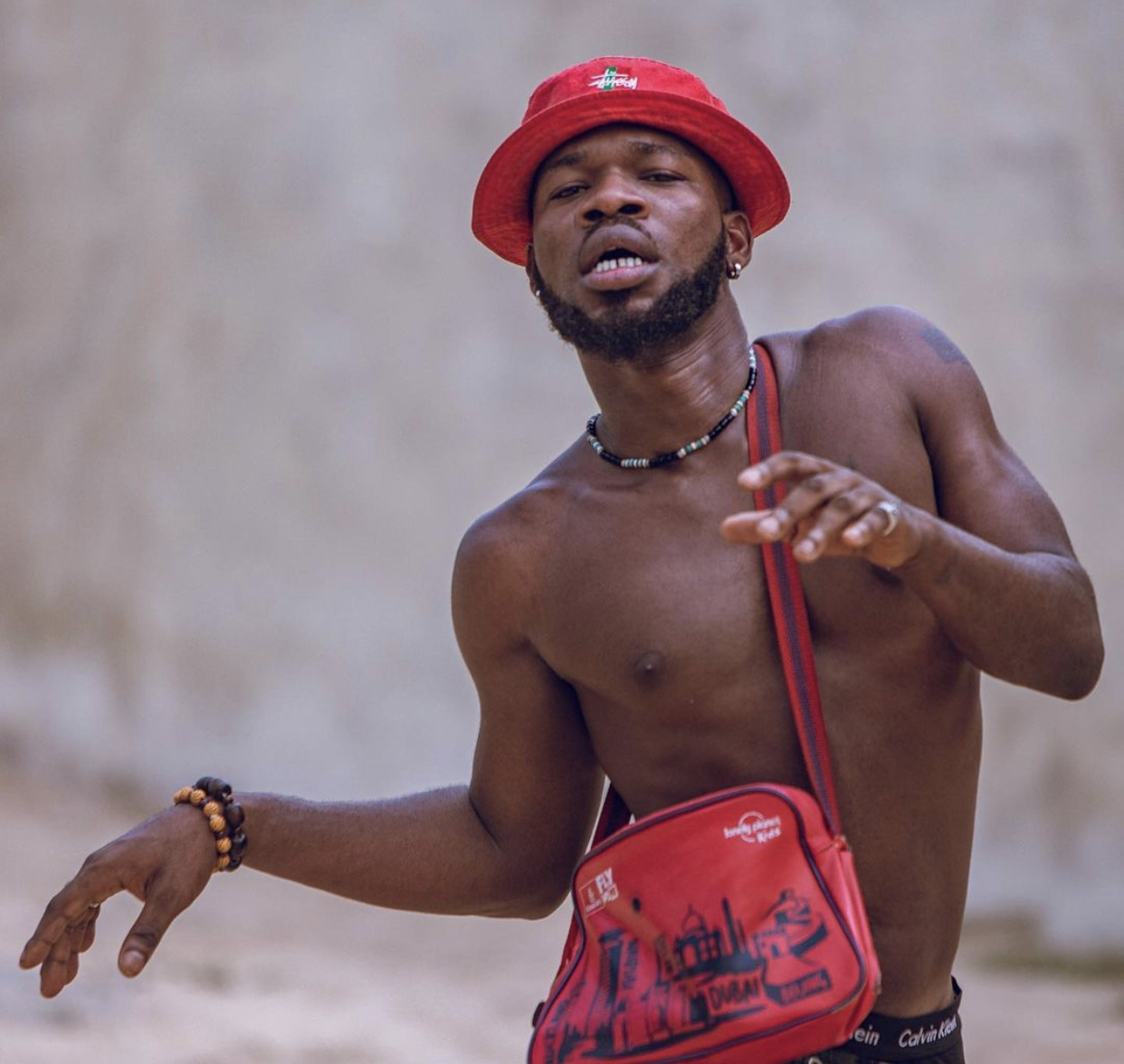
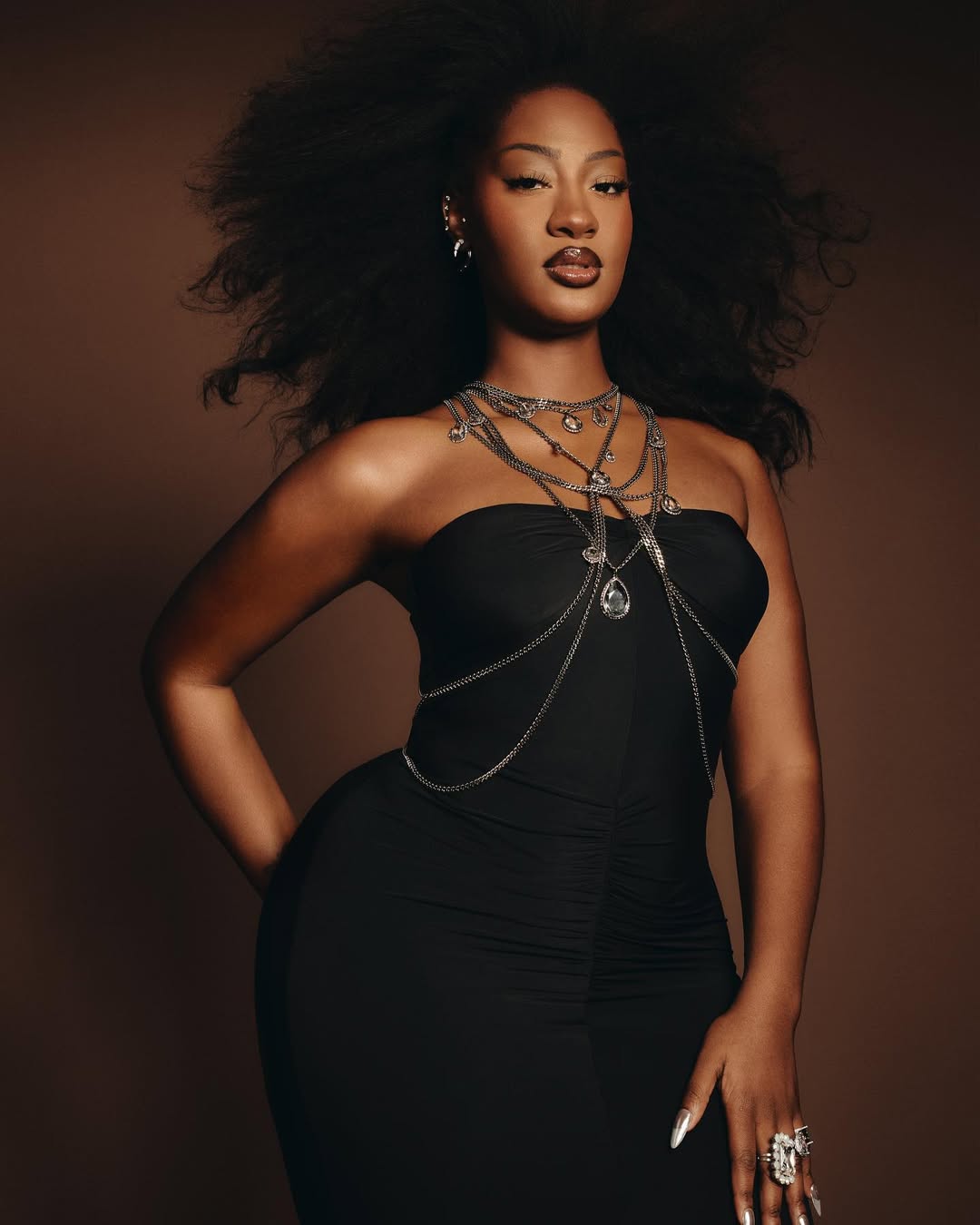
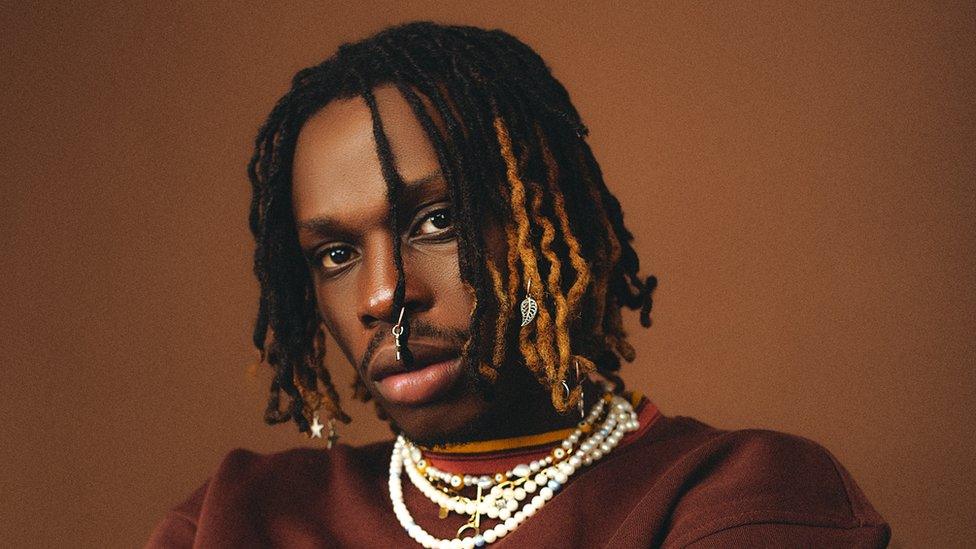
African content creators now shape far more than social media trends. TikTokers, YouTubers, podcasters and Instagram creators influence what audiences watch, buy, discuss and trust every day.
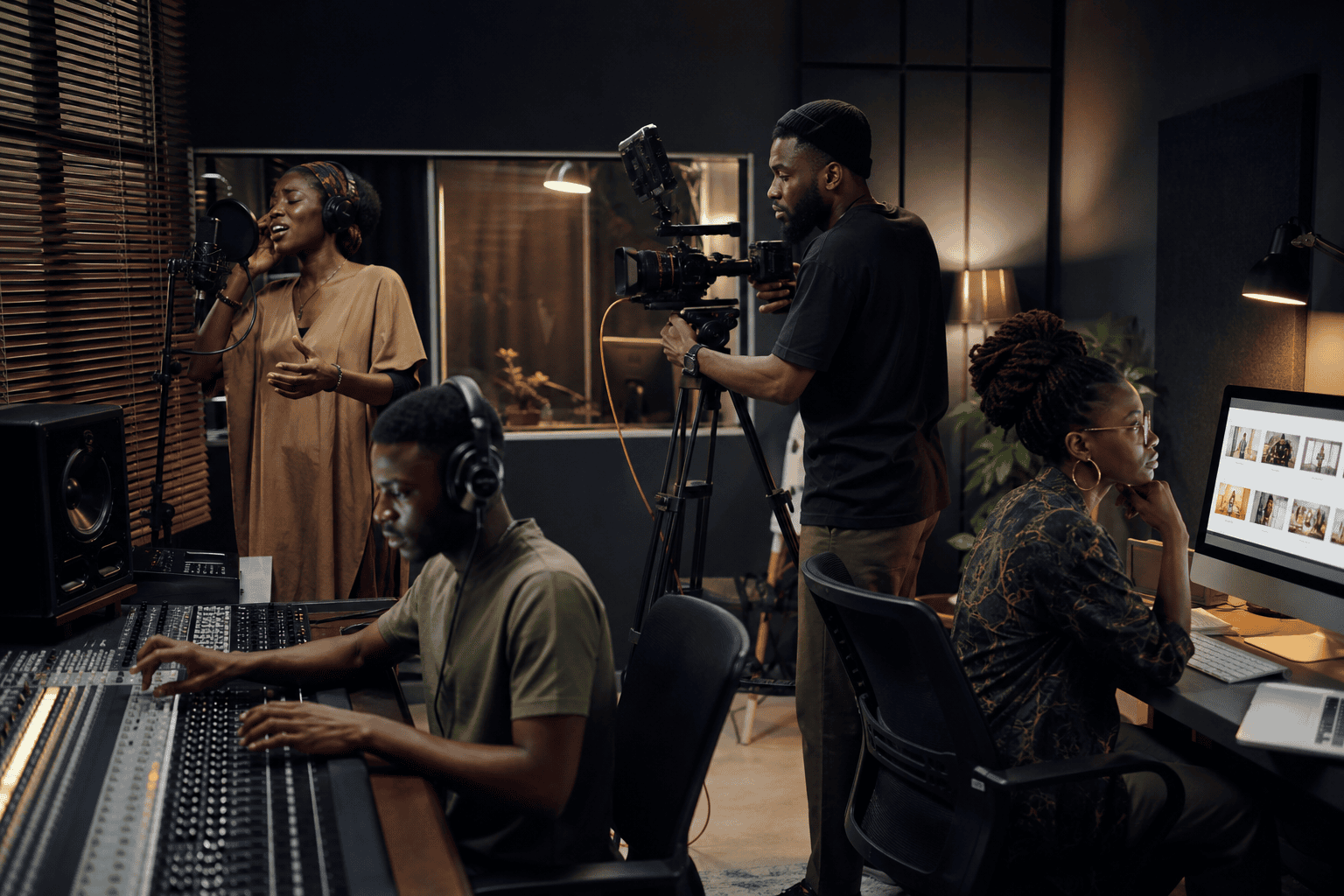
Across the continent, a smartphone can now serve as a newsroom, studio, shop window and community centre. Moreover, creators are bringing African languages, fashion, music, humour, business ideas and local stories to audiences at home and abroad.
The shift creates fresh opportunities for careers and brands. However, it also raises serious questions about verification, copyright, artificial intelligence and audience trust. The creators who lead the next phase will pair strong storytelling with clear standards.
African Content Creators Are Rewriting the Culture Map
For decades, large broadcasters, publishers and record labels controlled much of the public conversation. Today, creators can reach thousands or millions without waiting for a traditional gatekeeper.
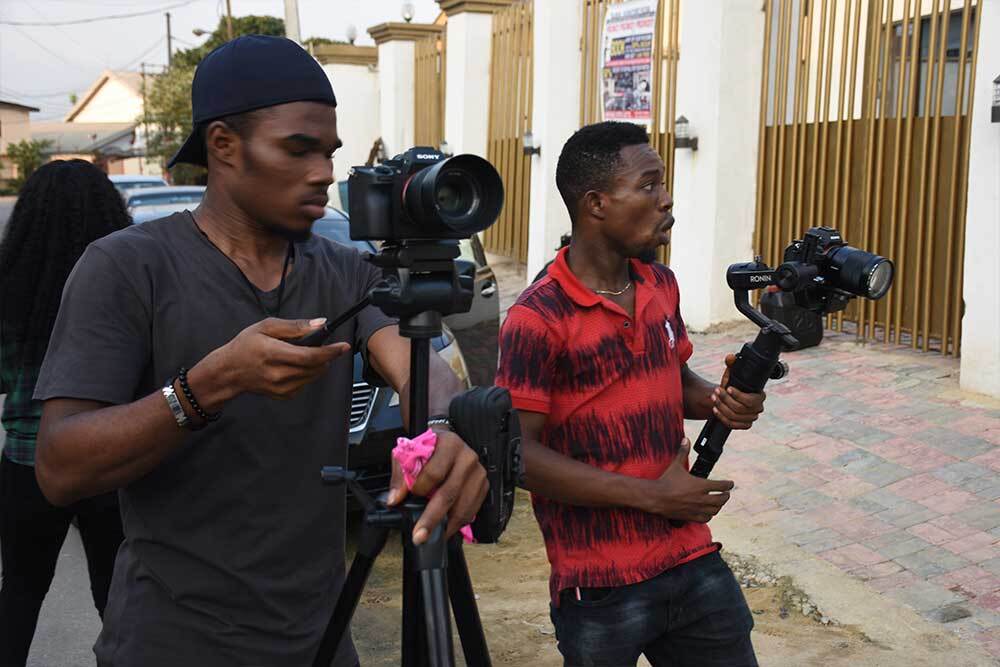
Furthermore, creators understand the details that make local content feel real. They speak in familiar accents, use everyday expressions and explain trends through an African lens. As a result, audiences often connect with them more quickly than with distant institutions.
On TikTok, short videos can turn a dance, recipe, phrase or fashion look into a regional trend. Meanwhile, YouTube supports longer reviews, documentaries, comedy shows and business lessons. Podcasts create space for deeper conversations about identity, careers, relationships, music and technology.
Instagram remains important for visual culture. Fashion creators showcase African designers, beauty experts build product demand, and musicians use Reels to test songs before release. In addition, creators help small brands reach focused communities without the cost of national television advertising.
Explore more stories about Africa’s changing media landscape in Entertainment and Culture & Lifestyle.
The Creator Economy Is Growing, but Access Remains Uneven
Recent industry reporting estimated Africa’s creator market at about $5.1 billion in early 2025. The same forecast placed its possible value near $29.84 billion by 2032, with video driving much of the growth.[1]
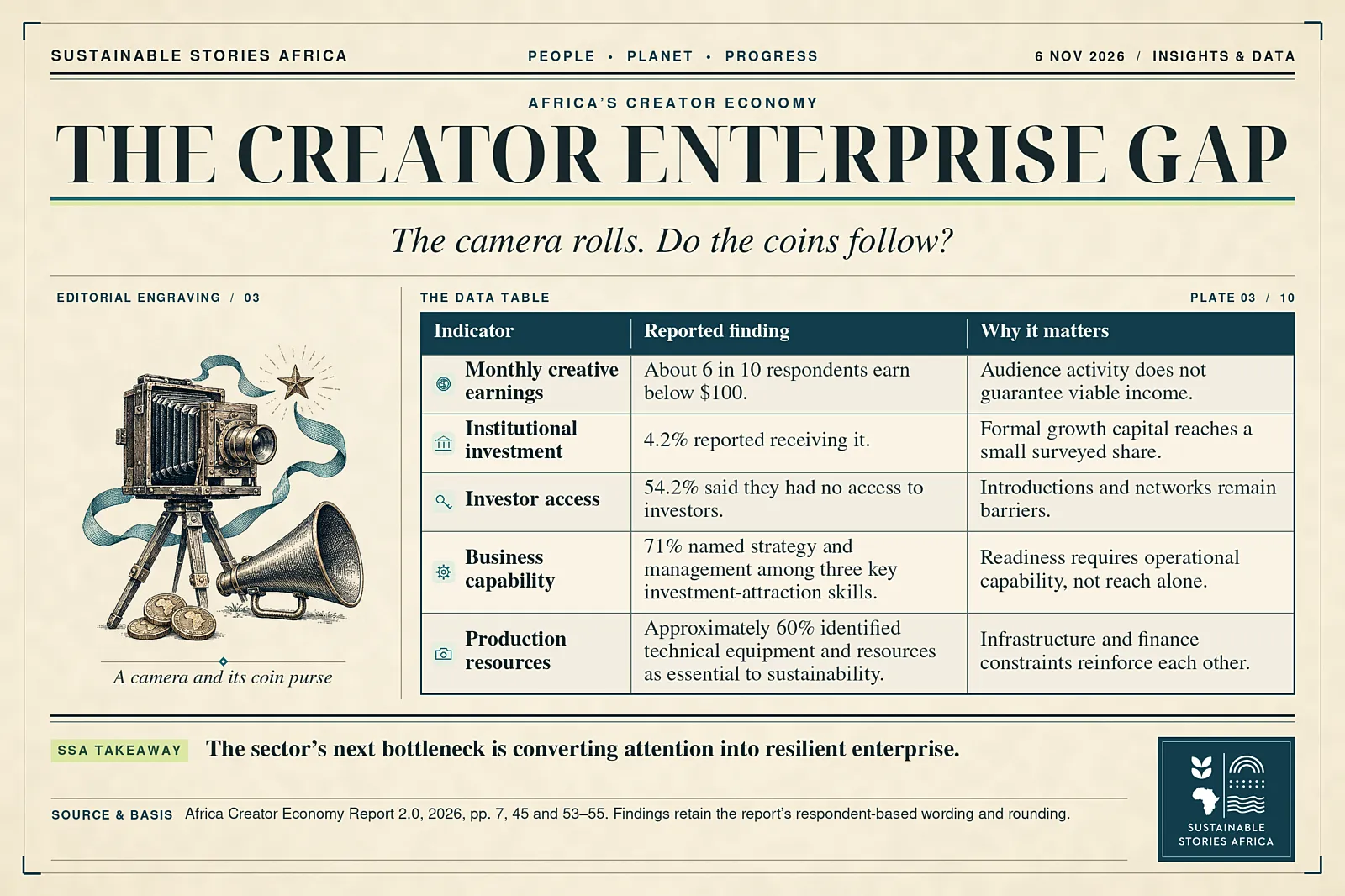
However, headline growth does not mean every creator earns a stable income. One report found that 54% of African creators earn less than ₦100,000 per month, while sponsored content and advertising remain limited income sources.[1]
Furthermore, many creators work part time. A 2024 creator report found that 43% had worked in the field for one to three years and had fewer than 10,000 followers.[1] This shows why consistency, business skills and multiple income streams matter.
Women also play a major role in the sector. Research cited in recent reporting found that women make up more than half of Africa’s creator pool, with strong activity in fashion, food, wellness and lifestyle.[2]
Additionally, creators face high data costs, uneven payment systems, limited brand budgets and platform changes. These barriers affect smaller markets most. Therefore, regional partnerships and local tools can make the industry more inclusive.
Where Creators Can Build Sustainable Income
Follower counts matter, but they do not tell the whole story. A smaller creator with a trusted audience can deliver stronger results than a large account with weak engagement.
- Brand partnerships: Work with companies that match your audience, values and content style.
- Memberships: Offer private discussions, bonus episodes, tutorials or behind-the-scenes access.
- Digital products: Sell guides, templates, courses, presets, music services or event tickets.
- Affiliate income: Recommend useful products and disclose commercial relationships clearly.
- Events: Turn online communities into workshops, live shows, pop-ups and conferences.
- Licensing: Let broadcasters, publishers or brands use original videos, images and sound legally.
Moreover, creators should build an owned audience. Email lists, websites and community groups reduce dependence on one platform. Discover more practical business coverage through Business & Economy.
How Creators Influence What Africans Watch and Buy
Creators increasingly act as cultural filters. They select the products, songs, shows and ideas that deserve attention, then explain why their audience should care.
For instance, a fashion creator can introduce a local label to shoppers in several countries. A tech reviewer can help a startup earn early users. Similarly, a music commentator can push an emerging artist into new playlists and conversations.
Trust drives this influence. Audiences value creators who share personal experience, answer questions and show how products work in real life. However, trust can fall quickly when a creator promotes every product without clear judgment.
Brands should also recognise the value of cultural knowledge. A campaign that works in Lagos may not work in Nairobi, Accra or Johannesburg. Therefore, companies should give creators room to adapt messages to local language, humour and customs.
At the same time, creators can support positive African innovation. They can explain fintech tools, spotlight climate solutions, test new apps and introduce African startups to customers. Read more technology stories in Technology & Innovation.
Verification Must Become a Daily Creator Habit
Reach creates responsibility. When a creator shares an unverified claim, the message can travel quickly through group chats, reposts and short clips.
UNESCO reporting on Kenya’s digital creators found that 37.1% did not systematically fact-check posts. The same report found gaps in legal awareness, paid-content disclosure and disclosure of generative AI use.[3]
Therefore, creators need a simple verification routine before publishing. It does not require a newsroom budget. It requires patience and a clear process.
- Check the original source instead of relying on a screenshot or repost.
- Compare important claims with at least two credible sources.
- Confirm dates, locations, names and figures before recording.
- Separate personal opinion from verified information.
- Correct errors openly and update the caption when new facts appear.
- Avoid sharing private details that could put people at risk.
Furthermore, creators should explain uncertainty when facts remain unclear. Saying “this has not been confirmed” protects audiences and strengthens credibility. Being first matters less than being right.
Use Better Sources and Clear Language
Creators can improve trust by linking to public records, expert interviews, research papers and official statements. For digital policy and media guidance, consult UNESCO.
For business data, use recognised reports and explain their limits. For health topics, check trusted public health bodies before making claims. In addition, avoid dramatic headlines that make audiences fear or misunderstand an issue.
Importantly, verification should not make content dull. A creator can still use humour, storytelling and visual examples while showing where key facts came from.
AI, Copyright and Disclosure in the Creator Era
Artificial intelligence can help creators write outlines, translate captions, edit clips and generate ideas. However, it can also produce false details, imitate voices and reuse protected work without permission.
UNESCO guidance stresses the need to trace sources and confirm intellectual property rights when using generative AI in content production.[4] That principle applies to every creator, whether they run a podcast or a large video channel.
Creators should disclose meaningful AI use. If an image, voice, video or script includes synthetic material, tell the audience. This disclosure does not weaken content. Instead, it gives viewers the information needed to judge the message.
Copyright requires equal care. Do not assume that content becomes free because it appears online. Music, photographs, video clips, logos and written work may belong to someone else.
- Use music from licensed libraries or obtain written permission.
- Credit photographers, filmmakers, writers and musicians correctly.
- Keep records of licences, agreements and payment terms.
- Ask permission before reposting another creator’s work.
- Use commentary and short excerpts carefully, while respecting local law.
- Remove or correct material when a valid rights concern appears.
Moreover, creators should protect their own work. Add clear credit lines, save original files and consider written agreements with brands. For more stories on digital tools and startups, explore Technology.
Audience Trust Is the Real Competitive Advantage
Algorithms can bring attention, but trust keeps people coming back. A creator’s strongest asset is often the belief that their recommendations reflect genuine experience.
Consistency helps. Publish on a realistic schedule, explain changes and keep promises. Additionally, respond to reasonable questions instead of treating every comment as a threat.
Transparency matters during paid campaigns. Label sponsored content in plain language and explain when a product was gifted. If you have a personal or business connection to a company, disclose it before offering an opinion.
Creators should also set boundaries. Do not exploit private family moments, vulnerable guests or sensitive community stories for views. Respect creates a healthier relationship with audiences.
On the other hand, audiences can help improve the information environment. Ask where a claim came from, report harmful impersonation and support creators who correct mistakes. Share your thoughts in the comments about the creators you trust most.
What African Creators Should Do Next
The next generation of creators will need more than viral ideas. They will need editorial judgment, financial planning, production skills and a clear understanding of audience needs.
Start by choosing a focused area. You might cover African fashion, music discovery, startup reviews, food, travel, books, fitness or local history. A clear focus helps audiences understand why they should follow you.
Next, study your audience without copying every trend. Review watch time, saves, comments and repeat views. These signals often reveal stronger opportunities than follower counts alone.
Then, build a content system. Plan recurring formats, record efficiently and reuse each idea across suitable platforms. For instance, one podcast interview can become a full episode, short clips, quote cards and a newsletter summary.
Finally, create a simple business plan. Set rates, track costs, keep invoices and separate personal funds from creator income. Subscribe for more practical stories on African innovation and culture.
A Practical Checklist for Brands
Brands also have a role in building a responsible creator economy. Choose partners for trust and relevance, not reach alone.
- Review past content before signing a partnership.
- Set clear goals, timelines and disclosure requirements.
- Allow creators to use natural language and local insight.
- Pay fairly and on time.
- Measure meaningful action, such as sales, sign-ups or community response.
- Support accessibility through captions, translations and readable formats.
Furthermore, brands should avoid demanding total control over a creator’s voice. The strongest campaigns feel like useful recommendations, not forced adverts.
Explore More on Topping Africa
- Technology & Innovation — Discover African startups, digital tools and ideas shaping the future.
- Entertainment — Follow music, celebrities, film and creator-led culture across the continent.
- Business & Economy — Find practical insight into brands, markets and creator income.
Explore more on Topping Africa and discover the people building Africa’s next cultural and digital wave.
Conclusion: The New Gatekeepers Must Earn the Trust
African content creators have become powerful editors of attention. They decide which stories gain momentum, which products receive notice and which cultural ideas cross borders.
However, influence must come with care. Verification, copyright respect, AI disclosure and honest advertising will separate lasting creators from temporary trend leaders.
Ultimately, the future belongs to creators who combine originality with responsibility. When African creators tell local stories well, they do more than entertain. They help audiences understand, connect and imagine what comes next.

Staff
Contributing writer at Topping Africa.
0 Comments
No comments yet. Be the first to share your thoughts!