How Africa’s $60 Billion Creative Economy Can Help Creators Earn More
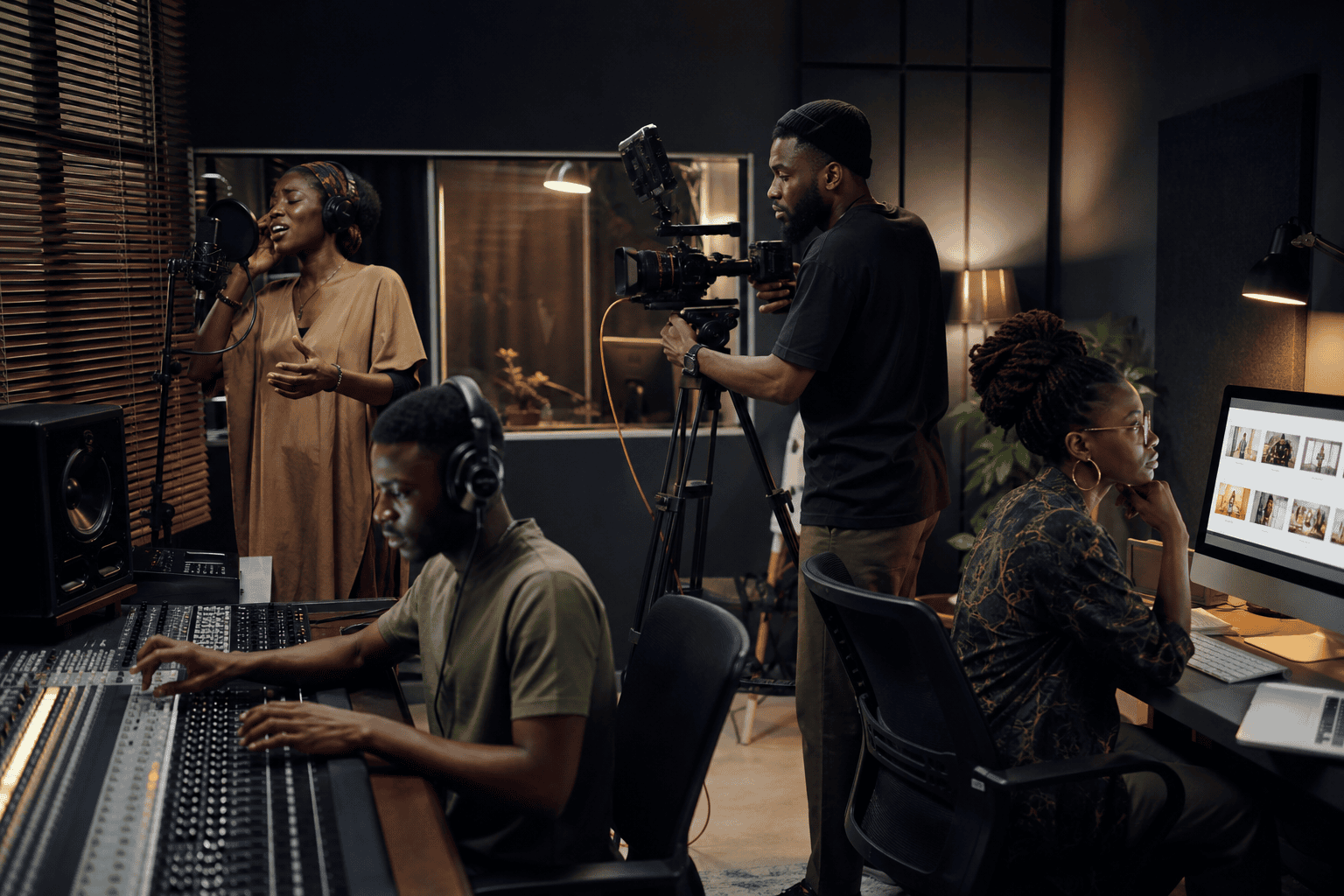
Africa’s creative economy is worth about $60 billion, but many creators still earn too little from their work. Better distribution, stronger brands, fair licensing, intellectual-property ownership, and smarter funding can help African creators build lasting income.
Africa’s creative economy is worth an estimated $60 billion, yet many African creators still struggle to earn steady income from their work. The sector could reach $200 billion by 2030 if creators, platforms, investors, and policymakers close key gaps in finance, distribution, branding, and ownership.
However, success requires more than talent and viral moments. You need a clear business plan, strong rights management, reliable distribution, and direct access to audiences. This guide explains the practical changes that can help African musicians, filmmakers, designers, writers, influencers, and digital artists keep more value from their work.
Recent estimates cited by the United Nations place Africa’s creative economy at about $60 billion. The sector employed roughly five million people in 2023, but Africa accounted for only about one percent of global creative goods exports.[5] That gap shows both the challenge and the opportunity.
Why Africa’s creative economy matters now
Firstly, Africa has a young and highly connected audience. Mobile phones, social platforms, streaming services, online stores, and digital payments now help creators reach fans beyond their home cities.
Furthermore, African music, fashion, film, comedy, gaming, photography, and food culture attract growing global attention. Diaspora audiences also create strong demand for African stories, sounds, designs, and products.
However, attention does not always produce income. A creator may receive millions of views while earning little from advertising, licensing, merchandise, or live events. The main issue often lies in the value chain rather than the quality of the work.
According to estimates cited by Afreximbank, Africa’s creative economy represents about two percent of the global creative industry.[8] That share could grow through stronger local companies, better export systems, and more creator-owned intellectual property.
Moreover, creative work supports many jobs beyond the person on camera or stage. Managers, editors, producers, stylists, sound engineers, marketers, developers, photographers, lawyers, and event workers all benefit from a stronger sector.
Distribution can turn local talent into global income
Distribution decides how easily people can discover, buy, stream, license, or book your work. Therefore, creators should treat distribution as a business function, not an afterthought.
For example, a musician needs more than a release on one streaming service. The wider plan may include short-form video, playlist pitching, radio promotion, live performance, direct fan sales, publishing rights, and brand partnerships.
Similarly, a fashion designer needs more than social media photos. The business may require an online shop, reliable delivery, wholesale partners, product photography, international sizing, and payment options that serve customers across Africa.
Build a distribution system you control
Firstly, keep a clear list of every platform that carries your work. Record account access, release dates, contracts, revenue terms, and payment records.
Secondly, use more than one channel. Platforms can change their rules, reduce reach, suspend accounts, or alter payment systems without warning.
- Create an email or messaging list that you own.
- Use a website or online store as a central home for your work.
- Publish on several suitable platforms instead of relying on one app.
- Collect audience data lawfully and respect privacy rules.
- Track which markets, formats, and products produce the most income.
In addition, use local and regional networks where possible. African distributors, publishers, broadcasters, galleries, event firms, and streaming services can help creators reach audiences with better cultural knowledge.
UNESCO notes that digital platforms and e-commerce can reduce barriers linked to geography, distribution, and international market access.[3] Nevertheless, creators need fair contracts and clear payment terms before handing control to any platform.
Action point: Map your audience by country, age group, language, platform, and buying behavior. Then create one distribution plan for each major audience segment.
Branding helps African creators stand out
Branding is not only a logo or a stylish photo. It is the clear promise people associate with your name, work, and experience.
For instance, an influencer may become known for practical career advice, affordable fashion, comedy, or African travel. A musician may build a brand around a sound, visual world, language, or message.
Moreover, strong branding makes partnerships easier. Brands want creators who can reach a clear audience and communicate a consistent message across videos, events, products, and social posts.
Turn attention into a clear creator offer
Firstly, define what you do in one simple sentence. Your statement should explain your audience, your creative field, and the value you provide.
Secondly, create a professional media kit. Include your biography, audience profile, platform statistics, past work, services, rates, contact details, and partnership examples.
Thirdly, separate your personal image from your business offer. Your audience may enjoy your personality, but clients need to understand what they can book or buy.
- Choose two or three content themes you can maintain.
- Set visual rules for colours, images, fonts, and video style.
- Use the same name across major platforms where possible.
- Develop a clear rate card for campaigns and appearances.
- Review your results each month and improve your offer.
However, do not copy trends without adding your own point of view. African creators can compete globally by showing original stories, local insight, strong craft, and fresh forms of collaboration.
Explore more reporting on African technology, including the startups and tools shaping the creator economy.
Licensing can create income beyond one release
Licensing allows another person or company to use your work under agreed conditions. It can create income from music, photographs, illustrations, video clips, designs, books, software, characters, and recorded performances.
For example, a producer could license a song for an advert, film, game, podcast, or television programme. A photographer could license an image for a magazine campaign. A designer could license a pattern for clothing, packaging, or home goods.
Therefore, creators should ask four basic questions before accepting a licensing deal:
- What exactly can the buyer use?
- Where can the buyer use it?
- How long does the permission last?
- How much will the creator receive, and when?
Furthermore, specify whether the deal covers one country, Africa, or the whole world. Define whether the use is exclusive or non-exclusive. Also state whether the buyer can edit, resell, sublicense, or train artificial intelligence systems with the work.
Never treat a broad rights transfer as a minor contract detail. A low upfront payment may cost far more if it gives away valuable future uses.
UNESCO has highlighted the need for dialogue with digital platforms on fair remuneration and intellectual-property protection.[1] That need becomes more urgent as short-form content, generative artificial intelligence, and online advertising expand.
Intellectual-property ownership protects long-term value
Intellectual property includes copyrights, trademarks, designs, patents, trade secrets, and related rights. For most creators, copyright and trademarks offer the most immediate protection.
Copyright can cover original songs, films, photographs, books, artwork, videos, scripts, and software. A trademark can protect a business name, logo, slogan, product name, or distinctive brand identity.
However, ownership can become unclear when several people work together. A song may involve a writer, composer, producer, performer, engineer, publisher, and label. A video may involve a creator, editor, writer, camera operator, and sponsor.
Keep evidence of ownership
Firstly, save original files with dates and project notes. Secondly, keep written agreements with collaborators. Thirdly, record each contributor’s role and agreed share.
- Use written split sheets for music projects.
- List creators and rights holders in project records.
- Register eligible works through the relevant national office.
- Use clear invoices and licensing agreements.
- Monitor unauthorised use across major platforms.
- Seek legal advice before signing major rights deals.
In addition, creators should protect traditional and community knowledge. Designs, sounds, stories, and cultural forms may involve wider communities. Ethical business means seeking consent, sharing value fairly, and avoiding the commercial use of sacred or restricted material.
UNESCO has stressed that intellectual-property protection remains central to fair creative growth, while digital tools also raise concerns about piracy and cultural ownership.[6] Consequently, creators should learn how platforms use uploaded content and data.
Read more about African culture and creative expression through Topping Africa’s Culture and Lifestyle section.
Funding must support creators at different stages
Many creators need funding before they can reach commercial scale. A new filmmaker may need equipment and a small crew. A fashion label may need fabric, production, packaging, and stock. A musician may need recording, marketing, touring, and distribution support.
Nevertheless, funding should match the project. Not every creator needs a large investor. Some need a small grant, advance, equipment loan, revenue-based finance, or customer pre-orders.
Build a finance-ready creative business
Firstly, separate personal money from business money. Use a dedicated account where possible. Keep records of income, expenses, taxes, contracts, and unpaid invoices.
Secondly, prepare a short funding document. Explain the project, audience, budget, timeline, expected income, risks, and repayment or investor terms.
Thirdly, show proof of demand. This may include sales, ticket history, audience growth, brand contracts, licensing interest, mailing-list figures, or repeat customers.
- Start with a clear project budget.
- Split costs into essential and optional items.
- Identify income from sales, fees, licensing, ads, events, and partnerships.
- Approach grants, accelerators, banks, investors, and strategic partners.
- Report results clearly after receiving support.
Moreover, African financial institutions and development groups are paying greater attention to creative businesses. Afreximbank has placed finance, ownership, and market access at the centre of its creative-industry work.[8]
Still, creators should compare terms carefully. Funding can help you grow, but it can also limit your control if an investor takes broad rights or a large share of future income.
Discover more business insights through Topping Africa’s Business and Economy coverage.
Technology can widen access, but skills matter
Technology helps creators produce, market, sell, and measure their work. Affordable smartphones, editing apps, digital payment tools, online stores, and artificial-intelligence software can reduce startup costs.
However, tools do not replace taste, trust, cultural knowledge, or consistent execution. Creators who use technology well focus on solving real problems for audiences and customers.
For instance, a creator can use analytics to learn which topics attract viewers. A fashion business can use inventory tools to reduce waste. A music team can use rights-management software to track uses across platforms.
Furthermore, artificial intelligence creates new questions about permission and payment. Before using AI tools, check whether the service stores your work, trains models with it, or grants itself broad rights.
UNESCO’s work on AI and culture highlights concerns about the capture of cultural knowledge and the unequal sharing of value in AI-driven markets.[7] Therefore, African creators should protect original files and avoid uploading sensitive material without understanding the terms.
What audiences and brands can do
The creative economy grows faster when audiences pay for value. Streaming subscriptions, event tickets, merchandise, memberships, books, courses, and direct tips can provide stronger support than views alone.
Moreover, audiences can share official links instead of pirated copies. They can credit original creators, buy from verified stores, and support local events.
Brands also have a role. Fair campaigns should state deliverables, payment dates, usage rights, exclusivity, and content approval rules. Brands should not ask creators to deliver unlimited work for exposure.
Meanwhile, agencies can help creators negotiate, package services, manage campaigns, and reach regional clients. They should charge clear fees and explain what rights they receive.
Five practical steps for creators this month
Firstly, audit your current income. List every platform, client, product, contract, and payment source.
Secondly, identify your strongest asset. It could be a song catalogue, audience trust, visual style, character, product design, format, or specialist skill.
Thirdly, create one paid offer. Examples include a brand campaign, digital product, live workshop, licensing package, membership, or merchandise drop.
Fourthly, improve your rights records. Add ownership details, contributor agreements, registration records, and licence terms to one secure folder.
Finally, contact three potential partners. Choose a distributor, brand, venue, publisher, investor, agency, or creator in a related field.
The goal is not to chase every trend. The goal is to build a creative business that earns from several clear and sustainable channels.
Explore More on Topping Africa
- Entertainment — Follow African music, film, celebrity, and influencer trends.
- Technology — Discover tools, startups, and digital ideas changing creative work.
- Culture and Lifestyle — Explore African design, identity, art, and creative expression.
Explore more stories across Topping Africa, and subscribe for practical coverage of African creators, businesses, and innovators.
The opportunity is bigger than entertainment headlines
Africa’s creative economy can become a stronger source of jobs, exports, and business ownership. Yet growth will depend on whether creators keep more control over distribution, branding, licensing, data, and intellectual property.
Consequently, creators should think like owners as well as artists. Build direct audience relationships, document your rights, choose partners carefully, and develop more than one income stream.
For audiences, the message is just as clear: support official work and pay for value. Share your thoughts in the comments, and tell us which African creator deserves more attention in the global market.

Staff
Contributing writer at Topping Africa.
0 Comments
No comments yet. Be the first to share your thoughts!