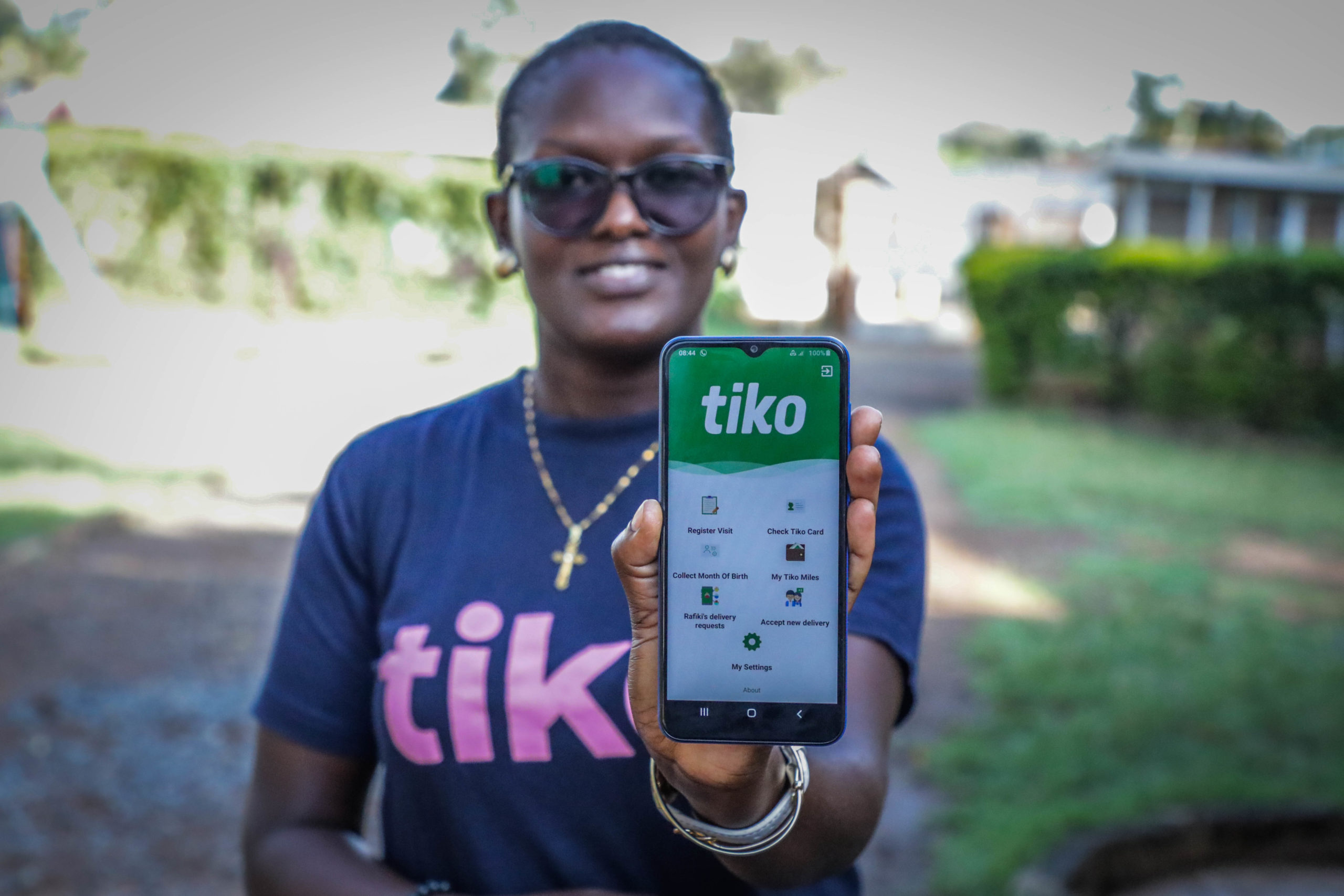

25 African Startups to Watch Before They Become Household Names

Meet 25 African startups to watch across AI, agriculture, health, logistics, fintech, education, and clean energy. These rising companies are solving practical problems and could become Africa’s next household names.
Africa’s next big business stories may already be taking shape in small teams, busy markets, and overlooked communities. These African startups to watch are building practical solutions in artificial intelligence, agriculture, health, logistics, education, finance, and clean energy. Their progress shows how African founders keep turning daily challenges into scalable opportunities.
However, the funding market has become more selective. African technology startups raised about $4.1 billion in 2025, while investors placed greater focus on revenue, infrastructure, and clear paths to profit.Partech Africa reported that larger rounds and debt helped drive the recovery.
Meanwhile, smaller tickets lost ground in parts of the market. That shift makes early traction even more important for founders and investors.AVCA’s venture capital report notes that African investors increasingly favour businesses with strong operations and growth potential.
Why These African Startups to Watch Matter
First, these companies are solving problems that affect millions of people. They are improving access to food, power, healthcare, learning, transport, and financial services. Furthermore, many combine software with real-world infrastructure.
That approach matters because African markets often need more than an app. They need reliable delivery, trusted local partners, flexible payments, and products that work with uneven connectivity. Consequently, the strongest startups often build around everyday behaviour rather than imported business models.
Use this list as a discovery guide, not an investment recommendation. Before backing any company, review its latest funding, financial results, market position, and regulatory status.
1. Artificial Intelligence and Digital Services
1. Envisionit Deep AI — South Africa
Envisionit Deep AI develops artificial intelligence tools for medical imaging and clinical support. Its work sits at the meeting point of healthcare and advanced technology.
Moreover, medical AI can help hospitals manage growing demand when specialists remain limited. Its long-term opportunity will depend on strong testing, trusted clinical partnerships, and affordable access.
2. Lelapa AI — South Africa
Lelapa AI focuses on language technology built for African languages and communities. Its work can support better search, translation, customer service, and voice tools.
However, African language data remains limited compared with data for English and other major languages. Lelapa AI’s growth could help make digital products more useful and inclusive across the continent.
3. InstaDeep — Tunisia
InstaDeep became one of Africa’s best-known AI companies through its work in machine learning and decision systems. Its technology has applications in logistics, manufacturing, life sciences, and supply chains.
Therefore, the company offers a useful example of how African technical talent can serve global markets. Its story also shows why research-led startups need patient capital and strong partnerships.
4. Amini — Kenya
Amini builds data tools that help businesses understand environmental conditions across Africa. Its platform can support climate planning, agriculture, insurance, and supply chain decisions.

In addition, better local data can improve how companies respond to drought, floods, changing rainfall, and crop risk. Amini’s progress will matter as climate pressure reshapes African business.
2. Agriculture and Food Security
5. Apollo Agriculture — Kenya
Apollo Agriculture uses technology and financial tools to serve smallholder farmers. Its model can connect farmers with farm inputs, advice, credit, and markets.
Furthermore, digital services can help reduce the barriers that keep many farmers from improving yields. The biggest test will be maintaining trust while managing weather risk and repayment pressure.
6. Thrive Agric — Nigeria
Thrive Agric works across farming, finance, and market access. The startup aims to help farmers produce more and reach buyers more efficiently.
Meanwhile, Nigeria’s large food market creates room for companies that strengthen links between farms, processors, retailers, and households. Its future depends on reliable field operations and strong farmer relationships.
7. Releaf — Nigeria
Releaf develops technology and services for food processing and agricultural supply chains. It has focused on helping local processors access better tools and raw materials.
As a result, the company sits in a valuable part of the food economy. Improving processing can create jobs, reduce waste, and help African producers capture more value locally.
8. Greeny Solutions — Tunisia
Greeny Solutions develops agricultural technology that supports sustainable farming and food security. Its work reflects a growing demand for tools that use fewer resources while protecting farm output.
Notably, North African startups can serve both local farmers and wider markets facing water and climate pressure. The company’s next stage will depend on adoption beyond pilot projects.
9. FreezeLink — Ghana
FreezeLink addresses cold-chain gaps with solar-powered storage and related services. Its goal is to help keep food fresh from farm to market.
In particular, cold storage can reduce food loss while improving income for farmers and traders. The model also links agriculture with clean energy, logistics, and public health.
3. Health and Medical Access
10. Remedial Health — Nigeria
Remedial Health helps pharmacies and healthcare providers manage medicine supply and purchasing. Its platform can improve access to genuine products and streamline stock management.
However, healthcare supply chains remain complex across African markets. The startup’s opportunity comes from reducing waste, improving visibility, and helping smaller providers compete.
11. Penda Health — Kenya
Penda Health operates a network of clinics supported by technology and data. It focuses on making everyday healthcare more accessible and easier to manage.

Moreover, affordable primary care can reduce pressure on major hospitals. Digital records and better care systems may also support faster decisions for patients and clinicians.
12. AwaDoc — Morocco
AwaDoc uses digital tools to connect patients with health services. Its approach reflects the rise of telehealth across Africa.
For instance, remote care can help people reach doctors without long journeys. Yet the company must keep quality, privacy, and follow-up care at the centre of its growth plan.
13. Koyo Healthtech — Nigeria
Koyo Healthtech explores digital health tools that help patients and providers manage care. Its work includes the use of AI-led support and online health access.
Therefore, the startup is part of a wider move toward faster triage and more convenient healthcare. Strong clinical oversight will remain essential as the sector expands.
4. Logistics, Retail, and Commerce
14. OmniRetail — Nigeria
OmniRetail helps informal retailers order goods, manage stock, and connect with suppliers. Its platform targets one of Africa’s most important but often under-served business networks.

Additionally, digitising informal commerce can improve product availability and reduce unnecessary costs. The company’s scale will depend on reliable distribution and sustainable margins.
15. Yobante Express — Senegal
Yobante Express provides delivery and logistics services designed for African markets. Its model addresses the need for flexible last-mile delivery in cities and smaller communities.
Meanwhile, online shopping continues to create demand for better fulfilment. Local knowledge gives logistics startups an advantage when roads, addresses, and payment habits vary.
16. Chowdeck — Nigeria
Chowdeck has built a strong presence in food delivery by focusing on customer experience and fast local operations. Its growth reflects rising demand for convenient urban services.
However, delivery businesses need careful cost control. Fleet management, rider support, restaurant partnerships, and repeat orders will shape long-term success.
17. Cartona — Egypt
Cartona connects retailers, wholesalers, and brands through a digital commerce platform. It targets the large network of traditional shops that power daily shopping across Egypt.
In addition, business-to-business commerce can unlock value that consumer apps often miss. Cartona’s opportunity lies in making wholesale trade faster, clearer, and more efficient.
5. Financial Technology and Cross-Border Payments
18. LemFi — Nigeria
LemFi provides financial services for immigrants and people sending money across borders. Its products address the high cost and friction of international transfers.

Furthermore, Africa’s large diaspora creates sustained demand for reliable remittance tools. Compliance, trust, and competitive exchange rates will remain key growth factors.
19. Klasha — Nigeria
Klasha supports cross-border payments and commerce between African businesses and global customers. Its tools can help merchants accept and move money across different markets.
Consequently, the company fits into a broader push for easier African trade. Its progress will depend on payment licences, banking partnerships, and strong fraud controls.
20. Bujeti — Nigeria
Bujeti offers financial management tools for businesses. Its platform helps companies track spending, manage cards, and improve control over daily expenses.
For growing African businesses, clear financial records can support better planning and access to capital. The startup’s value will rise if it becomes part of regular business operations.
21. M-KOPA — Kenya
M-KOPA combines digital payments with access to products such as solar devices and smartphones. Its pay-as-you-go model helps customers spread costs over time.
Notably, this approach links financial inclusion with clean energy and consumer access. The company’s experience offers lessons for startups serving customers with irregular income.
6. Clean Energy and Climate Solutions
22. Sun King — Kenya
Sun King provides solar home systems and appliances for households that need affordable power. Its products can support lighting, phone charging, and basic home services.

Moreover, distributed energy can improve daily life while reducing reliance on expensive fuel. The company’s challenge is to keep systems affordable as currencies and import costs change.
23. Bboxx — Rwanda
Bboxx develops pay-as-you-go clean-energy products for homes and businesses. Its technology helps customers access power through flexible payment plans.
In addition, clean energy startups can create new jobs in sales, installation, maintenance, and customer support. Their impact grows when they build strong local service networks.
24. Vectar Energy — Nigeria
Vectar Energy works on digital measurement, reporting, and verification systems for carbon and environmental projects. Accurate data can help businesses track climate claims and project results.
However, carbon markets need transparency and strong standards. Vectar’s opportunity lies in giving African projects better tools to prove their impact and attract responsible funding.
25. Arnergy — Nigeria
Arnergy provides distributed solar power for homes and businesses. Its model responds to demand for more reliable electricity and lower fuel costs.
Therefore, the company operates in one of Africa’s most important growth markets. Its success will depend on financing, equipment quality, customer retention, and dependable service.
What to Watch as These Startups Grow
First, look beyond headline funding. Revenue growth, customer retention, unit economics, and repeat use often reveal more than a large announcement.
Second, watch whether a startup can expand without losing local insight. African markets differ widely in language, regulation, income, infrastructure, and consumer habits.
Third, pay attention to partnerships. Banks, hospitals, schools, telcos, farmers’ groups, retailers, and energy distributors can help young companies reach customers faster.
Finally, watch how founders use new capital. Investors increasingly favour businesses that show discipline, clear demand, and a path toward sustainable growth.Bloomberg’s 2025 startup watchlist also highlighted companies across health, agriculture, commerce, energy, and finance.
How African Entrepreneurs Can Learn From Them
- Start with a local problem: Build around a real need that customers already understand.
- Test before scaling: Use pilots to prove demand, improve the product, and control costs.
- Build for mixed infrastructure: Plan for mobile money, cash payments, low bandwidth, and uneven power.
- Track useful numbers: Monitor revenue, repeat customers, delivery times, costs, and retention.
- Choose partners carefully: Strong local partners can improve trust and speed up expansion.
Explore more stories in Topping Africa’s Technology section for product launches, founders, and digital trends. Also discover market insights through Business & Economy.
Explore More on Topping Africa
- Technology — Discover African innovation, digital products, and emerging platforms.
- Business & Economy — Read practical reporting on markets, founders, and investment.
- Education & Youth — Explore the people and skills shaping Africa’s next economy.
Share your thoughts: which of these African startups to watch has the strongest chance of becoming a household name? Subscribe to Topping Africa for more positive stories about African innovation and rising businesses.
Conclusion
These 25 companies represent different sectors, countries, and business models. Yet they share one quality: they build around practical African needs.
Ultimately, the next household names may come from clean power, food systems, healthcare, logistics, finance, or language technology. Follow their customers, partnerships, products, and results. Then read more about the continent’s fast-changing startup ecosystem on Topping Africa.

Staff
Contributing writer at Topping Africa.
0 Comments
No comments yet. Be the first to share your thoughts!