
UNICEF Femtech Ventures 2026: African Startups Can Apply for Up to $100,000
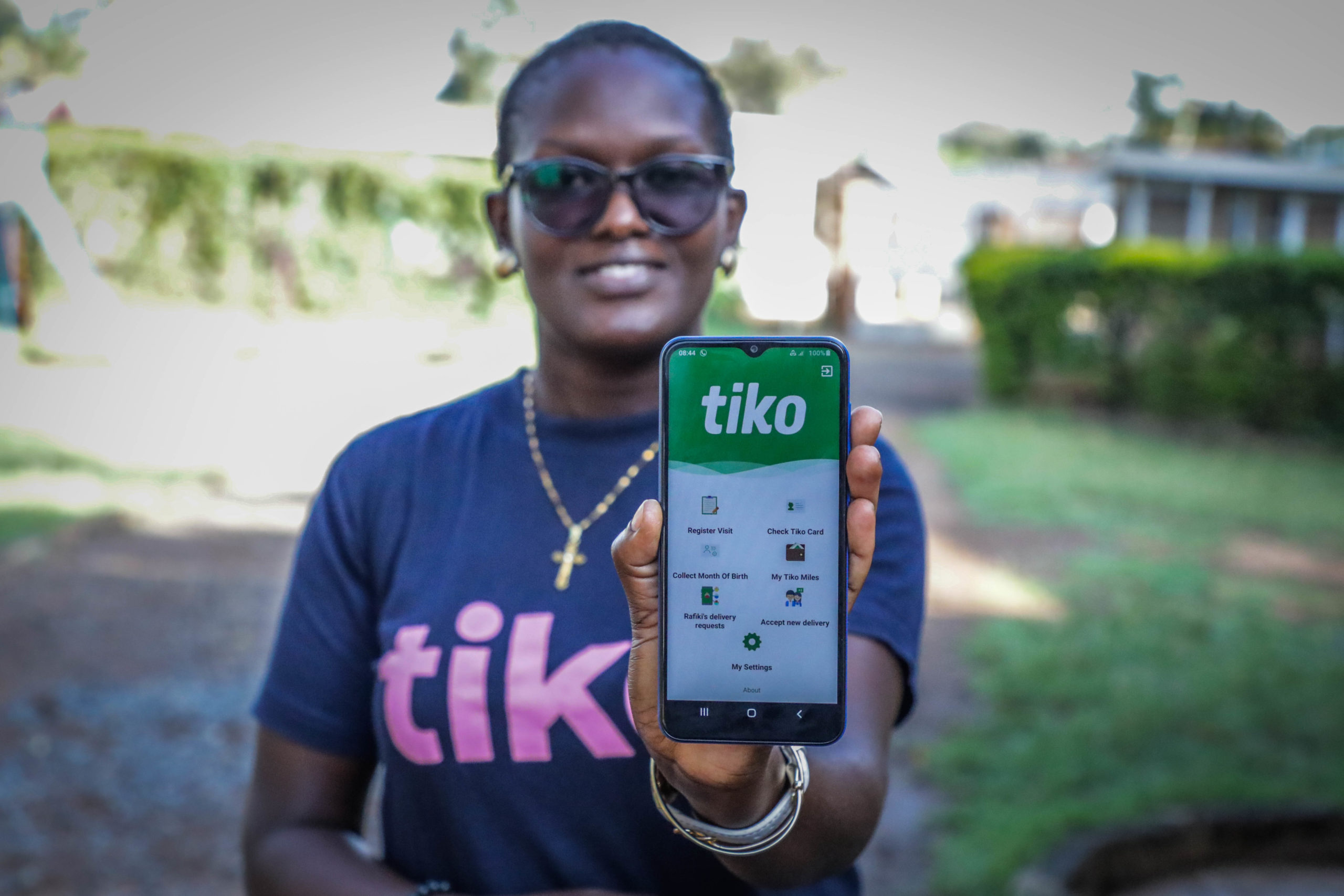
African women’s health startups can apply for up to US$100,000 through UNICEF Femtech Ventures 2026. Learn about eligibility, open-source requirements, priority areas, application tips, and how African founders can build a stronger submission.
For African women’s health startups, UNICEF Femtech Ventures 2026 offers a timely chance to secure up to US$100,000 in equity-free funding. The programme targets technology companies building practical solutions for the health, wellbeing, and sexual and reproductive health rights of women and girls.
However, this opportunity is not designed for ideas alone. Applicants need a working prototype, early testing results, and a clear plan to use frontier technology for measurable social impact. Therefore, African founders should prepare evidence, user data, and a strong open-source plan before applying.
Applications are currently listed as due on 11 November 2026 at 11:59 p.m. Central European Time. Because deadline information has appeared differently across third-party listings, applicants should confirm the final date and time on the official UNICEF Venture Fund call page before submission.
What Is UNICEF Femtech Ventures 2026?
UNICEF Femtech Ventures 2026 is the second UNICEF funding call focused on technology solutions for women and girls. It supports early-stage and growth-stage companies that can improve health outcomes, economic participation, or access to vital services.

Furthermore, the programme connects funding with technical support and innovation guidance. The goal is to help promising products move from early testing toward wider use in communities where women and girls face service gaps.
UNICEF places strong value on technology that can create measurable, publicly accessible data. As a result, your application should show how the product tracks progress without putting users at risk.
Read more about emerging African solutions through Topping Africa’s Technology coverage. You can also explore the latest stories in Health & Wellness.
UNICEF Femtech Ventures 2026 Funding and Support
The programme offers up to US$100,000 in equity-free funding to selected technology startups. This means UNICEF does not take an ownership stake in the company in exchange for the grant.
Additionally, selected teams may receive technical mentorship and support during the programme. The funding can help startups improve product design, run pilots, strengthen data systems, and prepare for responsible growth.
However, the grant should not replace a complete business plan. Successful applicants must explain how they will manage product development, user safety, testing, team costs, and future revenue.
How African founders can use the funding
- Improve a mobile health platform for low-cost phones and weak internet connections.
- Run community pilots with clinics, schools, pharmacies, or youth groups.
- Build safer data systems for sensitive health information.
- Translate health tools into African languages and local dialects.
- Test artificial intelligence models with local, representative data.
- Train health workers who support women, girls, and new mothers.
- Create open documentation so other teams can adapt the technology.
Use the grant to prove what works, not simply to add new features. A focused product with strong evidence will usually tell a better story than a broad platform with limited user results.
Who Can Apply for UNICEF Femtech Ventures 2026?
The call is open to private, for-profit technology companies registered in a UNICEF programme country. African startups must check whether their country appears on the programme’s official eligible-country list.
Applicants also need an existing functional prototype with promising results from initial testing. Therefore, student ideas, untested concepts, and pitch decks without a working product may not meet the core requirements.
According to the UNICEF Venture Fund application guidance, eligible companies must also commit to open-source licensing and principles. The technology should support UNICEF’s wider aim of improving children’s lives and reaching vulnerable communities.
Core eligibility checklist
- Register as a private, for-profit company.
- Operate from a country where UNICEF runs a programme.
- Show a working prototype or functional product.
- Provide early pilot results or other proof of user value.
- Address women’s or girls’ health, wellbeing, or sexual and reproductive health rights.
- Use frontier technology such as artificial intelligence, machine learning, blockchain, or data science.
- Accept open-source licensing and responsible sharing principles.
- Submit the application in English.
Furthermore, women-led startups and founders under 35 receive clear encouragement to apply. This does not remove the core company and product requirements, but it highlights UNICEF’s interest in inclusive innovation teams.
Which African Femtech Startups Could Benefit?
African health technology is growing across care access, diagnostics, maternal health, period tracking, and health education. UNICEF Femtech Ventures 2026 could suit startups that already understand local needs and have tested solutions with real users.
For instance, a Nigerian company might build a privacy-first reproductive health chatbot for young women. Meanwhile, a Kenyan startup could use data science to help clinics identify maternal care risks earlier.
Similarly, a Ghanaian team could develop a digital referral system linking girls to trusted health providers. In Francophone Africa, a multilingual platform could share accurate health information through low-data messaging tools.
Strong application areas
- Maternal health: Digital tools that support antenatal care, birth planning, referrals, or postpartum follow-up.
- Menstrual health: Affordable products and apps that improve period education, tracking, and access.
- Sexual and reproductive health: Safe services for contraception information, testing referrals, and informed decision-making.
- Adolescent health: Private, age-appropriate tools that help girls find reliable support.
- Women’s mental wellbeing: Digital screening, peer support, or referral platforms built with proper safeguards.
- Access to care: Telehealth, community referral, pharmacy, and clinic tools that reduce distance barriers.
- Economic participation: Technology that helps women stay healthy, access services, or remain active in work and education.
- Health data: Responsible systems that help providers understand needs without exposing personal information.
In addition, products should reflect African realities. A strong solution may need offline features, local language support, low-cost pricing, shared-device privacy, and partnerships with trusted community workers.
Why Open Source Matters for African Health Technology
Open-source licensing allows other developers, health groups, and public institutions to inspect, adapt, and improve technology. For African startups, this approach can increase reach while reducing the cost of rebuilding basic tools in every market.
However, open source does not mean careless data sharing. Health startups must separate reusable software from confidential user records. They should also explain what information they collect, why they collect it, and how long they keep it.
According to UNICEF’s femtech call information, applicants must show a commitment to open-source licensing and practices. Therefore, founders should choose a suitable licence and explain their release plan in simple terms.
What to prepare for an open-source plan
- Name the parts of the product that the company will release.
- Choose a recognised open-source licence with legal guidance.
- Remove personal data, secrets, and private credentials from public code.
- Publish clear installation and use instructions.
- Explain how outside developers can report issues or suggest improvements.
- Describe how the company will earn revenue while sharing core technology.
Ultimately, an open-source plan can become a growth advantage. It may attract developers, researchers, health partners, and investors who value transparent innovation.
How to Build a Strong UNICEF Femtech Application
A persuasive application connects a real problem to a tested product and measurable results. Therefore, avoid broad claims about transforming healthcare without showing what changed for users.
1. Define the problem clearly
Start with one specific challenge affecting women or girls. Explain who faces it, where they live, and why existing services do not meet their needs.
For example, you could focus on missed antenatal visits among young mothers in rural districts. Alternatively, you could address limited access to private menstrual health information for girls with shared phones.
2. Show proof from real users
Include user numbers, pilot dates, retention rates, referrals, completion rates, or health service links. Even a small pilot can help if the method is clear and the lessons are honest.
Furthermore, explain what you changed after receiving user feedback. This shows that your team listens and can improve the product quickly.
3. Explain the technology in plain language
Describe the role of artificial intelligence, machine learning, blockchain, or data science. Do not use complex terms simply to sound advanced.
Instead, show how the technology improves speed, access, accuracy, cost, or personalisation. Also explain where human health workers remain part of the service.
4. Protect users from harm
Women’s health products handle sensitive information. As a result, your application should cover consent, privacy, security, age protection, bias checks, and safe referral pathways.
In particular, explain how your product responds when a user reports danger, severe symptoms, abuse, or a medical emergency. A digital tool should guide users toward qualified care rather than replace it.
5. Present a realistic growth plan
Show how the product can reach more users without losing quality. Discuss partnerships with clinics, ministries, pharmacies, schools, employers, women’s groups, or mobile networks.
Additionally, describe the main cost of serving one user and how the business can remain sustainable. UNICEF funding may help you prove impact, but long-term value needs a clear operating model.
Practical Preparation Tips for African Founders
Start preparing before the application form opens or reaches its deadline. A strong submission often depends on evidence gathered months earlier.
- Confirm your company registration and eligible-country status.
- Test the product with a defined group of users.
- Record baseline and follow-up results.
- Collect short, consented user stories.
- Review the product for privacy and safety risks.
- Prepare a simple open-source and data-release plan.
- Build a budget linked to clear milestones.
- Ask a health expert and a local user to review the application.
- Submit in English and check every required field.
- Save proof of submission before the deadline.
Moreover, keep your pitch focused. Reviewers need to understand the problem, product, users, evidence, team, technology, and funding plan without searching through long explanations.
Explore more African startup insights in Topping Africa’s Business & Economy section. You can also discover positive innovation through Science & Environment.
Common Mistakes to Avoid
Many promising startups lose strength when they present ambition without proof. Avoid these common errors before submitting your application.
- Applying with only an idea and no functional prototype.
- Failing to confirm private company registration.
- Ignoring the open-source requirement.
- Using global statistics without local user evidence.
- Making medical claims that the product cannot support.
- Collecting sensitive data without clear consent.
- Describing artificial intelligence without explaining its practical use.
- Leaving out women and girls from product design decisions.
- Providing a budget with no link to product milestones.
- Waiting until the final hours to submit.
Nevertheless, a small startup can remain competitive by showing focus. A clear product, strong local insight, and honest early results may matter more than a large team.
Explore More on Topping Africa
Explore more stories that connect African innovation with everyday progress:
- Technology — Discover African startups, digital tools, and new ideas shaping the continent.
- Health & Wellness — Read practical coverage of health trends, care access, and wellbeing.
- Business & Economy — Follow funding, entrepreneurship, markets, and growth opportunities.
Share this guide with a founder building a solution for women and girls. Also, leave a comment below with the African health technology problem you believe deserves more attention.
Final Takeaway for African Femtech Founders
UNICEF Femtech Ventures 2026 gives African startups a valuable route to equity-free funding, technical support, and global visibility. The strongest applicants will combine a working product with local knowledge, measurable results, strong user safeguards, and a credible open-source plan.
Therefore, treat the application as more than a funding request. Use it to sharpen your product, prove its value, and show how it can improve life for women and girls across African communities.
Check the official UNICEF requirements, confirm the final deadline, and submit early. Your locally built solution could help set the next standard for inclusive African health technology.

Staff
Contributing writer at Topping Africa.
0 Comments
No comments yet. Be the first to share your thoughts!