
How African Content Creators and Brands Can Build Lasting Businesses

African content creators and brands are moving beyond one-off influencer posts toward shows, communities, products, and lasting media businesses. Learn how to pitch creator-led properties, negotiate recurring partnerships, protect intellectual property, and reach new African audiences.
The future of influencer marketing is moving beyond one sponsored post at a time. For African content creators and brands, the bigger opportunity lies in building shows, communities, products, and media businesses that grow together.
Recently, YouTube PluggedIN in Lagos placed this shift in the spotlight. The event brought creators, agencies, and brands together around a clear idea: creators should become creative partners, not simply advertising channels. Consequently, African creators now have a stronger case for pitching long-term partnerships, funded productions, and shared intellectual property.
This change matters across Nigeria, Kenya, Ghana, South Africa, Rwanda, Tanzania, and beyond. A strong creator business can turn audience trust into steady income while helping brands reach African consumers with greater honesty.
African Content Creators and Brands Are Moving Beyond One-Off Campaigns
Traditional influencer campaigns often follow a simple model. A brand pays for a post, the creator publishes it, and both sides move on. However, this model can limit creative growth and produce weak results when the content feels disconnected from the creator’s usual work.
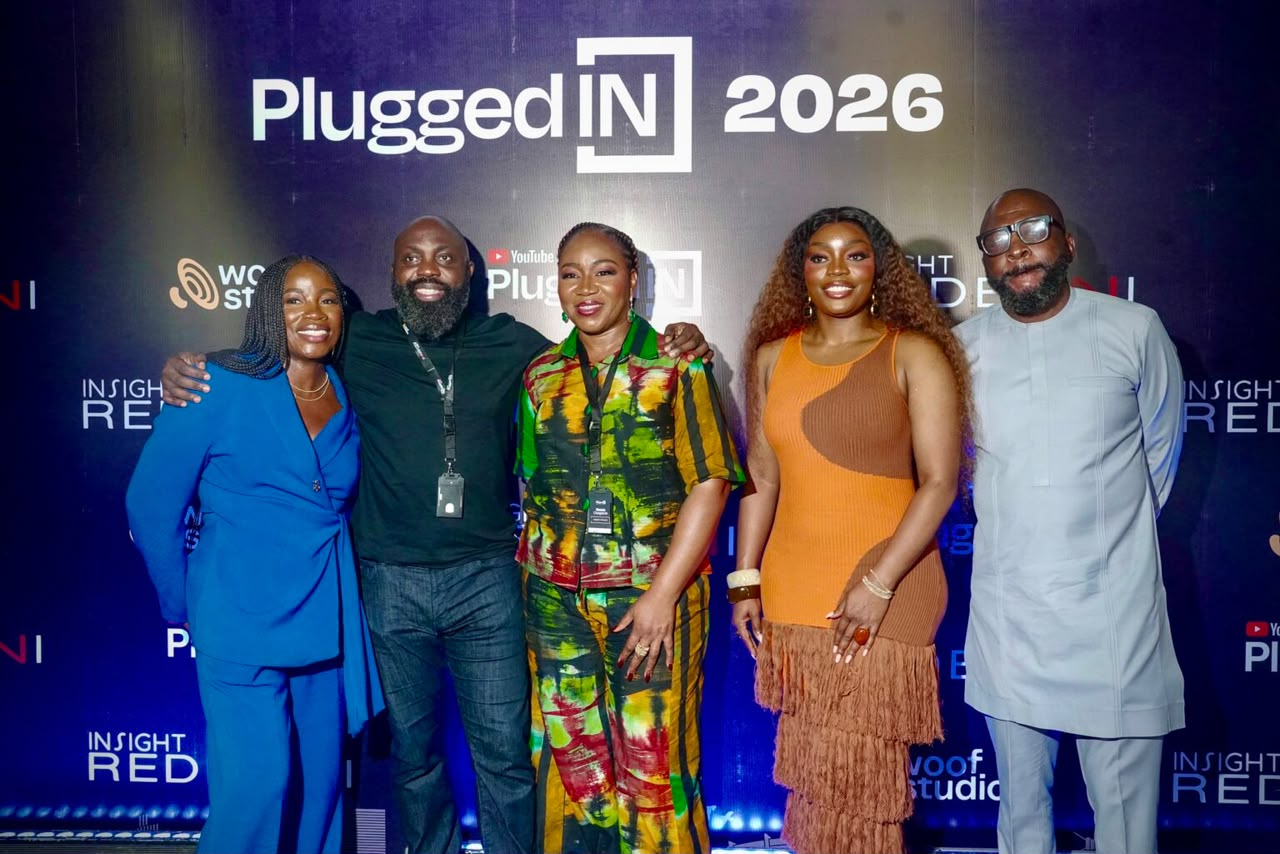
YouTube PluggedIN 2026 in Lagos focused on changing that pattern. The event, organised by Woof Studios Africa and Insight Redefini, used the theme “Beyond the Placement: Rethinking How Brands Work with Creators.” Discussions explored brand-funded content, original series, creator pitches, and partnerships with longer commercial value.[1][3]
Furthermore, the event built on a 2025 pilot. Its 2026 edition included panels, creator showcases, small-group meetings, and one-to-one sessions that helped move ideas toward campaign briefs and funded productions.[1][5]
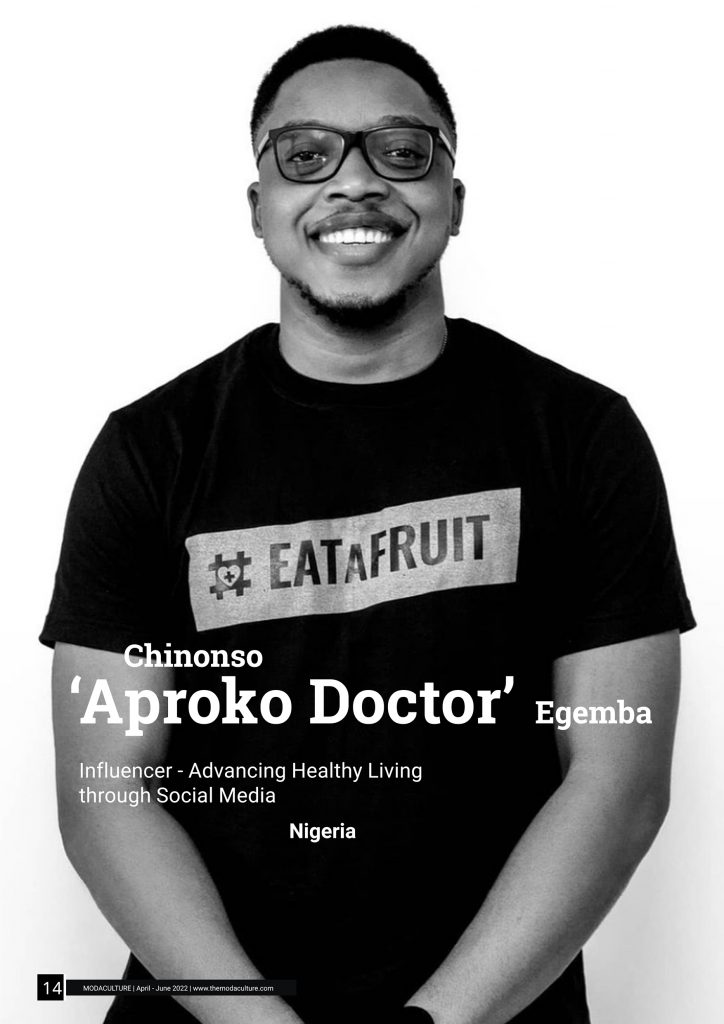
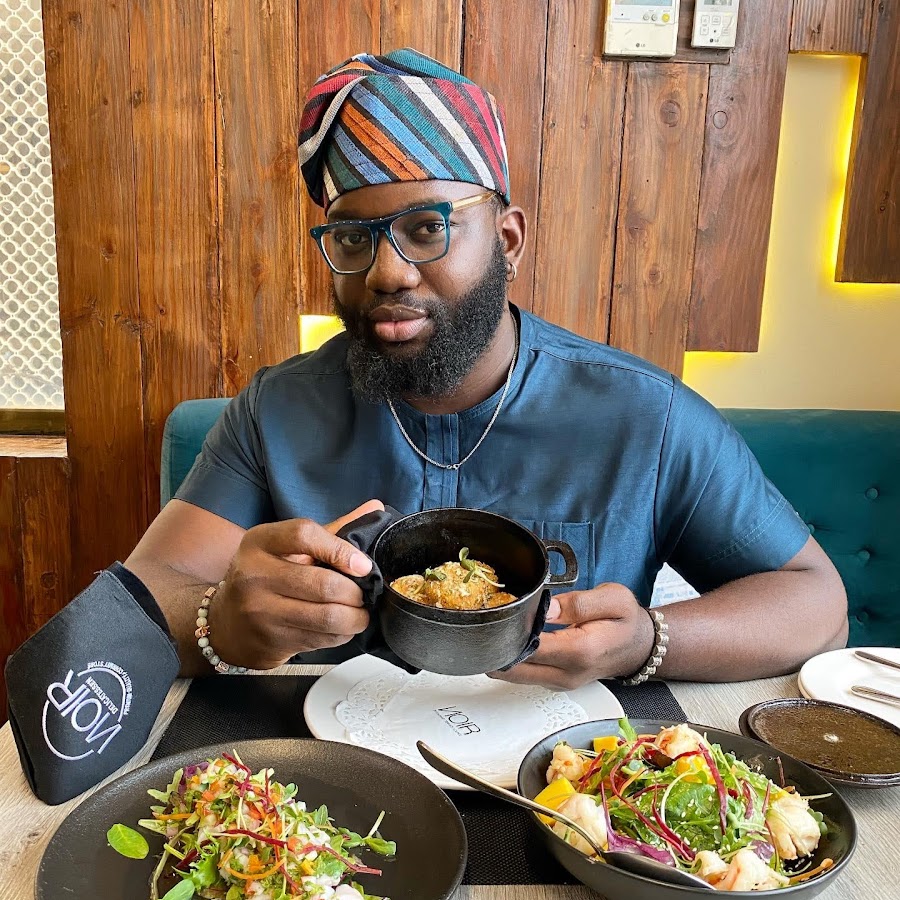
Creators such as Kiekie, Taoma, Aproko Doctor, and Ify’s Kitchen shared views on keeping their creative identity while meeting business goals.[1] The event also showed how a creator can pitch a full show or content property instead of offering only a sponsored upload.
Why the long-term model works
Long-term partnerships give creators room to improve production, plan content, and serve audiences better. Meanwhile, brands gain repeated access to a trusted community rather than a single moment of attention.
- Creators gain stability: Recurring deals can support teams, equipment, research, travel, and better production.
- Brands gain trust: Audiences respond better when a product fits the creator’s normal content.
- Audiences gain value: A well-funded series can offer useful stories instead of repeated advertisements.
- Both sides gain data: Longer campaigns reveal what content, platforms, and messages perform best.
Additionally, creator-led properties can open new income streams. These may include licensing, events, merchandise, digital products, subscriptions, affiliate sales, and rights deals.
How African Content Creators Can Build a Strong Partnership Offer
Before approaching a brand, define what you are building. A brand should see a clear idea, a clear audience, and a clear reason to support the project.
For instance, a fashion creator could pitch a recurring style series featuring African designers. A food creator could develop a regional recipe show supported by a food company. Similarly, a technology creator could produce a practical startup series with support from a fintech or mobile network.
1. Turn your content into a property
A content property has a name, format, audience, and repeatable structure. It can grow across episodes, platforms, events, or products.
Start by writing a one-page concept note. Explain the title, format, audience, episode length, publishing schedule, and brand fit. Then show how the idea can grow over six months or one year.
- Choose a simple and memorable name.
- Define the main audience by age, location, language, interest, and buying power.
- Explain the problem or desire the content will address.
- Set a repeatable episode format.
- Prepare three sample episode ideas.
- Show how the brand can support the story without taking control of it.
Moreover, build a pilot before requesting a large budget. A strong pilot gives a brand something real to assess. It also helps you identify production costs, audience interest, and areas for improvement.
2. Present evidence, not only follower numbers
Follower counts may attract attention, but they rarely tell the full story. Brands also want to know whether your audience watches, responds, shares, saves, and takes action.
Therefore, create a media kit with recent performance data. Include average views, watch time, audience locations, age groups, engagement rates, click results, and examples of past brand work.
- Use audience retention to show whether viewers finish your videos.
- Use comments to demonstrate trust and active discussion.
- Use link clicks or sales data when available.
- Compare performance across YouTube, TikTok, Instagram, podcasts, and newsletters.
- Explain which languages and formats work best for your audience.
In addition, share a short case study for each strong partnership. State the brand goal, your creative approach, the campaign result, and what you learned.
3. Make the business value clear
Do not ask a brand to support “great content” without explaining the business result. Link your idea to awareness, product education, community growth, trial, sales, or customer loyalty.
However, avoid forcing every message into the story. Audiences notice when a creator changes voice suddenly. Instead, identify natural moments where the product can help the audience or move the story forward.
For example, a mobile money brand may support a series about small businesses. A laptop company may fit a show about African designers or software founders. A beverage company may sponsor a music discovery format built around emerging artists.
How to Pitch African Content Creators and Brands Partnerships
A good pitch respects the brand’s goals while protecting your creative voice. It should feel like a business proposal, not a request for free support.
Build a short and focused pitch deck
Your deck should answer the questions a marketing team will ask. Keep it visual, direct, and easy to share internally.
- The opportunity: Describe the audience need or cultural moment.
- The concept: Explain the show, series, product, or community.
- The audience: Provide clear demographic and behaviour data.
- The creator advantage: Show why your voice and community fit the idea.
- The brand role: Explain how the partner appears naturally.
- The delivery plan: List platforms, episodes, dates, and production stages.
- The measurement plan: Set targets for reach, watch time, engagement, leads, or sales.
- The budget: Offer clear packages with defined deliverables.
Furthermore, provide three partnership levels. A pilot package can test the idea. A growth package can cover several episodes. A flagship package can include events, creators, paid media, and regional distribution.
Use a business language brands understand
Creative energy matters, but brand teams also work with budgets, deadlines, and approval systems. Consequently, show that you understand planning and risk.
Explain who will produce the content, how you will manage approvals, and when the brand will receive reports. Also, state what happens if a guest cancels, a platform changes its rules, or production costs increase.
Importantly, do not promise viral results. Promise a strong process, a defined audience, quality delivery, and honest reporting. Those promises build greater trust over time.
Negotiate Recurring Partnerships Without Losing Your Voice
Long-term deals require more than a handshake and a good relationship. You need a written agreement that protects the project, the brand, and your future business.
Discuss the key terms early
- Scope: Define the number of videos, posts, appearances, events, and revisions.
- Payment: Set fees, deposits, payment dates, and late-payment terms.
- Usage rights: State where and how the brand can use your content.
- Exclusivity: Limit competing categories, duration, and territory.
- Approval: Set a reasonable review process and response deadline.
- Ownership: Decide who owns the name, format, footage, music, and final episodes.
- Renewal: Include review dates and conditions for extending the deal.
Moreover, treat intellectual property as a major business issue. If a brand funds a series, that does not automatically mean it should own every part of the concept. Discuss co-ownership, licensing, or a fixed-term usage agreement.
At PluggedIN, industry voices encouraged brands and creators to develop original content and intellectual property with lasting value.[4][5] That approach can help African creators build assets that remain useful after a campaign ends.
Create a partnership scorecard
Not every brand is the right partner. A large budget cannot repair a poor fit or a difficult working relationship.
Before signing, score each potential partner from one to five on audience fit, creative freedom, payment reliability, reputation, learning value, and long-term potential. Then discuss any low score before moving forward.
The best partnership should strengthen your business, not only your bank account.
Use Collaboration to Reach New African Audiences
Brand partnerships can help creators cross borders. However, growth across Africa requires planning around language, culture, pricing, and platform habits.
Start with creators who serve a related audience in another market. A Nigerian comedy creator might work with a Ghanaian storyteller. A Kenyan beauty creator might collaborate with a South African fashion voice. A Senegalese music creator could partner with a Tanzanian dance creator.
Additionally, international creator collaborations can help African talent reach global viewers. Choose partners who respect African culture and bring a genuine audience connection. Avoid collaborations that reduce African creativity to a background setting.
Design collaboration formats that travel
- Create a cross-country challenge with local versions.
- Film a two-part conversation with creators in different cities.
- Build a language exchange or culture series.
- Compare products, trends, music, food, or fashion across markets.
- Invite regional creators into a shared branded production.
Furthermore, publish subtitles and short clips for wider reach. Repurpose each major production for YouTube, TikTok, Instagram, podcasts, newsletters, and community groups.

Explore more reporting on African innovation through Technology and discover business ideas in Business & Economy. You can also read more creator and celebrity coverage in Entertainment.
Build Revenue Beyond Sponsored Content
A creator-led business becomes stronger when it does not depend on one income source. Use brand funding as a launch pad, then develop products and services that belong to your audience and expertise.
For instance, a finance creator can build a paid learning community. A fashion creator can launch a styling guide or limited collection. A music creator can develop live events, production services, or a talent discovery platform.
- Digital courses and workshops
- Paid newsletters and memberships
- Live shows and audience events
- Merchandise and licensed products
- Affiliate partnerships
- Consulting and creative services
- Format licensing and production deals
However, expand at a pace your team can manage. Growth without systems can damage quality and audience trust. Start with one additional revenue stream, measure demand, and improve the offer.
Build a small professional team
You do not need a large company on day one. You need clear roles and reliable support.
- Work with a producer who manages schedules and budgets.
- Use an editor who understands your visual style.
- Hire a bookkeeper or finance adviser to track income and costs.
- Use legal support for major contracts and intellectual property.
- Assign someone to manage brand communication and reports.
Consequently, you can spend more time on ideas, performance, and community. A team also signals to brands that your creator business can deliver at scale.
Measure What Makes a Partnership Valuable
Views matter, but they do not tell the whole story. Set goals that match the partnership’s purpose.
For awareness, track reach, unique viewers, video completion, and brand searches. For engagement, measure comments, saves, shares, sentiment, and community questions. For sales, track clicks, discount codes, leads, store visits, or completed purchases.
Moreover, report results in plain language. Explain what happened, why it happened, and what you will change next time. Brands remember creators who bring useful insight, even when one metric falls short.
For industry context, review guidance and data from YouTube for Creators, explore digital market research from DataReportal, and consult creator marketing standards from the Interactive Advertising Bureau.
A Practical 90-Day Plan for African Creators
You can begin building a long-term partnership business without waiting for a major agency or global brand.
- Days 1–15: Review your audience, top content, strongest topics, and current income.
- Days 16–30: Choose one content property and write its format, audience promise, and episode plan.
- Days 31–45: Produce a pilot using your existing tools and trusted collaborators.
- Days 46–60: Create a media kit, pitch deck, rate card, and simple results report.
- Days 61–75: Contact ten relevant brands, agencies, and production partners.
- Days 76–90: Hold meetings, refine the offer, and negotiate a test partnership.
Meanwhile, keep publishing content that does not depend on sponsors. Your independent work proves that your audience follows your ideas, not only brand messages.
Explore More on Topping Africa
Explore more African creator stories and business insights:
- Technology — Discover African startups, digital tools, and new platforms shaping creator work.
- Culture & Lifestyle — Read stories about identity, trends, fashion, and changing African audiences.
- Entertainment — Follow African music, celebrities, film, and influencer culture.
Subscribe for more practical stories on African innovation, culture, and business. Share your thoughts in the comments and tell us which creator-led content property you would watch.
The Next Chapter Belongs to Creator Businesses
African content creators and brands have a chance to build a stronger digital economy together. The winning model will not focus only on quick reach or one sponsored post.
Instead, creators should develop trusted formats, clear business systems, and valuable communities. Brands should provide fair funding, useful distribution, and respect for creative ownership.
Ultimately, the creator who thinks like a media founder will stand out. Start with one strong idea, pitch it with evidence, protect your rights, and turn every successful partnership into a platform for the next opportunity.

Staff
Contributing writer at Topping Africa.
0 Comments
No comments yet. Be the first to share your thoughts!