
Meet the African Creators Building Real Media Businesses Beyond Social Media
African content creators are moving beyond platform payouts to build production companies, events, memberships, merchandise brands and technology ventures. Discover the business models turning online influence into lasting African media companies.
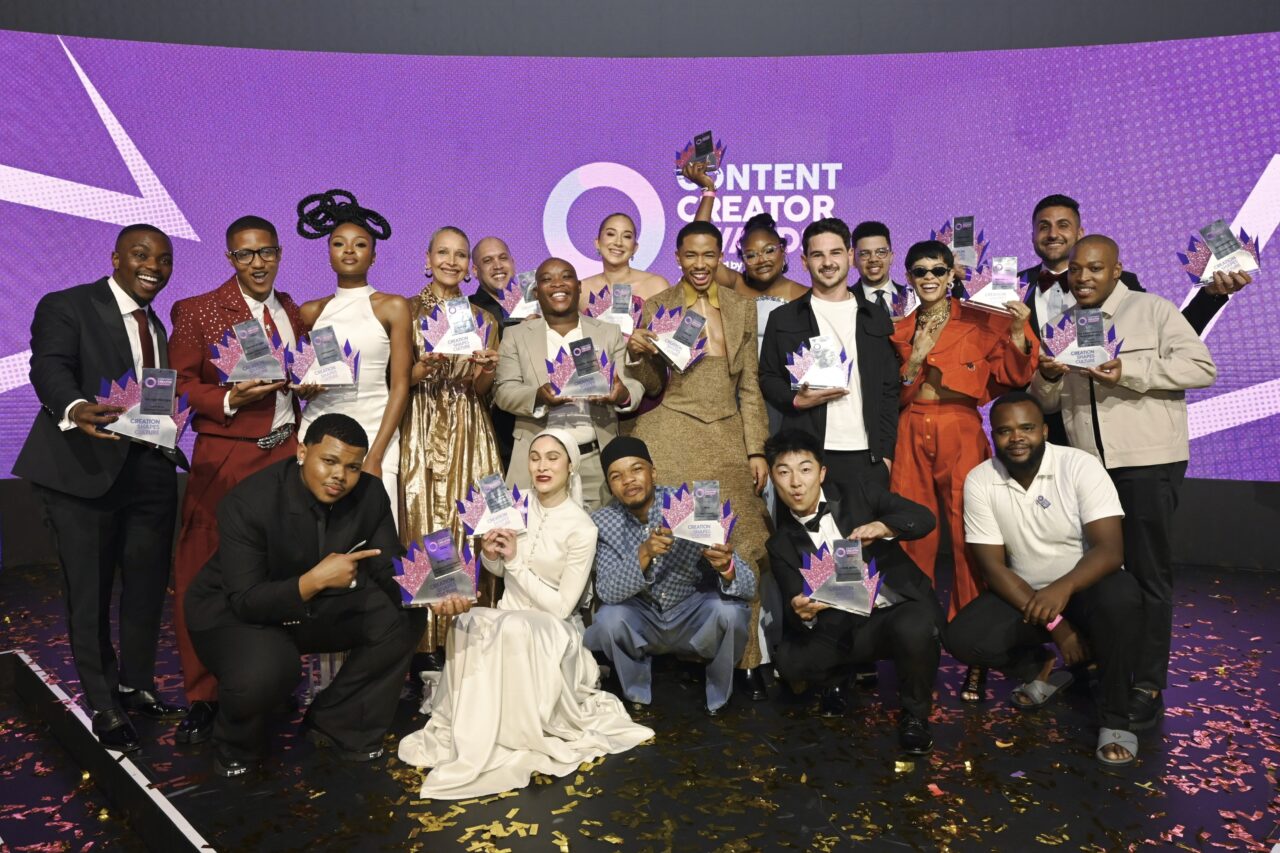
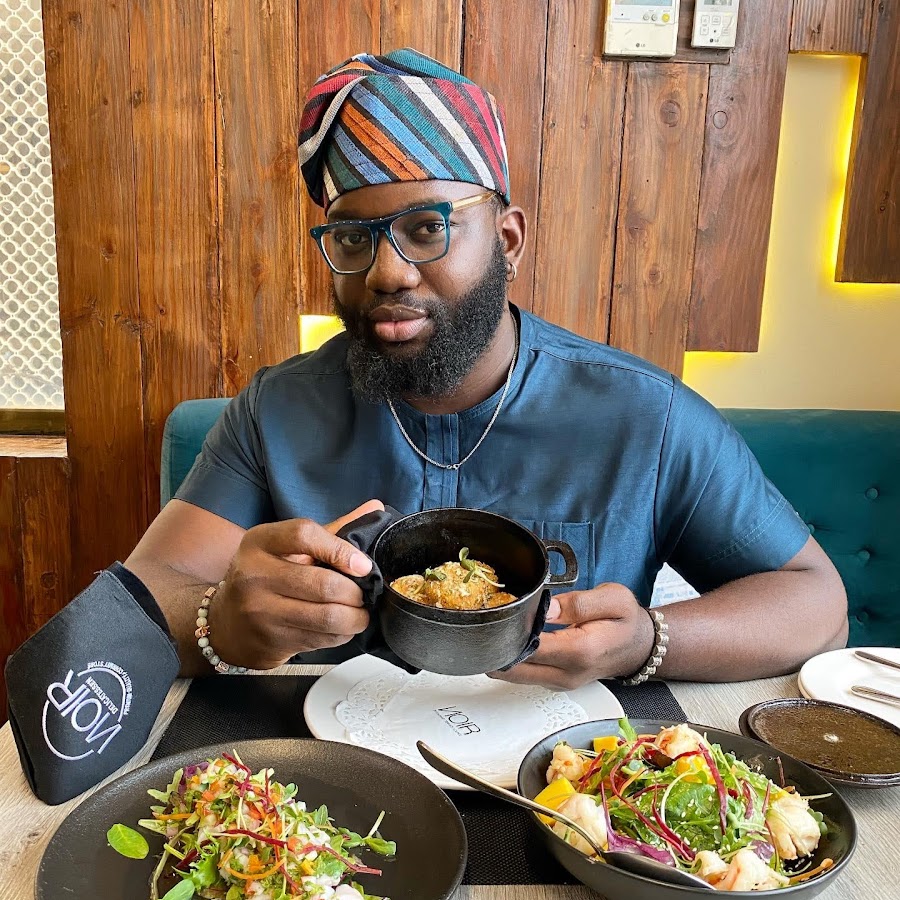
African content creators building businesses are changing what it means to have an online audience. Across the continent, creators now turn attention into production companies, events, paid communities, merchandise brands and technology ventures.
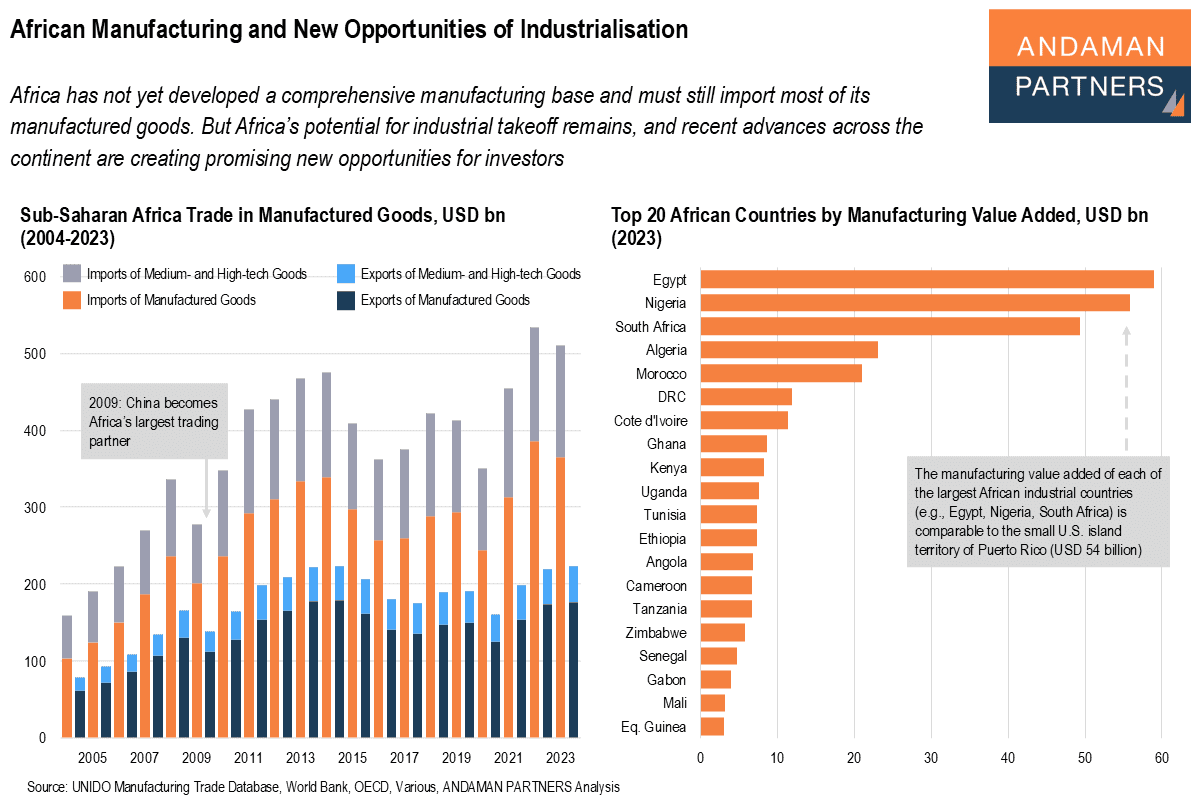
Meanwhile, this shift reflects a wider creator economy. Africa’s creator market stood at an estimated $5.1 billion in 2025 and could reach nearly $29.84 billion by 2032, according to industry reporting.[1] However, the strongest creators are not waiting for platform payouts alone. They are building businesses they can own, manage and grow beyond social media.
For aspiring influencers, the lesson is clear: your audience can open the door, but your business model keeps it open. Explore how Africa’s new media entrepreneurs are building lasting value.
Why African Content Creators Building Businesses Matter
Social platforms help creators reach millions, but they also create risk. Algorithm changes, account limits and shifting ad rules can quickly affect income.
Therefore, many African creators are moving from one income stream to several. They use content to attract attention, then guide audiences toward products, services, events and communities.
In particular, this approach gives creators more control over their work. It also helps them build teams, hire young talent and create new paths into the creative industry.
Video remains a major part of the market. More than 40% of Africa’s creator-economy value came from video in 2025, with YouTube, TikTok and Instagram leading distribution.[9] Yet creators increasingly see social media as a discovery channel, not the final destination.
From followers to customers
First, successful creators study what their audiences need beyond entertainment. A comedy audience may want live shows, branded products or exclusive sketches. A wellness audience may need consultations, courses or trusted health tools.
Next, creators test small offers. They may launch a paid workshop, a ticketed event or a limited merchandise drop. Consequently, audience feedback becomes a guide for the next business decision.
- Reach: Social media helps creators attract new audiences.
- Trust: Consistent content builds a relationship with followers.
- Conversion: Useful products turn attention into revenue.
- Ownership: Direct channels reduce dependence on platforms.
African Content Creators Building Businesses Through Production
One of the clearest paths beyond social media is the production company. Creators who once filmed alone now lead writers, editors, actors, camera teams and brand managers.
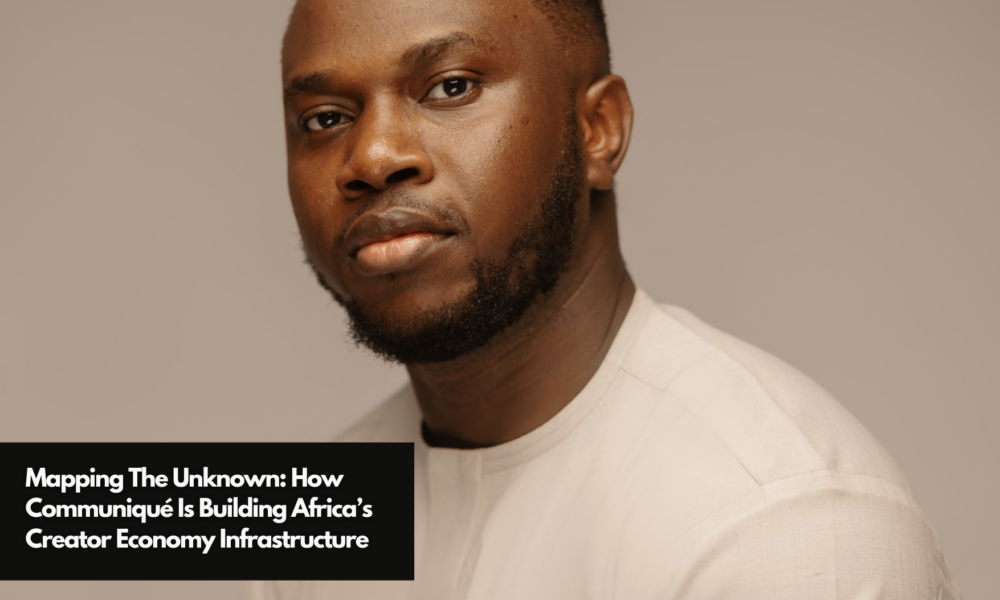
For instance, Kenyan comedian and creator Crazy Kennar built a media brand around his skits. He later expanded into a production company and digital academy, showing how a creator can turn recurring content into a wider learning and entertainment business.[1]
Moreover, production companies allow creators to serve brands without losing their own voice. They can develop adverts, short films, web series and event content for clients.
This model also creates jobs. A creator-led studio may employ graduates in filming, styling, sound, editing, design and social media management.
Why production companies offer long-term value
Unlike a single sponsored post, a production company can manage several projects at once. It can also build intellectual property that earns value over time.
However, growth requires structure. Creators need clear contracts, budgets, publishing calendars and rights agreements. They also need trusted teams that can deliver quality when the creator is not present.
- Define the studio’s main focus, such as comedy, fashion, music or branded video.
- Build a small team with clear roles and fair payment.
- Create repeatable production systems for filming and editing.
- Package services for brands, media houses and event organisers.
- Track profit on each project instead of measuring success by views alone.
Additionally, creators should protect their original ideas. Register brands where possible, document ownership and agree on usage rights before publishing major projects.
Events, Memberships and Direct Audience Revenue
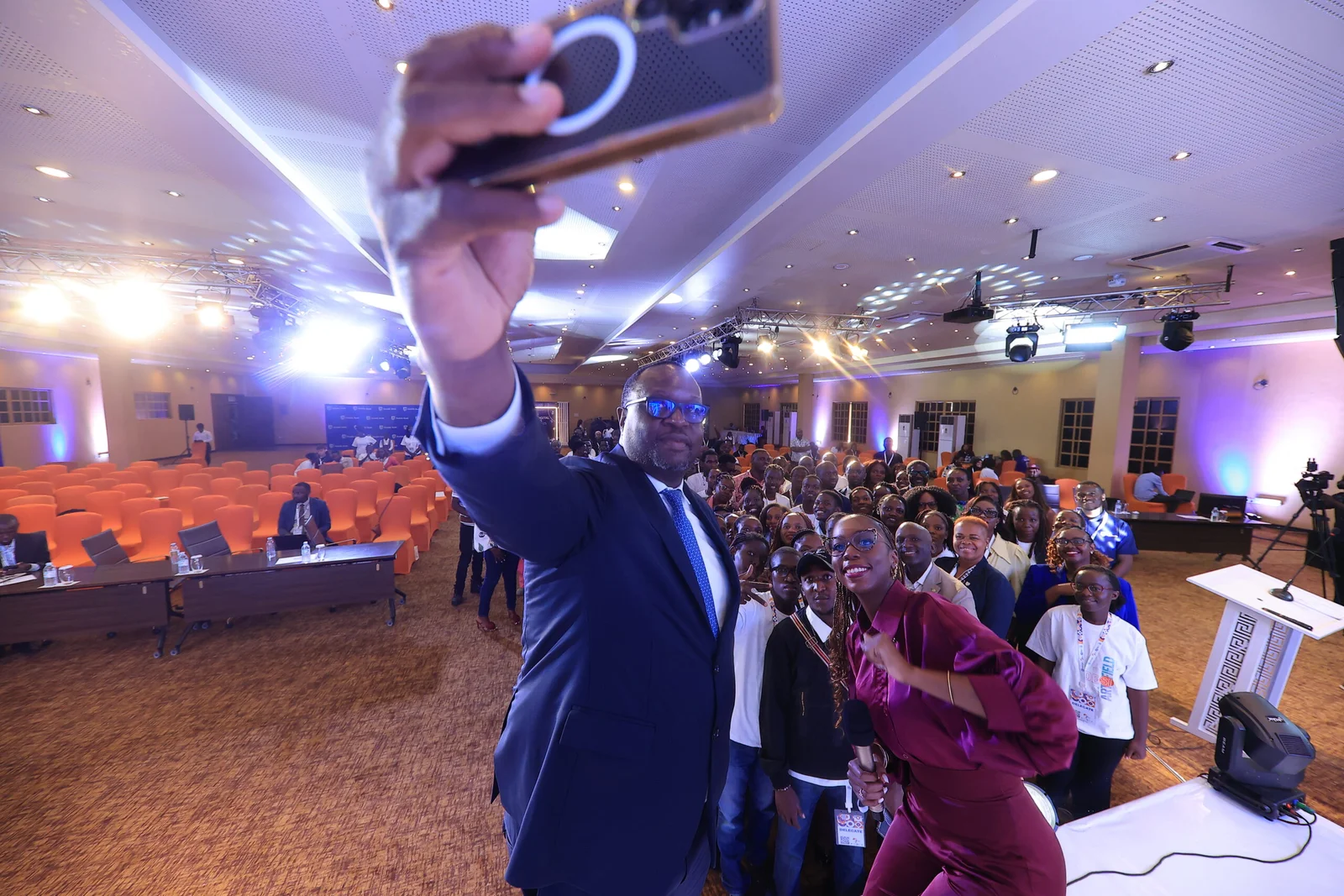
Events offer creators a powerful way to turn digital attention into shared experiences. Comedy shows, listening parties, fashion pop-ups and creator conferences can bring audiences together offline.
Meanwhile, memberships help creators earn from their most loyal fans. Members may receive private livestreams, early access, behind-the-scenes content or group coaching.
These models work because fans do not only buy content. They often buy access, belonging and a closer connection with the creator.
For African audiences, local events can also solve a common challenge: many followers live in the same cities but rarely meet through digital platforms. A well-planned event turns a scattered audience into a real community.
Designing a membership people value
First, choose one clear promise. Members should know exactly what they receive each month.
Next, set a price that matches local buying power. Creators can offer several levels, including a free community, a low-cost membership and a premium plan.
Furthermore, use payment options that work across the target market. Mobile money, bank transfers and local payment platforms can make the buying process easier.
- Offer content that members cannot find elsewhere.
- Set a reliable publishing schedule.
- Give members a way to ask questions and share ideas.
- Reward long-term support with discounts or early access.
- Review cancellations and feedback each month.
Digital product platforms also support this shift. Selar, an African creator platform, reportedly paid creators about 9.8 billion naira in 2024 through products such as courses, memberships and downloadable content.[4]
Explore Entertainment on Topping Africa for more stories on Africa’s changing media and celebrity landscape.
Merchandise Brands That Turn Identity Into Commerce
Fashion and merchandise give creators another route to ownership. A memorable phrase, logo or visual style can become a clothing line, accessory range or lifestyle brand.
However, merchandise succeeds when it reflects a real community. A product should connect to the creator’s story, culture or shared language. It should not feel like a random logo placed on a shirt.
In addition, creators can begin with small product drops. Limited releases reduce waste, test demand and create excitement around each launch.
Creators should also choose suppliers carefully. Quality, delivery times and customer support shape the brand as much as the design does.
How to build a creator merchandise brand
Start with audience research. Ask followers what they would wear, use or gift.
Then, create a small collection with clear pricing. Show the design process through short videos and invite feedback before production.
As a result, the audience feels involved in the launch. That sense of participation can improve trust and encourage repeat purchases.
Practical steps include:
- Choose a memorable brand name and visual identity.
- Test two or three products before expanding.
- Use local manufacturers where quality and cost make sense.
- Publish clear size, delivery and return information.
- Track sales by product, location and customer type.
Moreover, fashion creators can link merchandise to events and collaborations. A collection launched at a live show may create stronger demand than a quiet online release.
Read more about Africa’s fashion and lifestyle scene through Culture & Lifestyle on Topping Africa.
Creators Enter African Technology and Startup Building
Some creators are now building technology ventures around problems they understand personally. Their public work gives them direct insight into audience needs, trust and digital behaviour.
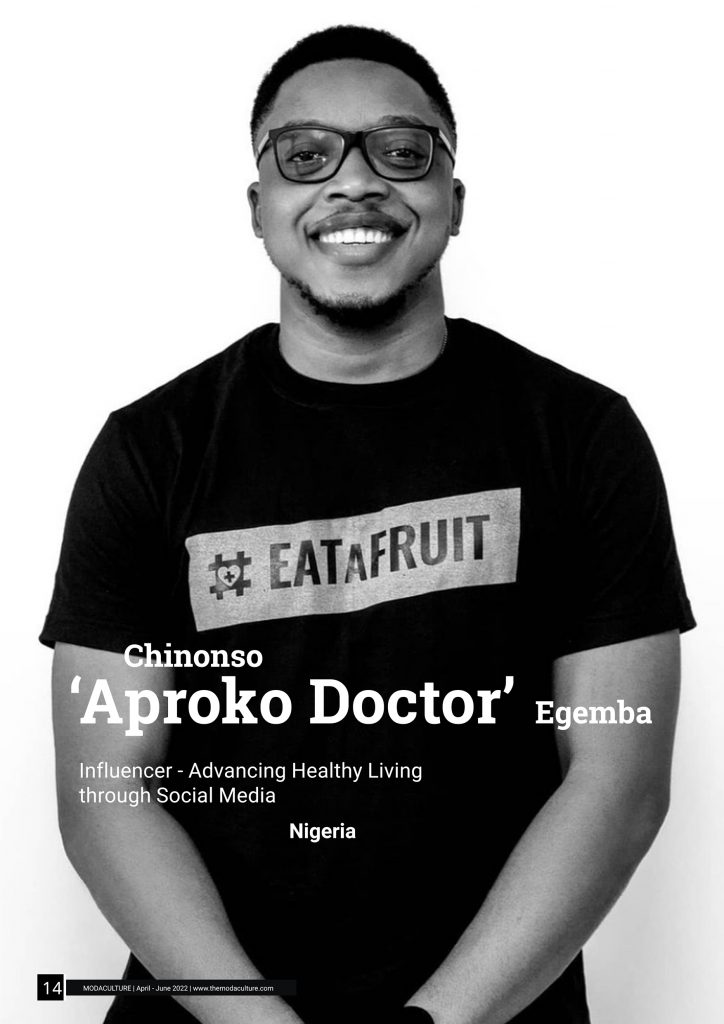
For example, Nigerian health communicator Aproko Doctor moved into health technology with Awadoc, a startup designed to help Africans access health contacts.[1] This creator-to-founder path connects public education with a practical service.
Meanwhile, creator platforms are building tools for campaigns, payments, live content and digital skills. Kenya’s Twiva combines influencer marketing, social commerce, training, financial services and livestreaming.[5]
In Kenya, TrendAI helps brands and small businesses run creator-led campaigns. The company says its platform matches campaigns with creators and supports workflows from briefs to approval and payment.[2]
These ventures show why creators can become strong startup founders. They understand attention, community and communication. Nevertheless, they still need product testing, financial controls and experienced business partners.
The creator advantage in technology
First, creators already have access to early users. They can test a product with an audience that knows their voice.
Second, creators understand local language and culture. That insight can help startups design simpler products for African markets.
Third, creators know how to explain new ideas. Clear storytelling can help a young company attract customers, talent and investors.
On the other hand, popularity cannot replace product quality. A creator may drive downloads, but users will stay only when the service solves a real problem.
For aspiring creator-founders, focus on:
- A clear customer problem.
- Simple onboarding for mobile users.
- Local payment and language needs.
- Reliable customer support.
- Transparent pricing and data use.
Discover more African startup stories in Technology and Business & Economy.
What Brands Should Learn From Africa’s Creator Economy
Brands should stop treating creators as temporary advertising space. The best partnerships build products, communities and stories together.
For instance, a fashion company could work with a creator on a capsule collection. A bank could support a financial education series. A music platform could sponsor live sessions while sharing data and value fairly.
Furthermore, brands should measure more than impressions. Useful measures include sales, sign-ups, event attendance, repeat purchases and audience sentiment.
Creators also need room to remain credible. Audiences quickly notice when a partnership feels forced or unrelated to the creator’s usual work.
A better partnership checklist
- Choose creators whose values match the brand.
- Agree on goals before production begins.
- Give creators space to use their natural voice.
- Set fair fees and clear rights terms.
- Measure business results after the campaign.
- Build long-term partnerships instead of one-off posts.
Consequently, the strongest campaigns can become full media properties. They may grow into series, events, products or new ventures.
How Aspiring African Creators Can Build Beyond Social Media
You do not need millions of followers to begin. You need a clear audience, a useful offer and a system for learning from customers.
First, map your strongest skill. You may be a storyteller, educator, stylist, reviewer, comedian or performer.
Next, identify the problem your audience brings to you repeatedly. That problem can guide your first product or service.
Then, build an owned channel. An email list, website, community group or customer database gives you a direct relationship with your audience.
Additionally, keep your first offer simple. A workshop, ticketed event, digital guide or branded item can reveal what your audience values.
- Publish consistently, but do not chase every trend.
- Save customer emails and purchase data responsibly.
- Separate personal money from business money.
- Write down costs before setting prices.
- Reinvest in equipment, people and customer experience.
- Use contracts for brand deals and collaborations.
Ultimately, the goal is not to leave social media. Social platforms remain useful for discovery and community. The goal is to build enough owned value that one platform cannot decide your future.
Share your thoughts in the comments: which African creator-led business model would you support first?
Explore More on Topping Africa
- Technology — Discover African startups, digital products and creator tools shaping the next economy.
- Business & Economy — Read practical stories on founders, markets, funding and business growth.
- Entertainment — Follow African music, film, influencers and celebrity-led media ventures.
Subscribe for more African innovation and culture stories. Explore the latest features on creators who are turning talent into lasting businesses.
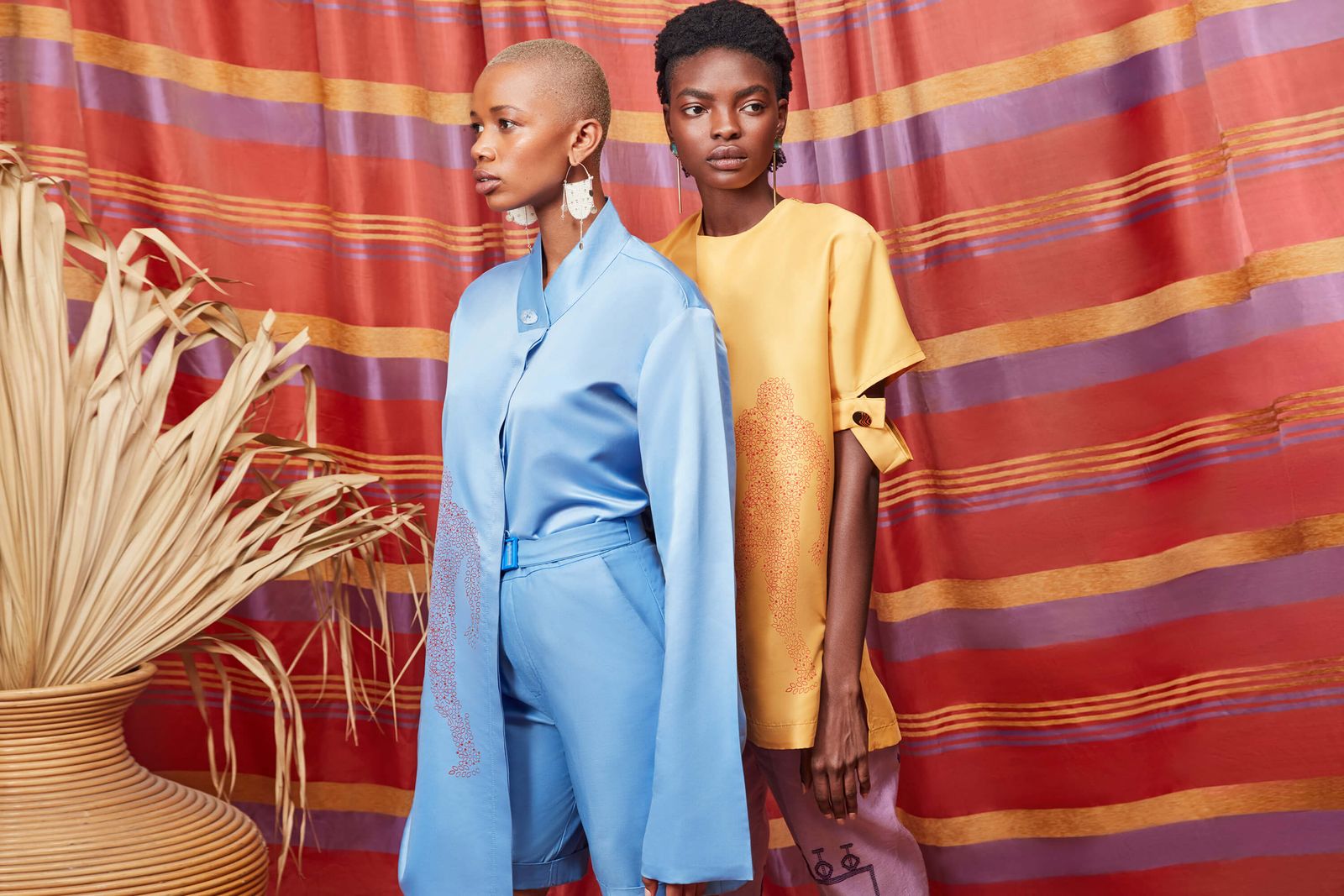
The Bigger Opportunity for African Creators
Africa’s creator economy is moving from visibility to ownership. Production companies, events, memberships, merchandise and technology ventures all offer ways to build stronger income.
However, growth will depend on trust, quality and good business habits. Creators must understand their audiences, protect their work and serve customers beyond the next viral post.
Meanwhile, brands, investors and platforms can help by funding local talent and building better tools for African markets. When creators own more of the value they create, audiences gain better products and communities gain new jobs.
Therefore, the future belongs to creators who think like media owners. The next major African business may begin with a phone, a loyal audience and one useful idea.

Staff
Contributing writer at Topping Africa.
0 Comments
No comments yet. Be the first to share your thoughts!