
African AI Content Creators Are Reinventing Filmmaking
African AI content creators are reshaping filmmaking with script tools, digital characters, voice systems, and multilingual production. Discover how Egypt-founded Popcorn AI Studio and emerging creative teams are making African storytelling faster, more accessible, and globally relevant.
African AI content creators are changing how stories move from a simple idea to a finished screen project. Across the continent and the wider African creative market, filmmakers, digital artists, and startup founders are testing artificial intelligence in scripts, animation, voice work, editing, and visual effects.
Meanwhile, new tools can help creators work faster without removing the human voice behind each story. Egypt-founded Popcorn AI Studio shows how African-led innovation can meet local needs, especially through Arabic lip-sync, regional dialects, digital characters, and one connected production workflow.
For African filmmakers, this shift matters because budgets, equipment, and travel can limit production. AI cannot replace a strong story or a skilled crew. However, it can give more creators a practical way to test ideas, build audiences, and produce content for local and global viewers.
Why African AI Content Creators Matter Now
First, African audiences already consume stories across many formats. They watch short videos on mobile phones, follow creator-led series, stream films, and share music videos through social platforms. Therefore, creators need tools that support fast production while keeping language, culture, and local detail at the centre.
In addition, Africa has a young and highly connected population. Many creators now work with small teams or alone. A filmmaker may write a script, direct a shoot, edit footage, record voiceovers, and manage promotion from the same phone or laptop.
Generative AI can support each stage. It can help shape a first draft, create storyboards, suggest shots, clean audio, translate dialogue, and prepare short clips for social media. The best results still come when creators use AI as a creative partner rather than a replacement for judgment.
Furthermore, African creators bring experiences that large global studios may overlook. Stories about city life, family, fashion, faith, music, work, and youth culture can feel more authentic when local creators lead them.
Explore more reporting on this shift through Topping Africa Technology and the latest Entertainment stories.
Popcorn AI Studio Brings the Film Workflow Together
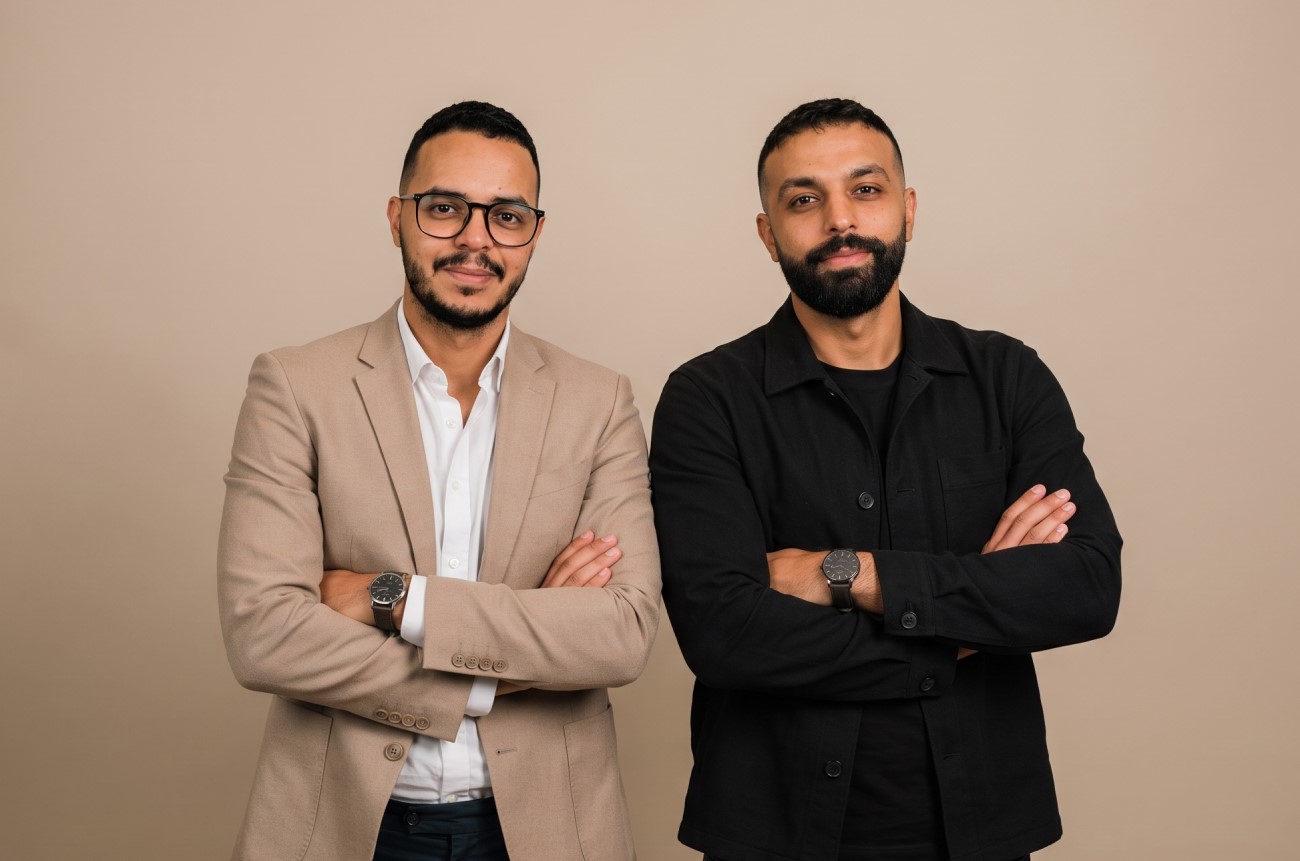
Popcorn AI Studio, founded by Egyptian entrepreneurs Shady Essam and Mohamed Hedar, is building an integrated platform for film and video production. The Dubai-based startup recently announced a $1 million pre-seed funding round led by Emirati investor Mohammed Bin Bouta Alharsoosi.[1][2]
The platform brings several creative tasks into one environment. Users can develop concepts, shape scripts, build characters, generate scenes, create commercial videos, and manage parts of post-production.[1][4]
Consequently, creators may spend less time moving between disconnected tools. They can also test different visual styles before committing to a full shoot. This could prove useful for independent filmmakers, agencies, brands, music artists, and online creators.
Popcorn also highlights Arabic-language production. Its tools support native Arabic lip-sync and regional dialects, including Egyptian, Gulf, Saudi, and Levantine speech.[2][3]
This focus has real value. A character can speak in a familiar voice and language instead of sounding like a translated version of someone else. In turn, creators can produce content that feels more natural to audiences across North Africa and the Middle East.
Moreover, the startup has announced an AI filmmaking competition linked to the El Gouna Film Festival. The reported prize pool stands at $70,000, creating another route for emerging filmmakers to test new ideas.[1][5]
What Popcorn AI Studio Could Mean for African Creators
- Lower entry costs: Small teams can explore concepts without building a full studio pipeline.
- Faster development: Creators can move from a rough idea to a visual pitch more quickly.
- Language support: Arabic lip-sync and dialect tools can strengthen regional storytelling.
- More experimentation: Directors can test characters, settings, and camera styles before production.
- New client services: Agencies and freelancers can offer branded video, animation, and multilingual content.
Nevertheless, the platform does not remove the need for directors, writers, actors, editors, and producers. Instead, it may help those professionals spend more time on creative choices.
How AI Is Changing the Filmmaking Process
1. Script generation and story development
AI writing tools can help creators brainstorm plots, character goals, scene ideas, and dialogue options. For instance, a filmmaker can ask for three versions of a story set in Lagos, Nairobi, Cairo, Accra, or Johannesburg.
However, the first draft should never become the final script without human review. AI may miss local slang, social meaning, humour, or the emotional weight of a family tradition. Therefore, creators must rewrite every output to protect the story’s voice and accuracy.
2. Digital characters and visual planning
Digital characters can help filmmakers create pitch materials, animated shorts, and early visual tests. A creator can explore costume, age, movement, lighting, and location before a full production begins.
Additionally, storyboarding tools can turn written scenes into rough visual sequences. This makes it easier to explain an idea to a producer, investor, actor, or brand partner. It can also help teams find weak scenes before spending money on filming.
3. Voice tools and multilingual production
Voice technology can support dubbing, narration, accessibility, and language versions. African creators may use it to prepare content in English, French, Arabic, Swahili, Hausa, Yoruba, Amharic, or other languages, depending on the tool and review process.
Still, voice tools need careful control. Creators should obtain permission before cloning a real person’s voice. They should also label synthetic audio where viewers could mistake it for an authentic performance.
4. Lip-sync and regional expression
Arabic lip-sync is one of Popcorn’s most notable features. It aims to match spoken Arabic with a character’s mouth movement while supporting regional dialects.[2][3]
Similarly, future tools may improve support for more African languages and accents. That progress could help creators reach wider audiences without losing the sound of home.
5. Editing, subtitles, and post-production
AI-assisted editing can help sort footage, remove background noise, create captions, and identify strong moments for short clips. These features matter because creators now publish across films, television, YouTube, TikTok, Instagram, and streaming platforms.
As a result, one production can produce a trailer, behind-the-scenes clip, interview, vertical video, and translated version. This gives small teams more ways to earn from one creative project.
African AI Content Creators Need More Than New Tools
Technology alone will not build a strong African film industry. Creators also need training, fair contracts, reliable internet, affordable hardware, funding, and access to festivals and distributors.
Furthermore, local teams need clear rules for copyright and consent. AI systems can produce images that resemble existing people, brands, or creative works. A responsible creator checks ownership before publishing or selling the result.
Data quality also matters. If a tool learns from limited regional examples, it may produce characters with the wrong skin tones, clothing, accents, or settings. Therefore, African developers and creators should push for better local datasets and stronger cultural input.
According to coverage of African filmmaking trends, creators are testing AI in editing, subtitles, dubbing, sound work, storyboarding, animation, and visual effects.[8] These uses show a practical path forward. Many teams are not trying to create an entire film with one prompt. They are using AI to solve specific production challenges.
Four principles for responsible AI storytelling
- Keep human leadership: Let writers, directors, and artists guide the story and make final choices.
- Respect consent: Secure permission before using a person’s face, voice, likeness, or personal story.
- Check cultural detail: Review language, clothing, history, humour, and setting with local experts.
- Explain the process: Tell audiences when synthetic characters, voices, or major AI-generated scenes shape the work.
Importantly, transparency can strengthen trust. Audiences may accept new methods when creators explain how they used them and why they chose them.

From Social Creators to Film Entrepreneurs
AI filmmaking could expand the business options available to African content creators. A creator may begin with social videos, then develop branded stories, music visuals, animated series, short films, or educational content.
Meanwhile, African startups can build tools for local production needs. Instead of copying platforms made for other markets, founders can focus on language, mobile access, cultural detail, and regional payment systems.
That approach may attract clients beyond film. Fashion labels can create virtual campaigns. Musicians can develop visual worlds for new releases. Tourism companies can show destinations through interactive stories. Schools and health groups can use animated explainers in local languages.
For creators, the business lesson is clear: learn the tool, but sell the outcome. Clients want stronger campaigns, clearer stories, faster delivery, and better audience reach. They do not simply want an AI-generated clip.
Additionally, creators should build a portfolio that shows process. Share the brief, concept, storyboard, final video, and audience result. This helps potential clients understand the value behind the work.
Discover more positive African innovation in Business & Economy and explore rising digital work in Culture & Lifestyle.
What African Filmmakers Should Do Next
If you want to use AI in your own creative work, start with a small project. A two-minute short film or branded scene can teach you more than a large plan that never reaches production.
- Choose one clear story and define its audience.
- Write your own creative brief before opening an AI tool.
- Use AI for research, structure, visuals, or editing support.
- Review every image, voice, and line of dialogue.
- Ask local viewers to test cultural accuracy.
- Keep records of prompts, source files, permissions, and edits.
- Publish a short version first, then study audience feedback.
Next, build a small creative team. Pair a writer with a visual artist, editor, sound designer, or cultural adviser. This mix can produce better work than relying on one tool or one person.
Also, watch training and funding opportunities. Google and Idris Elba’s The Akuna Group announced a programme called “From Script to Screen with AI” to train, mentor, and fund African filmmakers using generative AI.[9]
Such programmes can help creators develop skills while meeting partners who understand the region. Use every opportunity to learn, show your work, and build relationships.
Explore More on Topping Africa
- Technology — Discover African startups, digital tools, and product trends shaping the future.
- Entertainment — Follow African film, music, celebrity, and creator stories.
- Business & Economy — Read about founders, funding, brands, and new creative businesses.
Explore more Topping Africa features for practical ideas on Africa’s fast-growing creative economy. Share your thoughts in the comments and tell us which African creator or startup deserves the spotlight next.
The Future Belongs to Local Stories With Global Reach
African AI content creators are not waiting for permission to shape the next era of storytelling. They are combining local knowledge with new production tools, from script support and digital characters to voice systems and multilingual video.
Popcorn AI Studio offers one example of this direction. Its Arabic-first approach shows why regional language and cultural detail should guide product design.[1][2]
Ultimately, the strongest African AI films will not succeed because they use the most advanced tool. They will succeed because they offer memorable characters, honest emotion, fresh images, and stories that audiences want to share.
Therefore, the opportunity is open to filmmakers, influencers, musicians, animators, agencies, and young founders. Start small, protect your creative voice, and use technology to make more African stories visible.

Staff
Contributing writer at Topping Africa.
0 Comments
No comments yet. Be the first to share your thoughts!