

Inside Nclude’s $112 Million Bet on Africa’s Next Fintech and AI Startups
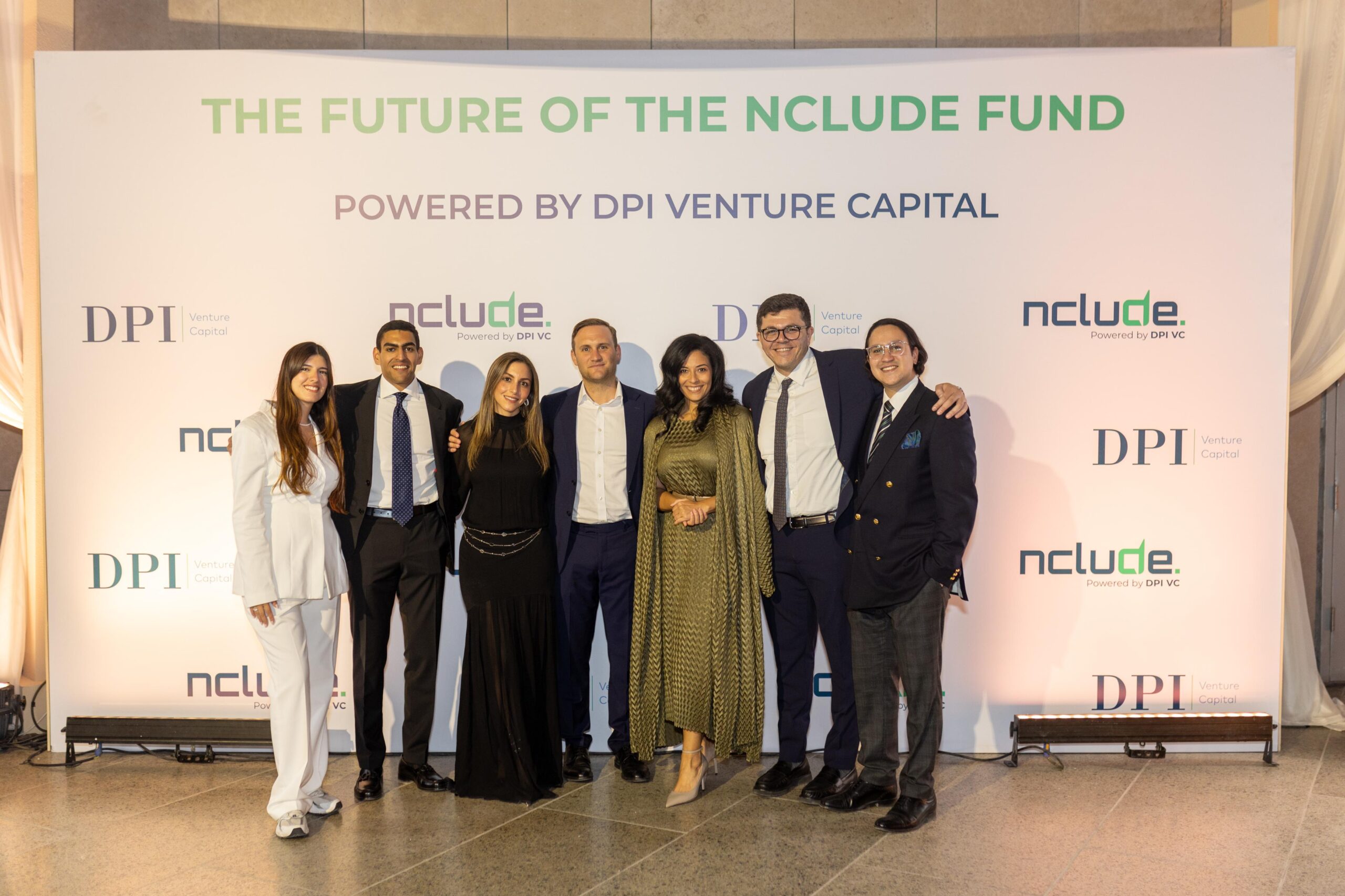
Nclude has closed more than $112 million to back fintech, financial inclusion, AI, and technology-enabled businesses across Africa and the Middle East. Discover what its seed-to-Series C strategy means for African founders, investors, and the next wave of digital innovation.
African fintech startups funding is entering a new phase as institutional investors back companies beyond basic payments. Egypt-based Nclude has closed more than $112 million to support fintech, financial inclusion, artificial intelligence, and technology-enabled businesses across Africa and the Middle East.
However, this is more than a large funding announcement. The fund offers founders a clear signal about where professional capital is moving, from digital payments and SME finance to AI-powered health access and business software.
For entrepreneurs, investors, and business leaders, Nclude’s strategy shows how African startups can build for scale. The next winners may not only create new apps; they may rebuild how people access finance, insurance, healthcare, and business tools.
Why African fintech startups funding matters now
Africa remains one of the world’s most active markets for digital finance. Millions of consumers and small businesses still need easier access to payments, credit, savings, insurance, and investment products.

Meanwhile, smartphone use and mobile connectivity continue to expand the market for digital services. This gives founders a strong base for products that solve daily problems in practical and affordable ways.
Furthermore, fintech now reaches far beyond mobile wallets. Startups are embedding finance into property, healthcare, commerce, accounting, and supply-chain platforms. As a result, investors increasingly view fintech as infrastructure for the wider digital economy.
Explore more reporting on African innovation through Technology and Business & Economy on Topping Africa.
Inside Nclude’s $112 million investment plan
DPI Venture Capital, the venture capital arm of Development Partners International, manages Nclude. The fund reached a final close above $112 million and has a mandate covering Africa and the Middle East.
Egypt remains the fund’s core market. However, up to 30% of its investment mandate can support companies outside Egypt, creating room for wider regional bets.
Nclude invests from seed stage through Series C. Its typical investment ranges from $500,000 to $10 million per company, allowing the fund to support both young startups and businesses preparing for larger growth rounds.
According to reporting from Wamda, the fund focuses on fintech, financial inclusion, fintech-enabled businesses, and companies working at the intersection of fintech and AI.
What the funding stages mean for founders
At the seed stage, Nclude can help founders test a product, reach early customers, and prove demand. Therefore, companies should show a clear problem, a focused solution, and early signs of user trust.
At later stages, the funding need changes. Series A and Series B companies must show repeatable sales, strong retention, sound unit economics, and a path into new markets.
Moreover, Series C companies often need capital for regional expansion, stronger teams, compliance, infrastructure, and strategic acquisitions. Nclude’s broad stage range gives it room to support a company as it grows.
- Seed: Build the first product, test demand, and win early users.
- Series A: Prove repeatable growth and improve the business model.
- Series B: Expand into new cities, countries, or customer groups.
- Series C: Scale operations, deepen market leadership, and prepare for major expansion.
Which sectors could attract Nclude’s capital?
Nclude’s mandate points to several sectors that could produce Africa’s next wave of high-growth startups. These areas combine large unmet needs with strong demand for digital tools.
Digital payments and financial infrastructure
Payments remain a major opportunity across African markets. Merchants need cheaper acceptance tools, faster settlement, better fraud controls, and simple ways to manage cross-border transactions.
Additionally, businesses need reliable financial infrastructure behind the customer experience. This includes identity checks, compliance tools, payment gateways, lending data, and platforms that connect banks with digital services.
Founders who build this infrastructure can serve many industries at once. That wider market may help them grow beyond a single consumer app.
SME credit and embedded finance
Small and medium-sized businesses create jobs across Africa, yet many still struggle to access working capital. Traditional lenders often lack enough data to assess informal or fast-growing businesses.
Consequently, startups are using sales records, payment activity, invoices, and other signals to create new credit models. Embedded finance can also place loans, insurance, or payment services inside platforms that business owners already use.
For instance, Nclude’s portfolio includes FlapKap, a revenue-based financing platform that supports small and medium-sized businesses. This model links repayment to business revenue, which may offer more flexibility than fixed loan payments.
Artificial intelligence for business and healthcare
AI is becoming a wider part of Africa’s startup economy. However, successful companies must solve local problems rather than copy global products without adaptation.
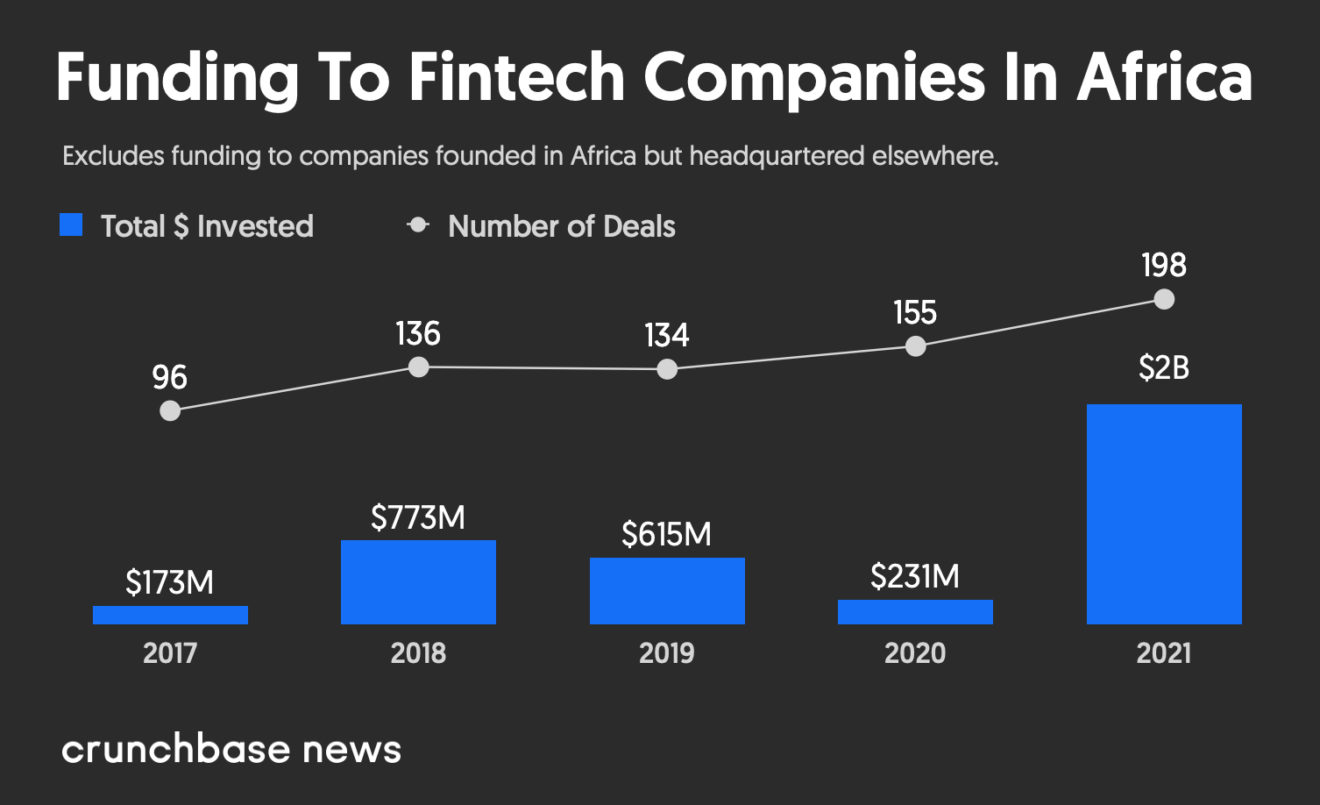
Nclude’s strategy includes businesses at the intersection of financial technology, AI, and emerging technology. Its portfolio includes Kera, a healthcare technology company operating in Senegal and Côte d’Ivoire, and Accord Partners, an AI-focused accounting and audit platform serving Saudi Arabia and the wider region.
These examples show how AI can support access and productivity. It can help teams process records, identify patterns, improve service delivery, and reduce the cost of complex work.
Nevertheless, founders must treat data quality, privacy, language support, and human oversight as core product issues. African markets have varied rules, languages, income levels, and customer habits.
Property, savings, and financial access
Nclude’s portfolio also shows that fintech can sit inside sectors that do not look like traditional banking. Egyptian proptech platform Nawy reportedly raised a $52 million Series A, while payments company Paymob secured $35 million in pre-Series C financing.
Money Fellows, a digital platform for money circles, reflects another important market need. Savings groups have long supported households and communities across Africa. Digital platforms can make these systems easier to organise, track, and access.
Therefore, founders should look for trusted offline habits that technology can improve. The strongest products may combine familiar community behaviour with safer and simpler digital tools.
What Nclude’s portfolio tells African founders
Nclude has invested in 15 companies, with portfolio examples spanning payments, property, savings, SME finance, healthcare access, and AI-enabled business services.
First, the portfolio suggests that investors want more than user growth. They also want businesses that solve essential problems and can create durable revenue.
Second, the portfolio points to the value of regional relevance. A company may begin in Egypt, Senegal, Côte d’Ivoire, Nigeria, Kenya, or another market, then expand through partnerships and shared infrastructure.
Third, the portfolio highlights the value of fintech-enabled models. A startup does not need to be a bank or payment company to benefit from financial technology.
- Start with a clear customer problem and define the cost of leaving it unsolved.
- Build trust through transparent pricing, strong support, and reliable service.
- Track retention, revenue, repayment, transaction value, and customer acquisition costs.
- Design for local rules, languages, payment habits, and income levels.
- Show how the product can expand without creating heavy operational costs.
How founders can prepare for institutional capital
Institutional investors assess a startup differently from early angel backers. They look for market size, governance, risk controls, financial reporting, and a credible plan for follow-on growth.
Therefore, founders should prepare before opening a funding round. A strong pitch deck matters, but the underlying business records matter even more.
Build a funding-ready data room
Your data room should include financial statements, ownership details, customer metrics, key contracts, regulatory information, and product data. Additionally, keep all records current and easy to verify.
Investors will ask how you make money, how much it costs to serve each customer, and how long customers stay. They will also examine cash use, hiring plans, and major business risks.
Make regulation part of the product
Financial startups face rules around licensing, consumer protection, data, lending, payments, and anti-money laundering controls. Consequently, compliance cannot remain a late-stage task.
Founders should seek local legal advice and understand the rules in every market they plan to enter. Strong compliance can become a competitive advantage because customers and partners value trust.
Prove local value before regional expansion
Regional ambition attracts attention, but investors still need evidence from the home market. Show that customers use the product, return to it, and recommend it.
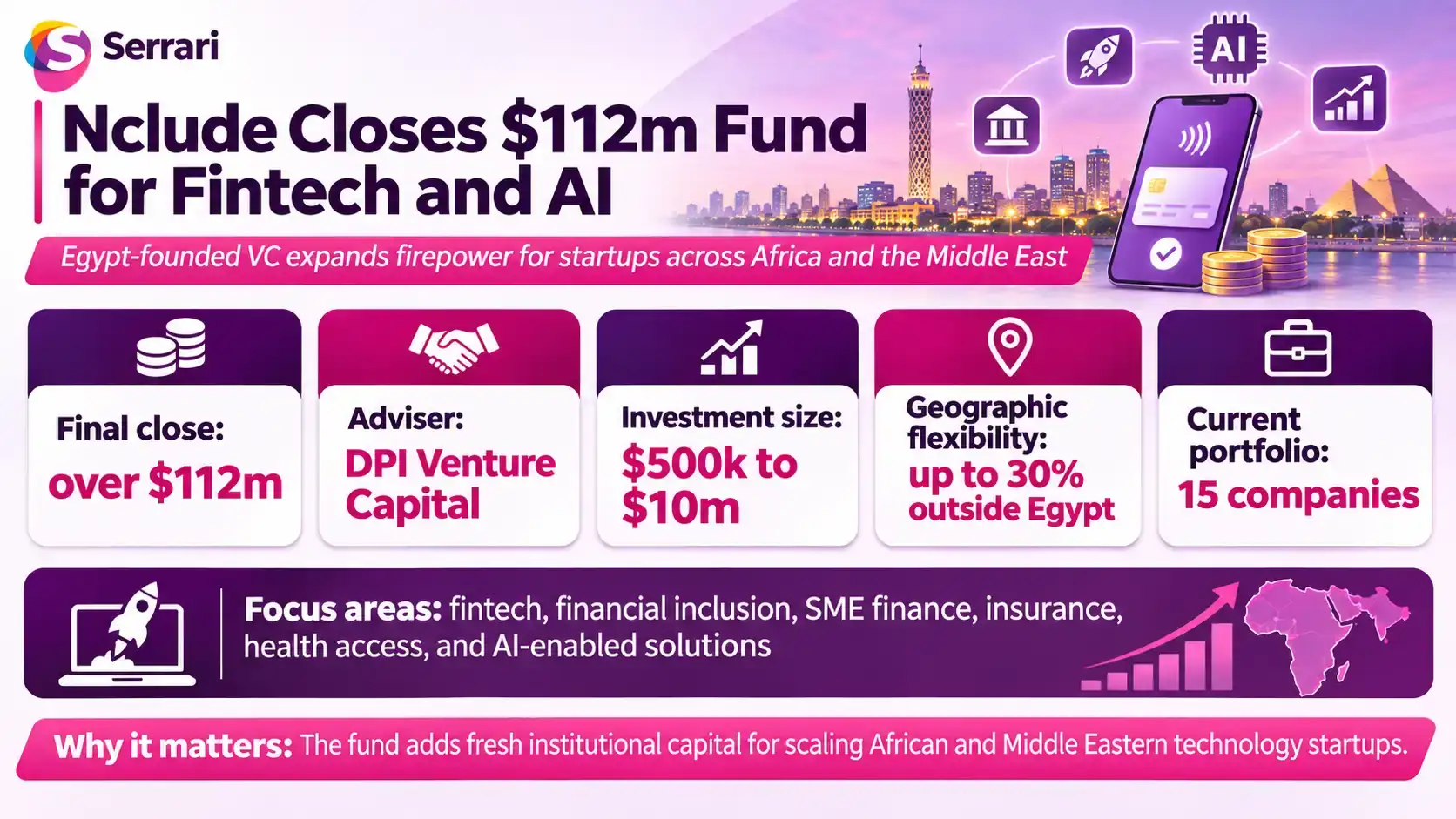
Meanwhile, map the similarities and differences between target markets. A payment product may need new partners, licenses, languages, pricing, or risk models in each country.
Why African capital is becoming more important
Reports on Nclude indicate that most of its capital came from African investors. This matters because local institutions can bring market insight, networks, and patience to the startup ecosystem.
Furthermore, African investors may better understand the region’s currency risks, customer behaviour, infrastructure gaps, and policy needs. Their participation can help startups build for local realities instead of chasing models designed elsewhere.
However, international capital still plays a useful role. Global investors can provide larger follow-on rounds, technical support, and links to new markets.
The strongest ecosystem will likely combine both sources. Local capital can support early understanding, while global partners can help promising companies scale.
Risks behind the African fintech startups funding boom
Large funds create opportunity, but they do not remove business risk. Fintech startups still face pressure from changing regulations, currency swings, fraud, expensive customer acquisition, and uneven digital access.
Additionally, AI businesses face questions about data ownership, accuracy, bias, and customer consent. Startups must show that their systems work well and that people can challenge important decisions.
Investors also need to avoid measuring success only by funding size. A healthy market rewards strong products, sound governance, responsible lending, and useful outcomes for customers.
For readers tracking African markets, the key question is simple: does the startup create lasting value? If the answer is yes, funding can accelerate growth. If not, a large cheque only delays the problem.
What to watch next across Africa
Nclude’s approach may encourage more institutional funds to back startups from seed through growth stages. That could reduce the gap between early funding and larger expansion rounds.
Moreover, watch for companies that connect finance with commerce, health, property, agriculture, and business software. These models can reach customers through existing platforms and solve several needs at once.
AI will also remain a major theme. Yet the strongest opportunities may come from focused tools for African businesses, such as credit assessment, bookkeeping, customer support, fraud detection, medical access, and supply-chain planning.
Explore more positive innovation through Topping Africa’s Technology, Business & Economy, and Africa News sections.
Explore More on Topping Africa
- Technology: Discover African startups, digital tools, and emerging technology shaping the continent.
- Business & Economy: Read more about investment, entrepreneurship, markets, and enterprise growth.
- Africa News: Follow major developments across African industries and communities.
Share your thoughts: Which African fintech sector deserves more investment—payments, SME credit, AI, health access, or embedded finance? Leave a comment below and subscribe for more stories on African innovation.
Conclusion: A bigger vote of confidence in African innovation
Nclude’s $112 million fund offers a strong vote of confidence in African fintech startups and technology-led businesses. Its investment range, from $500,000 to $10 million, gives founders access to capital at several stages of growth.
Ultimately, the fund’s biggest message is strategic. Africa’s next major technology companies may emerge where finance meets everyday services, local knowledge, and practical AI.
For founders, the opportunity is clear: solve real problems, build trust, measure progress, and design for regional growth. For investors, Nclude shows why patient institutional capital could help turn Africa’s most useful digital ideas into lasting companies.

Staff
Contributing writer at Topping Africa.
0 Comments
No comments yet. Be the first to share your thoughts!