
Helium Health AI Maternal Healthcare: What Nigeria’s New Health-Tech Push Means for Women

Helium Health’s $2.5 million Google.org-backed initiative will deploy clinical AI for maternal healthcare across Lagos, Delta, Kano and Oyo. Here is what the Helium Health AI maternal healthcare push could mean for women, clinics and Nigeria’s growing health-tech sector.
Nigeria’s health-tech scene has a major new test: can Helium Health AI maternal healthcare tools help more women spot pregnancy risks early and reach the right care? With a $2.5 million Google.org grant, the Nigerian startup plans to deploy clinical AI across Lagos, Delta, Kano and Oyo.
Moreover, the project places women’s health at the centre of Africa’s growing technology story. It also links startup funding, public-sector innovation and frontline care. For families, the real value will not come from the word “AI,” but from faster action when a pregnancy shows warning signs.
What the Helium Health AI maternal healthcare project will do
Google.org awarded Helium Health a $2.5 million grant, reported at about ₦3.4 billion, to support clinical AI in primary maternal healthcare. The project will run through HeliumMum, the company’s maternal health initiative.[1][3]

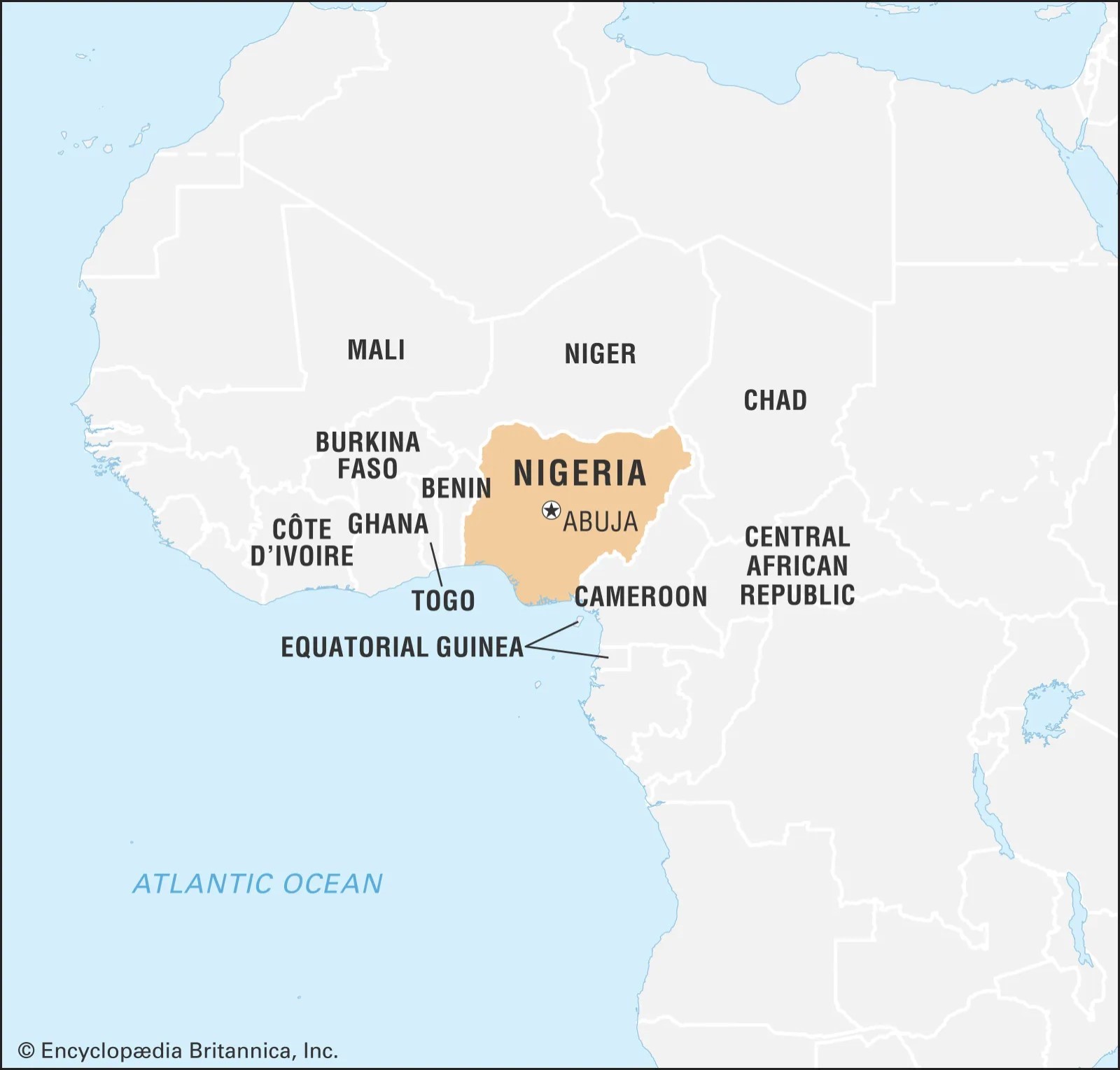
Initially, Lagos will serve as the main launch site. Subsequently, the rollout will expand to Delta, Kano and Oyo states. Reports say the programme aims to reach up to 1.9 million pregnant women over three years.[1][8]
Rather than replace doctors, the system should support health workers with earlier risk detection and better care pathways. For instance, digital tools can help flag signs that require closer monitoring or referral.
Furthermore, the project can help connect women to facilities that hold electronic records and clinical decision-support tools. That link matters because a warning only helps when a patient can receive timely care.
Why Lagos, Delta, Kano and Oyo matter
The four states offer different health needs, population patterns and care settings. Therefore, the rollout can test whether one digital model works across urban, rural and regional health systems.
Lagos brings a strong base for technology and health innovation. Meanwhile, Delta, Kano and Oyo can show how the system performs beyond Nigeria’s largest commercial city.
Importantly, this approach may create lessons for other African countries. Health ministries and startup teams can study what works before adapting similar tools to local clinics.
Why maternal healthcare needs a stronger digital push
Pregnancy care often depends on early checks, clear records and quick referral. However, women may still face delays when warning signs go unnoticed, records remain scattered or facilities lack enough specialist support.
Clinical AI cannot solve every gap. Nevertheless, it can help frontline workers organise information, identify risk patterns and focus attention where it may matter most.
For women, the promise is practical. A digital service could support earlier outreach, clearer follow-up and more informed conversations with health workers.
Additionally, better data can help governments see where clinics lack staff, equipment or referral capacity. As a result, public health leaders can make decisions with stronger local evidence.
Explore more reporting on health systems and women’s wellbeing through Health & Wellness on Topping Africa.
From early warning to timely care
The central idea is simple: detect possible risks earlier, then guide women toward suitable care. That process may include digital screening, follow-up messages, facility referrals and electronic clinical records.
For instance, a health worker could use a decision-support tool during a routine visit. The tool may help highlight a need for closer observation, while the health worker remains responsible for clinical judgment.
Similarly, a woman who reports a concern could receive guidance on when to seek care. Yet the system must use plain language and work across different levels of digital access.
- Risk detection: Identify signs that need further review.
- Referral support: Connect women with suitable facilities and health workers.
- Digital records: Keep key information available across care visits.
- Public planning: Show where services need more support.
What the funding means for African health-tech startups
The grant signals growing interest in African startups that solve public problems at scale. Instead of focusing only on consumer apps, investors and foundations are backing tools for clinics, health workers and government systems.
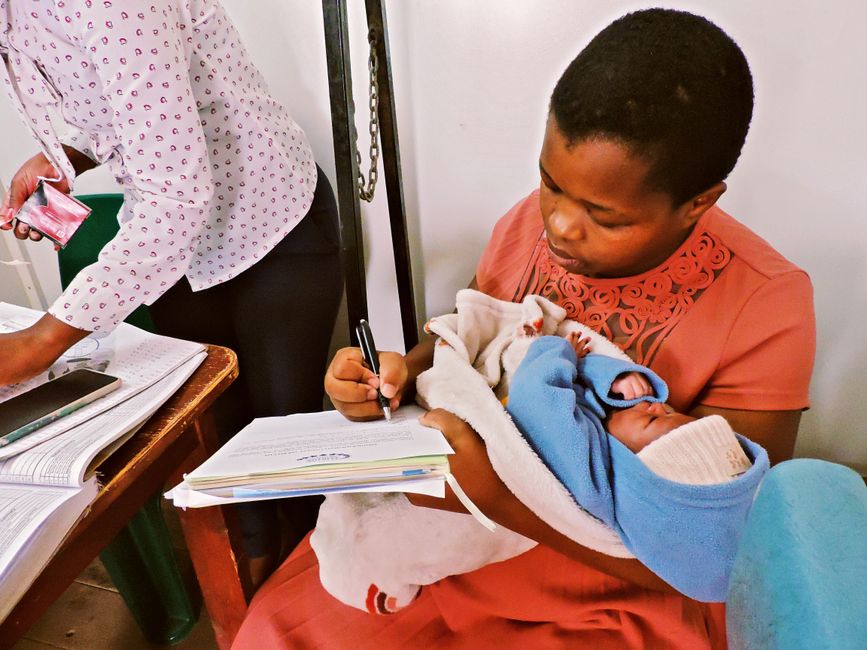
Moreover, Helium Health’s project shows why local knowledge matters. A Nigerian company can build around the country’s care pathways, language needs and facility realities.
The funding also includes access to a Google.org Accelerator, where Google engineers and AI product experts can support the programme.[4] Consequently, Helium Health receives more than capital; it gains technical support for a complex public-interest rollout.
That support may help the team improve product safety, data systems and user experience. It could also help the company measure results in a way that health ministries can trust.
Read more about African startup growth and digital business through Business & Economy.
Why public-sector partnership matters
Government cooperation will shape the project’s success. Clinics need staff training, clear operating rules and reliable links between community care and referral hospitals.
Furthermore, public agencies can help the system fit existing maternal health plans. They can also guide the rollout toward areas where women face the greatest service gaps.
For startup founders, the lesson is clear: health technology needs strong public partnerships. A product may work in a pilot, but scale requires trust, funding and shared accountability.
- Start with a defined health problem.
- Test the tool with frontline health workers.
- Measure patient outcomes, not only app usage.
- Build clear referral and escalation paths.
- Improve the system through local feedback.
What women and families should expect
Women should see AI as a support tool, not a replacement for a trained health worker. A digital result should lead to a useful conversation, further checks or timely referral.
In addition, patients deserve clear information about how their data supports care. They should know what information the system collects, who can access it and how long it remains stored.
Language and access will also matter. A service designed only for smartphone users may leave out women who rely on basic phones, community workers or in-person visits.
Therefore, the strongest rollout will combine technology with trusted human support. Clinics, midwives, community health workers and families must all understand how the service works.
Four tests that will define success
Funding alone will not prove that clinical AI improves maternal care. The programme should publish clear results and explain what changed for women in each state.
- Reach: How many women use or benefit from the service?
- Speed: Do women reach appropriate care sooner?
- Safety: Does the system reduce missed risks and harmful errors?
- Equity: Does it serve rural, low-income and digitally excluded women?
- Trust: Do patients and health workers understand and accept the tool?
Notably, the project should track outcomes across age groups, locations and income levels. Otherwise, strong national numbers could hide weak results for the women who need support most.
Explore Nigeria’s wider innovation story through Technology and Africa News.
Risks that Helium Health must manage
AI can offer useful support, but it can also create new risks. Poor data, limited training or unclear recommendations could confuse health workers and patients.
Moreover, a model trained on incomplete information may perform differently across regions. Developers must test results across languages, communities, facility types and pregnancy conditions.
Privacy needs equal attention. Maternal records contain sensitive health details, so the programme should apply strong security and clear consent practices.
Importantly, the tool must not encourage staff to follow a digital suggestion without clinical review. Human oversight should remain central, especially when symptoms change quickly.
The World Health Organization’s maternal health guidance provides a useful reference for keeping the focus on quality care, skilled support and timely intervention.
How the project can build trust
Trust grows when people understand both the benefits and limits of a new service. Helium Health and its partners should explain the tool in simple, local language.
Furthermore, clinics can invite feedback from women, families and health workers. That feedback can reveal barriers that technical teams may miss.
Public reporting will also help. Regular updates on reach, safety, referrals and outcomes can show whether the project delivers real value.
As a result, success will depend on openness as much as innovation. Women should feel supported, respected and heard throughout the care journey.
What this means for Nigeria’s health-tech future
Helium Health’s grant reflects a wider shift in African technology. Startups are moving beyond convenience products and tackling major needs in health, education, finance and public services.
In particular, maternal care offers a strong test of responsible innovation. The work affects real families, so teams must balance speed with safety and scale with local fit.
For investors, the project highlights the value of patient capital. Public-interest technology may require longer testing, deeper partnerships and stronger safeguards than a typical consumer app.
For governments, it shows how startups can strengthen public systems when leaders set clear goals. For women, it offers the possibility of earlier support when every hour can matter.
Discover more positive African innovation in Technology & Innovation and share your thoughts in the comments.
Explore More on Topping Africa
- Health & Wellness — Follow practical stories about care, prevention and better health systems.
- Technology — Discover African startups building useful tools for everyday challenges.
- Business & Economy — Read more about funding, founders and Africa’s fast-changing markets.
Subscribe to Topping Africa for more stories on African startups, positive innovation and women shaping the future.
Conclusion
The Helium Health AI maternal healthcare initiative gives Nigeria a chance to connect startup energy with public health needs. Its $2.5 million Google.org backing can support a major rollout across Lagos, Delta, Kano and Oyo.[1][2]
Ultimately, the project will be judged by outcomes, not headlines. If it helps women identify risks earlier, reach care faster and receive safer support, it could become a strong model for health innovation across Africa.
However, technology must serve people first. With careful testing, local partnerships and transparent results, HeliumMum can help show what responsible clinical AI looks like in Nigeria.

Staff
Contributing writer at Topping Africa.
0 Comments
No comments yet. Be the first to share your thoughts!