
Inside Charity Adu-Gyan’s Rise as a Ghana Health Influencer
Charity Adu-Gyan represents a new generation of Ghanaian health educators using digital content to make wellness information clearer and more relatable. Discover why responsible creators matter in Ghana’s changing health conversation.
Health advice now travels quickly across Ghana, especially through social media. In that fast-moving space, Charity Adu-Gyan is gaining attention as a Ghana health influencer who helps make wellness conversations easier to understand and apply.
Her rise reflects a wider shift in African creator culture. Today, health educators can use short videos, simple explanations, and relatable stories to reach people beyond clinics and classrooms. That connection matters because clear information can help people ask better questions and make safer choices.
For readers who follow Africa’s changing creator economy, Adu-Gyan’s work offers a useful case study. It shows how local voices can support public health while building trust online.
Why Charity Adu-Gyan’s Ghana Health Influencer Role Matters
Health content often feels difficult when it uses technical language or ignores daily realities. However, creators such as Charity Adu-Gyan can bring these topics closer to ordinary life. They can explain wellness ideas through familiar examples, local concerns, and direct conversations.
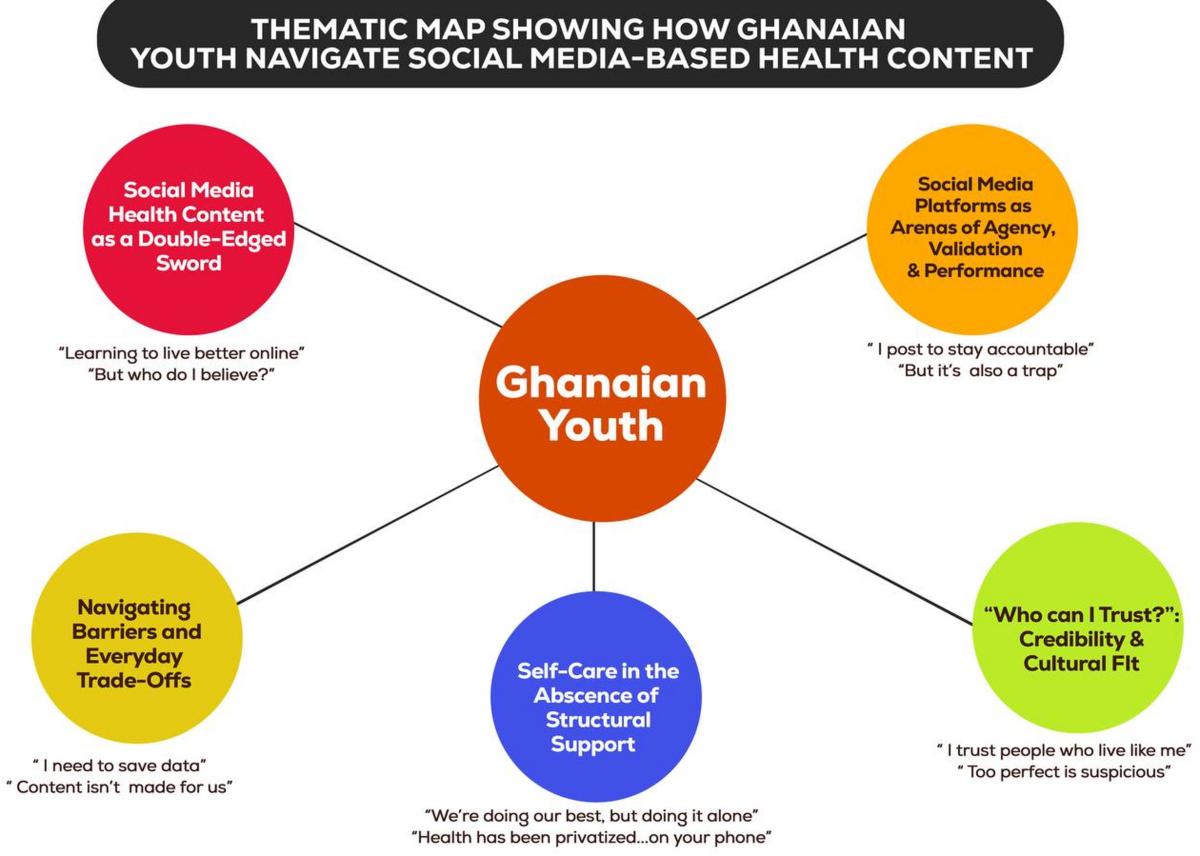
Furthermore, Ghana’s online health space needs voices that value clarity. Social media can spread helpful guidance, but it can also spread myths quickly. The World Health Organization has warned that misinformation can move faster than disease during public health crises. WHO Ghana’s work on risk communication highlights the need for messages that match different audiences.[1]
Consequently, Adu-Gyan’s role goes beyond posting health tips. A strong health creator helps audiences understand what a claim means, where it comes from, and when professional care may be necessary.
Meanwhile, this work fits a growing pattern across Africa. Creators now support education, finance, fitness, beauty, and technology through content that feels personal and easy to share. Explore more stories about Africa’s digital voices in Technology and Health & Wellness.
Charity Adu-Gyan’s Approach to Health Education
Public details about Charity Adu-Gyan’s career remain limited, so her profile should focus on the role her work represents. She stands out within a new class of Ghanaian communicators who use digital platforms to make health topics more approachable.
Instead of treating audiences as passive listeners, a modern health educator invites questions. This approach can make conversations about prevention, nutrition, mental wellness, hygiene, and medical care feel less distant.
Additionally, a relatable voice can help reduce the fear that sometimes surrounds health discussions. People may feel more comfortable starting with a short explainer before speaking with a clinician. However, online education should support professional care, not replace it.
Making Wellness Information Easier to Understand
Effective health content often follows a few simple rules. It uses plain words, explains one idea at a time, and gives viewers a clear next step. It also avoids promises that sound too good to be true.
- Keep the message clear: Use everyday language and explain unfamiliar terms.
- Connect advice to daily life: Show how people can apply guidance at home, work, or school.
- Encourage questions: Invite audiences to seek help from qualified health workers.
- Check sources: Share information from trusted health agencies and professionals.
- Respect local context: Consider Ghanaian foods, routines, languages, and community needs.
For instance, a post about healthy eating becomes stronger when it uses foods people can find locally. Similarly, a discussion about exercise becomes more useful when it recognises time, cost, safety, and access.
Why Ghana Needs More Trusted Health Creators
Ghana’s health conversation increasingly happens online. People use social platforms to ask about symptoms, treatments, vaccines, nutrition, and family care. Yet online popularity does not always equal accuracy.

Research on health misinformation in Ghana has linked social media and community networks with false vaccine claims and growing uncertainty.[5] In addition, a University of Ghana source notes that Facebook and WhatsApp have played major roles in spreading vaccine rumours.[8]
Therefore, trusted creators have an important duty. They must separate education from diagnosis and information from advertising. They also need to correct mistakes openly when new evidence changes the conversation.
Moreover, good health creators know when to refer people to a clinic. They do not present every personal experience as medical proof. Instead, they help audiences understand basic facts and recognise when they need expert support.
The Value of Local Language and Local Experience
Language can shape whether people understand and trust a health message. Ghana’s audiences include many communities with different languages, customs, and levels of internet access. A message that works in Accra may need a different example in another region.
As a result, local creators can add value that large global campaigns may miss. They understand the questions people ask, the myths they hear, and the habits that shape daily choices. This local insight can make health education more useful.
Importantly, creators should not rely on fear to gain attention. Positive, respectful content can encourage action without shaming people. That approach supports a healthier online culture.
Lessons Emerging Creators Can Learn from Charity Adu-Gyan
Charity Adu-Gyan’s profile points to several lessons for creators who want to enter health communication. First, choose a clear area of focus. Audiences connect more easily with a creator who develops a recognisable voice.
Second, build trust over time. Health content should use reliable sources, explain limits, and avoid dramatic claims. The World Health Organization and Ghana Health Service offer useful starting points for verified public health information.
Third, create content for real people. Ask what your audience wants to know before planning a series. Then, answer those questions in formats that suit their routines.
- Start with one audience: Choose students, parents, young professionals, or another clear group.
- Use a repeatable format: Try short explainers, question-and-answer videos, or myth checks.
- Show your sources: Tell viewers where key facts come from.
- Add practical steps: Give audiences one safe action they can take.
- Review performance: Study comments and questions to improve future posts.
- Collaborate carefully: Work with qualified experts when a topic needs deeper guidance.
Furthermore, creators should protect audience privacy. They should never expose personal medical details without consent. They should also avoid encouraging viewers to share sensitive symptoms in public comments.
Building a Responsible Creator Brand
A health creator’s reputation depends on consistency. One careless claim can damage trust built over many months. Therefore, every post should pass a basic check before publication.
Ask whether the information is current, clear, and supported by a reliable source. Also ask whether the wording could make people panic or delay needed care. These checks help creators serve audiences responsibly.
Additionally, paid partnerships need clear labels. Audiences deserve to know when a product, service, or campaign supports a post. Transparency strengthens the relationship between creators and followers.
The Future of Health Education in Ghana
Digital health education will likely become more visual, interactive, and community-led. Short videos can introduce a topic, while live sessions can answer questions. Meanwhile, messaging platforms can help people share trusted guidance with family groups.

However, reach alone will not solve Ghana’s health information challenges. Creators need training, strong editorial standards, and links to qualified professionals. Platforms also need better ways to limit harmful false claims.
WHO reporting on Ghana has stressed the role of community engagement, radio, television, and social media in reaching different audiences.[1] That mix matters because not everyone receives information through the same channel.
Ultimately, the strongest creators will combine digital skill with public responsibility. They will make health information friendly without making it careless. They will also help audiences move from online learning to informed action.
Explore More on Topping Africa
Discover more stories about the people and ideas shaping Africa’s future:
- Health & Wellness — Practical stories on health, care, and better living across Africa.
- Technology — New digital tools, startups, and platforms changing African communities.
- Culture & Lifestyle — The creators, trends, and everyday ideas shaping African life.
Explore more creator spotlights on Topping Africa and discover the voices making useful information easier to access. Share your thoughts below: Which Ghanaian health educators should readers follow next?
Conclusion
Charity Adu-Gyan’s rise reflects the growing influence of health educators in Ghana’s digital space. As a Ghana health influencer, her work represents a wider move toward clearer, more relatable wellness content.
Nevertheless, responsible health education requires care. Creators must check facts, respect professional boundaries, and understand the communities they serve. When they do, online platforms can support better questions, stronger awareness, and healthier choices.
Subscribe to Topping Africa for more profiles on African content creators, positive innovation, and culture. Read more about Ghana’s changing health conversation and leave a comment below with your view.

Staff
Contributing writer at Topping Africa.
0 Comments
No comments yet. Be the first to share your thoughts!