How Kelechi Nwankwo Is Making Personal Finance Accessible in Nigeria

Kelechi Nwankwo finance content is making budgeting, forex, crypto, and digital money topics easier for Nigerian audiences. Discover how his creator-led approach connects financial literacy with fintech, entrepreneurship, and Africa’s changing digital economy.
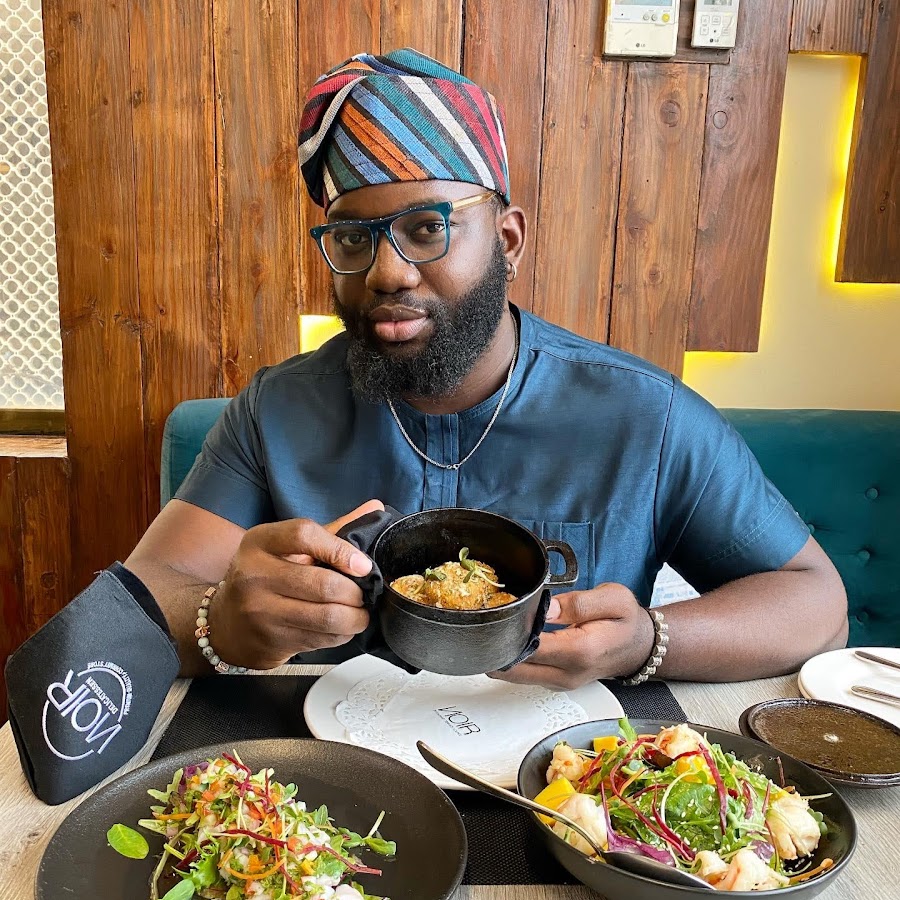
Kelechi Nwankwo finance content is helping more Nigerians approach money topics with less fear and more confidence. Through TikTok and Instagram, the Nigerian finance creator explains forex trading, crypto investments, personal budgeting, and other money ideas in simple language. His work shows how African content creators can turn complex knowledge into practical lessons for everyday life.
For many young Nigerians, personal finance can feel distant, technical, or linked only to wealthy investors. However, Kelechi Nwankwo brings these topics closer to students, workers, freelancers, and small business owners. His style connects financial education with the realities of digital work, rising living costs, fintech growth, and entrepreneurship.
Moreover, his growing audience reflects a wider demand for clear money guidance across Africa. Recent research links financial literacy with stronger financial inclusion in Nigeria, showing that access to digital tools alone cannot solve every money challenge.[1] Read Kelechi Nwankwo’s creator profile to learn more about his work.
Why Kelechi Nwankwo Finance Content Matters
Financial advice often uses words that confuse beginners. Terms such as diversification, liquidity, leverage, and asset allocation can discourage people before they take their first step. However, creators like Kelechi Nwankwo can make these ideas easier to understand through short videos and familiar examples.

His focus supports a simple goal: help people make better decisions with the money they already have. That goal matters in Nigeria, where people manage income from formal jobs, side businesses, online work, family support, and informal trade. Good financial education should meet people where they are.
Furthermore, social media gives creators a direct way to answer common questions. Viewers can learn about saving, spending, risk, and investment without attending a formal class. They can also ask questions, compare views, and return to lessons when they need help.
Nigeria’s digital finance market continues to expand. The Central Bank of Nigeria’s financial inclusion efforts and digital payment systems have helped more people use formal and non-bank financial services. Yet, research still shows that millions remain outside the formal financial system, especially in rural communities.[5]
How Kelechi Nwankwo Makes Money Lessons Easier
Breaking Down Personal Budgeting
Budgeting forms the foundation of strong personal finance. However, many people see a budget as a strict plan that removes every enjoyable expense. Kelechi Nwankwo’s accessible approach can help viewers see budgeting as a tool for control rather than punishment.
A useful budget starts with three clear questions: What comes in? What must go out? What can you save or invest? Once you answer these questions, you can build a plan that fits your income and responsibilities.
For instance, a young worker can divide income into needs, goals, and flexible spending. A freelancer can first set aside money for taxes, tools, and slow months. Meanwhile, a small business owner can separate business cash from personal spending.
- Track income: Record salary, business earnings, freelance payments, and other regular sources.
- List essential costs: Include food, housing, transport, school fees, healthcare, and debt payments.
- Set a savings target: Start with a realistic amount and raise it as income improves.
- Review weekly: Check where your money went and adjust the next week’s plan.
Consequently, budgeting becomes a repeatable habit. It does not require a high income or a complex app. It requires honesty, consistency, and a clear view of your priorities.
Explaining Forex and Crypto Risk
Forex and crypto attract many young Africans because they promise access to global markets. However, both areas carry serious risks, including price swings, scams, poor platforms, and emotional trading. Responsible education must explain these risks alongside possible rewards.

Kelechi Nwankwo’s finance-focused content can help beginners ask better questions before they commit money. They should understand how a product works, what fees apply, and how much they could lose. Additionally, they should never treat social media content as a guarantee of profit.
Before using a trading or investment platform, check:
- Whether the platform or provider has a clear legal identity.
- How the product makes money and what risks it carries.
- Whether withdrawals, fees, and customer support work as stated.
- How much money you can afford to lose without harming daily needs.
- Whether the advice encourages learning or promises fast wealth.
Importantly, beginners should avoid borrowing money to trade. They should also avoid sending funds because an influencer claims that a guaranteed return awaits. Explore more reporting in Topping Africa’s Technology section for coverage of digital tools and African innovation.
Kelechi Nwankwo Finance and Nigeria’s Fintech Growth
Nigeria has become one of Africa’s most active fintech markets. Digital payments, mobile wallets, agent banking, lending platforms, and investment apps now shape how many people manage money. Reports have also linked Nigeria’s fintech growth with rising transaction volumes and greater interest in digital financial services.[3]
Nevertheless, technology cannot replace financial knowledge. A payment app may help someone send money, but it cannot teach them to compare fees or plan for emergencies. A savings product may hold funds, but users still need to understand interest, access rules, and inflation.
Research published in 2025 found that financial literacy can have a stronger effect on inclusion than fintech access alone, especially in rural communities.[1] Therefore, creators who explain digital finance have an important role in helping users make better choices.
For young Nigerians, this link between education and technology is especially useful. Many people now earn through online stores, creator work, remote jobs, delivery services, and digital freelancing. They need advice that covers both personal money and digital business.
Additionally, financial education can strengthen trust. Users who understand data privacy, transaction fees, identity checks, and withdrawal rules can spot warning signs earlier. They can also use financial services with more confidence.
Why Creator-Led Financial Education Connects
Traditional financial education often reaches people through schools, banks, workshops, or public campaigns. Those channels remain valuable, but social media adds speed, reach, and conversation. A creator can explain one concept in a short video and respond to questions from viewers across different Nigerian cities.
Moreover, a creator’s informal style can reduce the distance between expert advice and daily life. Viewers may connect more with an example about transport costs, rent, airtime, or family support than with a formal lecture. This connection can encourage people to take their first practical step.
Kelechi Nwankwo’s reported audience of more than 180,000 followers highlights the interest in approachable finance content.[2] His reach also shows why creators should handle money topics with care. Clear disclaimers, balanced advice, and honest discussion of risk can protect audiences from unrealistic expectations.
Similarly, viewers should treat creators as educators, not personal financial advisers. Your income, debts, goals, family needs, and risk level remain unique. Use general lessons as a starting point, then seek qualified guidance for major financial decisions.
Practical Money Lessons You Can Apply Today
Learning about money matters most when it changes daily action. You do not need to wait for a large salary before building better habits. Start with one small change, measure the result, and improve your plan over time.
- Create a money snapshot: Write down your monthly income, fixed costs, variable costs, debts, and savings.
- Build a small emergency fund: Begin with a modest target before aiming for several months of expenses.
- Separate business and personal money: Use different accounts or clear records where possible.
- Compare digital services: Check fees, limits, support, security, and withdrawal rules before signing up.
- Learn before investing: Understand the product, the risk, and the time needed to reach your goal.
- Protect your account: Use strong passwords, two-factor authentication, and private transaction details.
Furthermore, review your plan every month. Prices, income, family needs, and business conditions can change quickly. A flexible plan works better than one that ignores real life.
Discover more practical coverage through Topping Africa’s Business & Economy section, where entrepreneurship and growth remain central themes.
What Nigerian Audiences Should Expect from Finance Creators
Finance creators have a growing chance to improve public understanding. However, influence should come with responsibility. Audiences deserve clear explanations, honest limits, and a firm line between education and promotion.

Creators should explain when a brand sponsors content. They should identify risks instead of showing only successful results. They should also avoid claims that suggest everyone can become wealthy through one strategy.
Meanwhile, audiences can support better content by asking direct questions. Ask about fees, risks, time frames, regulation, and possible losses. Share useful lessons with friends, but encourage them to confirm important information.
In addition, financial education should reach beyond major cities. Nigerian creators can use local examples, simple language, subtitles, audio formats, and community-focused content. These steps can make lessons more useful to people with different levels of income, education, and internet access.
Explore More on Topping Africa
- Technology — Discover stories about African fintech, startups, apps, and digital innovation.
- Business & Economy — Read more about entrepreneurship, markets, and practical business growth.
- Education and Youth — Explore ideas helping young Africans build skills and opportunity.
Explore more Topping Africa creator spotlights and discover the people shaping Africa’s digital future. Share your thoughts in the comments and tell us which finance topics you want explained next.
The Bigger Impact of Kelechi Nwankwo’s Work
Kelechi Nwankwo’s finance content reflects a wider change in African media. Audiences no longer rely only on banks, classrooms, or newspapers for basic money lessons. They also learn from trusted creators who translate complex ideas into short, useful conversations.
Ultimately, accessible finance content can help people budget better, question risky offers, and use digital services with greater confidence. It can also support entrepreneurs who need to manage cash flow, price products, and plan for growth.
Nevertheless, content alone cannot solve every financial challenge. Better access requires affordable internet, reliable services, consumer protection, strong digital skills, and education that reaches underserved communities. As Nigeria’s fintech market grows, creators and institutions must work together to ensure that innovation remains useful and inclusive.
For readers, the next step is simple: start learning, test one practical habit, and review your progress. Small money decisions can create stronger long-term choices. Subscribe for more African creator stories, technology updates, and useful business insights from Topping Africa.
Editorial note: This article provides general educational information, not personal investment advice. Always verify financial products and seek qualified guidance before making major decisions.

Staff
Contributing writer at Topping Africa.
0 Comments
No comments yet. Be the first to share your thoughts!