
51 African AI Innovators in Ethiopia Shaping Africa’s Tech Future
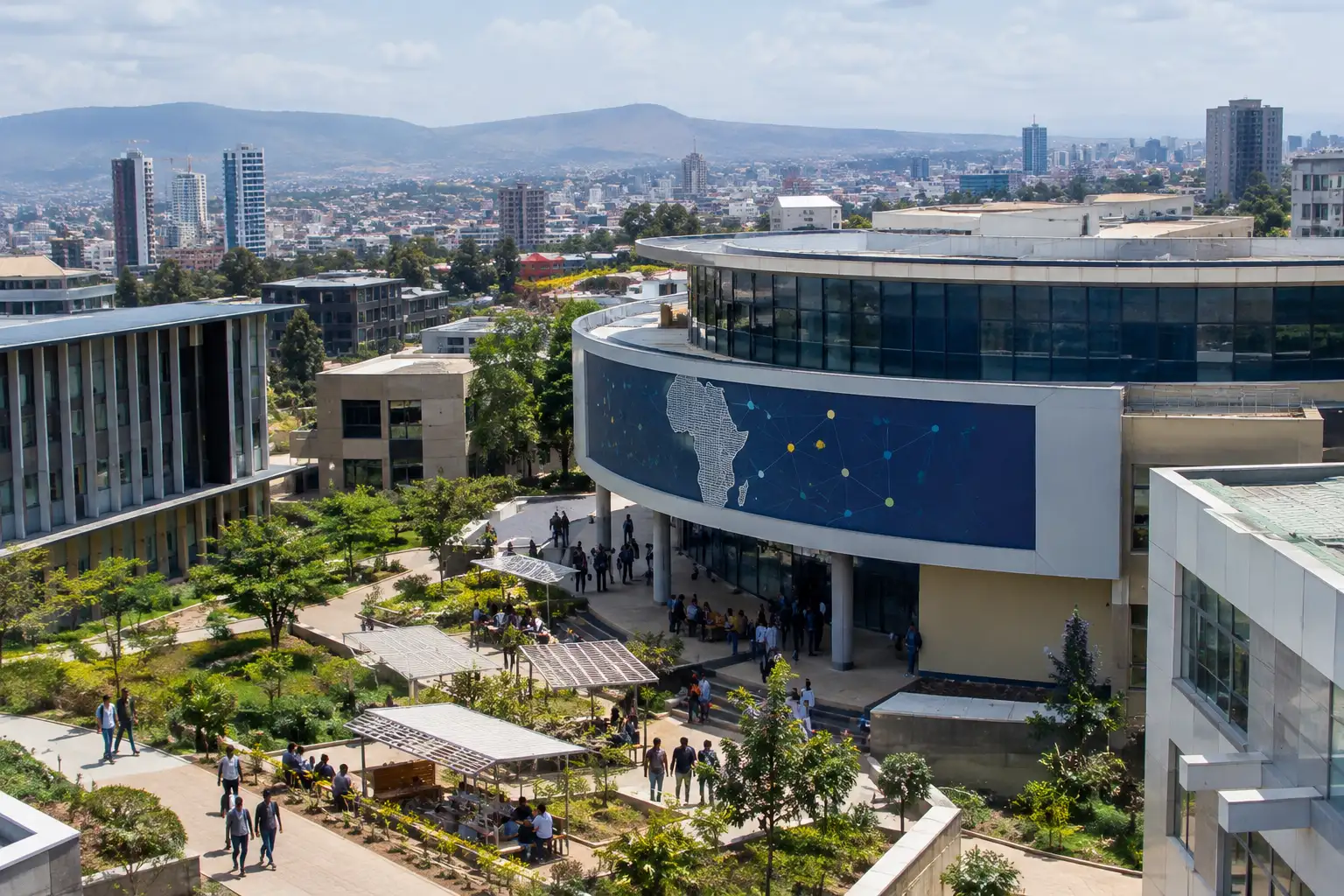
Ethiopia’s Pan-African AI Ventures Residency brings 51 African AI innovators from 12 countries together to build practical solutions for health, agriculture, education, finance and more. Discover why Addis Ababa is becoming a key meeting point for Africa’s next technology era.
Africa’s next tech era is being built in Addis Ababa. The Pan-African AI Ventures Residency Programme has brought together 51 African AI innovators from 12 countries to turn bold ideas into useful products. Their work shows how African founders are applying artificial intelligence to local needs in health, farming, education, finance, climate, public services and creative industries.
Moreover, the residency arrives at an important moment. Across the continent, young builders are moving beyond AI experiments and seeking tools that can work in real communities. Explore more stories in our Technology section as these founders help shape a more inclusive digital future.
The programme offers more than training. It creates space for founders to test ideas, meet mentors, improve prototypes and build links across borders. Consequently, Addis Ababa is becoming a meeting point for African technology talent and practical innovation.
African AI Innovators Meet in Ethiopia
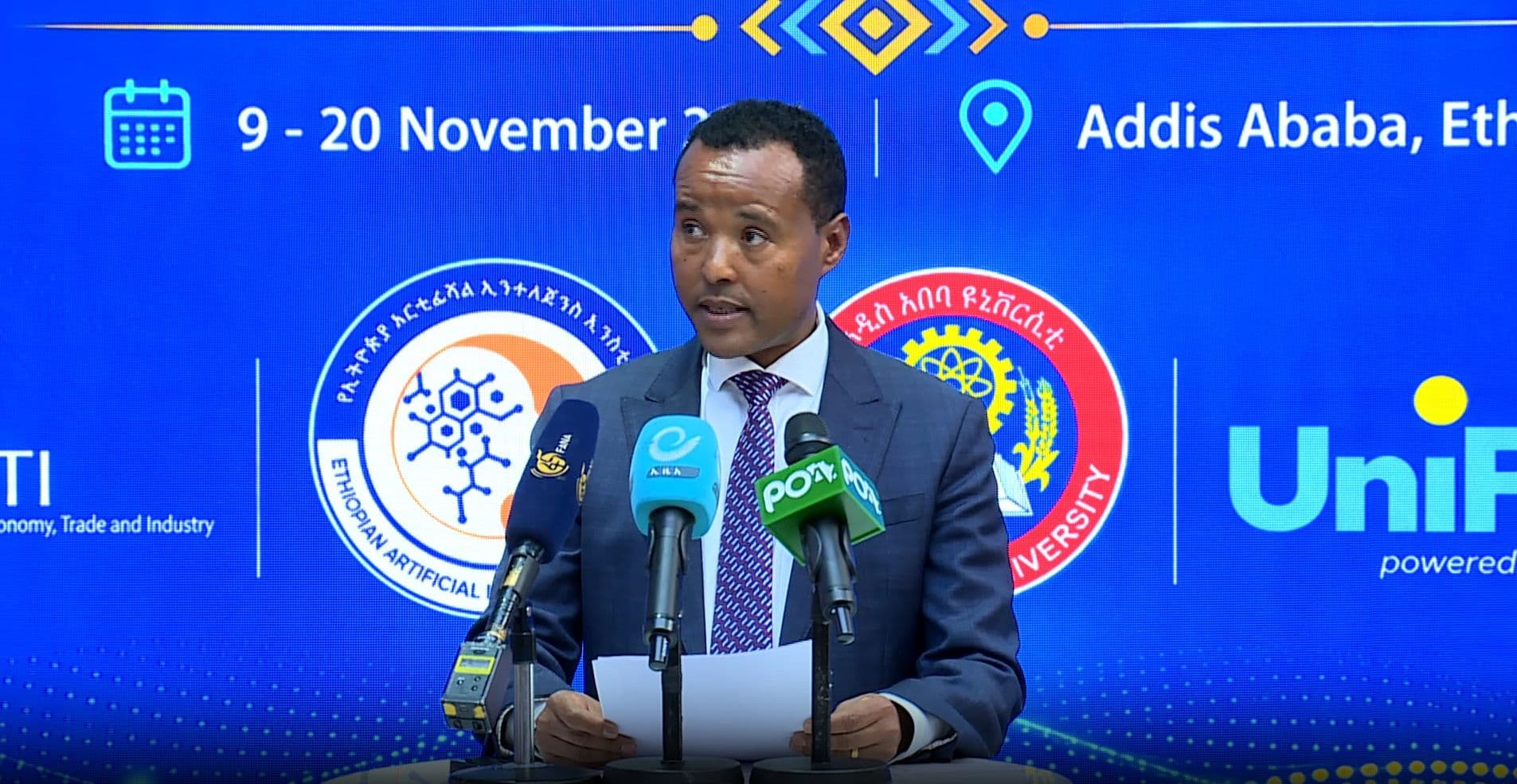
The Pan-African AI Ventures Residency Programme operates under the AI UniPod initiative. It was launched in Addis Ababa with 51 innovators selected from 12 African countries. The Ethiopian Artificial Intelligence Institute, the United Nations Development Programme, Addis Ababa University and Japan’s Ministry of Economy, Trade and Industry support the programme.
Furthermore, the residency focuses on founders who already have early-stage products or prototypes. Participants are not simply learning what AI means. Instead, they are working to improve solutions, test models and prepare products for wider use.
According to the Ethiopian Artificial Intelligence Institute, the programme promotes cross-border collaboration, knowledge sharing and inclusive AI solutions. That focus matters because African markets often need technology that works across languages, income levels, infrastructure limits and different rules.
Why 51 African AI Innovators Matter
For instance, a founder building a farming tool in East Africa may face challenges that also affect producers in West or Southern Africa. By working together, innovators can compare data needs, user habits and business models. They can also find partners who understand local markets better than distant technology firms.
Similarly, the cohort reflects the value of African-led design. Local founders understand the daily problems that global products often miss. They know that a useful AI service must fit real phone access, local languages, payment habits and trust levels.
Importantly, the residency places people at the centre of the AI story. The biggest opportunity does not come from copying foreign tools. It comes from helping African creators build products that solve African problems and can also serve global users.
The Sectors Driving Ethiopia’s AI Residency
The programme’s development focus gives the cohort room to explore many sectors. While the available public announcement does not publish a complete founder-by-founder list, it presents the residency as a home for technology entrepreneurs and creative minds building AI-powered solutions.
As a result, the cohort can be understood through the practical needs its ventures aim to address. These needs reach far beyond chatbots. They include better decisions, faster services, stronger access and lower costs.
- Health: AI tools can support early screening, health information and better links between patients and care teams.
- Agriculture: Founders can use data to improve crop advice, weather planning, pest alerts and market access.
- Education: Local learning tools can offer tutoring, translation, assessment support and content for underserved students.
- Finance: AI can help small businesses manage cash flow, assess risk and reach useful financial services.
- Climate and environment: Data tools can support early warnings, resource planning and climate-smart decisions.
- Public services: Better systems can help institutions respond to citizens and manage information more efficiently.
- Creative industries: African creators can use AI for language tools, production support, design and audience growth.
However, technology alone cannot guarantee impact. Each product must address a clear user need, protect personal information and show value beyond the excitement around AI.
From Prototypes to Market-Ready Products
The residency includes technical and business training, mentorship, coaching, product development and networking. Participants also refine prototypes and test AI models. These steps help founders move from a promising demo toward a product that customers can trust.
Moreover, the programme places strong attention on commercial readiness. A solution may work in a laboratory yet fail in a village, school, clinic or small shop. Founders must therefore test their products with real users and listen to feedback.
- Identify one urgent user problem.
- Build a simple version of the product.
- Test it with people in the target community.
- Measure accuracy, cost, access and user trust.
- Improve the product before seeking scale.
- Build partnerships for distribution and long-term support.
Consequently, the strongest ventures will likely combine technical skill with patience, market knowledge and strong community ties. Read more about positive African innovation through our Business & Economy coverage.
Practical Challenges African AI Innovators Face
African founders often build under different conditions from teams in larger technology markets. Internet access, computing power, data quality and funding can vary widely. These limits can slow product development, raise costs and make it harder to train advanced models.
Additionally, language remains a major challenge. Many African communities use languages that receive limited support from major AI systems. Founders must gather better local data and create tools that understand how people really speak and communicate.
Another challenge involves trust. Users may hesitate to rely on an AI system that cannot explain its answers. Therefore, founders need clear safeguards, human review and simple ways for people to report mistakes.
Infrastructure, Data and Skills
Computing access is also critical. AI companies need powerful systems to train, test and improve models. The AI UniPod offers a shared space with technology resources, laboratories, robotics equipment, computing systems and design facilities, according to programme coverage.
Furthermore, founders need more than engineers. They need product managers, designers, sales teams, legal advisers and community partners. A balanced team can turn a technical idea into a service that people understand and use.
Data quality creates another test. Poor or incomplete data can produce weak results and unfair outcomes. For that reason, African AI innovators must build careful data practices from the beginning.
Explore our Technology and Science & Environment sections for more reporting on tools that connect innovation with everyday needs.
Why Addis Ababa Is a Strong Base for Collaboration
Addis Ababa gives the residency a useful regional setting. The city brings together universities, public institutions, international partners, technology communities and young entrepreneurs. That mix can help founders move between research, policy, business and product design.
Meanwhile, the programme creates a bridge between countries that do not always share the same startup networks. A founder can find a technical partner from another market, a mentor with different experience or a buyer seeking a new solution.
The partnership model also matters. The Ethiopian Artificial Intelligence Institute brings national expertise. Addis Ababa University adds academic capacity. UNDP supports development goals, while Japan’s METI contributes to a wider AI UniPod effort.
According to the Ethiopian News Agency, the residency helps innovators exchange expertise and explore cross-border opportunities. Ultimately, those connections may prove as valuable as the training itself.
A Pan-African Model for Startup Growth
The residency points toward a model that African startup ecosystems can build on. Instead of placing all support in one country, future programmes can connect hubs across regions. Founders can then access local testing grounds while sharing tools, knowledge and investment links.
Similarly, universities can play a bigger role in startup growth. They can offer research support, talent and testing spaces. Businesses can provide customers and market feedback, while public institutions can help create fair rules for responsible AI.
The wider goal should remain clear: build products that improve lives and create jobs. Investors and partners should judge ventures by more than growth claims. They should also consider access, affordability, local ownership and measurable social value.
What African AI Innovators Can Build Next
The 51 innovators represent a wider movement across the continent. Africa’s AI future will not depend on one company or one city. It will grow through many founders working on focused problems in health, education, food, finance, culture and climate.
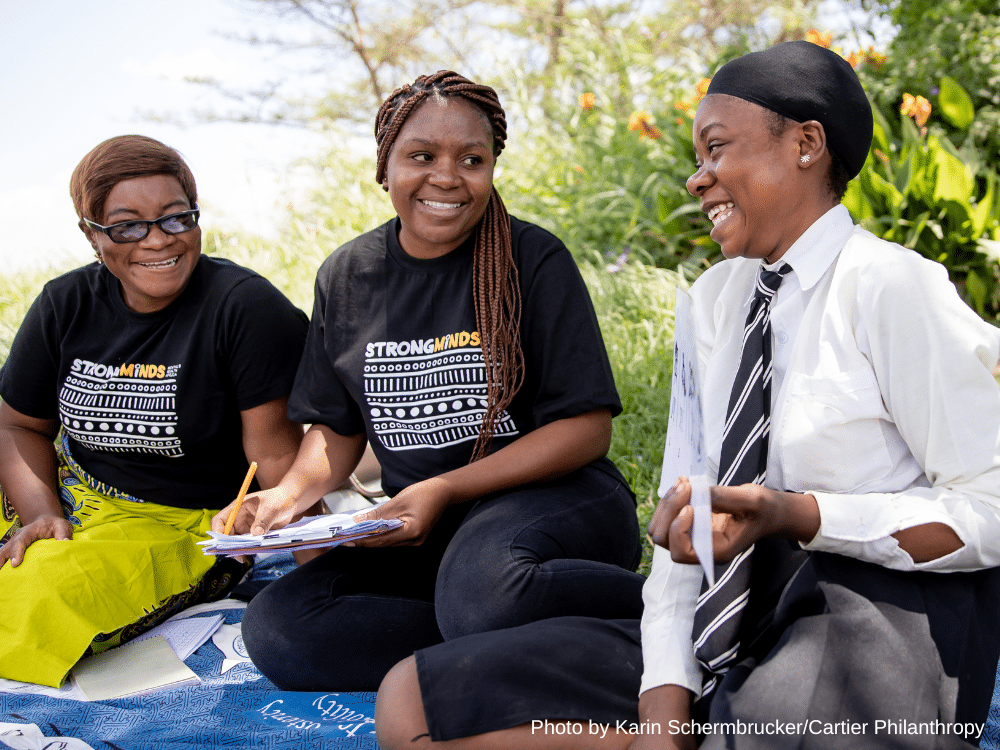
For example, AI could help a small farmer receive advice in a local language. It could help a teacher prepare lessons for different learning levels. It could also help a creator edit content faster while keeping the creator’s own voice and identity.
However, responsible growth must guide the next stage. Founders should protect user data, avoid harmful bias and explain how automated decisions work. They should also make products affordable for the people they aim to serve.
Lessons for Young African Founders
Young builders can learn several lessons from the residency. First, start with a problem that people already feel. Second, test ideas early instead of waiting for a perfect product.
Moreover, founders should build relationships across borders. Africa’s markets differ, but many challenges connect them. A strong network can help a startup adapt its product and reach new users.
Finally, founders should tell clear stories about their work. Customers, funders and partners need to understand the problem, the solution and the evidence. Good technology becomes powerful when people can trust it and use it easily.
Share your thoughts on the African AI innovators shaping the continent’s future. Which sectors should receive more support, and what AI solution would make the biggest difference in your community?
Explore More on Topping Africa
- Technology — Discover African startups, digital tools and emerging tech trends.
- Business & Economy — Read about funding, entrepreneurship and the companies changing African markets.
- Education & Youth — Follow young creators, skills programmes and ideas for Africa’s next generation.
Subscribe for more positive stories about African founders, creators and innovators. Read more from Topping Africa and follow the people building practical solutions for the future.
Conclusion: A New Chapter for African AI
The Pan-African AI Ventures Residency Programme gives 51 innovators a shared platform to grow. Its value lies in the mix of technical training, business support, mentorship and cross-border collaboration.
Nevertheless, the real test begins after the residency. Founders must keep testing, learning and serving users. Partners must provide long-term funding, infrastructure and fair access.
Ultimately, African AI innovators can shape a tech era that feels local, useful and open to everyone. Ethiopia’s programme offers a strong starting point, but the next chapter will be written in communities across the continent.

Staff
Contributing writer at Topping Africa.
0 Comments
No comments yet. Be the first to share your thoughts!