

Meet the African Fintech Founders Making Cross-Border Payments Easier

African fintech founders are reshaping how businesses collect, convert, and move money across borders. Meet the teams behind Lumepay, Yoco, and the payment tools helping African entrepreneurs trade with greater speed and confidence.
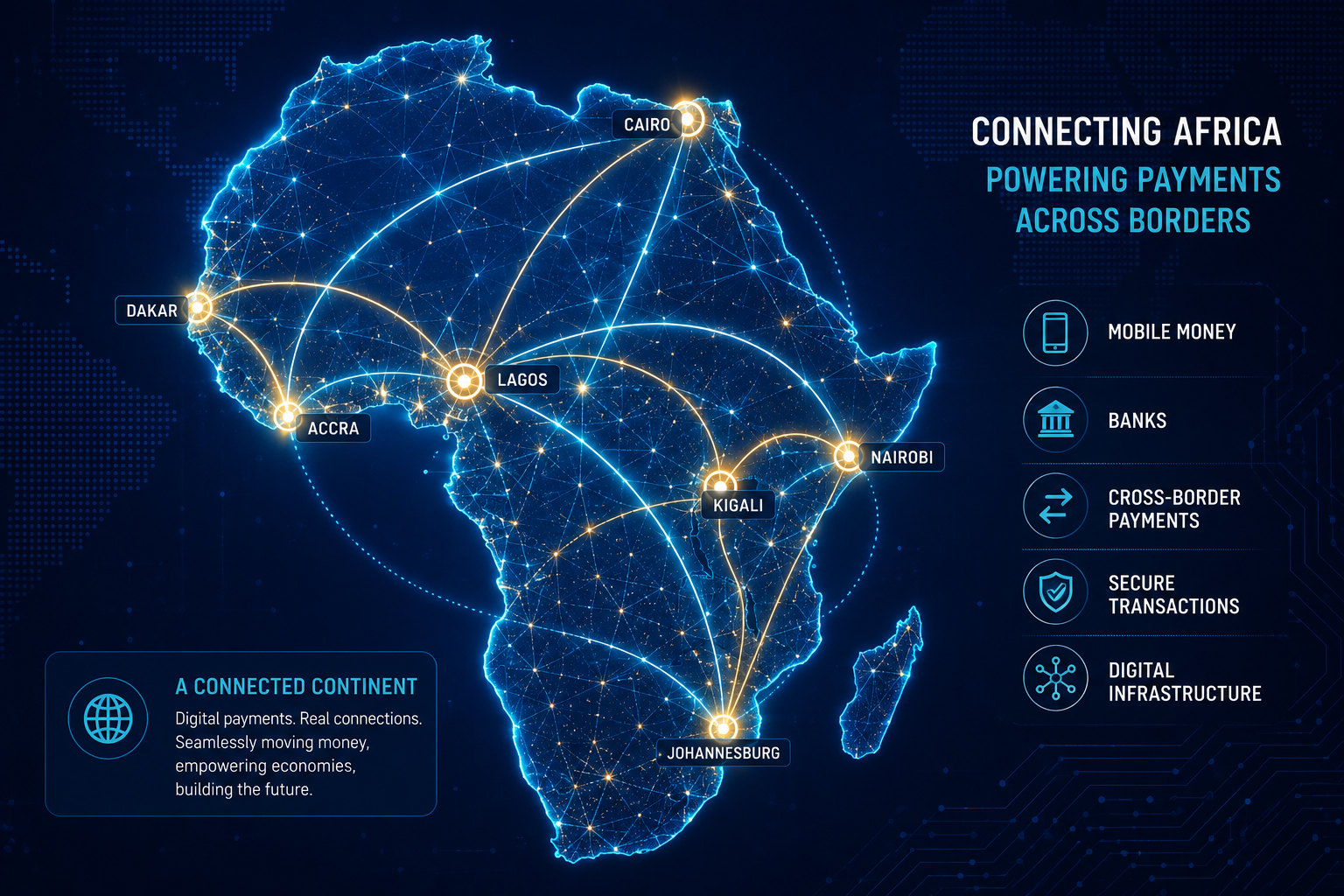
For many African businesses, moving money across borders still means high fees, slow settlement, and complex currency rules. Yet a new generation of African fintech founders is changing that picture. From Cape Town to markets across the continent, these builders are creating payment rails that help small firms collect, convert, and send money with greater speed.
Furthermore, their work matters because African trade increasingly depends on digital tools. A fashion seller may source fabric from one country, sell to customers in another, and pay a logistics partner somewhere else. Better payments can turn that regional trade into a daily advantage for entrepreneurs.
Why African Fintech Founders Are Rethinking Cross-Border Payments
Traditional cross-border payments often pass through several banks and settlement systems. As a result, businesses may face delays, unclear exchange rates, and limited access to working capital. Smaller firms usually feel these problems first because they have less cash to absorb unexpected costs.

However, African fintech founders see the same challenge as a chance to build better systems. They are connecting local payment methods, bank accounts, foreign exchange services, and digital wallets through one platform. This approach can reduce the number of steps between a buyer and a business supplier.
Additionally, mobile money has helped create a strong base for payment innovation. Customers across Africa already use phones for everyday transactions. Fintech companies now aim to make those systems work more smoothly across national borders.
Harry Huang and the Lumepay Vision
Harry Huang, co-founder and chief executive of South African fintech Lumepay, is one of the founders focused on business-to-business payments across Africa. His experience moving between South Africa and China, including exposure to his family’s import-export business, shaped his view of the problem.
According to reports, Lumepay disclosed a $6 million pre-seed funding round that closed in early 2026. The company also secured about $10 million in capital float to support liquidity for clients. That distinction matters because equity funding supports company growth, while capital float helps the platform serve payment needs.
Moreover, Lumepay combines traditional banking infrastructure with stablecoin technology. The company says this rail-agnostic model can help businesses collect, convert, and move funds across markets. Its platform also targets foreign exchange, multi-currency accounts, and institutional payment services.
In particular, Lumepay’s model focuses on liquidity. A payment platform may work well in one currency but struggle when customers need quick conversion into another. By building access to foreign exchange depth, Lumepay aims to make regional trade more predictable for businesses.
What Lumepay’s Funding Signals
The funding announcement shows that investors see cross-border infrastructure as a major African business opportunity. It also points to growing demand for payment tools that serve companies rather than only consumers.
Meanwhile, Lumepay has worked with banking partners and plans expansion into East Africa. Its leadership team includes Harry Huang, chief operating officer Luc Varejes, and chief legal and compliance officer Tatenda Nhemachena.
- Liquidity: Businesses need reliable access to funds in several currencies.
- Compliance: Payment firms must meet rules in every market they serve.
- Speed: Faster settlement can help small firms restock and pay suppliers.
- Trust: Clear pricing and strong security encourage more businesses to switch platforms.
For further context, explore the latest Technology coverage and follow new ideas shaping African startups.
Yoco’s Founders and the Small-Business Payment Shift
Not every payment breakthrough begins with international transfers. Sometimes, the first step involves helping a small business accept digital payments. In South Africa, Yoco was founded by four Cape Town friends: Katlego Maphai, Carl Wazen, Bradley Wattrus, and Lungisa Matshoba.
Yoco built a card reader and app for small businesses that traditional financial providers often overlooked. Its work shows how local founders can design payment tools around real business routines. A café, salon, market stall, or independent retailer can start accepting card payments without building a large banking relationship.
Furthermore, domestic payment access creates a base for regional growth. When more African businesses keep digital records and receive electronic payments, they can build stronger cash-flow histories. Those records may later support access to credit, insurance, and cross-border services.
Yoco’s story also highlights a key lesson for African fintech founders: simplicity matters. A business owner does not want to understand every technical layer. They want to accept payment, see the money, manage sales, and serve customers.
Why Small Businesses Need More Than Payment Acceptance
Payment acceptance is only one part of the wider finance problem. Many African entrepreneurs also need tools for invoices, payroll, stock purchases, foreign exchange, and supplier payments. Consequently, fintech platforms are expanding from single products into wider business operating systems.
- Accept payments through cards, mobile wallets, or bank transfers.
- Track sales and identify the strongest products or customer groups.
- Receive funds faster and reduce uncertainty around daily cash flow.
- Use transaction records when seeking finance from a lender or partner.
- Connect local sales with regional suppliers and customers.
Therefore, the strongest fintech products often combine payments with useful business data. They help owners make better choices while reducing the time spent on administration.
Other African Fintech Founders Expanding Regional Access
Lumepay and Yoco sit within a much wider African fintech movement. Across the continent, founders are building services for remittances, merchant payments, foreign exchange, digital banking, and business finance.
For instance, Flutterwave has helped businesses accept payments across several African markets, while Paystack has focused on payment tools for online businesses. Chipper Cash has built consumer and business payment products across markets, and M-Pesa remains a major example of mobile money at scale.
However, each company faces a different operating environment. Africa has many currencies, regulators, payment networks, and customer habits. A platform that works in one market may need new partners and safeguards before entering another.
Additionally, founders must balance speed with trust. Customers may enjoy a fast app, but businesses also need reliable support, transparent fees, strong fraud controls, and clear rules for resolving payment disputes.
The Rise of Stablecoins in African Business Payments
Stablecoins have entered the conversation because they may help move value across markets with fewer settlement steps. Lumepay’s model reflects this trend by combining stablecoin infrastructure with traditional banking rails.
Nevertheless, stablecoins do not remove every challenge. Businesses still need local currency access, legal clarity, strong custody systems, and protection from operational risks. A useful platform must connect digital assets to the everyday needs of African companies.
In addition, founders must explain the technology in simple terms. Most small-business owners care about receiving money on time, seeing a fair exchange rate, and knowing that funds remain secure. The best products hide complexity without hiding important costs.
Explore more coverage in Business & Economy to see how African companies are building stronger regional markets.
What Cross-Border Payment Innovation Means for African Businesses
Improved payment systems can create benefits well beyond faster transfers. They can help small firms reach new buyers, compare suppliers, and join regional value chains. As a result, entrepreneurs may find opportunities outside their home markets.
For a clothing brand, smoother payments can support fabric purchases from another country. For a software company, better collection tools can make it easier to serve customers across Africa. For a food trader, faster settlement can help secure stock before prices change.
Moreover, payment data can help businesses understand demand. Clear records may show which markets produce the most sales and which products need adjustment. That insight can support smarter expansion rather than costly guesswork.
Practical Steps for Founders and Business Owners
If you run a growing business, you can prepare for regional trade before making your first international sale. Start with a clear view of your payment costs and settlement times. Then compare providers based on the full customer journey.

- Check the total fee, including conversion and withdrawal charges.
- Confirm which currencies and countries the provider supports.
- Ask how long settlement takes during weekends and holidays.
- Review fraud checks, account security, and dispute support.
- Keep clean records of invoices, payments, and supplier transfers.
- Test the service with small transactions before scaling activity.
Similarly, founders should build compliance into the product from the start. Strong controls can make partnerships easier and protect users as the company expands. They can also help fintechs earn trust with banks, regulators, and enterprise customers.
For investors and partners, look beyond funding totals. Study the company’s licenses, banking relationships, liquidity model, customer support, and ability to operate across different rules.
The Road Ahead for African Fintech Founders
African fintech founders are moving the sector from simple payment acceptance toward connected financial infrastructure. The next wave may combine payments, finance, accounting, foreign exchange, and trade services in one business platform.
Meanwhile, regional trade agreements and stronger digital commerce can create new demand. Businesses will need payment tools that work across borders without forcing owners to manage many separate systems.
Yet success will depend on execution. Founders must keep prices fair, protect customer funds, and build products that work on reliable and less reliable internet connections. They must also listen closely to merchants in cities, towns, and smaller trading communities.
Ultimately, the most valuable innovation will feel practical. It will help a business owner pay a supplier, collect customer money, understand cash flow, and grow with confidence.
Explore More on Topping Africa
- Technology — Discover African startups using software to solve everyday problems.
- Business & Economy — Read more about funding, markets, and enterprise growth.
- Africa News — Follow major developments shaping business across the continent.
Want more positive stories about African innovation? Subscribe for fresh reports, founder profiles, and practical business insight. Share your thoughts in the comments and tell us which African fintech deserves the next spotlight.
Conclusion
The work of Lumepay, Yoco, and other fintech companies shows how African founders are solving problems close to home. Their products aim to make payments faster, clearer, and more useful for businesses of every size.
More importantly, these companies are building the foundations for stronger regional trade. As payment rails improve, African entrepreneurs can spend less time navigating financial barriers and more time serving customers, creating jobs, and growing across borders.
Read more about African technology and discover the founders shaping the continent’s next business chapter.
Authoritative background on financial inclusion is available from the World Bank, while fintech policy and market research can be explored through the African Development Bank. Company information on Yoco is also available from Yoco.

Staff
Contributing writer at Topping Africa.
0 Comments
No comments yet. Be the first to share your thoughts!