
10 African Content Creators Turning Influence Into Real Business Empires
African creators are no longer chasing likes; they are building serious companies. Discover 10 African content creators turning influence into product lines, media brands, and scalable businesses you can learn from.
Introduction: African Content Creators Are Building Serious Business
The era when African content creators only chased likes is over. Today, the most strategic African content creators business stories show how influence becomes product lines, media companies, tech startups, and powerful brand partnerships. Consequently, if you are serious about building a long-term digital career in Africa, you now have real blueprints to follow.
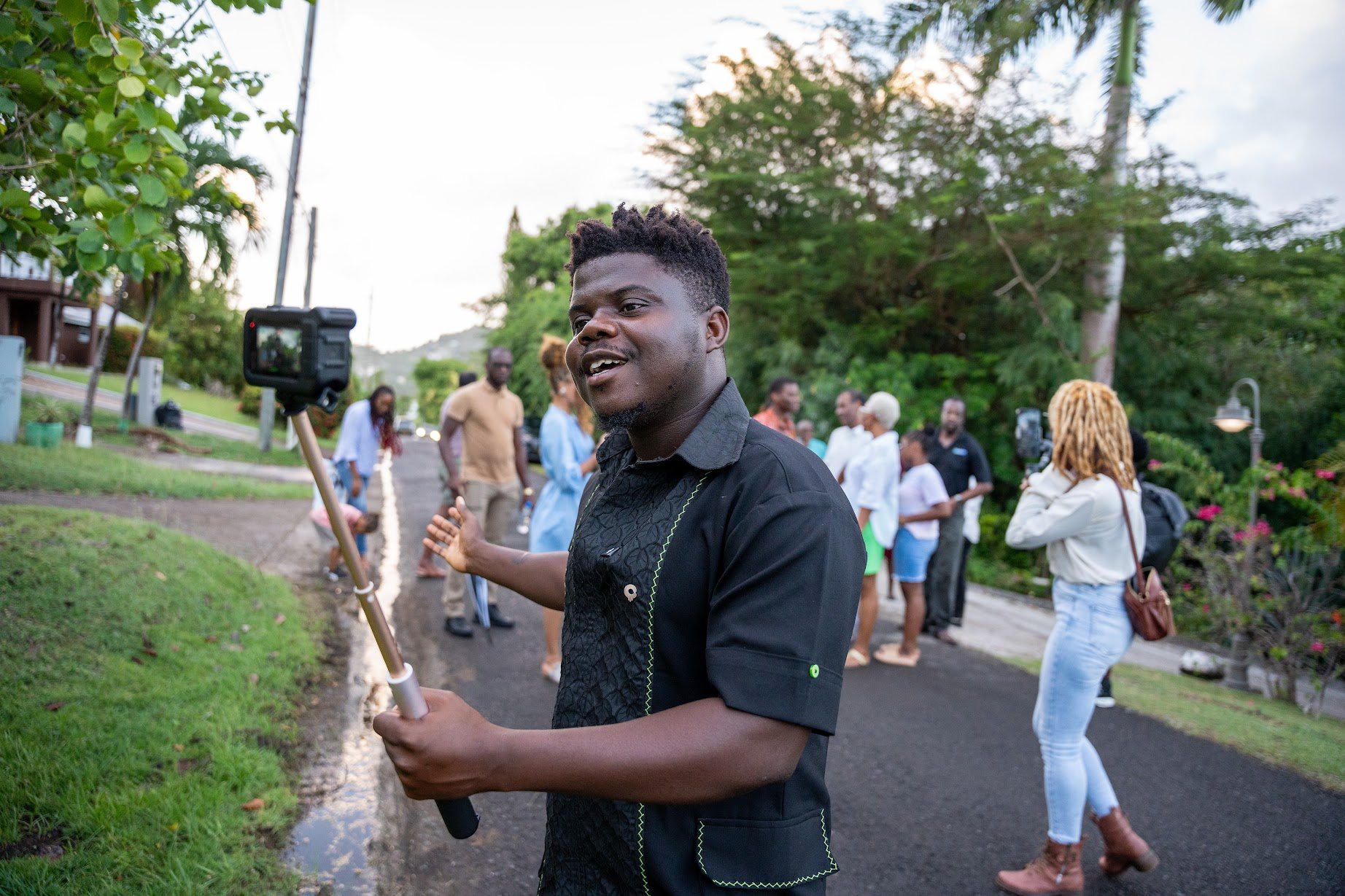
Moreover, this new wave of creators treats their online presence like a startup, not a hobby. They design clear business models, build teams, and launch scalable ventures beyond social media ads. In this guide, you will discover 10 African creators who turned influence into solid enterprises, plus practical lessons you can apply to your own journey.
Ultimately, you will see how African creator-led brands are changing fashion, beauty, media, events, and technology across the continent. As a result, you will understand why the next big African businesses may start on TikTok, YouTube, or Instagram — but they do not end there.
Why African Content Creators Business Models Matter Now
Across the continent, creator culture is no longer just about virality. Instead, it is about building sustainable businesses that create jobs, drive local manufacturing, and attract global capital. Furthermore, brands now budget serious money for influencer partnerships in Africa, with reports showing steady growth in digital ad spend and creator marketing across markets like Nigeria, South Africa, and Kenya.
According to industry analyses, creators worldwide now earn through multiple streams, including platform monetization, branded content, digital products, and merchandise salesCoursera. Similarly, African creators adapt these models to their local context, adding offline ventures such as events, TV deals, and physical product brands. Consequently, the most successful names now operate more like founders than influencers.
Importantly, this shift benefits the wider African innovation ecosystem. Creator-led brands support sectors like Technology, Business & Economy, and Culture & Lifestyle, while telling fresh stories about modern African life. If you want to build your own creator business, you should study how these 10 pioneers operate beyond social media.
1. Dimma Umeh – From Beauty YouTuber To Product-Focused Brand
Dimma Umeh, a Nigerian beauty and lifestyle creator, built one of West Africa’s most respected YouTube channels by focusing on tutorials, honest reviews, and relatable storytelling. Over time, she turned that trust into a strong personal brand with multiple income streams, including brand partnerships, digital campaigns, and collaborative launches with beauty companies. Moreover, her content often drives real sales for makeup and skincare products across Nigeria and the diaspora.

As a result, Dimma’s model shows how a creator can start with content and evolve into a value-based commerce engine. She focuses on deep audience trust, which allows her to influence purchase decisions without pushing hard-sell content. Furthermore, her strategy highlights a key lesson: if you want brand deals, you must first build audience loyalty and clear niche authority.
Key business lessons from Dimma Umeh:
- Prioritize trust and authenticity over quick viral hits.
- Focus on a clear niche, then expand slowly into related categories.
- Negotiate long-term partnerships instead of one-off posts.
2. Mihlali Ndamase – Beauty Influencer To Cosmetics Entrepreneur
South African creator Mihlali Ndamase turned her platform into serious business through beauty partnerships and entrepreneurial ventures. Initially known for makeup tutorials and lifestyle content, she grew into one of South Africa’s most bankable influencers, partnering with major cosmetics and lifestyle brands. Eventually, she moved beyond sponsored posts, co-creating products and building her own offerings in the beauty space.
Importantly, Mihlali treats her brand like a company, with clear positioning and consistent visual identity across platforms. Moreover, she leverages her influence to test ideas, validate products, and drive earlier sales. For aspiring African creators, her journey proves that content can become a launchpad for your own physical or digital products.
Actionable insight: Start by understanding which products your audience already trusts you to recommend. Then, gradually explore collaboration, white-label, or private-label options with manufacturers in your region.
3. Elsa Majimbo – Comedy, Global Deals, and Media Power
Kenyan comedian Elsa Majimbo used short Instagram and TikTok videos to turn lockdown humor into a global business. Consequently, she landed partnerships with luxury brands like Fenty and Valentino, and signed with top-tier talent agencies and management teams. Furthermore, she expanded into media and publishing, co-authoring a book and developing projects that position her as more than a meme-driven creator.
According to global industry coverage, Elsa’s career shows how African creators can negotiate deals on an international stage when they understand their value and audience reachForbes. Notably, she turned her image, storytelling, and brand into intellectual property that works across fashion, entertainment, and media. As a result, she moved from content-only income to long-term equity in global projects.
What you can learn from Elsa Majimbo:
- Build a distinctive, defendable brand voice that travels across cultures.
- Work with professional managers and lawyers when crossing into global markets.
- Treat your ideas and likeness as IP, not just content.
4. Mr Macaroni – Skits, Production, and Live Events
Nigerian comedian and actor Mr Macaroni grew his audience through viral skits built around strong recurring characters. However, he did not stop at social media. He now runs structured content production operations, collaborates with corporate brands, and appears in movies and live shows across Africa. Consequently, his brand functions like a media company, with planned releases, scripts, and production teams.
Additionally, Mr Macaroni leverages his characters as assets, using them in campaigns, stage performances, and branded series. This approach turns a once simple comedy persona into multi-format entertainment IP. If you want to follow a similar path, you should consider how to design characters, storylines, or formats that can scale into TV, events, and film.
Moreover, his journey illustrates that comedy creators can build long-term careers by building outside platforms and formats. Therefore, do not limit your vision to short clips alone. Think about how you can extend popular content into tours, merch, or show franchises.
5. Jackie Aina – Beauty Creator To Global Lifestyle Brand
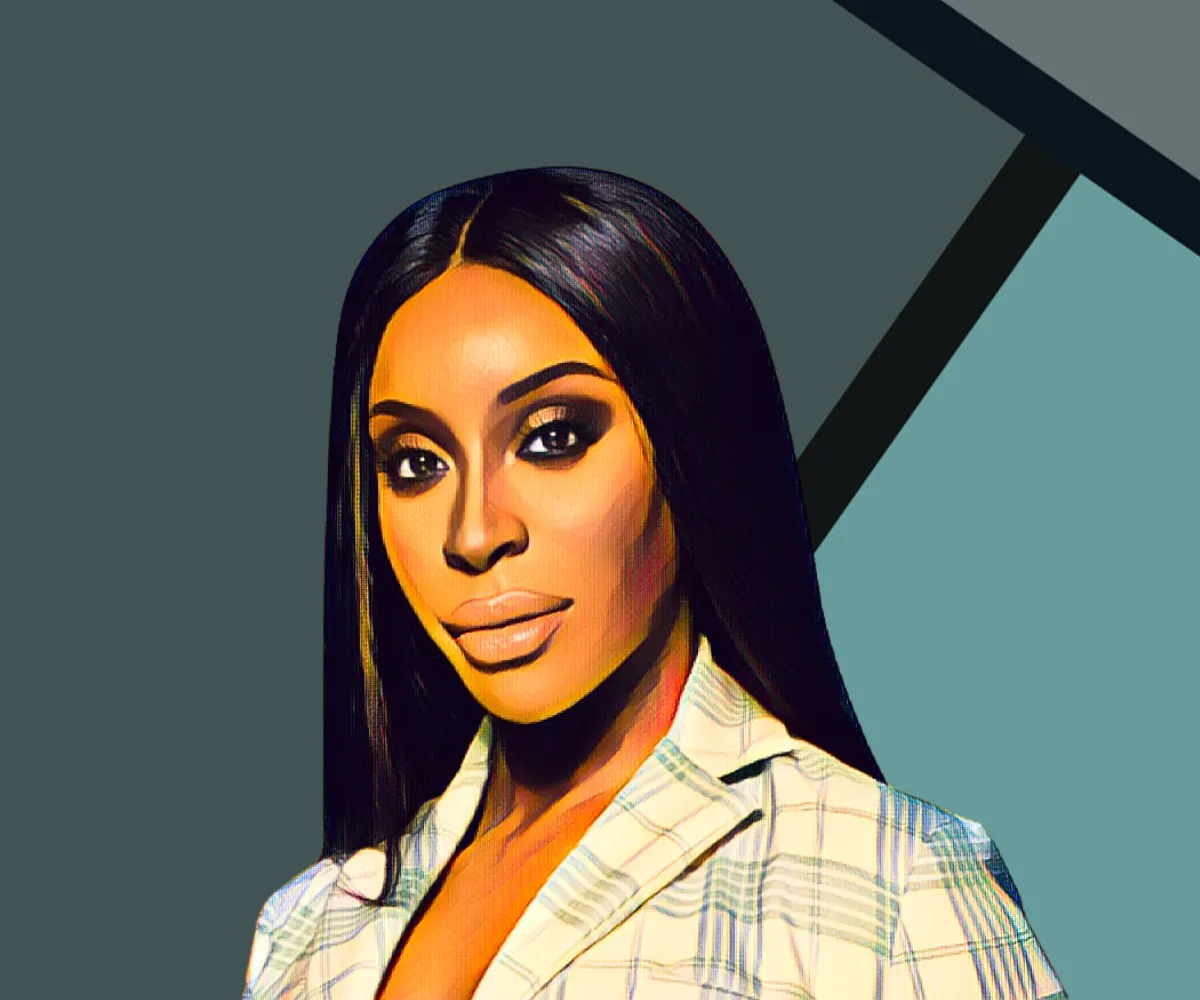
Nigeria-rooted beauty creator Jackie Aina is based in the US, but her influence strongly shapes global views on African beauty and culture. She built her name on YouTube by advocating for better shade ranges and inclusivity in makeup. Over time, she transformed her audience into a customer base for her own luxury candle and lifestyle brand, FORVR MoodCNBC.
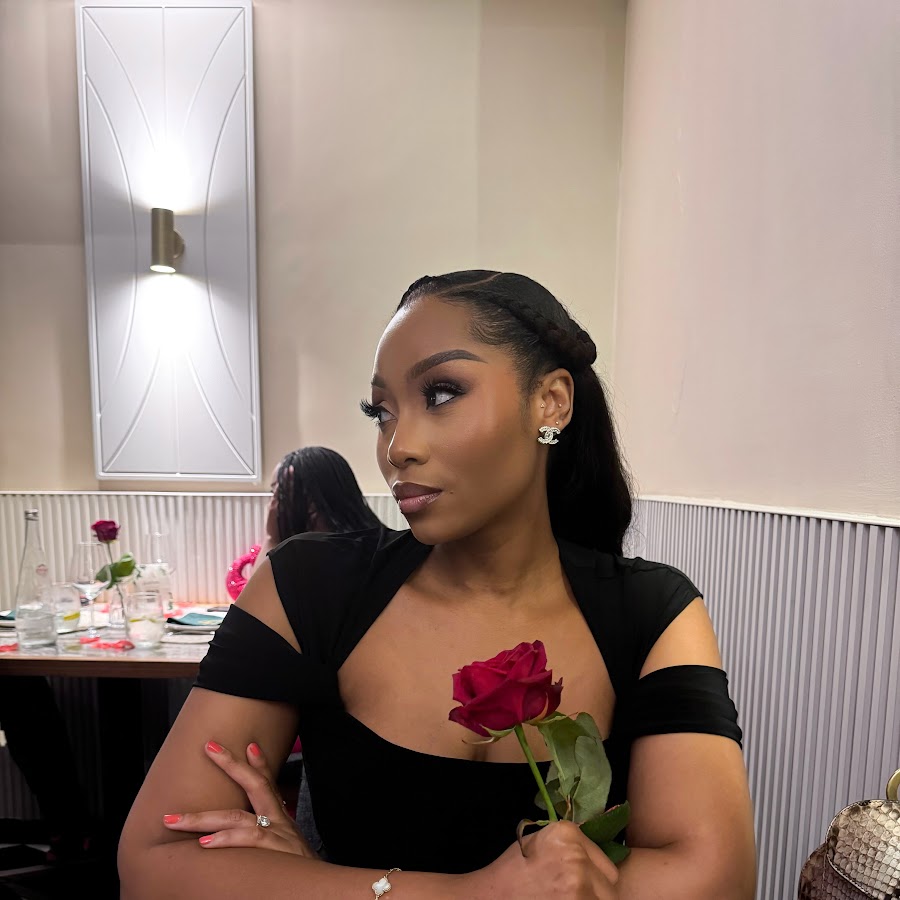
Importantly, Jackie’s business strategy shows the power of niche advocacy. She did not just review products; she challenged brands to do better and then launched her own solutions. Furthermore, FORVR Mood positions itself as a premium lifestyle company, not just influencer merch. That shift in language and branding places Jackie firmly in the founder category.
Key takeaways for African content creators business growth:
- Use your platform to identify unmet needs in your community.
- Build a standalone brand name that can live beyond your personal identity.
- Invest in quality packaging, storytelling, and customer experience.
6. The Nancys – Fashion, Styling, and Creative Business
Across African Instagram and TikTok, fashion creators are turning style influence into consulting, styling, and product-based businesses. For example, creators like South African and Nigerian stylists often move from outfit-of-the-day posts to paid styling for celebrities, music videos, and brand campaigns. Consequently, their pages function like live portfolios that attract steady, high-value clients.
Moreover, many of these creators launch capsule collections with fashion brands or build their own labels. They use social media to validate designs, test trends, and drive pre-orders. As a result, they reduce the risk that many traditional fashion startups face, because their audience already signals what will sell.
How you can apply this model:
- Position your profile as both inspiration hub and proof of skill.
- Offer paid services such as styling, consulting, or lookbook design.
- Partner with local designers and manufacturers to launch limited drops.
7. Wode Maya – Travel Creator To Media Platform Builder
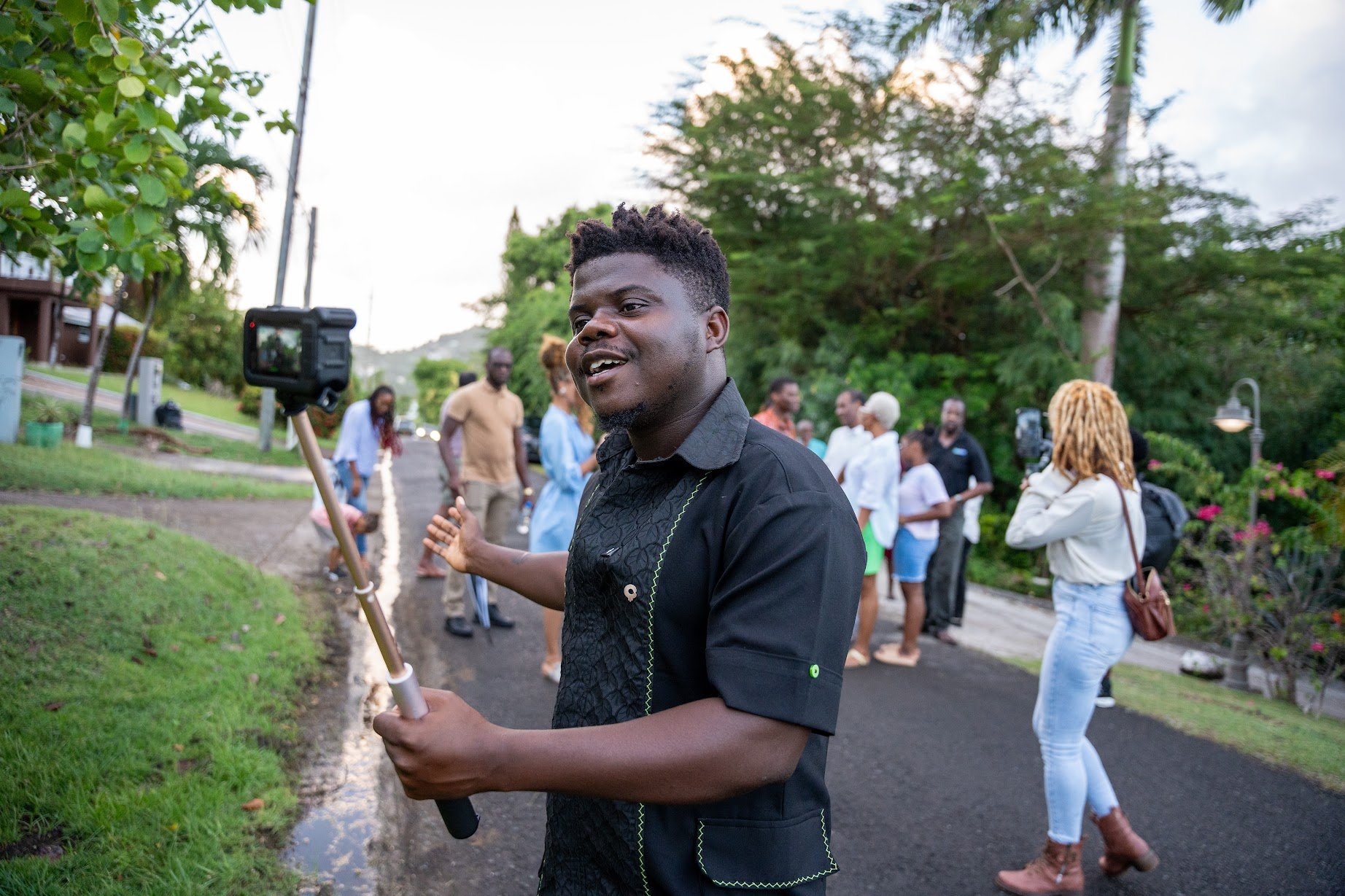
Ghanaian creator Wode Maya built a massive YouTube audience by showcasing African cities, entrepreneurs, and everyday stories. However, he did not stop at travel vlogs. He reinvests revenue into bigger productions, collaborations with startups, and initiatives that spotlight African innovation and entrepreneurship. Consequently, his channel operates as a media platform for pan-African stories, not just a personal vlog.
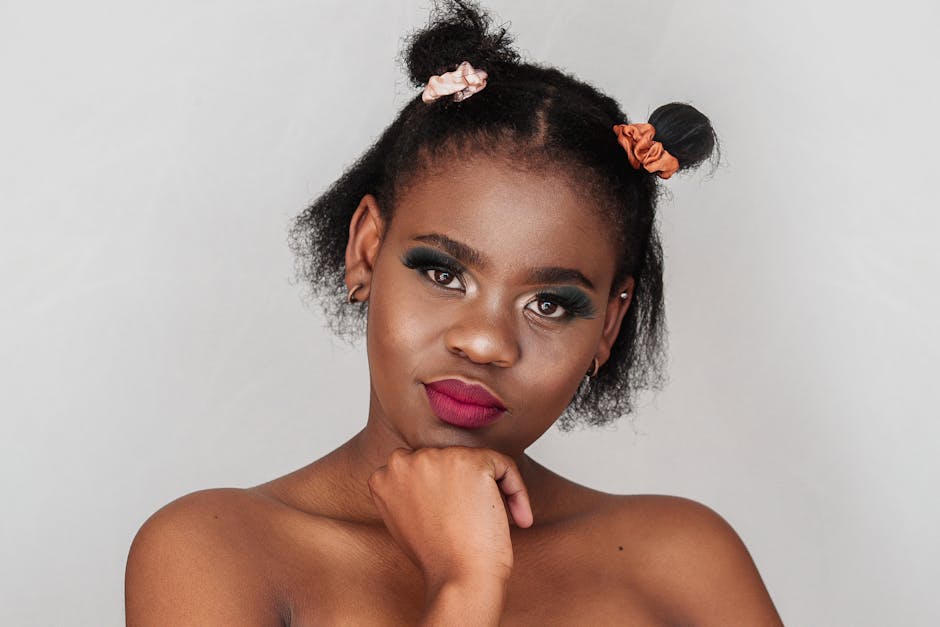
Additionally, Wode Maya’s work supports African founders by giving them visibility and social proof that can attract customers and investors. This model blends creator culture with ecosystem building. If you care about African tech startups or local businesses, you can mirror this by designing content formats that consistently highlight other players in your industry.
Furthermore, his approach proves that you can build a business by becoming a trusted storyteller for a niche, such as African development or startup success. You then monetize through sponsorships, partnerships, and possibly equity deals in the companies you feature.
8. Mihlali and the Rise of Creator-Led Agencies
Across Africa, a growing number of influencers now launch their own agencies to manage campaigns, talent, and creative projects. In some cases, established creators co-found boutique agencies that help brands design influencer marketing strategies tailored to local culture. Therefore, they move from being the talent to also becoming the broker and strategist.
According to global marketing guides, this shift mirrors trends where creators offer services like content production studios, consulting, and campaign managementSprinklr. Similarly, African creators with strong brand knowledge now build service businesses that employ teams and serve multiple clients. As a result, their income no longer depends only on their personal audience size.
Ways you can evolve into a creator-agency hybrid:
- Document your past campaigns and results as case studies.
- Offer brands end-to-end services: strategy, production, and reporting.
- Onboard smaller creators into your network and manage them as talent.
9. African Content Creators Business Models: Beyond Ad Revenue
Many new African creators still think YouTube or TikTok ad revenue is the main prize. However, top earners treat platform payouts as only one of many income streams. They diversify into brand deals, digital products, services, events, and physical goods. Consequently, their businesses are more stable and less vulnerable to algorithm changes.
Research on content creation business models highlights popular income streams like brand collaborations, affiliate marketing, merchandise, courses, and membershipsBryant University. Similarly, African creators adapt these to their realities, adding partnerships with local SMEs, tours, and regional media deals. Furthermore, some negotiate revenue shares or equity, not just one-time payments.
Core revenue pillars you should consider:
- Brand partnerships and long-term ambassadorships.
- Digital products: ebooks, courses, templates, or presets.
- Services: consulting, speaking, or creative direction.
- Physical products: fashion, beauty, tech accessories, or home goods.
- Events and experiences: workshops, tours, or live shows.
10. Lessons From African Creators Treating Influence Like a Startup
When you study the most strategic African content creators, you notice a clear pattern. They think like founders. They track their metrics, study their audience, build systems, and reinvest profit into growth. Moreover, they experiment with new formats and business lines instead of relying on a single revenue stream.
Furthermore, they collaborate across borders, mixing audiences from Lagos, Nairobi, Johannesburg, Accra, and the diaspora. This pan-African positioning makes their brands more attractive to global companies that want regional reach. If you can build this type of cross-border presence, you will unlock higher-budget partnerships and more leverage in negotiations.
Ultimately, the biggest lesson is simple: treat your creator journey as a real business from day one. Put structures in place, understand contracts, and build clear offers that brands and fans can pay for.
How You Can Build Your Own African Content Creators Business
Now that you have seen how leading creators move beyond social media, you can design your own roadmap. First, you should define your niche and audience with brutal clarity. Then, you should develop a simple but strong offer around that niche, like a product, service, or media format. Additionally, you can use your content to test demand before investing heavily.

Moreover, you should focus on one main platform at the start to deepen your impact. Many creator coaches recommend picking a single primary platform, then repurposing content across others once you have momentum. Consequently, you can grow faster without burning out. As your influence grows, you can layer new income streams carefully.
Practical steps to start today:
- Define one clear niche and one problem you solve for your audience.
- Choose one primary platform and commit to consistent posting for 3–6 months.
- Design an entry-level offer: a digital product, service, or simple merch line.
- Pitch three brands or SMEs that align with your niche every week.
- Reinvest early income into better production, branding, and team support.
Explore Business, Tech, and Culture Insights on Topping Africa
If you want to follow how creators shape Africa’s digital economy, you should stay close to the latest trends. You can explore more business stories and case studies in Business & Economy. Additionally, you can discover new digital tools and startup ideas in Technology.
Furthermore, you can read more about lifestyle, fashion, and celebrity culture in Culture & Lifestyle. These sections highlight how young Africans turn creativity into opportunity across the continent. Ultimately, they give you concrete examples and inspiration for your own creator journey.
Explore More on Topping Africa
Before you go, you should explore more creator and innovation stories on Topping Africa. Here are a few sections to dive into:
- Business & Economy – Deep dives into African startups, creator businesses, and emerging markets.
- Technology – Coverage of African tech, digital culture, and the tools creators use to grow.
- Entertainment – Stories on celebrities, music, and creator culture shaping pop trends.
Moreover, you can bookmark these pages, subscribe to updates, and share your thoughts with other readers. Remember, the more you learn from real-world case studies, the faster you can refine your own strategy.
Conclusion: Your Influence Can Be a Real African Business
African creators are proving every day that followers alone are not the end goal. Instead, the most successful names turn their influence into companies, products, and platforms that create long-term value. Consequently, you now have clear models you can adapt, whether you focus on beauty, tech, comedy, travel, or fashion.
As you build, keep asking yourself one question: how can I move from content to company? If you stay consistent, study the creators who came before you, and treat your work like a business, you can build something real. Finally, you should explore more stories on Topping Africa, share your thoughts, and leave a comment whenever a story inspires your next big move.

Staff
Contributing writer at Topping Africa.
0 Comments
No comments yet. Be the first to share your thoughts!