
How Idris Elba and Google’s $1M AI Initiative Is Transforming Africa’s Creator Economy
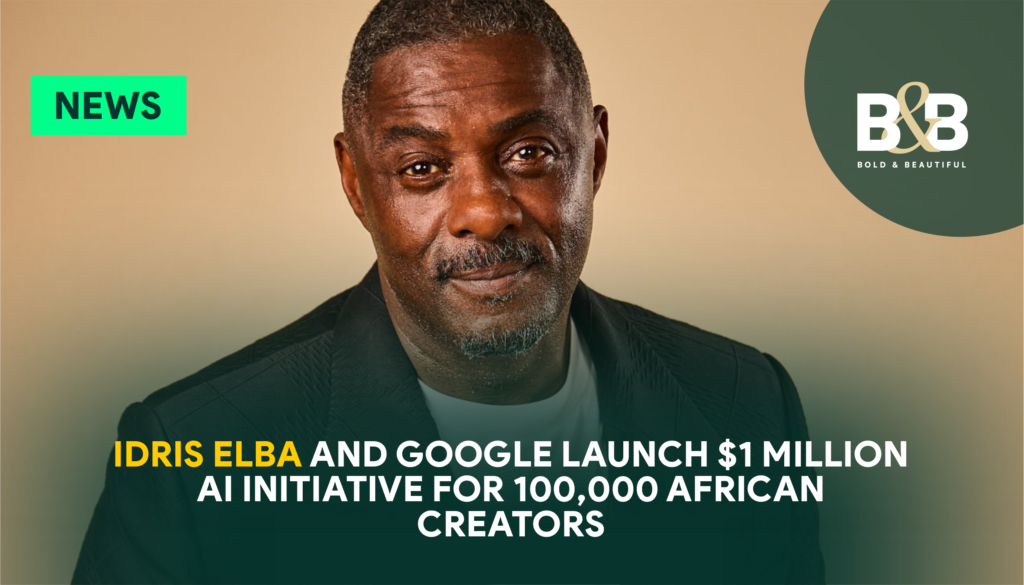
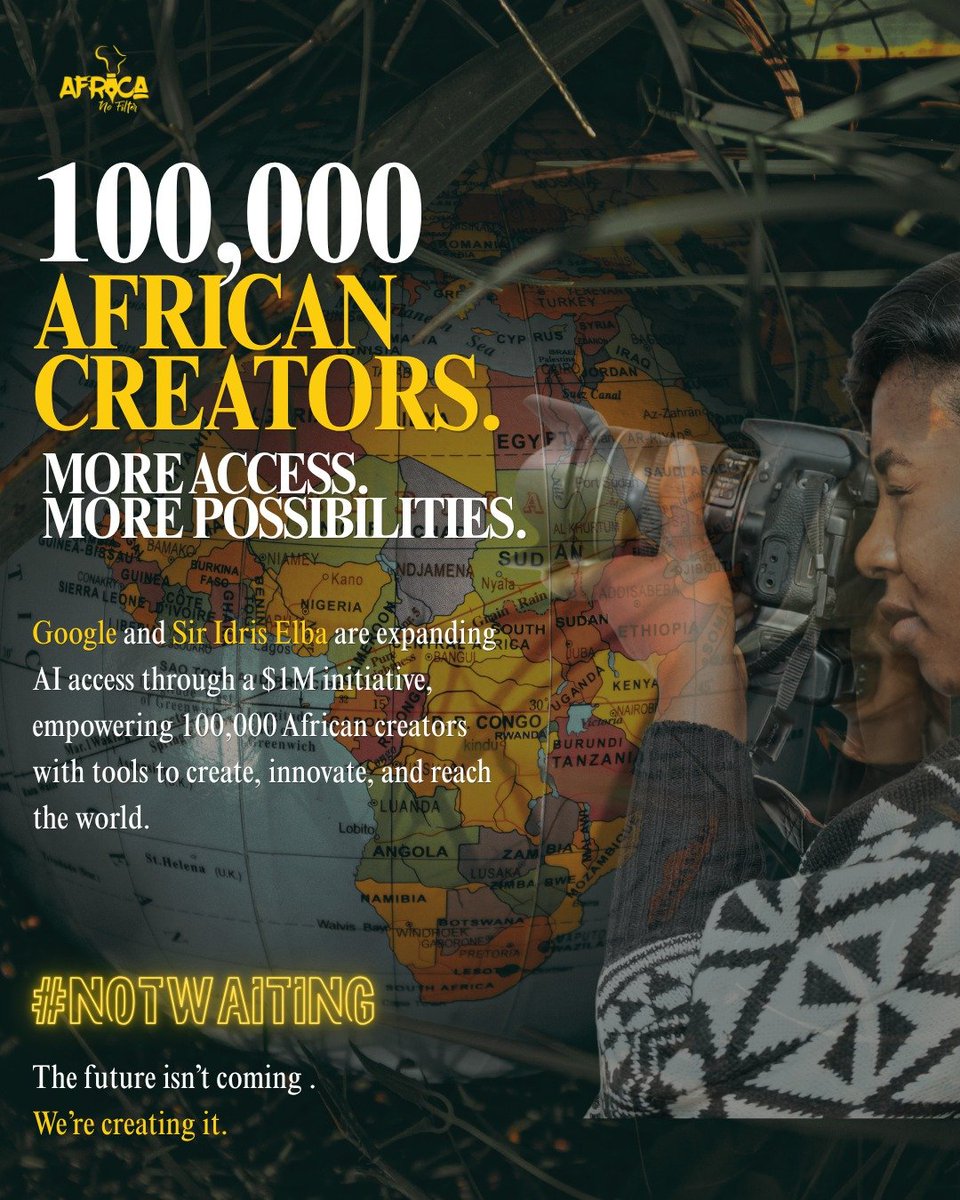
Google and Idris Elba’s new $1 million AI initiative is giving 100,000 African creators access to Gemini and other tools. Here is what it means for Nigeria, South Africa, Ghana, Kenya, and Sierra Leone.
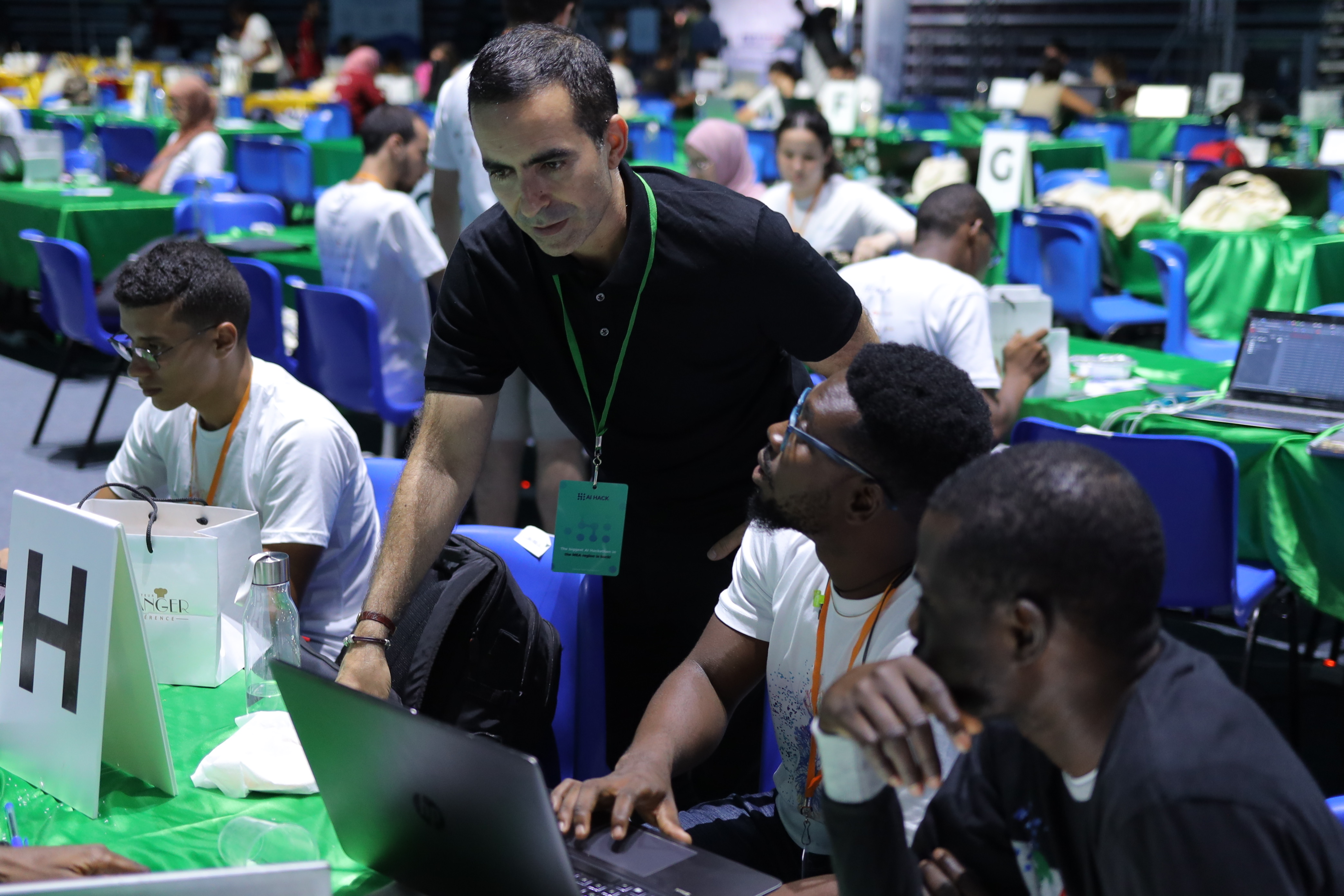
Idris Elba Google AI initiative African creators is now one of the most important stories in Africa’s digital economy. Google and Idris Elba have launched a more than $1 million programme that will give about 100,000 creators in Nigeria, South Africa, Ghana, Kenya, and Sierra Leone free access to Gemini and other digital tools.[1][3][5]
Furthermore, the plan is designed to help creators produce high-quality content faster and at lower cost.[1][3] For African influencers, filmmakers, designers, musicians, and startup founders, this is not just a tech headline. It is a direct shift in how creative work can be made, scaled, and sold.
Why the Idris Elba Google AI initiative African creators story matters now
Moreover, the timing matters. Google announced the initiative at its first Africa Cloud Summit in Johannesburg, where it also outlined wider AI plans for the continent.[5] Those plans include an Applied AI Lab in Ghana and a connectivity hub in South Africa, which shows that Google is tying creator access to broader infrastructure growth.[5]
Additionally, the creative economy is already a serious economic force across sub-Saharan Africa. One recent report cited by Nairametrics says the sector has contributed nearly 4% of regional GDP since 2019, generated more than $58 billion in revenue, and supported about 8.2% of all jobs.[6] That means tools that cut costs and speed up output can have real income effects, not just creative ones.
Importantly, this initiative is also a signal to the market. When a global company and a global celebrity back African creators, investors, brands, and platforms pay attention. As a result, the story goes beyond free access to Gemini. It speaks to trust, talent, and the future of African content at scale.
What the $1 million AI package actually offers
According to Bloomberg and other reports, Google and Elba’s Elba Hope Foundation are funding access to Google’s Gemini AI assistant and other digital products for the selected creators.[1][3][5] The programme targets creators in five countries: Nigeria, South Africa, Ghana, Kenya, and Sierra Leone.[1][3][5]
However, the most important part is not only access. It is *what creators can do with that access*. The initiative aims to help them create video, music, design, and other digital content more efficiently.[2][5] In practical terms, that can mean faster scripts, smarter editing, better captions, improved design drafts, and stronger idea generation.
Meanwhile, the rollout details are still limited. We know the programme will reach around 100,000 creators, but the selection process and timetable have not yet been fully disclosed.[5] That matters because the biggest gains will come from fair access, clear training, and local language support.
- Free access to Gemini and other Google digital products
- Target reach of about 100,000 African creators
- Focus countries: Nigeria, South Africa, Ghana, Kenya, and Sierra Leone
- Creative use cases: video, music, design, and digital content
How Idris Elba’s role changes the signal for African creators
Notably, Idris Elba is not only lending his name to a tech campaign. His Akuna Group is part of the project, and reports say the programme reflects his wider commitment to Africa’s entertainment ecosystem.[5] That gives the initiative a cultural edge that many tech projects lack.
Additionally, Elba brings credibility across film, music, and global pop culture. African creators know that celebrity-backed projects can attract attention, but they can also open doors to partnerships, brand deals, and distribution. For this reason, the Idris Elba Google AI initiative African creators story feels built for both the creative and business sides of the market.[1][5]
Moreover, Elba’s involvement may help the initiative connect more naturally with creators who do not see themselves as “tech users” first. Many artists and influencers want better tools, but they do not always want complex systems. A familiar public figure can make adoption feel more practical and more exciting.
Idris Elba Google AI initiative African creators: country-by-country impact
Therefore, the value of this programme will differ by market. Each participating country has a distinct creator scene, internet access pattern, and monetisation path. That gives the initiative a chance to prove that AI can meet local needs, not just global trends.
Nigeria: scale, speed, and commercial content
Nigeria is likely to be one of the biggest winners. The country has a huge creator base across music, comedy, Nollywood, fashion, and short-form video. Consequently, AI tools that help with editing, scripting, thumbnails, and content planning could save hours every week.
Furthermore, Nigerian creators often build audiences fast but face production bottlenecks. Free access to Gemini could help smaller teams work more like media studios. For brands and startups, that means faster campaign delivery and stronger content output.
South Africa: stronger studio workflows and brand content
South Africa already has a more mature digital business environment, and the summit was held in Johannesburg.[5] Therefore, the local impact may focus more on professional workflows, agency work, and brand content. AI can help creators draft proposals, prepare campaign ideas, and produce polished visuals with less overhead.
In addition, the country’s strong media, fintech, and lifestyle sectors give creators more room to turn content into commercial services. That makes the initiative useful not only for influencers, but also for freelancers and small creative agencies.
Ghana: music, film, and rising creative hubs
Ghana stands out because Google also announced an Applied AI Lab there.[5] As a result, the country could become a serious testbed for AI-powered creative work. Music, film, event coverage, and fashion storytelling may all benefit from quicker content pipelines.
Moreover, Ghana’s growing creator culture has already gained global attention through music, style, and diaspora links. The initiative could help local creators turn more of that attention into paid work.
Kenya: digital-first storytelling and startup content
Kenya has one of the continent’s strongest digital-first ecosystems. Consequently, creators there may use AI to support newsletters, explainer videos, startup storytelling, product marketing, and social media campaigns. This is especially useful for the country’s tech and business communities.
Additionally, creators working in education, fintech, and entrepreneurship can use AI to simplify complex topics. That can make their content more accessible and more profitable.
Sierra Leone: access, visibility, and skill building
Sierra Leone may see some of the most meaningful access gains. Because creator ecosystems in smaller markets often face tighter budgets, free AI tools can have an outsized effect. Therefore, the initiative could help local storytellers publish more consistently and improve production quality.
Meanwhile, the programme may also raise visibility for Sierra Leonean voices that are often underrepresented on global platforms. That is important for culture, tourism, and digital identity.
What this means for African content creators, influencers, and startups
Importantly, this initiative is not only for full-time creators. It also matters for small businesses, media startups, fashion brands, and emerging tech founders. Many of these groups now rely on content to attract customers, tell stories, and build trust.
Furthermore, AI can reduce the cost of experimentation. A creator can test more ideas, a startup can produce more product explainers, and a fashion label can create more campaign variants without hiring large teams. In markets where budgets are tight, that is a major advantage.
However, the biggest gains will come to those who learn how to use the tools well. AI can speed up work, but it still needs human taste, cultural insight, and audience knowledge. That means creators who combine AI with strong voice and local relevance will stand out.
- Faster production for scripts, captions, and visuals
- Lower costs for small teams and solo creators
- More output for brands, podcasts, and video channels
- Better scale for creator-led businesses and startups
The business case behind the Google–Elba partnership
Additionally, this move makes business sense for Google. Africa’s media and entertainment market is expected to grow sharply, and one report cited by Africa Business Insider says it could reach $118 billion by 2031.[3] In that environment, helping creators build on Google tools is also a way to grow product adoption.
Meanwhile, Google is pairing this creator programme with other AI investments in Africa, including support for startups. Reports say the company will select 15 African startups for its AI accelerator beginning July 21, as part of a broader goal to support 50 AI startups across Africa by 2028.[3] That shows a wider strategy: back both the builders and the storytellers.
Therefore, the Google–Elba partnership is not a one-off charity move. It sits inside a larger push to make Africa a stronger AI market. For creators, that can translate into more tools, more training, and possibly more local products in the future.
How creators can use Gemini and AI tools more strategically
Notably, AI will reward creators who use it as a support system, not a replacement. The strongest results often come from using AI for the parts of work that are slow, repetitive, or hard to scale. That leaves more time for original ideas and community building.
Furthermore, African creators can use AI in ways that fit local markets. For example, a fashion creator in Lagos can use it to draft outfit captions for multiple platforms. A music promoter in Accra can use it to build event copy and fan updates. A tech creator in Nairobi can use it to simplify product explanations for wider audiences.
- Plan content themes before you create.
- Draft scripts, captions, and outlines faster.
- Repurpose one idea into video, text, and social posts.
- Test different hooks and headlines.
- Refine final work with your own voice and local context.
Consequently, creators who learn these workflows early may gain a clear edge. They will likely publish more often, move faster, and improve consistency across channels.
Opportunities by niche: who stands to win most?
Moreover, the impact will differ by niche. Some sectors are already content-heavy, while others are just beginning to professionalise. The initiative can help both, but the value will show up in different ways.
- Music: faster lyric drafts, promo copies, fan engagement posts, and visual concepts
- Film and video: script support, shot lists, subtitles, and rough edit planning
- Fashion: campaign ideas, product descriptions, trend posts, and lookbook text
- Influencer marketing: content calendars, brand pitch decks, and community replies
- Tech storytelling: explainers, founder profiles, product launch copy, and research summaries
Additionally, African startups can use the same tools to improve their content marketing. That matters because content often drives customer trust before a sale happens. For that reason, this initiative may help not only creators, but also the businesses they work with.
What Topping Africa readers should watch next
Importantly, the story is still developing. The selection rules, training details, and rollout plan remain unclear.[5] Readers should watch for how Google and Elba’s teams handle language, inclusion, and support for creators who need hands-on guidance.
Furthermore, the real measure of success will not be the announcement itself. It will be how many creators actually build better work, earn more money, and keep using the tools after the free access period. That is the test that matters in the African market.
Explore more on Topping Africa and follow the wider creator economy conversation through our Technology, Business & Economy, Entertainment, Culture & Lifestyle, and Africa News sections.
Discover more stories on African innovation, creator growth, and celebrity-led projects. Share your thoughts in the comments, and subscribe for more updates on the people shaping Africa’s digital future.
Explore More on Topping Africa
Technology & Innovation
Read more about AI, startups, and digital tools changing how Africans work and create.
Business & Economy
Discover the money side of Africa’s creator boom, from brand deals to new income streams.
Entertainment
Follow the stars, creators, and cultural voices driving Africa’s biggest conversations.
For readers who want the broader context, see Google’s official blog, Bloomberg, and WeAreTech Africa for the latest updates on the initiative.[1][5]

Staff
Contributing writer at Topping Africa.
0 Comments
No comments yet. Be the first to share your thoughts!