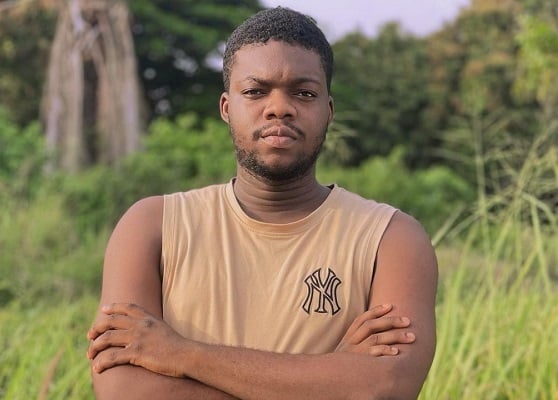

10 Fast-Rising African Content Creators Transforming Youth Culture and Money Talk

Across Africa, rising content creators are turning youth culture into powerful conversations about money, careers, tech and lifestyle. This guide spotlights 10 fast-rising African voices who blend relatable storytelling with sharp business insight, offering you inspiration and practical tools for the creator economy.
10 Fast-Rising Content Creators Transforming Youth Culture and Money Talk in Africa
Across the continent, rising African content creators are turning youth culture into a powerful engine for money talk, tech ambition, and lifestyle innovation.[5] Moreover, these Gen Z and young millennial voices blend entertainment with smart conversations about careers, AI, startups, and fashion. Consequently, they give you more than vibes – they offer practical tools for building real wealth in African cities and online spaces.[8] Ultimately, this new wave of digital storytellers is reshaping what it means to be young, ambitious, and African in the creator economy.[8]
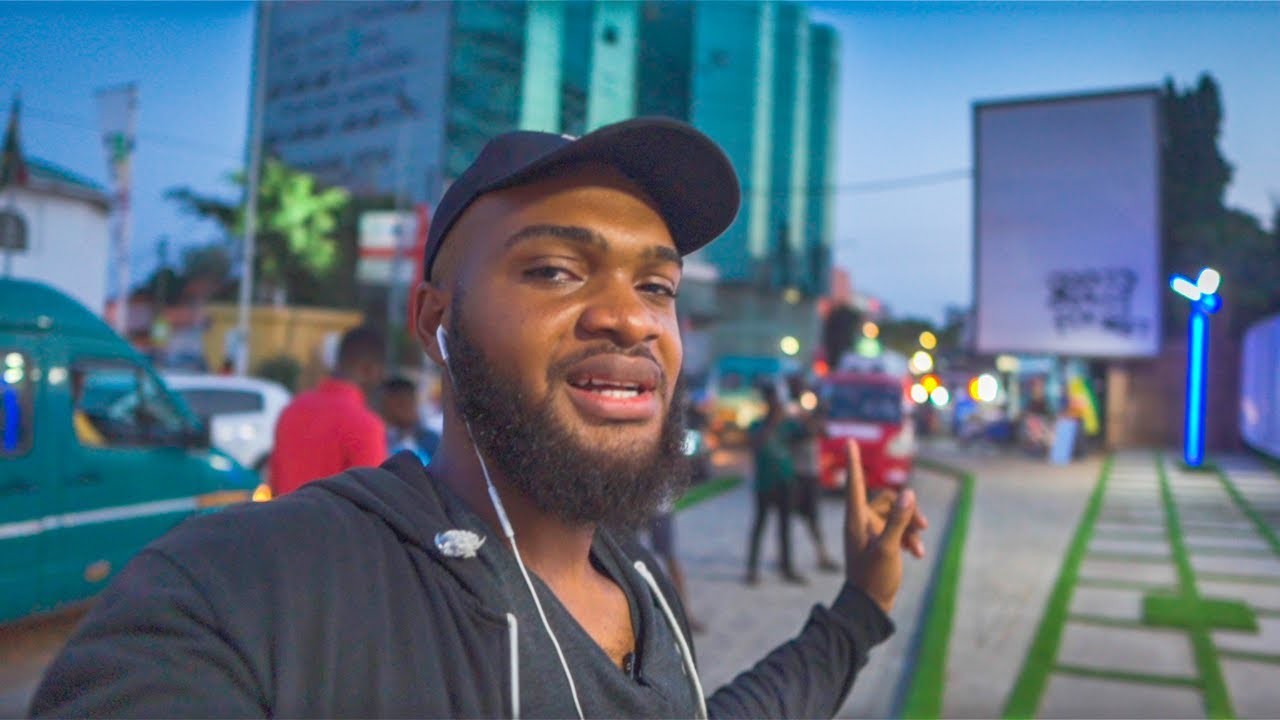
Importantly, this guide focuses on serious yet relatable creators, not just viral prank channels or celebrity gossip. Furthermore, you will discover storytellers who turn YouTube, TikTok, Instagram and podcasts into informal business schools for African youth.[1][5] As a result, following these voices can sharpen how you think about money, social media influence, and the growing African tech startup scene.[8] Therefore, if you want to level up your hustle and stay plugged into youth culture, this list is your starting point.
Why Rising African Content Creators Matter for Youth Money Talk
Notably, global brands now compete to partner with African creators because their audiences are young, engaged and hungry for opportunity.[8] Additionally, platforms like YouTube and TikTok give African Gen Z creators direct access to millions, turning side hustles into full businesses.[5][7] Consequently, rising African content creators are not only entertaining fans; they are teaching real lessons about digital skills, personal branding and financial independence.[8]
Moreover, many of these creators now collaborate with fintech apps, edtech startups and fashion labels across Lagos, Nairobi, Accra and Johannesburg.[5][7] In particular, they help demystify money, break down complex topics like investment or AI in simple language, and show how culture and cash can work together. Therefore, as you build your own career in tech, fashion, music or content, these voices can serve as living case studies of African innovation in action.
For deeper coverage of this fast-moving space, you can explore more Technology stories on Topping Africa and discover Business & Economy insights that track the continent’s digital boom.
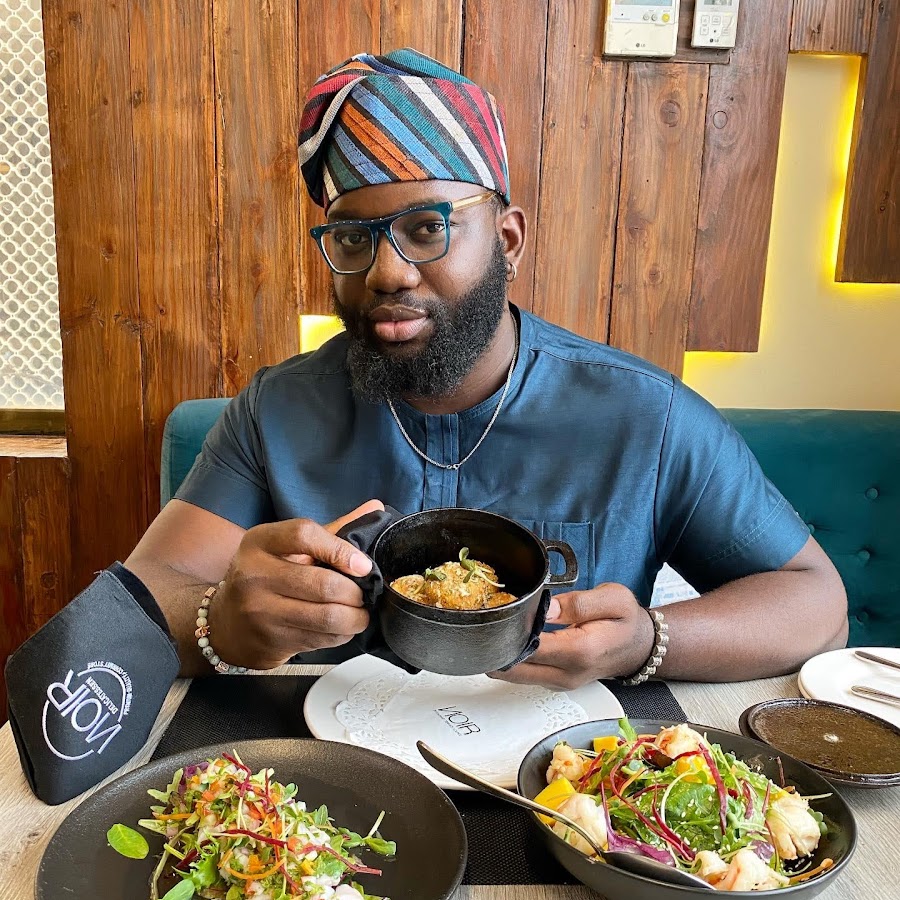
1. Tayo Aina – Lifestyle, Real Estate and Creator-Led Business Education
Firstly, Tayo Aina, a Nigerian filmmaker and creator, has become one of Africa’s standout voices on lifestyle, travel and money.[5] Importantly, his YouTube channel mixes cinematic storytelling with deep dives into real estate investing, creator careers and African tech founders.[5] Additionally, he regularly profiles startup builders and entrepreneurs in Lagos, Dubai and beyond, turning his platform into a visual business magazine for young Africans.[5]
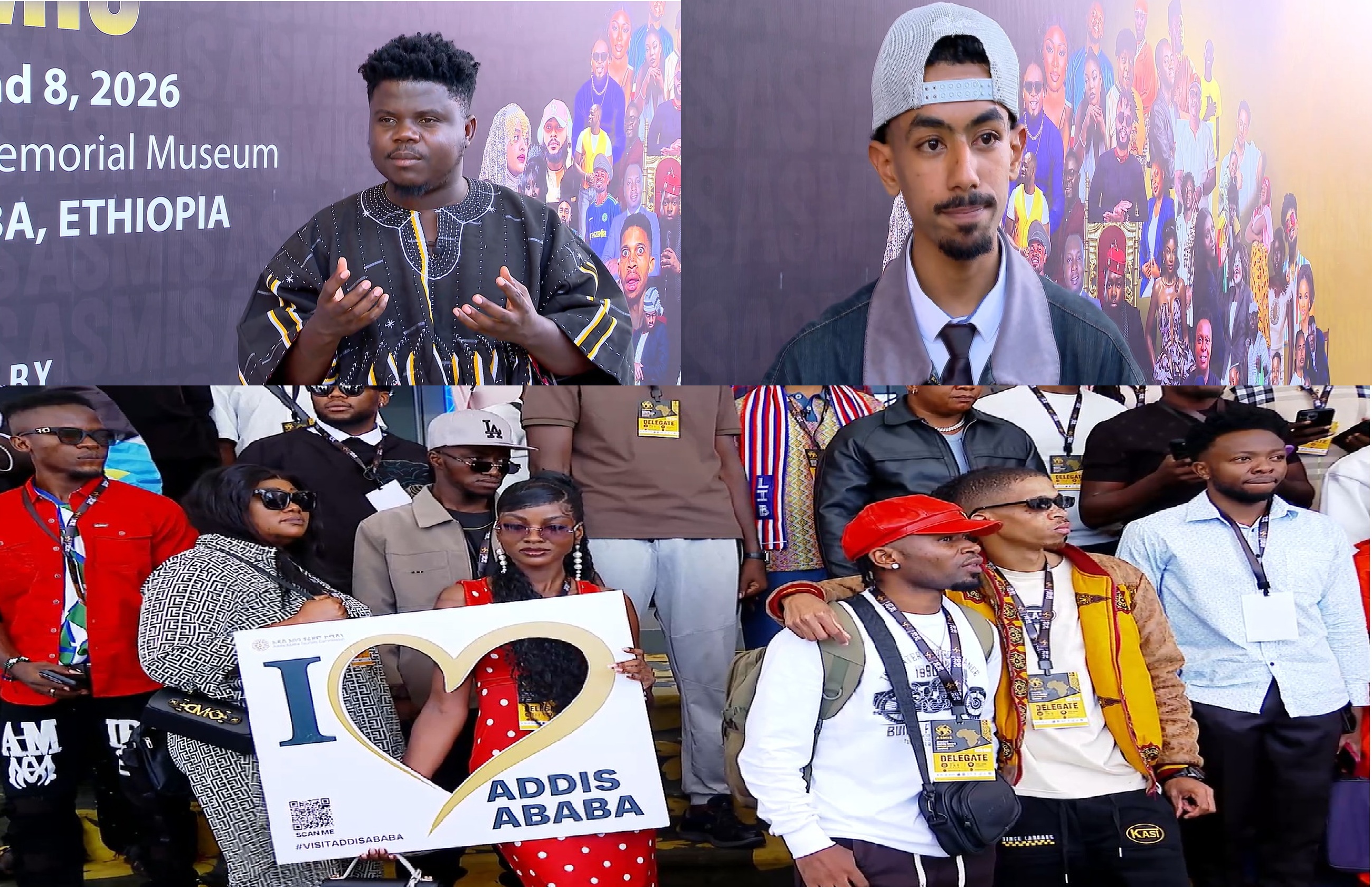
Moreover, Tayo Aina’s content shows you how to think bigger about location-independent work, saving, and investing in African cities. Consequently, his videos often highlight how creators turn storytelling skills into long-term assets like property, production companies and brand deals.[5] As a result, following his work gives you both inspiration and a blueprint for scaling your own digital hustle.
For more stories blending lifestyle and entrepreneurship, read more Culture & Lifestyle features on Topping Africa and Business & Economy coverage.
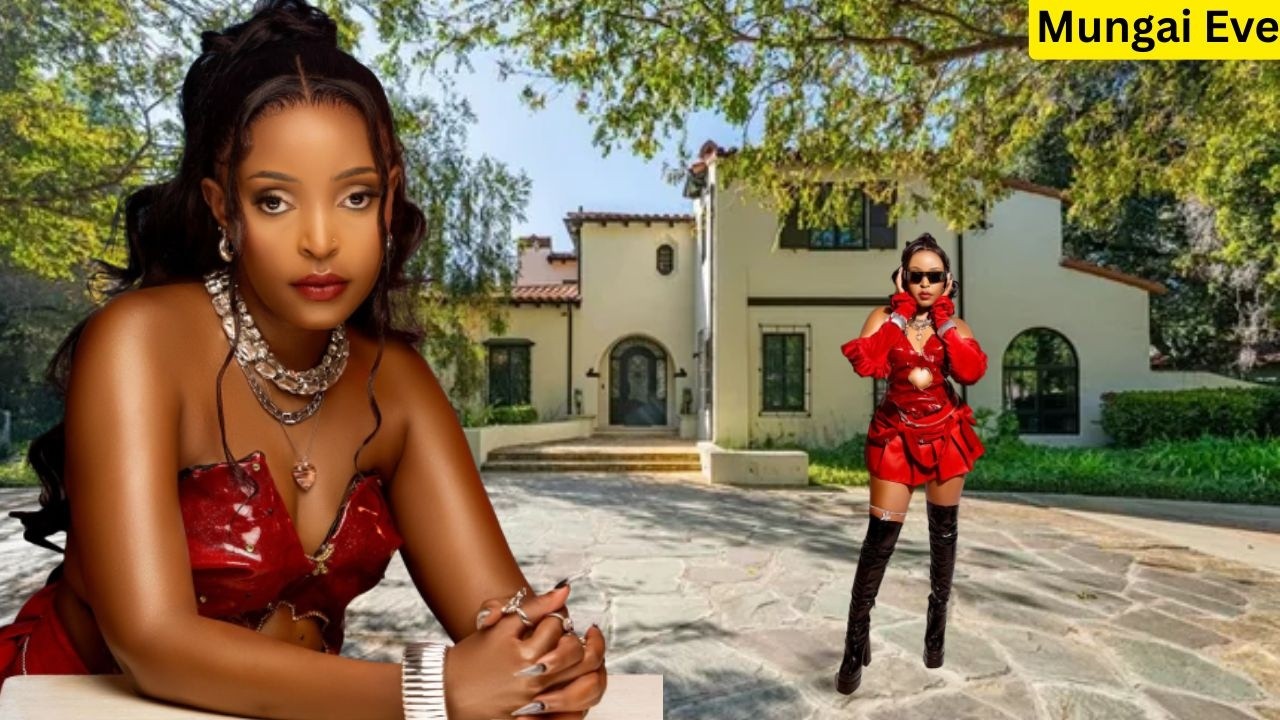
2. Mungai Eve – Everyday Youth Culture, Hustle Stories and Nairobi Creator Economy
Secondly, Kenyan creator Mungai Eve rose quickly by documenting the everyday lives, dreams and side hustles of young people in Nairobi.[5] Furthermore, her channel spotlights up-and-coming artists, small business owners, and street fashion trends, making youth culture feel both aspirational and accessible.[5] Consequently, she bridges entertainment with informal business journalism, especially for urban Kenyan and East African audiences.[4][5]
Moreover, Mungai Eve’s interviews often touch on money – from how creatives survive in Nairobi’s economy to how influencers negotiate deals and build brands.[5] Specifically, she gives you an unfiltered look at how youth in informal settlements and inner-city areas use creativity to move from survival to stability. Therefore, if you want a realistic picture of youth hustle and influencer culture in East Africa, she is a must-follow.
3. Miss Trudy – Travel, Creator Partnerships and African Luxury on a Budget
Thirdly, Kenyan travel vlogger Miss Trudy has turned African travel content into a pathway for money talk and international creator partnerships.[5] Additionally, she explores how Africans can travel across the continent affordably while still enjoying comfort and style. Consequently, her content breaks the stereotype that African travel is only for elite jet-setters.[5]

Moreover, Miss Trudy often collaborates with hotels, tourism boards and brands, showcasing how creators monetize storytelling while promoting African destinations.[5] In particular, she provides practical tips on travel budgeting, booking strategies and leveraging social media to secure sponsored trips.[5] As a result, her channel doubles as an informal masterclass on the intersection of travel, influence and business for African youth.
4. Wode Maya – Pan-African Development, Diaspora Money and Startup Stories
Fourthly, Ghanaian creator Wode Maya is widely recognized as one of the leading voices on African development and entrepreneurship.[2][5] Importantly, his videos highlight positive African innovation, spotlighting startups, local industries and hidden success stories from across the continent.[2] Additionally, he regularly features diaspora investors, returnees and founders building businesses in countries like Rwanda, Ghana and Ethiopia.[2][5]
Moreover, Wode Maya’s content shifts money talk away from charity narratives to investment, ownership and intra-African collaboration.[2] Consequently, his storytelling encourages young Africans to see themselves as builders of companies, not just employees or social media users. Therefore, if you care about African tech startups, industrialization and cross-border opportunities, his channel is a powerful learning tool.
For context on how creators influence narratives about development, you can check reports from BBC Africa and digital economy research from Brookings Africa Growth Initiative.
5. Stephen Ndukwu – Tourism, Hospitality and Visual Storytelling for Africa’s Experience Economy
Fifthly, Nigerian filmmaker Stephen Ndukwu focuses on travel, hospitality and lifestyle, crafting glossy videos that feel like mini-documentaries.[2] Furthermore, he explores hotels, resorts, short-let apartments and nightlife, turning hospitality reviews into aspirational content for young Africans.[2] Consequently, his channel shows you how storytelling and visual branding can drive tourism and real estate interest in African cities.[2]
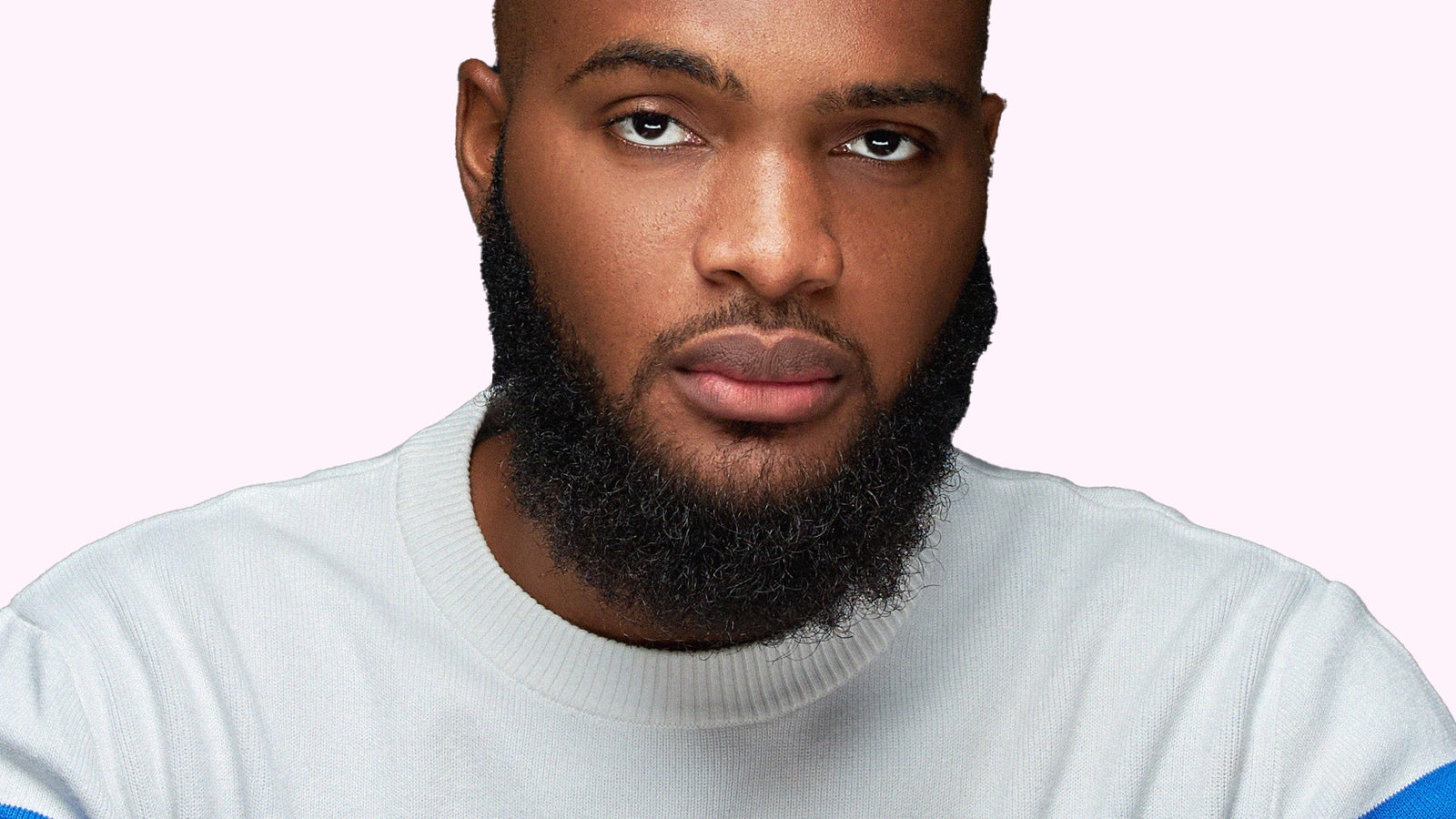
Moreover, Stephen Ndukwu’s work highlights how creators can partner with local businesses, tourism boards and property owners to create win–win campaigns.[2] Specifically, his approach blends cinematic quality with clear information on prices, experiences and locations, helping viewers plan their own trips or investments. As a result, he sits at the intersection of youth culture, lifestyle and the growing African experience economy.
6. Shank Comics – Comedy, Creator Branding and Monetizing Gen Z Humor
Sixthly, Nigerian comedian Shank Comics represents the new generation of African comedy creators who treat humor as a serious business.[2] Additionally, he built his audience with skits that capture Nigerian youth slang, awkward moments and online dating chaos.[2] Consequently, his content feels light-hearted, but his career offers lessons in niche positioning and creator branding for African Gen Z.[2]
Moreover, Shank Comics now expands from skits into streaming, hosting and brand campaigns, turning followers into long-term value.[2] In particular, he shows how a creator can start with simple videos and then scale into multi-platform influence and commercial partnerships. Therefore, if you want to learn how to convert jokes and memes into a structured career, his journey is a case study.
7. Mungai Eve & Friends – East African Collab Culture and Youth Money Conversations
Seventhly, East Africa’s creator ecosystem is increasingly driven by collaborations between rising voices in Kenya, Tanzania, Ethiopia and Uganda.[4][7] Furthermore, reels and short-form series now feature creators sharing tips on brand deals, content pricing and algorithm hacks, especially on Instagram and TikTok.[4][7] Consequently, creators like Mungai Eve often appear in cross-channel projects that normalize talking openly about rates, contracts and creative control.[4]
Moreover, this collab culture matters because it turns private money talk into public learning for the wider community. Specifically, when creators share how they negotiate with brands or structure retainers, they empower younger peers to avoid exploitation and demand fair value. Ultimately, this transparency strengthens the entire African creator economy and accelerates professional standards.[7][8]
8. Finance and Money Talk Creators – Personal Finance for African Gen Z
Importantly, a growing cluster of African creators focus directly on personal finance, investment and career strategy for young audiences.[7][8] Additionally, they simplify topics like emergency funds, side hustles, job searches and digital skills, often mixing memes with spreadsheets. Consequently, these channels operate like youth-focused financial literacy classes, but in bite-sized, shareable formats.[8]
Moreover, many of these creators collaborate with African fintech startups, using explainers and Q&A sessions to show how savings apps, mobile wallets and digital investing work.[8] For instance, some partner with platforms tracked by reports from GSMA Mobile for Development, helping fans understand mobile money trends. Therefore, if you want to future-proof your finances, subscribing to at least one African money-talk creator should be a priority.
9. Fashion, Beauty and Influencer Culture – Soft Power Meets Smart Branding
Notably, African fashion and beauty creators now sit at the front line of influencer culture, shaping how youth see themselves and their buying power.[1][7] Additionally, they blend local styles with global trends, turning Ankara, streetwear and luxury pieces into viral content and shoppable moments.[1] Consequently, these creators teach subtle lessons in branding, negotiation and visual merchandising through every outfit post and haul.[1]
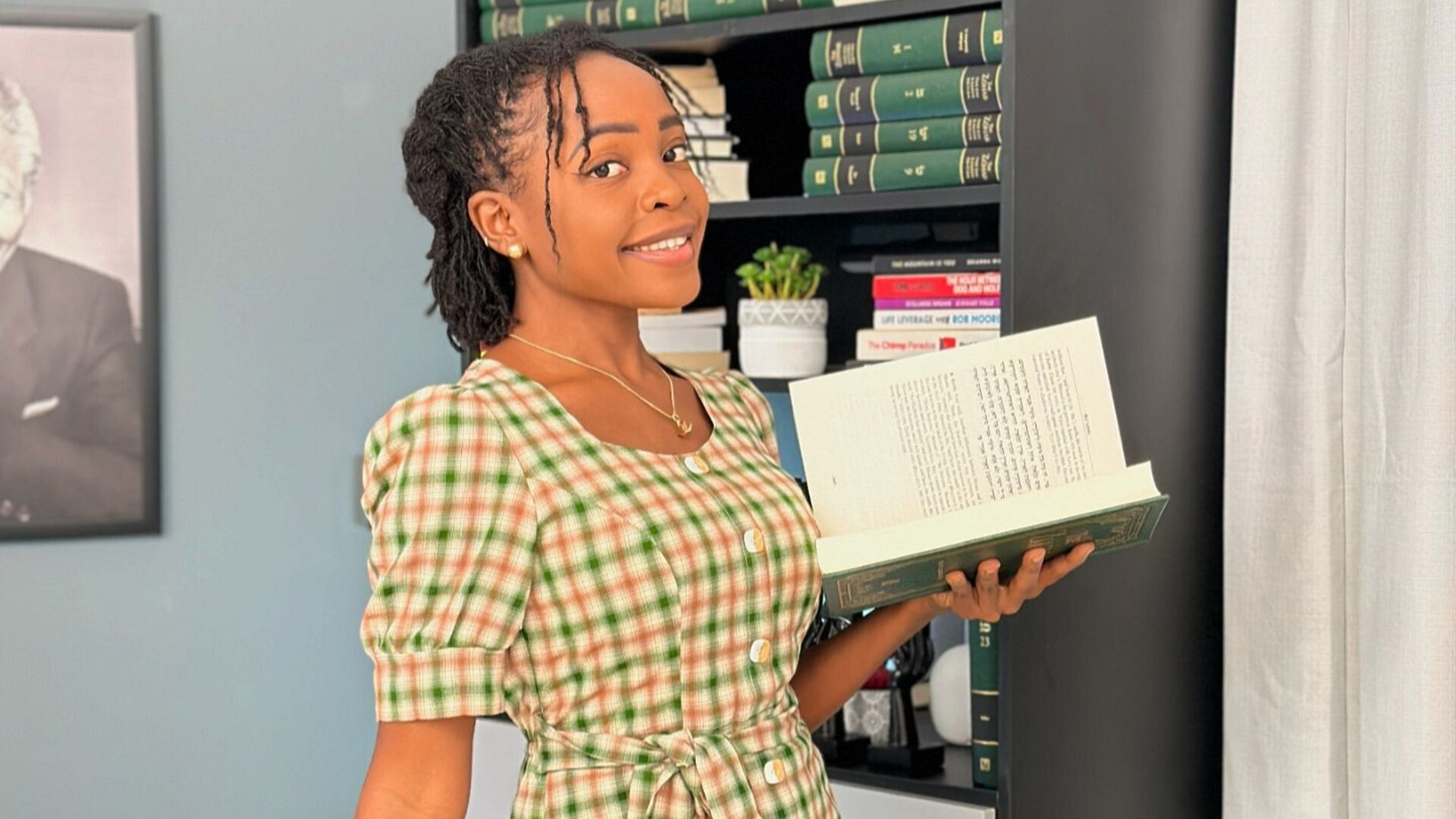
Moreover, many fashion and beauty influencers now run their own brands, consult for labels or co-create products, showing clear paths from content to company ownership.[1][7] Specifically, this shift matters for African youth because it demonstrates that style can be more than consumption; it can be a route into design, commerce and entrepreneurship. Therefore, if you pay attention, every lookbook or GRWM (get ready with me) video becomes a case study in modern African soft power.
10. Tech, AI and Startup Storytellers – Bringing the Future Down to Earth
Finally, tech-focused African creators explain AI, coding, product design and startup funding in ways that feel relevant to everyday life.[7][8] Furthermore, they show young viewers how AI tools can boost creativity, automate boring tasks and open remote work opportunities. Consequently, these creators help demystify buzzwords and turn abstract innovation into concrete career moves for African youth.[8]
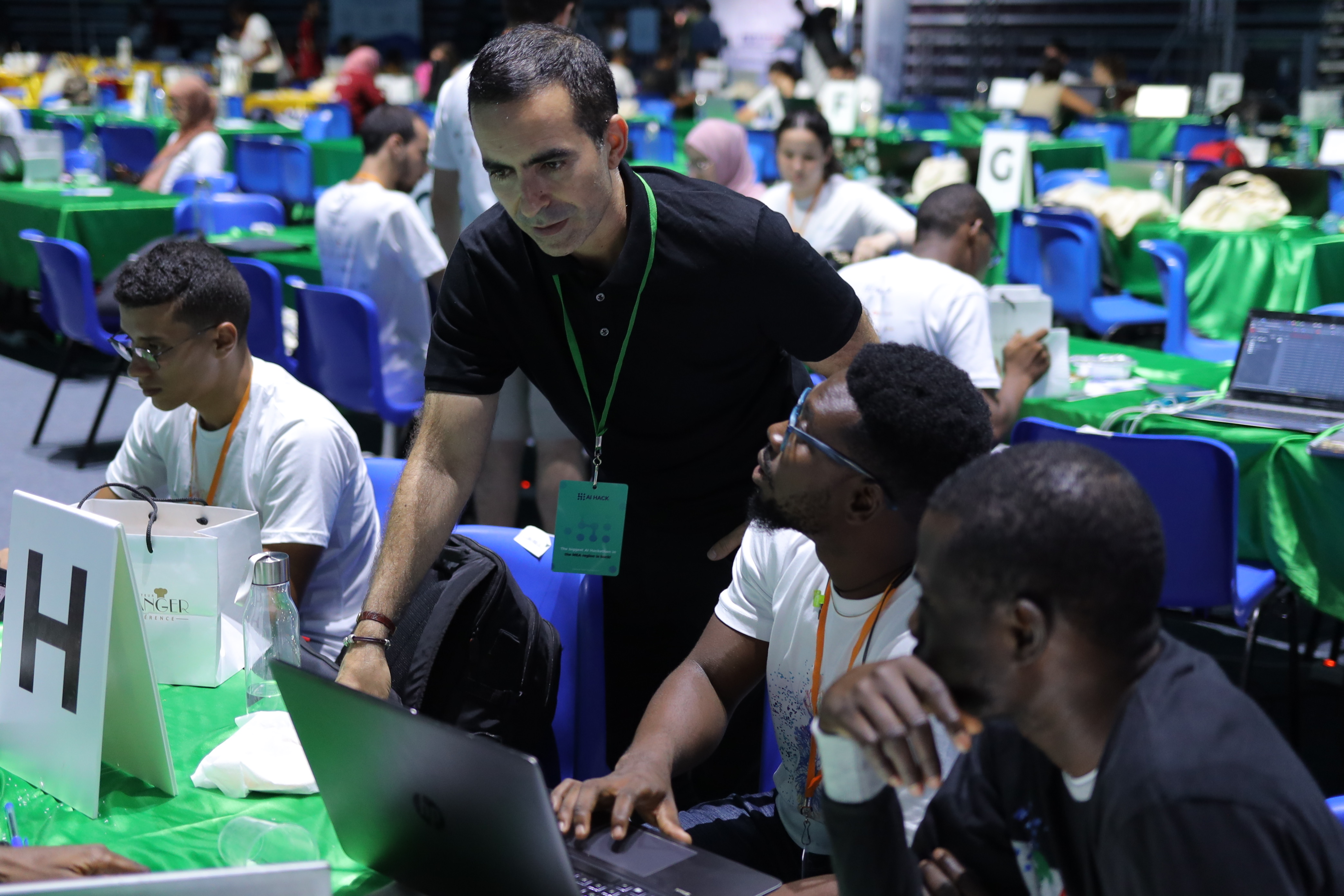
Moreover, many tech storytellers interview founders, developers and ecosystem leaders from Lagos, Nairobi, Kigali and Cape Town.[7][8] In particular, they highlight accelerator programs, hackathons and co-working hubs, connecting online audiences to real-world communities. As a result, following them can be your first step into the African startup pipeline, even if you are still in school or just starting your career.
How Rising African Content Creators Blend Lifestyle, Business and Culture
Importantly, what makes these creators special is how they mix lifestyle, humor and aspirational visuals with grounded business talk.[1][2][5] Additionally, a typical video can move from street food to cash flow, from TikTok challenges to negotiation tips, without losing the audience. Consequently, youth learn that money and culture are not separate worlds – they interact daily in how we dress, travel and hustle.[8]
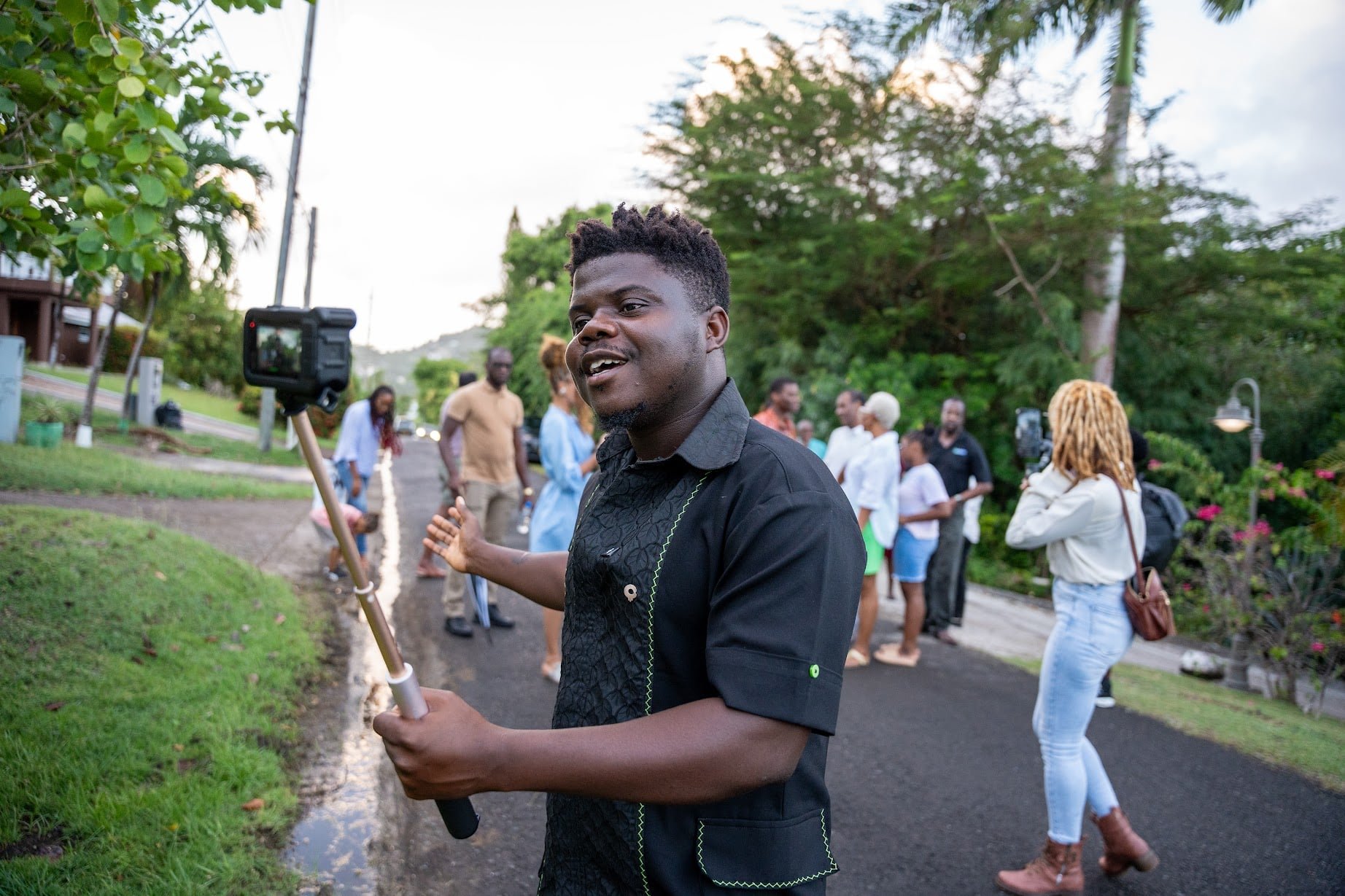
Moreover, this blend supports mental shifts around wealth: from fear and secrecy to openness and experimentation. Specifically, creators encourage followers to try new side gigs, pitch brands, launch digital products or join tech bootcamps. Therefore, the continent’s youth are slowly turning from passive consumers into active builders in the creator and startup economy.
Practical Ways to Learn from These Creators
Additionally, you can turn your follow list into a learning curriculum instead of just entertainment. Consequently, here are simple steps to make the most of these rising African content creators:
- Take notes while watching videos that discuss rates, contracts, pricing or platform strategies.
- Save playlists focused on money talk, tech skills or business interviews and revisit them monthly.
- Engage actively in comments, ask questions and join live sessions to clarify confusing topics.
- Test ideas by applying at least one tip per week to your own content, career or side hustle.
- Network with fellow viewers; often, the audience community is as valuable as the creator.
Explore More on Topping Africa
Moreover, if you want structured coverage around the creator economy and youth innovation, Topping Africa offers rich cross-category storytelling. Consequently, you can:
- Explore Entertainment for deep dives on influencers, streaming trends and African celebrities.
- Discover Technology & Innovation stories unpacking startups, AI and digital culture.
- Read more Business & Economy coverage on creator monetization, brand deals and the wider African economy.
Additionally, you can subscribe to stay ahead of new profiles and spotlights on rising African content creators shaping money talk and youth culture. Ultimately, share your thoughts and leave a comment on future Topping Africa pieces to help guide which creators we highlight next.
Conclusion: Your Turn to Join Africa’s Creator–Startup Wave
Importantly, the ten profiles and trends above show that Africa’s youth are not waiting for permission; they build their own stages.[1][5][8] Additionally, rising African content creators now influence how young people dress, invest, travel, learn skills and launch startups. Consequently, if you follow them with intention, you gain both inspiration and practical frameworks for your own journey.
Moreover, the next breakout voice might be you. Specifically, your perspective on your city, your hustle and your culture could help thousands of others navigate money talk and modern careers. Therefore, start small, stay consistent, and treat content not just as entertainment but as a serious tool for African innovation and empowerment.
Finally, explore more creator and startup stories across Topping Africa, discover new voices and share this article with a friend who needs that extra push to hit record.

Staff
Contributing writer at Topping Africa.
0 Comments
No comments yet. Be the first to share your thoughts!