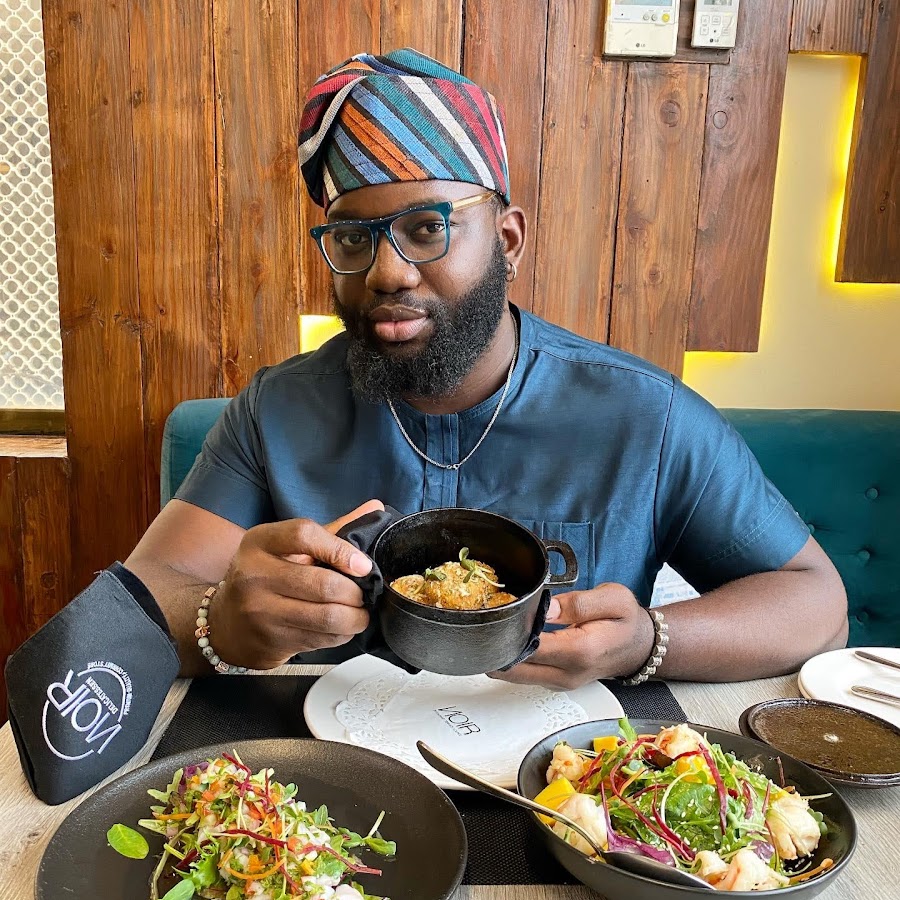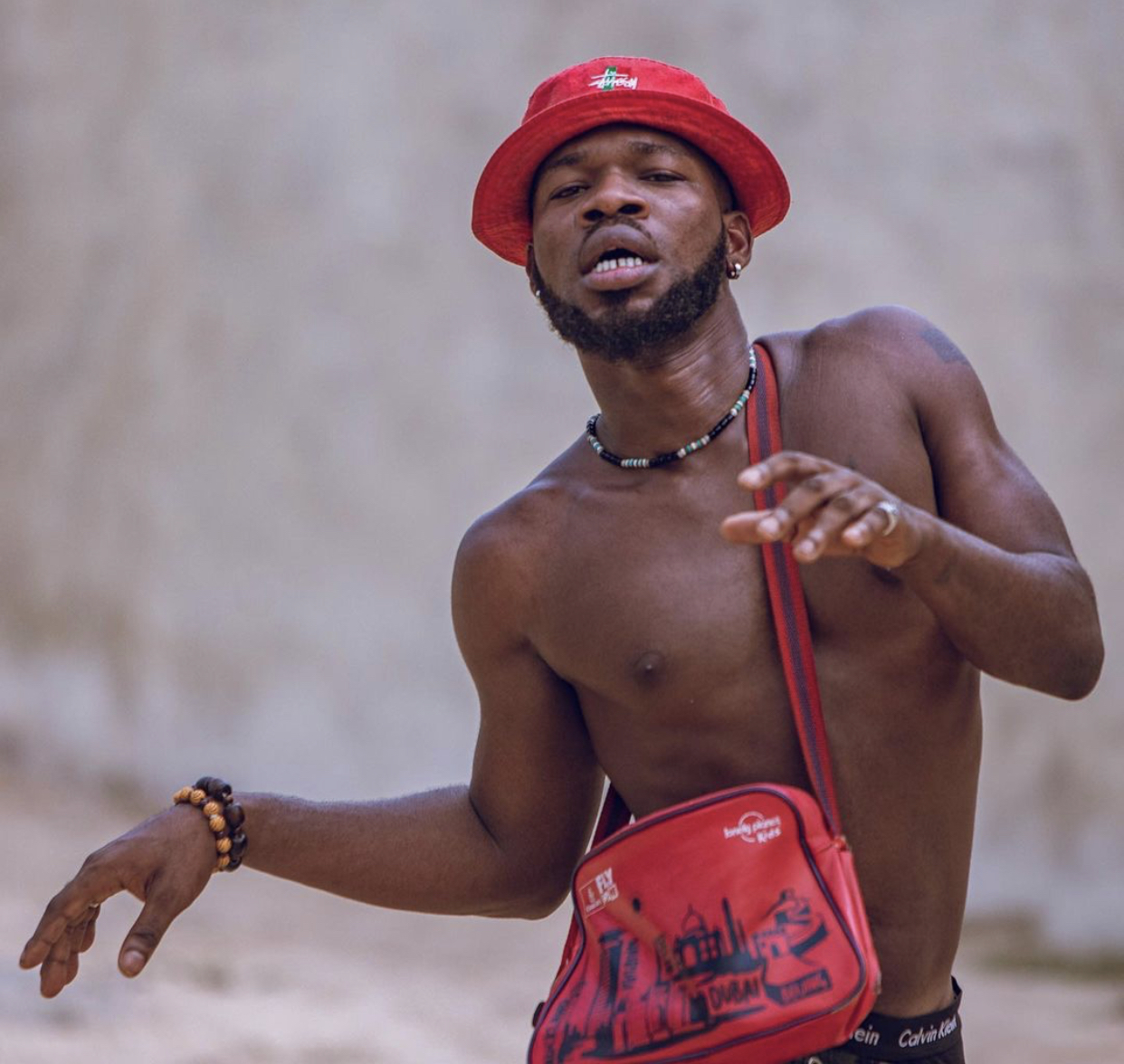

7 Rising East African Content Creators Changing Youth Leadership Talk

East African content creators are changing how young people talk about leadership, development, entrepreneurship, and civic life. This spotlight reveals seven rising voices shaping youth attitudes across Kenya, Tanzania, Uganda, Rwanda, and Ethiopia.
East African content creators are changing how young people talk about leadership and development. Across TikTok, YouTube, and podcasts, they turn big ideas like entrepreneurship, city life, migration, climate, and governance into content that feels personal and useful.
Furthermore, this shift matters because young audiences do not only want news. They want practical lessons, honest debate, and examples they can act on. That is why these creators are shaping civic habits, public service expectations, and local problem-solving in Kenya, Tanzania, Uganda, Rwanda, and Ethiopia.
Meanwhile, the rise of youth-led leadership conversations fits a wider African trend. Institutions and thought leaders are increasingly pushing for intergenerational leadership, reciprocal mentoring, and structured youth participation in decision-making[1][3][4].
For more context on related stories, explore Technology & Innovation, Business & Economy, Culture & Lifestyle, and Africa News.
Why East African content creators matter now
Young people across East Africa increasingly get their information from creators who speak their language and understand their daily reality. Consequently, a short video about rent, transport, small business pressure, or local governance can spark more engagement than a formal speech.

Additionally, Africa’s youth population gives this shift real weight. Salzburg Global notes that 70% of sub-Saharan Africa’s population is under 30, which means youth-centered communication now shapes the region’s future at scale[5].
Importantly, these creators do more than entertain. They translate civic ideas into everyday life, making leadership feel less distant and development feel more local. That makes their influence especially strong among students, first-job workers, freelancers, and young founders.
7 rising East African content creators to watch
1. The civic storyteller who makes governance feel personal
Notably, one of the strongest trends in East African digital media is the creator who explains public systems through simple stories. This style works because it connects policy to daily pain points like service delivery, road use, taxes, and access to opportunity.

Furthermore, this type of creator often uses humor and direct language to keep attention high. The result is content that feels less like a lecture and more like a group chat about how society should work.
Why they matter: They help young people ask sharper questions about accountability, public service, and local leadership.
2. The startup-focused YouTuber showing how ideas become income
Meanwhile, Africa’s startup culture has become a major source of youth ambition, and East African creators are documenting it well. They spotlight side hustles, digital tools, founder journeys, and lessons from small businesses that grow through discipline and smart marketing.

Consequently, their content often inspires practical action. Viewers leave with ideas for online selling, brand building, coding, content monetization, or community-based business models.
Why they matter: They make entrepreneurship feel reachable, not reserved for experts or well-funded founders.
3. The migration and diaspora voice speaking to the modern East African youth
Additionally, migration is one of the most sensitive and relevant topics for young East Africans. Some creators discuss study abroad, labor mobility, remittances, and the emotional cost of leaving home in a way that feels grounded and honest.
Moreover, this kind of content helps young people compare local opportunity with global mobility. It also encourages better planning, stronger financial literacy, and more realistic expectations about life outside the region.
Why they matter: They help audiences think critically about opportunity, identity, and the meaning of development.
4. The climate communicator linking environment and everyday survival
Importantly, climate content is no longer niche in East Africa. Creators now explain flooding, heat, food security, waste management, and water access through simple, shareable formats.
Similarly, these voices help young people understand that climate is not only a science issue. It is also a jobs issue, a food issue, a housing issue, and a future-of-cities issue.
Why they matter: They connect sustainability to practical life, which makes climate action easier to care about.
5. The city-life commentator decoding urban pressure and social change
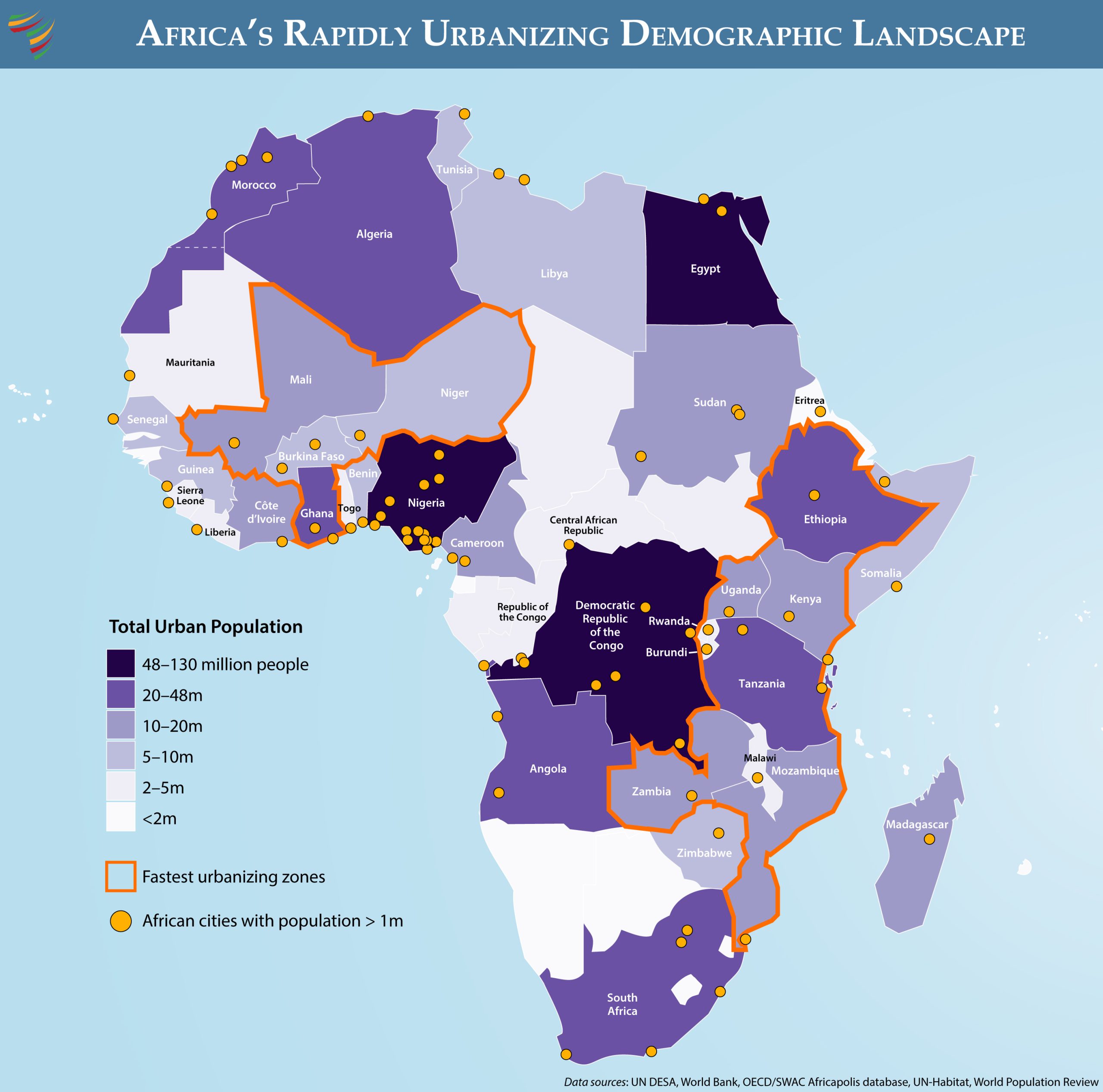
Meanwhile, creators who focus on city life have become powerful cultural translators. They talk about transport, rent, work culture, dating, public spaces, and the pace of urban life in Nairobi, Dar es Salaam, Kampala, Kigali, and Addis Ababa.
Consequently, their audiences see their own frustrations reflected back with clarity and humor. That shared recognition builds community and opens room for conversations about better infrastructure, better planning, and better services.
Why they matter: They turn everyday urban stress into a public conversation about quality of life.
6. The educational podcaster reframing leadership as a skill, not a title
Furthermore, many East African podcasts now focus on self-awareness, decision-making, work ethics, and communication. These shows often feature founders, educators, and young professionals who treat leadership as a daily habit.

In addition, this approach matches broader calls for reciprocal mentoring and co-leadership across generations[1]. Young listeners hear that leadership is not only about office. It is also about service, listening, and follow-through.
Why they matter: They help audiences see leadership as behavior, not status.
7. The community builder using short-form video for local solutions
Ultimately, some of the most effective East African content creators are those who highlight local fixes. They show community cleanups, youth projects, neighborhood enterprises, and volunteer action that solves visible problems.

Moreover, this type of content changes what young people think leadership looks like. Instead of waiting for big institutions to move first, viewers learn that small organized action can still create impact.
Why they matter: They promote civic responsibility in a way that feels practical and repeatable.
How East African content creators shape leadership attitudes
However, their influence goes beyond likes, shares, and follower counts. These creators help normalize public discussion about fairness, access, accountability, and local initiative.
Additionally, they work in a communication style that fits how young people actually consume information. Short video, strong hooks, quick edits, and relatable examples keep attention high and message retention strong.
Moreover, intergenerational leadership research points to the value of listening forums, mixed-age teams, and shared authority[1]. East African creators, in their own way, are already building that bridge by making institutional questions accessible to youth.
As a result, audiences become more willing to question weak service delivery, support local innovation, and participate in community action. That is a real shift in how leadership talk happens online.
What sets the best East African content creators apart
Notably, the strongest creators do three things well. They stay close to lived experience, they keep their tone relatable, and they offer something useful beyond entertainment.
- They explain complex issues simply. They break down policy, business, or social change in everyday language.
- They build trust. They speak like peers, not distant commentators.
- They point to action. They suggest what young people can do next.
- They stay locally relevant. They reflect East African realities, not generic global trends.
Furthermore, that mix makes them valuable to brands, institutions, and readers who want to understand youth culture. It also explains why their influence keeps growing across the region.
What brands, institutions, and young leaders can learn
Consequently, this creator wave offers a clear lesson: people respond to content that respects their intelligence and their reality. Development messages land better when they sound human, useful, and specific.
- Lead with a real problem. Start with a daily challenge people already feel.
- Use local examples. Show how the issue looks in a Kenyan, Ugandan, Tanzanian, Rwandan, or Ethiopian setting.
- Make the next step clear. Give audiences one practical action they can take.
- Keep the tone direct. Avoid jargon and talk in a way young people trust.
Meanwhile, organizations that want young audiences should study these creators closely. Their success shows that clarity, consistency, and community-first storytelling still win attention.
Explore More on Topping Africa
Discover more stories that connect youth culture, innovation, and African change-makers.
- Technology & Innovation — for startup stories, digital trends, and creator tools.
- Business & Economy — for entrepreneurship, markets, and youth-led enterprise.
- Culture & Lifestyle — for creator culture, city trends, and everyday African life.
Read more about the people shaping modern African conversations, and share your thoughts on which East African creators deserve more attention.
For deeper context, you can also check authoritative perspectives on youth leadership and development from the Brookings Institution, the World Economic Forum, and Salzburg Global.
Subscribe, explore, and stay tuned for more stories on the African creators changing the conversation.

Staff
Contributing writer at Topping Africa.
0 Comments
No comments yet. Be the first to share your thoughts!