

Africa AI logistics startups solving last-mile delivery in 2026
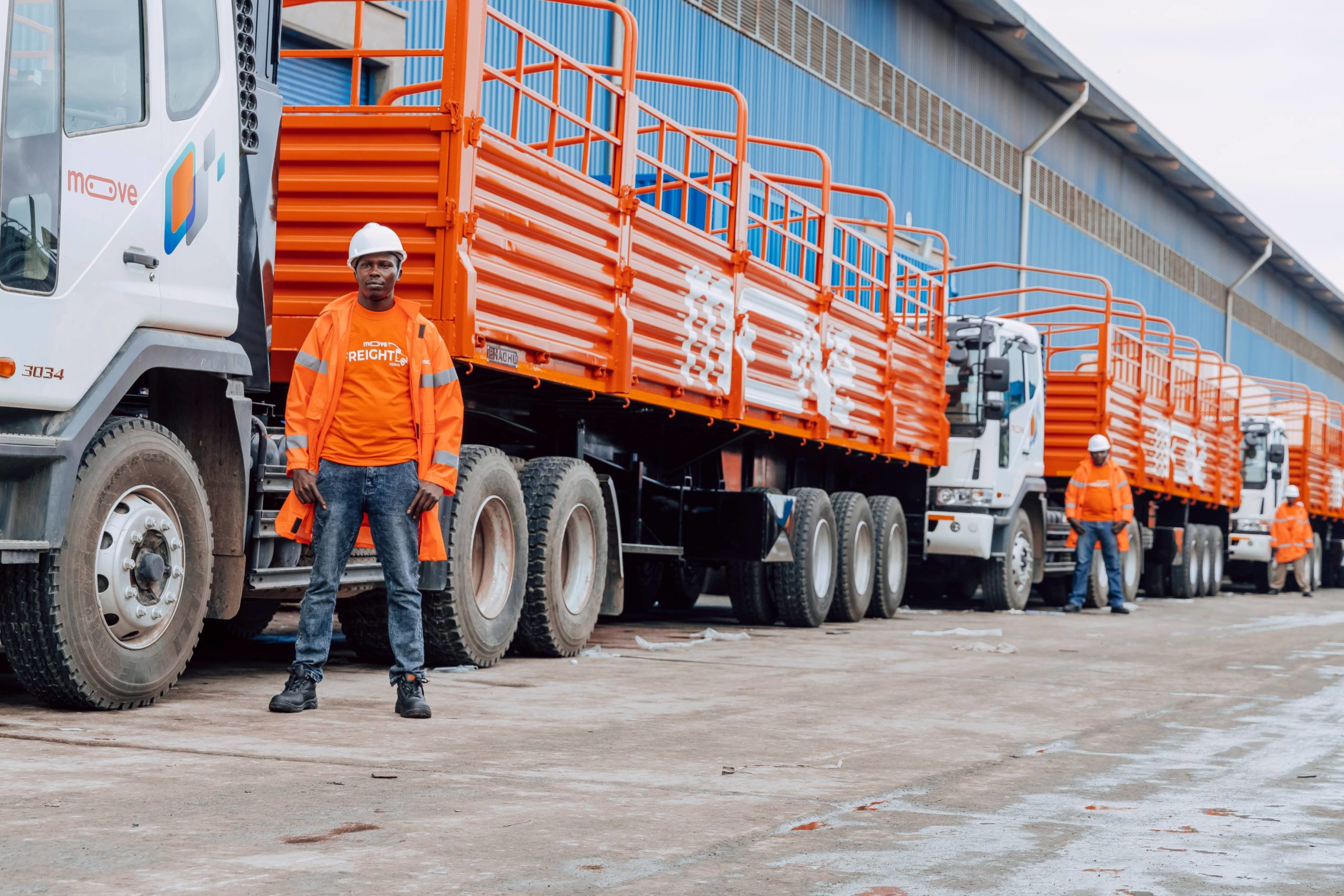
Africa’s AI logistics startups are transforming last-mile delivery in 2026 with smarter routing, better visibility, and lower costs. From Lori Systems to new dispatch and fulfillment platforms, the sector is becoming a core engine for African commerce.
Africa AI logistics startups are reshaping how goods move across cities, borders, and neighborhoods in 2026. If you run a business, shop online, or manage supply chains, this shift affects you directly.
However, the story is not just about faster delivery. It is about smarter routing, better visibility, lower fuel waste, and more reliable service in markets where infrastructure gaps still create daily friction.
Africa AI logistics startups are turning delivery into a data problem
Logistics in Africa has always demanded creativity. Roads change fast, addresses can be unclear, traffic can be brutal, and delivery demand keeps rising with e-commerce, retail, and food distribution. According to TechCabal, logistics and transport startups in Africa attracted $1.8 billion over the last five years, showing how central this sector has become to the digital economy.[2]
Furthermore, the next wave of winners is not only moving trucks and parcels. They are using AI to predict delays, match supply with demand, and help fleets make better decisions in real time. StartupMap Africa’s 2026 logistics database already highlights AI-oriented players such as AdaptiFleet, ZebraShip, Tawi Logistics, and others working on visibility, dispatch, and orchestration.[1]
Meanwhile, the continent’s AI ecosystem keeps expanding. A widely cited Africa-focused mapping report says there are hundreds of AI-focused companies across African markets, with many still early in adoption but moving toward practical deployment.[3]
Why last-mile delivery remains such a hard problem in Africa
Last-mile delivery is the final stretch from a distribution point to the customer. It often costs the most and fails the most, especially in dense cities and informal settlements.
Additionally, many African businesses face the same pain points:
- Unreliable address systems
- Heavy congestion in major cities
- Fuel price swings
- Fragmented fleets and riders
- Poor shipment visibility
- High return rates and missed drop-offs
Consequently, logistics companies need more than vehicles. They need software that can learn patterns, adjust routes, and predict where delays will happen before they occur.
For businesses, that means lower operating costs. For consumers, it means parcels arrive faster and with fewer excuses. For logistics founders, it creates a massive opening for AI products that solve real problems instead of chasing hype.
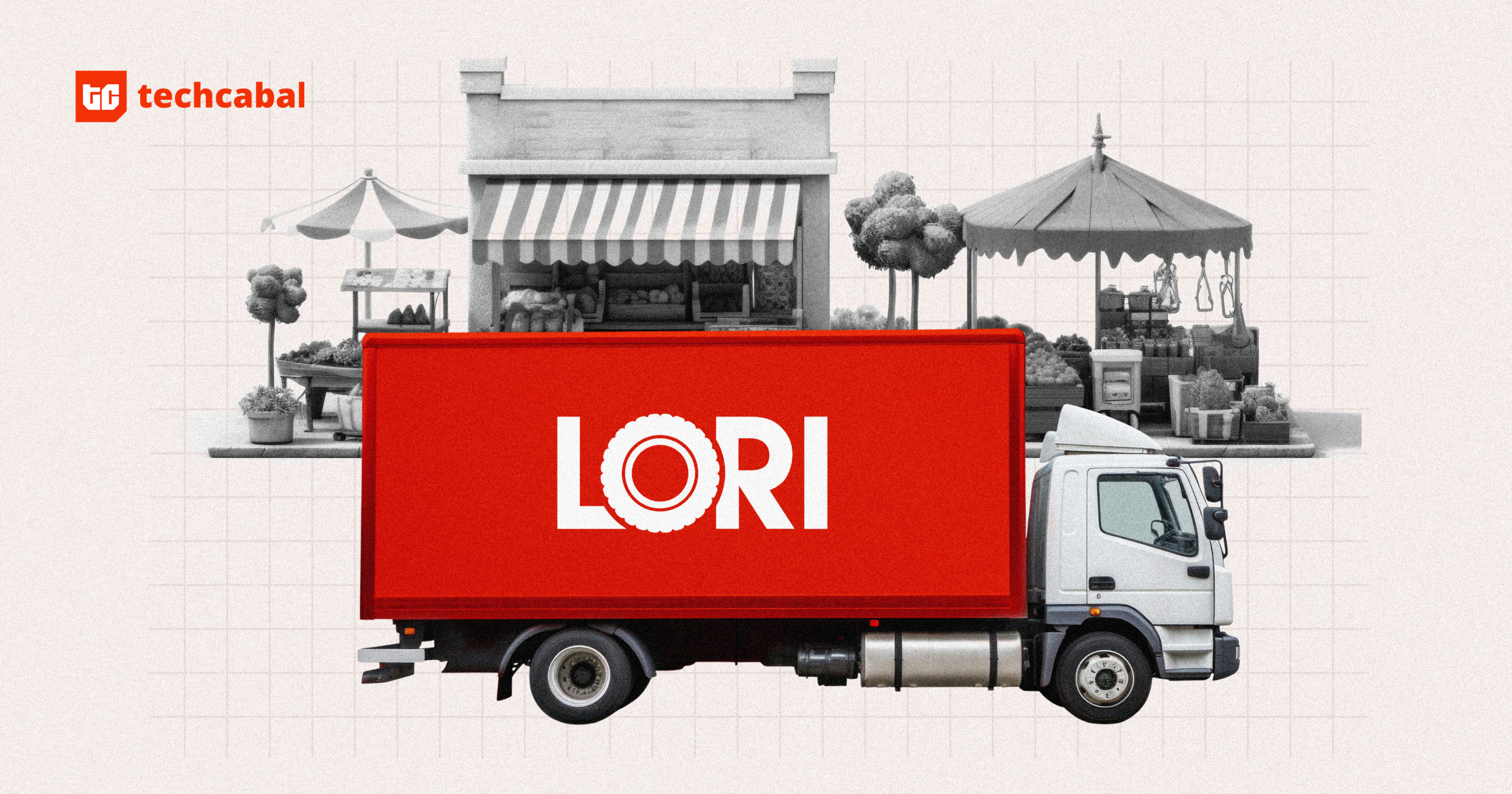
Lori Systems and the rise of practical AI logistics
Lori Systems remains one of the most important reference points in East African freight tech. The company is known as a freight logistics marketplace, and it sits among the active logistics startups tracked in Africa in 2026.[1]
Notably, Lori’s relevance goes beyond brand recognition. It represents a broader shift toward digital freight coordination, where software helps shippers and transporters reduce empty runs, improve asset use, and increase load efficiency. In a market where margins are thin, those gains matter.
However, the bigger lesson is that African logistics startups are moving from simple matching platforms to data-driven systems. Instead of only connecting a customer to a driver, they are building tools that can optimize route planning, forecast demand, and improve warehouse handoffs.
Moreover, this is exactly where AI adds value. Machine learning can identify traffic patterns, cluster orders, estimate delivery windows, and support dynamic pricing. In practical terms, that means fewer missed deliveries and better fleet use.
What Lori Systems signals for the market
Lori Systems shows that African logistics startups can solve enterprise problems at scale. It also shows that investors still back logistics when the product has clear utility and measurable impact.[1][2]
In addition, Lori’s visibility helps validate a wider category of startups that are not consumer-facing but power the backbone of commerce. That matters because logistics remains invisible until it fails.
Africa AI logistics startups to watch in 2026
Several startups now stand out because they combine logistics with automation, analytics, and dispatch intelligence. StartupMap Africa’s 2026 listings include a mix of freight, fulfillment, and dispatch players across Kenya, South Africa, and other markets.[1]

- Lori Systems — freight logistics marketplace focused on efficient movement of goods.[1]
- Sendy Fulfillment — merchant fulfillment tech that supports warehousing and distribution workflows.[1]
- Senga — freight platform serving logistics needs in East Africa.[1]
- Tawi Logistics — smart dispatch platform built around operational efficiency.[1]
- ZebraShip — digital logistics platform focused on visibility and efficiency.[1]
- AdaptiFleet — AI-powered orchestration across bots, drones, and autonomous trucks.[1]
Furthermore, these startups reflect different layers of the same stack. Some focus on freight coordination. Others handle fulfillment, dispatch, or multi-modal orchestration. Together, they show how broad the Africa AI logistics startups category has become.
Additionally, the strongest products tend to do one thing very well: they reduce uncertainty. That can mean tracking a shipment more accurately, predicting a delay, or assigning the right vehicle to the right load at the right time.
How AI is changing delivery, routing, and supply chains
AI is not replacing logistics teams. Instead, it is giving them better tools. That distinction matters, especially in African markets where human judgment still plays a major role.
Moreover, AI helps in five practical ways:
- Route optimization — systems can pick faster or cheaper paths using traffic and delivery data
- Demand forecasting — startups can predict when orders will spike
- Fleet matching — software can assign the right vehicle to the right job
- Delivery visibility — customers and merchants can track shipments in real time
- Operational alerts — teams can respond quickly when delays or failures appear
Consequently, AI makes logistics less reactive. A dispatcher no longer has to wait for a failure to happen before acting.
Meanwhile, businesses get tighter inventory control, and consumers get more trust in online shopping. That trust matters because repeat purchases often depend on delivery reliability as much as product price.
Why investors still care about logistics and AI
Logistics has become one of the most important infrastructure layers in African tech. TechCabal reports that the sector attracted $1.8 billion across five years, even as funding conditions shifted sharply after the 2022 peak.[2]
Furthermore, Bloomberg’s 2026 African startup coverage notes that businesses across the continent are building solutions for moving goods, securing supply chains, and fixing broken systems.[5] That points to a simple truth: logistics remains a must-have category, not a nice-to-have.
However, capital now flows more carefully. Investors want proof that AI can lower cost per delivery, improve asset utilization, and raise gross margins. In other words, they want visible unit economics, not just product demos.
As a result, startups that combine logistics software with measurable operational savings have a stronger case. This is one reason the Africa AI logistics startups theme keeps attracting attention from operators and funders alike.
What businesses and consumers gain from smarter logistics
The benefits are not abstract. They show up in everyday commerce.
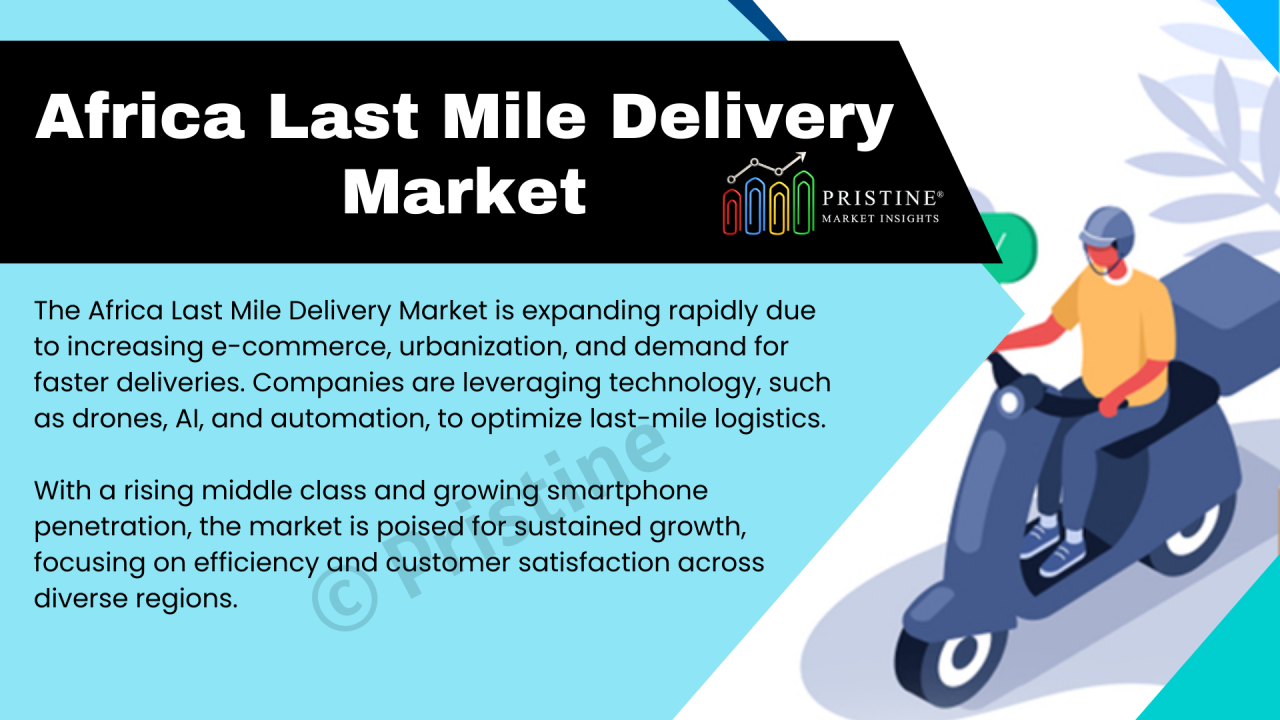
For merchants, AI-enabled logistics can reduce failed deliveries and improve customer satisfaction. For distributors, it can improve route density and cut idle time. For marketplaces, it can support scale without adding as many manual coordinators.
Additionally, consumers benefit from shorter wait times and fewer lost parcels. That is especially valuable for fashion, electronics, groceries, and pharmacy delivery, where timing affects the entire experience.
Importantly, African creators and small sellers also gain. Many influencers and online sellers now depend on reliable logistics to ship products, merchandise, and branded items to followers across cities and countries. Better delivery systems help the creator economy grow faster.
The biggest challenges still facing Africa AI logistics startups
Even with strong momentum, the road is not smooth. Logistics remains capital intensive, and AI tools still depend on reliable data. If the data is weak, the model’s output will be weak too.
Furthermore, many startups must deal with:
- High working capital needs
- Fragmented transport markets
- Uneven digital adoption among fleet partners
- Cross-border compliance issues
- Poor data quality in some operating zones
Nevertheless, these problems also create the market. The startups that can solve them with simple, scalable tools will build durable businesses.
In addition, the teams most likely to win will blend software with deep local knowledge. A good algorithm helps, but local execution still decides outcomes.
What to watch next in 2026
The next phase will likely focus on intelligence, not just access. Startups will compete on how well they predict, automate, and coordinate movement across complex routes.
Specifically, expect more products in these areas:
- AI route planning for dense urban areas
- Predictive warehouse allocation
- Dynamic delivery pricing
- Multi-modal fleet orchestration
- Cross-border shipment visibility
Moreover, partnerships with merchants, telcos, and payment providers will matter more. Logistics becomes stronger when it connects to payments, ordering, and customer communication.
Ultimately, the best Africa AI logistics startups will look less like delivery apps and more like operating systems for commerce. That is where the category is heading.
Explore More on Topping Africa
Discover more African tech coverage and business insights on Topping Africa:
- Technology — startup trends, AI, and digital innovation across Africa
- Business & Economy — the companies, funding, and market shifts shaping growth
- Africa News — the latest developments affecting business and society
- Culture & Lifestyle — people, trends, and the creator economy shaping modern Africa
Read more about how African founders are using technology to solve everyday problems, and share your thoughts on which startup is best placed to lead the next wave.
Additionally, subscribe for more explainers on African innovation, and leave a comment below if you want a follow-up on the top logistics founders to watch in 2026.
For readers who want deeper context, explore related reporting from StartupMap Africa, TechCabal Insights, and Bloomberg.

Staff
Contributing writer at Topping Africa.
0 Comments
No comments yet. Be the first to share your thoughts!