
Social Commerce in Africa 2026: How WhatsApp, Instagram and TikTok Became the New Shopping Malls

Social commerce in Africa 2026 is transforming WhatsApp, Instagram and TikTok into the continent’s most powerful shopping malls. Discover data-backed trends, creator-led strategies and practical playbooks African SMEs and influencers can use to turn followers into buyers.
Social Commerce in Africa 2026: Why Your Next Customer Is Already in Your DMs
Moreover, social commerce in Africa 2026 is no longer a prediction, it is the new reality of retail. Consequently, your buyers are discovering brands on WhatsApp Status, saving outfits from Instagram Reels and checking out live on TikTok Shop. Ultimately, Africa’s next big shopping malls are not physical buildings, they are the feeds and chat windows you open every day.

Furthermore, African tech startups, fashion labels, musicians and influencers are driving this wave of positive innovation. Specifically, you now see creators in Lagos, Nairobi, Johannesburg and Accra selling out drops through live streams and group chats. In addition, mobile money and chat-based trust are turning casual scrolling into serious shopping.
Therefore, if you run a small business, agency or you are a creator, this is your moment to build a social-first sales engine. Notably, this guide breaks down the numbers, platforms and practical playbooks you can use right now in African markets.
The Numbers Behind Social Commerce in Africa 2026
Importantly, you need hard data to understand how fast this shift is happening. According to a 2026 Africa Social Commerce Market Databook, the continent’s social commerce market is projected to reach USD 33.7 billion by 2026, growing about 13% annually from 2022 to 2026[1]. Moreover, analysts expect it to nearly double again by 2031, hitting around USD 56.9 billion[1].
Furthermore, these African numbers sit inside a huge global surge. Mordor Intelligence estimates the global social commerce market at roughly USD 2.11 trillion in 2026, on track to reach USD 7.55 trillion by 2031[3][4]. In addition, apparel and beauty account for a large share of these sales, which aligns closely with African fashion and beauty creator ecosystems[3][4].
Consequently, if you sell fashion, beauty, home decor, music merch or lifestyle products, social commerce is not a side channel. Ultimately, it is becoming your main store front, especially for younger African audiences who live on mobile.
Why Africa Is Built for Social-First Shopping
Moreover, several structural trends make Africa uniquely ready for social commerce. The IMARC Group notes that in the Middle East and Africa, fast-rising influencer marketing is a key driver of social commerce adoption[5]. Specifically, brands increasingly rely on social media influencers to shape buying habits and endorse products[5].
Additionally, the region’s high mobile penetration, the spread of mobile money and strong chat culture are powerful tailwinds. For instance, many shoppers in Kenya, Ghana, Nigeria and South Africa trust sellers they can text on WhatsApp more than anonymous websites. Consequently, you can close deals faster when buyers feel they are talking to a real person, not a faceless checkout page.
Therefore, if you build your sales process around chat, creators and mobile payments, you tap into how African consumers already behave every day.
WhatsApp, Instagram and TikTok: Africa’s New Shopping Malls
Notably, three platforms now act as Africa’s digital shopping malls for 2026: WhatsApp, Instagram and TikTok. Moreover, each plays a different but connected role across discovery, trust and checkout.
WhatsApp: The Checkout Counter of Social Commerce in Africa 2026
Additionally, WhatsApp is still the most important commerce app in many African markets. While global statistics focus more on Facebook Shops and TikTok Shop[4], on the continent most real transactions still end in a WhatsApp chat. Furthermore, mobile money rails like M-Pesa, MTN Mobile Money and Airtel Money make it easy to move from chat to payment.
Consequently, forward-thinking African SMEs now design flows where Instagram and TikTok drive discovery, but WhatsApp handles questions, invoices and receipts. Ultimately, this hybrid flow feels natural to buyers and keeps your operations lean and low-cost.
- Product discovery happens on Reels, TikTok videos and Instagram Stories.
- Trust building happens in WhatsApp chats and voice notes.
- Payment happens through mobile money or bank transfer links sent in chat.
Instagram: The Showroom for Fashion, Beauty and Lifestyle
Moreover, Instagram is Africa’s visual showroom for fashion brands, beauty businesses and musicians selling merch. Statista data shows apparel and personal care as leading product categories for social commerce globally[8], and African creators mirror this trend with outfit-of-the-day posts, get-ready-with-me Reels and carousel drops.
Additionally, Instagram’s shopping features, product tags and links in Stories make it easier to push viewers directly to purchase pages or to your WhatsApp. For instance, South African fashion startups use Instagram Reels to show styling tips, then drive DMs to finalize orders and arrange PUDO or bike deliveries.
Ultimately, when you treat your Instagram grid like a curated shop window, each post becomes a digital rack item with a built-in sales assistant in the comments and DMs.
TikTok: The Live Market for Creator-Led Drops
Furthermore, TikTok Shop is reshaping real-time selling worldwide. Ringly.io notes that TikTok Shop alone is projected to hit about USD 23.4 billion in US ecommerce sales in 2026, growing nearly 48% year-over-year[4]. Additionally, live shopping sessions often convert at up to 30%, compared with 2–3% for traditional ecommerce[4].
Moreover, African agencies and creators are rapidly experimenting with similar formats. In particular, content houses in South Africa and Nigeria now design live sale nights where influencers showcase local skincare, streetwear or gadgets and drop limited-time discounts during the stream. Consequently, fans feel like they are joining a community event, not just watching a static advert.
Therefore, if you want to ride the next wave of social commerce in Africa 2026, TikTok lives and short-form video should sit at the core of your launch strategy.
Playbooks for African SMEs: Turning Followers into Buyers
Importantly, many African business owners know social commerce is big but struggle with practical tactics. Moreover, you might have good content but weak conversion, or strong WhatsApp engagement but no repeat sales. Consequently, you need clear playbooks tailored to African consumer behavior and infrastructure.
1. Design Content That Actually Converts
Additionally, content that entertains is not always content that sells. Therefore, you should build a weekly content mix that always includes direct sales hooks, clear CTAs and proof of demand.
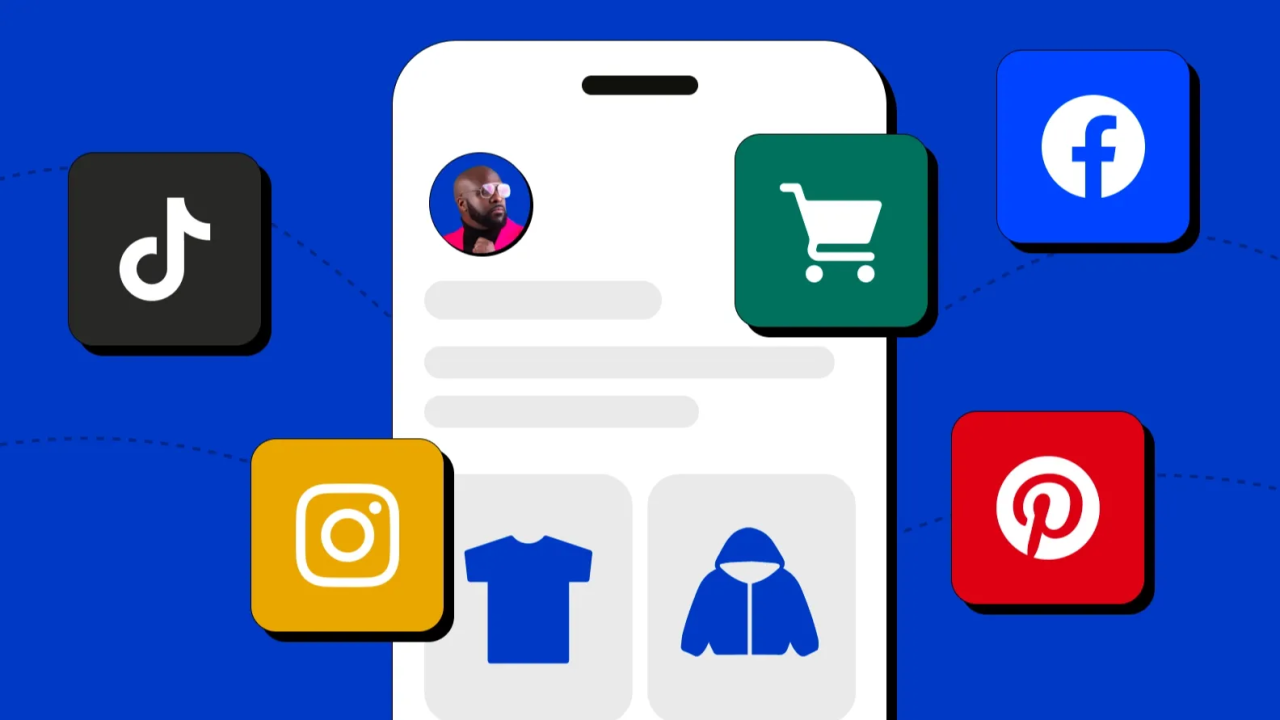
- Show the product in use: Moreover, create short demo videos featuring real African environments, from Lagos traffic to Nairobi offices.
- Answer key questions in the caption: Additionally, cover price range, sizes, colors, delivery cities and payment options.
- Add strong CTAs: Consequently, use phrases like "DM to order now", "Click link in bio to shop" or "Message us on WhatsApp to reserve".
- Highlight local trust signals: Ultimately, share screenshots of happy WhatsApp chats, mobile money confirmations and reviews from known neighborhoods.
Furthermore, research on social commerce highlights that streamlined purchase processes and clear promotions significantly boost sales[8]. Therefore, keep your steps simple: view post, tap CTA, chat, pay, receive. Importantly, do not hide your price or force buyers through long, confusing forms.
2. Build Creator Collaborations That Fit African Audiences
Moreover, African influencer culture is deep and diverse, from streetwear vloggers to gospel TikTokers. IMARC Group data shows influencer marketing in the Middle East and Africa already at around USD 1.3 billion in 2023[5], with brands keen to partner with creators who drive real buying behavior.
Additionally, you should treat creator deals as revenue partnerships, not just awareness campaigns. Specifically, focus on collabs that include unique discount codes, shared WhatsApp groups or exclusive drops that feel native to the creator’s community.
- Choose creators with buyer audiences: Moreover, look for creators whose fans regularly ask "Where did you buy that?".
- Co-create products: Additionally, launch limited capsule collections, bundles or flavors that carry the creator’s name.
- Track sales by channel: Consequently, use unique codes or dedicated WhatsApp numbers per creator to measure impact.
- Share upside: Ultimately, offer commission per sale or profit share instead of fixed fees only when possible.
For instance, you might partner with an Afrobeats artist to sell tour merch via Instagram and TikTok, with fans joining a dedicated WhatsApp group to pre-order signed items. Moreover, this plays directly into Africa’s love for celebrities and strong fan communities.
3. Leverage Chat-Based Selling Like a Pro
Furthermore, chat is the heart of social commerce in Africa. Many buyers still prefer asking questions and negotiating in real time before paying. Therefore, you need a light but structured chat process so your DMs and WhatsApp inbox turn into a reliable sales funnel, not chaos.
- Use quick reply templates: Moreover, prepare short answers for price, delivery, payment, and returns.
- Qualify in the first message: Additionally, ask which city the buyer is in and what size or variant they need.
- Move fast to payment: Consequently, once you confirm details, send a clear payment instruction or link immediately.
- Automate follow-ups: Ultimately, use labels or CRM tools to remind you to confirm delivery and request reviews.
Importantly, treat every chat like a mini sales call. Moreover, your tone should be friendly, confident and helpful, reflecting the same energy you use in your content. In addition, when you share real-time updates on delivery and stock levels, you build trust and reduce abandoned conversations.
Playbooks for Creators: From Influence to Income
Moreover, African content creators are no longer only chasing views; they are building product lines, communities and businesses. Consequently, if you are a creator, social commerce in Africa 2026 is your runway to move from promotion deals to ownership.
1. Launch Your Own Product, Not Just Promote Others
Additionally, global data shows a surge in influencer-led product launches alongside traditional brand deals[5]. Furthermore, many of the most successful social commerce plays happen when creators sell things they personally co-create.
Therefore, consider starting with light, low-risk products that match your content: digital presets for photographers, limited tees for fashion vloggers, skincare bundles for beauty creators or exclusive mixtape merch for musicians.
- Start with your top fans: Moreover, poll your audience in Stories or TikTok comments about what they want to buy from you.
- Prototype small: Additionally, drop tiny quantities first to measure demand, then scale.
- Use live sessions as launch events: Consequently, host Instagram or TikTok lives to reveal the product, share the story and activate discounts.
- Maintain scarcity: Ultimately, limit editions to keep your drops special and high-energy.
2. Turn Your DMs into a Sales and Feedback Engine
Furthermore, creators often underestimate the value of their inbox. In particular, those daily messages asking for advice, brand names or sizes represent high-intent leads.
Additionally, you can route those questions into structured offers. For instance, every "Where did you buy that?" becomes a chance to share an affiliate link, a discount code or a WhatsApp number for your own store.
Therefore, track common requests from your African audience and build products or services that answer them directly. Ultimately, this keeps your social commerce strategy tied tightly to on-the-ground needs instead of copying foreign playbooks.
3. Collaborate with African Tech Startups and Local Brands
Moreover, many African tech startups in payments, logistics and commerce tools are eager to partner with creators. Additionally, this aligns perfectly with the continent’s positive innovation story and rising influencer culture.
For instance, logistics startups in Kenya and Nigeria can handle nationwide delivery for creator brands, while South African commerce agencies manage TikTok Shop setups and campaign analytics. Consequently, you can focus on content and community while partners handle operations.
In addition, you might co-create collections with local fashion labels, beauty houses or gadget resellers, using TikTok live events and WhatsApp broadcast lists as the main launch channels.
Local Tactics for Key African Markets
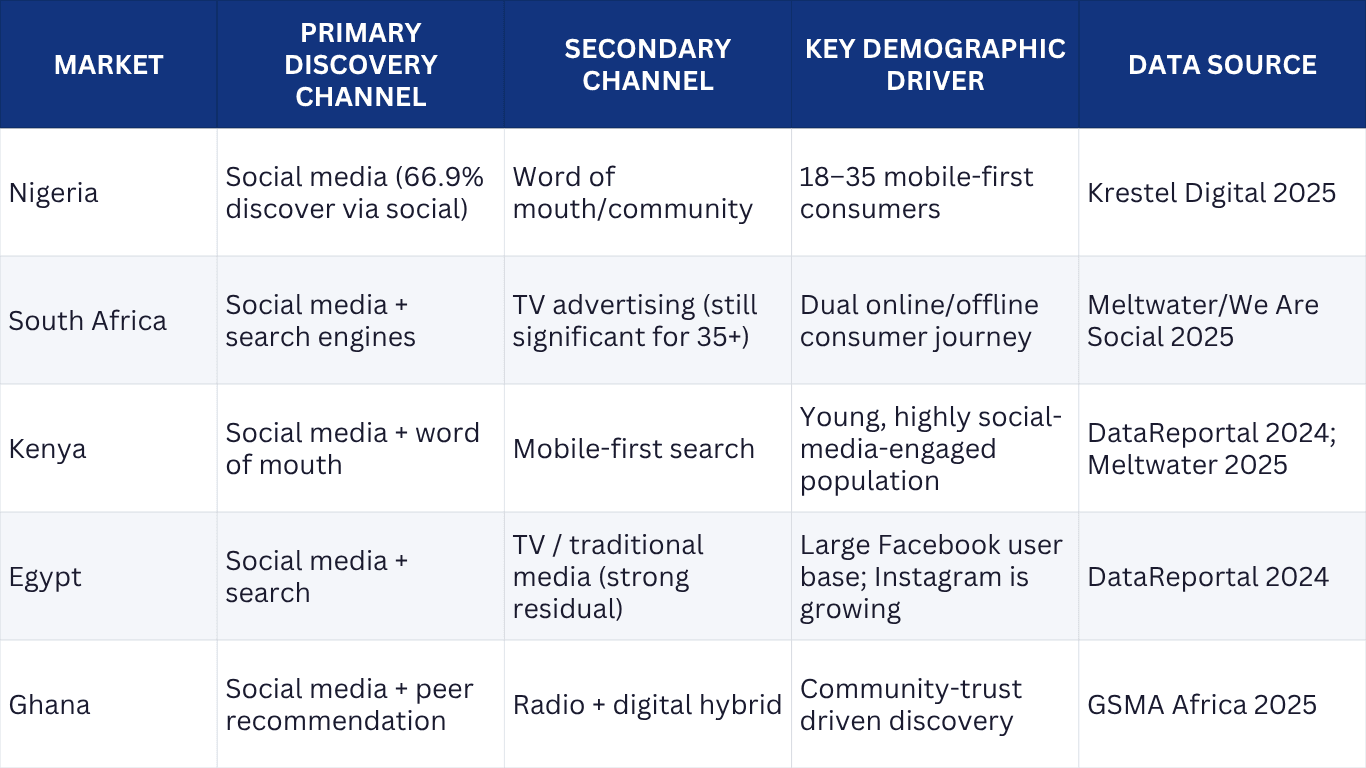
Importantly, African social commerce is not one-size-fits-all. Moreover, consumer behavior, payments and logistics vary greatly across regions. Therefore, you should adapt your playbook to each market instead of copying exact strategies from global case studies.
South Africa: TikTok Shop Experiments and Creator Agencies
Moreover, South Africa is emerging as a hotspot for TikTok commerce experiments. Local agencies now design full social commerce funnels that include TikTok content, live shopping formats and automated WhatsApp follow-ups. Additionally, creators across fashion, beauty and comedy niches are testing short campaign bursts with clear sales targets.
Furthermore, high card penetration, strong courier networks and growing buy-now-pay-later offerings make South Africa a fertile ground for more advanced checkout experiences. Consequently, you can experiment with direct web checkouts for higher-value items while still closing smaller orders in chat.
Ultimately, if you are South African, invest in production quality, analytics and consistent testing to refine your sales scripts in lives and DMs.
Nigeria and Ghana: WhatsApp Groups, Music Merch and Streetwear Culture
Additionally, in Nigeria and Ghana, WhatsApp groups and broadcast lists are core tools for social commerce. Moreover, fashion and music fans often cluster in closed groups where they receive drop alerts, exclusive discounts and early access to concert merch.
For instance, an Afrobeats artist might release tour merch via Instagram posts, then direct serious fans to a WhatsApp group where sizes and delivery are finalized. Consequently, every member feels part of a core community, boosting both loyalty and lifetime value.
Therefore, if you sell streetwear or music-related products in these markets, build strong group-based experiences rather than only one-to-one chats.
Kenya and East Africa: Mobile Money and Everyday Essentials
Moreover, East Africa’s deep mobile money penetration shapes how buyers trust and pay for social commerce. In particular, Kenyan shoppers are used to paying via M-Pesa for taxis, food and store purchases, so paying a creator or SME via mobile money feels natural.
Additionally, creators in Nairobi and Dar es Salaam often mix entertainment and utility, selling everyday essentials like hair products, home items and food bundles alongside fashion. Consequently, your social commerce content can blend lifestyle storytelling with practical tips, making your product feel both aspirational and useful.
Ultimately, always provide clear mobile money details and confirmations, and keep your delivery updates accurate and timely to maintain high repeat purchase rates.
Data-Led Strategy: Measure What Matters
Importantly, social commerce in Africa 2026 is a serious industry, so you need serious metrics. Moreover, creators and SMEs who track numbers grow faster than those who rely only on vibes.
Additionally, global reports highlight key performance indicators like conversion rate, repeat purchase rate and average order value as central to social commerce success[7][8]. Therefore, you should build a simple dashboard, even in a spreadsheet, that tracks your performance across platforms.
- Content performance: Moreover, track views, saves, shares and click-through or DM initiation per post.
- Chat-to-sale conversion: Additionally, measure how many chats end in payment, and how long the average conversation takes.
- Platform comparison: Consequently, compare WhatsApp, Instagram and TikTok in terms of revenue, not just followers.
- Creator collaboration ROI: Ultimately, track sales per creator code or dedicated link.
Furthermore, once you see which formats and creators drive the most sales, double down on those and test variations. In addition, use insights from global benchmarks to set realistic goals and spot underperformance early[4][7].
Explore More on Topping Africa
Moreover, if you want to dive deeper into how African tech startups, influencers and artists are reshaping commerce, you should explore more content on Topping Africa. Additionally, here are a few sections that will keep you ahead of the curve.
- Technology & Innovation: Furthermore, discover fresh stories on African platforms, apps and founders changing how you shop online. Technology
- Business & Economy: Additionally, read more about market trends, funding rounds and SME success playbooks across the continent. Business & Economy
- Culture & Lifestyle: Consequently, explore how fashion, music and lifestyle creators drive new buying habits every day. Culture & Lifestyle
Helpful Resources and External Insights
Moreover, for deeper research into global and African social commerce trends, you can read more from leading data providers. Additionally, these sources offer detailed numbers and forecasts that can guide your planning.
- Africa Social Commerce Market Databook 2026
- Mordor Intelligence Social Commerce Market Report
- Statista Social Commerce Statistics
Conclusion: Your Playbook for Social Commerce in Africa 2026
Ultimately, social commerce in Africa 2026 puts power in the hands of creators, SMEs and innovators across the continent. Moreover, the platforms you use for entertainment every day are now the main roads for sales, jobs and culture.
Additionally, when you combine strong content, smart creator collaborations and streamlined chat-based selling, you create a modern shopping experience that feels African, personal and scalable. Therefore, start testing simple playbooks today: launch one live sale, open one dedicated WhatsApp sales line or co-create one capsule with a local creator.
Consequently, as you refine your approach and measure results, you can grow from small trials into a full social-first business. Moreover, share your thoughts, leave a comment with your own social commerce wins and subscribe to follow more African innovation stories on Topping Africa.
In addition, if you are ready to build your next drop, explore more guides in Africa News, Entertainment and Opinion & Editorial to stay ahead of the culture and commerce curve.

Staff
Contributing writer at Topping Africa.
0 Comments
No comments yet. Be the first to share your thoughts!