
Africa’s Breakout Moment at the 2026 FIFA World Cup
Africa’s breakout at the 2026 FIFA World Cup, with nine teams in the knockout rounds, signals a new era for the continent. This feature explores how rising African football powers, tech startups, influencers, and youth systems are reshaping sport, culture, and investment across Africa.
Africa at 2026 FIFA World Cup: A Breakout Moment You Can’t Ignore
Ultimately, Africa at 2026 FIFA World Cup is no longer a side story; it is the headline. Of the ten African teams that qualified for the tournament in Canada, Mexico, and the United States, nine powered into the knockout stages, stunning pundits and energising fans across the continent.[4][10] Moreover, South Africa’s return to the global stage, alongside Cape Verde, Morocco, Senegal, and others, has turned this World Cup into a showcase for African resilience, skill, and ambition.[4][7] Consequently, you are watching a historic shift where African football looks less like an underdog and more like the sport’s next great frontier.
Notably, African success on the pitch is now deeply linked with the continent’s wider story of innovation, digital creativity, and youth culture. Furthermore, rising football powers are inspiring new tech platforms, content creators, and influencer-led fan communities that amplify African voices globally. As a result, Africa’s breakout moment is shaping how brands invest, how startups build, and how young fans dream, from Lagos and Nairobi to Johannesburg and Dakar.
Record Representation: How Africa at 2026 FIFA World Cup Changed the Script
Importantly, Africa entered this World Cup with a record ten teams, underlining the impact of expanded slots and stronger qualification campaigns.[4][5][7] South Africa, Egypt, Ghana, Algeria, Senegal, Morocco, Tunisia, Cape Verde, Ivory Coast and DR Congo all booked tickets to North America, reflecting the continent’s growing competitive depth.[4][7] Additionally, only Tunisia failed to make it out of the group stage, while the other nine marched into the Round of 32.[4][10] Therefore, for the first time, African teams became a decisive force in the knockout bracket, not just surprise guests.
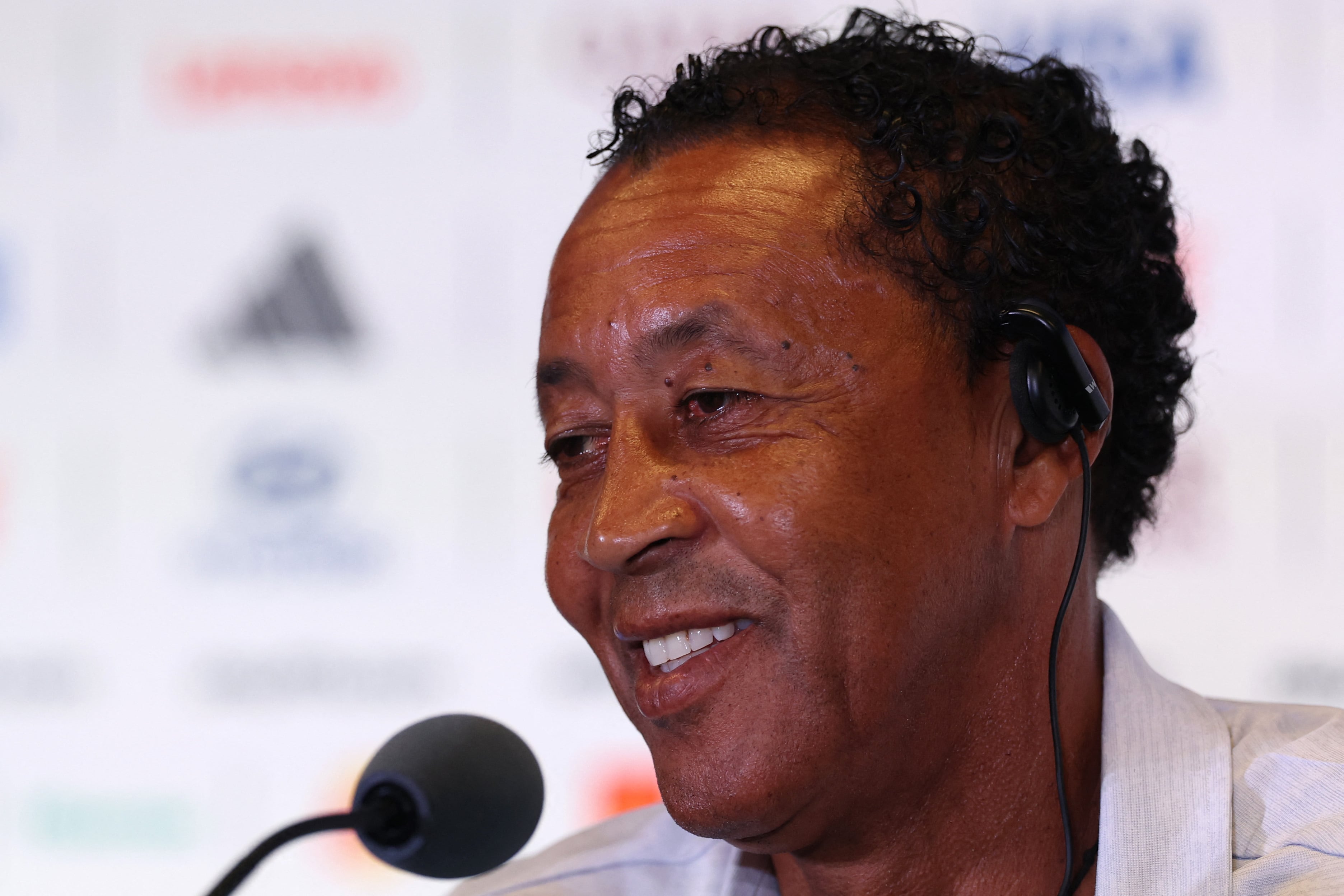
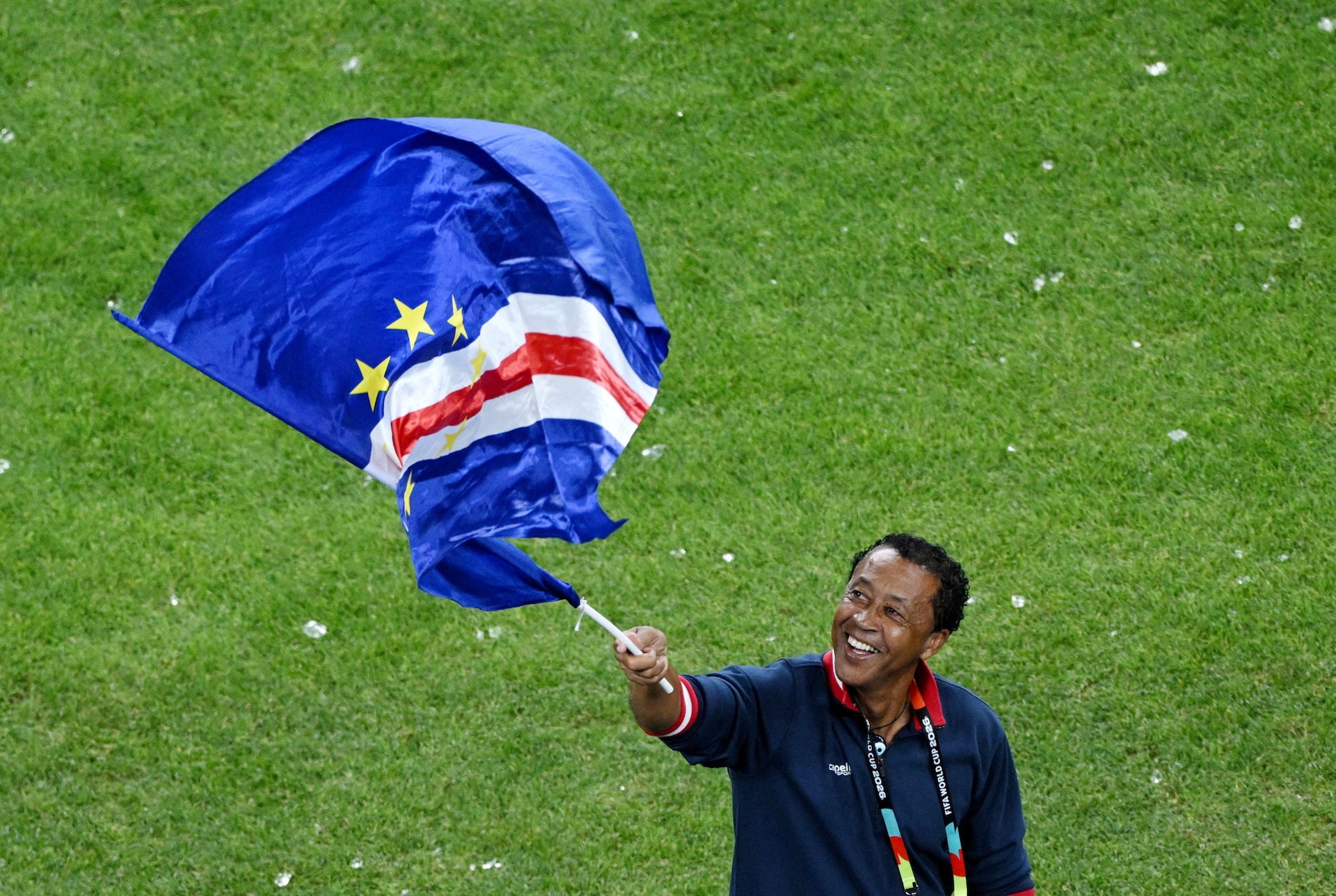
Moreover, Cape Verde’s run to the Round of 32 under coach Bubista captured global attention, as the island nation punched above its weight against traditional heavyweights.[1][4] Similarly, Morocco built on its 2022 semi-final legacy, while Senegal and Ghana showcased tactical discipline and explosive talent that troubled European and South American sides.[2][4] As a result, global broadcasters, data analysts, and betting markets began treating African nations as serious contenders rather than romantic long shots.
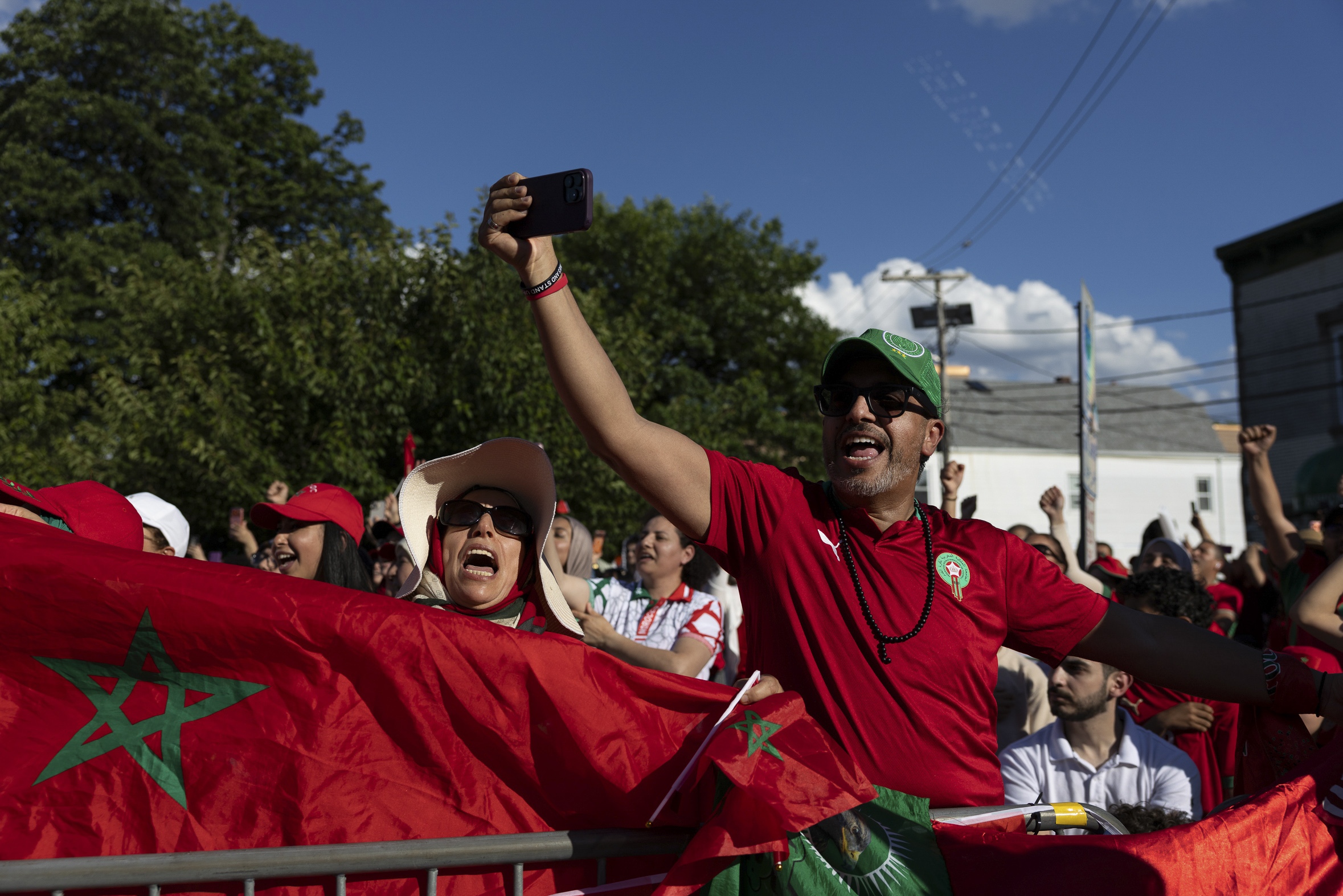
In addition, this success is feeding into broader conversations about African development, investment, and youth opportunity. When you watch a packed stadium in Seattle or Toronto roar for Senegal or DR Congo, you are witnessing more than football; you see a continent asserting its place in global culture. Consequently, African football now carries the same aspirational energy you find in rising African tech ecosystems and music scenes.
South Africa’s Return: Symbol of a New African Football Era
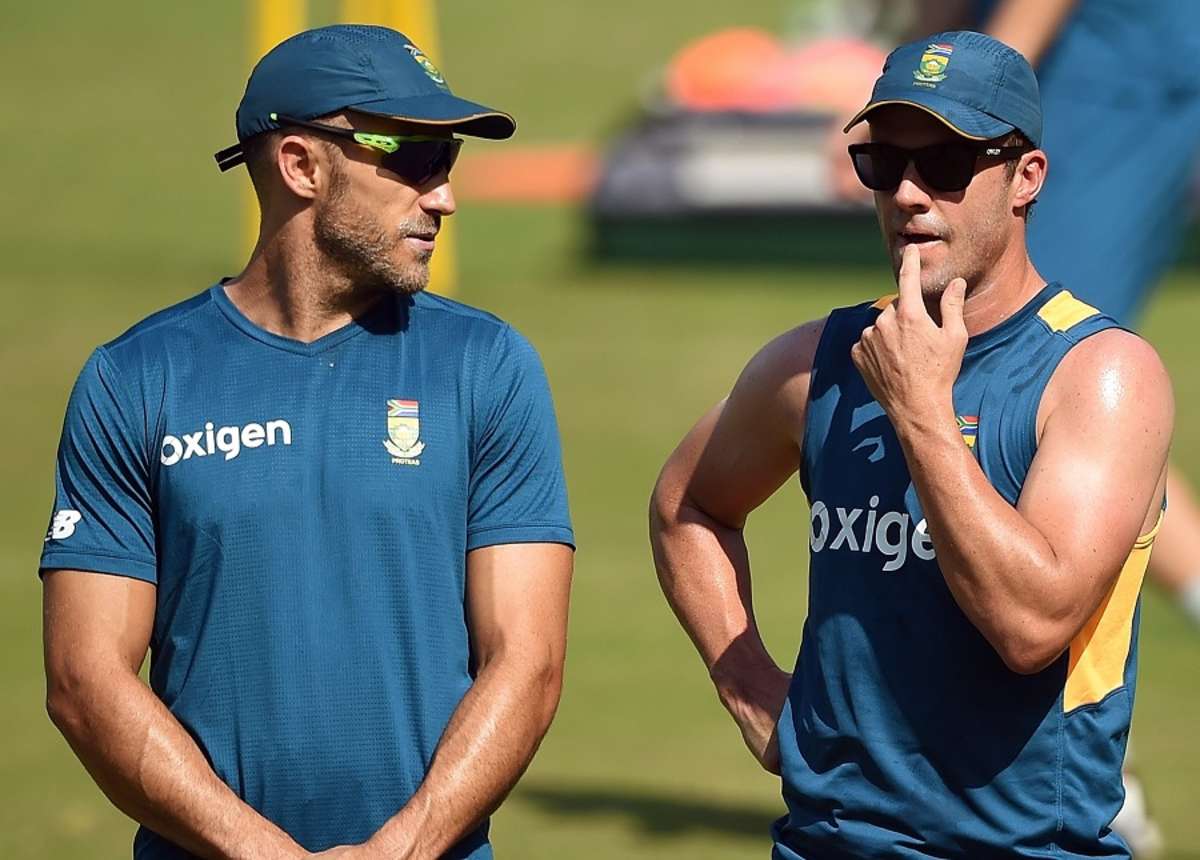
Notably, South Africa’s return to the World Cup after years away from the main stage became one of the tournament’s most symbolic stories.[4][7][9] Although Bafana Bafana faced tough opposition, including a narrow 1–0 loss to Canada, their presence and competitiveness signalled renewed belief in the nation’s football project.[9][11] Furthermore, South Africa’s domestic leagues, fan culture, and sports-tech ventures are gaining global visibility, helped by strong social media storytelling and influencer coverage.
Additionally, the South African football scene now intersects with a vibrant entertainment ecosystem. You see local creators producing matchday vlogs, TikTok analysis, and fashion-led fan content that reaches audiences far beyond the stadium. Consequently, emerging digital storytellers and sports influencers from Johannesburg and Cape Town are turning World Cup narratives into monetisable media brands.
In particular, this renewed spotlight pushes stakeholders to invest more in youth academies, data-driven coaching, and sports science. As a result, South Africa’s return is less a nostalgic comeback and more a launchpad for a modern, tech-enabled football future that speaks to young fans and founders.
Knockout-Stage Heroes: Why Rising African Football Powers Matter
Importantly, the nine African teams in the knockout rounds at the 2026 World Cup forced a global rethink about competitive balance in football.[4][10] Cape Verde’s progression, along with Egypt, Ivory Coast, Morocco, South Africa, Algeria, DR Congo, Ghana, and Senegal, showed that African sides can perform consistently across group and knockout phases, not just in isolated upsets.[1][4][10] Moreover, their tactical maturity, conditioning, and mental resilience indicated deeper structural improvements at home, from better coaching to stronger youth pipelines.
Furthermore, pundits noted that Africa’s collective success contrasted with the struggles of some Asian confederation teams, sparking debate about which regions are truly rising.[4] Consequently, Africa is now widely seen as the main beneficiary of FIFA’s tournament expansion, validating years of advocacy for more slots and fairer representation.
Ultimately, these rising football powers matter because they reshape how young Africans think about opportunity. When Senegal takes Belgium to extra time, or Ghana presses a top European side into mistakes, you see proof that African talent can match anyone.[2][4] Additionally, such performances feed into confidence across other fields: tech founders, music artists, and fashion designers all draw inspiration from this global validation of African excellence.
Africa at 2026 FIFA World Cup and the New Fan Experience
Moreover, the way you experience Africa at 2026 FIFA World Cup is different from past tournaments, thanks to digital tools and creator culture. African fans used streaming platforms, social media, and fan apps to follow games, share reactions, and create memes in real time. Additionally, African content creators on TikTok, Instagram Reels, and YouTube produced match breakdowns, supporter stories, and behind-the-scenes content that rivalled mainstream sports networks.
For instance, popular football vloggers from Nigeria, Kenya, and Ghana turned watch-along live streams into global events, attracting viewers from Europe and the US. Consequently, African perspectives on tactics, refereeing, and player performance shaped global conversation, not just local chatter. In addition, this surge in creator-led coverage opened doors for brand partnerships, merch drops, and sponsored fan experiences tied directly to African teams.
Ultimately, if you are a young African fan, you are no longer just a spectator. You can join the conversation, build your own sports channel, or launch a data-driven fan analytics startup. Therefore, Africa’s breakout on the pitch aligns naturally with a breakout in digital storytelling, influencer culture, and sports entrepreneurship.
From Pitch to Platform: Tech, Startups and Innovation Fueling African Football
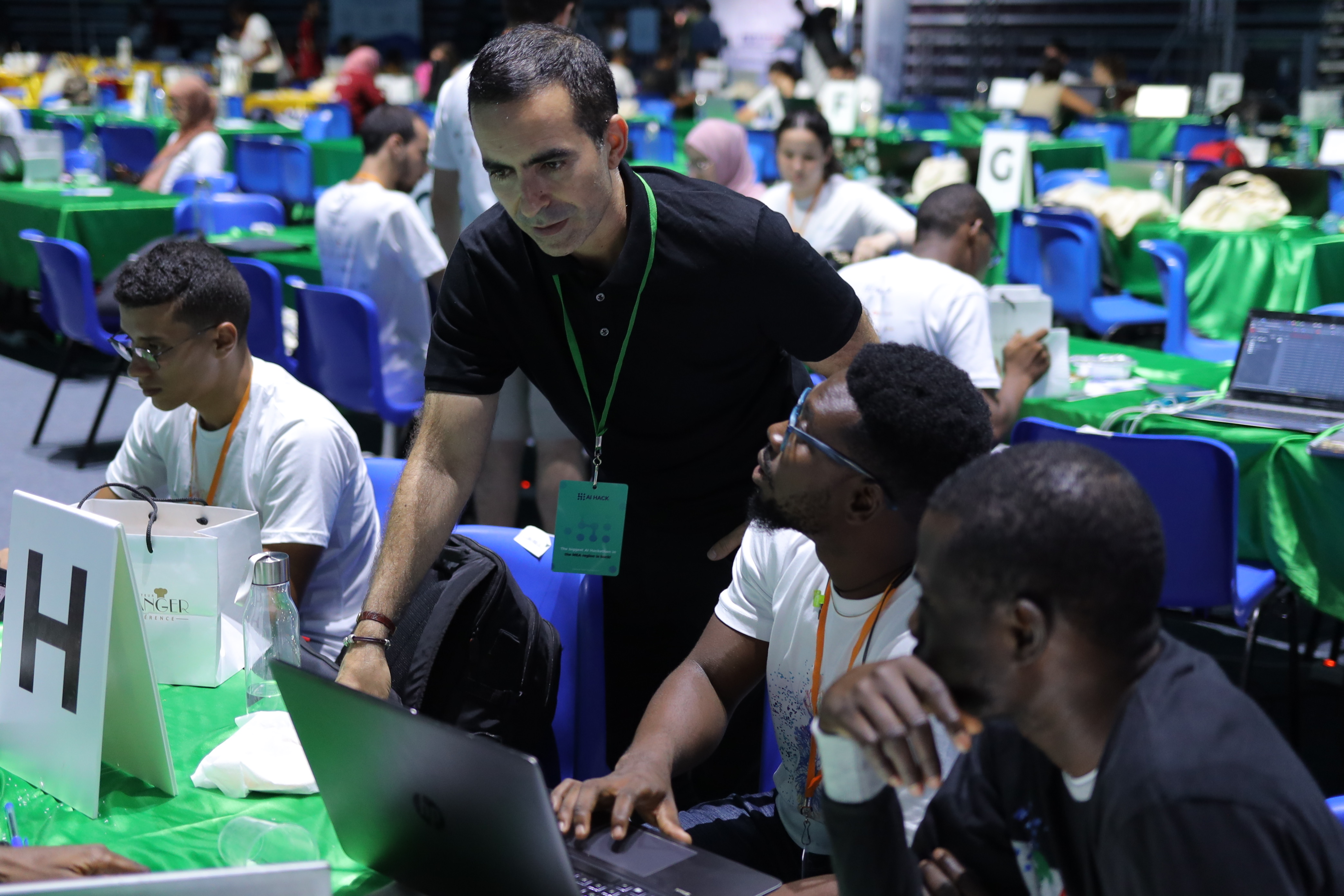
Importantly, the rise of African teams at the 2026 World Cup coincides with a boom in sports-focused African tech startups. Across Lagos, Accra, Nairobi, and Johannesburg, founders are building scouting platforms, performance analytics tools, and fan engagement apps that plug directly into football ecosystems. Moreover, many of these ventures use AI, data visualisation, and mobile-first design to help clubs uncover talent, optimise tactics, and understand supporter behaviour.
Additionally, some startups collaborate with academies to track player development, offering dashboards that measure fitness, skill growth, and match impact. As a result, talent identification is becoming more scientific, which benefits national teams that compete at tournaments like the World Cup.[6] Furthermore, as African sides perform well on the global stage, they attract attention from investors who see sport and tech as a powerful combined opportunity.
In addition, this innovation wave links closely to broader trends in Technology and Business & Economy across the continent. Founders view football as a gateway industry that can unlock SaaS products, data services, and content platforms for other sectors. Consequently, the World Cup acts as free global marketing for African sports-tech, showcasing solutions that can scale beyond football.
Influencer Culture and African Celebrities Owning the World Cup Moment
Notably, African celebrities and influencers have leaned into World Cup narratives, turning match days into cultural events. Musicians, fashion icons, and digital creators share travel diaries from North American host cities, plus tunnel-fit breakdowns of African stars and their pre-game style. Additionally, you see collaborations where artists release World Cup-themed tracks or partner with brands for limited-edition merch inspired by national team colours.
Moreover, African footballers themselves operate as global influencers. Players from Morocco, Senegal, Ghana, and South Africa maintain massive online followings, where they highlight their journeys, training routines, and community projects. Consequently, their posts encourage young fans to engage with the sport, sign up for local academies, and support grassroots clubs.
In particular, Afrobeats and Amapiano artists amplify match hype with live sets, fan festivals, and streaming-era watch parties. As a result, the World Cup becomes a full lifestyle experience, blending football, music, fashion, and tech-enabled fandom. If you are building a brand or platform in this space, you are tapping into one of the most powerful cultural engines on the continent.
Youth Development: Turning World Cup Momentum into Long-Term Impact
Importantly, Africa’s success at the 2026 World Cup raises a critical question: how do you convert a breakout moment into sustained progress? Across the continent, federations and private academies are already investing in youth structures that can supply future national teams. Moreover, with World Cup performance as proof of concept, stakeholders have stronger arguments for funding training facilities, high-level coaching, and sports science support.[5][6]
Furthermore, you see partnerships between clubs and NGOs that focus on education, nutrition, and mental health for young players. In addition, schools integrate football into broader youth programmes, making the sport a tool for empowerment rather than just entertainment. Consequently, the next generation of African footballers may grow up with better resources, clearer pathways, and stronger role models than their predecessors.
Ultimately, this youth-development focus connects naturally with Africa’s wider innovation story. Tech-enabled training tools, video analysis apps, and remote coaching platforms allow even smaller towns to access high-quality guidance. Therefore, if you care about African development and opportunity, you should watch football academies closely; they are becoming testing grounds for inclusive, tech-driven growth.
Economic Ripple Effects: Investment, Branding and Tourism
Additionally, the breakout performance of African teams has major economic implications for the continent. Strong World Cup showings increase the value of broadcast rights for domestic leagues, attract sponsorship deals, and elevate the international profiles of clubs and players. Moreover, governments and city leaders promote football success as part of destination branding strategies, aiming to draw tourists, tournaments, and international training camps.
In addition, African fashion brands design national team-inspired collections, while streetwear labels collaborate with creators to celebrate iconic World Cup moments. Consequently, you see new jobs and revenue streams not only in sports, but also in creative industries tied to football culture. This cross-sector growth mirrors trends seen in music and film, where African success on global stages drives investment at home.
For instance, global media coverage from outlets like BBC Sport, WBUR, and FIFA position African football centrally in global narratives.[4][6][10] As a result, brands that want to reach young, global, digitally savvy audiences increasingly look to African football partnerships as smart investments.
Media, Storytelling and the Rise of African Football Content Creators
Importantly, African media platforms and independent creators have seized on World Cup momentum to build new storytelling ecosystems. Digital magazines, podcasts, and YouTube shows now provide deep tactical analysis, player profiles, and cultural commentary focused on African teams. Moreover, this rise aligns closely with broader growth in Culture & Lifestyle and Entertainment coverage that centres African voices.

Furthermore, you see crossover content where football stories blend with profiles of tech founders, fashion designers, and music stars who love the game. In addition, some creators specialise in data-driven storytelling, using match statistics and analytics to explain how African teams outplayed their rivals. Consequently, African audiences gain access to high-quality sports journalism and analysis without relying solely on foreign outlets.
Ultimately, if you are a content creator or aspiring journalist, Africa’s World Cup breakout opens fresh lanes. You can launch a football podcast, a TikTok tactics series, or a newsletter that follows African players across global leagues. Therefore, now is the time to experiment, collaborate, and claim space in the evolving sports-media landscape.
Key Trends Shaping Africa’s Football Future
Specifically, several trends emerging at this World Cup will shape African football for years to come. Additionally, these trends cut across performance, tech, culture, and business, giving you a clear picture of where opportunity lies.
- Data-driven coaching: Moreover, teams increasingly use analytics for opponent scouting, in-game adjustments, and player development.
- Sports-tech startups: Consequently, founders build tools for scouting, fitness tracking, and fan engagement tailored to African realities.
- Creator-led fandom: Additionally, influencers drive conversation, shape narratives, and turn match days into digital events.
- Cross-industry collaboration: Furthermore, fashion, music, and sports brands co-create experiences that deepen fan loyalty.
- Youth-first investment: Ultimately, academies and grassroots clubs receive more attention as key pipelines to future success.
In particular, these trends show that African football’s rise is intentional, organised, and aligned with wider innovation priorities. If you want to ride this wave, you should look for ways to build products, content, and experiences that sit at the intersection of sport and culture.
What Africa at 2026 FIFA World Cup Means for You
Ultimately, Africa at 2026 FIFA World Cup is not just a story about elite athletes; it is a blueprint for collective ambition. If you are a young fan, the message is clear: African talent, ideas, and cultures belong on the biggest stages. Moreover, you can channel that energy into your own path, whether as a player, a coder, a designer, or a storyteller.
Additionally, if you work in business, media, or tech, this moment urges you to think bigger. African audiences are hungry for high-quality products, apps, and stories that reflect their realities and aspirations. Consequently, investing in football-linked innovation or partnering with sports creators is more than a marketing tactic; it is a way to participate in a continental movement.
In addition, if you are part of the diaspora, this World Cup is a bridge. You can connect with home, support local teams, and spotlight African success within your networks. Therefore, share clips, highlight startups, and amplify African creators who cover the tournament. Your voice helps sustain momentum long after the final whistle.
Explore More on Topping Africa
Moreover, if you want to go deeper into Africa’s creative and innovative energy, you can explore more across Topping Africa. Additionally, our coverage spans sport, tech, culture, and entertainment, all with a sharp focus on African stories.
- Sports – Consequently, follow African football, athletics, and more, with insights into rising stars and big tournaments.
- Technology – Furthermore, discover how African startups are transforming industries, including sports-tech and fan engagement.
- Culture & Lifestyle – Additionally, read more about how fashion, music, and influencer culture shape the fan experience around football.
Ultimately, subscribe, explore more stories, and share your thoughts on how African football is changing your view of the continent. In addition, leave a comment, recommend creators we should spotlight, and stay tuned for features on the influencers and innovators redefining the game.
Conclusion: A New Era for African Football and Innovation
Importantly, the 2026 FIFA World Cup marks a turning point where African teams, creators, and innovators move from the margins to the centre of global sport. Nine nations in the knockout stages, record representation, and bold performances prove that African football has outgrown old stereotypes.[4][10] Moreover, this success is tightly woven with growth in tech, media, fashion, and music, making the game a powerful engine for broader progress.
Additionally, as the continent builds stronger youth systems, launches sports-tech platforms, and empowers content creators, the impact of this breakout moment will stretch far beyond one tournament. Consequently, Africa at 2026 FIFA World Cup becomes a symbol of the continent’s wider trajectory towards confidence, creativity, and global influence. If you stay engaged, support local initiatives, and discover new voices, you will help shape what comes next.
Ultimately, this is Africa’s era to define. Read more, explore more, and keep your eyes on the pitch—and on the innovators turning football into a launchpad for the future.

Staff
Contributing writer at Topping Africa.
0 Comments
No comments yet. Be the first to share your thoughts!