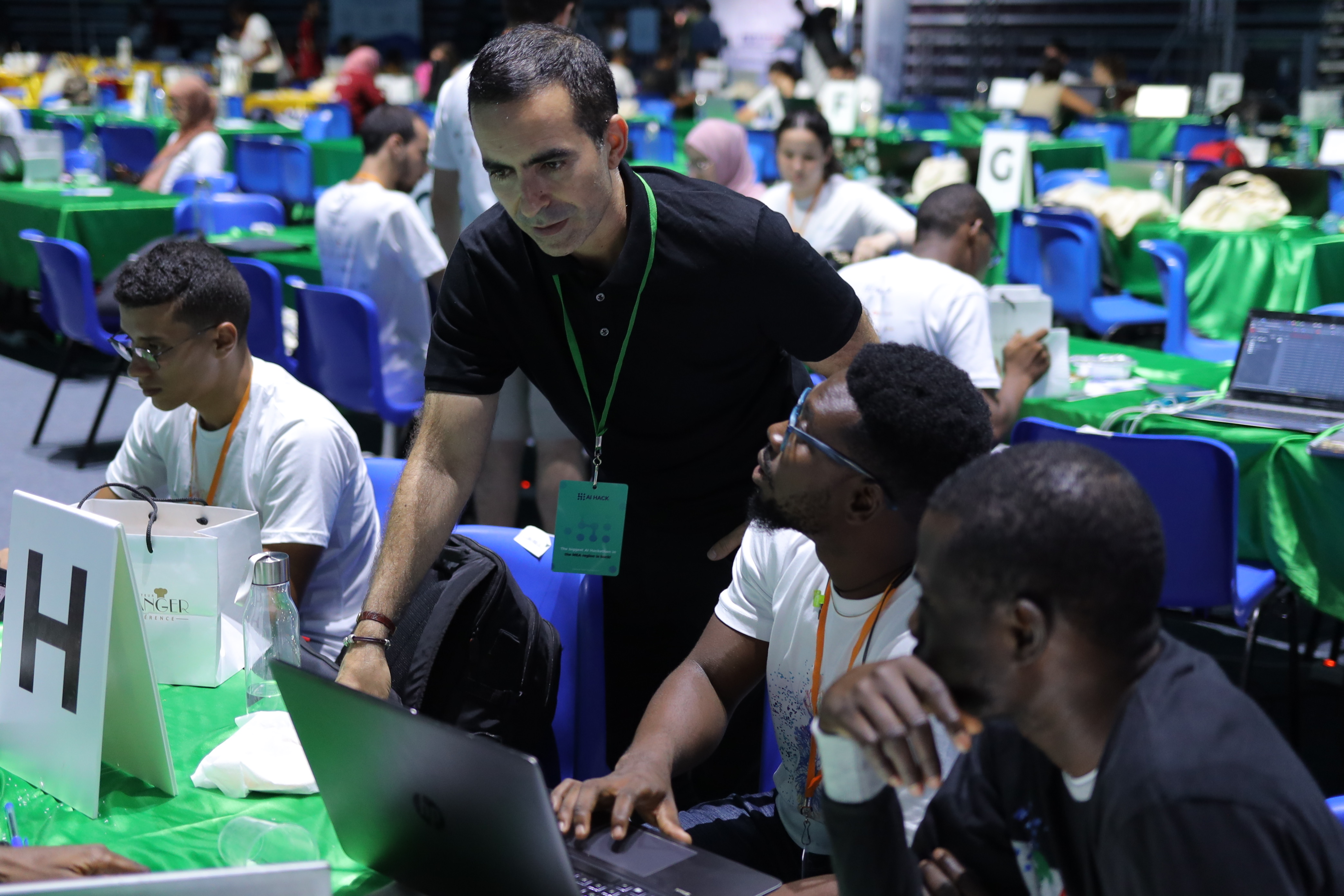

10 African Civic-Tech Startups Using AI and Data to Transform Governance

Across Africa, civic-tech startups are using AI, open data, and mobile tools to make governance more transparent and responsive. This guide profiles 10 high-impact African civic tech startups transforming budgets, citizen feedback, and public participation.
10 African Civic-Tech Startups Using AI and Data to Transform Governance
Across the continent, African civic tech startups are proving that better governance can start on your smartphone. Moreover, they are using artificial intelligence, open data, and simple mobile tools to make public services more transparent, responsive, and easier for you to navigate. Ultimately, this new wave of innovation is reshaping how citizens talk to leaders, track budgets, and demand better results from governments.
Furthermore, as African tech ecosystems mature, civic innovators are joining the same energetic scene that powers music, fashion, and influencer culture. In particular, the most exciting civic-tech founders now share space with popular African content creators, turning governance into something you can follow, share, and even go viral with. If you care about impact, these 10 startups show why African civic tech is one of the most important stories in modern innovation.
Why African Civic Tech Startups Matter for Everyday Governance
Importantly, when you hear "civic tech," think of any digital tool that helps citizens organise, mobilise, and engage with those in power. According to recent civic-tech mapping efforts in Africa, platforms range from election monitoring tools to budget trackers and citizen feedback apps[2][3]. Consequently, African civic tech startups now play a crucial role in bridging the gap between governments and people who expect faster, fairer service.

Moreover, the rise of AI and data has given civic innovators new ways to scale impact. For instance, AI-powered chatbots can explain complex policies in local languages, while open-data dashboards allow anyone to see how funds flow across ministries[4][7]. As a result, citizens gain not just information but insight they can act on, whether they are reporting broken services, following public projects, or rating their city’s performance.
Similarly, this space connects strongly with Africa’s dynamic influencer culture. Many of these startups work with digital storytellers, journalists, and creators to translate data into powerful narratives. Therefore, if you follow African tech, media, and entertainment, civic-tech founders belong on the same "watch list" as top music stars and fashion trendsetters.
10 African Civic Tech Startups Using AI and Data to Improve Governance
Notably, the list below focuses on high-impact African civic tech startups combining AI, open data, and mobile-first design to strengthen transparency, feedback loops, and service delivery. Additionally, several of them also collaborate with media houses, creators, and influencers to reach wider audiences across the continent.
- Code for Africa
- BudgIT
- CivicDataLab
- Grassroot
- OpenUp
- InfoNet Africa
- Pollicy
- Code for Kenya (part of Code for Africa ecosystem)
- Mzalendo Trust
- Follow the Money (Connected Development)
1. Code for Africa: AI, Data Journalism, and Civic Innovation
Code for Africa is widely recognised as the continent’s largest network of civic-technology and data journalism labs, with teams in more than 20 African countries[3][7]. Moreover, the organisation combines open data, AI tools, and powerful storytelling to help citizens understand how governments, companies, and institutions affect daily life. As a result, it has become a go-to partner for newsrooms, activists, and creators seeking credible data on public issues.
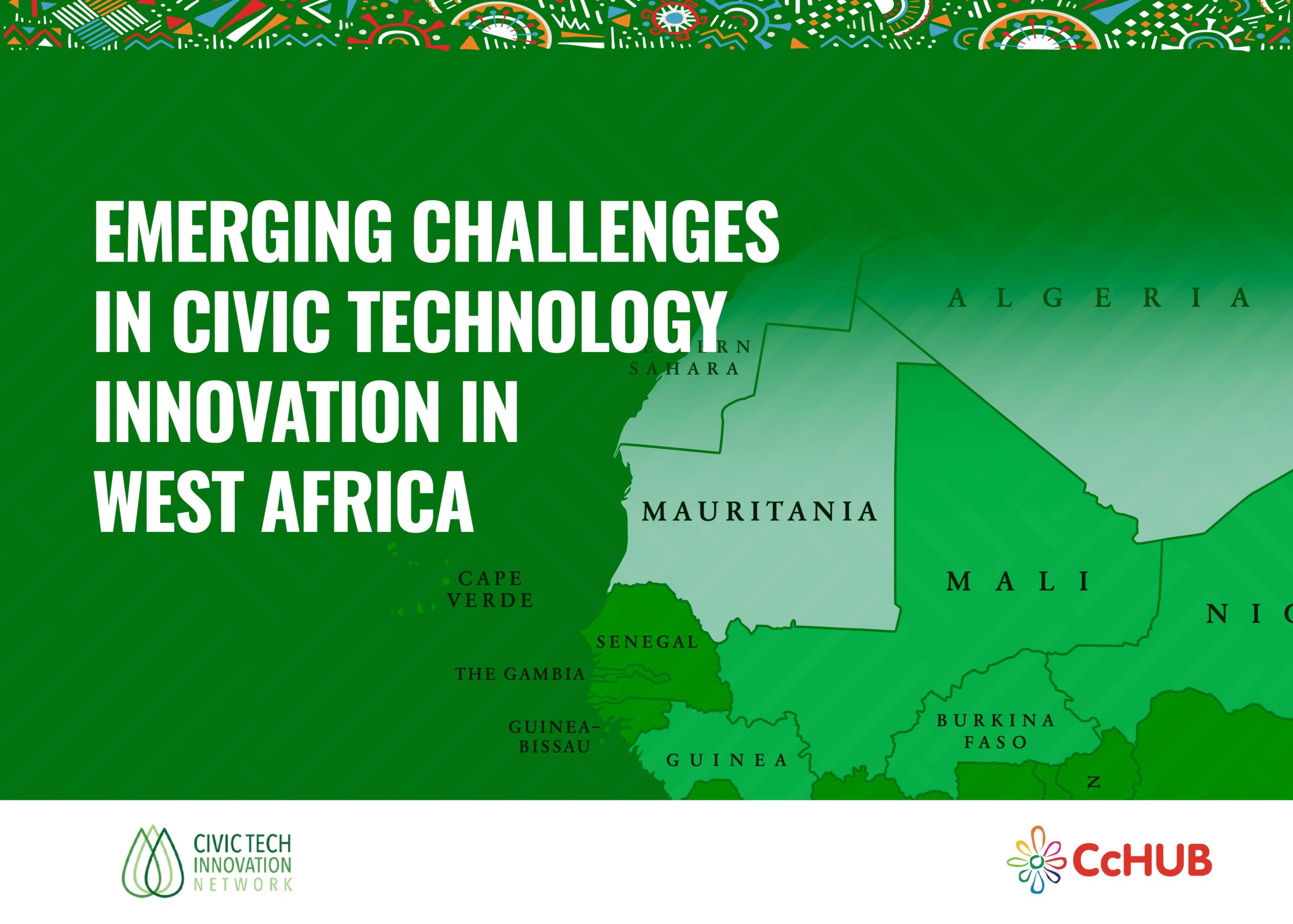
In particular, Code for Africa’s projects range from election information portals to investigative data platforms that track public spending and corruption risks[7]. Additionally, the organisation experiments with AI-driven multilingual tools so people can access civic information in local languages, making engagements more inclusive[4]. Consequently, if you follow African media and digital influencers, you will often see Code for Africa-backed data visualisations and explainers trending during major public debates.
Furthermore, Code for Africa sits at the intersection of technology & innovation, storytelling, and civic action. For those who love how African creators turn complex topics into engaging content, this network shows how data can power everything from YouTube explainers to TikTok governance threads. Explore more African innovation stories in our Technology and Business & Economy sections.
2. BudgIT: Making Public Budgets Simple and Shareable
BudgIT, founded in Nigeria, uses data, design, and digital storytelling to help citizens understand public budgets and spending[3]. Importantly, the startup turns complex budget documents into simple visuals, infographics, and interactive tools that you can share across social media. Consequently, ordinary Nigerians can follow how money moves from federal allocations to local projects, and ask better questions about accountability.
Moreover, BudgIT blends civic-tech with influencer-style communication. For instance, its campaigns often feature bold graphics, clear headlines, and explainers that feel like lifestyle content rather than formal policy briefs. Therefore, you see budget stories on your timeline the same way you see music or fashion trends, making governance part of everyday digital culture.
Additionally, BudgIT’s work has inspired similar initiatives across Africa, including collaborations with regional partners focusing on budget transparency and open data[3]. If you enjoy data-driven content from African creators, BudgIT’s output offers an excellent example of how civic-tech can win attention in competitive social feeds. Discover more impact-led stories under Africa News and Politics & Governance.
3. CivicDataLab: Using AI and Open Data for Public Decision-Making
While CivicDataLab started in India, it now collaborates closely with African partners and civic-tech ecosystems on open-data projects and AI-driven governance tools[3]. Specifically, the lab helps governments, researchers, and civil-society groups design data platforms that support better planning, budgeting, and public participation. Moreover, its approach emphasises open-source technology and community-led innovation.
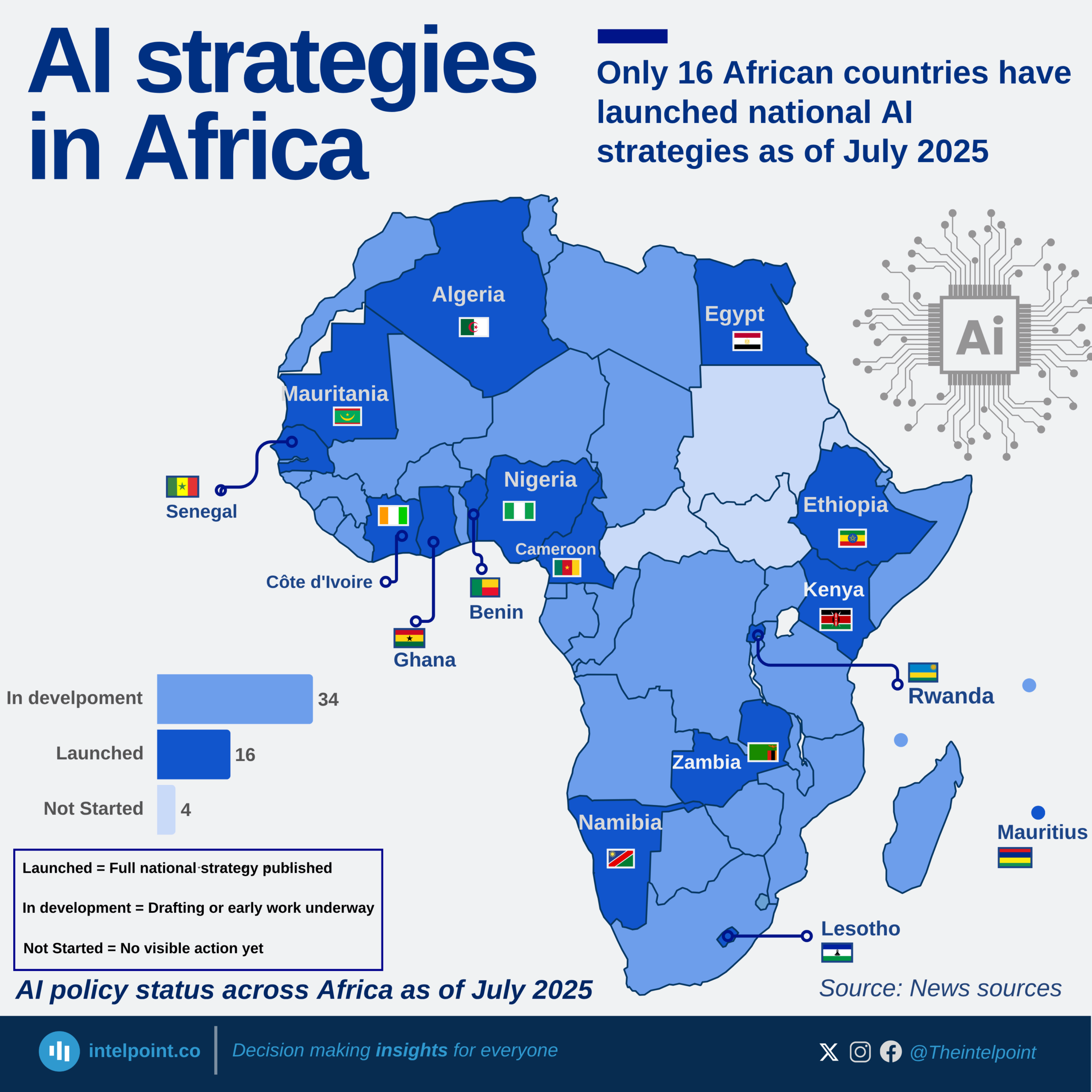
Importantly, CivicDataLab explores how AI can support public decision-making by analysing large datasets, identifying trends, and highlighting risks that are hard to spot manually[4]. For African cities facing rapid growth, such tools can improve everything from transport planning to social protection targeting. As a result, policymakers gain clearer insights, and citizens can see how data informs big decisions.
Furthermore, CivicDataLab’s emphasis on open collaboration fits well with Africa’s creative-tech culture. For instance, developers, designers, and creators often join hackathons and data labs to build new civic tools on top of shared infrastructure. Ultimately, this kind of ecosystem thinking helps ensure civic-tech innovation is not locked inside a single startup but spread across many teams.
4. Grassroot: Mobile Organising and Community Power
Grassroot, based in South Africa, focuses on simple mobile tools that help communities organise, meet, and take collective action. According to civic-tech networks, Grassroot’s platform allows local leaders to send meeting notices, track attendance, and gather feedback through accessible mobile channels[7]. Therefore, even communities with limited data access can still coordinate effectively.
Moreover, Grassroot’s work reflects a key trend in African civic tech startups: the belief that powerful tech does not need to be complicated. For instance, rather than pushing complex apps, Grassroot optimises for low-end devices and basic connectivity. As a result, the platform can reach people who are often excluded from digital conversations.
Additionally, Grassroot links community organising with broader governance issues, helping groups channel local concerns toward municipal and national engagement. In particular, this approach connects well with African activism, youth movements, and even creative scenes that want their audiences to do more than just like or share content. Read more about socially driven innovation within our Culture & Lifestyle and Opinion & Editorial sections.
5. OpenUp: Citizen Data, WhatsApp Chatbots, and Service Feedback
OpenUp, a civic-tech organisation in South Africa, has built several tools that help citizens access public information and share feedback with institutions[8]. Notably, the team reviewed and refined a citizen-generated data collection WhatsApp chatbot, drawing lessons on how to design better conversation flows and response structures[8]. Consequently, their work provides useful guidance for any African startup exploring AI-driven or automated messaging for public services.

Furthermore, OpenUp focuses strongly on open data and transparency. For instance, they support projects that make public information easier to explore, analyse, and reuse, empowering journalists, researchers, and active citizens. Moreover, these tools align closely with the growing popularity of chatbots that explain rights, processes, and service standards in easy, everyday language[5].
In addition, OpenUp’s experiments point toward the future of civic-tech messaging, where AI helps scale personalised support without losing a human touch. For content creators and digital storytellers, such chatbots can become new channels for engaging audiences around governance topics, blending information, conversation, and action.
6. InfoNet Africa: Data Platforms for Public Accountability
InfoNet Africa, active mainly in East Africa, develops digital platforms that support public accountability, budget tracking, and citizen oversight of service delivery[3][7]. Importantly, the organisation leverages open data, mobile interfaces, and cloud-based dashboards so people can follow funds, projects, and policies in near real time. As a result, citizens gain better visibility into how their taxes translate into tangible services.
Moreover, InfoNet Africa works closely with civil-society groups, journalists, and other African civic tech startups to maximise impact. For instance, its data tools often feed into investigative reporting, community forums, and advocacy campaigns. Consequently, the platforms do not just show numbers but help shape narratives that drive change.
Furthermore, as African influencer culture grows more issue-driven, tools like InfoNet Africa’s dashboards can become content sources for creators covering governance, development, and public spending. Ultimately, there is significant potential in turning budget and project data into short videos, threads, or explainers that resonate with young digital audiences.
7. Pollicy: Data Feminism, Digital Rights, and Inclusive Governance
Pollicy, headquartered in Uganda, is a civic-tech and data organisation that focuses on digital rights, data governance, and inclusion[7]. In particular, the team uses research, data storytelling, and creative campaigns to highlight how technology affects women, marginalised communities, and everyday citizens. Moreover, they explore how AI and data policies can be fair, transparent, and accountable.

Importantly, Pollicy’s work sits at the intersection of civic-tech and culture. For instance, their "Digital Safe Spaces" and other projects use art, design, and storytelling to make complex digital-policy issues accessible to broader audiences. Consequently, many of their campaigns feel similar to content produced by lifestyle or culture influencers, even while dealing with serious topics.
Additionally, Pollicy collaborates with regional partners and global networks working on ethical AI and data rights, including organisations such as ARTICLE 19 and Access Now. For readers who care about how AI shapes African futures, Pollicy offers a clear, creative voice grounded in evidence and community experience.
8. Code for Kenya: Local Data Labs with Continental Reach
Code for Kenya operates as part of the wider Code for Africa ecosystem, focusing on local data, public-interest tools, and media partnerships in Kenya[3][7]. Moreover, the lab develops custom dashboards, APIs, and datasets that help newsrooms and civic actors cover everything from elections to environmental issues. As a result, Kenyans gain access to layered, data-rich reporting on governance topics that used to be hidden behind paperwork.

Furthermore, Code for Kenya’s work often intersects with influencer-style digital storytelling. For instance, journalists and creators use its data resources to build explainers, visual threads, and interactive features tailored for mobile audiences. Consequently, complex civic topics emerge in the same digital spaces where you follow entertainment and lifestyle content.
Additionally, this model shows how local civic-tech labs can feed into continental innovation. In particular, Kenyan teams contribute to shared tools and best practices that other African countries reuse for their own open-data and AI projects. Explore more East African tech stories by visiting our News & Updates and Technology sections.
9. Mzalendo Trust: Opening Up Parliament Through Data
Mzalendo Trust, based in Kenya, runs one of Africa’s most influential parliamentary monitoring platforms[3]. Importantly, the initiative provides open data on Members of Parliament, their performance, and legislative activities, helping citizens track what elected leaders actually do on their behalf. Consequently, Mzalendo strengthens democratic accountability by making parliamentary information easier to search, analyse, and share.
Moreover, the platform embraces digital design and storytelling. For instance, citizens can browse profiles, read bill summaries, and follow voting records without digging through government PDFs. Additionally, this kind of structured data lends itself well to viral content, infographics, and explainers produced by media houses and influencers.
Furthermore, Mzalendo Trust’s work connects strongly with a broader trend in African civic tech startups: moving beyond elections toward continuous public oversight. Ultimately, governance becomes a year-round conversation, not just a campaign-season topic, giving digital creators more material for ongoing civic narratives.
10. Follow the Money (Connected Development): Tracking Public Projects on the Ground
Follow the Money, an initiative by Nigerian organisation Connected Development (CODE), focuses on tracking public projects and ensuring communities receive promised services and funds[7]. Specifically, the platform uses mobile tools, field reporting, and open data to document what happens when governments announce projects such as schools, clinics, or water points. Moreover, citizens can submit information and evidence from their localities, powering crowdsourced accountability.

Importantly, Follow the Money blends civic-tech with storytelling and grassroots mobilisation. For instance, its campaigns often feature real-life visuals, testimonies, and social media threads that highlight gaps between budget promises and on-the-ground reality. Consequently, the initiative has become a powerful example of how data and narrative can move policy and drive results.
Additionally, this model resonates strongly with African content creators who document life in their communities. In particular, influencers, photographers, and videographers can partner with initiatives like Follow the Money to turn project tracking into compelling, shareable content. Read more about storytelling and impact under our Spotlight and Featured Videos categories.
How AI, Chatbots, and Multilingual Tools Are Changing Civic Tech
As AI becomes more accessible, African civic tech startups increasingly deploy smart tools that make engagement faster and more inclusive. For instance, AI-powered chatbots now explain legal rights, walk citizens through government processes, and capture service complaints in structured formats[5][8]. Furthermore, these bots can operate on widely used platforms like WhatsApp, lowering barriers for people who cannot install new apps.
Moreover, multilingual AI tools help bridge language gaps, allowing platforms to support conversations across Africa’s diverse linguistic landscape[4]. In particular, civic technologists experiment with translation models, voice interfaces, and local-language natural-language processing so more people can participate meaningfully. Consequently, governance conversations shift from one-language spaces to inclusive, multi-language communities.
Additionally, mapping projects such as the Civic Tech Innovation Network and regional research have identified hundreds of civic-tech products active across all 54 African countries[6][7]. Ultimately, this growing ecosystem means AI-backed civic tools are no longer fringe experiments but central elements of modern African governance innovation. For deeper context on global civic-tech and AI trends, you can explore research from Civic Tech Innovation Network and Frontiers in Political Science.
Influencer Culture Meets Civic Tech: Why Creators Should Care
Notably, the same energy driving African music, fashion, and entertainment is now flowing into civic-tech storytelling. Moreover, as creators build huge audiences on platforms like TikTok, Instagram, and YouTube, they gain new power to translate civic-tech tools into everyday language. Consequently, partnerships between African civic tech startups and influencers can amplify impact far beyond traditional NGO channels.

For instance, a data-visualisation from BudgIT or Code for Africa can become the basis for a short video breaking down a budget story. Similarly, a WhatsApp chatbot developed by OpenUp or other civic innovators can feature in content that walks followers through their rights and responsibilities. Ultimately, creators who understand these tools can position themselves as trusted voices on governance, not just entertainment.
Furthermore, this blend of civic-tech and influencer culture aligns with a wider shift toward positive African innovation narratives. In particular, audiences are eager for stories about startups solving real problems, from health systems to education and service delivery. If you are a creator looking for fresh angles, these civic-tech platforms offer rich material for content that is both engaging and impactful.
Explore More on Topping Africa
Additionally, if you want to discover more stories about African innovation, creators, and governance, you can dive into key sections on Topping Africa. Explore more and find the next wave of civic-tech and creative leaders reshaping the continent.
- Technology – Deep dives on startups, AI, and digital innovation across Africa.
- Business & Economy – Insights on funding, growth, and the business side of civic-tech.
- Africa News – Timely coverage of policy shifts, reforms, and impact stories.
Ultimately, whether you are a founder, creator, policymaker, or curious citizen, these African civic tech startups show that governance can be open, data-driven, and responsive. Moreover, they prove that AI and digital tools are not just buzzwords but practical instruments for improving daily life. Share your thoughts, leave a comment, and subscribe to keep following Africa’s most exciting civic-tech and innovation stories.

Staff
Contributing writer at Topping Africa.
0 Comments
No comments yet. Be the first to share your thoughts!