Health & Wellness on TV: How #HealthyNationNTV and African Health Influencers Are Making Medical Advice Go Viral
African health influencers and NTV Kenya’s #HealthyNationNTV are turning medical advice into viral, trusted content across TV and social media. Discover how doctors, nutritionists, and wellness creators are reshaping health education and putting locally relevant guidance on your feed.
Health & Wellness on TV: Why African Health Influencers Are Changing How You Learn About Your Body
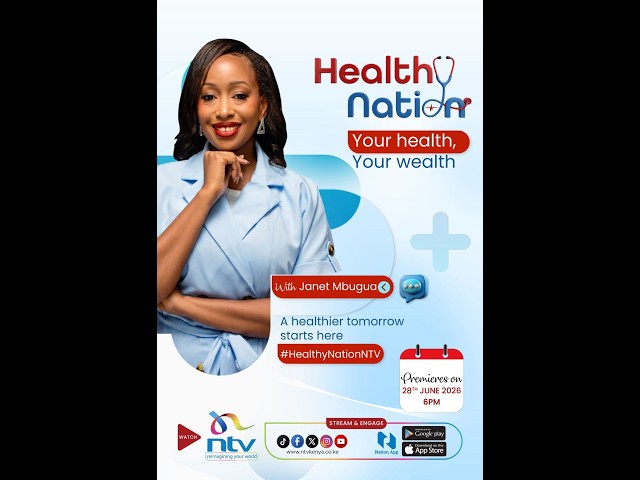
African health & wellness is no longer stuck in dusty textbooks or late-night radio talk shows. Today, african health influencers are turning complex medical advice into short, sharp videos you can watch on your phone or TV. Moreover, shows like NTV Kenya's #HealthyNationNTV are giving these experts prime-time space, then pushing their content onto TikTok, Instagram, and YouTube where it really explodes.
Consequently, you no longer wait for a doctor’s appointment to understand your symptoms, diet, or mental health. Instead, you follow creators who speak your language, use your slang, and understand African realities. Ultimately, this mix of television, social media, and trusted medical voices is building a new kind of health education across the continent.
#HealthyNationNTV: The TV Launchpad Powering African Health Influencers
Notably, NTV Kenya’s weekly show #HealthyNationNTV is one of the clearest signs that health content has gone mainstream. Moreover, the show blends traditional TV storytelling with digital-first thinking, packaging expert advice into segments perfect for social clips and creator collaborations. As a result, you see specialists break down issues like hypertension, fertility, or diabetes in ways that feel simple and local.
Additionally, Kenyan producers understand that young viewers live online. Therefore, they repurpose interviews, Q&As, and explainer segments into short videos shared across platforms where african health influencers already thrive. For instance, a detailed TV discussion on nutrition can become a 60-second TikTok tip, an Instagram Reel, and a YouTube Short, each tailored for fast, shareable learning.
Furthermore, this approach positions #HealthyNationNTV as more than a show; it acts as a reliable health hub. In addition, it gives rising doctors, nutritionists, and wellness coaches a professional stage that boosts their credibility when they post content from their own channels later. Consequently, when you discover a doctor on TikTok, you often find out they already appeared on TV or on a respected health segment.
From Studio Lights to Smartphone Screens
Importantly, the biggest shift is how health information moves from studio to smartphone. Previously, medical experts spoke in technical language during long TV interviews that many viewers struggled to follow. Now, production teams plan segments with social media edits in mind, giving creators bite-sized quotes, visuals, and data they can remix.
Moreover, you can watch a full #HealthyNationNTV episode at home, then later catch the highlights on Instagram while commuting. Consequently, TV no longer competes with social media; it feeds it. Similarly, influencers live-react to episodes, add personal context, and answer questions from their audiences in real time.
As a result, the same health message spreads through multiple trusted voices, strengthening your confidence in the advice. Ultimately, this TV-to-feed pipeline is how health content now goes viral across Africa in a way that still feels credible.
Meet the New Wave of African Health Influencers Redefining Wellness
Across the continent, a new generation of african health influencers is building large communities by mixing science, culture, and everyday life. Moreover, many of them are qualified doctors, nutritionists, psychologists, and fitness trainers who understand both evidence-based medicine and the realities of African cities and towns. Therefore, you get guidance that is not only accurate but also culturally relevant and practical.
Additionally, social platforms reward creators who speak clearly, show up consistently, and respond to comments. Consequently, medical professionals who once stayed in hospitals now step into ring lights, record short clips, and host live Q&As to answer your questions. Ultimately, these creators shift health advice from one-way lectures into two-way conversations.
Kenyan Doctors and Wellness Creators Leading the Charge
In Kenya, doctors and wellness experts increasingly treat content creation as part of their practice. For instance, many Kenyan-based clinicians use Instagram and TikTok to explain period pain, mental health stigma, and lifestyle diseases in sheng, Swahili, and English. Moreover, they tackle myths around fertility, contraception, and diet that often spread faster than verified information.
Furthermore, Nairobi’s vibrant influencer culture means health content sits right alongside fashion, tech, and music in your feed. As a result, you might watch a comedy skit, then swipe into a video where a doctor calmly debunks a trending health rumor. In addition, the presence of hospital-backed pages and verified professionals helps you distinguish serious advice from random opinions.
Ultimately, Kenya’s blend of TV platforms like #HealthyNationNTV and creator networks on TikTok and Instagram shows how one country can act as a model for digital health across Africa.
South African Fitness and Wellness Influencers You Should Know
Similarly, South Africa offers a strong ecosystem of fitness and wellness creators who make healthy living look fun and achievable. According to influencer ranking platforms that track engagement and reach, South African fitness and health accounts increasingly dominate wellness conversations online[1]. Moreover, you see trainers, diet coaches, and lifestyle influencers collaborate with brands, gyms, and clinics to bring structured programs to your feed.
For instance, many top South African fitness influencers share home workout routines, mental health reflections, and nutrition tips in short video format[4]. Consequently, you no longer need expensive equipment or long gym sessions to follow along; you simply copy their moves in your living room. Additionally, several health influencers also highlight the importance of body positivity and inclusivity, showing diverse body types and fitness levels[10].
As a result, your relationship with wellness shifts from punishment to empowerment. Ultimately, this South African wave proves that when creators blend medical insight with local culture and real-life stories, people listen—and they keep coming back.
Pan-African Voices on Beauty, Mental Health, and Holistic Wellness
Across the wider African and Black diaspora, wellness creators connect health with beauty, confidence, and emotional wellbeing. According to lifestyle platforms that spotlight Black beauty and wellness influencers, many creators now treat skincare, nutrition, and mental health as part of one holistic journey[6]. Moreover, they talk openly about stress, burnout, and trauma, topics that older generations often avoided.
Additionally, women of color fitness influencers highlight how movement, community, and rest all matter for long-term health[7]. Consequently, when you follow these accounts, you pick up small habits—like stretching more, drinking water, or journaling—that slowly upgrade your lifestyle. In particular, African audiences resonate with creators who balance modern science with traditional remedies, spiritual practices, and community rituals.
Ultimately, this pan-African and diaspora mix of voices enriches your feed. Therefore, you gain a broader view of health that feels global yet still rooted in African experience.
Why African Health Influencers Go Viral: Trust, Culture, and Algorithm-Friendly Advice
Notably, virality in health content is not just about shock value; it is about trust. When african health influencers share advice, they often show their credentials, clinic life, and personal stories. Moreover, they speak about conditions that affect African communities directly, such as hypertension, maternal health, sickle cell, and lifestyle diseases.
Additionally, they use clear, relatable language instead of dense medical jargon. Consequently, you understand both the risk and the solution. For instance, an influencer might explain diabetes using examples from local diet choices—ugali, chapati, jollof, or pap—instead of generic Western food references.
Furthermore, social platforms reward formats that grab attention quickly. Therefore, influencers turn serious advice into short hooks, bold captions, and simple step-by-step tips. Ultimately, this combination of cultural relevance and algorithm-friendly content makes health posts easier to share, comment on, and keep in your saved folder.
Common Formats That Make Medical Advice Stick
Importantly, the most successful health clips follow familiar social media patterns. Moreover, you will often see:
- Myth vs. Fact videos that correct common health misunderstandings in under 30 seconds.
- Day in the Life vlogs where doctors or nutritionists show how they eat, work, and rest.
- Challenge-style content such as 7-day water goals or 30-day movement streaks.
- Duets and stitches on TikTok where experts respond to trending health claims or viral home remedies.
- Live Q&A sessions where audiences ask anything about their bodies, diets, or mental health.
Additionally, these formats match how you already consume content every day. Consequently, you do not have to switch modes to learn; health tips slip into your usual scroll. Ultimately, the result is a more informed audience that still enjoys the experience.
The Role of African Tech Startups in Health Content
Moreover, African tech startups quietly power much of this wellness revolution. For instance, digital health platforms use telemedicine apps, symptom checkers, and chat-based counseling to support what influencers say on their feeds. Additionally, some startups partner with creators to host structured programs, like guided weight loss journeys or mental health check-ins, inside mobile apps.
Consequently, you can watch a viral explanation about anxiety, then tap through to book a telehealth session with a counselor. Similarly, when a nutrition influencer shares meal plans, tech platforms help you track calories, blood pressure, or glucose levels from your phone. In addition, startups use data to see what topics trend, then inform creators about gaps in public knowledge that need more attention.
Ultimately, this blend of influencer culture and health-tech innovation helps turn views and likes into real-world health actions, which is the true goal.
Opportunities and Responsibilities: Using Viral Health Content Wisely
However, as health content grows, responsibility grows with it. Notably, not every creator has medical training, and not every trending remedy is safe. Therefore, you need simple ways to decide who to trust. Moreover, platforms and viewers increasingly look for verified experts, cross-checked advice, and references to credible health sources.
Additionally, shows like #HealthyNationNTV help by curating qualified guests and linking their content to established hospitals and clinics. Consequently, when those guests later share advice on TikTok or Instagram, you can trace their TV appearance and credentials. Furthermore, many reputable health organizations now share their own content directly, giving influencers high-quality material to reference in their posts.
Ultimately, if you combine influencer insight with verified sources, you get the best of both worlds: engaging content and real safety.
How You Can Spot Reliable African Health Influencers
Importantly, you can protect yourself by applying a few quick checks. Moreover, when you follow a new health creator, ask yourself:
- Do they clearly state their training, qualifications, or professional background?
- Do they reference trusted health resources like hospitals, universities, or organizations?
- Do they avoid promising miracle cures or instant results?
- Do they encourage you to speak to your own doctor for serious issues?
- Do they correct themselves when new evidence appears or when they make mistakes?
Additionally, you can cross-check advice with global health sources such as World Health Organization, regional bodies like Africa CDC, or leading medical centers including Mayo Clinic. Consequently, you reduce risk while still enjoying practical, friendly guidance from your favorite creators.
Ultimately, this kind of media literacy lets you enjoy the influencer boom without falling for pseudoscience.
Influencer Culture, Celebrities, and the Future of African Health Storytelling
Moreover, African celebrity culture plays a big role in amplifying health messages. When musicians, actors, and sports stars share their wellness routines or health struggles, millions pay attention. Additionally, influencers often collaborate with these celebrities to host conversations about mental health, chronic disease, or body confidence.
Consequently, stigma around certain conditions slowly falls. For instance, when a popular artist speaks openly about therapy or burnout, youth may feel safer seeking help. Similarly, when a footballer shares nutrition tips and injury recovery stories, fans see health as part of success, not just something you think about when sick.
Ultimately, this cross-over between entertainment and wellness fits perfectly into platforms like Entertainment and Culture & Lifestyle, where you already explore African celebrity news and lifestyle trends.
How Creator Platforms Turn Health into Everyday Content
In addition, TikTok, Instagram, and YouTube thrive on habit. Notably, when you see health tips daily, they start to feel normal instead of uncomfortable. Moreover, influencers mix wellness into everyday moments—morning routines, lunch breaks, gym sessions, school runs—so advice arrives without heavy pressure.
Furthermore, creator platforms reward interaction. Therefore, you can submit questions, vote on topics, and share your own health journey through comments and stitches. Consequently, health becomes a shared community project, not a private struggle.
Ultimately, this interactive culture aligns with African traditions of communal support, storytelling, and learning. As a result, medical knowledge no longer lives only with professionals; it circulates within your circles, from group chats to watch parties.
Actionable Ways to Use African Health Influencers to Improve Your Life
However, following wellness creators is only helpful if you act on what you learn. Therefore, here are practical ways you can turn viral health content into real change in your life. Moreover, these steps are simple enough to start today.
- Curate a trusted health list: Additionally, follow a small group of verified doctors, nutritionists, and fitness trainers rather than dozens of random accounts.
- Set one monthly health goal: Consequently, use influencer challenges—like water intake, step counts, or sleep tracking—to build one new habit at a time.
- Cross-check before big decisions: Moreover, always confirm major medical advice with your healthcare provider or reputable health sources.
- Save and organize key posts: Furthermore, create folders on Instagram or bookmarks on TikTok for content about specific topics like mental health, nutrition, women’s health, or fitness.
- Share wisely: Ultimately, when you share health content, add a note encouraging friends to verify tips and consult professionals.
In addition, you can explore deeper analysis of wellness, lifestyle, and innovation on Topping Africa through sections like Health & Wellness, Technology, and Business & Economy. Consequently, you will see how health intersects with tech startups, influencer culture, and broader African development.
Explore More on Topping Africa
Moreover, if you want to understand how health, tech, and entertainment connect across the continent, you can dive into more stories. Additionally, these sections offer rich context behind the viral clips you see every day.
- Health & Wellness: Discover deep dives on African hospitals, wellness trends, and lifestyle shifts.
- Technology & Innovation: Explore how African startups, health apps, and digital platforms support influencer-driven health.
- Culture & Lifestyle: Read more about how celebrities, creators, and everyday people reshape wellness culture.
Consequently, you can connect the dots between what shows like #HealthyNationNTV feature on TV and what creators amplify online. Ultimately, you get a fuller picture of how African health storytelling evolves beyond traditional media.
Why This Moment Matters for Africa’s Healthy Future
Importantly, the rise of african health influencers and shows like #HealthyNationNTV marks a turning point. Moreover, health communication is no longer top-down; it is collaborative, digital, and deeply local. As a result, you have more power than ever to learn, question, and act on information that affects your body and mind.
Additionally, when you support trusted creators—by watching, sharing, and commenting—you help push accurate, culturally aware advice deeper into your community. Consequently, good information stands a real chance against rumors, fear, and misinformation. In particular, young Africans who grew up online now see health as part of everyday conversation, not just hospital visits.
Ultimately, if you stay curious, verify what you hear, and engage with credible voices, you become part of a continent-wide movement toward a healthier, more informed Africa. So, explore more health stories, discover new wellness creators, and share your thoughts by leaving a comment whenever content empowers you to make a positive change.

Staff
Contributing writer at Topping Africa.
0 Comments
No comments yet. Be the first to share your thoughts!