
Women’s Mental Wellness in Africa: The Creators Leading a New Conversation
African women mental wellness is moving from silence to center stage, led by therapists, coaches, and influencers across the continent. This feature explores the creators, tech platforms, and cultural shifts redefining mental health conversations for African women.
African women mental wellness is rewriting the wellness story
Across the continent, African women mental wellness is finally moving from the shadows into the spotlight. For years, you heard more about physical health, hustle culture, and survival than about anxiety, burnout, or depression. However, a new wave of African therapists, coaches, and influencers is changing that story in real time. Moreover, they are using Instagram Lives, podcasts, and community events to speak directly to the realities African women face every day.
Importantly, this new conversation is not imported from the West. Instead, you see women grounding wellness in African culture, language, and lived experience. Consequently, topics like motherhood, body image, faith, village expectations, and hustle culture now sit at the center of mental health talks. As a result, African women who once suffered in silence are finding words, tools, and communities that feel like home.
In this feature, you will discover standout creators and platforms pushing mental wellness forward across Africa. Furthermore, you will see how influencer culture, tech startups, and lifestyle brands are turning therapy and self-care into everyday language. Ultimately, this is your guide to the women leading the most important wellness revolution on the continent.
The mental health landscape for African women today
Notably, mental health challenges are not new for women in Africa; only the conversation is. According to regional advocacy campaigns, over 70 million African women live with mental health conditions, most without formal support.[4] However, cultural stigma, cost, and limited services keep many women from seeking help. In addition, expectations around motherhood, marriage, caregiving, and career success create constant pressure.
Moreover, you often hear phrases like "strong African woman" used to praise endurance, even when that strength hides deep anxiety and exhaustion. Consequently, women push their needs aside to care for family, build businesses, and support communities. Similarly, young women navigating social media, beauty standards, and economic uncertainty carry silent stress that rarely gets named.
Thankfully, digital platforms are shifting this picture. For instance, Instagram, TikTok, and podcast apps now host weekly conversations on therapy, boundaries, and emotional healing.[3][10] Additionally, African wellness influencers use reels, Twitter threads, and newsletters to normalize talking about panic attacks, miscarriages, heartbreak, and burnout. Therefore, mental wellness is slowly becoming part of everyday life, not a taboo side issue.
Creators leading the African women mental wellness movement
Across Africa, a new generation of creators is turning mental wellness into accessible, relatable content. Importantly, they are therapists, coaches, yoga teachers, fitness trainers, and lifestyle influencers who speak directly to African women’s realities. Moreover, many blend clinical knowledge with faith, culture, and storytelling. As a result, their content feels both professional and deeply personal.
For instance, some run Instagram Lives where women share stories of postpartum depression and anxiety in safe, supportive spaces.[3] Additionally, others host podcasts that explore trauma, healing, and self-worth through African proverbs and community wisdom. Meanwhile, wellness startups are launching apps and teletherapy platforms tailored for African users.[10] Consequently, you now have more options than ever to find voices that sound like yours.
Below, you will explore several key creators and platforms shaping African women mental wellness. Furthermore, you will see how they use influencer culture, tech innovation, and storytelling to challenge stigma and offer practical support. Feel free to explore their work, share your thoughts, and follow the ones that speak most to your journey.
WATO Movement and Shiba Nakakande: Community-first wellness for African women
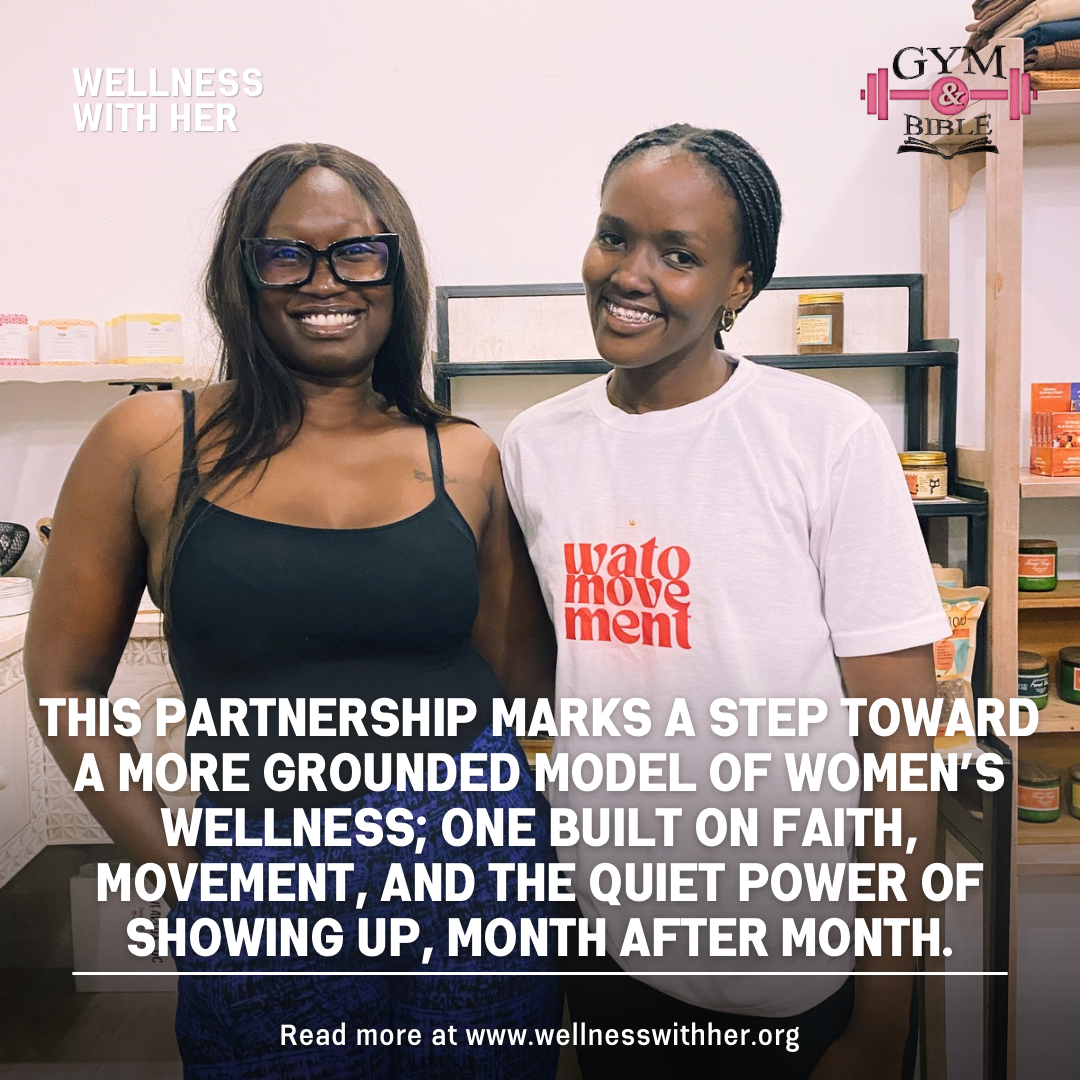
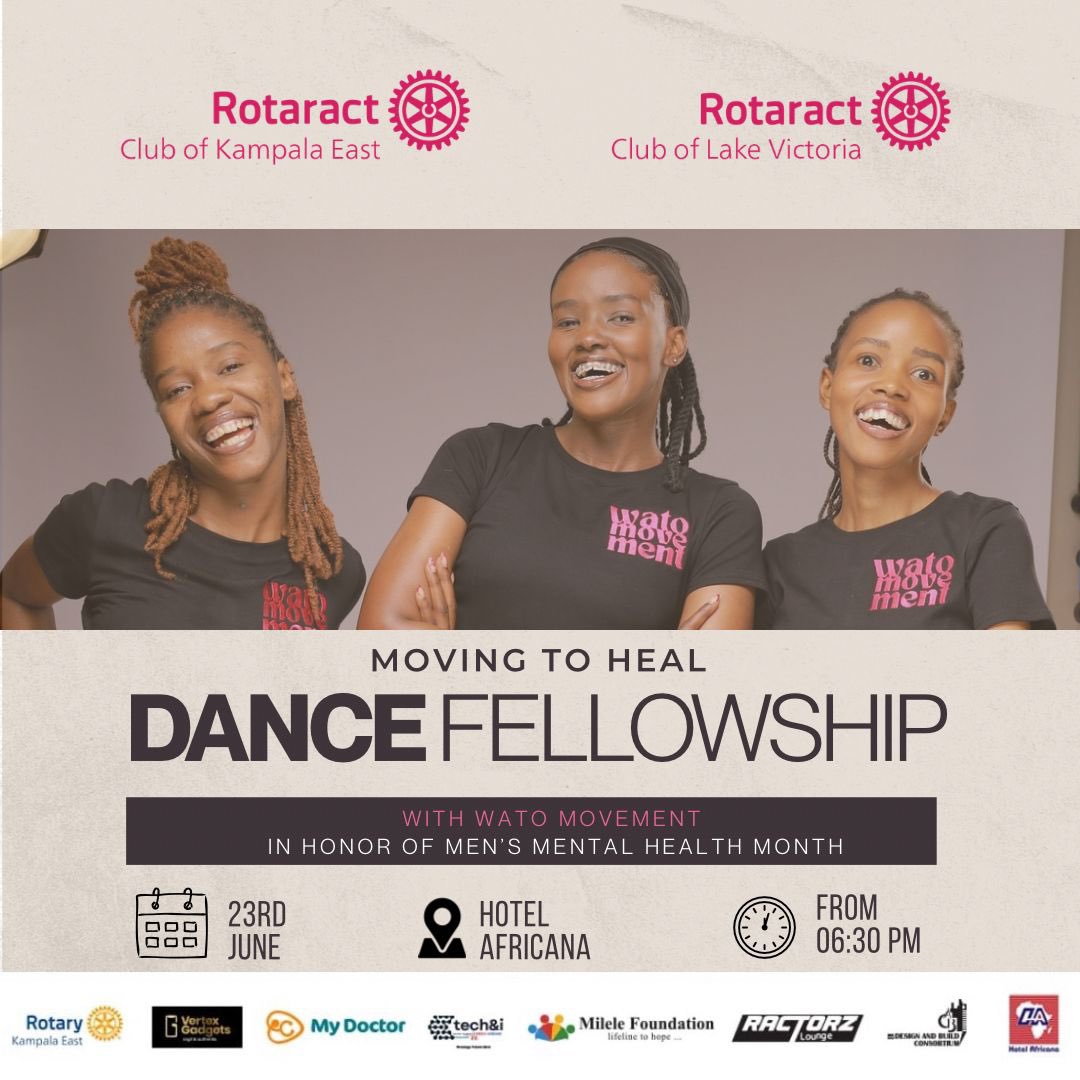
One of the most powerful examples of this shift is the WATO Movement, led by Ugandan wellness advocate Shiba Nakakande.[4] Notably, her platform centers African women’s emotional health, highlighting how often wellness comes last in their daily lives. Furthermore, the WATO Movement collaborates with organizations like the African Women’s Development Fund, which points to tens of millions of women living with mental health conditions.[4]
Importantly, WATO uses events, online talks, and social media campaigns to address burnout, body image, and self-worth. Additionally, Shiba speaks openly about how cultural expectations and economic pressure impact African women’s mental wellness. As a result, her work gives language to feelings many women rarely admit in public. Moreover, she models rest and self-compassion as active choices, not selfish acts.
If you are seeking community-focused content that blends activism and self-care, WATO is a powerful place to start. In addition, her message aligns closely with themes we cover in Health & Wellness and Culture & Lifestyle on Topping Africa. Ultimately, following creators like Shiba helps you see that mental wellness is both a personal journey and a collective movement.
Afritherapy and African wellness influencers: Tech meets therapy
On the innovation side, platforms like Afritherapy are redefining how African women access mental health support online.[10] Notably, Afritherapy connects users with therapists and wellness professionals who understand African cultures, languages, and social pressures. Furthermore, its blog and social channels highlight African wellness influencers supporting communities in Ghana and beyond.[10]
Moreover, Afritherapy showcases influencers who share research-backed insights on stress, mindfulness, and trauma recovery. In particular, these creators explain complex mental health concepts in simple language, often mixing English with local languages for clarity. Consequently, you can learn about anxiety, boundaries, and emotional regulation in ways that feel familiar, not foreign.
For African women who prefer anonymous, digital-first support, Afritherapy and similar platforms are game-changers. Additionally, they reflect the broader trend of African tech startups using innovation to solve health and wellness gaps. To explore more stories like this, you can read about other wellness-related ventures in Technology and Business & Economy on Topping Africa. If this excites you, discover more digital wellness tools emerging across the continent.
Influencer culture and the rise of African wellness creators
Influencer culture in Africa is no longer just about fashion hauls and travel diaries. Importantly, wellness influencers now sit beside musicians and celebrities in your feed. Moreover, they use the same visual storytelling, brand partnerships, and viral trends to spotlight mental health. Consequently, African women mental wellness is becoming both a lifestyle topic and a serious social issue.
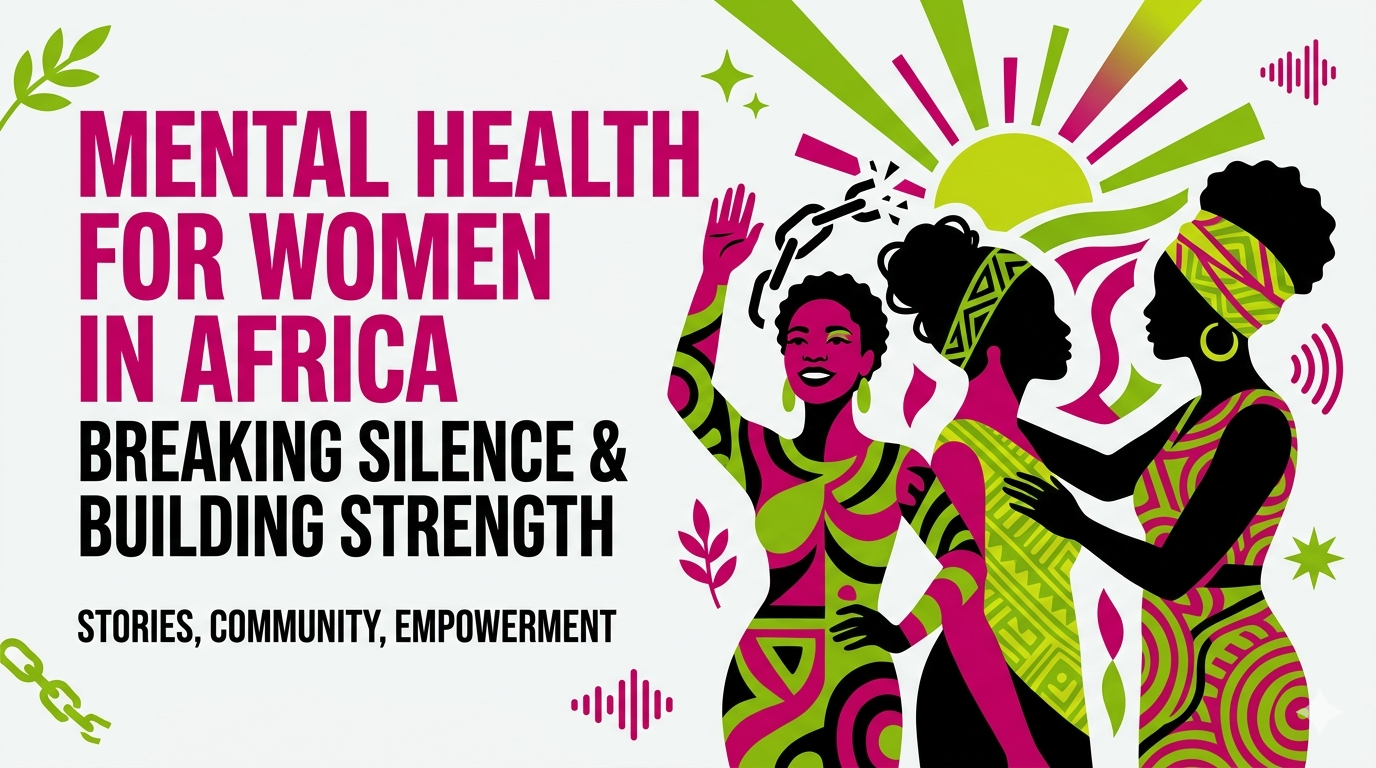
For instance, global lists of Black wellness influencers increasingly feature African creators alongside diaspora voices.[2][8][9] Additionally, brands in beauty, fitness, and tech are partnering with these women to promote self-care, therapy, and holistic health. Meanwhile, TikTok challenges and Instagram reels now highlight routines for journaling, breathwork, and emotional check-ins.[7] Therefore, mental wellness tips reach millions of young African women daily, often in under sixty seconds.
However, this visibility comes with responsibility. Notably, credible wellness influencers work hard to base their content on solid research, lived experience, and ethical collaboration with professionals.[5][6] Furthermore, many use disclaimers to remind audiences that online content does not replace therapy. Ultimately, this mix of influence and integrity helps transform mental wellness into a trusted part of digital culture, not just a passing trend.
Topics shaping the new wellness conversation
Across platforms, you will notice recurring themes in African women’s mental wellness content. Importantly, these topics reflect daily realities that often go unnamed in traditional health campaigns. Moreover, they follow trends seen globally but always carry a uniquely African flavor.
- Burnout and hustle culture: Additionally, creators talk about the pressure to constantly hustle, care for extended family, and succeed in work and business.
- Motherhood and postpartum mental health: Furthermore, podcasts and lives highlight postpartum depression, fertility struggles, and the emotional load of single motherhood.
- Body image and beauty standards: Notably, influencers explore how colorism, Eurocentric beauty ideals, and social media filters affect self-esteem.
- Faith, spirituality, and therapy: Moreover, many discuss how church culture and spiritual beliefs intersect with counselling and emotional healing.
- Trauma and generational patterns: In addition, conversations unpack childhood trauma, gender-based expectations, and intergenerational pain.
As a result, you get a multi-layered picture of African women’s lives that moves far beyond basic self-care quotes. Specifically, the new content acknowledges pain, complexity, and joy at the same time. If you are curious about how these themes show up in entertainment and celebrity culture, read more about them in Entertainment and Opinion & Editorial on Topping Africa.
How African women are using tech to care for their minds
Technology is one of the strongest drivers of this mental wellness revolution. Importantly, African women are not just consuming wellness content; they are building platforms, apps, and communities. Moreover, they use WhatsApp groups, online courses, and teletherapy services to reach women in cities and rural areas alike.[10]
For instance, some therapists host weekly group sessions via video call for working mothers who cannot commute to clinics. Additionally, coaches create digital programs on stress management and confidence that women can access on their phones. Meanwhile, wellness influencers share toolkits, journaling prompts, and meditation audio as downloadable resources.
Consequently, mental wellness support is slowly becoming more affordable and flexible. Notably, this aligns with a wider wave of Technology & Innovation across Africa, where startups tackle health, finance, and education challenges. If you love this intersection, explore more in Technology and Business & Economy, where we track the most promising wellness-related tech plays.
Podcasts and Instagram Lives: The new therapy rooms
Podcasts and live video sessions now play the role of virtual group circles for many African women. Importantly, they allow creators to go deeper than short posts and quick reels. Moreover, women can listen while commuting, cooking, or working, turning everyday moments into mini therapy sessions.
For example, several African therapists and coaches host weekly Instagram Lives centered on themes like "Anxiety in African households" and "Breaking the strong woman myth".[3][5] Additionally, some creators invite guests such as midwives, fitness trainers, and faith leaders to broaden the conversation. Consequently, you get an ecosystem of voices addressing mind, body, and spirit together.
Meanwhile, podcasts focused on Black and African mental health offer more structured guidance and storytelling.[5][6] Specifically, they unpack topics like attachment styles, trauma recovery, and boundaries with family in clear, simple language. If you enjoy audio content, subscribe to one or two African-led wellness podcasts and make them part of your weekly routine. Explore more and share your favorite episodes with friends to keep the conversation growing.
Crossing paths with African celebrities and mainstream culture
Increasingly, African celebrities and mainstream influencers are engaging with mental wellness openly. Notably, when famous artists, actors, and media personalities speak about anxiety or depression, it changes public perception fast.[5][9] Moreover, their stories often encourage fans to seek help and normalize therapy.
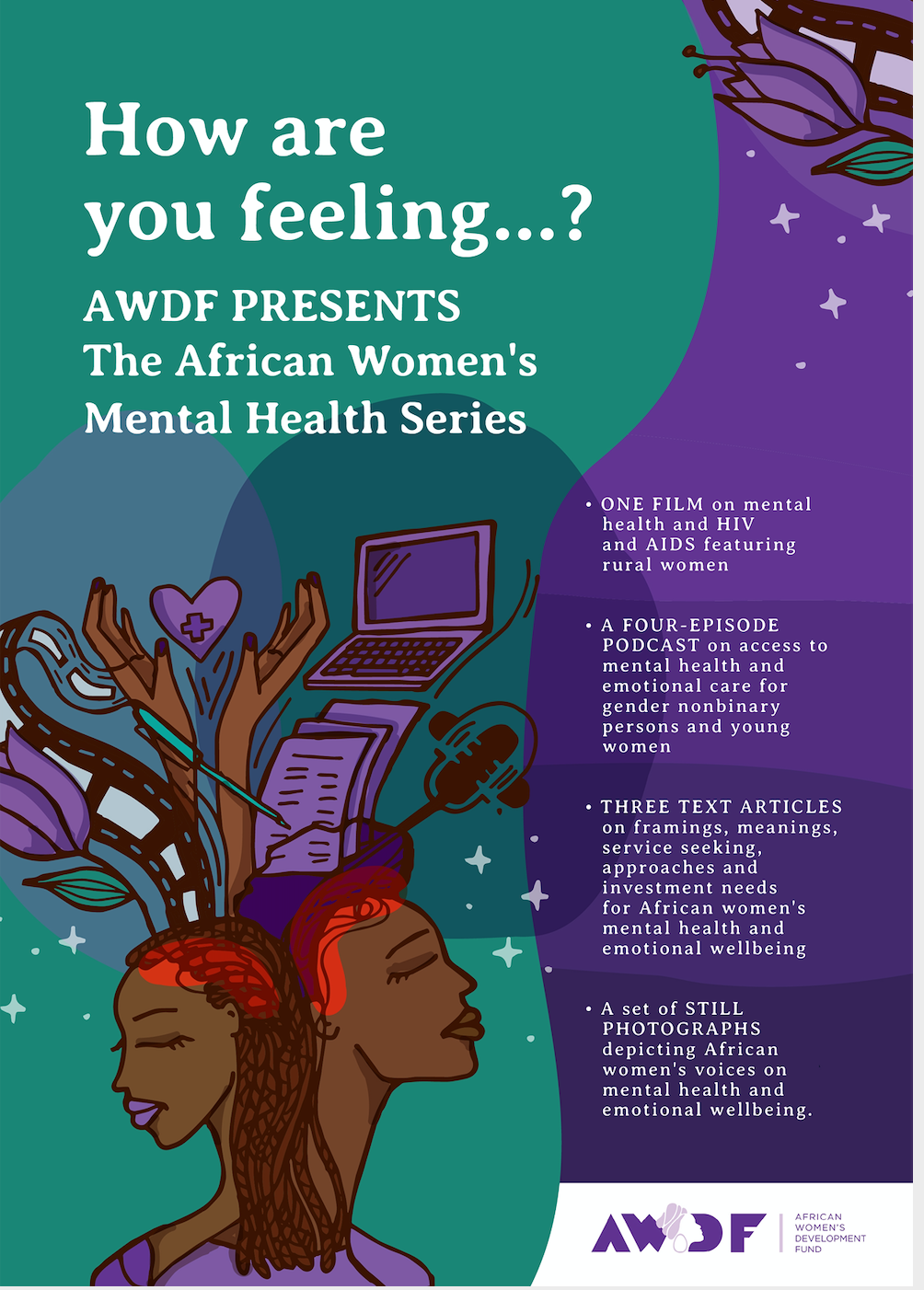
For instance, in recent years several African musicians and TV hosts have spoken publicly about burnout, grief, and therapy journeys during interviews and social media Q&As.[5][6] Additionally, brand campaigns now feature mental health themes, linking beauty, fashion, and lifestyle with emotional resilience. Consequently, mental wellness becomes part of celebrity narratives, not just a private struggle.
However, it is wellness creators and niche influencers who keep the conversation going between headlines. Importantly, they provide daily tips, consistent reminders, and practical tools you can use. As a result, you get both aspirational stories from celebrities and grounded guidance from therapists and coaches. Read more about this intersection of celebrity and wellness in Entertainment and Culture & Lifestyle.
Practical ways you can engage with African women mental wellness content
Ultimately, following wellness creators is only powerful if it changes how you live. Importantly, you can turn your feed into a supportive space by choosing creators who offer both inspiration and evidence-based guidance.[5][6] Moreover, you can engage actively with their content rather than scrolling past.
- Curate your follows: Additionally, follow 5–10 African therapists, coaches, and wellness influencers whose values and style resonate with you.
- Join lives and ask questions: Furthermore, participate in Instagram Lives or Twitter spaces, sharing your experiences where you feel safe.
- Save and practice tools: Notably, save posts with breathing exercises, journaling prompts, or boundary scripts and practice them weekly.
- Support creators: Moreover, buy their courses, attend events, or simply share their content so more women can benefit.
- Seek professional help: In addition, use platforms like Afritherapy or local directories to find therapists when you need deeper support.
If you do this consistently, your digital life can become a daily source of emotional support, not just entertainment. Explore more practical mental wellness stories and tools in our Health & Wellness coverage and share your favorite tips with your community.
Explore more on Topping Africa
Importantly, African women mental wellness touches many parts of modern life, from business to music to tech. Furthermore, Topping Africa regularly highlights creators, startups, and cultural shifts shaping healthier futures across the continent. If you are ready to discover more, explore the sections below.
- Health & Wellness – Additionally, dive deeper into stories on mental health, fitness, and holistic living across Africa.
- Technology – Moreover, follow the latest African tech startups building mental health apps, teletherapy platforms, and wellness communities.
- Culture & Lifestyle – In particular, explore how fashion, music, and influencer culture reflect shifting attitudes to self-care and emotional wellbeing.
Read more about the women changing wellness narratives, discover new creators you should be following, and subscribe to stay ahead of the next big stories. Ultimately, when you engage, comment, and share, you help push the mental wellness conversation even further.
Where the African women mental wellness movement goes next
Looking ahead, the future of African women mental wellness is dynamic and hopeful. Importantly, more creators and startups are entering the space each year, bringing fresh ideas and tools.[3][10] Moreover, younger generations are growing up with therapy, boundaries, and emotional language as normal parts of life.
However, challenges remain, including access, affordability, and stigma in some communities. Additionally, there is ongoing work to train more African therapists and ensure culturally competent care. Nevertheless, the progress you see today suggests that the silence around women’s mental health will keep breaking.
If you are part of this movement—as a creator, founder, or everyday woman—your voice matters. In addition, each live session, podcast episode, and honest post helps someone feel less alone. Ultimately, when African women lead the mental wellness conversation, the entire continent moves towards a healthier, more compassionate future. Share your thoughts, support the creators who lift you up, and keep the dialogue going.
Sources and further reading
For deeper context on Black and African mental health resources, you can explore global guides from platforms like Vogue, which curates Black mental-health and wellness accounts.[5] Additionally, lists from Feedspot and The Social Cat showcase Black wellness influencers worldwide, including African voices.[2][8] Moreover, Afritherapy’s blog offers research-backed insights tailored to African communities.[10] Use these resources to expand your wellness feed and connect with more African-led perspectives.

Staff
Contributing writer at Topping Africa.
0 Comments
No comments yet. Be the first to share your thoughts!