
Top 12 African Cultural Influencers You Should Be Following in 2026
African cultural influencers are redefining fashion, food, travel and heritage storytelling across Instagram, TikTok and YouTube. Discover 12 standout voices shaping how the world sees African culture in 2026, and learn how their impact connects to tech, startups and creative industries.
Meet the African cultural influencers shaping 2026
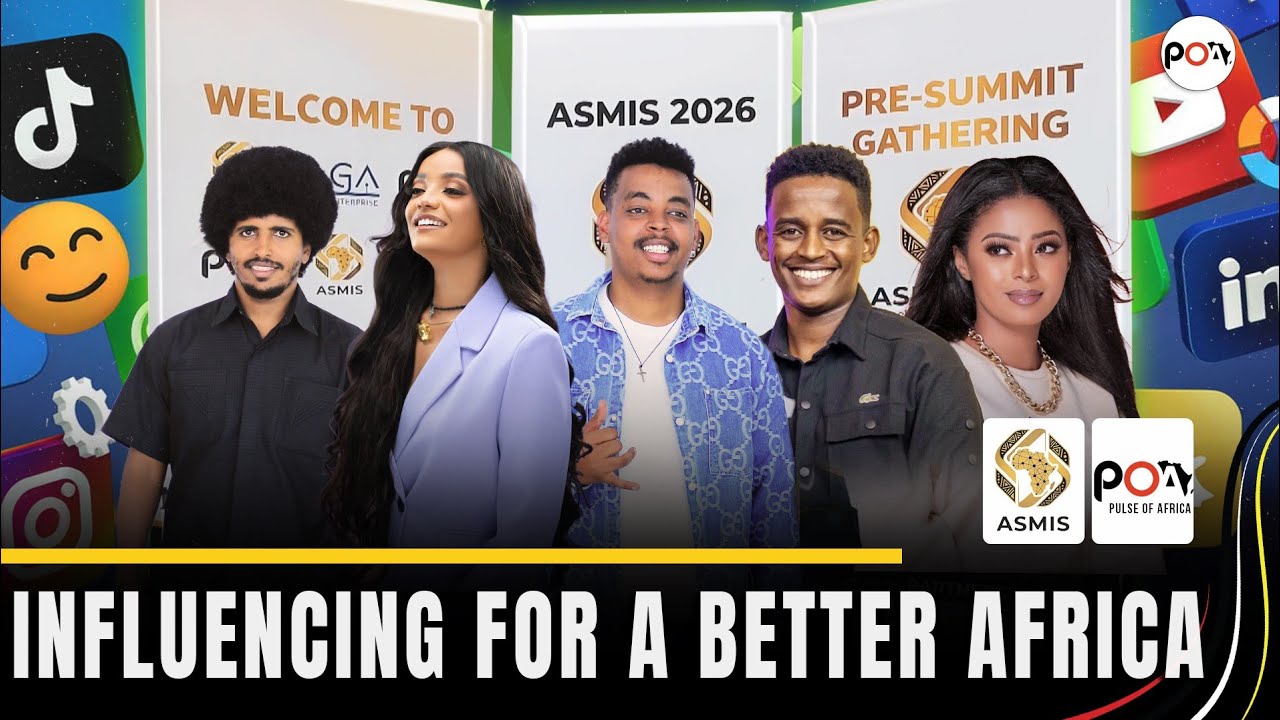
In 2026, African cultural influencers are rewriting how the world sees the continent. Moreover, you now discover African fashion, food, travel, tech and heritage storytelling through bold, creative voices on Instagram, TikTok and YouTube. Consequently, this guide spotlights 12 standout creators who turn everyday moments into powerful stories about modern African life. Additionally, you will find cross-continent collaborations, fresh digital trends and rising stars you should follow right now.
Importantly, all these influencers share one goal: to make African culture visible, vibrant and global. Furthermore, many of them lead brand campaigns, host digital shows and headline culture festivals across Africa and the diaspora. As a result, when you follow them, you tap into live conversations about identity, innovation and style. Ultimately, this list gives you an up-to-date roadmap to who is shaping online culture across Africa today.
Why African cultural influencers matter in the digital age
Notably, African cultural influencers do more than post stylish photos or viral clips. Instead, they build bridges between cities, countries and diasporas, showing how African culture stays dynamic and forward-looking. Moreover, their work feeds into major industries like music, fashion, travel and technology & innovation, creating new jobs and opportunities for creatives. Therefore, paying attention to these voices helps you understand where African culture and digital business are heading.
Additionally, many brands turn to influencers first when entering African markets, because these creators understand local trends and youth culture. For instance, creators now co-design capsule collections, direct music videos and shape tourism campaigns across major African cities. In addition, platforms like TikTok and Instagram Reels reward unique, culturally rooted content, which gives African creators an edge. Consequently, the names in this list stand at the center of that change.
For more context on the wider creative economy, you can explore African entertainment and celebrity trends via Entertainment and deeper cultural analysis through Culture & Lifestyle. Furthermore, if you want the business angle behind influencer deals and creative startups, you should read more in Business & Economy.
Top 12 African cultural influencers you should be following in 2026
Consequently, here are 12 African cultural influencers who lead conversations on fashion, food, travel, tech, heritage and lifestyle. Moreover, this list blends household names with rising digital creators across the continent and diaspora. Specifically, it focuses on those active on Instagram, TikTok and YouTube with strong cultural storytelling in 2026[1][3].
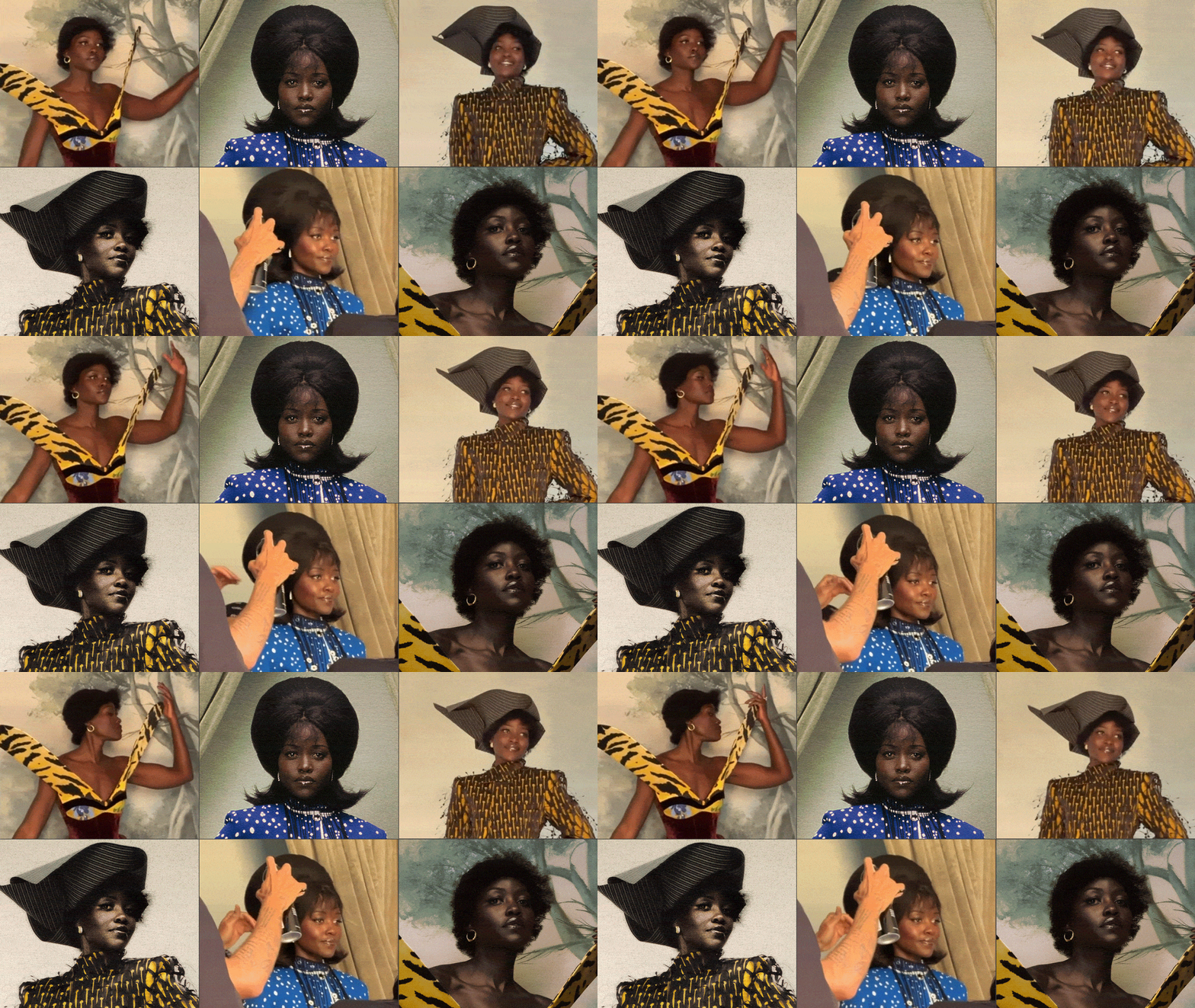
1. Lupita Nyong'o – Global film icon and heritage storyteller
Firstly, Lupita Nyong'o continues to stand as one of the most visible Kenyan voices in global film and fashion[3]. Additionally, she uses Instagram to highlight African designers, traditional hairstyles and cultural events, from red carpets to film festivals. Moreover, her posts often spotlight Kenyan heritage, visual art and literature, giving you a curated look at East African creativity. Consequently, following Lupita offers both inspiration and a masterclass in graceful cultural representation.
Importantly, Lupita collaborates with African photographers, stylists and authors, helping them gain international visibility. Furthermore, she shares behind-the-scenes stories that show how African narratives move from script to screen. As a result, she bridges Hollywood glamour with grounded African storytelling. If you want more film and TV context, you can explore Movies + TV on Topping Africa.
2. Tiwa Savage – Music, fashion and Afrobeats lifestyle
Secondly, Tiwa Savage stands at the center of Afrobeats and African pop culture[3]. Moreover, her Instagram feed blends performance clips, luxury fashion and everyday Lagos life, giving fans an authentic view of Nigerian creative energy. Additionally, she collaborates with stylists and designers across Africa, pushing bold looks that often trend globally. Consequently, Tiwa shapes how younger fans express style, confidence and African pride.
Furthermore, Tiwa’s music videos and stage outfits influence fashion trends on TikTok, where fans recreate her looks and dance routines. In addition, brands tap her for campaigns that target African youth and diaspora communities, knowing her reach extends beyond music charts. Therefore, if you want to understand Afrobeats culture, Tiwa is a key voice to follow. For broader music insights, you can explore Music on Topping Africa.
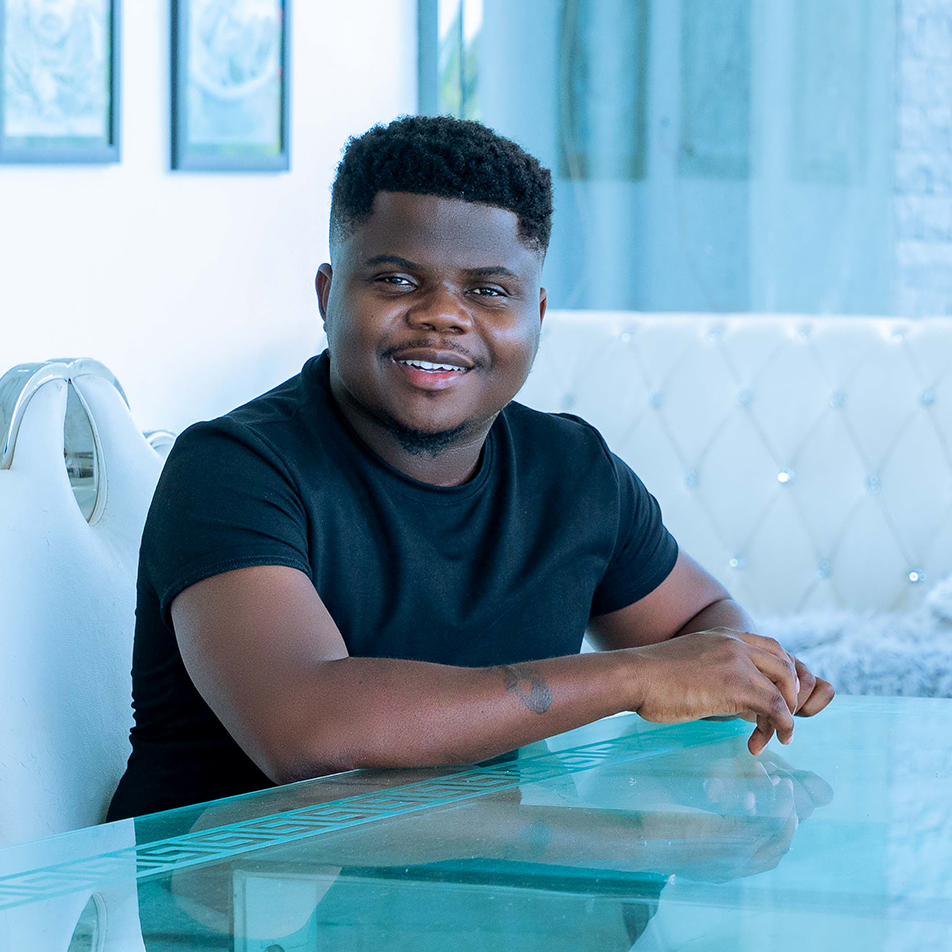
3. Wode Maya – Pan-African travel and development storytelling
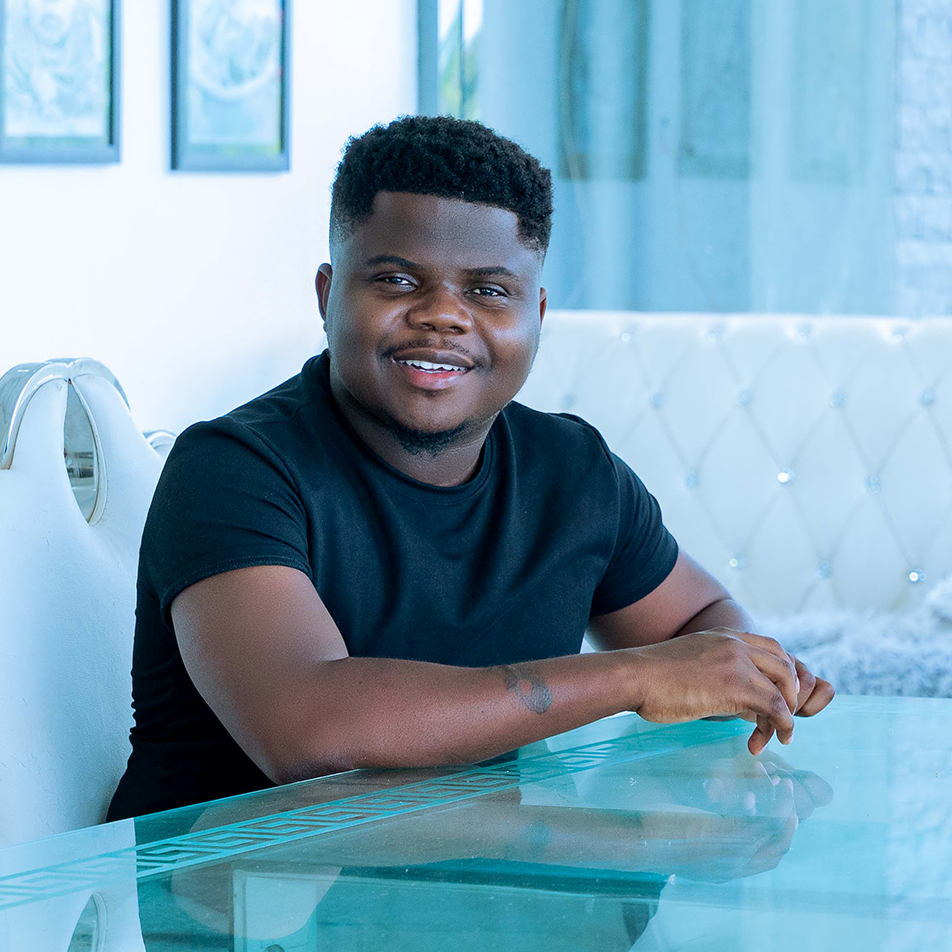
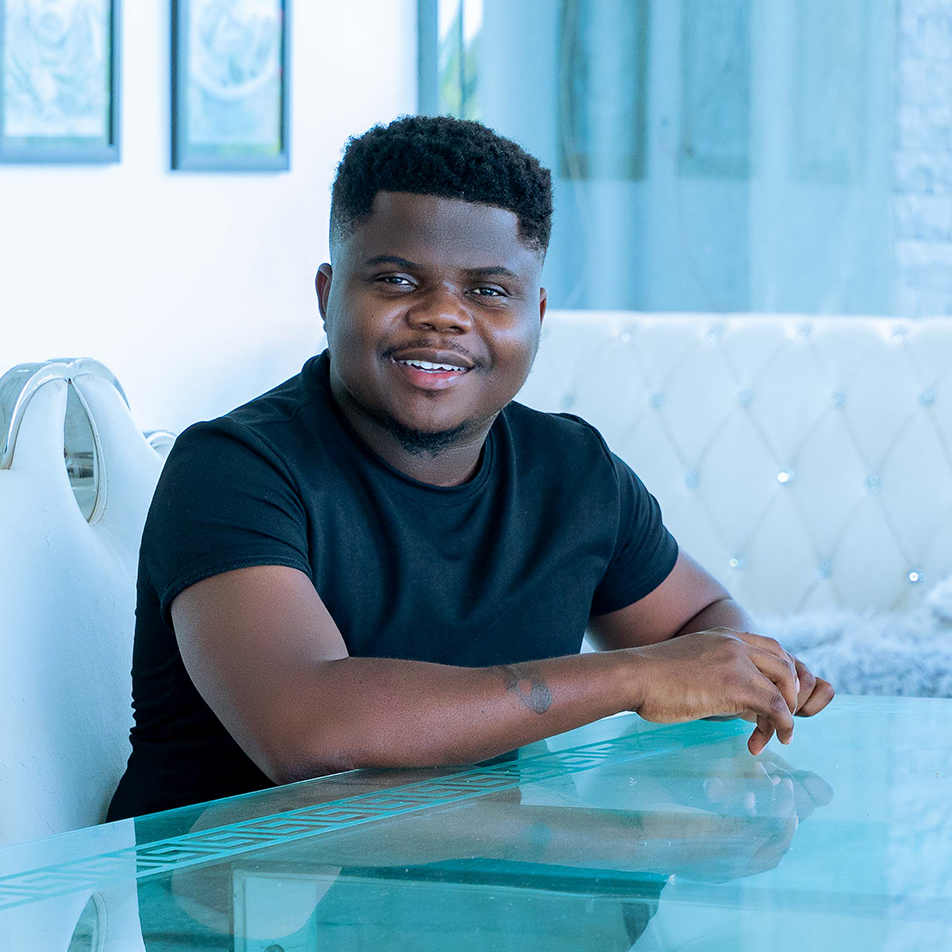
Thirdly, Ghanaian YouTuber Wode Maya has turned travel vlogging into a platform for African development stories[3]. Moreover, his channel features tours of emerging tech hubs, rural communities and startup spaces from Ghana to Rwanda. Additionally, he highlights entrepreneurs, farmers and social innovators, showing how everyday Africans build solutions to local challenges. Consequently, his work challenges old stereotypes and replaces them with grounded, hopeful narratives.
Importantly, Wode Maya often collaborates with creators from different African countries, offering cross-continent perspectives in one playlist. Furthermore, his videos attract diaspora viewers who want to reconnect with the continent and explore investment or relocation opportunities. As a result, he influences both tourism trends and business interest across Africa. If you care about African development and innovation, his storytelling is essential viewing.
4. Cassper Nyovest – Music, entrepreneurship and street culture
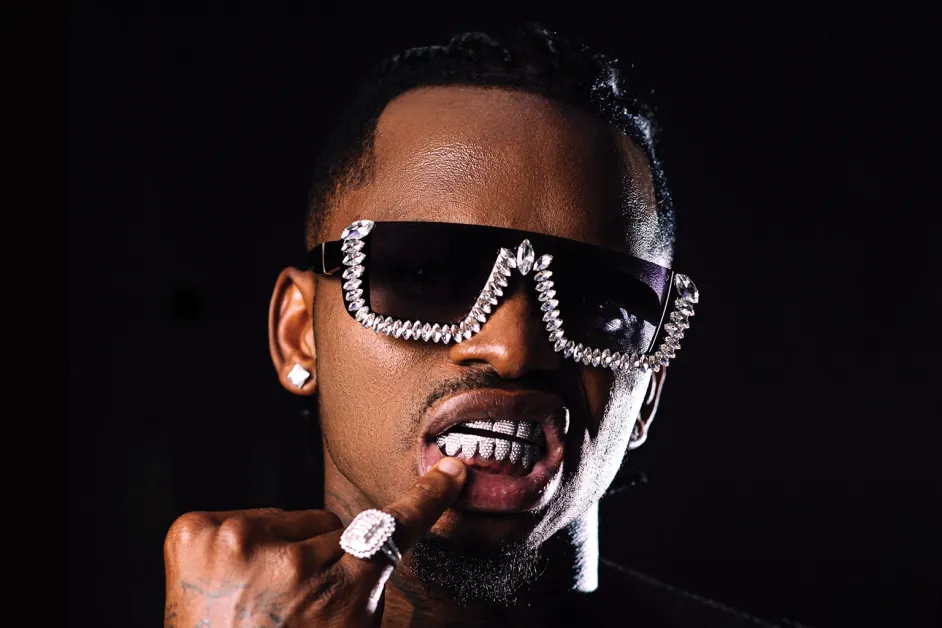
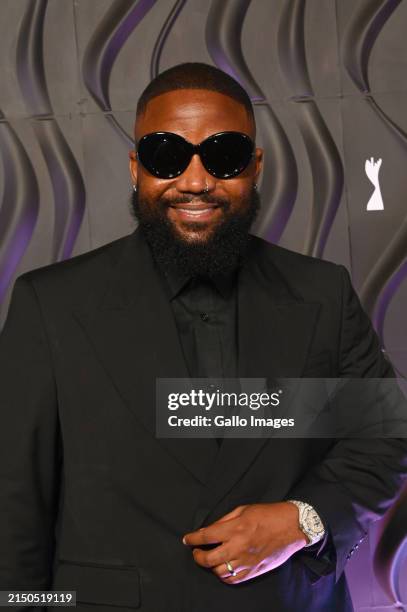
Fourthly, South African artist Cassper Nyovest blends hip-hop, house and entrepreneurship into a strong online brand[3]. Moreover, his Instagram and X feeds highlight live shows, studio sessions and fitness journeys, as well as his business ventures. Additionally, Cassper constantly showcases local streetwear, sneaker culture and South African nightlife, giving fans a direct link to urban trends. Consequently, he shapes youth culture beyond music charts.
Furthermore, Cassper’s collaborations with brands and fellow artists help position African music as a global business force. In addition, he often comments on the realities of building a career in Africa, which adds valuable insight for young creatives. Therefore, following him helps you understand how music, culture and entrepreneurship intersect in Southern Africa.
5. Jadrolita – TikTok comedy, fashion and everyday Nigerian life
Fifthly, Nigerian TikTok star Jadrolita has grown a massive audience with comedy skits that mix fashion and real-life scenarios[3]. Moreover, her clips showcase Lagos slang, family dynamics and local music, making her content instantly relatable for Nigerian and diaspora viewers. Additionally, she uses bold makeup and outfits, turning each sketch into a mini fashion show. Consequently, Jadrolita helps normalize seeing African women lead in digital comedy and style.
Importantly, brands now collaborate with her on culturally rooted campaigns that speak directly to Gen Z audiences. Furthermore, her rise shows how TikTok gives African creators space to build global careers from their bedrooms. As a result, she stands as a model for aspiring comedians and storytellers looking to turn short-form content into influence.
6. Khaby Lame – Silent comedy, cross-continent collaboration
Sixthly, Senegalese-born creator Khaby Lame remains one of the most followed TikTok personalities in the world[2]. Moreover, his silent reaction videos cut through language barriers, which makes his influence truly global. Additionally, Khaby often features African fashion pieces, football culture and collaborations with brands that work across Europe and Africa. Consequently, he shows how African creators can dominate global platforms while staying rooted in their background.
Furthermore, Khaby’s success inspires many young Africans to see TikTok and Instagram Reels as serious creative paths. In addition, his partnerships with sports clubs and fashion houses highlight the growing link between influencer culture and mainstream brands. Therefore, following Khaby gives you a front-row seat to cross-continent digital collaboration built on simple, clever storytelling.
7. Elsa Majimbo – Comedy, fashion and self-love narratives
Seventhly, Kenyan creator Elsa Majimbo brings sharp humor and bold personality to Instagram and TikTok[2]. Moreover, she mixes comedic monologues with luxury fashion and self-love messages, offering a fresh vision of African confidence. Additionally, her rise during the pandemic era turned her into a symbol of young African women owning their voice online. Consequently, Elsa now collaborates with global fashion houses and magazines, while keeping her unique, playful tone.
Importantly, Elsa uses her platform to challenge narrow expectations of African beauty and lifestyle. Furthermore, she often speaks about mental health, boundaries and creative independence, which resonates strongly with younger audiences. As a result, she stands at the intersection of humor, fashion and wellness in the African digital space.
8. Wisdom Kaye – High fashion and digital runway aesthetics
Eighthly, Nigerian-American creator Wisdom Kaye leads a new wave of digital fashion influencers on TikTok and Instagram[2]. Moreover, he builds cinematic outfit videos that blend high fashion, Afro-inspired styling and strong visual storytelling. Additionally, his content often features African designers and textiles, which helps put African fashion in front of global audiences. Consequently, Wisdom shapes how Gen Z sees styling, modeling and creative direction as digital-first professions.
Furthermore, his campaigns with major fashion houses show the growing demand for Black and African talent in luxury spaces. In addition, his success encourages African designers to think about social media as a runway. Therefore, his feed is a must-follow if you care about fashion innovation and visual storytelling.
9. Nyma Tang – Deep skin beauty and inclusive African representation
Ninthly, South Sudanese-American beauty creator Nyma Tang rose to prominence with her "Darkest Shade" series on YouTube[2]. Moreover, she tested foundation shades and called out brands that ignored deeper skin tones, pushing the beauty industry toward better inclusivity. Additionally, her Instagram and TikTok now feature product reviews, glam looks and everyday life rooted in African identity and diaspora experiences. Consequently, Nyma is a key voice in beauty, representation and inclusive marketing.
Importantly, she collaborates with brands that genuinely serve darker skin tones, which matters deeply to African consumers. Furthermore, her work helps younger creators learn how to mix advocacy with accessible content. As a result, she remains one of the most influential beauty voices connected to African heritage online.
10. Jackie Aina – Luxury lifestyle, beauty and African diaspora pride
Tenthly, Nigerian-American creator Jackie Aina built a powerful platform around beauty, lifestyle and luxury branding[2]. Moreover, her YouTube and Instagram content balances product reviews with deep conversations about representation in the beauty industry. Additionally, she highlights African and Black-owned brands, including fragrance and homeware, anchoring her work in culture and economic empowerment. Consequently, Jackie’s content feels like a masterclass for anyone interested in beauty entrepreneurship.
Furthermore, Jackie often celebrates Nigerian culture through fashion, food and family-centered content, which strengthens diaspora connections. In addition, she speaks openly about fair pay and ethical brand deals, giving important guidance to upcoming African content creators. Therefore, following Jackie helps you understand both the glam side and business side of influencer culture.
11. Marques Brownlee (MKBHD) – Tech reviews and African startup relevance
Eleventhly, while Marques Brownlee is U.S.-based, his influence strongly touches African tech ecosystems[2]. Moreover, African founders, developers and content creators follow his in-depth gadget reviews to shape their own products and channels. Additionally, his clear, structured videos have become a benchmark for tech storytelling online, which many African tech YouTubers now emulate. Consequently, his work indirectly boosts the quality of tech content coming out of Lagos, Nairobi, Accra and Cape Town.
Furthermore, African startups that build consumer hardware, apps or creator tools closely watch his coverage of trends like AI, mobile cameras and creator monetization. In addition, tech hubs and innovation labs across Africa share his content during events and panels. Therefore, even though he is not based on the continent, his digital footprint matters for African technology and finance conversations.
12. Tabitha Brown – Food, wellness and joy-filled digital storytelling
Twelfthly, American creator Tabitha Brown offers a powerful model for food and wellness storytelling that resonates with African audiences[2]. Moreover, her vegan recipes, affirmations and family content inspire many African food and lifestyle creators to lean into kindness and culture. Additionally, she often highlights traditional ingredients and Afro-inspired dishes, which connect her work to broader Black food heritage. Consequently, she stands as a key reference point for African wellness and food influencers building their own platforms.
Importantly, Tabitha’s success shows that heart-centered content can scale into books, shows and product lines. Furthermore, African creators across Nigeria, South Africa and Kenya study her approach to storytelling, brand partnerships and community-building. As a result, her influence quietly shapes the next wave of African food and wellness channels on TikTok and YouTube.
Key trends driving African cultural influencers in 2026
Notably, several big trends define how African cultural influencers work in 2026 across Instagram, TikTok and YouTube. Moreover, these trends create new openings for creators, startups and brands on the continent.
- Short-form video dominance: Additionally, TikTok and Instagram Reels drive discovery, with creators using snappy edits to highlight fashion, food and travel.
- Cross-continent collaborations: Furthermore, African creators increasingly partner with diaspora influencers, fashion houses and tech brands to reach wider audiences.
- Creator-led brands: Consequently, many influencers launch beauty lines, fashion labels, podcasts or digital products, turning content into long-term businesses.
- Positive African innovation: Moreover, creators spotlight African tech startups, fintech tools and e-commerce platforms, showing how digital innovation shapes everyday life.
- Heritage and language revival: In addition, influencers use local languages, proverbs and traditional art in content, making heritage feel modern and shareable.
Ultimately, these trends reshape how culture travels within Africa and between Africa and the world. For instance, a fashion reel filmed in Lagos can influence styling in Johannesburg and London within days. Therefore, staying close to African cultural influencers keeps you ahead of the curve on lifestyle and creative business.
How African brands and startups collaborate with cultural influencers
Specifically, African tech startups and lifestyle brands increasingly build growth strategies around influencer partnerships. Moreover, early-stage companies in fashion e-commerce, food delivery and travel booking often co-create campaigns with popular creators. Additionally, influencers bring both reach and trust, which matters in markets where word-of-mouth still drives many decisions. Consequently, well-planned collaborations can give startups rapid visibility across multiple countries.
Furthermore, brands now design long-term relationships with influencers rather than single posts, focusing on genuine storytelling. For instance, a travel platform may sponsor a series of vlogs that cover city guides, heritage sites and local businesses. In addition, fintech apps often work with creators who explain digital payments in simple, relatable language. Therefore, influencers have become essential partners in Africa’s digital and lifestyle economy.
If you are curious about how tech and creative industries intersect, you can explore more in Technology and deep-dive into innovation stories through Opinion & Editorial. Moreover, global reports from sources like We Are Social and DataReportal show how social media growth in Africa boosts creator impact.
How to engage with African cultural influencers meaningfully
Importantly, following these creators is only step one; how you engage with them matters too. Moreover, thoughtful engagement helps strengthen creative communities and opens doors for collaboration.
- Support their work consistently: Additionally, like, comment and share content that resonates with you, and save posts that you revisit.
- Respect cultural context: Furthermore, take time to learn about the locations, languages and traditions they reference before you comment.
- Invest in their products: Consequently, buy from their fashion lines, beauty brands or digital courses when possible, instead of only consuming free content.
- Collaborate fairly: Moreover, if you represent a brand or startup, approach influencers with clear terms, fair pay and long-term vision.
- Share your thoughts constructively: In addition, use comments and DMs to offer positive feedback, ideas or questions, not entitled demands.
Ultimately, when you treat African cultural influencers as partners rather than shortcuts to visibility, everyone wins. Therefore, your engagement helps build a healthier, more sustainable creative ecosystem across the continent.
Explore more on Topping Africa
Moreover, if you want to keep tracking how African cultural influencers evolve, Topping Africa offers rich coverage across sectors. Additionally, you can explore more stories, profiles and trend breakdowns in these sections:
- Africa News – In addition, stay updated on major events, festivals and cultural milestones that shape influencer work.
- Spotlight – Furthermore, discover in-depth profiles of rising African content creators and digital entrepreneurs.
- Technology – Consequently, follow stories about African tech startups building tools that empower creators and fans.
Importantly, remember to explore more features, discover new names and read more about the creative shifts happening across the continent. Furthermore, subscribe to Topping Africa updates so you never miss the next wave of cultural innovators. Finally, leave a comment below and share your thoughts on which African cultural influencers should be on the next list.
Final thoughts: Your guide to African cultural influencers in 2026
Ultimately, African cultural influencers now stand at the center of global conversations about style, sound and storytelling. Moreover, the 12 names highlighted here show just how wide and diverse the space has become, from comedy and fashion to tech and wellness. Additionally, they remind you that African culture is not static or single; it is layered, creative and continuously evolving.
Therefore, whether you are a fan, a brand, a startup founder or an aspiring creator, you gain by watching how they work. In addition, use this list as a starting point, then keep exploring new voices from every region of the continent. Consequently, you will stay close to the heartbeat of African culture online, where the next big moment often starts with a single post.

Staff
Contributing writer at Topping Africa.
0 Comments
No comments yet. Be the first to share your thoughts!