
From Lagos to Seoul: African Creators Riding Asia’s K‑Culture & Tech Wave
From Lagos dance studios to Nairobi anime hubs and Seoul’s robot monk parades, African creators are teaming up with Asian brands, K‑pop choreographers and gaming communities. This feature maps the Afro‑Asian collabs reshaping music, fashion, tech and influencer culture across Nigeria, Kenya and South Africa.
From Lagos to Seoul: How African Creators Are Tapping into Asia’s K‑Culture and Tech Boom
You are watching a new era where African creators collaborating with Asian brands are rewriting the rules of global pop culture. From Lagos dance studios to Nairobi gaming hubs and Seoul’s robot monk parades, African talent now plugs directly into Asia’s K‑culture and tech boom. Consequently, your feed, your playlists, and even your digital wallet sit at the centre of a powerful Afro‑Asian creative story.
Moreover, this shift is not just about vibes. It is about real money, scalable tech, and fresh career routes for young Africans. As a result, cross‑continent influencer campaigns, virtual concerts, anime fan clubs, and gaming collabs are turning once‑niche fandoms into serious creative industries. In this guide, you will discover the players, the platforms, and the playbook you need to tap into this moment.
Seoul’s Robot Monks, K‑Culture Hype, and Why Africa Is in the Chat
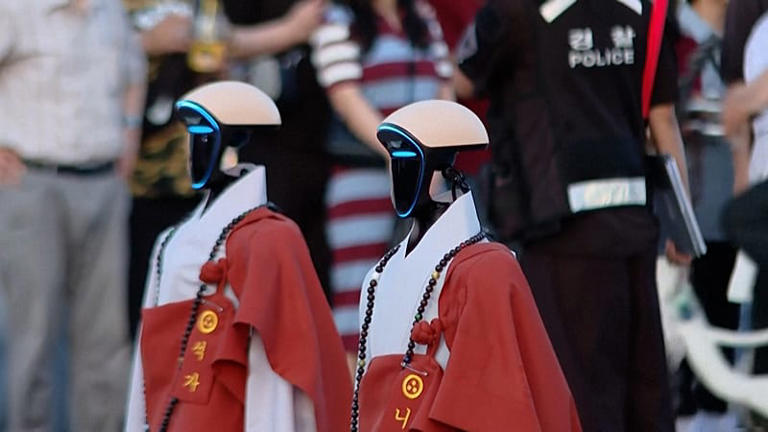
Earlier this year, Seoul grabbed global attention with a surreal cultural moment: a robot monk parade at a major temple festival that blended AI, Buddhism, and performance art. International media amplified the spectacle, highlighting how South Korea now experiments boldly at the edge of culture and technology. Importantly, that same blend of tech and storytelling drives K‑pop, K‑dramas, esports, and webtoons.
Similarly, Africa sits in its own creative boom. Reports show that Africa’s creative industries could reach 4% of continental GDP by 2030, creating tens of millions of jobs. According to a recent analysis in The Korea Times, digitalisation and a young population are fuelling Africa’s creative surge. Consequently, when African creators look East to Korea, Japan, and broader Asia, the match feels natural: young, online, and hungry for fresh stories.
Notably, African fandom for K‑pop, anime, and K‑dramas has exploded. Nigerian dance crews reverse‑engineer choreographies from NewJeans and Stray Kids. Kenyan illustrators remix anime art with African folklore. South African gamers stream Korean MMOs while wearing local streetwear labels. Therefore, the question now is not if Afro‑Asian collabs will grow, but how fast you can position yourself inside that growth.
Why African Creators Collaborating with Asian Brands Is a Game‑Changer
When you study the trend of African creators collaborating with Asian brands, you see more than one‑off brand deals. You see a shift in how the world values African taste, influence, and tech talent. Furthermore, Asia gives African creators access to scale: giant fandoms, advanced creator tools, and brand budgets that match their ambition.
On the other hand, African creators bring something Asia cannot copy: lived experience on the continent, massive Gen Z audiences, and a unique blend of music, dance, fashion, and language. Moreover, African creators understand how to localise global culture, mixing Korean aesthetics with Afrobeats, Swahili slang, isiZulu hooks, or Yoruba storytelling. As a result, Afro‑Asian collabs often feel fresher and more authentic than Western brand playbooks.
For you as a creator, influencer, or startup founder, these partnerships unlock:
- New income streams through sponsorships, live commerce, digital goods, and licensing deals.
- Skill upgrades in choreography, editing, VFX, gaming, and virtual production.
- Tech transfer via tools, APIs, and training from Asian platforms and startups.
- Audience growth across Asia, from Seoul and Tokyo to Jakarta and Bangkok.
Ultimately, the winners will be African creators who treat this as a long‑term strategy, not a single viral moment. You need structure, data, and the right partners to keep momentum and keep ownership of your brand.
Lagos: Dance Challenges, K‑Pop Choreography, and Fintech‑Powered Collabs
Lagos remains one of the most exciting launchpads for Afro‑Asian creator partnerships. Nigerian dancers already dominate TikTok’s Afrobeats challenges. Consequently, K‑pop choreographers and labels now watch Lagos to test global‑friendly routines, afro‑fusion remixes, and hybrid dance challenges. While many deals fly under the radar, the pattern is clear: Lagos creators drive engagement that Asian brands crave.
Additionally, virtual K‑pop dance camps now target West African audiences using live streams, translation overlays, and mobile payments. Platforms plug into Nigerian fintech rails using services similar to Flutterwave and Paystack, making it easy for fans to pay for masterclasses in naira. For many dancers, that is their first direct link to Korean mentors and agencies. Therefore, you should think of Lagos not as a local market but as a testing ground for global‑ready formats.
Notably, Nigerian creators also ride K‑drama and K‑beauty trends. Skincare influencers review Korean brands on YouTube and Instagram, while local e‑commerce startups bundle K‑beauty with African brands in curated boxes. When you position yourself as a bridge between Korean labels and African buyers, you create a niche with long‑term upside.
How Lagos Creators Structure K‑Culture Brand Deals
Successful Lagos‑based collabs follow a clear playbook that you can adapt:
- Start with fandom: Creators prove their love for a group, drama, or game long before brands show up.
- Show data: They share reach, watch time, and challenge completion rates with agencies and labels.
- Bundle services: Many offer choreography, content editing, live hosting, and community management together.
- Use local payments: Deals run through African fintech platforms, which simplifies cross‑border payments.
- Protect IP: Top creators negotiate clear usage rights for their dance routines, sound edits, and visuals.
Moreover, you can learn from this model even if you are just starting. Begin with consistent fan content. Then, track performance and reach out to small Asian brands before chasing major K‑pop labels.
Nairobi: Anime, Gaming Communities, and Tech‑Savvy Creator Startups
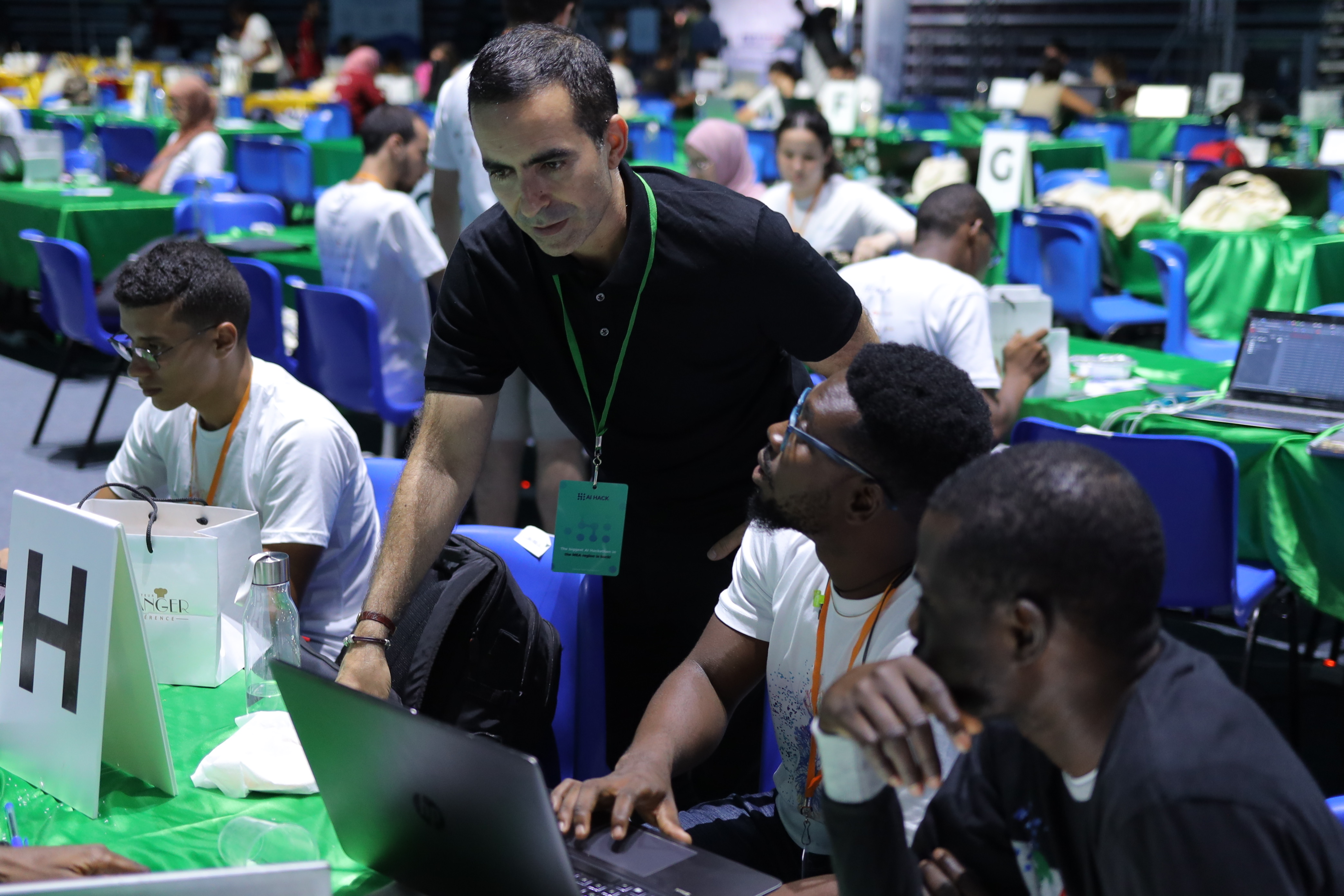
In Nairobi, anime and gaming communities have quietly built serious infrastructure: fan conventions, cosplay collectives, manga reading clubs, and esports teams. Furthermore, Kenyan creators now collaborate with Japanese and Korean studios through art commissions, fan campaigns, and game‑mod content. While not all deals are public, you can see the impact in cosplay quality, production standards, and higher‑end sponsorships at local events.
According to recent creator‑economy research by Communiqué, African creators face funding gaps and infrastructure issues but show outsized growth potential in gaming and animation. Consequently, Kenyan tech startups now build tools that help creators monetise fan art, merch, and digital collectibles. Some plug into Asian platforms for printing, logistics, or cloud rendering. As a result, Nairobi’s anime scene has moved from casual fandom to structured business.
Importantly, Kenyan creators also help Asian brands localise. They rewrite meme formats with Swahili captions, overlay Afropop tracks on anime edits, and host bilingual watch parties. That local flavour makes Asian IP feel at home on East African timelines. Therefore, if you run a gaming, animation, or illustration channel, Nairobi’s playbook offers strong lessons.
Practical Moves for Kenyan Anime and Gaming Creators
If you want to plug into Afro‑Asian collabs from East Africa, you can:
- Join regional events like anime cons and gaming meetups that attract Asian sponsors.
- Publish fan subs and breakdowns of K‑dramas or anime, adding local context and humour.
- Offer art commissions to Asian indie game studios seeking African‑inspired characters and worlds.
- Build creator collectives so you negotiate sponsorships as a group with stronger numbers.
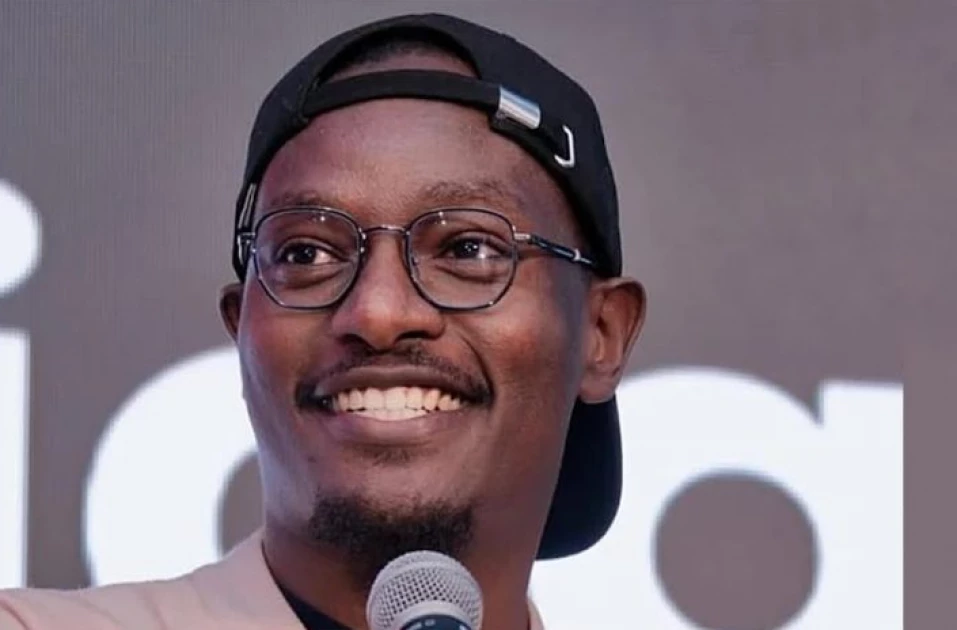
Moreover, you should watch industry conversations from events like the Moonshot tech conference, where leaders urge African startups to build for local realities first. In one session, YouTube’s Ibiba Tori emphasised that African founders must design focused, niche solutions rather than copy foreign models. That same mindset applies to creator businesses: start small, own your niche, then scale your Afro‑Asian collab model.
Johannesburg & Cape Town: Virtual Concerts, K‑Pop Dance Studios, and Esports
South Africa brings a different superpower to Afro‑Asian collabs: strong production studios, reliable internet in key cities, and a maturing live‑events scene. Consequently, virtual concerts that blend K‑pop, K‑hip‑hop, and Amapiano already test South African locations as broadcast hubs and fan bases. Some agencies stream hybrid events where Korean artists perform remotely while African DJs and dancers host local watch parties.
In addition, K‑pop dance studios now run in Johannesburg and Cape Town, often led by choreographers who learned routines from YouTube before training with Korean mentors online. These studios host monthly cover challenges, video shoots, and occasional brand activations. When an Asian beauty brand or streaming platform wants an energetic launch, these dance communities deliver instant crowds and polished content.
Similarly, South African gamers connect with Asian publishers through esports tournaments and closed beta tests. Local streamers play Korean or Chinese titles on Twitch and YouTube, while regional telcos sponsor data bundles and gaming nights. Therefore, if you are a South African creator, your edge sits in production quality and live‑event experience.
Monetisation Paths for South African Creators in Afro‑Asian Collabs
To turn this ecosystem into income, you can focus on:
- Hybrid events: Mix in‑person K‑culture watch parties with live online streaming for global sponsors.
- Merchandise drops: Co‑design limited merch with Asian artists or brands, sold via local e‑commerce.
- Production services: Offer filming, sound, and post‑production for Asian partners targeting Africa.
- Esports shoutcasting: Build a voice‑over and commentary niche for tournaments featuring Asian games.
Ultimately, your goal is to move from fan to partner. You need media kits, rate cards, and clear contracts that recognise the value of your South African market and your technical skills.
Inside the Deals: What Asian Brands Want From African Creators
When you decode the rising wave of African creators collaborating with Asian brands, certain themes repeat. Asian companies want access to African youth culture without feeling like outsiders. They look for creators who can translate K‑culture, anime, or gaming into local language, humour, and style. Furthermore, they need data to justify long‑term investment in new markets.
Notably, surveys from platforms like Spotify show that African genres already dominate global playlists. That data gives African creators leverage when negotiating cross‑border deals. As a result, Asian brands increasingly treat African markets as equal partners, not charity projects, especially in fashion, music, and gaming.
If you want to win those deals, you must demonstrate:
- Engaged communities, not just raw follower counts.
- Cultural fluency in both African and Asian trends.
- Content consistency over months, not random viral spikes.
- Professional discipline around deadlines, reporting, and brand safety.
Moreover, you should show how your content can travel: subtitled shorts, bilingual captions, and platform‑specific edits. Those details reassure Asian partners that you understand global distribution.
Tech, AI, and Fintech: The Infrastructure Behind Afro‑Asian Creator Deals
Behind every flashy campaign sits a stack of tools. Africa’s new creator wave runs on local fintech, mobile data offers, cloud platforms, and AI tools. According to multiple economic forecasts, AI could add over $1 trillion to Africa’s GDP by 2030 if properly harnessed. Consequently, it will also reshape how you produce and monetise content tied to K‑culture and Asian tech.
For instance, you can already use AI voice tools to dub K‑drama breakdowns into Hausa, Luganda, or isiXhosa. You can use generative design tools to mock up Afro‑anime character art for pitches to Japanese studios. Additionally, payment APIs help you receive yen, won, or dollars while paying local collaborators in shillings, naira, or rand. Therefore, your ability to master these tools directly affects how attractive you look to Asian brands.
Importantly, African startups are also building creator‑first platforms. Some focus on micro‑subscriptions, others on ticketing and merch. When these startups integrate with Asian streaming or commerce giants, they unlock smoother cross‑border collabs. To stay ahead, you should follow African tech coverage on Technology and Business & Economy at Topping Africa, and track which startups sign deals with Asian partners.
Building a Tech‑Ready Creator Toolkit
To compete at global level, your creator toolkit should include:
- Reliable mobile data or fibre, with backup options for live streams.
- Cross‑border payment tools that handle Asian currencies and local payouts.
- AI‑assisted editing for subtitles, clips, and multilingual captions.
- Cloud storage and collaboration to share files with Asian agencies quickly.
Additionally, you should test tools that support fan memberships and exclusive drops. Those tools help you monetise even when brand deals slow down. As a result, you gain negotiating power and long‑term stability.
Playbook: How You Can Tap Into K‑Culture and Asian Tech From Africa
By now, you can see that Afro‑Asian collabs are not reserved for a lucky few. With a clear plan, you can join the movement from Lagos, Accra, Kigali, Kampala, or any other African city. Furthermore, you do not need to wait for a global talent scout. You can start with fandom, structure, and smart outreach.
Here is a simple roadmap you can adapt:
- Choose your lane: Decide whether you are focused on dance, music, fashion, anime, gaming, or beauty.
- Study Asian trends: Follow K‑pop choreographers, anime studios, K‑drama writers, and Asian tech founders.
- Create consistent fan content: Post breakdowns, reactions, covers, and localised memes at least weekly.
- Measure everything: Track watch time, saves, shares, and geographic data for your audience.
- Package your value: Build a media kit that highlights Afro‑Asian angles and proven engagement.
- Reach out strategically: Start with smaller Asian brands or agencies that target global youth.
- Negotiate clearly: Define deliverables, timelines, rates, usage rights, and payment terms in writing.
- Protect your IP: Wherever possible, keep ownership of your ideas, formats, and characters.
Importantly, you should also invest in community. Build Discord servers, WhatsApp groups, or Telegram channels where your fans can gather. Those spaces become testbeds for new ideas and evidence of your real influence when you pitch brands.
Explore More on Topping Africa
If you want to go deeper into Africa’s creative and tech boom, you can:
- Entertainment – Discover how African celebrities and influencers are shaping global pop culture.
- Culture & Lifestyle – Read more about fashion, fandoms, and lifestyle trends across the continent.
- Africa News – Explore updates on the continent’s fast‑moving creative and tech stories.
Moreover, you should bookmark our Opinion & Editorial section for sharp takes on emerging Afro‑Asian creative economies. Remember to subscribe, share your thoughts, and leave a comment below whenever a story sparks new ideas for your own content.
Conclusion: Your Seat at the Afro‑Asian Creative Table
From Seoul’s robot monks to Lagos dance challenges, Nairobi anime collectives, and Johannesburg virtual concerts, Afro‑Asian culture now moves in both directions. African creators are no longer just consumers of K‑pop, anime, or Asian tech products. Instead, they co‑create formats, drive fandoms, and shape how brands enter the continent.
Ultimately, the rise of African creators collaborating with Asian brands signals a future where African stories travel on equal terms with Korean dramas and Japanese games. If you build your skills, understand your audience, and embrace tech, you can claim your share of that future. So explore partnerships, discover new tools, and design bold ideas that carry your voice from Lagos to Seoul, from Nairobi to Tokyo, and from Cape Town to the entire world.

Staff
Contributing writer at Topping Africa.
0 Comments
No comments yet. Be the first to share your thoughts!