
Where Is the African Diaspora Today? Key Countries, Creators, and Emerging Hubs in 2026

The African diaspora spans 140 million people across every continent — and in 2026, they are building the world's most dynamic creative and tech scenes. This guide maps the key African diaspora countries, from the U.S. and UK to the Gulf and Latin America, and shows where the real momentum is concentrated.
The African diaspora countries conversation has never been more urgent — or more exciting. An estimated 140 million people of African descent live outside the continent, and in 2026 they are not just preserving culture from afar. They are building companies, launching platforms, directing films, and reshaping the creative industries of every country they call home. This guide maps the major hubs where African diaspora energy is most concentrated, identifies the creators and entrepreneurs driving change in each, and cuts through the noise to show you where the real momentum is.

What Country Has the Largest African Diaspora?
Before diving into the listicle, let's answer the question that brings millions of searchers here. Brazil holds the world's largest African diaspora population — roughly 55 million Afro-Brazilians, a direct legacy of the transatlantic slave trade. However, if you're measuring voluntary diaspora migration (people who moved or whose parents moved by choice), the United States leads decisively, with over 46 million Black Americans plus more than 4.6 million African-born immigrants as of the latest U.S. Census estimates.
The distinction matters. Cultural output, remittances, and creator ecosystems look very different depending on whether a community is centuries-rooted or recently arrived. Both types appear on this list — because both are shaping what African identity means globally in 2026.
For a broader look at how diaspora creators are building culture through commerce, read our piece on how diaspora-fueled fashion is rewriting African culture and business.
The 8 Most Dynamic African Diaspora Hubs in 2026
1. United States — The Loudest Megaphone
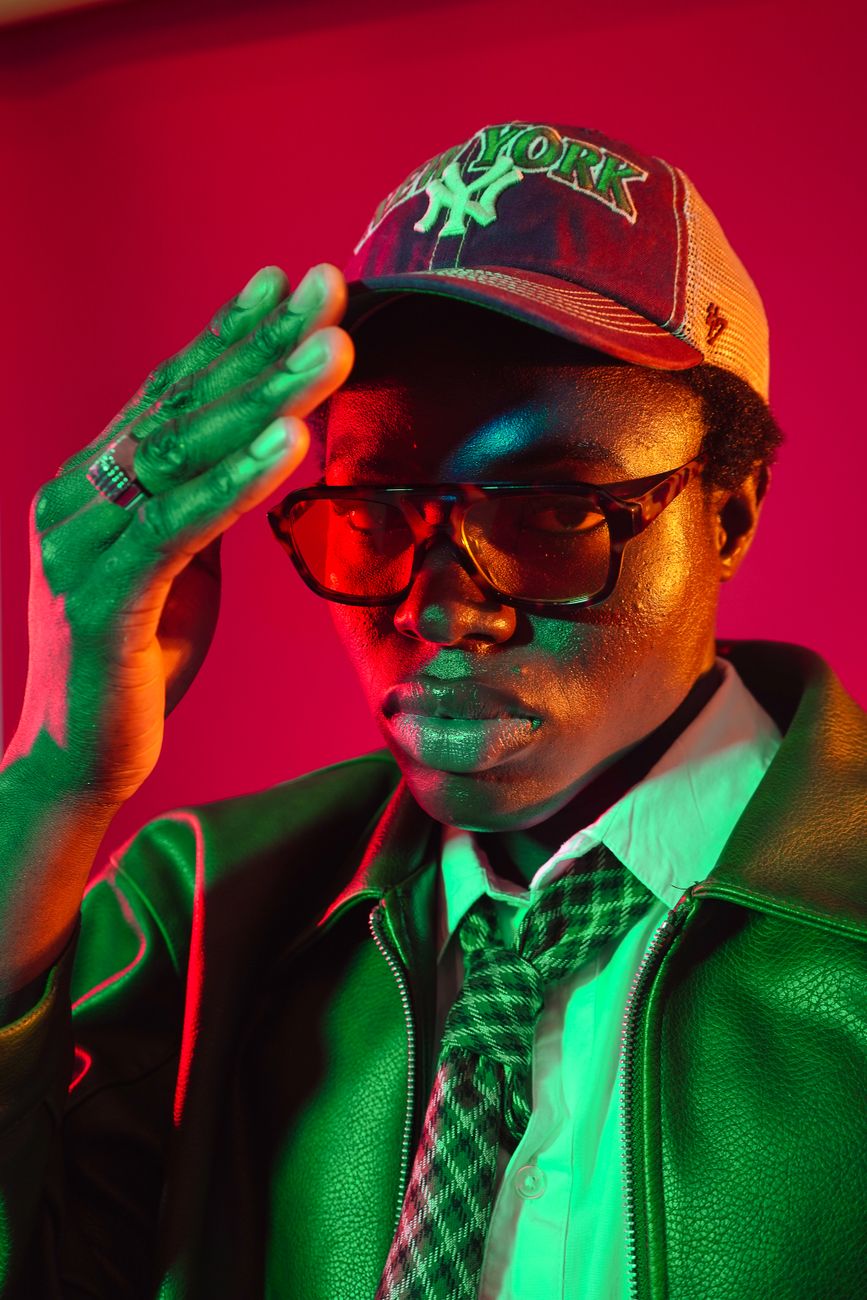
No diaspora hub generates more global cultural noise than the U.S. Cities like Atlanta, Houston, New York, and Washington D.C. are home to dense African immigrant communities alongside multi-generational Black American networks. The result is a creative ecosystem unlike anywhere else on earth.
In tech, Nigerian-American founders are a dominant force in Silicon Valley and Austin. In music, Afrobeats has moved from niche to mainstream — Burna Boy's U.S. arena tours routinely sell out within hours. On social media, African diaspora creators on TikTok and Instagram are racking up audiences in the tens of millions. The U.S. also sends the largest share of diaspora remittances back to Africa: World Bank data puts the U.S.–Africa corridor among the top three globally.
The trade-off? The U.S. market is loud and crowded. African creators who don't niche down often get drowned out. The ones winning are those who lead with a specific cultural identity — Yoruba fashion, Ghanaian food, East African tech commentary — rather than trying to appeal to everyone.
- Key cities: Atlanta, New York, Houston, Washington D.C., Minneapolis
- Dominant sectors: Music, fintech, fashion, film, politics
- Watch for: African-American and African-immigrant collaborations driving new IP
2. United Kingdom — The Bridge Between Africa and Europe
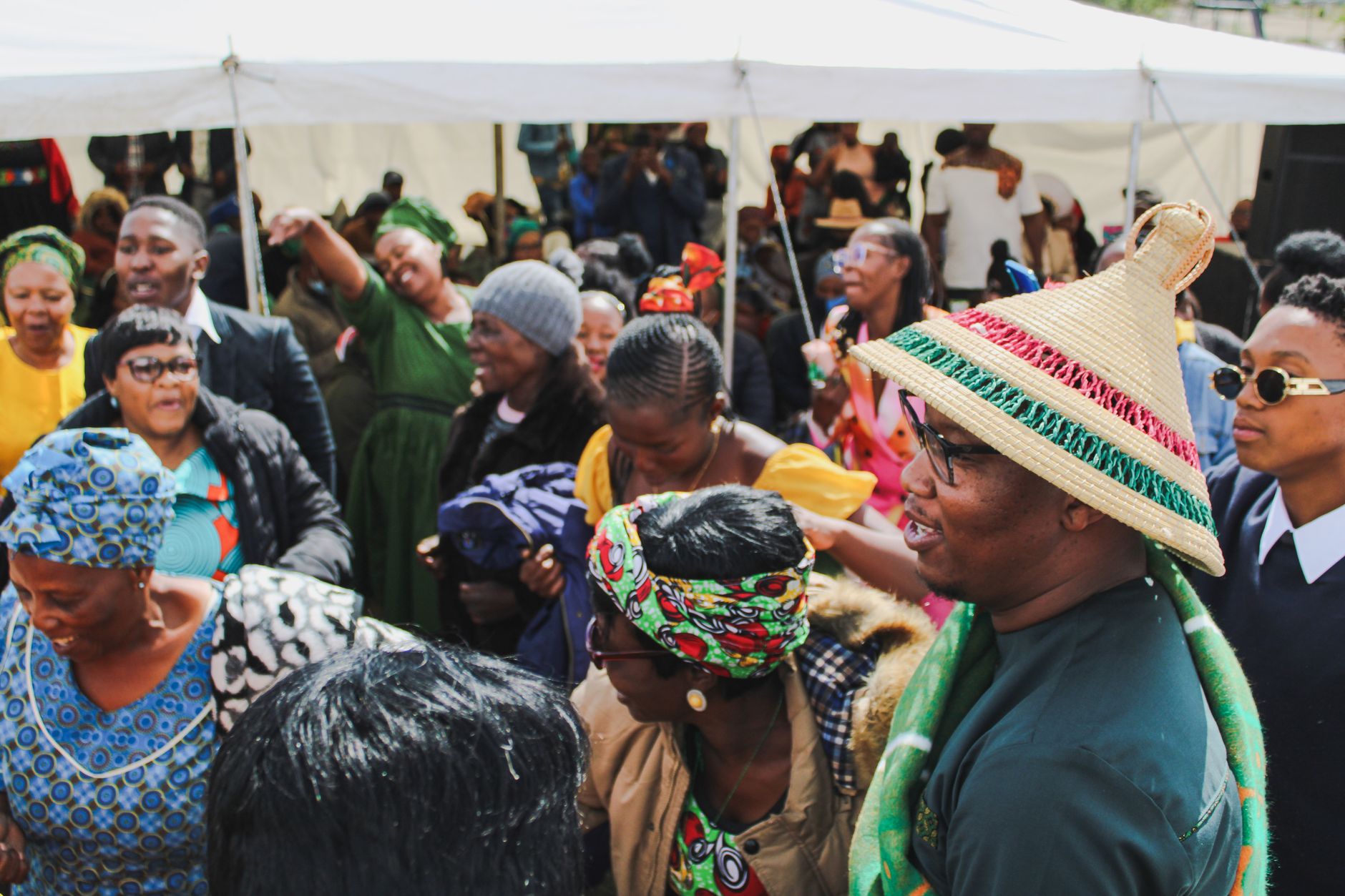
The UK's African diaspora — concentrated in London, Birmingham, and Manchester — numbers over 2.5 million people. What makes Britain distinct is its role as a translation layer between African culture and the wider European market. A sound, a fashion trend, or a film that breaks in London often travels next to Paris, Amsterdam, and Toronto.
UK-based African creators have built some of the continent's most influential media brands. Afrobeats' global mainstream moment was partly engineered from London studios. Meanwhile, British-Nigerian and British-Ghanaian entrepreneurs are leading in fintech (think Flutterwave's European operations) and creative agencies that serve both African and Western brands simultaneously.
The common mistake diaspora entrepreneurs make in the UK? Underestimating how much the British market rewards credibility signals — press coverage, awards, institutional partnerships. Organic social growth alone rarely converts to serious business here the way it does in the U.S.
- Key cities: London (Peckham, Brixton, Hackney), Birmingham, Manchester
- Dominant sectors: Music, fashion, fintech, media production
- Watch for: African-British film productions gaining Netflix and BBC commissioning deals
3. France — A Sleeping Giant Waking Up
France has one of the largest African diaspora populations in Europe — estimated at 5–6 million people, predominantly from Francophone West and Central Africa. For decades, this community was culturally vibrant but commercially underserved. That is changing fast in 2026.
Paris-based African creators are building audiences across French-speaking Africa simultaneously — a market of 400+ million people that shares a language and many cultural touchpoints. Afrobeats, Coupé-Décalé, and Afro-trap are all thriving. French-African fashion designers are getting runway spots at Paris Fashion Week. And the recent return of sacred African artifacts — like the Djidji Ayokwe drum to Côte d'Ivoire — signals a broader cultural reckoning that is energising diaspora identity in France.
- Key cities: Paris (Seine-Saint-Denis, Belleville), Lyon, Marseille
- Dominant sectors: Music, fashion, media, food, football
- Watch for: French-African YouTube channels crossing 1M subscribers as Francophone Africa's internet penetration grows
4. Brazil — The Oldest Diaspora, Finding a New Voice
Brazil's Afro-descendant population is the world's largest, but for most of history, this community's African roots were culturally suppressed or diluted. The 2020s changed that. A new generation of Afro-Brazilian creators, activists, and entrepreneurs is explicitly reclaiming African heritage — and connecting with the continent in ways their grandparents never could.
Salvador da Bahia functions as a cultural capital: Candomblé traditions, capoeira, and Afro-Brazilian cuisine are being repackaged for global audiences by creators who understand both Instagram storytelling and deep cultural authenticity. Brazilian-African music crossovers — particularly between Afrobeats and funk carioca — are producing sounds that chart across three continents. The trade-off is that systemic racism in Brazil still limits economic mobility for Afro-Brazilians, meaning creative success doesn't always translate to business infrastructure the way it does in the U.S. or UK.
- Key cities: Salvador, São Paulo, Rio de Janeiro
- Dominant sectors: Music, spirituality and wellness, food, fashion
- Watch for: Direct Brazil–Nigeria cultural exchange deals in music and film
5. Canada — The Quietly Ambitious Hub
Canada's African diaspora is growing faster than almost any other country's. Immigration policy has actively recruited skilled African professionals, particularly from Nigeria, Ethiopia, Kenya, and Somalia. Toronto, Ottawa, and Calgary now host thriving communities that skew young, educated, and entrepreneurial.
Toronto's African creator scene is particularly worth watching. The city already shaped global hip-hop through Drake and The Weeknd (both of African heritage). Now a second wave of explicitly African-identified creators — in tech commentary, fashion, food, and finance — is building audiences that span Canada, the U.S., and the continent. Canadian-African fintech startups are also punching above their weight, leveraging Canada's open banking framework and proximity to U.S. venture capital.
- Key cities: Toronto, Ottawa, Calgary, Vancouver
- Dominant sectors: Tech, music, finance, healthcare
- Watch for: Toronto emerging as a rival to London for African creative talent in the next three years
6. The Gulf States — The New Frontier for African Entrepreneurs
Dubai, Riyadh, and Doha have become unexpected hotspots for African diaspora entrepreneurs. The UAE alone hosts an estimated 1.5–2 million African residents, with Lagos-to-Dubai being one of the fastest-growing migration corridors in the world. The appeal is straightforward: low taxes, world-class infrastructure, and access to Gulf sovereign wealth.
African tech founders are increasingly registering companies in the DIFC (Dubai International Financial Centre) while keeping operations in Lagos, Nairobi, or Accra. African luxury brands are opening their first international stores in Dubai Mall. And African creators — particularly in fashion, lifestyle, and business content — are finding that Gulf-based audiences have high purchasing power and strong appetite for premium African goods and services. The risk? Visa dependency and regulatory uncertainty can make the Gulf feel precarious as a long-term base.
- Key cities: Dubai, Abu Dhabi, Riyadh, Doha
- Dominant sectors: Fintech, luxury goods, real estate, logistics
- Watch for: African-Gulf co-investment funds targeting infrastructure and agritech on the continent
7. Germany and the Netherlands — Europe's Rising African Tech Scenes
Berlin and Amsterdam are becoming serious hubs for African diaspora tech talent. Germany's skilled worker visa reforms have made it easier for African engineers and founders to relocate, and Berlin's startup ecosystem is actively courting African-founded companies expanding into Europe. The Dutch-Surinamese-African cultural corridor in Amsterdam also creates a unique creative environment that blends Caribbean, West African, and European influences.
The Netherlands is home to a significant Ghanaian and Nigerian community, and Amsterdam-based African entrepreneurs are building B2B software companies that serve both European and African markets simultaneously. This dual-market positioning is a genuine competitive advantage — and one that diaspora founders in the U.S. or UK often overlook.
- Key cities: Berlin, Amsterdam, Frankfurt
- Dominant sectors: SaaS, climate tech, creative agencies, logistics
- Watch for: EU funding programs specifically targeting African diaspora-led climate and agritech ventures
8. Latin America Beyond Brazil — Colombia, Cuba, and the Hidden Connections
Colombia's Afro-Colombian population — centred in Cartagena, Cali, and the Pacific Coast — is one of Latin America's most culturally powerful communities. Champeta music, Afro-Colombian dance, and Pacific Coast cuisine are all gaining international profiles. Cuba's African cultural heritage, expressed through Santería, rumba, and Afro-Cuban jazz, continues to influence global music even as the island faces economic crisis.
What's new in 2026 is the deliberate reconnection between these communities and the African continent. Colombian Afro-descendent creators are collaborating with West African musicians. Cuban cultural institutions are partnering with Nigerian universities. These connections are fragile and underfunded — but they are real, and they point to a Pan-African cultural network that is far broader than most people realise.
- Key cities: Cartagena, Cali, Havana, Panama City
- Dominant sectors: Music, dance, food, cultural tourism
- Watch for: Afro-Latin creators building bridges to West African audiences via short-form video
What This Means for African Creators and Entrepreneurs in 2026
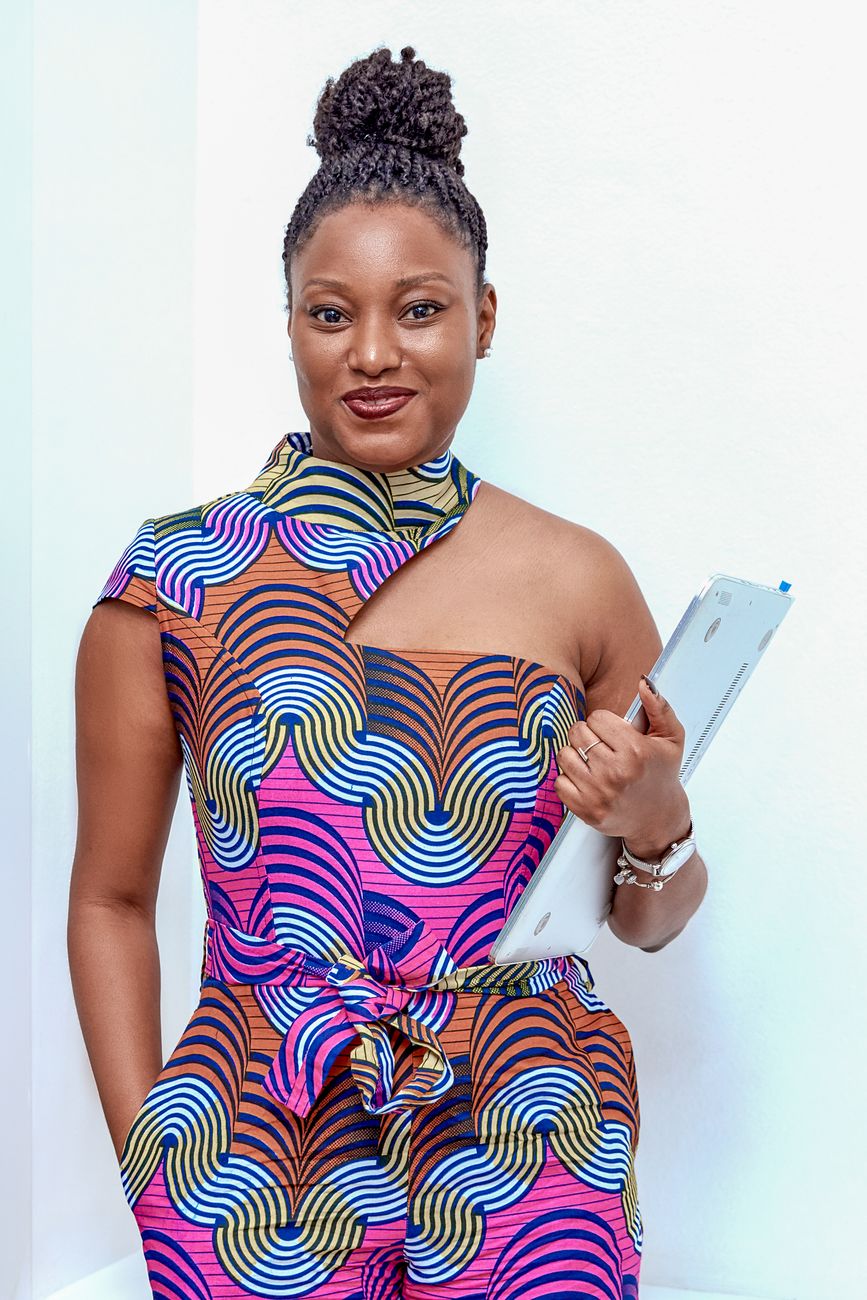
The diaspora is not a monolith. Each hub has its own rules, its own gatekeepers, and its own definition of success. A creator strategy that works in London will not automatically translate to Dubai or Toronto. The founders and creators who are winning in 2026 are those who understand the specific dynamics of their local market while staying connected to the continent's broader momentum.
Three patterns stand out across every hub on this list:
- Dual-market positioning wins. Creators and founders who serve both their diaspora host country and an African market simultaneously have a structural advantage. They access two revenue streams and two audiences that most competitors ignore.
- Cultural specificity beats generic "African" branding. Audiences — whether in Atlanta or Amsterdam — respond to specificity. Yoruba. Zulu. Amhara. Wolof. The more precise the cultural identity, the more loyal the audience.
- Remittances are becoming investment capital. According to UN Migration data, diaspora remittances to Africa exceeded $100 billion in 2023. In 2026, a growing share of that money is going into equity stakes, not just family support — funding a new generation of African startups from the outside in.
For a deeper look at how African AI startups are capitalising on this diaspora investment wave, explore our analysis of how African AI startups are turning the continent into the next global AI hub.
How to Find and Follow African Diaspora Creators Right Now
Knowing where the hubs are is only half the battle. Finding the specific creators and entrepreneurs worth following — across music, tech, fashion, film, and food — requires a discovery layer that most platforms don't provide. Topping Africa's creator directory is built specifically for this: a curated, searchable index of African creators and entrepreneurs across the diaspora and on the continent.
You can also browse what's trending to see which diaspora creators are breaking through right now. The platform surfaces creators by category, country, and creative discipline — so whether you're looking for a Lagos-born fintech founder in Toronto or an Afro-Brazilian visual artist in São Paulo, the discovery process is direct and specific.
For context on the broader creator discovery shift happening in 2026, our piece on the new wave of creator discovery platforms is essential reading. And if you want to see which African creators are dominating social media right now, check out our roundup of the top 10 African content creators on TikTok, Instagram, and YouTube in 2026.
The African diaspora is not a story of displacement. It is a story of multiplication — culture, capital, and creativity compounding across borders. The hubs on this list are where that compounding is happening fastest. Discover the creators shaping it on Topping Africa.
For further reading on diaspora economic data, the Pew Research Center's work on Black Americans and African immigrants provides rigorous demographic context that complements the creator-focused lens of this piece.
Staff
Contributing writer at Topping Africa.
0 Comments
No comments yet. Be the first to share your thoughts!