
The New Wave of Creator Discovery Platforms: What African Creators Need to Know in 2026
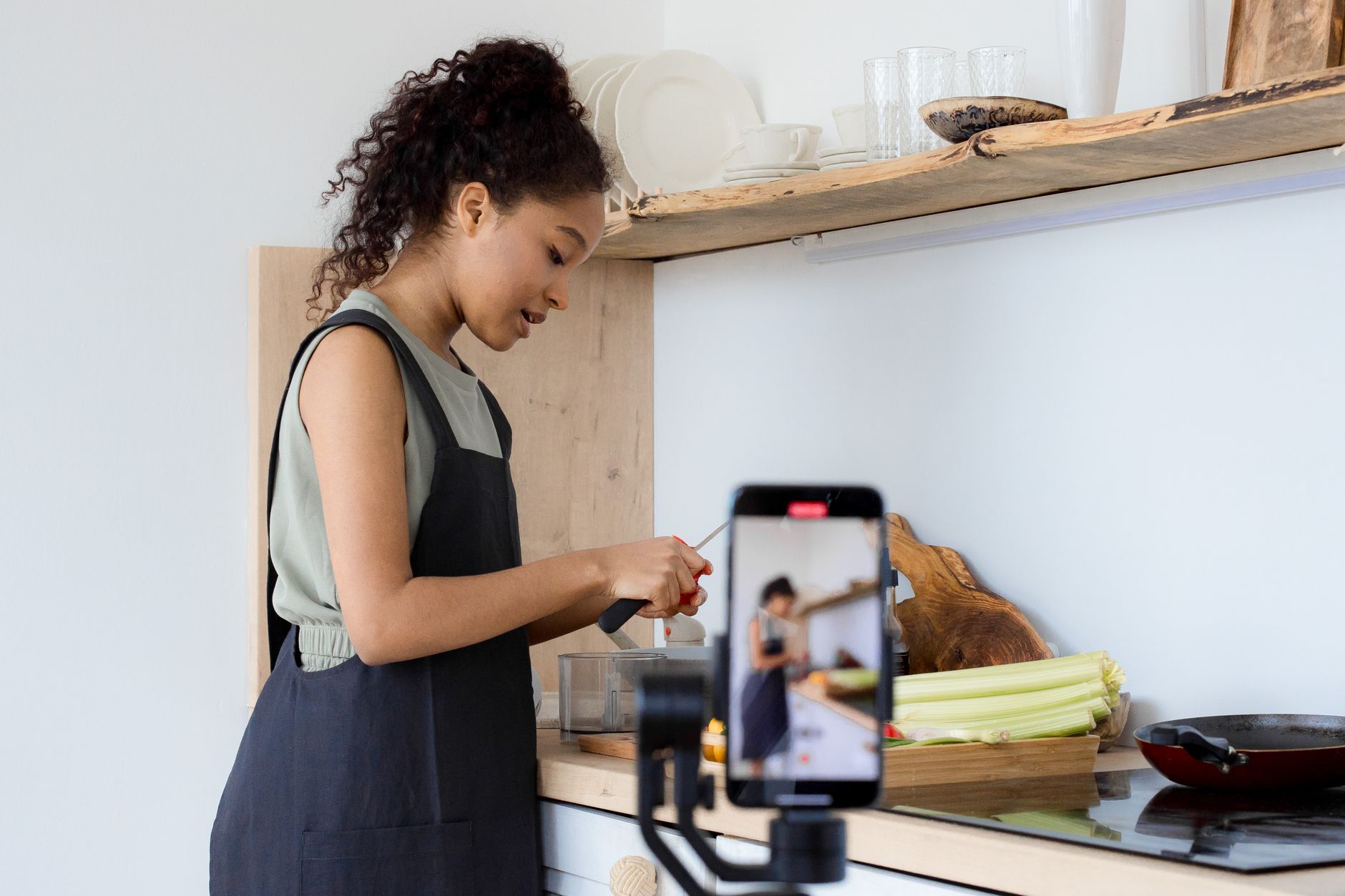
African creators are producing world-class content — but broken discovery infrastructure means brands, investors, and collaborators often can't find them. This guide breaks down how creator discovery platforms work, where Africa is underrepresented, and exactly what to do about it in 2026.
Why Creator Discovery Is the Most Underrated Shift in the Creator Economy
A creator discovery platform is no longer a luxury tool for brand managers in New York or London. It has become the infrastructure layer that decides whose work gets seen, funded, and scaled — and right now, African creators are largely invisible on the platforms setting those rules. That is not an accident. It is a design gap, and understanding it is the first step to closing it.
The global creator economy is projected to surpass $500 billion by 2027, according to Goldman Sachs research. Yet the discovery tools that channel brand deals, speaking invitations, and investor attention toward creators remain heavily skewed toward North American and European talent pools. African creators — from Lagos to Nairobi, Accra to Johannesburg — are producing world-class content, building massive audiences, and driving cultural trends globally. The pipeline to monetization, however, is broken at the discovery layer.
This article makes a specific argument: the next competitive advantage for African creators is not more content — it is strategic visibility on the right discovery infrastructure. We will break down how these platforms work, name the tools that matter, expose where the gaps are, and explain what platforms like NOVA and Black Tech Exchange signal about the road ahead.
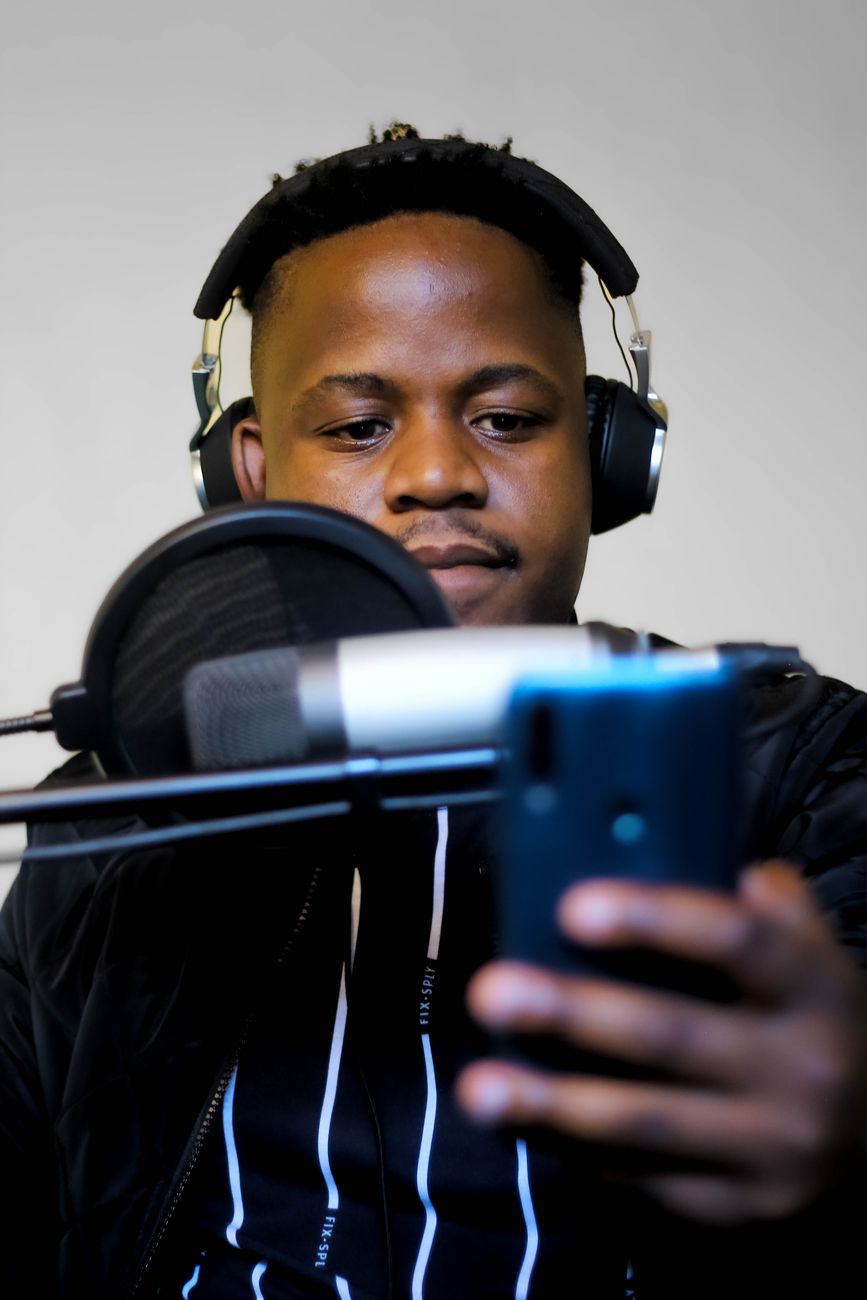
How Creator Discovery Platforms Actually Work — and Why the Algorithm Has a Bias Problem
Most people assume discovery platforms are neutral search engines. They are not. Every major creator discovery tool — think Grin, Aspire, Upfluence, Creator.co, and Modash — is built on a data model that ranks creators by a combination of follower count, engagement rate, audience demographics, and historical brand collaboration data. That sounds fair. The problem is what those signals reward by default.
Engagement benchmarks are calibrated against Western platform norms. A Ghanaian TikTok creator with 200,000 followers and a 12% engagement rate will often score lower than a US creator with 500,000 followers and a 4% rate — purely because the algorithm interprets the smaller absolute numbers as lower reach. Meanwhile, audience purchasing power scores, a metric many platforms use to qualify creators for premium brand deals, almost universally undervalue African audiences because GDP-per-capita proxies are baked into the scoring models.
The result? African creators are systematically deprioritised in brand match results, even when their audience is the exact demographic a brand wants to reach. This is not a conspiracy — it is a calibration failure. But the effect is real and measurable.
Understanding this bias is not just academic. It tells African creators exactly where to push back: demand transparency on scoring criteria, prioritise platforms that allow manual audience quality overrides, and build your own data case using first-party analytics before approaching any brand through a discovery tool.
The Six Metrics That Actually Drive Discovery Visibility
If you want to rank higher on any creator discovery platform, focus on the signals these tools actually read. Most creators optimise for vanity metrics instead.
- Authentic Engagement Rate (AER): Comments and saves weighted more than likes. Aim for above 5% on Instagram Reels and above 8% on TikTok for your niche.
- Audience Retention on Video: Platforms like Upfluence pull YouTube retention data. A 55%+ average view duration signals quality to their scoring models.
- Keyword-Rich Bio and Profile Metadata: Discovery tools index creator bios. A bio that says "Lagos-based food creator covering West African cuisine" is infinitely more searchable than "content creator | food lover."
- Consistent Posting Cadence: Algorithms flag creators who post fewer than 8 times per month as low-priority. Consistency beats volume.
- Cross-Platform Footprint: Having a verified presence on at least three platforms (Instagram, TikTok, YouTube or LinkedIn) dramatically increases your profile completeness score.
- Past Brand Collaboration Tags: Even small paid partnerships, when tagged correctly, signal commercial viability to discovery tools.
Where Africa Is Underrepresented — and the Cost of That Gap
The underrepresentation of African creators on global discovery platforms is not just a fairness issue. It is an economic one with a real price tag. McKinsey estimates that Africa's digital economy could contribute $180 billion to the continent's GDP by 2025, with the creator and influencer segment forming a growing slice of that figure. Brands that want to reach African consumers — and there are more of them every quarter — need African creators. But the discovery tools they use cannot find them efficiently.
Three specific gaps define the problem. First, geographic filtering on most platforms is coarse. You can filter by "Africa" but rarely by country, city, or language. A brand targeting Yoruba-speaking consumers in Southwest Nigeria cannot use Grin or Modash to find that creator segment with any precision. Second, niche taxonomy is Western-centric. Categories like "Afrobeats," "Jollof food," "African fashion," or "Nollywood commentary" do not exist as first-class categories on most tools. Creators in these niches get bucketed under generic labels that dilute their discoverability. Third, payment infrastructure gaps mean that even when an African creator is discovered, the deal often falls apart at the transaction layer — a problem that discovery platforms rarely acknowledge but brands experience constantly.
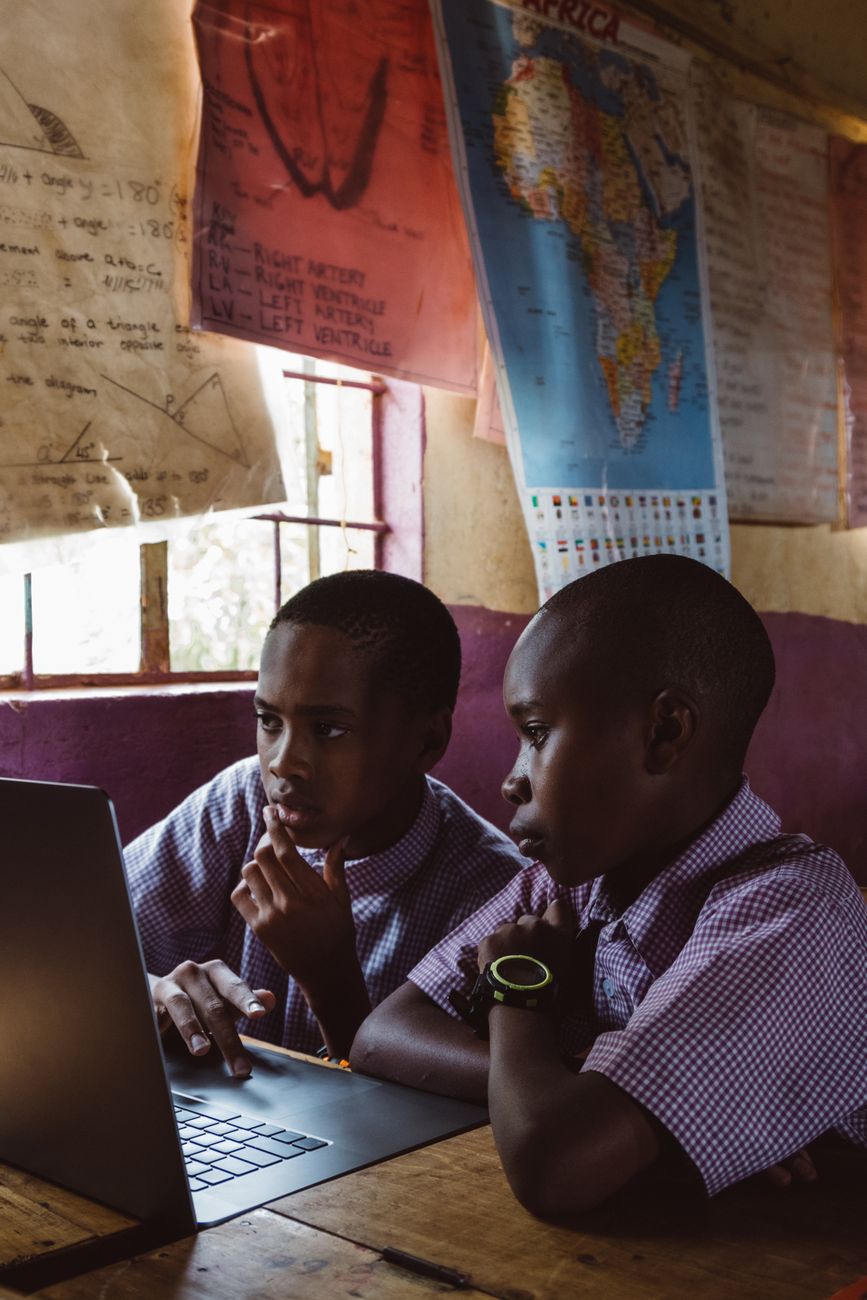
The practical cost? African creators are leaving significant money on the table. A mid-tier Nigerian lifestyle creator with 300,000 engaged followers might earn $200–$500 per sponsored post through informal outreach. The same creator, properly indexed on a premium discovery platform with accurate audience data, could command $1,500–$4,000 per post from international brands — a 5–8x difference driven entirely by visibility infrastructure, not content quality.
Explore the top African content creators dominating social platforms in 2026 to see the calibre of talent that remains undervalued by global discovery tools.
NOVA, Black Tech Exchange, and the Rise of Africa-First Discovery Layers
The most important development in creator discovery for African innovators is not happening on Upfluence or Grin. It is happening in the emerging category of culturally-aligned discovery platforms — tools built specifically to surface Black and African talent for the brands, investors, and collaborators who actually want to find them.
NOVA, the creator-focused discovery layer gaining traction in 2025–2026, takes a fundamentally different approach. Rather than retrofitting Western engagement benchmarks, NOVA allows brands to search by cultural context, content language, diaspora reach, and community trust signals. It treats an Afrobeats creator's influence over a Lagos audience with the same commercial weight that Grin treats a US fitness influencer's reach. That is a paradigm shift, not an incremental improvement.
Black Tech Exchange (BTX) operates differently but solves a related problem. BTX is primarily a talent and startup discovery platform, not a traditional influencer tool. But its model — building a curated, verified index of Black tech founders, creators, and innovators — demonstrates what happens when discovery infrastructure is built with cultural specificity from day one. BTX-listed founders raise capital faster. They get speaking invitations. They land partnerships. Discovery, done right, compounds.
These platforms signal a broader shift: the era of assuming African creators must conform to Western discovery infrastructure is ending. The question for African creators in 2026 is which platforms to prioritise, and how to build a profile that works across both legacy tools and emerging Africa-first layers simultaneously.
For context on how African tech innovation is driving this shift, read our deep dive on how African AI startups are reshaping the continent's digital future.
What African Startups Building Discovery Tools Should Learn From These Models
If you are building a creator discovery platform for African markets, the temptation is to clone Grin with an African skin. Resist it. The opportunity is to solve the three gaps named above — geographic precision, cultural taxonomy, and payment integration — in a single product.
- Geographic precision: Build city-level and language-level filtering from day one. "Lagos, Yoruba-speaking, 18–34 female audience" should be a single search query, not a manual process.
- Cultural taxonomy: Create niche categories that reflect African content realities — Afrobeats, Nollywood commentary, African fashion weeks, pan-African tech, diaspora lifestyle. These are not edge cases; they are the core product.
- Embedded payments: Integrate with M-Pesa, Flutterwave, and Paystack at the infrastructure level. A discovery platform that cannot close a deal end-to-end is just a directory.
- Trust signals beyond follower count: Community endorsements, verified offline presence, and press mentions from African media outlets should carry weight in your ranking model.
- Diaspora bridging: African creators in London, Toronto, Houston, and Paris are a distinct and commercially powerful segment. Build filters that surface them for brands targeting diaspora audiences.

A Practical Playbook: How African Creators Can Maximise Discovery in 2026
Strategy matters more than hustle at this stage. Here is what actually moves the needle on creator discovery platforms right now — not in theory, but based on how these tools are built and what brands using them are searching for.
Step 1: Audit your current discoverability. Search for yourself on Modash, Upfluence, and Grin using the keywords you think brands would use. If your profile does not appear — or appears with inaccurate data — that is your baseline problem. Most African creators have never done this audit. It takes 30 minutes and will reshape your entire strategy.
Step 2: Claim and complete your media kit. A PDF media kit is not enough. Build a one-page digital profile on platforms like Passionfroot or Beacons that aggregates your stats, past brand work, and audience demographics in a format that discovery platforms and brand managers can read instantly. Include your primary language, the countries where your top 3 audience segments live, and your average engagement rate per platform.
Step 3: Register on emerging Africa-first platforms now, not later. Early movers on new discovery platforms get disproportionate visibility before the index becomes crowded. NOVA, BTX, and platforms like Topping Africa's own creator directory are building their indexes now. Being early is a compounding advantage. Discover and connect with African creators on Topping Africa to understand the ecosystem you are part of.
Step 4: Treat your social bio as SEO copy. Every discovery tool indexes your bio text. Include your city, your niche, your language, and one clear value proposition. "Nairobi-based tech creator | Swahili & English | Covering African fintech and startup culture" will outperform "Digital creator | Tech enthusiast" on every platform that indexes creator profiles.
Step 5: Build a collaboration history, even small. A creator with five documented brand collaborations — even micro-deals — ranks higher on discovery tools than a creator with zero, regardless of follower count. Reach out to African brands first. Document every partnership. Tag brands in your posts. Build the paper trail that discovery algorithms read as commercial credibility.
Also worth your time: see how African creators are using AI tools to grow their content — the same AI layer is increasingly embedded in discovery platforms to match creators with brands.
The Bigger Picture: Discovery as Infrastructure for African Creative Power
Creator discovery is not a marketing feature. It is infrastructure — the same way roads determine which markets get goods and which ones stay isolated. Right now, African creators are building on roads they did not design, calibrated for traffic patterns that do not match their reality.
The platforms that fix this — whether global tools that finally get African market calibration right, or Africa-first tools that build it from scratch — will unlock a creator economy on the continent that is currently running at a fraction of its potential. The talent is not the bottleneck. The infrastructure is.
For African creators reading this in 2026: your content is not the problem. Your visibility is. Fix the infrastructure layer — your profiles, your platforms, your metadata, your media kits — and the opportunities that have been routing around you will start finding you instead.
Ready to get discovered? Explore the full Topping Africa creator ecosystem and position yourself where Africa's most ambitious brands and collaborators are already looking.
Staff
Contributing writer at Topping Africa.
0 Comments
No comments yet. Be the first to share your thoughts!