
African Diaspora Goods & Denim Tears: How Diaspora-Fueled Fashion Is Rewriting African Culture and Business

Denim Tears and the rise of African Diaspora Goods are not just fashion stories — they are a masterclass in how diaspora-led brands monetize African culture and build global retail ecosystems. Here is what African creators on the continent can learn, extract, and apply from the playbook right now.
When African Diaspora Goods and Denim Tears Meet, Culture Becomes Commerce
The phrase african diaspora goods denim tears is no longer just a search query — it is a signal. It marks the moment when diaspora-led fashion stopped being a niche conversation and became a global retail force. Brands like Denim Tears and the broader ecosystem of African Diaspora Goods are not simply selling clothes. They are selling memory, resistance, and a very deliberate reclamation of African cultural identity — and the business results are impossible to ignore.
This is not a story about streetwear trends. It is a story about who controls the narrative of African culture in 2026, who profits from it, and how African creators on the continent can plug into — and learn from — what the diaspora has already built.
What African Diaspora Goods Actually Means — And Why It Matters Now
The term "African Diaspora Goods" describes a fast-growing category of products — fashion, homeware, art, food — created by Black and African-descended people outside the continent, rooted explicitly in African cultural heritage. It is distinct from Afrocentric fashion in one critical way: it names the economic relationship directly. These are goods produced by a displaced people, drawing on a stolen or severed cultural inheritance, and selling that inheritance back into a global market on their own terms.
Denim Tears, founded by Tremaine Emory in 2019, is the clearest case study in this category. Emory built the brand on a single, unflinching premise: that the history of Black people in America — and by extension, their African roots — deserves to be worn, not whispered. His signature cotton wreath motif, first printed on Levi's 501s, was a direct reference to the cotton fields of the American South and the enslaved African labour that built them. That collection sold out within hours and resold on StockX for three to five times retail price.
By Fall/Winter 2026, Denim Tears has expanded that vocabulary significantly. The FW26 drop introduces kente-inspired jacquard weaves, direct references to West African textile traditions, alongside archive photography of African independence movements printed on heavyweight fleece. These are not decorative choices. They are editorial statements with price tags — and they are moving units in SoHo pop-ups and Atlanta flagship locations simultaneously.
The Retail Ecosystem: SoHo, Atlanta, and the Geography of Diaspora Commerce
Geography matters more than most fashion commentary admits. Denim Tears' decision to anchor physical retail in SoHo (New York) and Atlanta is not accidental. SoHo delivers cultural legitimacy and international press. Atlanta delivers community — a city with one of the largest concentrations of Black wealth, Black-owned businesses, and African immigrant communities in the United States.
Atlanta's role is especially instructive for African entrepreneurs watching from Lagos, Nairobi, or Accra. The city functions as a proof-of-concept for what a diaspora retail ecosystem looks like at scale. Black-owned boutiques, African grocery importers, Afrobeats venues, and fashion brands share zip codes and customer bases. When Denim Tears opens a pop-up there, it is not entering a vacuum — it is joining an existing economic network that African Diaspora Goods have helped build over decades.
This model has direct lessons for creators on the continent. The question is not "how do I sell to the West?" but "how do I build a local ecosystem dense enough that global brands want to come to me?" Lagos is already doing this in music. Nairobi is doing it in tech. Fashion is the next frontier.
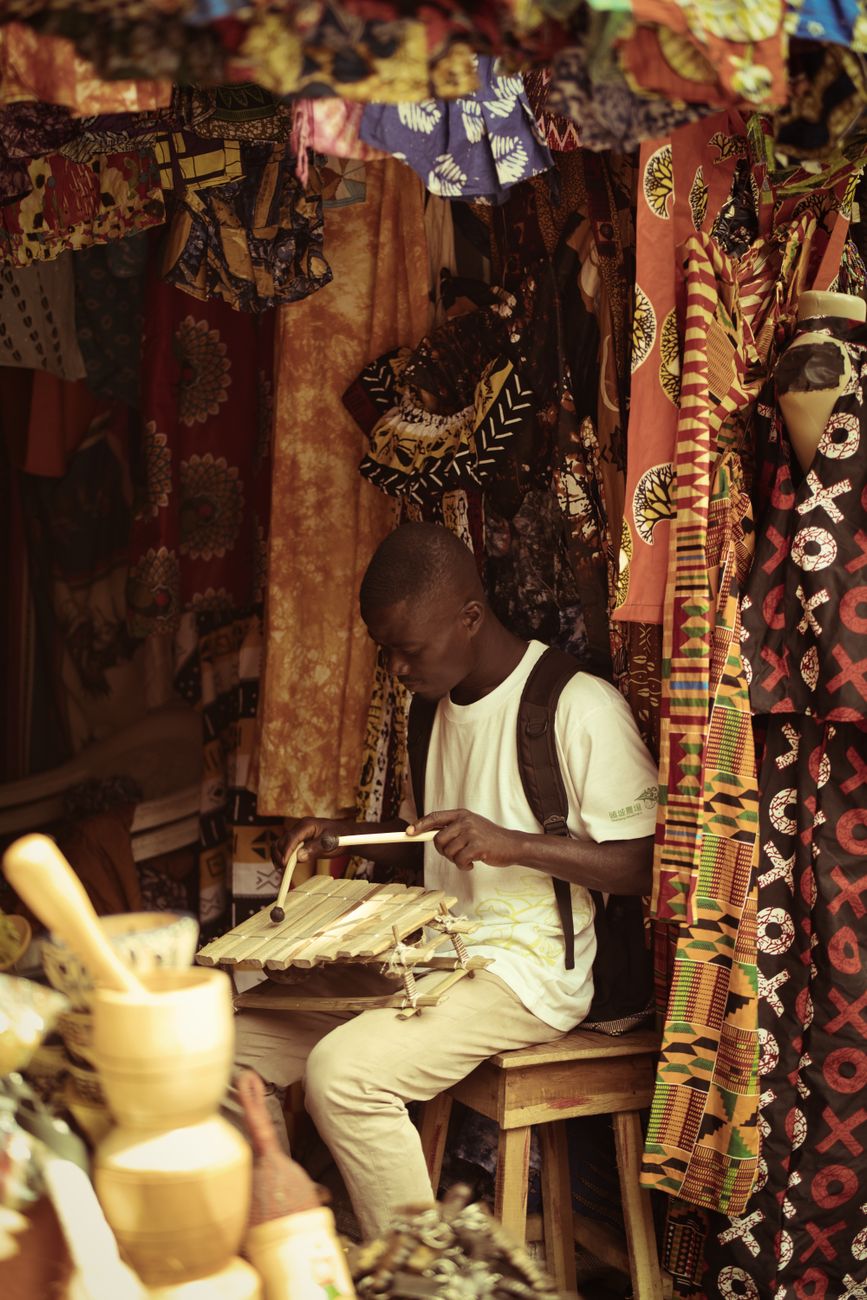
How Denim Tears Monetizes African Culture — The Right Way and the Wrong Way
Here is where the analysis needs to be honest, because not every diaspora brand gets this right. The difference between cultural monetization and cultural extraction is attribution, reinvestment, and collaboration. Denim Tears, at its best, names its sources. Emory has publicly credited Ghanaian kente weavers, cited specific historical texts, and collaborated with Black scholars and archivists. That transparency is not just ethical — it is a brand differentiator in a market increasingly allergic to appropriation.
The common mistake other brands make is lifting African visual motifs — Adinkra symbols, Ankara prints, Maasai beadwork patterns — without crediting origin communities, without paying licensing fees to artisan cooperatives, and without any reinvestment into the cultures they profit from. Consumers, especially younger African and diaspora consumers, are getting better at spotting this. Business of Fashion has documented the growing backlash against brands that treat African aesthetics as a free resource.
The right model looks different. It involves:
- Direct partnerships with African artisan cooperatives and textile producers
- Revenue-sharing arrangements or licensing fees paid to source communities
- Named collaboration credits on product tags and marketing materials
- Editorial amplification of the African creators whose work inspired the collection
- Investment in African retail infrastructure, not just extraction of African aesthetics
Denim Tears' FW26 campaign reportedly includes a short documentary series featuring Ghanaian master weavers from the Bonwire kente-weaving community. That is a meaningful step. It also happens to be excellent content marketing — proof that doing the right thing and building a brand are not competing objectives.
What African Creators Can Extract From the Denim Tears Playbook
If you are an African creator — whether you make fashion, content, music, or visual art — the Denim Tears model contains a specific, transferable playbook. It is not about copying Emory's aesthetic. It is about understanding the mechanics of how he turned cultural specificity into commercial scale.
The core mechanics are three:
- Radical specificity over vague pan-Africanism. Denim Tears does not say "African-inspired." It says: cotton wreath, 1619, kente, Bonwire. Specificity creates authority. Authority creates trust. Trust creates sales. African creators who name their exact cultural reference — the specific Yoruba proverb, the specific Ndebele beadwork pattern, the specific Ethiopian coffee ceremony — build deeper connections than those who gesture broadly at "African culture."
- Archive as product. Emory treats historical research as a creative input, not an afterthought. African creators sitting on rich local archives — oral histories, family textiles, community photographs — have raw material that global brands would pay significant sums to access. The question is whether African creators monetize that archive themselves first.
- Physical retail as cultural programming. The SoHo and Atlanta pop-ups are not just stores. They are events, exhibitions, and community spaces. African creators building brands should think about physical presence — even temporary, even small — as cultural programming that generates press, community, and loyalty that digital channels alone cannot replicate.
Discover more African creators who are already applying these principles at Topping Africa's creator directory — a growing index of the people shaping African culture, fashion, and business from the continent and beyond.
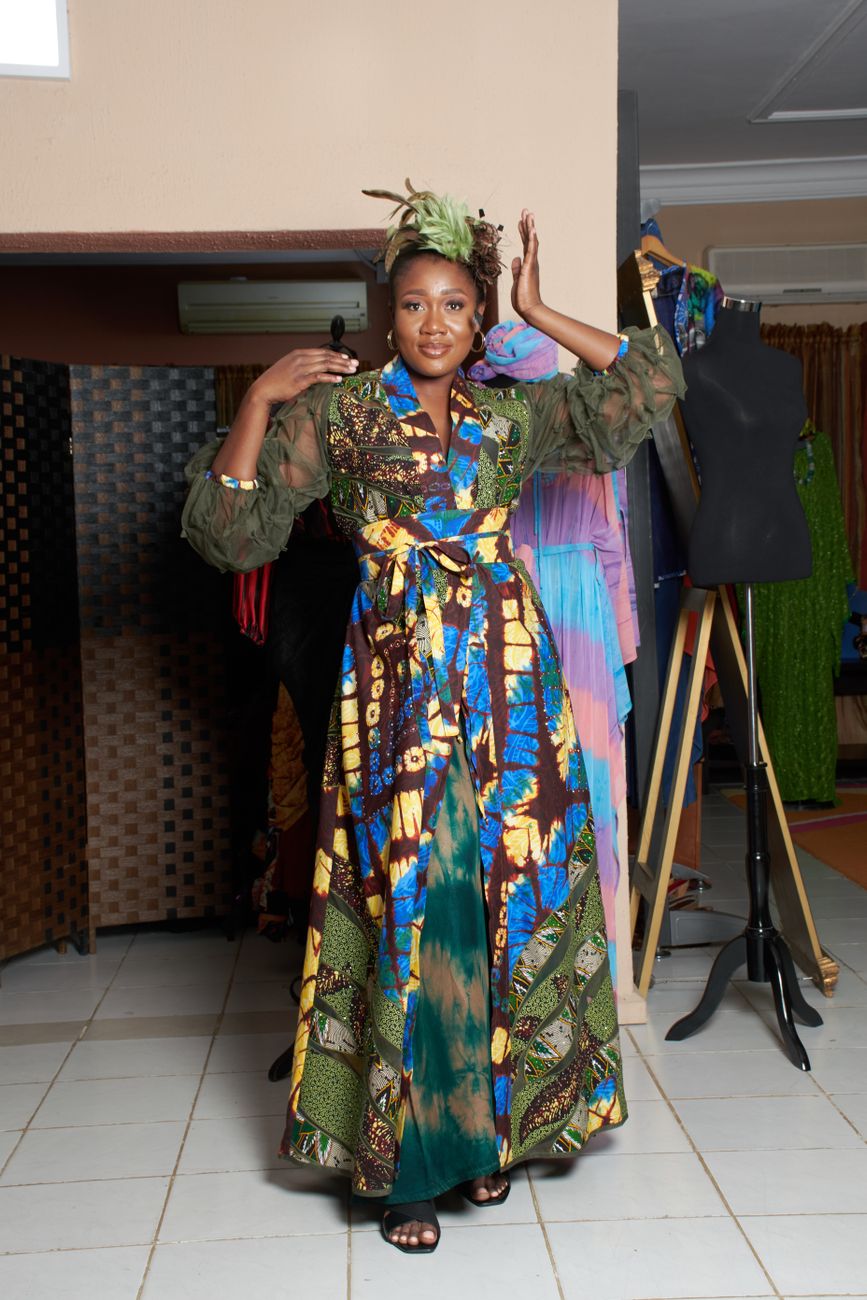
The Business Numbers Behind Diaspora Fashion
This is not a small market. McKinsey's State of Fashion report consistently identifies cultural authenticity as one of the top purchase drivers for consumers aged 18-35. The African diaspora — estimated at over 170 million people globally by the United Nations — represents a consumer base with significant collective purchasing power, particularly in the United States, United Kingdom, France, and Canada.
Denim Tears' reported retail revenue crossed $10 million in 2023, a figure that does not include resale market activity on platforms like StockX and Grailed, where individual pieces regularly trade at 200-400% of retail. The brand achieved this with a lean team, no traditional advertising spend, and a content strategy built almost entirely on cultural storytelling and community trust.
For African entrepreneurs, the unit economics are instructive. A brand built on genuine cultural authority does not need a large marketing budget — it needs a clear point of view, consistent quality, and a community willing to advocate for it. That is a model that travels. It works in Lagos. It works in Accra. It works in Nairobi.
The risk, of course, is imitation without substance. Every cultural moment generates copycat brands that borrow the aesthetic without the depth. Those brands typically spike on social media and collapse within 18 months. The brands that last — Denim Tears, Thebe Magugu, Maxhosa Africa — are the ones where the cultural knowledge is not a costume but a foundation.
Amplifying African Creators: The Missing Link in the Diaspora Fashion Chain
Here is the gap that platforms like Topping Africa exist to close. Diaspora brands like Denim Tears generate enormous cultural and commercial momentum. But the African creators whose traditions, aesthetics, and histories fuel that momentum often receive none of the economic benefit — and very little of the visibility.
That is a structural problem, not a personal failing. It reflects the reality that African creators have historically lacked the distribution infrastructure, the global retail relationships, and the content amplification tools that diaspora brands — operating inside Western markets — have access to by default.
Closing that gap requires several things happening simultaneously:
- Discovery platforms that surface African creators to global audiences — not just African audiences
- Direct commercial relationships between diaspora brands and African artisan communities
- Content infrastructure that helps African creators tell their own stories in formats that travel globally
- Investment in African retail and creative hubs that give physical presence to creators who currently exist only online
The good news is that all four of these are accelerating. African creators are increasingly using AI tools to scale their content — read more about how in our deep-dive on African creators using AI to grow their content in 2026. And the broader conversation about African cultural identity in fashion has never been louder or more commercially significant.
For a richer understanding of how African clothing traditions are evolving in this context, explore our detailed guide on African culture clothing: traditional styles, modern influences, and what they mean — an essential read for anyone building in this space.
What Comes Next: From Cultural Moment to Structural Change
The rise of african diaspora goods and Denim Tears as a cultural force is not a peak — it is a signal of what is coming. As African economies grow, as African middle classes expand, and as African creators build larger global audiences, the centre of gravity for African cultural commerce will shift. Right now, the diaspora monetizes African culture primarily for Western consumers. Within a decade, African creators will increasingly monetize their own culture for African consumers — and the diaspora will follow them, not the other way around.
That shift is already visible in music. Afrobeats did not conquer global charts by chasing Western approval — it built a massive African and diaspora audience first, and the world came to it. Fashion is on the same trajectory, just a few years behind.
The brands and creators who understand this now — who build cultural authority, invest in community, and treat African heritage as an asset to develop rather than a trend to exploit — will be positioned to lead that shift. The window to build that position is open. It will not stay open indefinitely.
Ready to connect with the African creators already leading this charge? Explore the full creator directory at Topping Africa and discover the people shaping African fashion, culture, and business from the continent and beyond. The next Tremaine Emory might already be listed there — building something the world has not seen yet.
Staff
Contributing writer at Topping Africa.
0 Comments
No comments yet. Be the first to share your thoughts!