
Inside Africa's Emerging Tech Hubs: Where Creators, Coders and Culture Collide

Africa's tech hubs have evolved far beyond startup incubators — they are now full creative ecosystems offering studio access, AI tools, seed funding, and skills programmes for content creators and digital entrepreneurs. This listicle profiles seven of the continent's most impactful hubs, from Ethiopia's ICT Park to Cape Town's Silicon Cape, with concrete details on costs, programmes, and the real trade-offs creators face when choosing where to build.
Africa's african tech hubs are no longer just incubators for coders writing fintech apps. They have become creative ecosystems — places where a filmmaker in Addis Ababa can access AI editing tools, where a fashion designer in Lagos can pitch to venture capital, and where a Nairobi podcaster can join a residency program that fast-tracks their audience growth. The continent now hosts more than 600 active tech hubs, according to GSMA's Mobile for Development research, yet most mainstream coverage still reduces them to startup funding stories. This listicle goes deeper — profiling seven hubs that are actively building infrastructure, skills programs, and creator tools that matter to the people shaping African culture and digital commerce.
1. Ethiopia ICT Park, Addis Ababa — The Continent's Boldest Bet on Digital Infrastructure
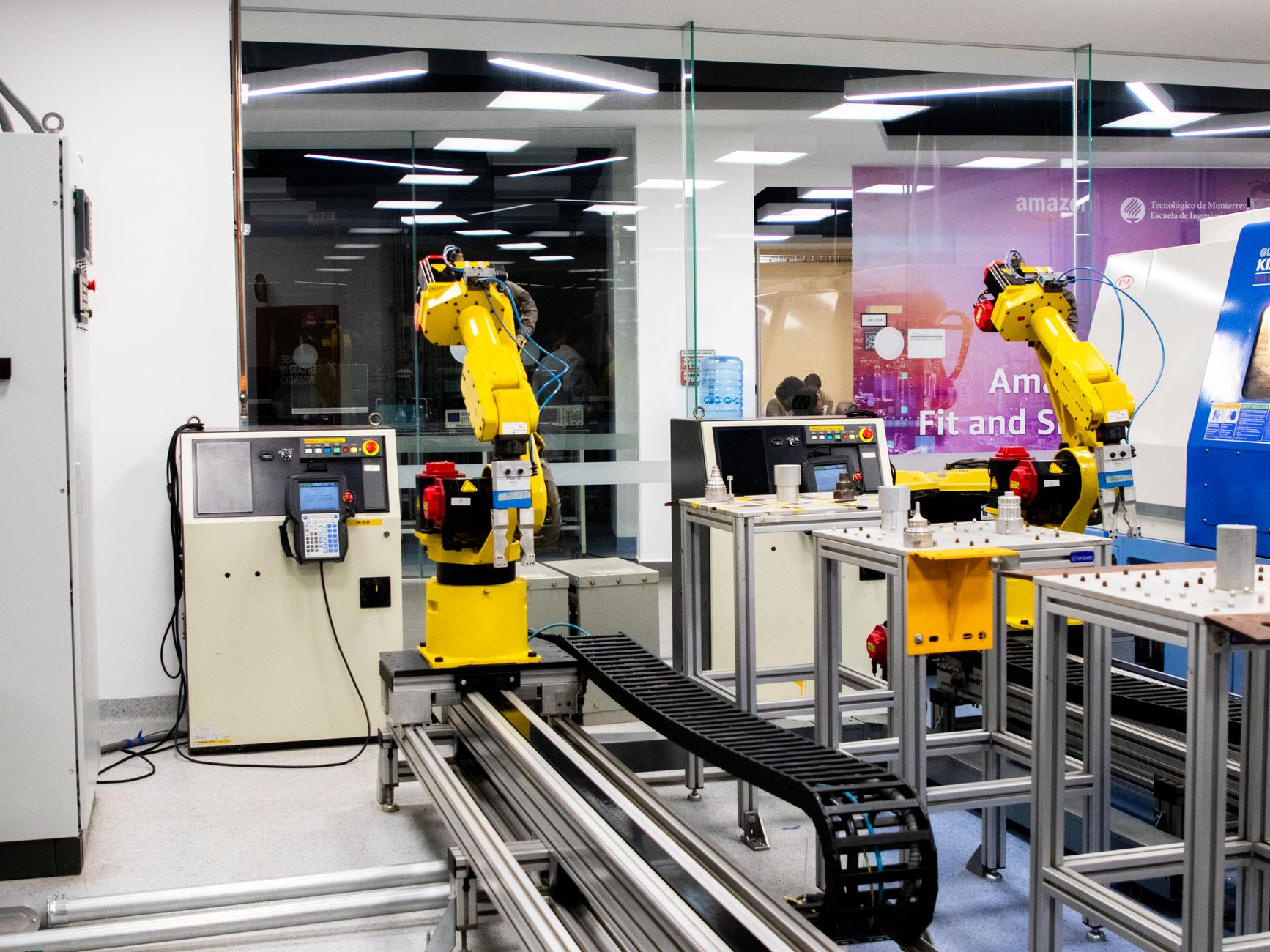
Ethiopia's ICT Park, developed under the country's Digital Ethiopia 2025 strategy, is arguably the most ambitious state-backed tech campus on the continent. Spread across 23 hectares in Addis Ababa, it houses data centres, software development firms, and — critically — a dedicated creative industries wing. The park offers subsidised office space, high-speed fibre connectivity, and access to shared production studios that content creators can book by the hour.
What sets it apart is the ICT Park Incubation Centre, which runs six-month cohorts for digital entrepreneurs. Accepted founders receive mentorship, seed funding of up to USD 15,000, and introductions to Ethiopian diaspora investors. For creators specifically, the park has partnered with the Ethiopian Broadcasting Authority to host workshops on monetising content under local and international copyright frameworks — a practical gap that most hubs ignore entirely.
The honest trade-off: Ethiopia's regulatory environment remains complex, and foreign payment platforms like Stripe are not yet fully supported. Creators building subscription-based revenue models should plan for that friction upfront and explore alternatives such as Flutterwave or Chapa, both of which operate locally.

2. iHub, Nairobi — Africa's Original Creator-Friendly Tech Community
Founded in 2010, iHub is the grandfather of African tech hubs — but it has reinvented itself rather than coasting on reputation. Today it runs iHub Research, a unit that publishes open datasets on African digital behaviour, and a creator accelerator that has supported more than 200 digital businesses since 2021. Nairobi's position as the region's media capital makes iHub particularly valuable for video creators, journalists, and podcasters who need both technical skills and business infrastructure.
The hub's AI Literacy Programme, launched in partnership with Google for Startups, teaches creators how to use tools like Gemini, Runway ML, and ElevenLabs for content production — not just as gimmicks, but as genuine workflow accelerators. A documentary filmmaker in the 2023 cohort used Runway's generative video features to cut post-production time by 40%, allowing her to release three projects in a year instead of one.
Membership tiers start at roughly KES 5,000 per month (about USD 38), which includes hot-desking, event access, and community Slack channels segmented by discipline. The common mistake new members make is treating iHub purely as office space. The real value is in the peer network — show up to the weekly demo nights and you will meet collaborators, not just co-workers.
Discover how African creators are already leveraging platforms and communities like this on Topping Africa's guide to creator discovery platforms.
3. CcHUB, Lagos — Where Nigerian Creativity Meets Serious Capital
Co-Creation Hub (CcHUB) in Lagos is proof that a tech hub can hold two identities at once: rigorous startup accelerator and genuine creative space. Its Design Lab is a physical studio equipped with 3D printers, green screens, podcast booths, and high-end cameras available to members. Monthly memberships for the Design Lab run at approximately NGN 45,000 (around USD 28), which is competitive even by global standards for a facility of this quality.
CcHUB's Growth Capital arm has invested in over 60 startups, with a growing focus on creative-tech crossovers — think AI-powered music distribution, interactive storytelling platforms, and Afrocentric gaming studios. The hub also runs the HNGi internship, a remote-first programme that has trained more than 30,000 developers and designers across Nigeria and the diaspora since 2017.
One real edge CcHUB offers that most hubs do not: structured introductions to brand partnerships. Their corporate innovation team connects creators with FMCG brands, telecoms, and media companies actively looking for authentic African content. If you are a creator stuck in the brand-deal cold-outreach grind, this alone is worth the membership fee.
4. MEST Africa, Accra — The Hub That Actually Trains You First
Most hubs assume you arrive with skills. MEST — the Meltwater Entrepreneurial School of Technology — builds those skills from scratch. Its flagship programme is a fully-funded, one-year training course in software engineering, business, and communication, open to applicants from across Africa. Graduates who complete the programme receive seed investment of up to USD 100,000 to launch their ventures through MEST's affiliated fund.
For creators, the communication and product-thinking modules are especially relevant. Graduates have launched content management platforms, influencer marketing tools, and digital media companies that now operate across West Africa. MEST's Accra campus also hosts a thriving alumni network that functions as an informal deal-flow channel — former students regularly hire, collaborate with, and invest in each other.
The application process is selective (acceptance rates hover around 10%), so treat it like a university application. A strong portfolio of work, a clear problem you want to solve, and evidence of self-directed learning will carry more weight than academic credentials alone. Learn more about MEST's application process here.

5. Flat6Labs, Cairo and Tunis — The MENA-Africa Bridge That Creators Are Missing
Flat6Labs operates accelerator programmes across Cairo, Tunis, Abu Dhabi, and Riyadh, making it one of the few hubs that genuinely bridges North Africa with Gulf investment networks. For African creators targeting Arabic-speaking audiences or Arab diaspora markets, this is a strategic advantage that almost nobody talks about. The Cairo cohort alone has graduated over 400 startups since 2011, with a growing number in the media and creative technology sectors.
Each cohort runs for four months and includes USD 30,000–100,000 in seed funding, co-working access, legal support, and introductions to Flat6Labs' investor network of more than 500 angels and VCs. The Tunis programme has a specific track for digital media startups, reflecting Tunisia's strong tradition of independent journalism and film production.
The underrated opportunity here is in localisation. Creators who can produce content in both English and Arabic — or who can adapt existing African content for North African and Gulf audiences — find Flat6Labs' network disproportionately valuable. Most pan-African creator strategies stop at sub-Saharan Africa. That is a significant market left on the table.
6. Kigali Innovation City, Rwanda — The Hub Built for the Long Game
Rwanda's Kigali Innovation City (KIC) is a government-backed special economic zone designed to attract global tech companies, universities, and startups to a single campus. Partners already on-site include Carnegie Mellon University Africa, the African Institute for Mathematical Sciences (AIMS), and the University of Rwanda's College of Science and Technology. That academic density is rare among African hubs and creates a research pipeline that benefits creators working in AI, data storytelling, and immersive media.
KIC offers zero corporate tax for 10 years for qualifying companies, which makes it attractive not just for startups but for established creator businesses looking to formalise and scale. The hub's Smart Africa Secretariat — headquartered in Kigali — also runs cross-border digital skills programmes that creators can access without being Rwanda-based.
Rwanda's strict regulatory environment is both a feature and a friction point. Content moderation standards are high, and creators producing politically sensitive material should understand local laws before establishing a presence. For those focused on tech education, entertainment, or business content, however, KIC's infrastructure and incentives are hard to match anywhere on the continent.
For more on how African entrepreneurs are building at scale, read our breakdown of the Africa Entrepreneurship Conference 2026.
7. Silicon Cape, Cape Town — Where Creative Industries and Deep Tech Finally Meet
Cape Town's Silicon Cape initiative is less a single physical hub and more a coordinated ecosystem of co-working spaces, accelerators, and industry associations anchored in one of Africa's most globally connected cities. The city hosts over 450 active tech startups and has a particularly strong concentration of creative-tech companies — studios building AR/VR experiences, AI-driven music platforms, and streaming infrastructure for African content.
The South African Film and Television Incentive, recently restructured to attract more international productions, means Cape Town's creator economy is flush with production money and technical talent. Creators who position themselves at the intersection of content production and tech — think interactive documentaries, branded AR filters, or AI-generated music videos — will find Silicon Cape's network unusually receptive.
Key organisations to know within the ecosystem include Bandwidth Barn (Africa's oldest tech hub, focused on ICT SMEs), LaunchLab at Stellenbosch University (strong on deep tech and agritech), and Workshop17, a premium co-working chain with locations across Cape Town and Johannesburg. Membership at Workshop17 starts at around ZAR 3,500 per month (approximately USD 190) and includes access to a curated community of over 5,000 professionals. Explore how South Africa's film incentives are reshaping the broader African content economy in this detailed breakdown on Topping Africa.
What Every African Creator Should Know Before Choosing a Hub
Picking the right hub is not just about geography. It is about matching your stage, your discipline, and your revenue model to the specific resources a hub offers. Here is a practical checklist to guide your decision:
- Stage fit: Are you pre-revenue, early-stage, or scaling? MEST and Ethiopia ICT Park suit early-stage builders; Silicon Cape and CcHUB are better for creators with existing traction.
- Sector alignment: Does the hub have a track record in your niche — film, music, gaming, journalism, edtech? Generic accelerators rarely deliver sector-specific value.
- Payment infrastructure: Check which payment platforms operate in that country before committing. This single issue has derailed more creator businesses than any other.
- Diaspora connectivity: Hubs with strong diaspora networks (iHub, CcHUB, MEST) give you a faster path to international brand deals and co-productions.
- AI tool access: Ask specifically whether the hub provides licensed access to tools like Adobe Creative Suite, Runway ML, or Midjourney. Some do; most do not.
The fastest-growing African creators are not waiting for one perfect hub. They are building across ecosystems — using one hub's studio, another's investor network, and a third's skills programme. That hub-stacking approach is the real playbook. Learn more about how African AI startups are reshaping the tools available to creators in our dedicated feature on how African AI startups are turning the continent into the next global AI hub.
Africa's tech hubs are building the physical and digital infrastructure that creators have always needed but rarely had. The opportunity is real, the tools are improving, and the communities are growing. Explore the full range of African creators already working at this intersection — visit Topping Africa's creator directory to discover the people building Africa's digital future, one project at a time. And if you want to stay ahead of where the culture and the capital are moving next, check out what's trending on Topping Africa right now.
Staff
Contributing writer at Topping Africa.
0 Comments
No comments yet. Be the first to share your thoughts!