
South Africa Film Incentive 2026: What It Means for Nollywood, Streamers and Africa
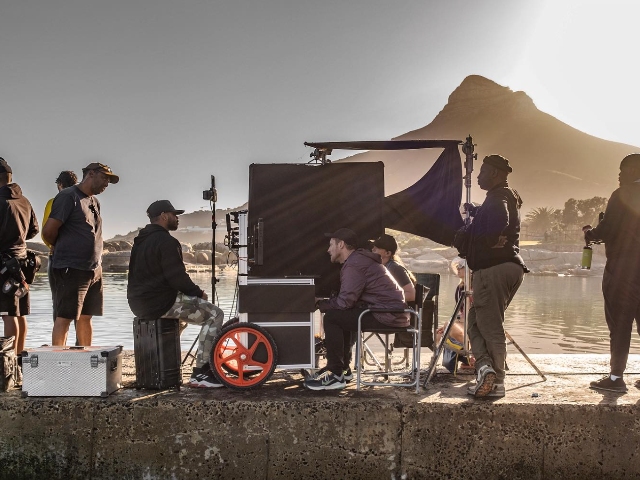
South Africa’s new film incentive could reshape how African stories get financed, shot, and finished. Here’s what Nollywood, Kenyan creators, and streamers need to know to tap the opportunity.
South Africa film incentive 2026 could change how African stories get made, funded, and shipped to the world. If you work in Nollywood, Kenyan film, creator economy, or streaming, this policy matters now.
Furthermore, South Africa has positioned itself as a stronger base for foreign shoots, post-production, and black-owned service work. That opens a fresh lane for Nigerian, Kenyan, and pan-African creators who want better budgets, faster delivery, and more export reach.
What the South Africa film incentive 2026 actually offers
Notably, the latest production push is built to attract foreign film and TV projects that spend in South Africa. The official programme says qualifying productions can receive 25% of qualifying South African production expenditure, with an extra 5% for projects that shoot and finish post in South Africa while using a black-owned service company. You can review the base rules on the dtic foreign film incentive page.
![Prime Video Set To Release Its First South African Original Film Set In Cape Town [Trailer] - 2oceansvibe News | South African and international news](https://toppingafrica.s3.amazonaws.com/2420/Screenshot-2024-07-09-at-09.43.45.jpg)
Additionally, post-production-only work can also qualify, with support tied to South African spending thresholds. That matters for African streamers and creators because editing, sound, colour, and VFX often decide whether a title feels global.
Meanwhile, the incentive comes with firm rules. The applicant must be a South African production company, and it must register a special purpose corporate vehicle in South Africa. Also, at least 20% of qualifying goods and services must come from entities that are 51% black-owned South African businesses.
Why this matters for the Africa screen economy
Consequently, the policy is not just about Hollywood visits to Cape Town or Johannesburg. It can help build a wider African screen supply chain that supports writers, line producers, remote editors, sound teams, and virtual production vendors across the continent.
Moreover, South Africa already sits near the top of Africa’s film and TV infrastructure ladder. It has deep crew talent, strong studios, and better access to international finance than many markets. That makes it a natural hub for multi-country projects.
For broader market context, Screen Daily has noted that incentive reform aims to restore trust and improve competitiveness. That is key, because investors want predictable rules before they back big productions.
South Africa film incentive 2026 and the Nollywood opportunity
Importantly, Nollywood does not need to move everything to South Africa to benefit. Instead, producers can use South Africa for parts of a project that need scale, speed, or premium polish. Think camera-heavy drama, genre films, final edit, or music-led specials.
Furthermore, many Nigerian producers already think in franchise terms. They build series, spin-offs, and shared worlds for Netflix, Prime Video, Showmax, and YouTube. The new incentive could lower cost pressure on the most technical parts of those projects.
According to recent industry debate, co-production structure still matters a lot for African content. A useful overview on treaty logic appears in this co-production treaties explainer, which shows why cross-border structures help films travel better.
Three collaboration models you should watch
Specifically, African creators and producers can build around three practical models:
- Split-location production — shoot character scenes in Lagos, Nairobi, Accra, or Kigali, then move high-value scenes to South Africa.
- Post-production hub model — keep principal photography local, then finish sound, edit, grade, and VFX in South Africa.
- Service-stack model — use South African line production, rentals, and post vendors while African creators retain IP control.
Additionally, this model works well for music documentaries, creator-led travel shows, live event recaps, and celebrity specials. Those formats already thrive on streaming platforms and social platforms like YouTube.
However, success depends on planning. Producers must lock funding, local partners, and legal structure early. The dtic rules also warn that projects should not start before application outcomes in many cases.
How Netflix, Prime Video, Showmax and YouTube can fit in
Notably, streamers want content that travels across borders without losing local flavour. That is where South Africa can help. The country offers crew depth, established studios, and easier access to premium finishing services.
Furthermore, Netflix and Prime Video often need regionally authentic stories with strong production value. South Africa can serve as a back-end engine for those titles, even when the story lives in West or East Africa. Showmax, which already understands African audiences deeply, could also use the incentive to support more co-financed originals.
Meanwhile, YouTube remains the fastest route for creator-led documentaries, music visuals, and influencer series. If you are building a premium YouTube show, South Africa can give you better post tools without pushing your creative voice aside.
Consequently, the smartest play is not platform dependence. It is platform mix. Build versions for streaming, social clips, and ad-supported release windows from the same production pipeline.
What African creators should ask streamers
Additionally, creators should ask five direct questions before greenlighting a South Africa-based move:
- Who owns the IP?
- Which spend qualifies for the incentive?
- Where will post-production happen?
- Which black-owned South African vendors are included?
- How will the project travel across Africa after release?
Therefore, you should treat the incentive like a business tool, not just a rebate. It can shape deal terms, crew choices, and release strategy.
South Africa film incentive 2026 and the startup stack behind it
Ultimately, the real story is not only about policy. It is also about the tools that make cross-border production easier. Across Africa, startups are building products for virtual production, cloud editing, remote review, and post workflows.
Moreover, these tools reduce the need to move every person to one city. That helps lower costs for Nigerian and Kenyan teams while keeping South African crews in the loop. It also supports faster delivery for streamers that want more content, more often.
For wider African tech coverage, explore our Technology & Innovation, Business & Economy, and Entertainment sections. You can also read more in Culture & Lifestyle and Africa News.
Startup lanes to watch
Specifically, here are the service areas growing fastest around this opportunity:
- Virtual production for LED stages, previs, and remote camera planning.
- Remote editing for cross-border teams working on tight release windows.
- Cloud review for directors, producers, and streamers to sign off from different countries.
- AI-assisted localisation for subtitles, captions, and language versions.
- Digital dailies for secure sharing between African crews and global buyers.
In addition, these services open doors for young African tech founders. If they can support film workflows, they can sell into production houses, ad agencies, and creator teams.
What a startup should offer to win work
Importantly, a startup must solve real production pain. That means fast file transfer, strong security, easy approvals, and support across time zones. It also means pricing that works for African budgets.
Nevertheless, many founders forget the basics. Producers care about uptime, speed, and trust. If your tool saves one day of delay, it already has value.
What this means for African creators, celebrities and influencer-led formats
Furthermore, the new policy is a strong fit for creator culture. African celebrities, musicians, and influencers now drive huge viewing numbers. They can use South Africa as a premium base for docu-series, tour films, backstage specials, and brand-led content.
For instance, a Nigerian Afrobeats star can shoot performance scenes in Lagos, then finish a tour film in Cape Town. Similarly, a Kenyan lifestyle creator can develop a travel series with South African finishing work and local partners.
That mix matters because audiences now want polish and personality at the same time. They want good storytelling, clear sound, clean colour, and fast cuts. They also want a real African voice.
Read more about rising African creators in our Spotlight and Lifestyle & Culture pages, and Music for artist-led content trends.
Explore More on Topping Africa
Technology & Innovation — Discover the startups building the tools behind remote editing, virtual sets, and cloud post-production. Explore
Business & Economy — Read more about African media investment, creator business models, and cross-border production finance. Explore
Entertainment — Follow the biggest film, TV, music, and celebrity stories shaping Africa’s screen economy. Explore
What producers should do next
Consequently, if you are a Nigerian, Kenyan, or pan-African producer, the next step is clear. Map your project into shoot, post, and delivery blocks. Then decide which parts belong in your home market and which parts fit South Africa best.
Moreover, start vendor talks early. Build a South African service list, confirm budget thresholds, and check the filing rules before you shoot. The official guidance and application forms live on the dtic site, and the contact details are also listed there.
Ultimately, the South Africa film incentive 2026 could do more than attract foreign shoots. It could help build an African content corridor where Nollywood, East African storytellers, streamers, and startups work together with less friction and better payoffs.
Share your thoughts below: will this push help Africa build more premium originals, or will it mainly help outside studios? Subscribe to Topping Africa for more analysis on film, tech, and the creator economy.
External sources used: dtic, Screen Daily, JD Supra

Staff
Contributing writer at Topping Africa.
0 Comments
No comments yet. Be the first to share your thoughts!