
From TikTok to Textbooks: African Study Influencers Changing Learning
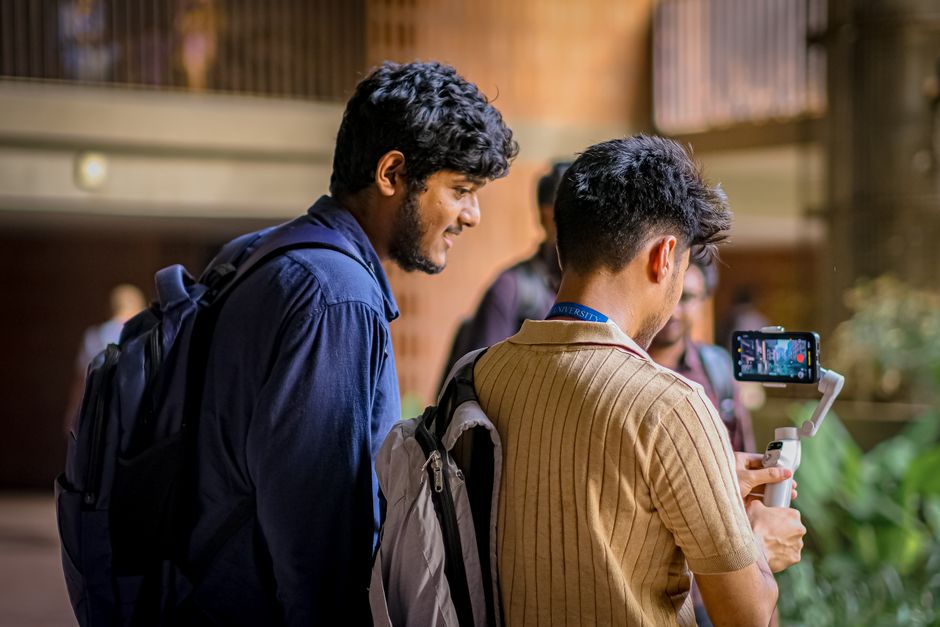
African study influencers are turning TikTok, Instagram, and YouTube into powerful learning spaces. From exam hacks to career guidance, they are reshaping how students across Africa learn and grow.
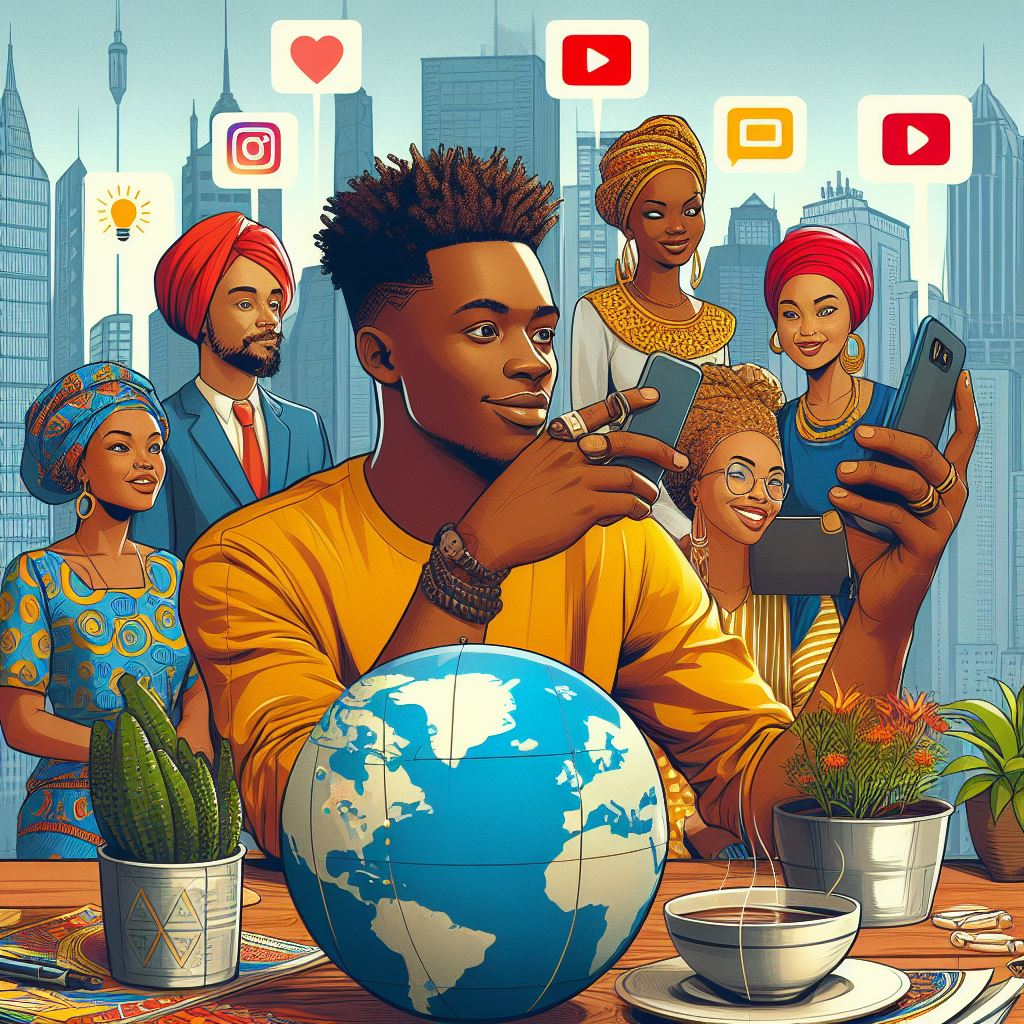
African education influencers are changing how students learn, revise, and plan their futures. Across TikTok, Instagram, and YouTube, they are turning short videos into study tools, career guides, and digital skill lessons that feel practical and easy to follow.
Furthermore, this shift matters because it meets students where they already spend time. Instead of waiting for formal lessons alone, many learners now use creator-led content for exam prep, motivation, and real-world advice.
African Education Influencers Are Turning Social Media Into a Classroom
Social platforms are no longer just for entertainment. They now support learning in clear, fast, and visual ways, especially for young people who want quick answers and simple explanations.

According to reporting on Black TikTok education trends, creators have transformed the app into a virtual classroom and expanded the idea of what online learning can be.[1][3] Similarly, TikTok has also highlighted education creators through creator education events across Sub-Saharan Africa, showing that the platform sees learning as a major content category.[9]
Meanwhile, African study influencers are using that same format for local needs. They break down maths shortcuts, share revision systems, explain university life, and teach digital skills such as Canva, coding basics, and freelancing.
- Study hacks help students revise faster and stay organized.
- Career guidance helps learners choose courses and paths with more confidence.
- Digital skills prepare young Africans for work, side hustles, and online opportunities.
Why African education influencers are growing fast
Firstly, students want content that feels relatable and useful. A creator speaking from Lagos, Nairobi, Accra, Johannesburg, or Kigali often connects better than a distant textbook voice.
Additionally, short-form video fits busy schedules and data limits better than long lectures. That makes it especially powerful in African markets where mobile-first learning keeps expanding.
Moreover, education creators often package complex ideas into memorable steps. This format helps learners return to the same clip again and again until the lesson sticks.
African Education Influencers on TikTok, Instagram, and YouTube
Each platform plays a different role in the learning journey. TikTok usually drives discovery, Instagram supports daily motivation and carousel tips, and YouTube gives room for longer lessons, explainers, and study vlogs.
Notably, TikTok remains the strongest space for fast educational reach. Reports about Black creators on TikTok show that educational content now spans history, literacy, and financial learning, not just dance trends.[1][3]
In Africa, that same model is visible in the rise of creator-led study pages and educator accounts. Furthermore, platform campaigns like TikTok Creator Education Days in South Africa, Nigeria, and other markets signal growing support for creator education ecosystems on the continent.[9]
What these creators usually post
Many African education influencers focus on content that solves everyday student problems. Their posts are often short, direct, and built for quick saving and sharing.
- Exam revision tips for secondary school and university students.
- Note-taking systems that help with memory and recall.
- Scholarship advice for local and international opportunities.
- Career guidance for students choosing degrees or first jobs.
- Digital skills tutorials for design, coding, writing, and remote work.
Consequently, these creators are not just making content. They are building learning habits that students can use every day.
Why African Study Influencers Matter for Students
Education content creators matter because they make learning feel less distant. They speak in simple language, use local examples, and often show the exact method they use to study or work.
However, their impact goes beyond motivation. They also help students feel seen, especially those who learn better through visuals, repetition, and peer-style teaching.
In addition, creators can reduce the fear that often surrounds hard subjects. A clear five-minute video on chemistry formulas or essay planning can remove the barrier that a long chapter creates.
Here is why the niche keeps growing across African audiences:
- Access: many tips are free and easy to find.
- Relatability: creators often share real student struggles.
- Consistency: daily posting builds learning routines.
- Trust: audiences follow creators who study, teach, or work in the field.
- Community: comments and live sessions turn learning into a shared experience.
How this trend supports African innovation
Importantly, this movement also fits Africa’s wider digital growth story. As mobile use rises, content creators are helping turn phones into learning tools, especially for young people outside major school hubs.
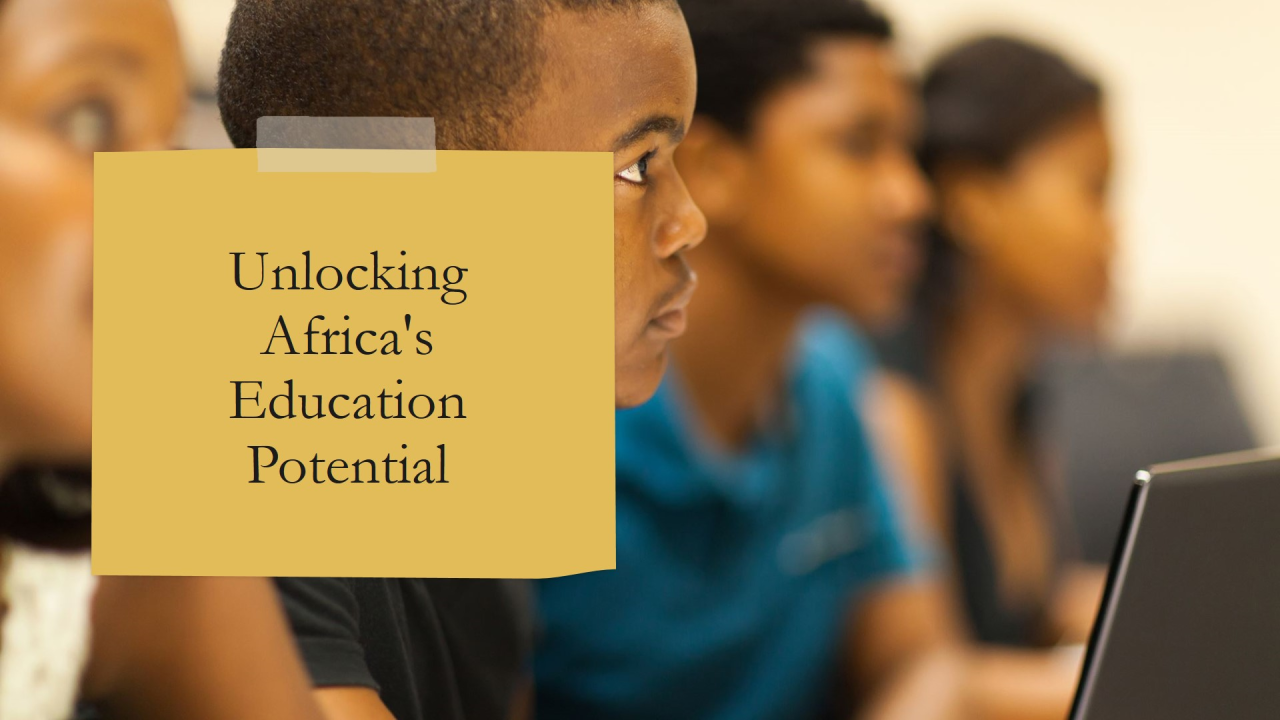
Furthermore, this space connects well with Technology, Education & Youth, and Business & Economy coverage on Topping Africa. It also overlaps with the rise of digital entrepreneurship, where knowledge itself becomes a product.
As a result, African education influencers sit at the intersection of learning and innovation. They show how content can inform, inspire, and prepare students for work.
Spotlight on the Content Formats Driving Results
Some formats work better than others because they fit how students consume content. Therefore, the strongest creators usually combine clarity, repetition, and strong visual structure.
For instance, a creator may use a 30-second TikTok to explain one study hack, then expand it into a YouTube video. Similarly, an Instagram carousel may turn that same lesson into a saveable checklist.
Most effective formats
- Quick tips videos for study habits and exam prep.
- Carousel posts that explain steps in order.
- Live Q&A sessions for career and scholarship questions.
- Study-with-me vlogs that build discipline through routine.
- Skill tutorials that teach software, writing, or design.
Meanwhile, creators who show their own routines tend to build stronger trust. Students often want proof that the advice works in real life.
African Education Influencers by Country: Where the Momentum Is Strongest
The education niche is not limited to one country. It is growing across the continent, with different countries contributing different strengths and audiences.

Moreover, platforms and creator directories have already highlighted South African education influencers as a visible segment of this space.[7][8] At the same time, broader African creator culture continues to expand through TikTok and Instagram, where educational content blends with lifestyle, humor, and career advice.[2][9]
South Africa
South African creators often lead with structured explainers, teaching support, and school-to-career content. The market also benefits from strong English-language creator discovery and active school-age audiences.[7][8]
Furthermore, many South African education influencers use Instagram and TikTok to share revision templates, exam motivation, and practical advice for students balancing school and side projects.
Nigeria
Nigeria’s creator economy gives education content a large, energetic audience. Students here often look for JAMB tips, university advice, scholarship guidance, and remote work skills.
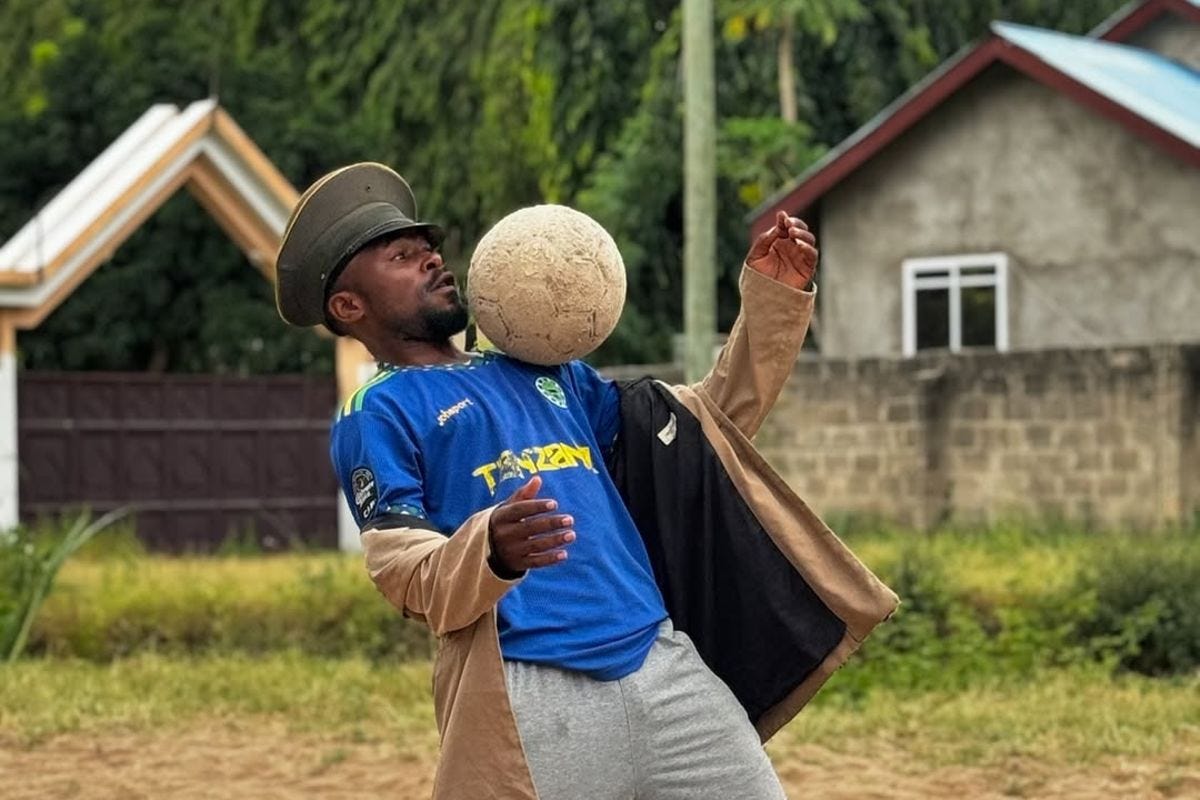
Additionally, the country’s huge youth market makes short, useful videos easy to spread quickly. That gives educational creators a strong chance to build loyal communities.
Kenya
Kenyan creators often mix study content with digital skills, entrepreneurship, and career planning. This combination works well for students looking beyond the classroom.
Meanwhile, more learners now use creator content to understand online income, job applications, and practical tools for the modern workplace.
Ghana
Ghanaian education creators often focus on school success, career confidence, and digital opportunity. Their content usually feels community-based and supportive.
Consequently, they attract students who want both motivation and a clear plan.
What Makes an African Education Creator Stand Out
Not every creator in this space becomes influential. The best ones combine trust, clarity, and consistency with real usefulness.
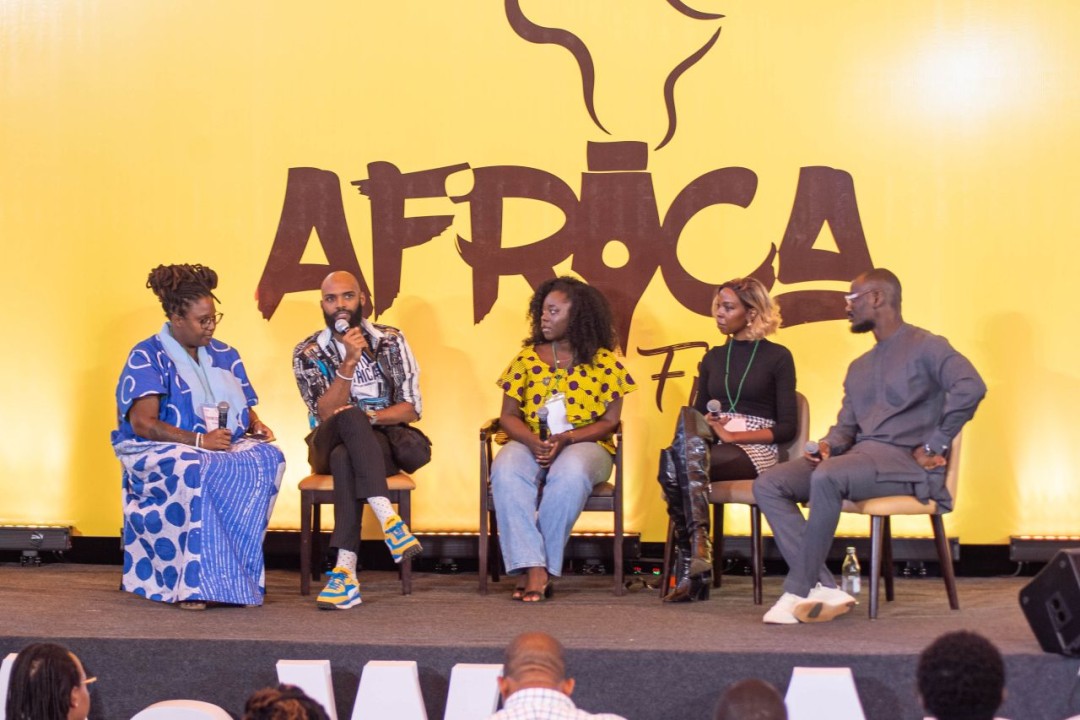
In addition, they speak with purpose. They do not chase trends for the sake of attention alone.
Here are the traits that matter most:
- Clear teaching style that avoids unnecessary jargon.
- Local relevance through examples students recognize.
- Consistent posting that keeps followers engaged.
- Practical advice that students can act on immediately.
- Strong personality that makes learning feel human.
Ultimately, the strongest creators build both attention and trust. That is why students return to them during exams, career decisions, and skill-building phases.
How Brands and Institutions Can Work With African Education Influencers
Brands, schools, and edtech companies can learn a lot from this creator wave. Instead of treating students as passive viewers, they can meet them through trusted voices.
However, partnerships must stay useful. Educational audiences quickly reject content that feels forced, vague, or overly commercial.
Therefore, the best collaborations focus on value. Examples include scholarship campaigns, device access, learning apps, exam prep resources, and digital literacy support.
- Schools can invite creators for student mentoring campaigns.
- Edtech brands can sponsor tutorials and learning challenges.
- Employers can support career content for graduates.
- NGOs can use creators to reach underserved learners.
Additionally, these partnerships help extend learning beyond classrooms. They also build a stronger link between education, media, and opportunity.
What Students Should Look For Before Following a Creator
Students benefit most when they follow creators with real value. Not every viral page offers accurate or useful advice.
Meanwhile, audiences should check whether the creator has experience, clear explanations, and a track record of helpful posts. This protects learners from weak guidance and keeps their attention on quality content.
Smart ways to choose creators
- Check credibility: look for real study, teaching, or work experience.
- Review consistency: useful pages post regularly.
- Test the advice: see if the tips work for your routine.
- Follow relevance: choose creators aligned with your grade or goals.
- Mix your sources: use creators alongside textbooks and teachers.
Furthermore, students should treat creator content as support, not replacement. The best results come when social learning works alongside formal study.
Explore More on Topping Africa
If you want to keep tracking this growing space, explore more coverage across Topping Africa. Discover how African youth, digital creators, and innovation are reshaping the continent’s future.
- Technology for digital skills, apps, and creator tools.
- Business & Economy for the creator economy and youth income trends.
- Culture & Lifestyle for the people and trends shaping modern African life.
In addition, you can read more about the fast-changing world of Education & Youth and Africa News for broader context.
Share your thoughts: which African education influencers are helping students learn better in your country? Leave a comment below and explore more stories that spotlight African talent, innovation, and youth-led change.
Notably, the rise of African study influencers shows that learning no longer lives only in classrooms. It now lives on phones, in feeds, and in creator communities that students trust.
Moreover, this shift is likely to keep growing as more young Africans look for flexible, low-cost, and practical ways to learn. The creators who win will be the ones who teach well, stay authentic, and serve real needs.
Additionally, the next wave of influence may come from creators who blend education with career advice, entrepreneurship, and digital tools. That is where attention, trust, and opportunity meet.
Therefore, if you are a student, parent, educator, or brand, this is a space worth watching closely. The classroom is expanding, and African creators are helping lead the way.
Read more about the future of African youth learning, and subscribe to stay updated on the creators and ideas changing the continent.
Who to Watch in African Education Influencers
The education niche still has room for more regional voices, especially creators who speak local languages and local exam systems. That makes it one of the most exciting growth areas in African influencer culture.

Furthermore, audiences increasingly want creators who can bridge school, skill, and career in one place. That means the next breakout education voices may come from teachers, students, graduates, and self-taught professionals alike.
Ultimately, the strongest creators will keep making learning feel practical, modern, and worth sharing. That is the real power behind this movement.
Discover more about African creators who are building useful, inspiring, and future-focused communities across the continent.
Suggested internal reads
Moreover, if you are building a creator strategy or education campaign, this niche offers a clear path to real engagement. The key is to respect the audience and deliver practical value every time.
Finally, keep an eye on how study content continues to move from TikTok to textbooks, and from casual scrolling to serious learning habits.

Staff
Contributing writer at Topping Africa.
0 Comments
No comments yet. Be the first to share your thoughts!