
How African Creators Are Turning Culture Into a Global Creative Economy
African creators are converting music, film, fashion, food, and storytelling into scalable global businesses — and the importance of African culture has never carried more economic weight. This article breaks down exactly how the continent's creative economy works, what's driving its global rise, and the IP and business strategies creators need to own their share of it.
The Importance of African Culture in a New Global Economy
The importance of African culture has never been more visible — or more monetizable. Afrobeats fills arenas in London and São Paulo. Nollywood films trend on Netflix. Ankara prints walk runways in Paris. What was once dismissed as "regional" is now a global commercial force, and the creators driving it are building real, scalable businesses around it.
This is not a moment. It is a structural shift. Africa's creator economy is projected to be worth over $100 billion by 2030, according to estimates from McKinsey's Africa digital economy research. The continent has the world's youngest population, the fastest-growing internet user base, and a cultural output that global audiences are actively seeking. The question is no longer whether African culture has global value. The question is: who captures that value, and how?
This article breaks down exactly how music, film, fashion, food, and storytelling are becoming scalable business categories — and what African creators need to know to own their share.

Music: From Afrobeats Streams to Full Creative Enterprises
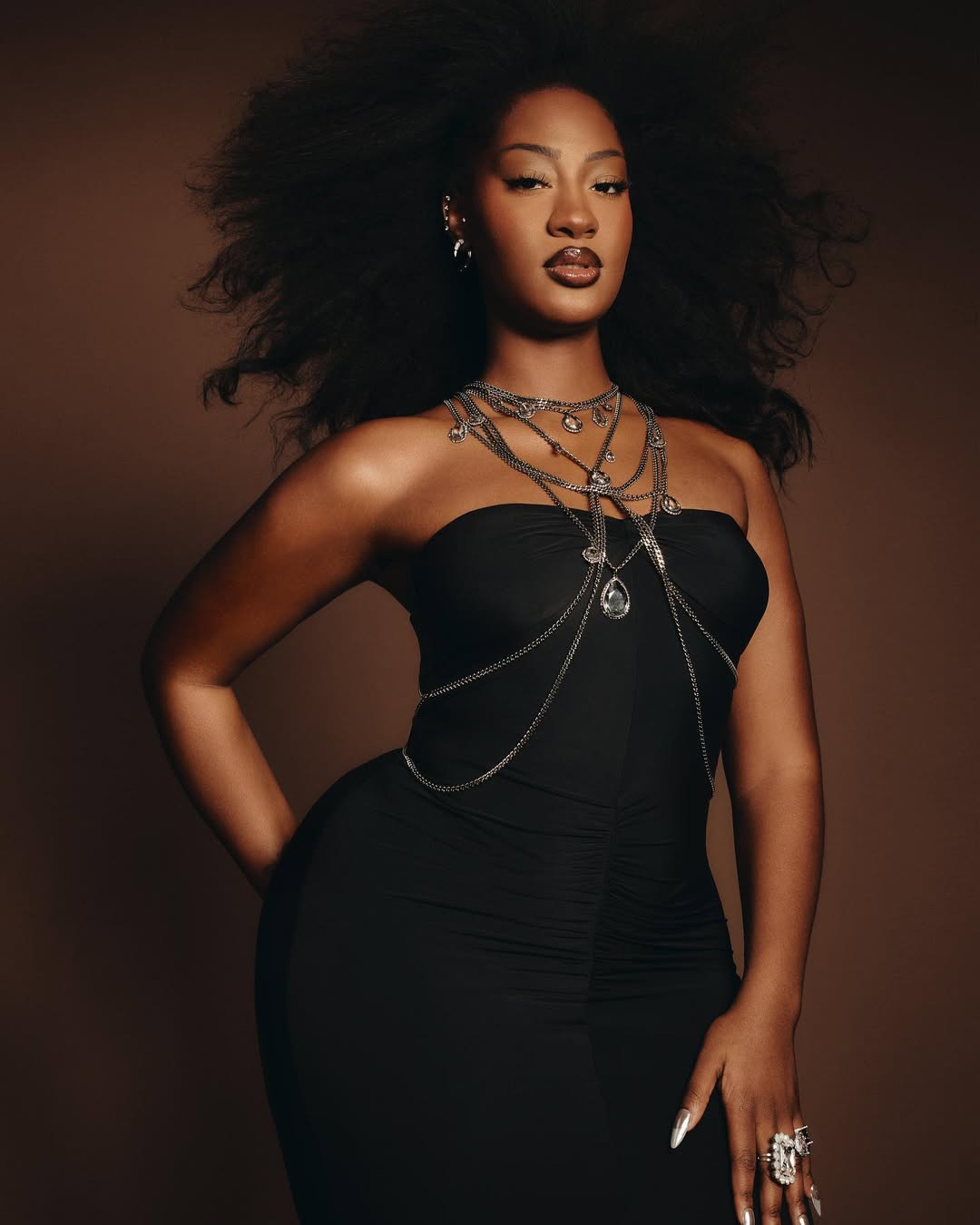
Afrobeats is the clearest proof that African cultural exports can command global commercial infrastructure. Burna Boy, Wizkid, and Tems are not just artists — they are brand ecosystems. Merchandise lines, brand partnerships, touring revenue, sync licensing, and publishing rights all flow from a single cultural identity rooted in West African sound.
But the opportunity is not reserved for superstars. Mid-tier African artists with 50,000–500,000 monthly Spotify listeners are now generating meaningful income through sync deals — placing tracks in ads, TV shows, and film trailers. The key is rights ownership. Artists who signed away masters early are watching others profit from their catalog. Those who retained rights, even on smaller labels or through distribution platforms like DistroKid or Amuse, are compounding earnings over time.
Afrobeats is also diversifying geographically. Bongo Flava from Tanzania, Afropop from Ghana, and Amapiano from South Africa are each carving distinct global audiences. East African creators are already redefining cultural reach on TikTok and Instagram, proving that the music economy is not a Lagos monopoly.
The common mistake? Treating streaming as the business model. Streaming pays fractions of a cent per play. The real money lives in licensing, live performance, and brand partnerships — and those require an intentional business structure, not just a great song.
Film and Storytelling: Nollywood's Infrastructure Moment
Nollywood produces roughly 2,500 films per year, making it the second-largest film industry by volume in the world. Yet for decades, distribution bottlenecks kept its revenue potential contained. That is changing fast. Netflix, Prime Video, and Showmax have signed multi-title deals with Nigerian and Kenyan studios. The South African government's film incentive program is actively attracting foreign co-productions. Read what the South Africa Film Incentive means for Nollywood and global streamers.
Funke Akindele's Everybody Loves Jenifa did not just break Nigerian box office records — it shattered them in the UK too, proving that diaspora audiences are a serious commercial segment, not an afterthought. The numbers behind that UK box office performance are a blueprint for how African filmmakers should think about international release strategy.
Storytelling extends beyond film. Podcasts, newsletters, and long-form YouTube content built around African history, business, and identity are attracting sponsorships from global brands seeking authentic access to African and diaspora audiences. A podcast with 20,000 loyal listeners in a specific niche — say, African fintech or West African food culture — is worth more to the right sponsor than a generic show with ten times the audience.
What Filmmakers and Storytellers Often Get Wrong
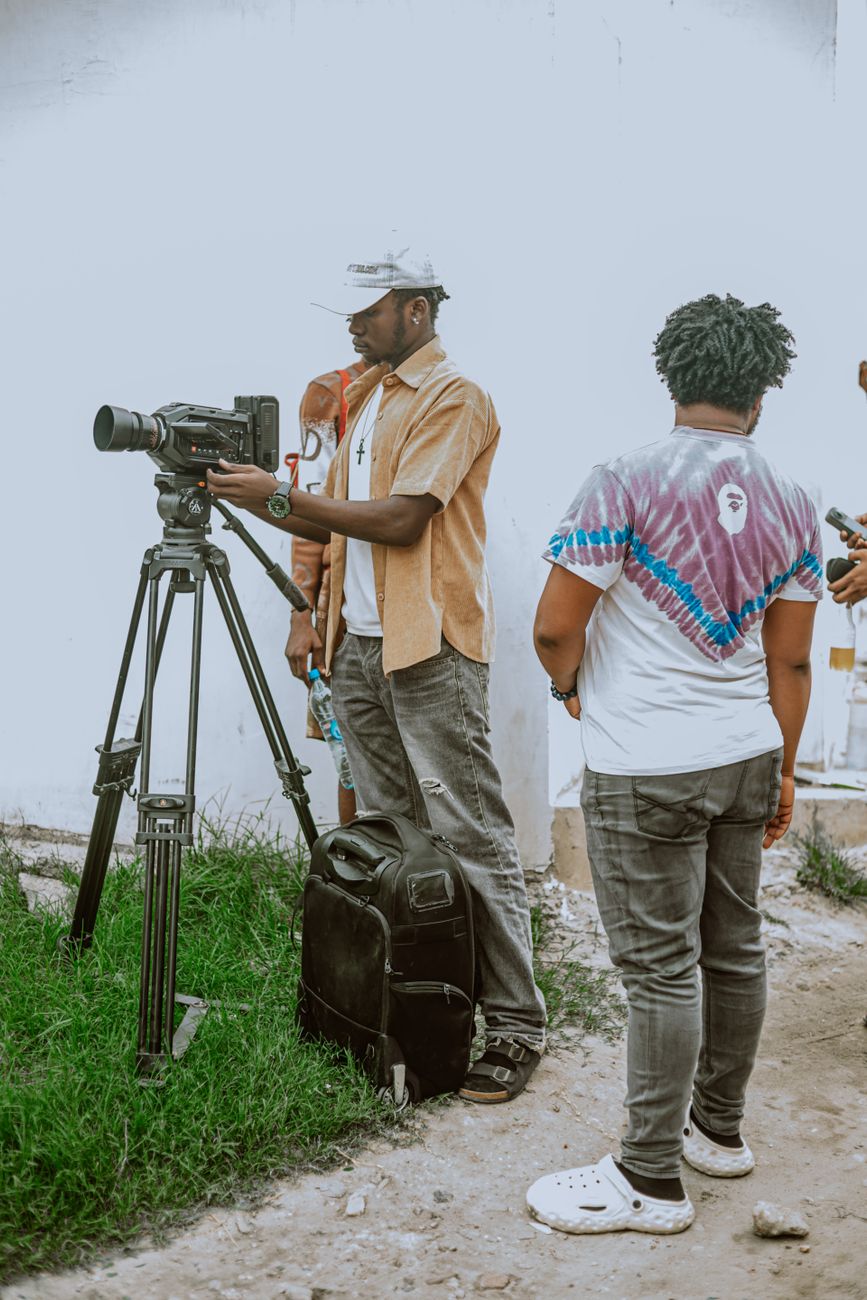
The biggest trap in African film and content is undervaluing intellectual property. Many creators sell full rights to a story, a character, or a format for a one-time fee — then watch the buyer monetize it for years. Retain rights wherever possible. License, don't sell. If a sale is unavoidable, negotiate for backend royalties and sequel rights.
Distribution is the other gap. A great film with no distribution strategy is a private screening. African creators need to understand the difference between theatrical distribution, SVOD licensing, and AVOD monetization — and build a release plan that uses all three in sequence.
Fashion: Heritage as a High-Value Design Language
African fashion is not a trend. It is a design language with thousands of years of precedent, and global luxury brands have been borrowing from it — often without credit or compensation — for decades. The shift happening now is that African designers are claiming the narrative and the margin.
Lagos-based designers like Kenneth Ize have shown at Paris Fashion Week. Maxhosa Africa has dressed global celebrities and expanded into homeware. Adama Paris built a pan-African fashion week ecosystem. These are not anomalies — they are early movers in a market that Business of Fashion estimates will grow significantly as African middle-class consumers increase purchasing power.
The scalability challenge in fashion is production. A designer who can make 50 pieces cannot fulfill a 5,000-unit order from a global retailer. The creators who are breaking through this ceiling are those who separated design from manufacturing early — partnering with factories in Ethiopia, Morocco, or Portugal while keeping creative direction in-house.
E-commerce is the other accelerant. African fashion brands selling directly to diaspora consumers in the US, UK, and Canada are bypassing wholesale margins entirely. Platforms like Etsy and Shopify, combined with Instagram and TikTok content, have allowed solo designers to build six-figure businesses without a single retail partnership. Discover 10 creator-led African heritage brands already doing this at scale.
Food: The Most Underrated Vertical in the African Creator Economy
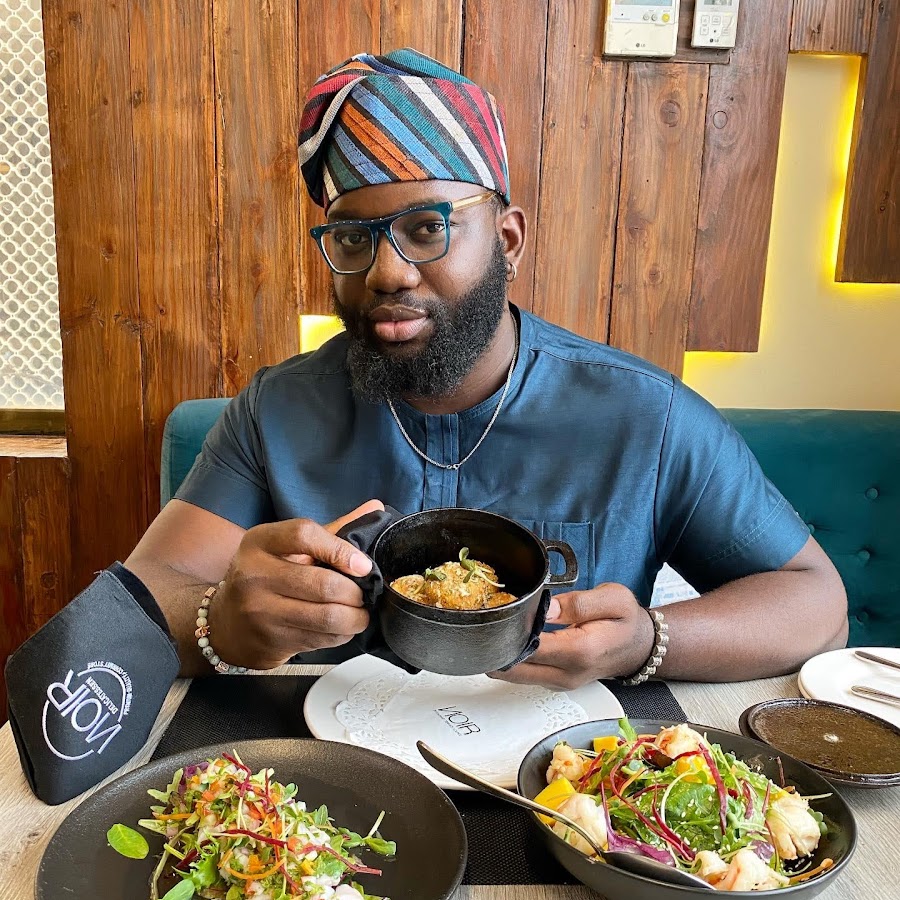
African food is having a cultural moment — but the business infrastructure around it is still nascent, which means the opportunity is enormous for creators who move now. Jollof rice wars generate millions of social media impressions. Nigerian pepper soup, Moroccan tagine, and Ethiopian injera are appearing on menus in Michelin-starred restaurants. Yet very few African food creators have converted that cultural attention into durable business revenue.
The creators who are winning in this space are not just cooking on camera. They are building layered revenue stacks:
- YouTube ad revenue from long-form recipe content
- Brand partnerships with food companies seeking authentic African audience access
- Digital cookbooks and courses sold directly to a loyal audience
- Product lines — spice blends, sauces, and pantry staples sold via e-commerce
- Restaurant consulting and pop-ups for hospitality brands entering African cuisine
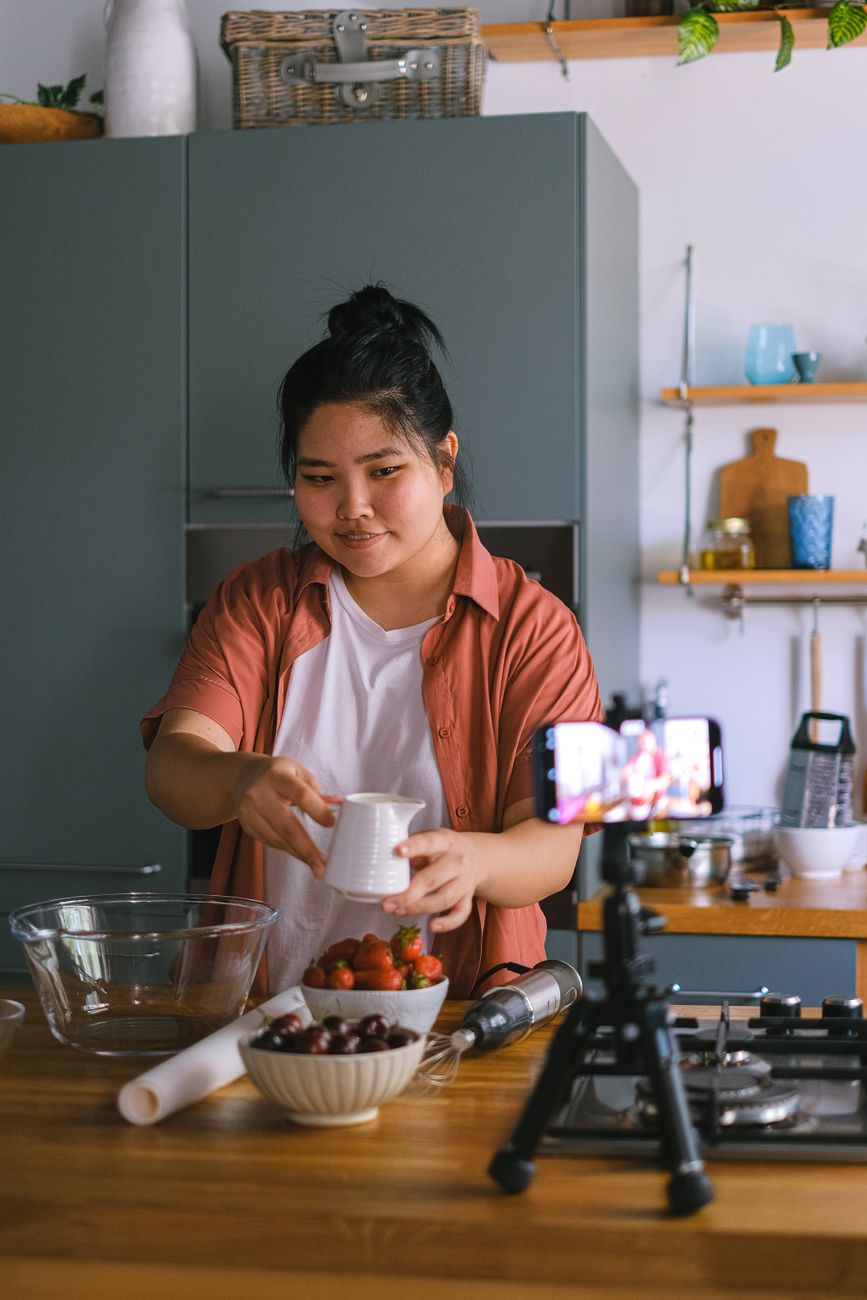
The mistake most food creators make is staying in content mode too long. Content builds the audience. The audience is the asset. The asset needs to be monetized through products and services, not just ad revenue. A creator with 200,000 YouTube subscribers and a well-positioned spice blend can generate more annual revenue than one with 2 million subscribers relying solely on AdSense.
Intellectual property matters here too. Recipes are difficult to copyright, but brand identity, packaging design, and proprietary blends can be protected. African food creators should think like CPG (consumer packaged goods) founders, not just content producers.
Intellectual Property: The Foundation African Creators Cannot Afford to Ignore
Across every vertical — music, film, fashion, food, storytelling — the creators who build lasting wealth are those who understand and protect their intellectual property. This is the single biggest gap in Africa's creator economy, and it is also the single biggest opportunity for those willing to close it.
IP protection in Africa is improving. The African Regional Intellectual Property Organization (ARIPO) covers 22 member states and offers trademark and patent registration across borders. Nigeria's Copyright Commission has strengthened enforcement. South Africa's Companies and Intellectual Property Commission (CIPC) processes trademark applications online.
But registration is only the start. African creators need to understand licensing structures, work-for-hire clauses, and rights reversion — the legal mechanism that allows creators to reclaim rights after a set period. Many creators sign contracts that strip these rights permanently, often because they did not have legal counsel at the moment of signing.
The actionable step: before signing any content, distribution, or brand deal, have a lawyer review the IP clauses. If you cannot afford a lawyer, organizations like the Creative Commons Africa network and various pan-African creator guilds offer free legal clinics. Protecting your work is not a luxury — it is the foundation of every business model in this economy.
Building a Culture-Led Business: What Scales and What Doesn't
Not every cultural product scales the same way. Understanding which models compound over time — and which plateau — is critical for African creators making strategic decisions about where to invest energy.
What scales well:
- Digital products — courses, e-books, templates, and music catalogs that sell repeatedly with no added production cost
- Licensing deals — one asset (a song, a design, a character) generating recurring revenue across multiple platforms and uses
- Community and membership models — a loyal audience paying monthly for exclusive access, which creates predictable recurring revenue
- Brand equity — a strong, consistent cultural identity that commands premium pricing and partnership interest
What plateaus:
- One-off brand deals with no long-term partnership structure
- Content volume strategies that prioritize output over audience depth
- Physical products without e-commerce infrastructure and logistics partnerships
- Revenue models that depend entirely on a single platform's algorithm
The creators who are building real companies — not just content channels — are diversifying revenue early, protecting IP, and treating their cultural identity as a brand asset with long-term equity. Explore how to build a sustainable creator career in Africa with the right platforms and monetization strategy.
The Global Audience Is Already Watching — Are African Creators Ready?
The demand for African cultural content is not a future projection. It is a present reality. TikTok's algorithm has made Amapiano a global dance trend. Netflix's investment in African originals is accelerating. The African diaspora — estimated at over 170 million people worldwide — is an affluent, culturally connected consumer base actively seeking authentic African products, stories, and experiences.
The gap is not demand. The gap is supply-side infrastructure: rights management, international distribution, e-commerce logistics, and business literacy among creators. Closing that gap is the work of this decade, and the creators and entrepreneurs who do it will define Africa's position in the global creative economy for generations.
The importance of African culture was never in question among those who lived it. Now the world has caught up. Discover the creators already leading this movement and find your place in the ecosystem at Topping Africa's creator directory — or promote your own work to a global audience that is actively looking for what you create.
Staff
Contributing writer at Topping Africa.
0 Comments
No comments yet. Be the first to share your thoughts!