
African Diaspora Goods: 10 Creator-Led Brands Turning Heritage Into Global Products
The market for African diaspora goods has moved from niche to global force — and creator-led brands are leading the charge. From Denim Tears' historical fashion statements to Nubian Skin's inclusive lingerie, these 10 brands show exactly how heritage becomes a commercially serious, globally relevant product. Here is what every creator building in this space needs to know.
The market for African diaspora goods is no longer niche — it is a genuine global force. From Denim Tears selling out at Dover Street Market to Ghanaian-owned beauty brands stocked on Sephora shelves, diaspora creators are proving that cultural heritage is not just a story to tell. It is a product to sell, a brand to build, and a legacy to scale. This list spotlights ten creator-led brands that are doing exactly that — converting deep cultural roots into ethical, commercially serious, globally relevant products.
What separates these brands from trend-chasing "Afrocentric" aesthetics is specificity. They reference particular communities, rituals, textiles, and histories — not a vague, pan-African mood board. That specificity is also what makes them rank in search, resonate with buyers, and earn press coverage that generic lifestyle brands never get. If you are a creator thinking about building a product brand, pay close attention to the mechanics behind each entry below.

Why African Diaspora Goods Are Having a Cultural and Commercial Moment
Global consumer spending on culturally authentic goods has accelerated sharply. According to McKinsey's research on the Black consumer opportunity, Black consumers in the US alone represent over $300 billion in annual spending power, with a strong preference for brands that authentically reflect their identity. The diaspora creator who builds a brand around their grandmother's Kente weaving technique or their Lagos street-food memory is not just making art — they are targeting a massive, underserved market.
Denim Tears, founded by Tremaine Emory, is the clearest recent example of this dynamic. Emory's brand uses the cotton wreath motif to reference the transatlantic slave trade directly — uncomfortable, specific, and impossible to ignore. The result? Collaborations with Levi's, Supreme, and Converse, plus museum-level critical attention. That is the power of committed specificity over safe aesthetics.
Diaspora creators on platforms like Topping Africa's creator directory are building similar brand equity — often with far smaller budgets but equally powerful cultural capital. The ten brands below show the range of categories where this is happening right now.
1. Denim Tears — Fashion as Historical Testimony
Founder: Tremaine Emory (USA/UK) | Category: Fashion
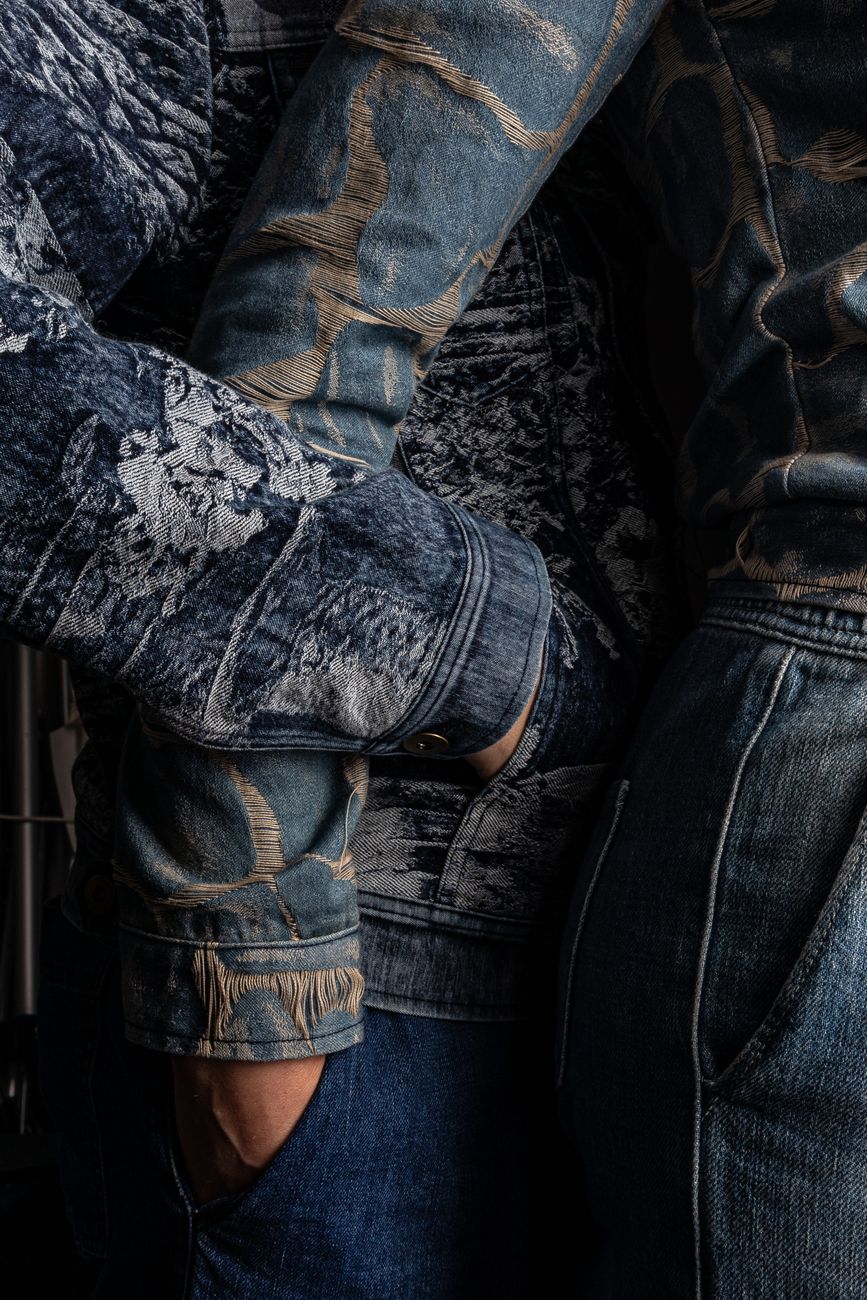
Denim Tears is the benchmark every diaspora brand gets measured against right now. Emory, who is Black American with roots tracing to the African continent through the transatlantic slave trade, built a brand that treats every garment as a primary source document. The cotton wreath is not decorative — it is a direct citation of enslaved African labor in American cotton fields.
The commercial model is smart. Limited drops create scarcity. High-profile collaborations (Levi's, Converse, ERL) generate press and secondary market value. And the brand's refusal to over-explain its references rewards customers who do the cultural homework. This is a masterclass in intellectual brand-building — the product earns its price point through meaning, not just materials.
- Key lesson: Specificity of historical reference builds brand authority faster than broad "African pride" messaging.
- Trade-off: Hyper-specific narratives require consistent education marketing — the brand must always be teaching.
- Revenue model: Limited drops + brand collaborations + licensing.
2. Adanola — Afro-Minimalist Activewear With Diaspora DNA

Founder: Fabian Hirose (UK) | Category: Activewear / Lifestyle
Adanola has grown from a UK-based DTC activewear brand into a global name, with its clean, earth-toned palette drawing directly from West African design sensibility — understated, warm, built for movement. The brand does not shout its African roots. Instead, it embeds them in color theory, silhouette, and material choice.
That subtlety is a deliberate commercial strategy. Adanola sells to customers who may not consciously identify with African diaspora culture but are drawn to an aesthetic shaped by it. The brand reportedly crossed £10 million in revenue within four years of launch — proof that diaspora-informed design can scale without cultural compromise.
- Key lesson: Heritage can inform a brand's DNA without being its explicit marketing hook.
- Trade-off: Subtle cultural coding risks being erased from the brand's story as it scales and hires non-diaspora marketers.
- Revenue model: DTC e-commerce + influencer seeding + wholesale.
3. SKNHEAD — Afro Hair Care Rooted in Caribbean and West African Tradition

Founder: Joanna Kurylak & Funmi Fetto (UK) | Category: Beauty / Hair Care
SKNHEAD launched with a clear thesis: Afro and textured hair care had been either ignored by mainstream beauty or served by brands that did not actually understand the hair. Co-founder Funmi Fetto, a British-Nigerian beauty journalist, brought editorial authority and community trust that no amount of paid advertising could replicate.
The product formulations draw on West African botanical traditions — shea, baobab, black seed oil — but the brand positions these ingredients through the lens of modern cosmetic science. That dual fluency (traditional knowledge + clinical credibility) is what gets diaspora beauty brands onto Sephora shelves. SKNHEAD's launch press coverage included Vogue and The Guardian — earned media that money cannot buy.
- Key lesson: Combining traditional ingredient knowledge with clinical formulation language opens mainstream retail doors.
- Trade-off: Scaling production while maintaining ingredient integrity and ethical sourcing is the hardest operational challenge in this category.
- Revenue model: DTC + premium retail partnerships.
4. Bantu Wax — African Print Surf and Outdoor Wear

Founder: Kristin Docter (USA/Senegal) | Category: Fashion / Outdoor
Bantu Wax is one of the most genuinely unexpected entries in the African diaspora goods space. The brand makes surf and outdoor apparel using authentic African wax-print fabrics — a category collision that should not work on paper but absolutely does in practice. The result is a product that speaks to both the global outdoor market and the African diaspora community simultaneously.
Sourcing is a core part of the brand story. Bantu Wax works directly with fabric producers in West Africa, which keeps supply chains transparent and gives the brand a legitimate ethical sourcing narrative. In a market where "ethical" is often a marketing claim rather than a practice, that supply chain specificity is a genuine differentiator.
- Key lesson: Category collision (African print + outdoor/surf) creates a defensible niche that larger brands cannot easily copy.
- Trade-off: Educating outdoor retailers and buyers about the cultural significance of wax print requires sustained effort.
- Revenue model: DTC + outdoor specialty retail + wholesale.
5. Alara Lagos — Luxury Retail as Cultural Curation

Founder: Reni Folawiyo (Nigeria/UK) | Category: Luxury Fashion / Retail
Alara is less a single product brand and more a curatorial institution — a Lagos-based luxury concept store that stocks African and diaspora designers alongside global luxury labels. Folawiyo's model argues that African luxury consumers deserve a retail experience built around their own aesthetic context, not a replica of a Paris or New York boutique.
The store itself, designed by David Adjaye, is a product. It signals to global luxury brands that Lagos is a serious market and to African designers that their work belongs in the same physical space as Gucci or Valentino. Several brands that launched through Alara have since gained international distribution — making it a de facto incubator for African diaspora goods at the luxury end of the market.
- Key lesson: Retail curation can be a product in itself — the environment you build shapes the perceived value of everything inside it.
- Trade-off: The luxury positioning limits accessibility, which creates tension with community-oriented brand values.
- Revenue model: Retail margin + brand partnerships + cultural programming.
6. Graza x Diaspora Co. — African and South Asian Spice Meets Premium Food
Founder: Sana Javeri Kadri (Diaspora Co., USA/India) | Category: Food / Grocery
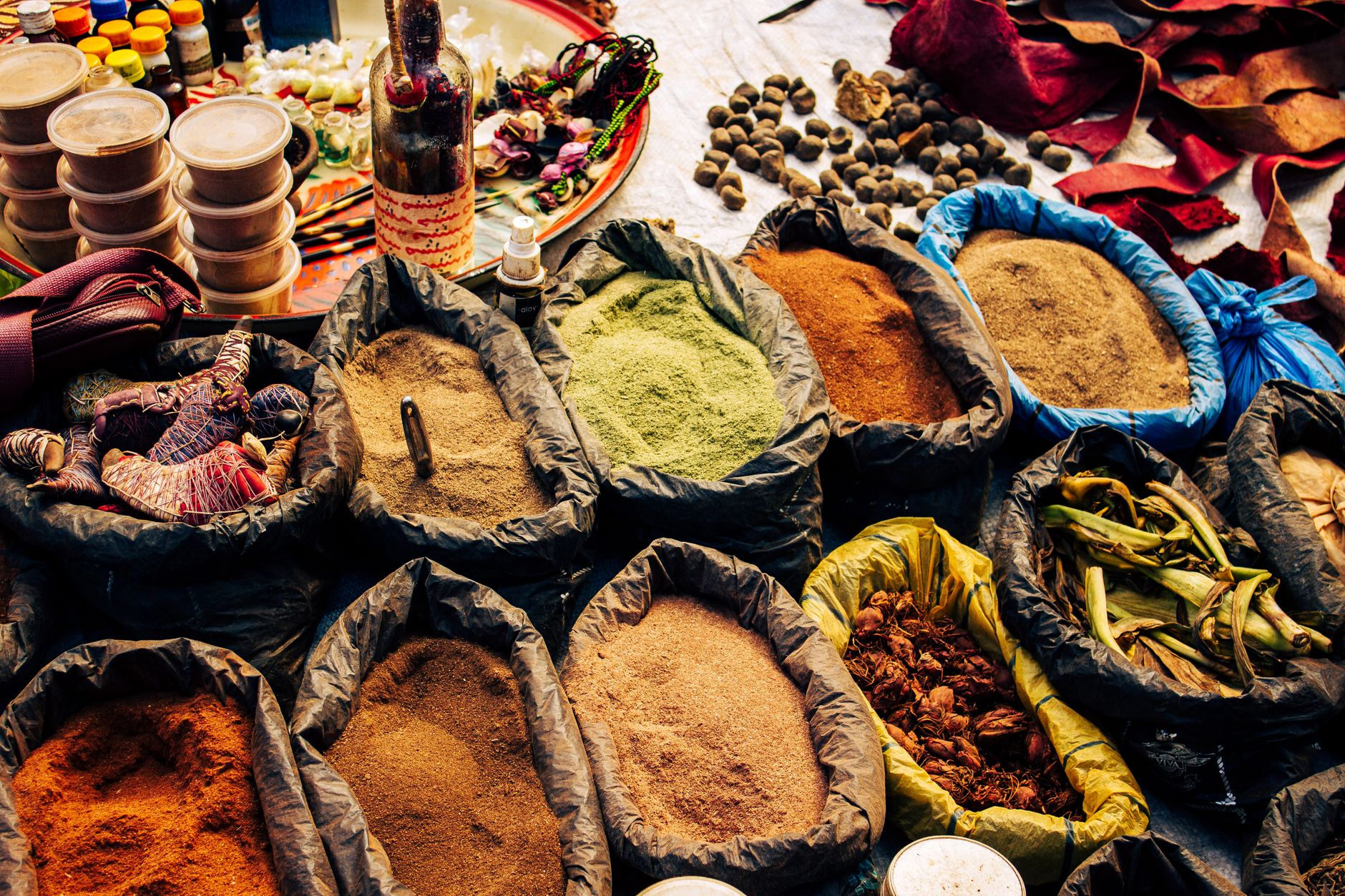
While Diaspora Co. is rooted in South Asian spice heritage, its model is the clearest template for African diaspora food brands to follow. Diaspora Co. pays farmers 2-3x commodity prices, publishes full supply chain transparency, and markets single-origin spices as premium products — not commodities. The brand's approach has been cited by Business Insider as a blueprint for ethical food sourcing.
African diaspora food brands applying this model — think single-origin Ugandan vanilla, traceable Ghanaian cacao, or small-batch Moroccan preserved lemons — have a massive market gap to fill. The premium grocery buyer already understands the language of provenance and ethics. The opportunity is to own the African continent's incredible ingredient diversity within that conversation.
- Key lesson: Single-origin + supply chain transparency + premium pricing is a proven model that African food brands can adopt directly.
- Trade-off: Building direct farmer relationships across African supply chains requires significant upfront investment and time.
- Revenue model: DTC subscription + specialty grocery retail + food service.
7. Awa Meité — Couture Rooted in Malian Textile Heritage
Founder: Awa Meité (Mali/France) | Category: Fashion / Couture
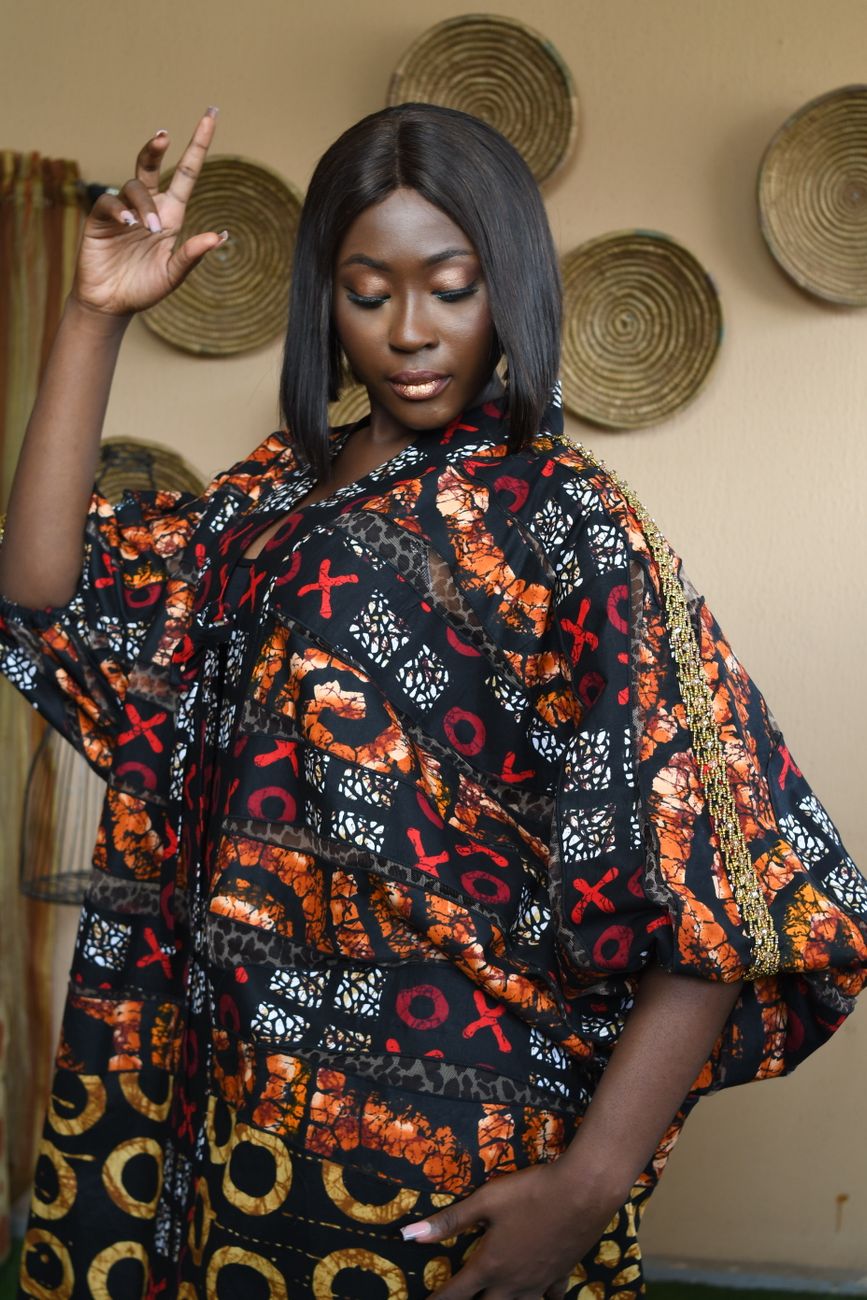
Awa Meité works with Malian bogolan (mudcloth) — a hand-dyed, hand-woven textile with centuries of history — and transforms it into contemporary couture silhouettes. Her work has been shown at Paris Fashion Week, placing African textile heritage in the world's most scrutinized fashion context without diluting it.
The brand's production model is deliberately artisanal. Every piece involves Malian weavers and dyers, which keeps the supply chain local and the cultural knowledge active. This is not just ethical sourcing — it is cultural preservation as a business strategy. As bogolan gains global recognition, Meité's brand is positioned as the authoritative source.
- Key lesson: Artisanal production constraints can become a premium brand asset rather than a scalability problem.
- Trade-off: Artisanal scale limits revenue ceiling — the brand must pursue licensing or collaboration to grow beyond couture.
- Revenue model: Made-to-order couture + brand collaborations + cultural institution partnerships.
8. Kente Gentleman — Menswear That Reclaims Formal African Dress
Founder: Kofi Otieku (Ghana/UK) | Category: Fashion / Menswear
Kente Gentleman builds contemporary menswear around Ghanaian Kente cloth — specifically targeting the diaspora professional who wants to wear their heritage to a board meeting, a wedding, or a gallery opening without choosing between cultural identity and formal dress codes. The brand's customer is not a tourist buying a souvenir. They are a second-generation Ghanaian in London who has never had a tailored option that speaks to both worlds.
That precise customer definition is the brand's strongest asset. Every design decision — collar construction, fabric weight, lining choice — is made for someone navigating two cultural contexts simultaneously. This level of customer specificity is what separates brands that build loyal communities from those that chase broad appeal and find neither.
- Key lesson: Designing for a specific cultural tension (heritage vs. professional dress codes) creates a product no mainstream menswear brand can replicate.
- Trade-off: The niche customer base requires community-led marketing — paid advertising alone will not build the trust this buyer needs.
- Revenue model: Made-to-measure + capsule collections + diaspora community events.
9. Nubian Skin — Inclusive Lingerie Built for Darker Skin Tones
Founder: Ade Hassan (UK/Sudan) | Category: Fashion / Lingerie
Nubian Skin launched in 2014 with a simple, devastating observation: "nude" lingerie was designed for white skin, and women with darker skin tones had been invisible to the lingerie industry for decades. Hassan, British-Sudanese, built a brand around four "nude" shades specifically calibrated for brown and Black skin — before Rihanna's Fenty Beauty made this conversation mainstream.
The brand's early-mover advantage in inclusive lingerie is significant. Nubian Skin is now stocked in major department stores globally and has been cited as a direct influence on how mainstream brands now approach shade range development. This is a case where a diaspora creator's lived experience produced a product insight that the entire industry had missed.
- Key lesson: Identifying a product gap that mainstream brands have ignored due to their own demographic blind spots is one of the most defensible brand positions available to diaspora creators.
- Trade-off: Once mainstream brands adopt inclusive shade ranges, the differentiator shifts — the brand must deepen community loyalty and brand story to stay ahead.
- Revenue model: DTC + department store wholesale + brand collaborations.
10. Sika' Design — Ghanaian Handcraft for the Global Home
Founder: Theresa Liane Toft (Ghana/Denmark) | Category: Home / Lifestyle
Sika' Design produces furniture and home accessories made by Ghanaian artisans using traditional basket-weaving and woodworking techniques. The brand sells primarily to European and North American interior design markets — positioning Ghanaian craft as a premium home goods category rather than a souvenir or charity purchase.
The pricing is deliberately premium. A Sika' chair retails at a price point comparable to Scandinavian design brands — because the brand argues, correctly, that the skill and time involved in Ghanaian handcraft deserves that valuation. This is the clearest example of African diaspora goods competing on quality and design merit, not on price or exoticism.
- Key lesson: Premium pricing for African craft is not only defensible — it is necessary for sustainable artisan livelihoods and brand longevity.
- Trade-off: Educating Western interior design buyers about Ghanaian craft traditions requires significant content marketing investment.
- Revenue model: Interior design trade sales + DTC e-commerce + hospitality contracts.
What Every Creator Can Take From These 10 Brands
Across fashion, beauty, food, and home goods, the same pattern holds. The most successful African diaspora goods brands share three structural traits: radical specificity in cultural reference, transparent supply chains that make the ethics legible, and premium positioning that refuses to apologize for the value of African craft and knowledge.
The common mistake diaspora creators make when launching product brands is going too broad too fast — trying to serve "all Africans" or "all Black consumers" before they have proven the product with a specific community. Every brand on this list started with a narrow, well-defined customer and expanded from there. That discipline is not a limitation. It is the strategy.
If you are building in this space, the infrastructure for discovery and promotion is growing fast. Platforms like Topping Africa's Explore page are actively connecting diaspora creators with audiences and brand partners across the continent and globally. And the financial mechanics of diaspora brand-building — including how remittances and diaspora investment flow back into African creative economies — are explored in depth in this piece on African diaspora money and innovation.
The global appetite for authentic, creator-led African diaspora goods is real, growing, and still largely unsatisfied. The creators who move now — with specificity, ethical supply chains, and premium confidence — will own the category for the next decade. Discover more African creators building at this intersection at Topping Africa, and if you are a creator ready to grow your reach, explore promotion opportunities here.
For a broader look at how African creators are monetising their platforms and cultural capital, read our guide on how African content creators make money in 2026. The tools are there. The market is ready. The only question is which creators will build with the boldness these ten brands have already demonstrated.
Staff
Contributing writer at Topping Africa.
0 Comments
No comments yet. Be the first to share your thoughts!