
How to Become a Successful Content Creator in Africa: Platforms, Niches, and Monetization
Content creation in Africa is a genuine career path — but the rules are different from what global guides teach. This practical guide covers mobile-first production, multilingual storytelling, platform strategy, and the monetization paths that actually work for African creators in 2025 and beyond.
Content Creation in Africa Is a Real Career — Here's How to Build One
Content creation in Africa has moved far beyond hobby territory. Across Lagos, Nairobi, Accra, Johannesburg, and dozens of smaller cities, thousands of creators are earning full-time incomes from their phones, laptops, and cameras. Yet most advice online is built for North American or European creators — different platforms, different brand budgets, different audience behaviors. This guide is built specifically for the African context: the platforms that actually pay, the niches that convert, and the monetization paths that work when your audience is largely local.
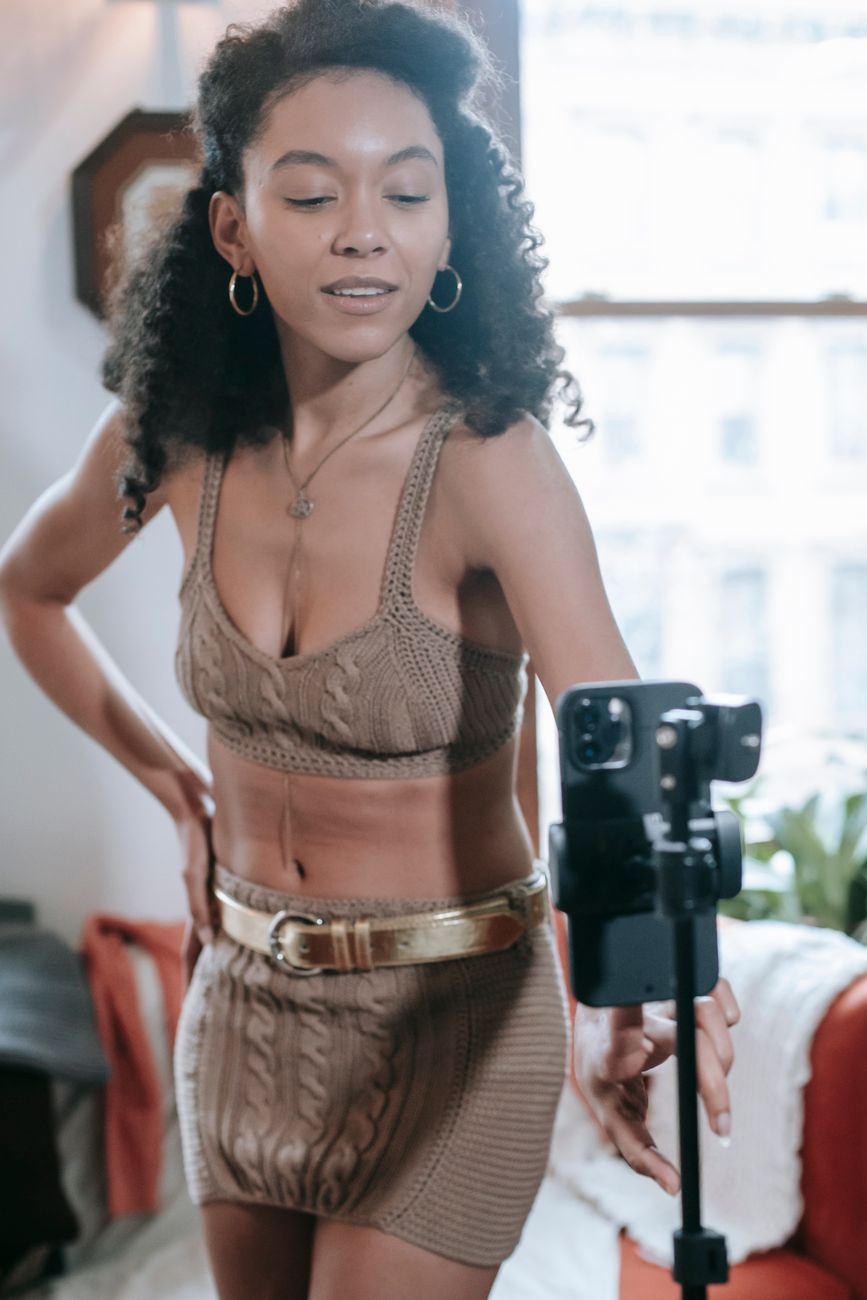
One thing to settle early: there is a wide gap between platform income (ad revenue, creator funds, tipping features) and commercial revenue (brand deals, affiliate commissions, product sales, consulting). In Africa, platform income is often modest — YouTube CPM rates in Nigeria average between $0.50 and $1.50, compared to $3–$8 in the US. Commercial revenue is where serious African creators build wealth. Keep that distinction in mind throughout every decision you make.
Choosing Your Niche: Where African Audiences Actually Spend Attention
Generic advice says "pick your passion." Better advice says pick a niche where passion, audience demand, and monetization potential overlap. In the African creator space, certain niches dramatically outperform others when it comes to brand interest and audience growth.
The highest-performing niches right now include:
- Personal finance and investing — audiences in Nigeria, Kenya, and Ghana are hungry for content on forex, crypto, savings, and stock markets tailored to local realities.
- Tech and gadget reviews — smartphone penetration is rising fast, and affordable Android devices mean millions of new users looking for buying guidance. Channels like Africa's top tech creators are proving the demand is real.
- Food and culture — West and East African cuisine content travels globally, attracting diaspora audiences who convert at high rates for product recommendations.
- Health and wellness with a local lens — especially content that bridges traditional African medicine with modern wellness. This niche is underserved and growing fast.
- Entrepreneurship and hustle culture — SME content resonates deeply across Sub-Saharan Africa, where informal business is the backbone of most economies.
- Entertainment and pop culture — Afrobeats, Nollywood, and African fashion have global reach, giving entertainment creators a built-in international audience.
Avoid the mistake of being too broad. "Lifestyle" is not a niche. "Budgeting for young Kenyan professionals" is. Specificity builds loyal communities faster than wide nets ever will.
Mobile-First Production: Making Quality Content Without Expensive Gear
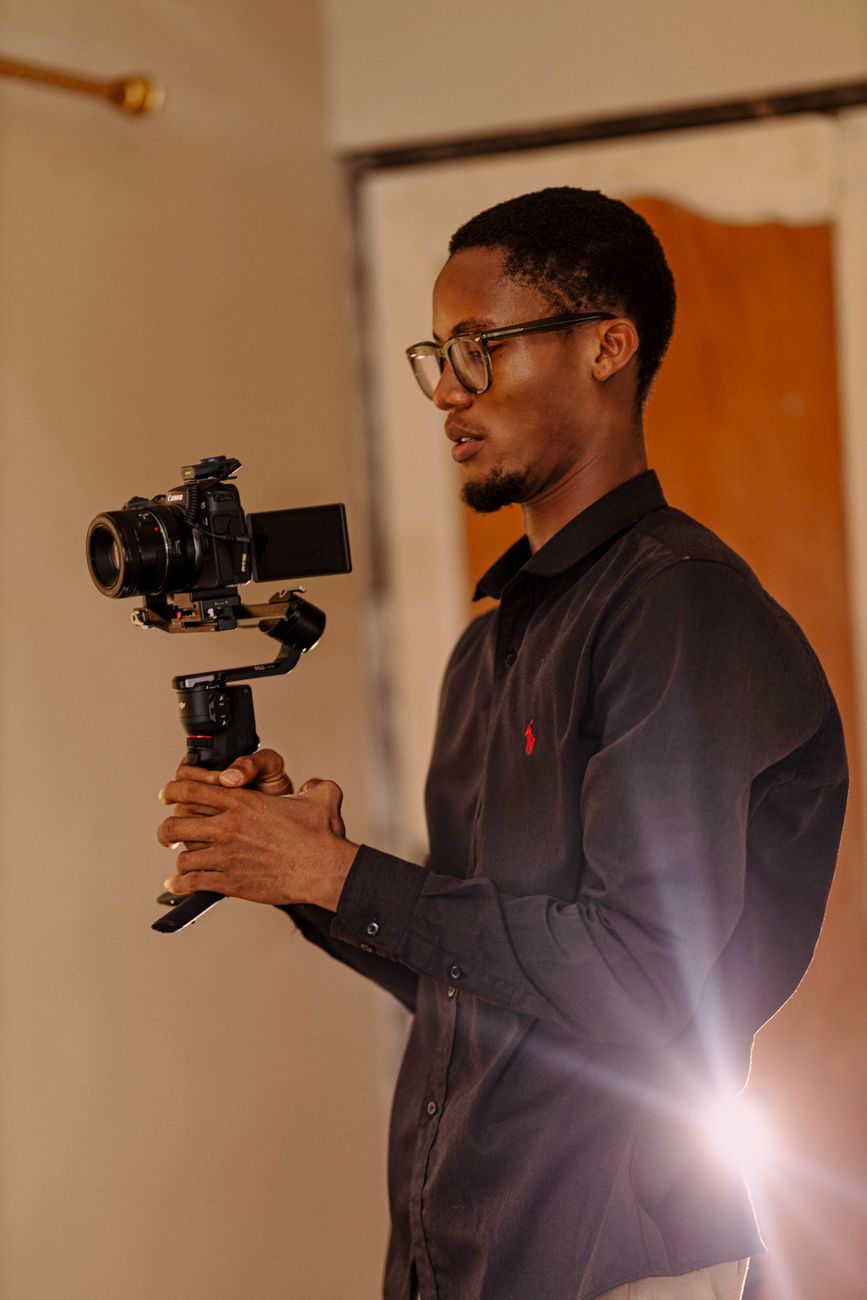
One of the biggest myths in African content creation is that you need a DSLR and a professional studio to be taken seriously. The truth is almost the opposite. Mobile-first production is not a compromise — it is a competitive advantage when done right.
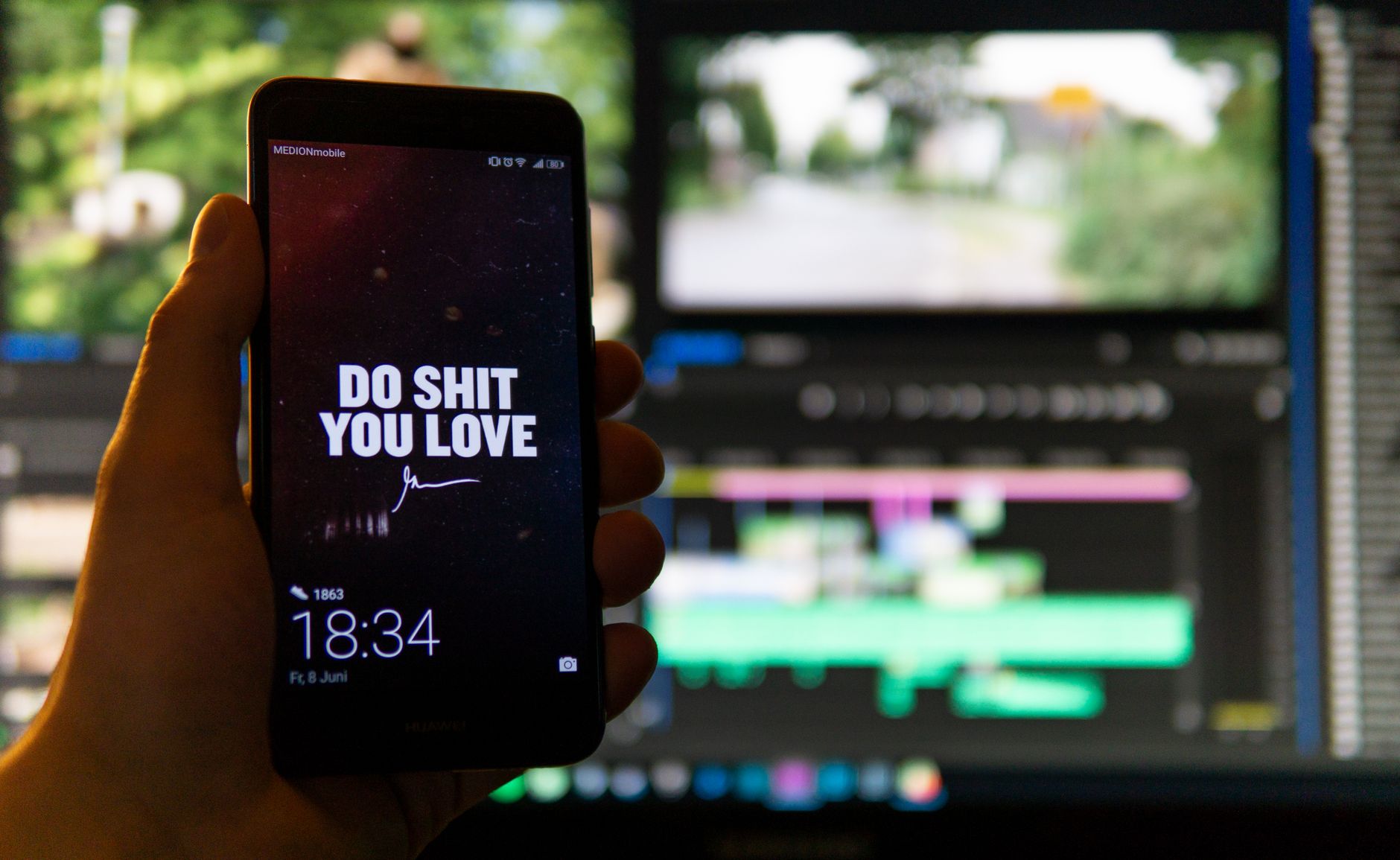
Here is a realistic starter setup that costs under $150 total:
- A mid-range Android phone (Samsung A-series or Tecno Camon) with a decent camera — most creators already own one.
- A clip-on lavalier microphone ($10–$20 on Jumia or Kilimall) — audio quality matters more than video quality to most audiences.
- A simple ring light or a well-positioned window for natural light.
- CapCut or InShot for editing — both are free, mobile-native, and used by millions of creators globally.
For YouTube specifically, invest in a tripod ($15–$25) early. Shaky footage is the fastest way to lose viewers before they even hear what you are saying. Stability signals professionalism even when everything else is budget-level.
Batch your content. Film three to five videos in one session, then edit across the week. This approach protects your consistency without burning out — and consistency is the single biggest factor in algorithmic growth on YouTube, TikTok, and Instagram Reels.
Multilingual Storytelling: Your Language Is a Superpower
Here is an angle most global creator guides completely miss: code-switching and multilingual content are a massive growth lever in Africa. Mixing English with Yoruba, Swahili, Pidgin, Zulu, or Twi does not dilute your content — it deepens it. It signals authenticity to local audiences and creates a cultural texture that global creators simply cannot replicate.
Nigerian creators who mix English with Pidgin consistently outperform purely English-language competitors in engagement metrics. Kenyan creators blending English and Swahili tap into both urban professional audiences and broader East African communities simultaneously. This is not just a cultural choice — it is an algorithmic one. Platforms like TikTok actively promote content that resonates within specific cultural communities because it drives strong watch-time and share rates.
Practical tip: do not subtitle everything. Use subtitles strategically for the phrases that non-speakers will miss, but let the natural flow of your language mix breathe. Over-subtitling makes content feel translated rather than lived-in.
Platform Strategy: Where to Start and Why
Spreading yourself across every platform at once is one of the most common and costly mistakes new African creators make. Pick one primary platform, grow there first, then expand. Here is how the major platforms stack up for African creators specifically:
- YouTube — best for long-form, evergreen content. Ad revenue is low by global standards, but the platform has the deepest monetization ecosystem (memberships, Super Thanks, affiliate links in descriptions). It also builds the most durable audience over time.
- TikTok — fastest path to viral growth. The Creator Fund pays very little in most African countries, but brand deals from TikTok visibility can be substantial. TikTok's brand discovery tools are increasingly relevant for African creators seeking commercial partnerships.
- Instagram — strongest for fashion, food, beauty, and travel niches. Reels drive discovery; Stories and close-friends lists drive monetization through direct sales and paid communities.
- Facebook — often underestimated by younger creators, but Facebook's in-stream ads and Stars features are accessible in more African countries than TikTok's Creator Fund. Audiences skew slightly older, which matters for financial and health content.
- X (formerly Twitter) — best for thought leadership, commentary, and building professional reputation. Monetization through subscriptions is growing but still limited in Africa.
- LinkedIn — dramatically underused by African creators. For B2B niches — entrepreneurship, tech, HR, finance — LinkedIn can drive consulting clients and speaking invitations faster than any other platform.
For a deeper look at how revenue actually flows across these platforms, the breakdown of Facebook, TikTok, and X monetization for African creators is worth reading before you commit to a platform strategy.
Audience Building: The Slow Work That Pays the Most
Follower counts are vanity. Engaged communities are assets. A creator with 8,000 highly engaged followers in a specific niche will consistently out-earn one with 80,000 passive followers. This is especially true in Africa, where brand managers are increasingly sophisticated and look at engagement rates and audience demographics, not just reach.
Three audience-building habits that separate growing creators from stagnant ones:
- Reply to every comment for the first 90 days. This signals to algorithms that your content drives conversation, and it builds the kind of loyalty that turns followers into advocates.
- Collaborate strategically, not randomly. Cross-promotions only work when both audiences have genuine overlap. A Lagos food creator collaborating with a Nairobi food creator makes sense. The same creator collaborating with a gaming channel does not — even if the numbers look attractive.
- Build an email list from day one. Platforms change their algorithms, ban accounts, and shut down features. An email list is the only audience you truly own. Tools like Mailchimp's free tier (up to 500 contacts) or Substack work well for African creators starting out.

Monetization: Platform Income vs. Commercial Revenue
This is the section that matters most, and the one most global guides get wrong for African creators. Platform income — YouTube AdSense, TikTok Creator Fund, Facebook in-stream ads — exists and should not be ignored. But it should not be your primary revenue strategy, at least not early on.
Here is a realistic income picture. A Nigerian YouTube channel with 50,000 subscribers and 200,000 monthly views might earn $100–$300 per month from AdSense alone. That same creator, with one brand deal per month from a mid-sized Nigerian brand, could earn ₦200,000–₦500,000 ($130–$330) from a single post. Two or three brand deals a month changes the math entirely.
Commercial revenue streams worth building toward:
- Brand partnerships — the most accessible for creators with 5,000+ engaged followers. Pitch directly to brands in your niche rather than waiting to be discovered. Local FMCG brands, fintech startups, and telecom companies are the most active spenders on creator marketing in Africa.
- Affiliate marketing — Jumia, Konga, and Kilimall all have affiliate programs. For tech and product review creators, this can generate passive income at scale.
- Digital products — e-books, templates, online courses, and presets. A Ghanaian photographer selling Lightroom presets for $15 each to an audience of 10,000 followers needs to sell just 100 copies to earn $1,500 — more than most creators make from platform ads in six months.
- Consulting and services — many creators underestimate how much their expertise is worth as a service. If you create content about social media marketing, brands will pay you to manage their accounts or train their teams.
- Paid communities — WhatsApp and Telegram groups with premium access are a growing revenue model in Nigeria and Kenya especially. Monthly fees of ₦2,000–₦5,000 ($1.30–$3.30) add up fast at scale.
For a full breakdown of what African creators actually earn across these income streams, the 2026 guide to creator rates and revenue in Africa gives real figures and examples worth bookmarking.
According to GSMA's Mobile Economy Sub-Saharan Africa report, mobile internet users across the continent are projected to reach 615 million by 2030. That is an audience of unprecedented scale becoming available to African creators — and it makes the long-term case for building now, even if early returns are modest.
Getting Discovered: Why Visibility Is a Strategy, Not an Accident
Many talented creators stay invisible because they treat discoverability as something that just happens. It does not. You need to actively engineer it.
SEO for YouTube means writing video titles and descriptions that match what your audience actually searches — not what sounds creative to you. Use tools like TubeBuddy or VidIQ (both have free tiers) to research search volume for your topic before you film, not after. A video titled "How I Saved ₦500,000 in One Year on a Lagos Salary" will outperform "My Savings Journey" every single time.
For Instagram and TikTok, hashtag strategy matters less than it used to. What matters now is watch time in the first three seconds. Your hook — the opening line or visual — determines whether the algorithm promotes your content or buries it. Test different hooks by posting similar content with different openings and tracking which performs better.
Platforms like Topping Africa's creator discovery platform are also worth using to get your profile in front of brands and collaborators actively looking for African creators. Being listed on a dedicated platform signals professionalism and puts you in rooms you would not otherwise access.
According to DataReportal's 2024 Global Digital Overview, social media use in Africa is growing faster than any other region. That growth is an opportunity — but only for creators who are structured, consistent, and visible.
Common Mistakes That Stall African Creator Careers
Most creators who quit do so not because they lacked talent, but because they made avoidable structural mistakes early on. The most common ones:
- Waiting for perfect equipment before starting. The creator who starts with a $200 phone today will be 18 months ahead of the one waiting to afford a $1,500 camera.
- Copying Western creator formats wholesale without adapting them to local context. A "day in my life" vlog filmed in a Lagos market hits differently — and performs better — than one that mimics a Los Angeles aesthetic.
- Ignoring contracts with brands. Even small brand deals should have a written agreement covering deliverables, payment terms, usage rights, and revision limits. Verbal agreements lead to delayed payments and scope creep.
- Treating every platform as equal. Post natively. A YouTube video repurposed as a TikTok with a watermark gets suppressed by TikTok's algorithm. Each platform rewards content made for it.
- Monetizing too early or too late. Too early means chasing brand deals before you have an engaged audience, which leads to low rates and bad fits. Too late means leaving money on the table while building an audience that expects free content forever.
The African creator economy is not a shortcut to overnight fame. It is a craft, a business, and increasingly, a movement. The creators winning right now are the ones who treat it as all three simultaneously. Discover African creators who are doing it right and study what separates their approach from the crowd — then build your own version, rooted in your specific context, language, and community.
Ready to take the next step? Explore the Topping Africa creator directory to see how leading African creators are positioning themselves — and get inspired to build your own presence with intention.
Staff
Contributing writer at Topping Africa.
0 Comments
No comments yet. Be the first to share your thoughts!