
African Fashion Cities Setting Global Style Trends in 2026
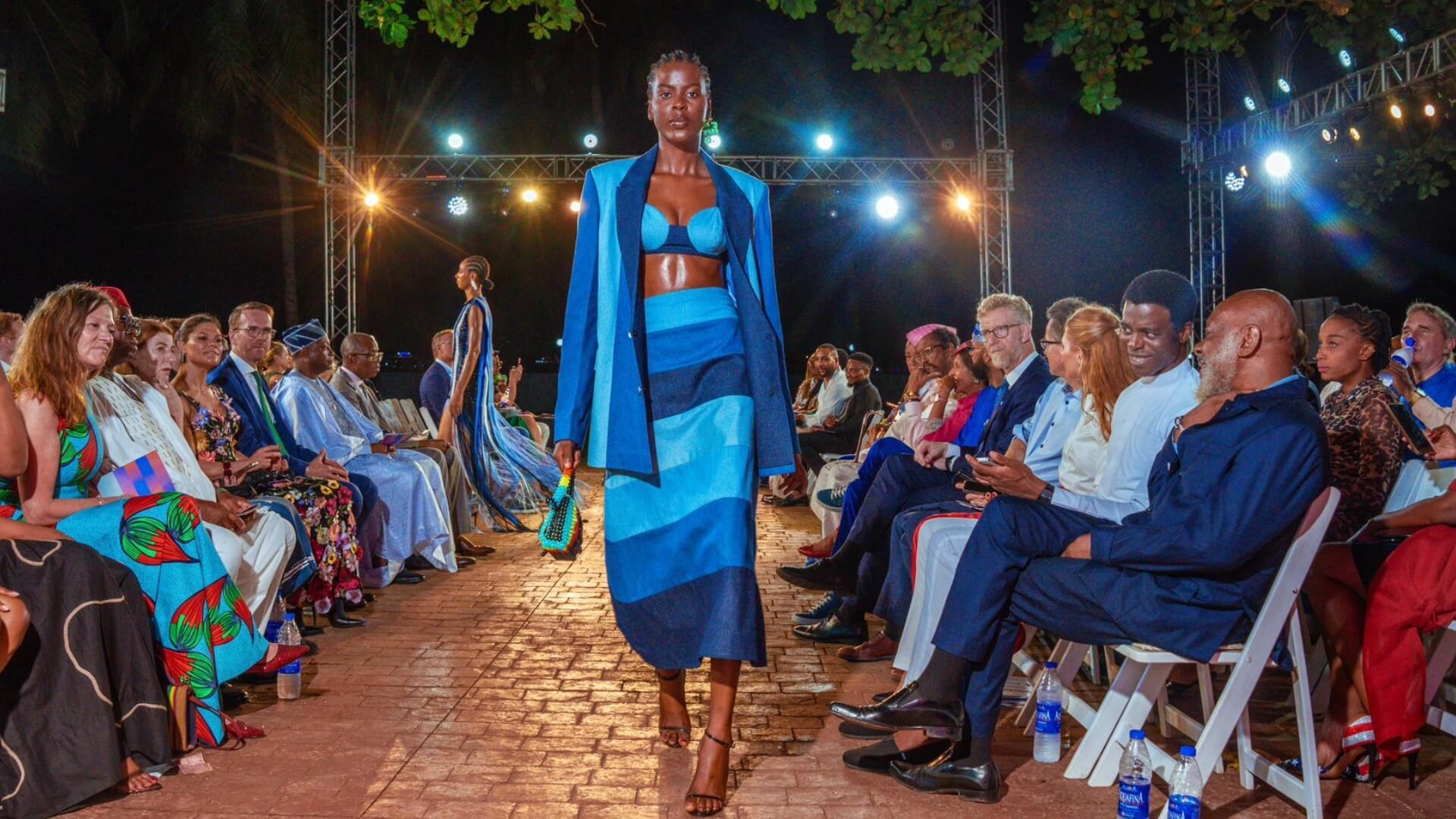
In 2026, African fashion cities are commanding global attention, with Lagos, Nairobi, and Johannesburg influencing style through fashion weeks, designers, and cultural innovation.
African fashion cities such as Lagos, Nairobi, and Johannesburg have emerged as influential nodes within the global fashion ecosystem, transcending their former perception as mere local markets. These metropolises are now pivotal in reshaping global style narratives, driven by a distinctive fusion of heritage aesthetics, sustainable practices, and urban street culture that resonates on both international runways and retail environments.
This transformation signals a significant re-orientation within the fashion industry, highlighting the importance of African voices, textiles, and artisanal craftsmanship in contemporary design discourse.
African designers are gaining recognition at major international fashion weeks, while fashion events across the continent are drawing substantial attention from global media, industry buyers, and key influencers. This convergence not only amplifies African creativity but also underscores the continent's emerging position as a vital player in the global fashion landscape.
Fashion experts say this influence is the result of decades of foundational work by designers, curators, and fashion advocates who have pushed for creative independence, cultural storytelling, and economic relevance in global markets.
“African fashion is no longer a footnote; it’s a driving force in how the world imagines style — from textile innovation to runway performance,” said a Lagos-based designer during a regional style summit in late 2025. The city’s fashion ecosystem has become a proving ground for designers from across Africa and the diaspora.
Lagos, Nigeria — Africa’s Beating Fashion Heart
Lagos remains the continent’s most visible fashion capital, anchoring a robust and rapidly globalizing style scene. Lagos Fashion Week, founded in 2011 by Omoyemi Akerele, continues to grow in influence, featuring more than 60 designers from across Africa and attracting tens of thousands of visitors, buyers, rs and media from around the world. Its runway shows and business series have elevated designers such as Orange Culture, Lisa Folawiyo, and Nkwo, many of whom now enjoy international retail partnerships and global runway invitations.
Global observers note that Lagos’s influence is rooted in its cultural confidence: designers blend traditional African textiles like Ankara and Aso Oke with contemporary silhouettes, while street style and youth culture inform fast-evolving trends that resonate globally. The city’s fashion ecosystem also emphasises sustainability and circular practices, a priority that won Lagos Fashion Week accolades and reinforced its leadership in ethical fashion discourse.
Nairobi, Kenya — East Africa’s Style Convergence
Nairobi is emerging as a significant fashion hub, with Nairobi Fashion Week 2026 scheduled to bring together designers, buyers, and creatives in January. The event is positioned not just as a runway showcase but as a marketplace for fashion innovation and cross-continental collaboration, reflecting Kenya’s broader creative economy growth.
Designers in Nairobi draw inspiration from Kenya’s diverse cultural narratives, from urban streetwear to artisanal beadwork and fabric weaving traditions. Regional buyers and international talent scouts have increasingly visited Nairobi’s fashion events in recent years, signalling recognition of the city’s unique design language and commercial potential.
Johannesburg, South Africa — Continental Creative Network
Johannesburg’s fashion scene continues to benefit from South Africa’s long-standing creative infrastructure and global cultural exchange networks. Designers based in Johannesburg frequently participate in regional and international weeks, and the city’s mix of couture, ready-to-wear, and street-culture aesthetics helps shape trends across Southern Africa and beyond. Analysts point to the city’s role in fostering bridges between African fashion and European markets through collaborations and trade missions.
Casablanca, Senegal, and Beyond — Diverse Fashion Ecosystems
Cities such as Casablanca in Morocco and Dakar in Senegal are also making stylistic contributions that resonate beyond their borders. Casablanca’s designers are blending Moorish, Berb, er and contemporary African influences, while Dakar’s long-running Dakar Fashion Week and vibrant atelier culture cultivate a strong scene for textile innovation and boutique craftsmanship. These cities emphasise fashion as both cultural expression and economic strategy in regional creative industries.
Emerging Fashion Hubs: Kampala and Kinshasa
Smaller capitals such as Kampala host events like the Afri Art Fashion Show, which in 2025 drew local and regional attention for highlighting heritage-driven fashion and community-centred creativity. Such platforms are essential for up-and-coming designers to gain visibility and professional development opportunities.
While Kinshasa’s street culture — especially the iconic La Sape subculture — may not be formal runway fashion, its influence on style and aesthetic discourse across Africa exemplifies how local taste and identity shape global perceptions of African fashion.
Why It Matters
Fashion today is both a cultural narrative and an economic engine. African fashion cities are leveraging heritage, sustainability, and innovation to challenge established fashion capitals and assert new paradigms of style. This influence extends into global retail, digital platforms, and international fashion weeks, positioning African designers as key contributors to the future of fashion, not merely participants. As global audiences increasingly valorise authenticity and diversity, Africa’s fashion metropolises are at the forefront of redefining what it means to dress, present, and consume style in the 21st century.
Staff
Contributing writer at Topping Africa.
0 Comments
No comments yet. Be the first to share your thoughts!