
African Culture in the Digital Age: How Diaspora Creators Are Preserving and Reimagining Heritage
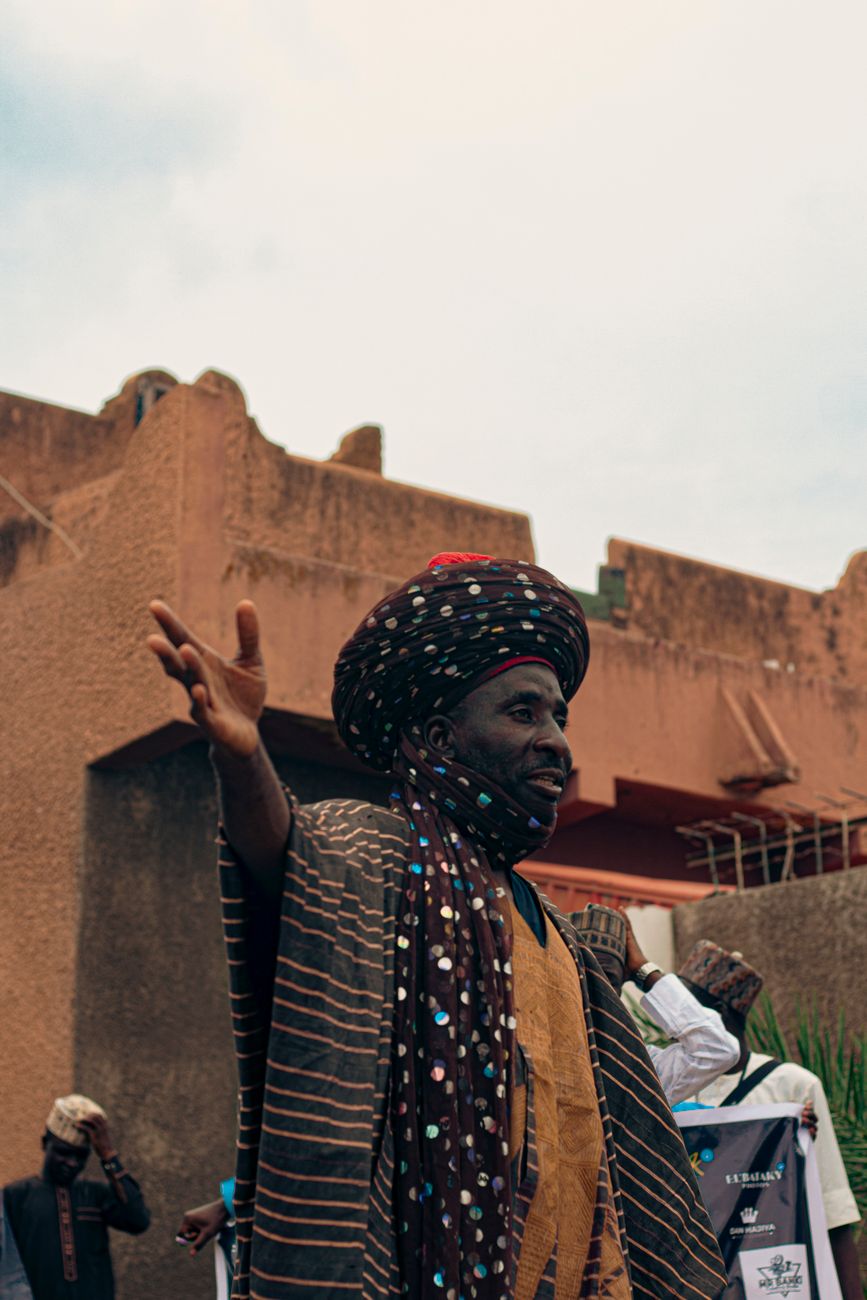
African diaspora creators are using short-form video, podcasts, music, fashion, and visual storytelling to preserve and reimagine African culture for global audiences. But sustainable impact requires more than viral content — it demands stronger financial systems, better IP protections, and platforms built to support cultural creators at scale. Here is what that looks like in practice.
African Culture Is Having a Global Moment — and Diaspora Creators Are Leading It
African culture has never been more visible on the global stage. From Afrobeats dominating Spotify charts to Nollywood films breaking box office records in the UK, the demand for African stories, sounds, and aesthetics is accelerating fast. Yet the creators driving this wave — many of them living thousands of miles from their home countries — are doing something more deliberate than chasing virality. They are building digital archives, reclaiming narratives, and turning heritage into a living, breathing creative economy. This is not a trend. It is a structural shift in how culture travels.
Diaspora creators occupy a unique position. They straddle two worlds: the country where they were born or raised, and the one where they now live and work. That tension — between belonging and displacement, between memory and adaptation — produces some of the most compelling cultural content online today. Understanding how they do it, what tools they use, and where the real monetization gaps lie is essential for anyone serious about the African creator economy.
Short-Form Video: The New Oral Tradition
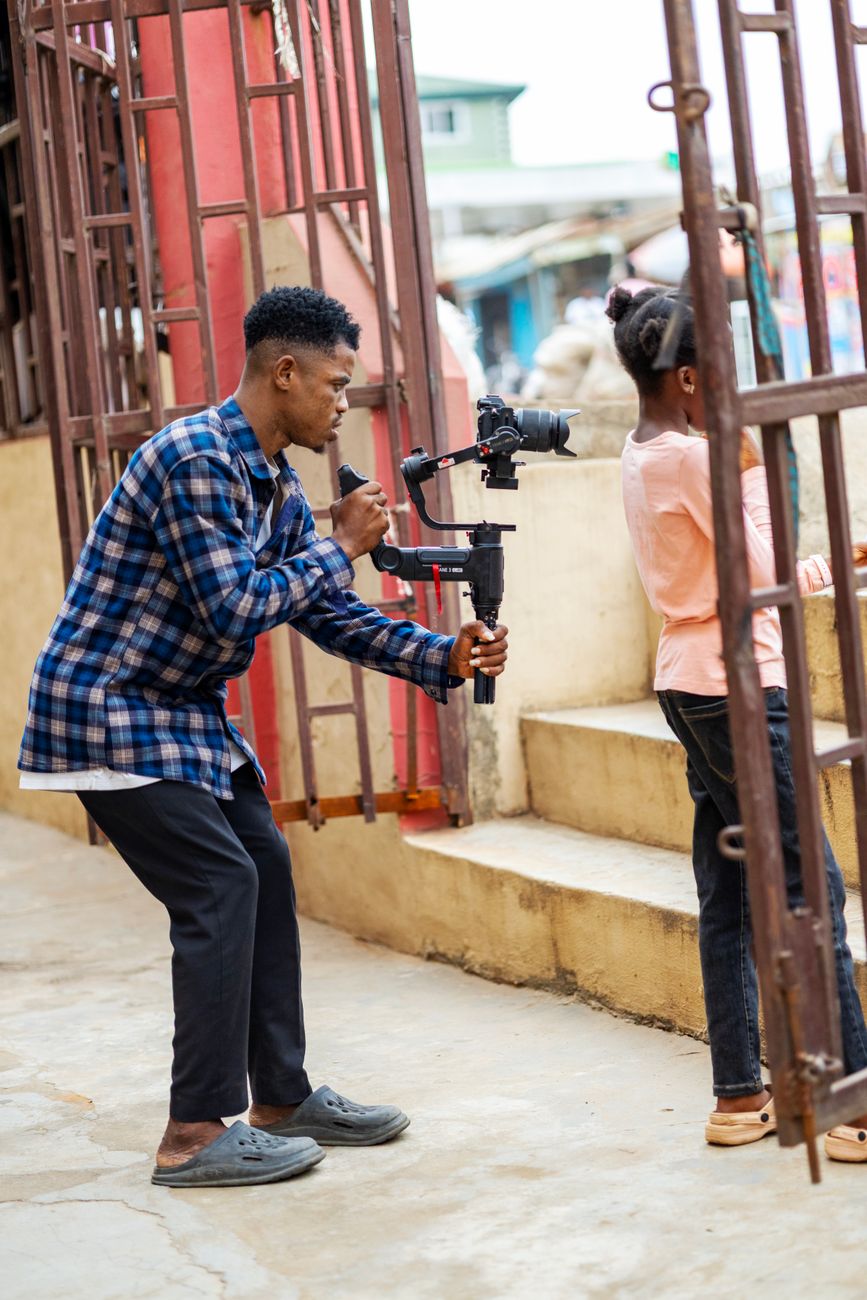
TikTok and Instagram Reels have become the modern equivalent of the village square. Creators are using 60-second clips to teach Twi proverbs, demonstrate Yoruba cooking techniques, break down the history of Kente cloth, and reconstruct traditional dances — all with subtitles, trending audio, and sharp editing. The format is deceptively simple. The cultural labour behind it is not.
Consider what a creator like Adaeze Okafor (a composite of dozens of real creators doing this work) actually produces in a single week: research into the correct pronunciation of an Igbo phrase, sourcing archival images that are not copyrighted, scripting a 45-second voiceover, filming multiple takes, and editing for platform-specific ratios. That is a full production cycle, often completed without a team, without a studio, and without a budget.
The algorithmic reality is also unforgiving. Short-form video rewards consistency above almost everything else. Creators who post African cultural content daily report that their reach spikes when they tie heritage topics to trending sounds or global events — but that same algorithm can suppress content flagged as "sensitive" when it includes traditional religious ceremonies or indigenous languages it cannot classify. This is a real trade-off: optimise for the algorithm and risk diluting the content, or stay authentic and accept smaller reach.
The creators who navigate this best tend to do three things deliberately:
- They batch-produce content in 2-3 day shoots, then schedule across the week to maintain consistency without burnout.
- They use caption layers — on-screen text plus a spoken voiceover — to serve both hearing-impaired audiences and non-native speakers simultaneously.
- They cross-post strategically, using TikTok for discovery, Instagram for community, and YouTube Shorts for long-term searchability, since YouTube's search index gives older content a longer shelf life.
Podcasts, Music, and Fashion: Three Channels, One Mission
Short-form video gets the headlines, but podcasts are quietly doing some of the deepest cultural preservation work. Shows like Afripods and dozens of independent productions hosted on Anchor, Spotify, and Apple Podcasts are recording conversations with elders, historians, and community leaders that would otherwise go undocumented. A 90-minute podcast episode can hold nuance that a 60-second video cannot. For complex topics — colonial history, indigenous land rights, the politics of African identity in the West — that depth matters enormously.
Music is the most commercially mature channel. Afrobeats, Amapiano, Afro-fusion, and Highlife have crossed over into mainstream Western markets in ways that African visual media has not yet fully replicated. Burna Boy, Tems, and Rema are not just artists; they are cultural ambassadors whose global success has created upstream demand for African stories in other formats. When a Burna Boy track soundtracks a TikTok trend, it pulls millions of non-African listeners into a brief encounter with African culture — and the smart diaspora creator is waiting at that entry point with deeper content.
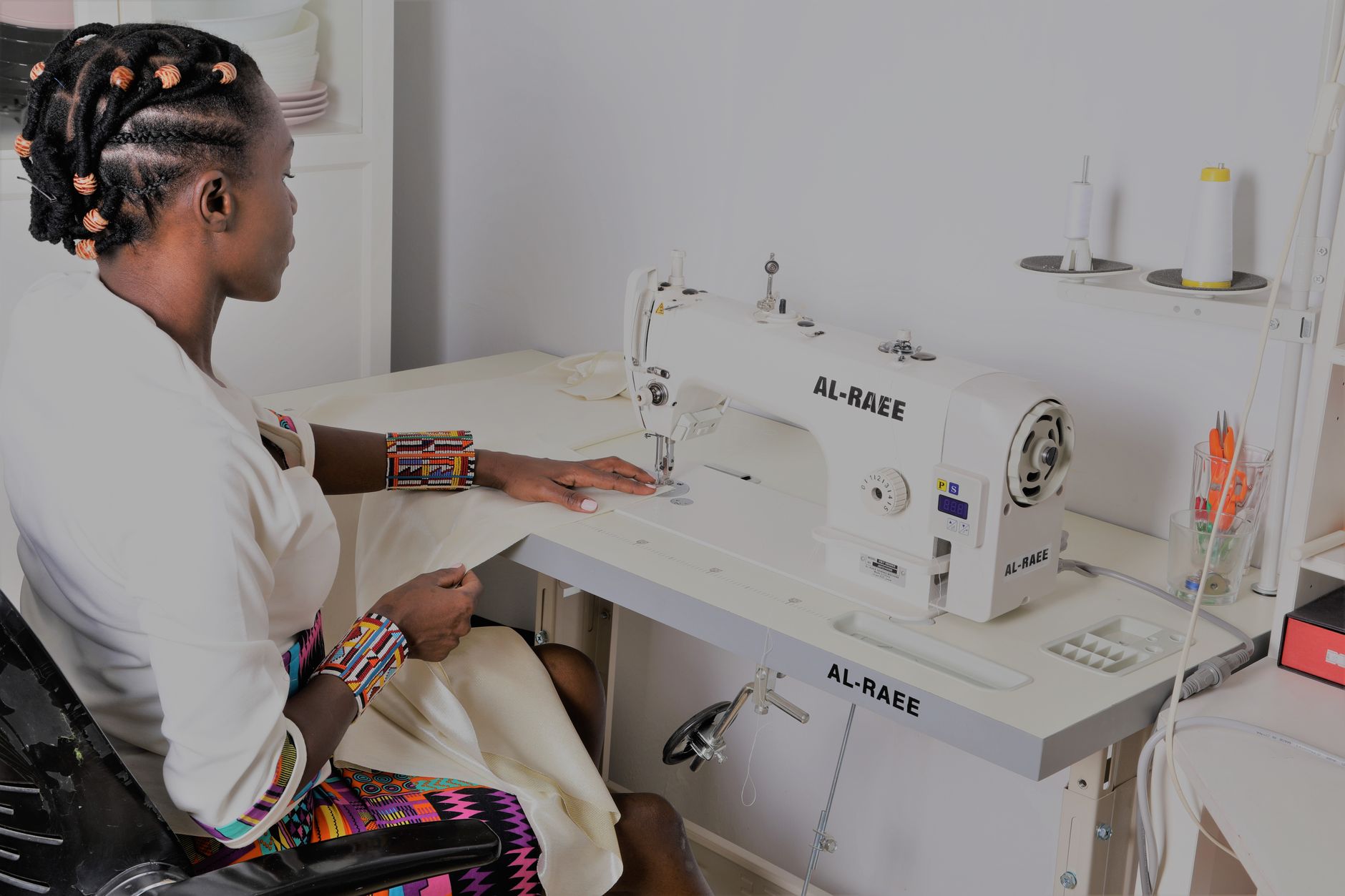
Fashion is the most underrated channel of all. African diaspora designers and stylists are using Instagram and Pinterest to document and reinterpret traditional textiles — Ankara, Kente, Adire, Aso-oke — in ways that are both commercially viable and educationally rich. Each post becomes a micro-lesson in the geography, history, and symbolism of a fabric. The best of these creators are not just selling clothes; they are building visual encyclopaedias of African material culture, one outfit at a time.
Visual Storytelling and Film: The Nollywood Effect Goes Global
Nollywood's international expansion is well-documented, but the more interesting story is what is happening at the independent level. Diaspora filmmakers — working with smartphones, DaVinci Resolve, and remote collaboration tools — are producing short films, documentaries, and web series that are finding audiences on YouTube, Vimeo, and streaming platforms without traditional distribution deals.
African AI content creators are also entering this space, using tools like RunwayML and Pika Labs to generate visual elements that would previously have required expensive production budgets. A diaspora filmmaker in London can now create a visually rich short film set in Lagos without flying to Lagos — though the ethical questions around AI-generated cultural imagery are still being actively debated within creator communities.
The commercial breakthrough moment for African visual storytelling in diaspora markets came with films like Funke Akindele's Everybody Loves Jenifa, which shattered UK box office records and proved that diaspora audiences will pay premium prices for culturally resonant African content. That data point has not been lost on streaming platforms. Netflix, Prime Video, and Apple TV+ have all increased their African content commissions since 2022, creating new pathways for diaspora creators to pitch and sell original work.
According to a Deloitte Africa digital media report, African digital media consumption is growing at roughly 12% annually — faster than any other region. That growth is being driven by young, mobile-first audiences who are hungry for content that reflects their own experiences. Diaspora creators are uniquely positioned to serve both that African audience and the global one simultaneously.
The Monetization Gap: Why Cultural Content Creators Are Still Underpaid
Here is the uncomfortable truth: most diaspora creators producing African cultural content are not making sustainable income from it. The reasons are structural, not personal. Ad revenue on platforms like YouTube and TikTok is calculated based on audience geography — and African audiences, even highly engaged ones, generate CPMs (cost per thousand views) that are a fraction of what US or UK audiences generate. A creator with 500,000 followers in Nigeria might earn $200 from a video that earns a US-based creator with the same following $2,000.
This is not a niche problem. It is the defining economic challenge of the African creator economy. Understanding how content creators in Africa actually earn reveals a landscape where brand partnerships, merchandise, and community memberships often matter far more than platform payouts.
The creators who are building financially sustainable models are typically doing at least three of the following:
- Brand partnerships with culturally aligned companies — beauty brands, food companies, travel platforms, and financial services targeting African diaspora communities pay significantly higher rates than generic influencer deals.
- Digital products — e-books, online courses, and downloadable templates around African culture, language learning, or business in Africa can generate passive income that platform algorithms cannot touch.
- Community memberships — Patreon, Substack, and Circle allow creators to charge monthly fees for exclusive content, early access, or direct community access. A creator with 1,000 paying members at $10/month earns $10,000/month regardless of algorithm changes.
- Live events and experiences — diaspora communities consistently show willingness to pay for in-person cultural events, workshops, and experiences hosted by creators they follow online.
- Licensing cultural content — this is the most underexplored revenue stream. Brands, publishers, and media companies will pay for the right to use culturally specific content, but most creators do not have the legal infrastructure to negotiate these deals.
The systemic fix requires platforms, brands, and creator support organisations to build better infrastructure. McKinsey's creator economy research consistently shows that creators with access to business education, legal support, and brand networks earn 3-5x more than those without. That gap is even wider for African creators, who often lack access to the informal networks that connect Western creators to brand deals.

What Stronger Systems for African Cultural Creators Actually Look Like
Platforms that specifically support African creator discovery are part of the answer. Discovering African creators across disciplines — from visual artists to podcasters to fashion designers — is the first step in building the kind of cross-disciplinary community that generates real economic opportunity. When creators can find each other, they collaborate, co-create, and collectively negotiate better terms with brands and platforms.
Beyond discovery, the infrastructure gaps are specific and solvable:
- Payment rails — many African creators cannot receive payments from Western platforms because of banking restrictions. Solutions like Payoneer, Flutterwave, and Chipper Cash are helping, but the problem is not fully solved.
- IP protection — cultural content is particularly vulnerable to theft and misappropriation. Creators need access to affordable legal support to register trademarks, copyright content, and negotiate licensing agreements.
- Brand education — most creators undercharge for brand partnerships because they do not know their market rate. Transparent rate cards, creator unions, and peer networks can correct this.
- Platform advocacy — diaspora creators need to collectively push platforms to reform their geographic CPM models, which currently penalise African audiences regardless of their engagement quality.
The good news is that momentum is building. WIPO's frameworks on traditional cultural expressions are increasingly being cited by African creator advocates as a foundation for stronger IP protections at the platform level. Meanwhile, brands are beginning to recognise that African diaspora audiences — particularly in the UK, US, Canada, and France — represent high-value consumer segments that are currently underserved by mainstream advertising.
The Creators Doing It Right: Lessons From the Field
The most instructive examples are not always the biggest names. Diaspora storytellers reimagining African culture globally include creators working in every format and at every scale — from micro-influencers with 10,000 highly engaged followers to established media personalities with millions.
What they share is a set of strategic choices that separate sustainable creators from those who burn out within 18 months:
- They treat their audience as a community, not a metric. Direct engagement — responding to comments, hosting live sessions, creating content in response to audience questions — builds the kind of loyalty that survives algorithm changes.
- They document their process, not just their output. Behind-the-scenes content about how they research, create, and preserve cultural content consistently outperforms polished final products in terms of engagement and trust-building.
- They are explicit about their cultural authority. Stating clearly where you are from, what community you represent, and what your relationship to the culture is builds credibility and differentiates you from creators who appropriate rather than represent.
- They diversify revenue from day one, not as an afterthought when platform income disappoints.
The creators who are turning online audiences into full media businesses are not doing anything mystical. They are applying sound business principles to culturally rich content — and doing it with a level of intentionality that most casual observers miss entirely.
The Stakes Are Bigger Than Content
African culture in the digital age is not just a content story. It is a preservation story. Languages are dying at a rate of roughly one every two weeks globally, and many of those languages are African. Oral traditions, craft techniques, ceremonial practices, and historical knowledge that were never written down are at risk of disappearing within a generation. Digital content creation — imperfect, algorithm-dependent, and underfunded as it is — is one of the few mechanisms currently capturing and distributing this knowledge at scale.
That is why the monetization question is not merely economic. When creators cannot sustain themselves financially from cultural content, they stop making it. The loss is not just personal; it is civilisational. Building systems that allow African diaspora creators to earn real income from heritage content is, in the most literal sense, an investment in cultural survival.
The opportunity is enormous. The audience is global. The demand is proven. What remains is the work of building infrastructure worthy of the culture being preserved. Discover African creators who are doing this work today and support the platforms, communities, and systems that make their work possible. Explore the full range of African creators shaping culture, tech, and business across the continent and the diaspora — and get started building the connections that move this ecosystem forward.
Staff
Contributing writer at Topping Africa.
0 Comments
No comments yet. Be the first to share your thoughts!