African Creators in the Diaspora: 25 Storytellers Reimagining Culture Globally
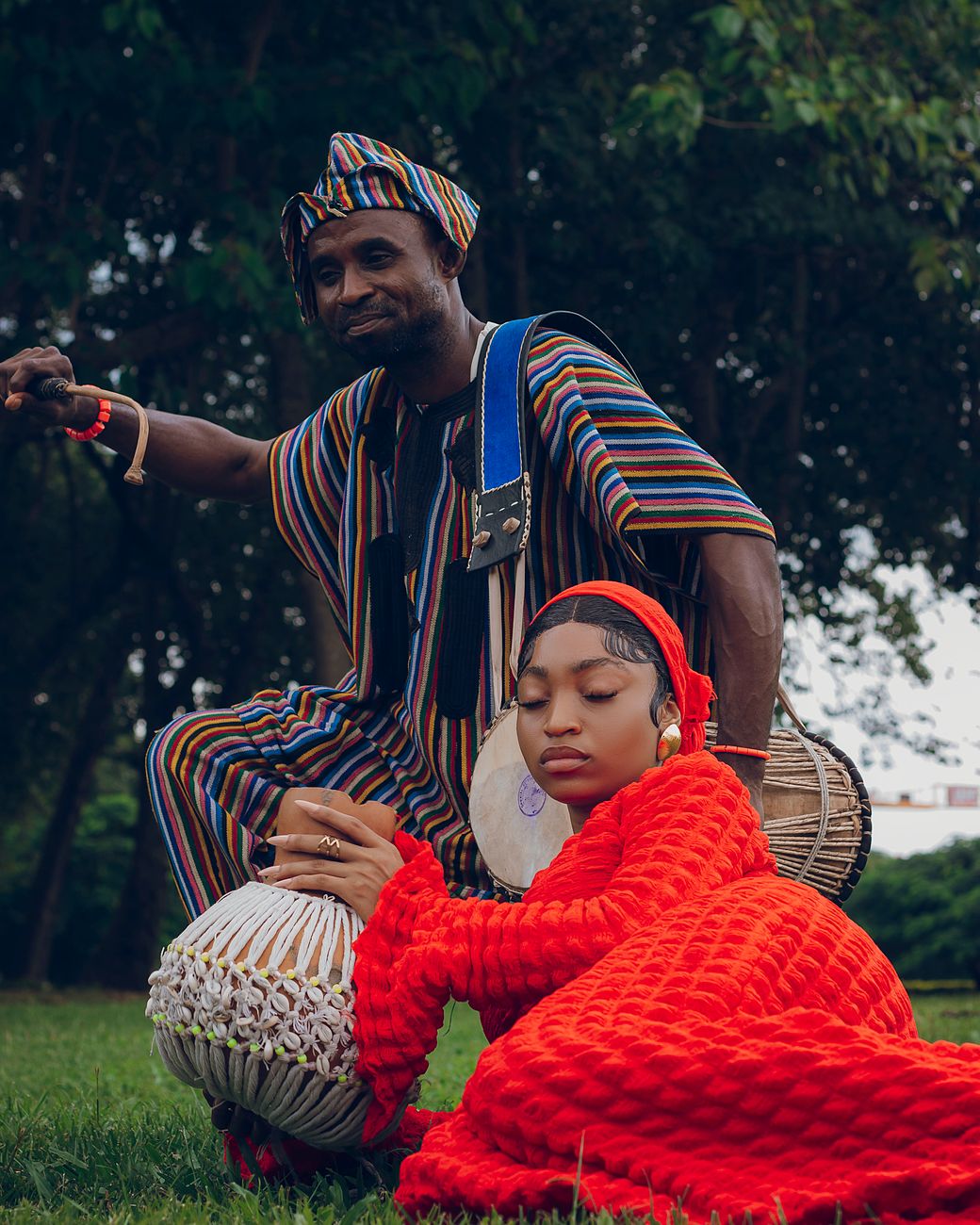
The African diaspora is producing some of the most compelling creative work in the world — from BAFTA-winning filmmakers and Grammy artists to viral digital creators and record-breaking chess champions. This curated list of 25 storytellers reveals who is driving that shift, how they are doing it, and what every African creator can learn from their approach.
The African diaspora has never been louder, more visible, or more commercially powerful. From Lagos-born filmmakers selling out London cinemas to Nairobi-raised fashion designers dressing Hollywood red carpets, a generation of African creators is rewriting the rules of global culture — on their own terms. This is not a trend. It is a structural shift, driven by digital distribution, streaming platforms hungry for diverse IP, and audiences worldwide who are actively seeking stories rooted in African experience.
This curated list spotlights 25 storytellers — filmmakers, musicians, fashion designers, writers, visual artists, and digital creators — whose work bridges African heritage with global audiences. Each entry is chosen for creative impact, cross-border reach, and the specific way they are expanding what African storytelling can be. Discover more African creators on Topping Africa's growing directory.
Filmmakers and Screen Storytellers Shaping the African Diaspora Narrative
1. Chinonye Chukwu — Nigerian-American Director
Chukwu's 2021 film Till, which dramatised the murder of Emmett Till and his mother Mamie's fight for justice, earned her a place in history as the first Black woman to win the Grand Jury Prize at Sundance. Her work is unflinching in its examination of racial violence and Black grief — themes that resonate across the African diaspora. She draws explicitly on her Nigerian upbringing to frame stories of resistance and dignity.
2. Rungano Nyoni — Zambian-Welsh Filmmaker
Nyoni's debut feature I Am Not a Witch (2017) won the BAFTA for Outstanding British Debut and screened at Cannes. Her follow-up, On Becoming a Guinea Fowl, premiered at Cannes 2024 and earned widespread critical acclaim. Nyoni works in a precise, deadpan register that is entirely her own — she refuses the sentimentality that often flattens African stories for Western audiences. The result is work that is both deeply Zambian and universally strange.
3. Idris Elba — British-Sierra Leonean Actor and Producer
Elba is one of the most bankable names in global entertainment, but his production company, Green Door Pictures, is increasingly focused on African-rooted projects. His upcoming role as Okonkwo in a film adaptation of Chinua Achebe's Things Fall Apart signals a deliberate pivot toward amplifying African literary heritage. Read more about Elba's Achebe project and what it means for African cinema.
4. Wanuri Kahiu — Kenyan Director
Kahiu's Rafiki (2018) became the first Kenyan film to screen at Cannes — and was immediately banned in Kenya for its portrayal of a lesbian relationship. That contradiction captures her career perfectly: globally celebrated, locally contested. She co-founded AFROBUBBLEGUM, a media company dedicated to producing fun, fierce, and frivolous African content. Her argument is that African stories do not always have to be about suffering to be meaningful.
5. Funke Akindele — Nigerian Filmmaker and Actress
Akindele's Everybody Loves Jenifa shattered UK box office records for a Nollywood release in 2024, proving that Nigerian comedic storytelling has a massive, underserved diaspora audience in Britain. She is not chasing crossover — she is building her own lane, and the numbers are following. See how Jenifa broke UK box office records and what it signals for Nollywood's global expansion.
6. Burna Boy (Damini Ogulu) — Nigerian Musician and Film Producer
Beyond his Grammy-winning music career, Burna Boy stepped into film production with 3 Cold Dishes, a pan-African thriller that grossed ₦246 million in its opening weekend across Africa. The project demonstrates how African music stars are leveraging their audiences to fund and distribute screen content — bypassing traditional gatekeepers entirely. His model is worth studying by any creator looking to diversify revenue streams.
Musicians Carrying African Sound to Global Stages
7. Tiwa Savage — Nigerian R&B and Afrobeats Artist
Savage has spent over a decade building a catalogue that moves seamlessly between Yoruba cultural references and mainstream pop production. Her collaboration with Craig David on Commitment is a case study in how diaspora artists can co-create across cultural lines without either party losing their identity. She is also a vocal advocate for African artists retaining ownership of their masters — a conversation that is only growing louder.
8. Kat Lincoln — South African Singer-Songwriter
Lincoln's album Out the Box blends jazz, soul, and Cape Malay musical traditions into something that feels genuinely new. She is not trying to replicate American R&B — she is building from the specific sonic geography of South Africa. That specificity is exactly what gives her work international appeal; listeners outside Africa encounter something they cannot easily categorise.
9. Danny Attah — Gospel Music Creator
Attah's music video for Praise Partner demonstrates how African gospel is finding global streaming audiences without compromising its spiritual and cultural roots. His production values are high, his messaging is clear, and his use of visual storytelling elevates the work beyond a simple music release. Gospel is one of the most underreported sectors of African creator output — and one of the most commercially resilient.
10. Tems (Temilade Openiyi) — Nigerian Singer and Songwriter
Tems won a Grammy for Best Melodic Rap Performance (featured on Future's Wait for U) and has since built a solo career that is entirely on her own creative terms. Her voice — raw, unhurried, and deeply rooted in Nigerian musical phrasing — is unmistakable. She has spoken publicly about the pressure on African artists to "smooth out" their accents and cultural references for Western audiences. She refused. The result is a global fanbase that came to her.
11. Amaarae (Ama Serwah Genfi) — Ghanaian-American Artist
Amaarae's sound sits at the intersection of Afropop, R&B, and hyperpop — a combination that should not work but absolutely does. She grew up between Ghana, Nigeria, and the United States, and that multi-continental upbringing is audible in every track. Her debut album The Angel You Don't Know earned her a devoted global following and critical comparisons to artists like FKA Twigs and SZA, though she sounds like neither.
Fashion Designers and Visual Artists Redefining African Aesthetics
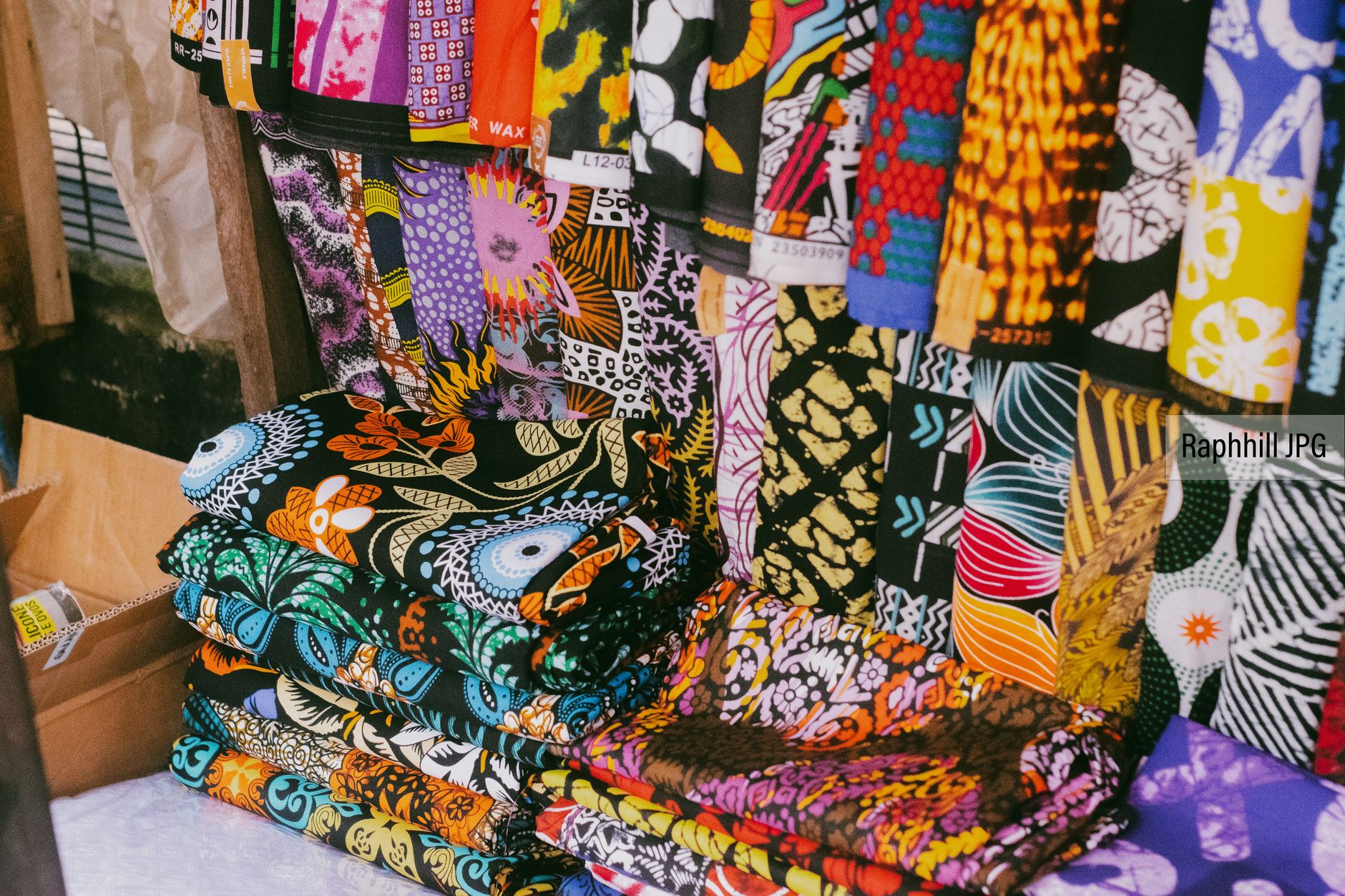
12. Kenneth Ize — Nigerian Fashion Designer
Ize is one of the most important names in contemporary African fashion. Based between Lagos and Vienna, he works with aso-oke weavers in Ogun State to produce luxury ready-to-wear that is unambiguously Nigerian in its textile heritage. He was shortlisted for the LVMH Prize in 2020 and has dressed global celebrities including Naomi Campbell. His supply chain model — working directly with traditional weavers and paying above-market rates — is as important as his aesthetic.
13. Thebe Magugu — South African Fashion Designer
Magugu became the first African designer to win the LVMH Prize in 2019. His collections are research-driven: each one investigates a specific chapter of South African history, from apartheid-era spies to the country's complicated relationship with witchcraft accusations. His clothes are beautiful objects that carry intellectual weight. He is based in Johannesburg and has no plans to relocate — a deliberate statement about where African fashion can be made.
14. Lafalaise Dion — Ivorian Visual Artist and Designer
Dion's shell and bead headdresses have appeared in Beyoncé's Black Is King visual album and on the covers of international fashion magazines. She is entirely self-taught and works from Abidjan, sourcing materials from across West Africa. Her work is a masterclass in how African craft traditions can enter global luxury markets without being filtered through European design houses.
15. Yinka Ilori — British-Nigerian Designer
Ilori works across furniture, architecture, and public installation — always with a palette and pattern language drawn from his Nigerian Yoruba heritage. His Lagos Launderette project transformed a London laundrette into a riot of colour and community. He has completed public commissions in Tokyo, New York, and across the UK, consistently using design as a tool for joy and cultural memory.
Writers and Intellectuals Anchoring the African Diaspora in Literature
16. Chimamanda Ngozi Adichie — Nigerian Author
Adichie needs no introduction, but her continued relevance deserves examination. Her TED Talk The Danger of a Single Story has been viewed over 35 million times and remains the most-cited piece of content in conversations about African representation in media. Her novels — Purple Hibiscus, Half of a Yellow Sun, Americanah — are taught in universities across six continents. She is, by any measure, the most globally influential African literary voice of her generation.
17. NoViolet Bulawayo — Zimbabwean Author
Bulawayo's debut novel We Need New Names won the PEN/Hemingway Award and was shortlisted for the Booker Prize. Her follow-up, Glory (2022), used animal fable to dissect Zimbabwe's political collapse — a formal risk that paid off critically and commercially. She is a professor at Stanford and uses that platform to advocate for African literary voices in academic publishing, where representation remains thin.
18. Teju Cole — Nigerian-American Writer and Photographer
Cole's Open City is one of the defining novels of the 21st century — a meditation on movement, memory, and belonging that draws on his experience as a Nigerian immigrant in New York. As a photography critic for The New York Times Magazine, he has also shaped how American audiences understand visual culture from the Global South. His work refuses easy categorisation, which is precisely its strength.
19. Yaa Gyasi — Ghanaian-American Author
Gyasi's debut novel Homegoing traced the descendants of two Ghanaian half-sisters across eight generations, from the slave trade to contemporary America. Published when she was 26, it became an international bestseller and is now taught in schools across the United States. Her second novel, Transcendent Kingdom, shifted to neuroscience and addiction — proving she is not a one-subject writer.
Digital Creators and Entrepreneurs Expanding African Storytelling Online
20. Mark Angel — Nigerian Comedy Creator
Angel built one of Africa's most-subscribed YouTube channels from Port Harcourt, Nigeria, without a studio deal, a talent agent, or external funding. His Mark Angel Comedy channel has over 9 million subscribers and proves that African digital creators can build global audiences through consistency and cultural specificity rather than crossover compromise. His model is studied by a new generation of African content creators.
21. Simi Drey — British-Nigerian Lifestyle Creator
Drey has built a substantial following on YouTube and Instagram by documenting the specific experience of being British-Nigerian — the code-switching, the family dynamics, the food, the faith. She is not trying to explain Africa to non-Africans; she is speaking directly to a diaspora audience that recognises itself in her content. That specificity is her competitive advantage.
22. Mpho Dagada — South African Tech Commentator and Creator
Dagada is one of the most articulate voices on African technology, digital transformation, and the future of work on the continent. He speaks at global conferences, publishes widely, and uses social media to make complex tech policy debates accessible to general audiences. His work sits at the intersection of creator economy and African tech advocacy — a space that is growing fast. For more on how African creators are engaging with AI and technology, see our coverage of how African creators can protect their stories and revenue in the AI era.
23. Adaeze Obiechina — Nigerian-American Beauty and Culture Creator
Obiechina is a former Miss Commonwealth USA who has built a digital platform around Nigerian beauty traditions, skincare, and cultural identity. Her content bridges the gap between diaspora lifestyle and African heritage in a way that feels personal rather than educational. She is a strong example of how beauty and wellness niches can carry significant cultural weight when anchored in specific African traditions.
24. Elsa Majimbo — Kenyan Comedy Creator
Majimbo went viral in 2020 with deadpan comedy videos filmed in her bedroom in Nairobi — and has since landed brand deals with Valentino, Rihanna's Fenty Beauty, and MAC Cosmetics. She relocated to Los Angeles but has been explicit about remaining Kenyan in her identity and content. Her trajectory from bedroom creator to global brand partner in under two years is one of the most remarkable in African digital creator history. See how African content creators are turning audiences into media businesses.
25. Tunde Onakoya — Nigerian Chess Champion and Cultural Storyteller
Onakoya broke the world record for the longest chess marathon in 2024, playing for 58 hours in Times Square to raise funds for children's education in Africa. The event generated global media coverage and positioned him as both a cultural ambassador and a fundraising innovator. His Chess in Slums Africa initiative reaches over 5,000 children across Nigerian communities. He is a creator in the fullest sense — using performance, social media, and narrative to drive real-world impact.
Why This Moment Matters for the African Diaspora Creator Economy
These 25 creators share something beyond talent: they are all operating with a clear sense of who they are making work for. The most common mistake diaspora creators make is trying to translate their identity for a perceived Western gatekeeper. The creators on this list have largely rejected that approach. They build from specificity — a particular city, language, textile tradition, or historical wound — and find that specificity is what travels.
The business infrastructure is also maturing. Streaming platforms like Netflix and Prime Video have Africa-specific commissioning teams. Fashion weeks in Lagos, Accra, and Nairobi are attracting international buyers. According to PwC's Global Entertainment & Media Outlook, Africa's entertainment and media market is projected to grow at a compound annual rate of 9.5% through 2027 — faster than any other region. The African Creative Economy is no longer a future promise; it is a present commercial reality.
Diaspora creators are uniquely positioned to bridge these markets. They hold cultural fluency in multiple directions — understanding both the nuance of their African heritage and the mechanics of Western distribution, press, and brand partnerships. That dual literacy is rare and valuable. As The Guardian's Africa coverage has documented, the cultural output of the African diaspora is increasingly shaping mainstream global culture rather than sitting at its margins.
- Own your IP: Several creators on this list — including Tiwa Savage and Funke Akindele — have spoken publicly about the importance of retaining rights to their work. Distribution deals that strip ownership are a long-term trap.
- Build community before seeking brand deals: Elsa Majimbo had an audience before she had sponsors. The sequence matters.
- Specificity beats universality: The creators who tried to sand down their African identity for crossover appeal have generally underperformed those who leaned into it.
- Use the diaspora as a distribution network: African communities in the UK, US, Canada, and France are large, digitally connected, and underserved by mainstream media. They are your first audience.
- Collaborate across borders: The most exciting work on this list — Lafalaise Dion's work with Beyoncé, Tiwa Savage with Craig David — happened because creators reached across cultural lines without losing their centre.
The 25 creators featured here are not an exhaustive list — they are an entry point. Topping Africa's mission is to make African creator discovery easier, faster, and more comprehensive for audiences worldwide. Explore the full Topping Africa creator directory and find the next wave of storytellers shaping culture from the continent and beyond. If you are an African creator ready to reach a global audience, get started today and promote your work on Topping Africa.
Staff
Contributing writer at Topping Africa.
0 Comments
No comments yet. Be the first to share your thoughts!