
African Culture and Traditions: 10 Ways Digital Creators Are Keeping Heritage Alive

A new generation of African digital creators is doing what archives and museums never could — making African culture and traditions feel urgent, personal, and alive. From 60-second TikToks on Yoruba proverbs to documentary photography of vanishing ceremonies, here are 10 concrete ways creators are preserving heritage at scale. This is not nostalgia. It is strategy.
Across the continent and in diaspora communities worldwide, African culture and traditions are not fading — they are being remixed, repackaged, and broadcast to millions. A new generation of digital creators is doing something that colonial-era archives and dusty ethnography books never could: making heritage feel urgent, personal, and alive. From 60-second TikToks on Yoruba proverbs to hour-long podcast deep dives into Zulu cosmology, the tools of the creator economy have become the most powerful preservation engine Africa has ever had. This is not nostalgia. It is strategy.
Why African Creators Are the New Custodians of Culture
Traditional custodians — elders, griots, oral historians — have always carried the weight of cultural memory. The problem is succession. Younger generations, pulled toward cities and screens, were losing the thread. Digital creators have not replaced elders; the best ones work with them, turning a 90-year-old grandmother's knowledge into a YouTube series with 200,000 subscribers.
The economics matter too. A creator who monetizes heritage content through brand deals, Patreon memberships, or YouTube AdSense has a financial incentive to keep producing. That changes the sustainability equation entirely. Heritage preservation stops being a charity project and becomes a viable career. You can explore how that works in practice on our guide to becoming a successful content creator in Africa.
Below are ten concrete, creator-led methods that are actively keeping African culture and traditions alive — each one a blueprint others can follow.
-
1. Short-Form Video: Teaching Tradition in 60 Seconds
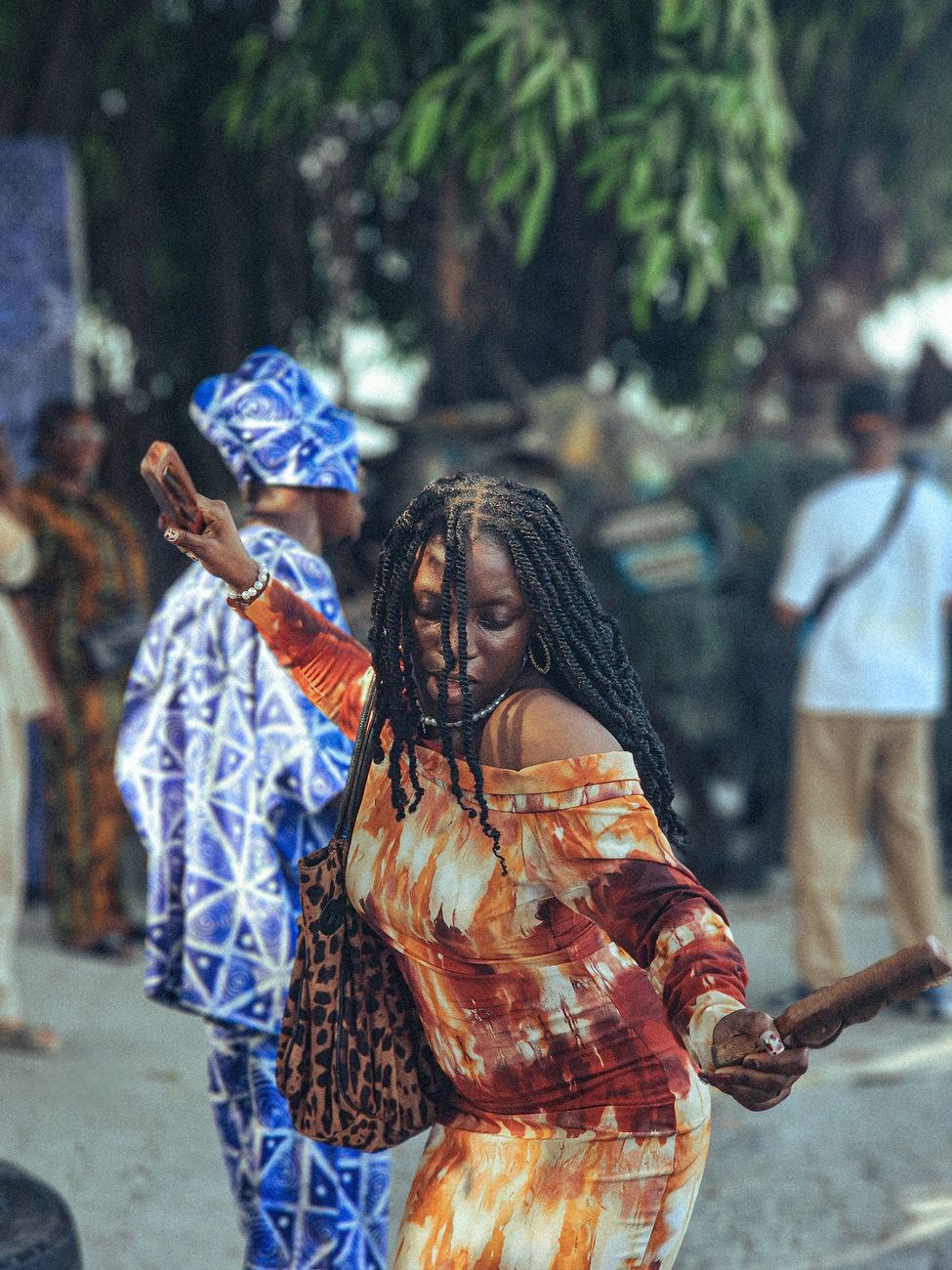
TikTok and Instagram Reels have become unlikely classrooms for African cultural education. Creators like Nigerian-British dancer Kelechi Okafor and Ghanaian content creator Ameyaw Debrah have shown that you can teach the meaning of Adinkra symbols or demonstrate the footwork of Afrobeats in under a minute — and still go viral. The format forces clarity. You cannot ramble about the history of the Kente cloth for eight minutes; you have to find the single most compelling fact and lead with it.
The common mistake here is treating short-form as a teaser for longer content. The most effective creators treat each Reel as a complete cultural lesson — one idea, fully landed. A 45-second video explaining why the Adinkra symbol "Gye Nyame" means "except God" — with the symbol on screen, pronunciation included — teaches more than a 2,000-word blog post most people won't finish.
Creators in this space typically see engagement rates of 8–14% on culturally specific content, well above the platform average of 3–5%, according to data tracked by Social Insider's TikTok benchmarks. Specificity drives engagement. "African dance" underperforms. "How to do the Azonto in 3 steps" overperforms every time.
-
2. Podcasts: Long-Form Storytelling for Complex Traditions

Some traditions resist compression. The Griot tradition of West Africa, for instance, involves genealogical recitation, historical narrative, and musical performance — all woven together. A podcast is the closest modern format to sitting with a griot. Shows like "Afripods" and "The Griot's Podcast" have built loyal audiences by treating each episode as an oral history session, often featuring elders as guests.
The structural advantage of podcasting is depth. A 45-minute episode on the spiritual significance of the Yoruba Egungun masquerade can explore theology, community governance, textile symbolism, and living practice — all in one sitting. Listeners who find this content are highly intentional; they searched for it, subscribed, and returned. That creates a community, not just an audience.
Production cost is also low. A decent USB microphone (the Audio-Technica ATR2100x retails for around $79), free software like Audacity, and a Spotify for Podcasters account is all a creator needs to launch. The barrier is not equipment — it is consistency and research depth.
-
3. Documentary Photography: Freezing Ceremonies Before They Disappear
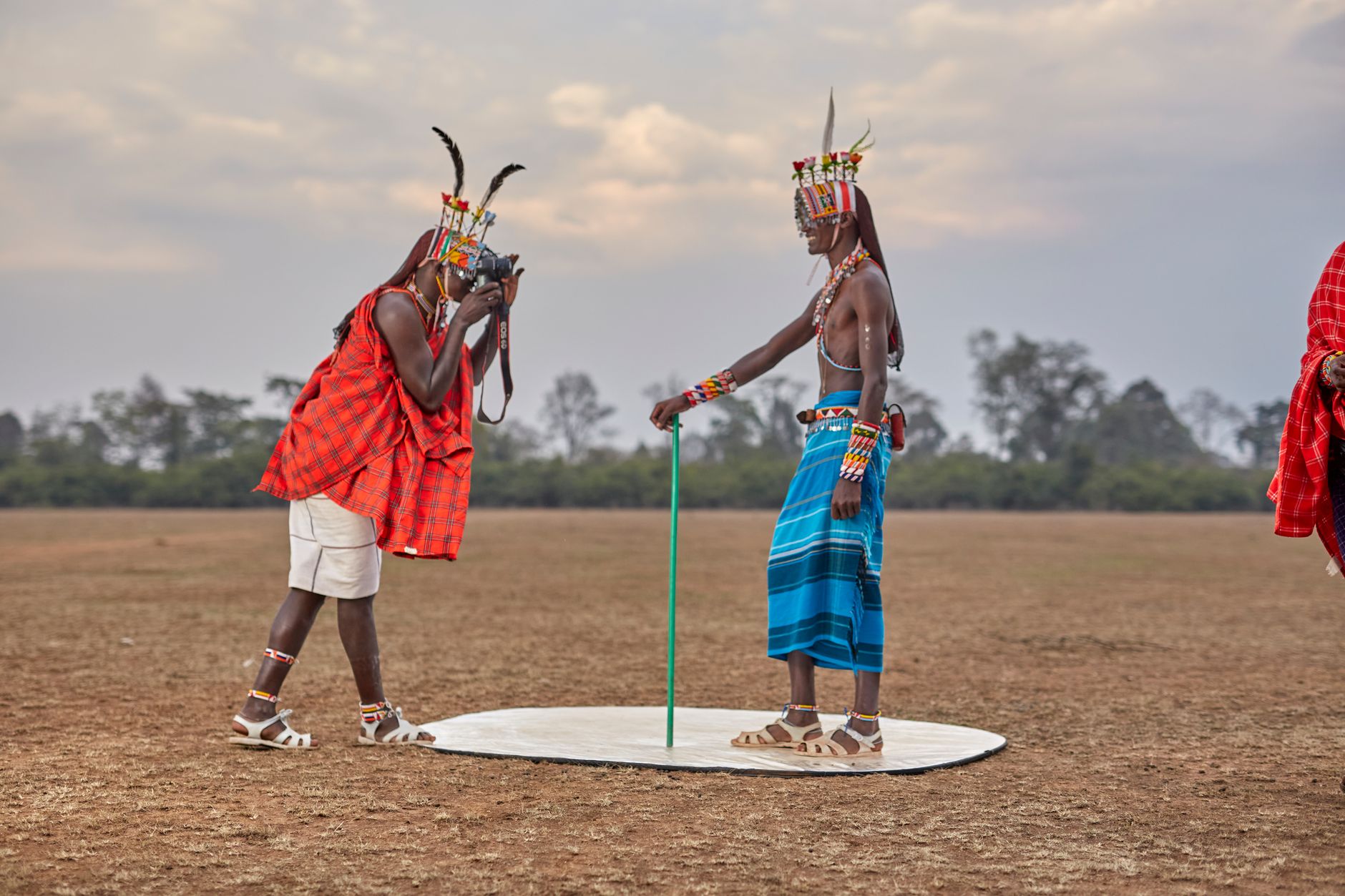
Photographers like Fatoumata Diabaté from Mali and Aida Muluneh from Ethiopia are doing archival work that museums commission but rarely execute this well. Their images of initiation rites, harvest festivals, and ancestral shrines circulate on Instagram, in editorial features, and in gallery exhibitions — reaching audiences that neither a museum nor a university could attract.
The key insight is platform strategy. A single photo series on an initiation ceremony in rural Malawi can live simultaneously as an Instagram carousel (reaching 50,000 followers), a licensed editorial feature in The Guardian, a print sold through a creator's website, and a submission to a cultural archive. One shoot, four revenue streams, indefinite archival value.
The trade-off is consent and ethics. Photographing sacred ceremonies without community permission is a real and recurring problem. The creators doing this right spend weeks building relationships before a camera appears. They share final images with the community first. They offer prints as payment. This is not just ethical — it is what gets them access to ceremonies that outsiders never see.
-
4. Digital Art and Illustration: Reimagining Mythology for Modern Eyes
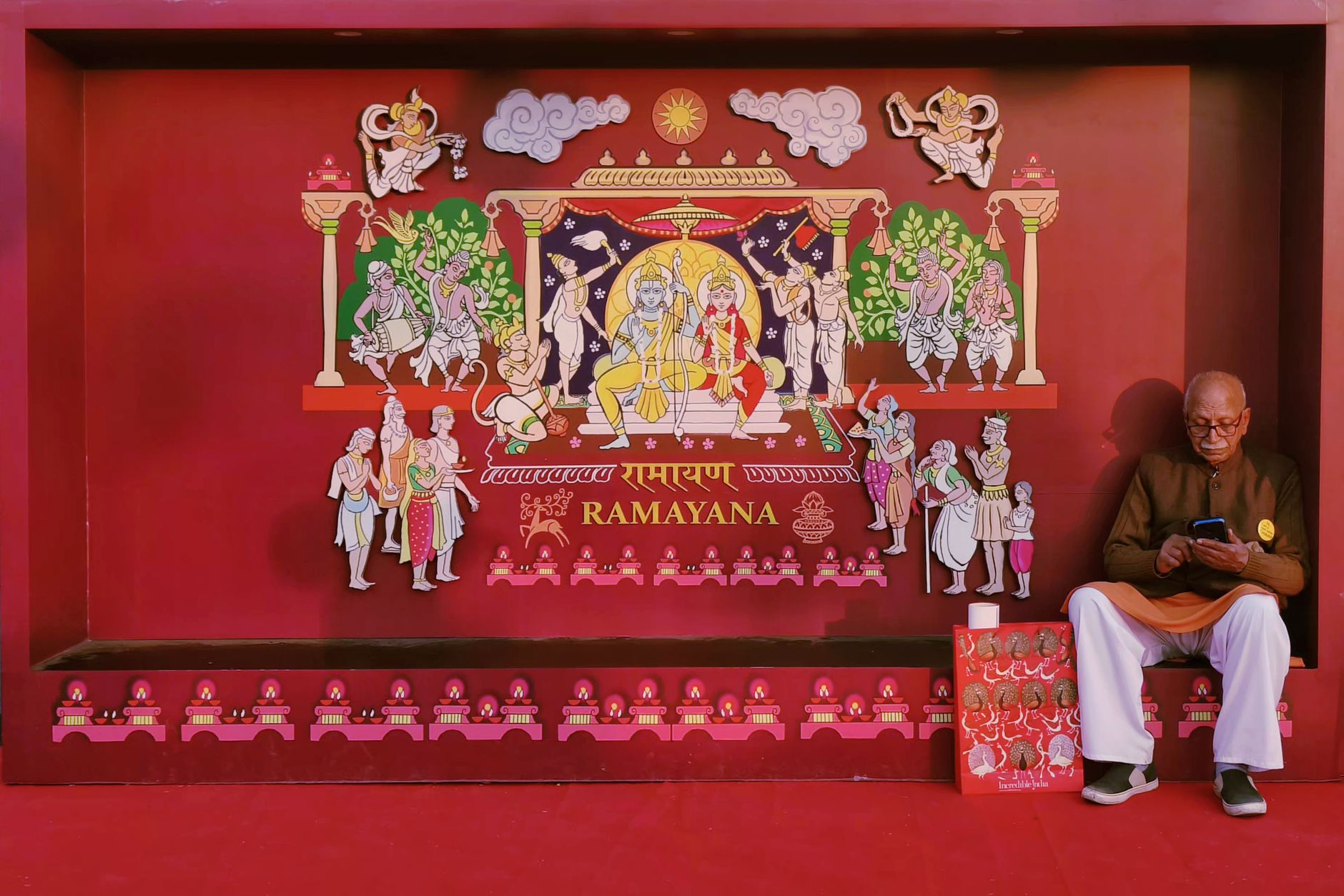
Nigerian digital artist Laolu Senbanjo — whose sacred Yoruba body art appeared in Beyoncé's "Lemonade" — proved that African spiritual iconography belongs in global visual culture. A wave of illustrators and digital artists has followed, creating work that translates Anansi spider tales, Oya wind goddess imagery, and San rock art motifs into formats that resonate with audiences raised on Marvel and anime.
Platforms like Behance, ArtStation, and Instagram are the galleries. Tools like Procreate and Adobe Fresco are the brushes. But the real skill is research. Artists who get this right spend as much time reading ethnographic sources and interviewing cultural practitioners as they do drawing. The mythology has to be accurate before it can be beautiful.
Creators in this niche have found strong commercial traction through NFTs, print-on-demand merchandise, and licensing deals with publishers producing Afrocentric children's books — a market that Publishers Weekly reports has grown significantly over the past five years as demand for diverse representation in children's literature surges.
-
5. YouTube Documentaries: Building the Archive Africa Deserves

YouTube has become the world's second-largest search engine, and creators are using it to build the cultural documentary archive that underfunded African public broadcasters never could. Channels like African History Untold and Africanews produce documentary-style content on everything from the Kingdom of Kush to contemporary Maasai land rights — and they rank for search terms that once returned only Western-produced content.
The SEO angle is deliberate and important. A well-optimized YouTube video titled "The Real History of the Mali Empire" can outrank a BBC documentary clip within six months if the creator understands keyword research, chapter markers, and thumbnail psychology. This is heritage preservation and media strategy simultaneously.
Production quality matters more here than in short-form. Viewers expect at least basic color grading, clean audio, and a narrative arc. A creator investing $500 in a basic mirrorless camera (Sony ZV-E10 is a popular entry point) and learning DaVinci Resolve for color grading can produce content that competes with mid-tier broadcast quality. The ceiling is effort, not budget.
-
6. Food Content: Cuisine as Cultural Transmission
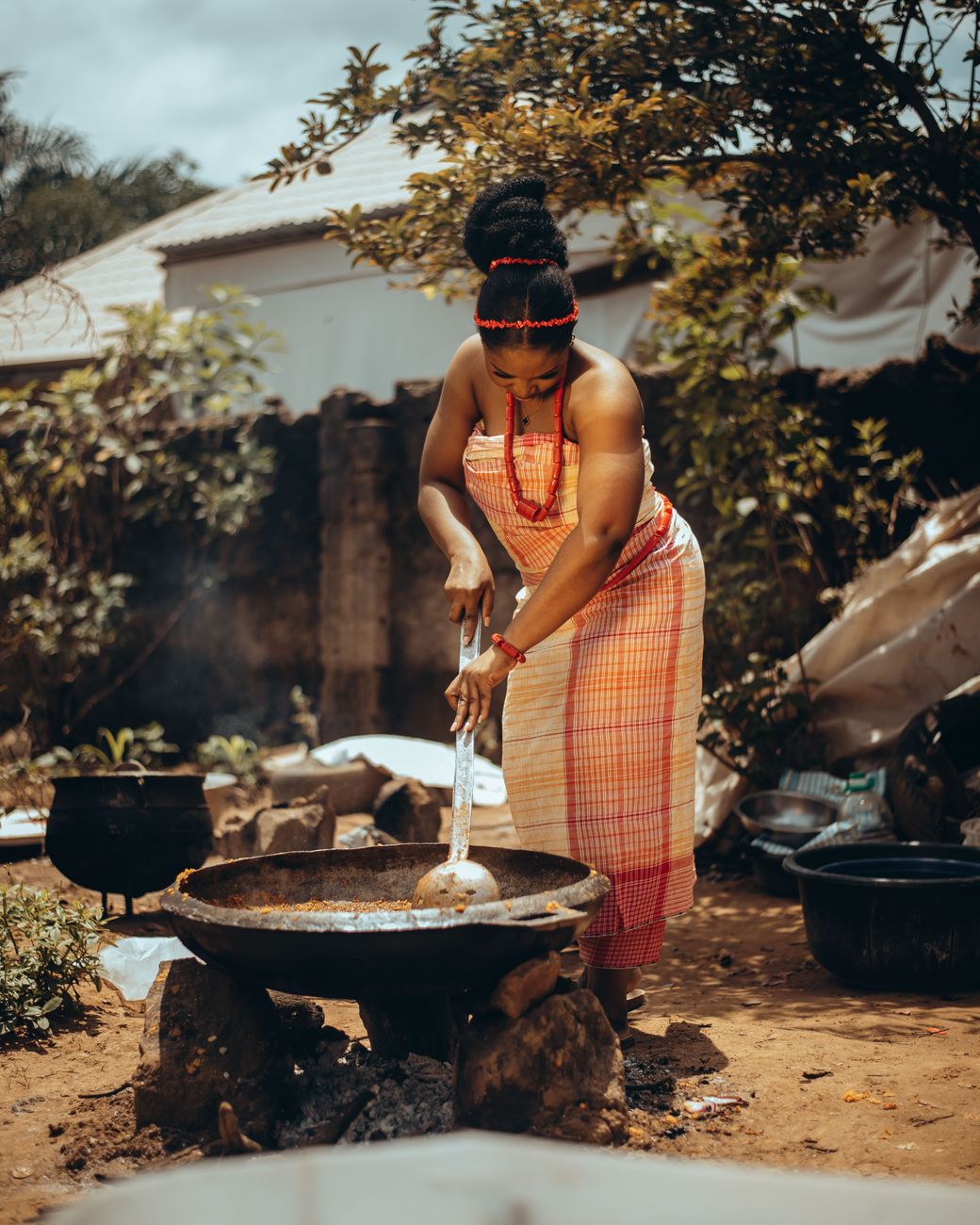
Food is arguably the most accessible entry point into any culture. Creators like Ozoz Sokoh (Kitchen Butterfly) have built entire editorial empires around Nigerian cuisine — not just recipes, but the history of jollof rice trade routes, the symbolism of kola nut in Igbo ceremonies, and the agricultural heritage behind egusi seeds. This is cultural education delivered through appetite.
The format works across platforms. A 90-second Reel of someone making fufu from scratch pulls in casual viewers. The same creator's 20-minute YouTube video on the regional variations of fufu across Ghana, Nigeria, and Cameroon keeps food historians and diaspora members watching until the end. Both serve the preservation mission; they just serve different audiences.
Diaspora creators have a particular advantage here. Someone making their grandmother's Senegalese thiéboudienne in a London kitchen is doing something a recipe card cannot: they are showing that the tradition travels, adapts, and survives. For more on how diaspora creators are turning food into global businesses, read our piece on African diaspora creators turning culture into global products.
-
7. Music Production and Archiving: Saving Sounds Before They Vanish
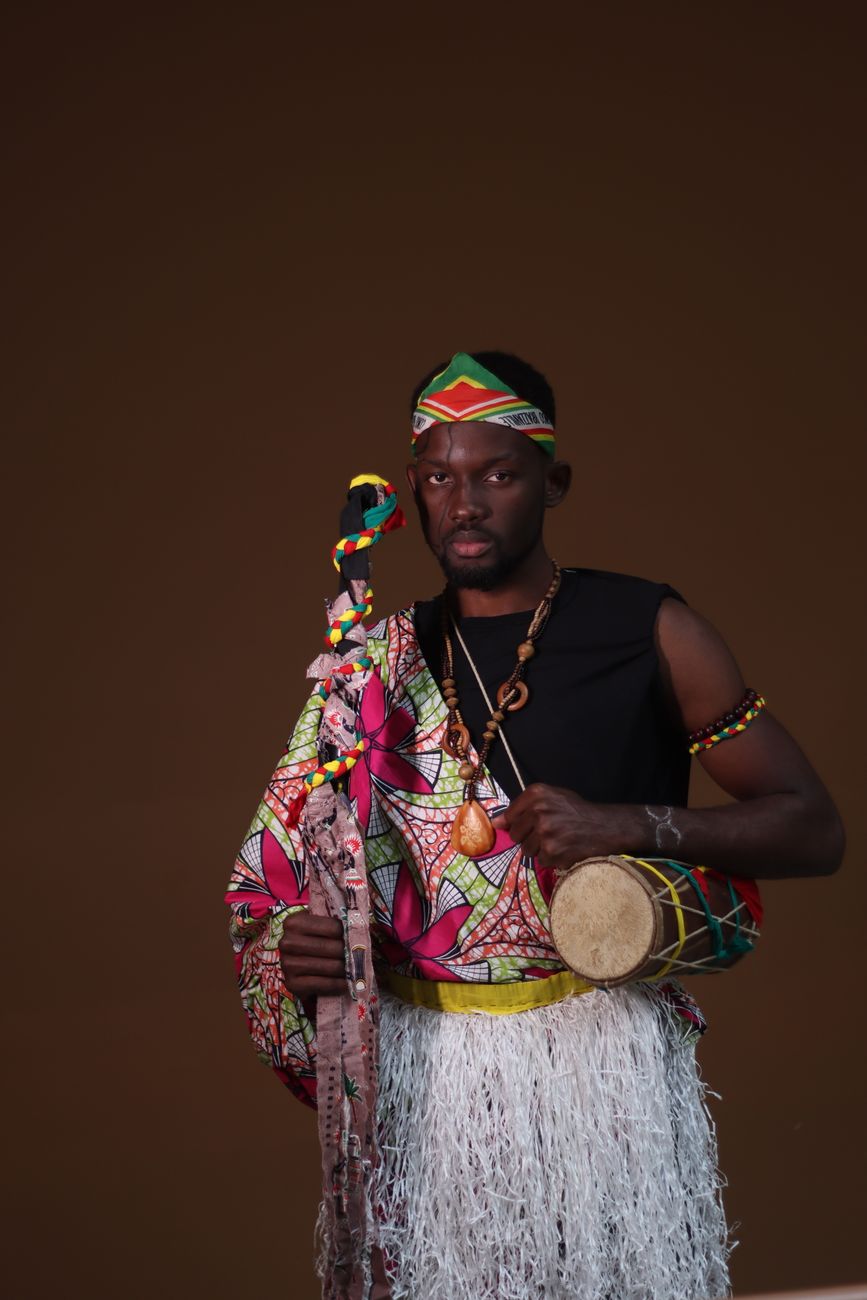
Hundreds of African musical traditions — the mbira of Zimbabwe, the kora of West Africa, the tbal drums of North Africa — are at risk of generational loss. Producers and musicians who sample, document, and recontextualize these sounds are performing a dual function: making commercially viable music and creating a sonic archive.
Producers like Asa (Nigeria) and Sho Madjozi (South Africa) embed traditional instrumentation into contemporary Afrobeats and gqom tracks. Each song that reaches a Spotify playlist is also a lesson in what those instruments sound like — heard by listeners who may never encounter them otherwise. The streaming numbers are not just metrics; they are a measure of cultural reach.
Creators are also using platforms like SoundCloud and Bandcamp to release field recordings and oral history audio alongside their music — essentially building open-access ethnomusicology archives. This is a practice borrowed from academic researchers but executed with creator-economy distribution.
-
8. Language Content: Keeping Indigenous Languages Spoken
Africa has over 2,000 languages. Roughly 40% of them are considered endangered, according to UNESCO's endangered languages programme. Digital creators are fighting this statistic one video at a time. Channels dedicated to teaching Twi, Hausa, Zulu, Amharic, and Wolof have collectively amassed millions of subscribers — proving that demand for indigenous language learning exists and is growing.
The format that works best is contextual immersion. Rather than grammar drills, the most-subscribed language creators teach through daily scenarios: how to greet an elder in Twi, how to bargain at a Lagos market in Yoruba, how to express condolence in Amharic. Language embedded in cultural context is stickier than language taught in isolation.
Creators who build structured courses — using platforms like Teachable or Thinkific — can charge $50–$200 per course and generate income that justifies the research investment. A creator who produces a 30-lesson Twi course is simultaneously building a business and a linguistic archive. That dual value proposition is what makes this niche sustainable.
-
9. Fashion and Textile Content: Wearing the Story
African fashion creators are doing something the luxury industry has tried and failed at for decades: explaining the meaning behind the cloth. A Kente weaver's pattern is not decoration — it is a language. Each color and geometric arrangement carries specific meaning tied to Akan proverbs and royal lineage. Creators who communicate this context transform a fashion post into a cultural lesson.
Accounts dedicated to Ankara styling, Kente education, and the history of Moroccan Berber jewelry have found audiences that span fashion enthusiasts, diaspora members reconnecting with roots, and non-African consumers who want to engage respectfully with what they wear. The comment sections on these posts are often the most culturally rich spaces on the internet.
The practical angle for aspiring creators: partner with artisans directly. A creator who films a Kente weaver in Bonwire, Ghana, and then shows the finished cloth being styled in Accra has a complete narrative arc — production, craft, meaning, and contemporary use. That story sells the cloth, educates the viewer, and preserves the weaver's technique on film simultaneously.
-
10. Community Platforms and Creator Discovery: Building the Infrastructure
Individual creators do powerful work. But the infrastructure that connects them — platforms, directories, and community hubs — multiplies that impact. When a researcher in Berlin can find a Malian griot-inspired podcast creator, a Rwandan digital artist, and a Swahili language teacher all in one place, the cultural ecosystem becomes searchable, collaborative, and self-reinforcing.
This is exactly the gap that platforms like Topping Africa are built to fill. By aggregating African creators across niches — culture, tech, fashion, food, language — the platform makes heritage content discoverable at scale. A brand looking to commission culturally authentic content can find the right creator. A diaspora member looking to reconnect with their roots can find a creator who speaks their grandmother's language.
The infrastructure layer is often invisible but is arguably the most important piece. Discover creators across every cultural niche on the Topping Africa Explore page — and if you are a creator working to preserve African culture and traditions, promote your work to reach the audience it deserves.
The Mistakes That Undermine Heritage Content
Not every creator doing "African culture" content is doing it well. The most common failure is surface-level aesthetics without substance — using African prints as a backdrop without explaining their origin, or featuring traditional music without crediting the community it comes from. This is not just ethically thin; it performs poorly. Audiences who actually care about the culture will call it out, and algorithm penalties for low engagement can follow.
A second mistake is inconsistency. Cultural education requires trust, and trust requires showing up regularly. A creator who posts three videos on Yoruba mythology and then disappears has not built an archive — they have left three orphaned videos. The creators who build lasting audiences in this space publish on a fixed schedule: weekly, bi-weekly, or monthly, but always predictably.
Finally, working in isolation limits both quality and reach. The most effective heritage creators collaborate — with elders, with other creators, with cultural institutions. A creator who interviews a practicing sangoma for a wellness episode produces something that a solo creator researching from Wikipedia simply cannot. For a powerful example of this collaborative approach in action, see how African creators are reviving traditional medicine for modern wellness.
What This Means for the Creator Economy in Africa
Heritage content is not a niche — it is a growth category. As global audiences increasingly seek authentic, specific cultural content over generic entertainment, African creators who have built deep expertise in their traditions are sitting on an appreciating asset. The knowledge is irreplaceable. The audience is growing. The monetization paths — brand deals, courses, licensing, merchandise, live events — are multiplying.
The 10 methods above are not exhaustive. They are proof of concept. Every one of them has been executed by real creators, generating real audiences and real income, while simultaneously doing the most important cultural work of our generation. Browse the full range of creators doing this work at Topping Africa's creator directory — and consider what tradition you are qualified to preserve.
Start now. The elders who hold the knowledge are not waiting. Neither is the audience that wants it.
Staff
Contributing writer at Topping Africa.
0 Comments
No comments yet. Be the first to share your thoughts!